


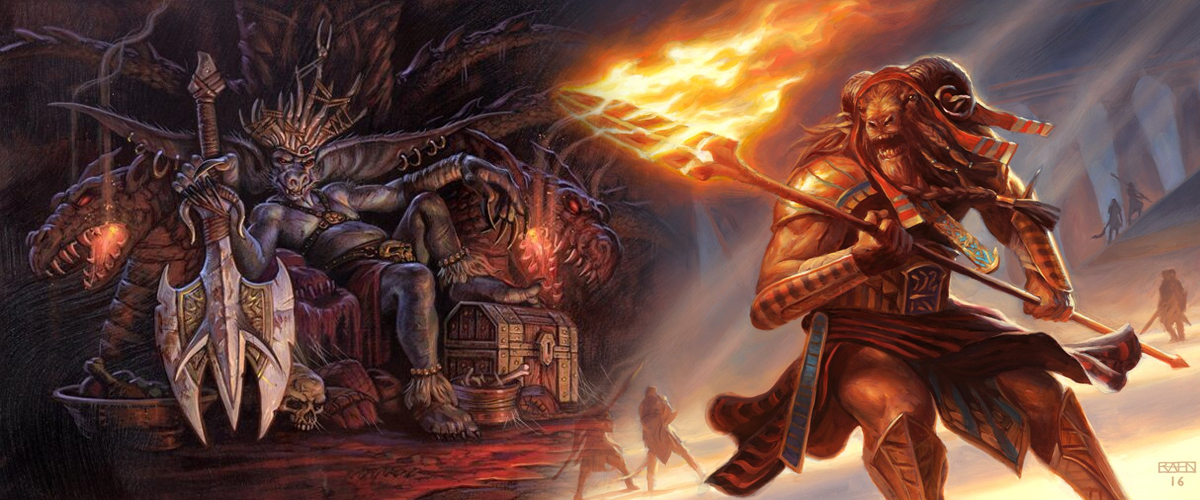
Commander is often described as Magic’s most social format, and nowhere is that more evident than tribal decks. While competitive Commander tends to compress games around efficient combos, fast mana, and streamlined win conditions, Tribal strategies remind us why many players fell in love with the format in the first place. They tell stories. They create memorable board states. They let you flood the battlefield with creatures that share a common identity, then watch that identity evolve into something spectacular.
This article is not about optimized cEDH lists or mathematically perfect deck construction. These are casual Commander decks built around tribes that are flavorful, synergistic, and, most importantly, fun to play. One deck begins with an army of tiny Kobolds and gradually unleashes some of the most terrifying Dragons in the game. The other marches into battle with a herd of Minotaurs, using discard, combat pressure, and tribal lords to grind opponents down while embracing the wonderfully underappreciated Minotaur tribe.
What makes both lists compelling is that they commit fully to their themes. The Kobold deck doesn’t merely use Kobolds as a gimmick, it turns them into fuel for a Dragon empire. The Minotaur deck builds an entire discard-and-combat engine around the identity of the tribe. Neither list is trying to race the fastest decks at the table, and that’s exactly the point. These are the kinds of Commander decks that generate stories, encourage interaction, and produce the spectacular battlefield swings that casual multiplayer Magic is famous for.
Deck #1: From Tiny Kobolds to Dragon Domination
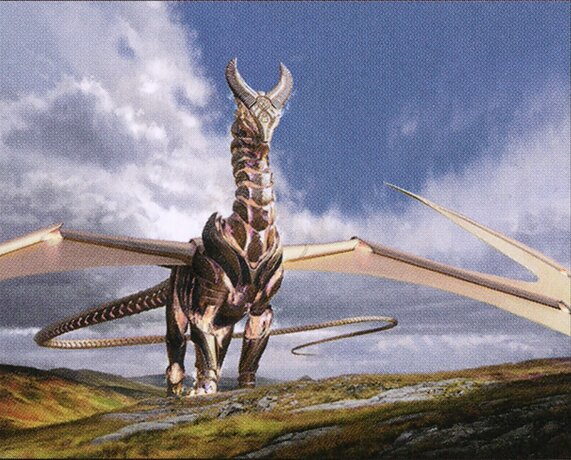
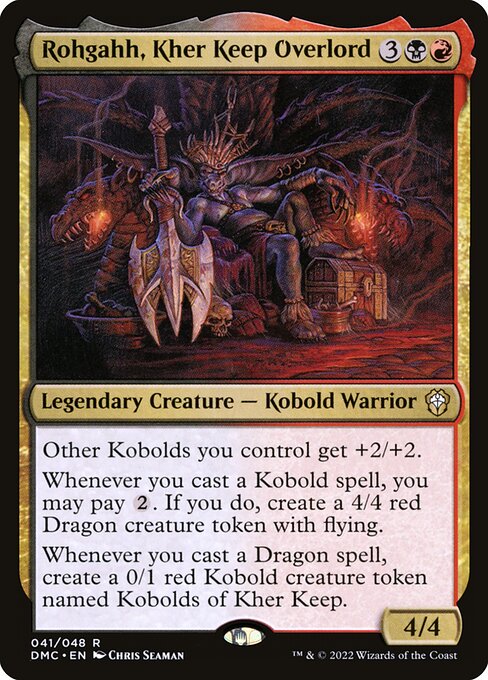
At first glance, Rohgahh, Kher Keep Overlord looks like the setup to a joke. You’re building a deck around Kobolds, 0/1 creatures that have spent decades being remembered primarily for costing zero mana and accomplishing very little. Yet that is exactly what makes this commander so charming. Rather than pretending Kobolds are individually powerful, the deck embraces their role as enthusiastic little enablers, using them as the foundation for a spectacular Dragon tribal payoff.
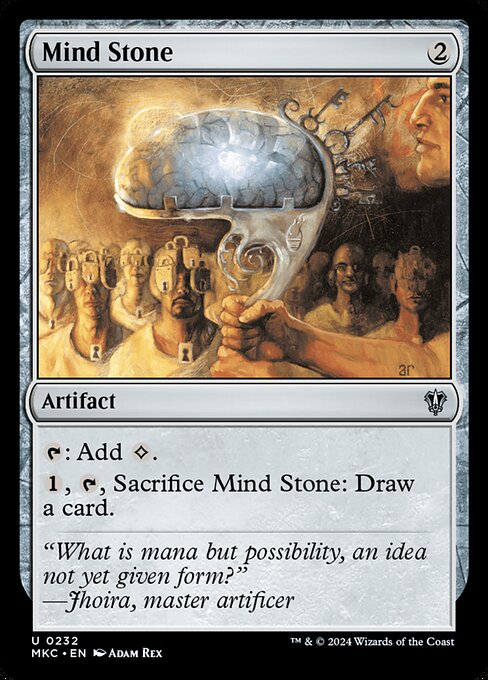
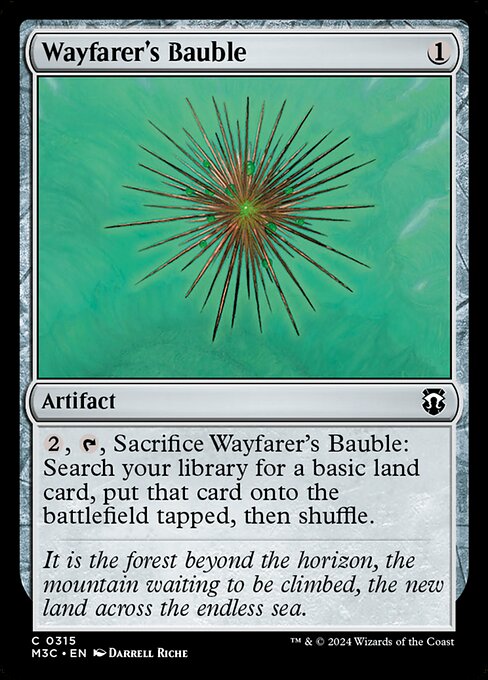
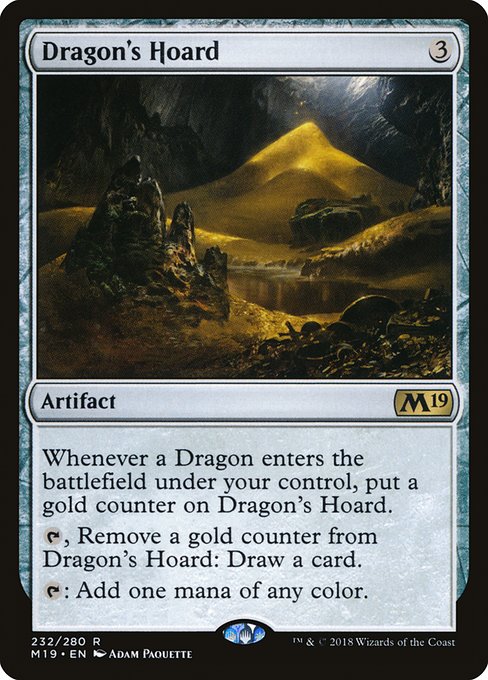
The opening turns rarely feel threatening, just like most Commander decks you’re most likely developing your mana base with cards like Arcane Signet, Rakdos Signet, Talisman of Indulgence, Mind Stone, Wayfarer's Bauble, and Dragon's Hoard.
Things take a turn when Rohgahh, Kher Keep Overlord comes into play, however. At that point, every one of your free kobolds: Crimson Kobolds, Crookshank Kobolds, Kobolds of Kher Keep, and Rograkh, Son of Rohgahh can bring a 4/4 Dragon with them if you pay 2 mana anytime you cast one of them. Individually they are tiny, but collectively they provide an incredible amount of board presence for almost no mana investment. Every Kobold entering the battlefield contributes toward later Dragon synergies, provides bodies for tribal effects, and gives you a surprising amount of flexibility when interacting with sacrifice, equipment, and token-based strategies.
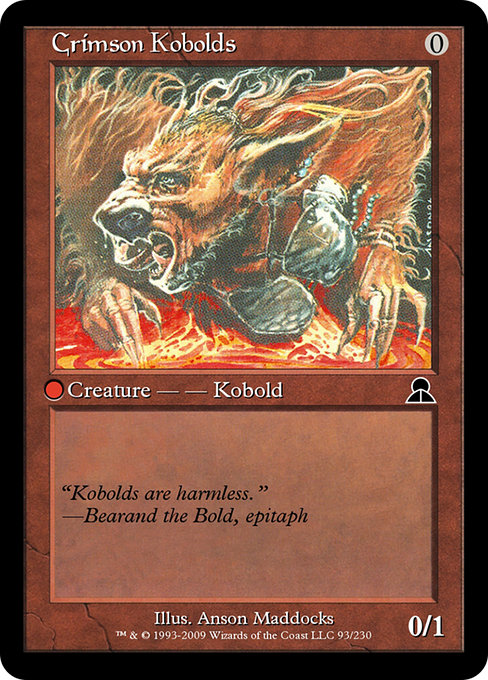
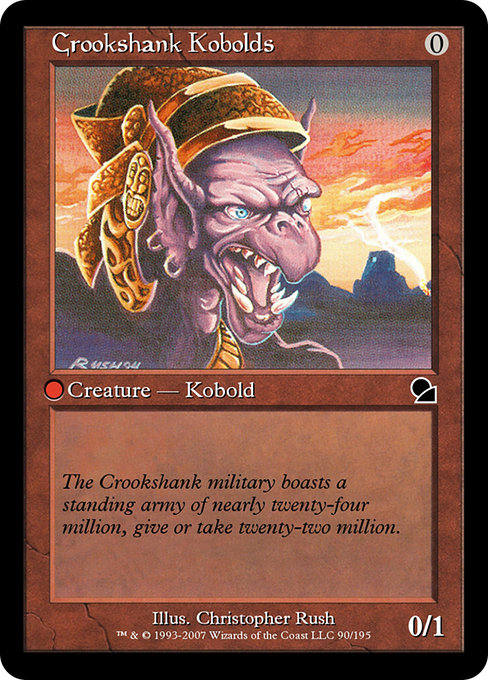
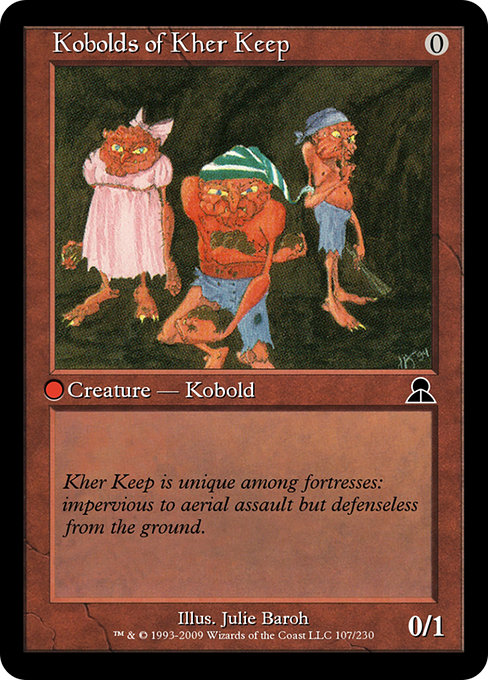
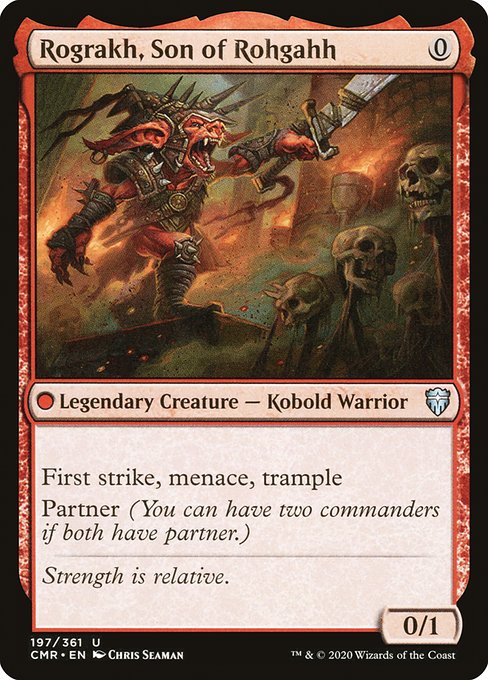
One of the clever aspects of this list is that it doesn’t force you to choose between Kobolds and Dragons. Instead, it treats Kobolds as the early supporting cast and Dragons as the headliners. We also have cheap Changelings (which count as Kobolds), such as Changeling Outcast, Changeling Wayfinder, and Taurean Mauler.
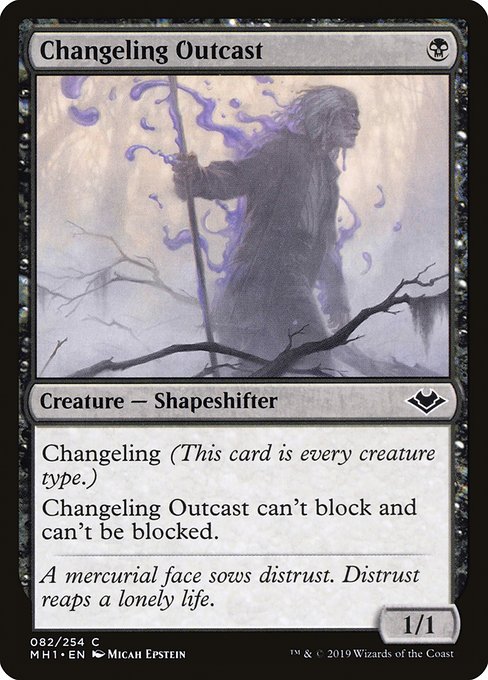
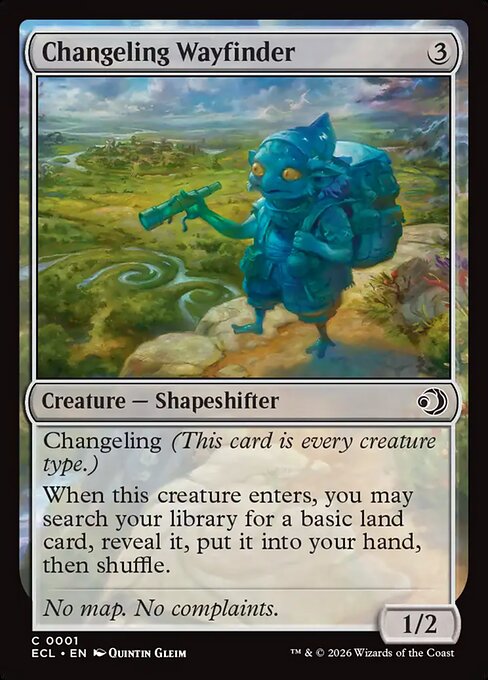
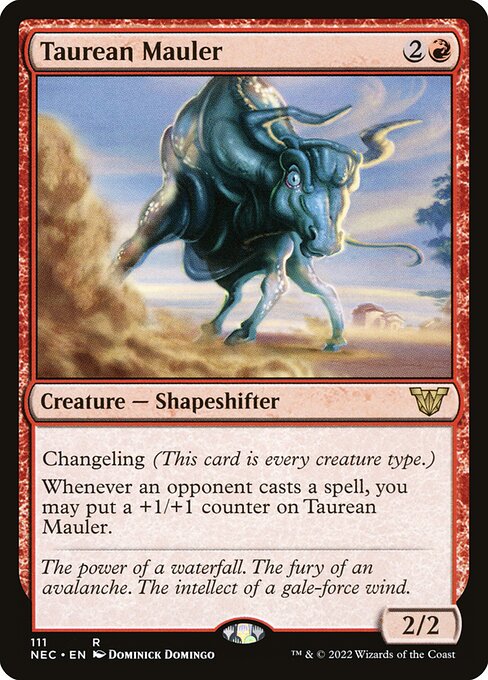
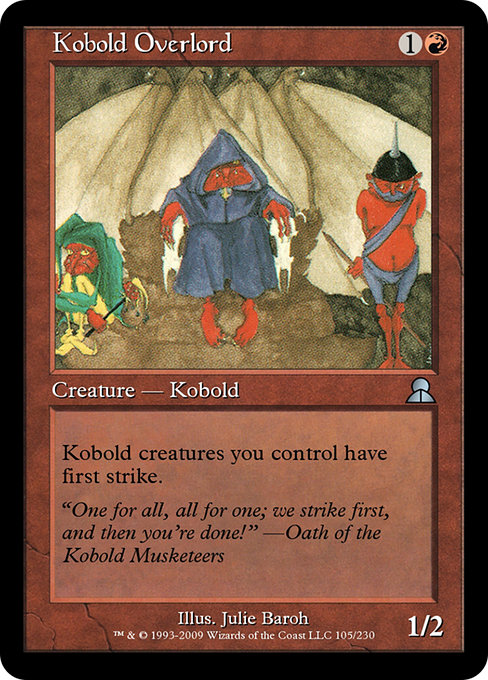
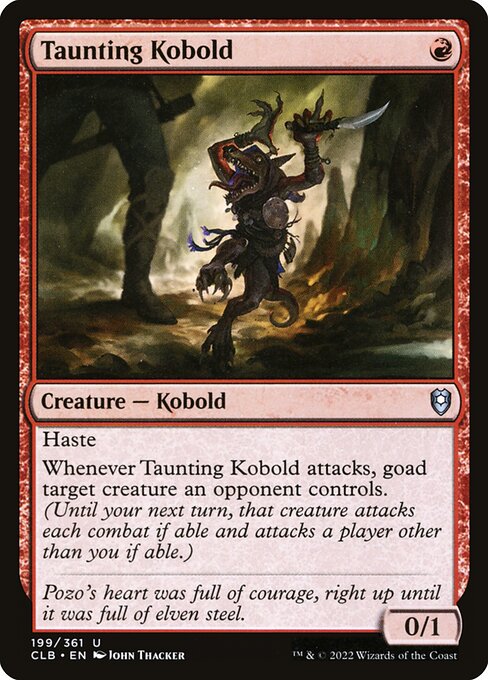
Other Kobolds included aren’t free, but they provide great value to their tribe. Kobold Overlord gives all of our Kobolds First Strike; Taunting Kobold forces an enemy creature to attack;
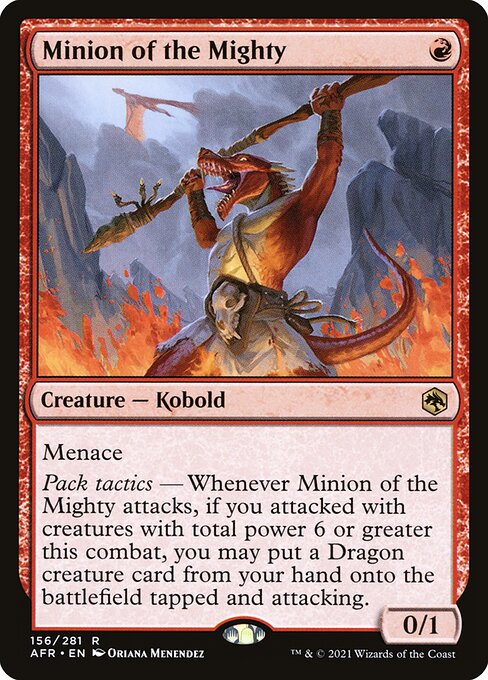
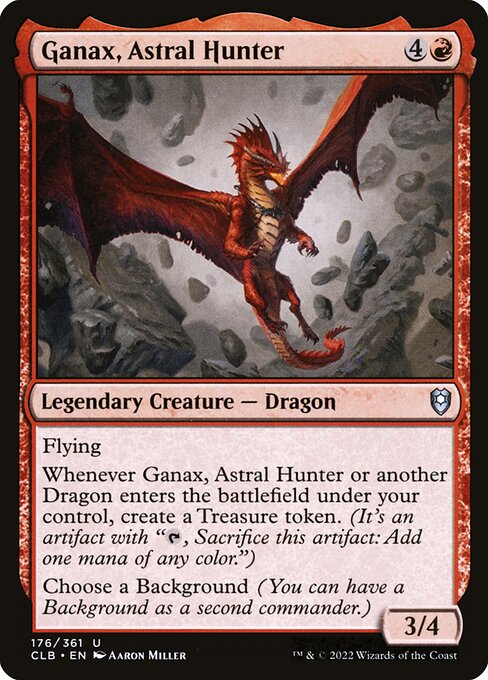
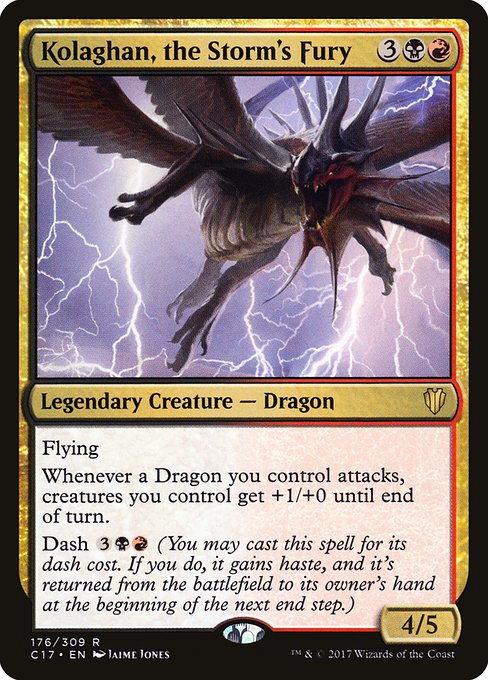
That transition from swarm deck to Dragon deck is where the strategy becomes genuinely exciting. Ganax, Astral Hunter immediately turns every subsequent Dragon into Treasure, helping chain larger threats together. Lathliss, Dragon Queen doubles down on Dragon production by creating additional Dragon tokens, while Kolaghan, the Storm's Fury transforms a crowded battlefield into a frightening combat step. The Kobolds that looked harmless a few turns earlier suddenly become extra attackers benefiting from anthem effects and Dragon-triggered bonuses.
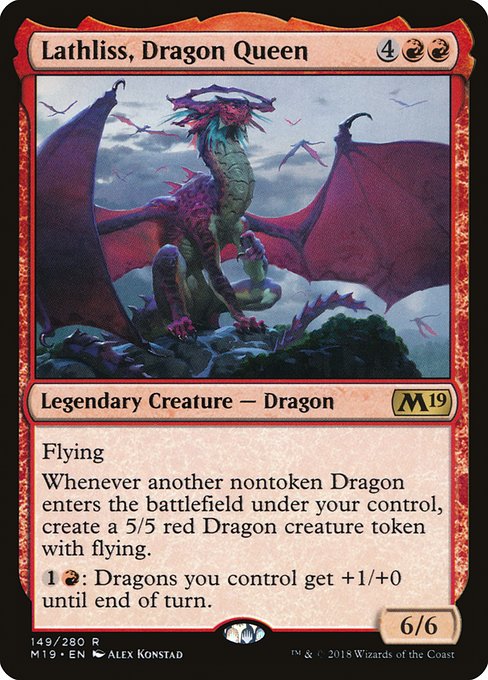
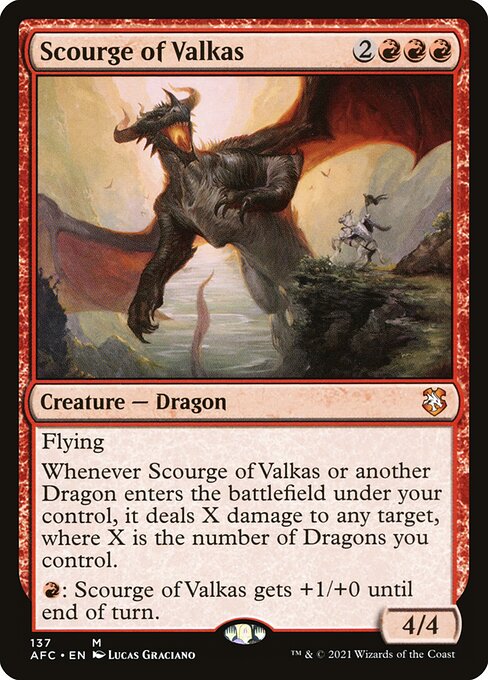
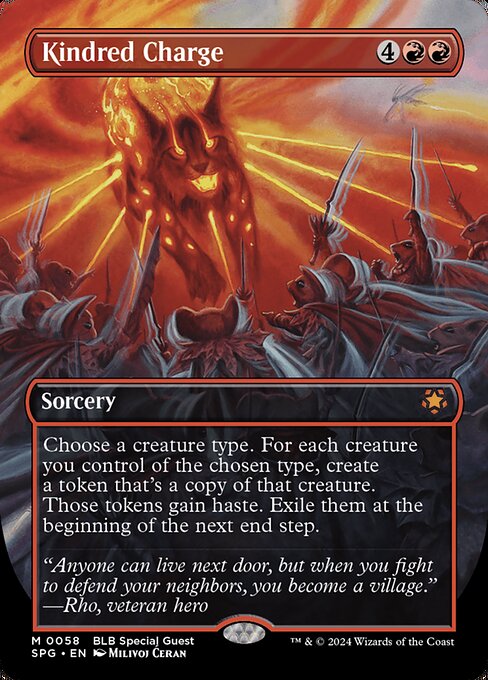
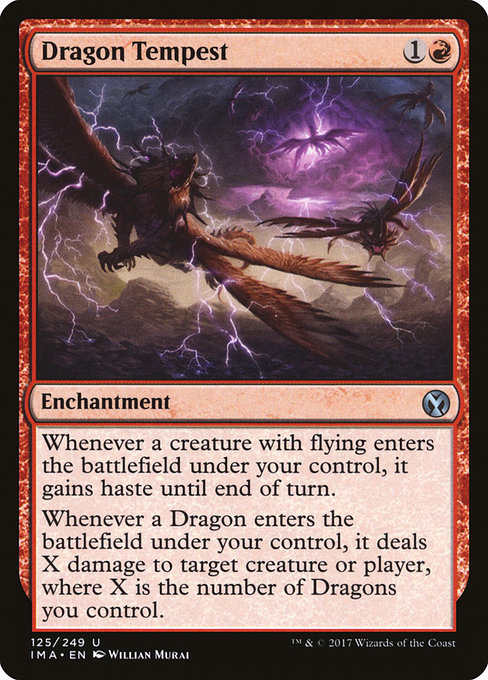
The deck’s damage output can escalate absurdly quickly once the major Dragon payoffs appear. Scourge of Valkas turns every Dragon entering the battlefield into direct damage, and because cards like Lathliss, Dragon Queen and Kindred Charge can create multiple Dragons at once, those triggers stack into enormous bursts of damage. Dragon Tempest serves a similar role, granting haste while repeatedly throwing damage around the table as your aerial army grows. Few casual Commander experiences are as satisfying as watching a board of tiny Kobolds suddenly become the launchpad for a chain of Dragon Tempest and Scourge of Valkas triggers that melts multiple opponents at once.
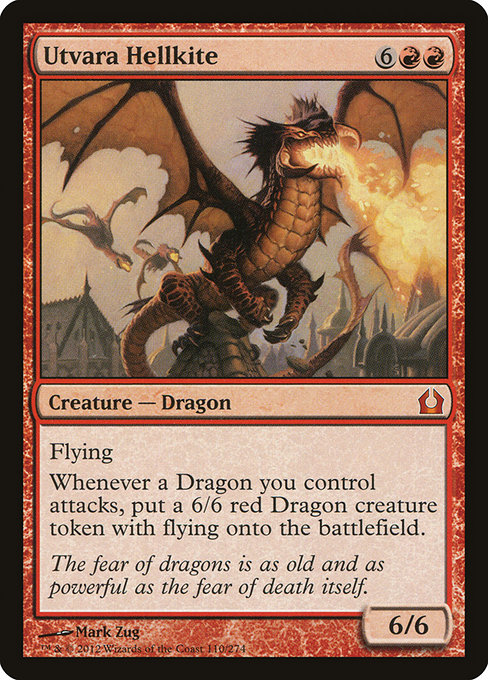
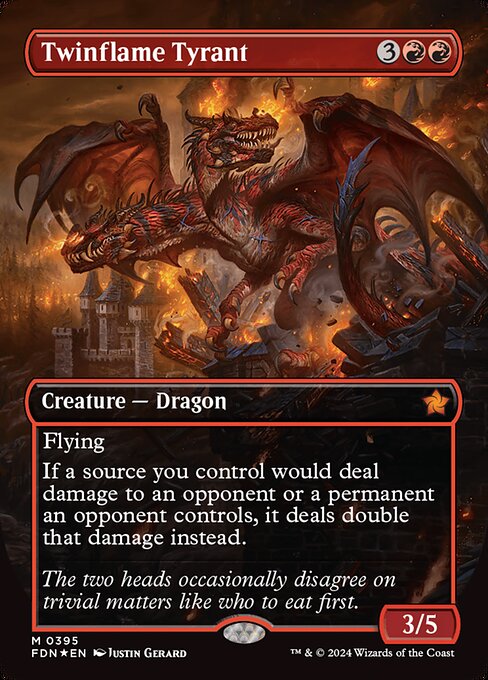
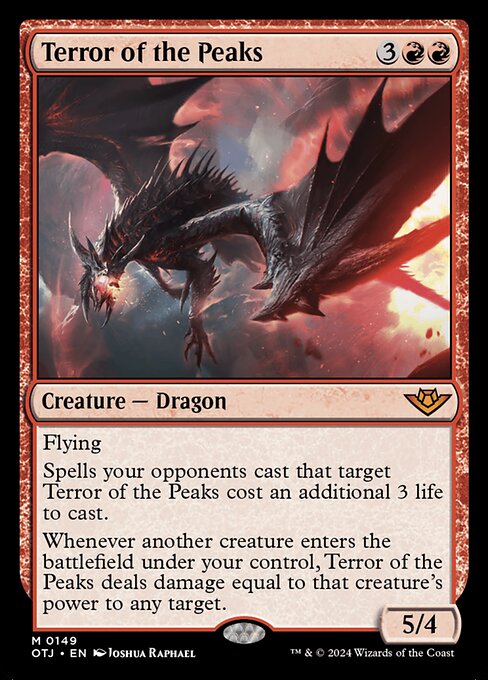
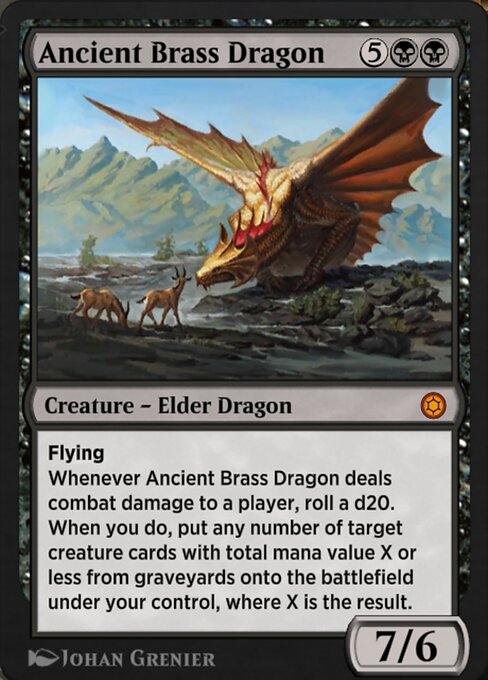
The top end of the curve fully embraces the spectacle. Utvara Hellkite is the quintessential “win by attacking” Dragon, creating additional Dragons for every Dragon that attacks. Once it survives a single combat step, the board often spirals out of control. Twinflame Tyrant amplifies damage output dramatically, while Terror of the Peaks ensures that every creature entering the battlefield becomes another source of direct damage. Ancient Brass Dragon provides an entirely different angle by turning combat damage into massive graveyard recursion, allowing fallen Dragons and support creatures to return for another round of chaos.
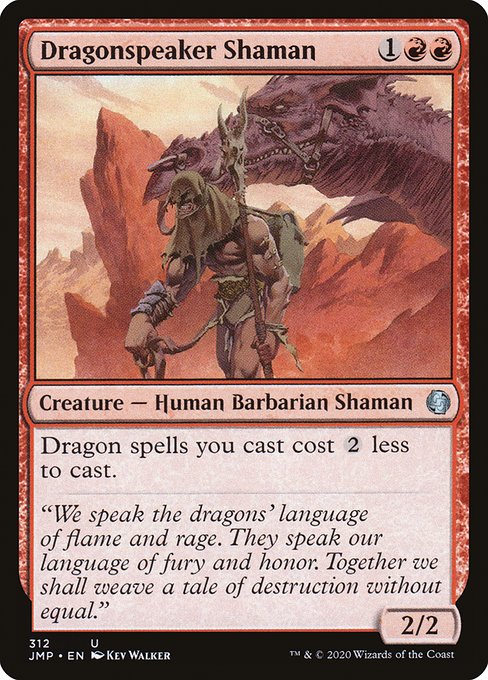
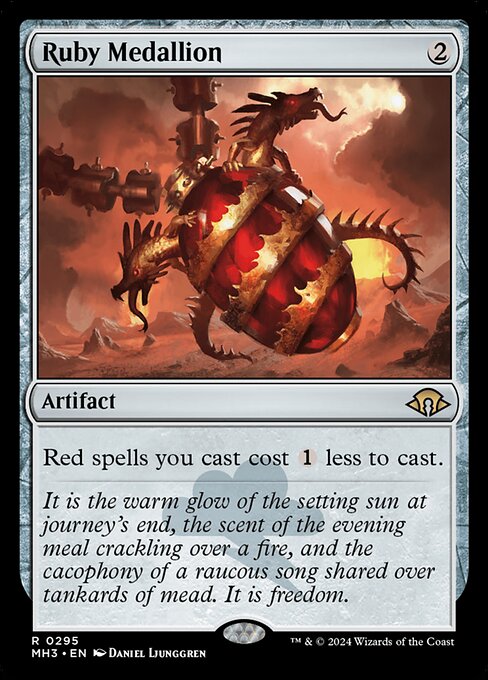
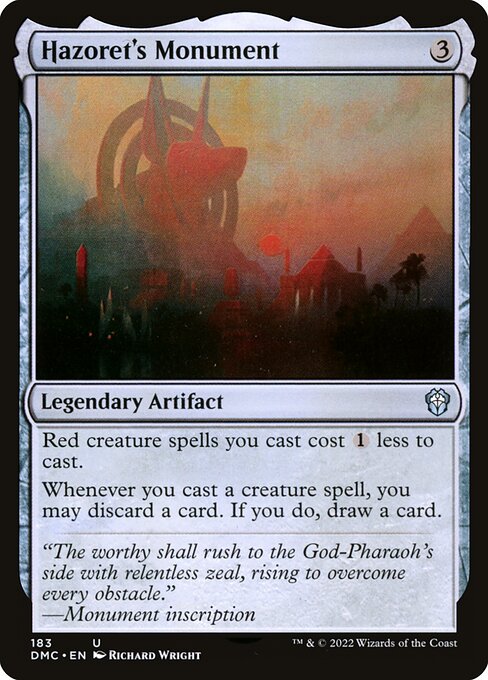
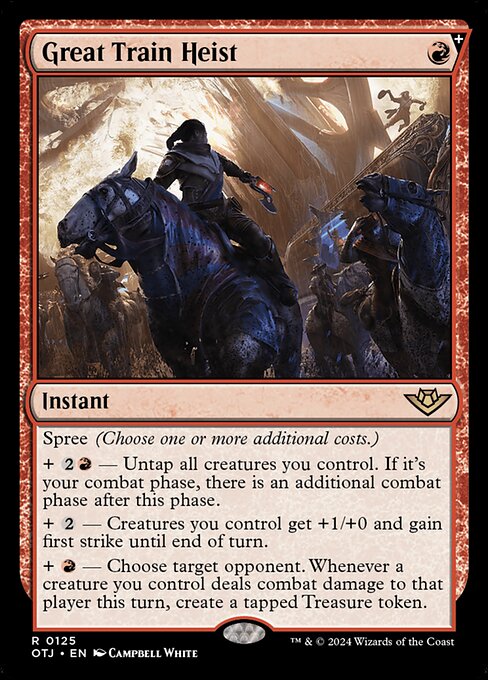
What keeps the deck from feeling clunky despite its expensive threats is the amount of cost reduction and mana support dedicated specifically to Dragons. Dragonspeaker Shaman lowers the cost of your most important creatures, Ruby Medallion discounts a large portion of the red spell package, and Hazoret's Monument both reduces creature costs and helps filter through the deck. Combined with Treasure production from Ganax, Astral Hunter and occasional explosive turns from Great Train Heist, the deck often casts multiple Dragons in a single turn despite operating in a casual power band.
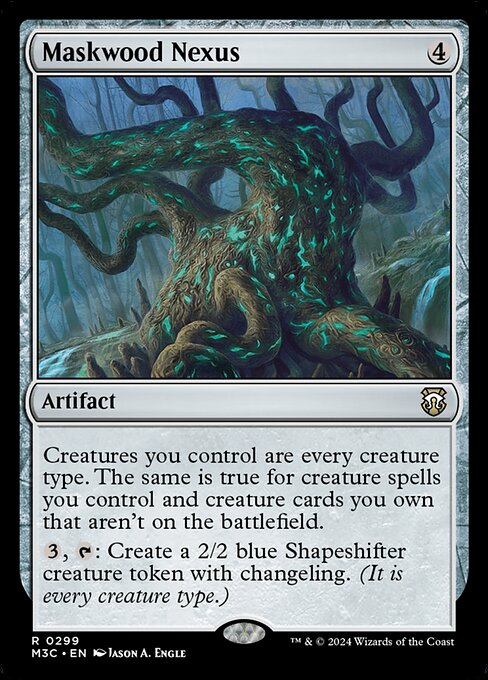
Things get extra special whenever Maskwood Nexus gets intoplay. Suddenly your Kobolds are Dragons, your Dragons are Kobolds; even those in our hand, which means you get to create extra Dragon tokens whenever you play your Dragons too!
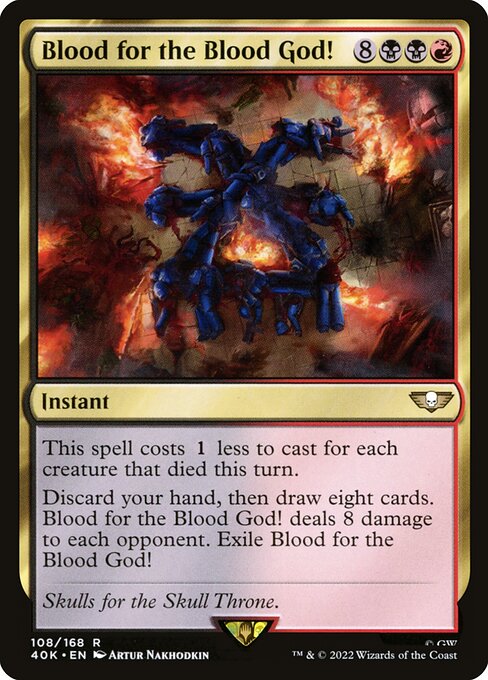
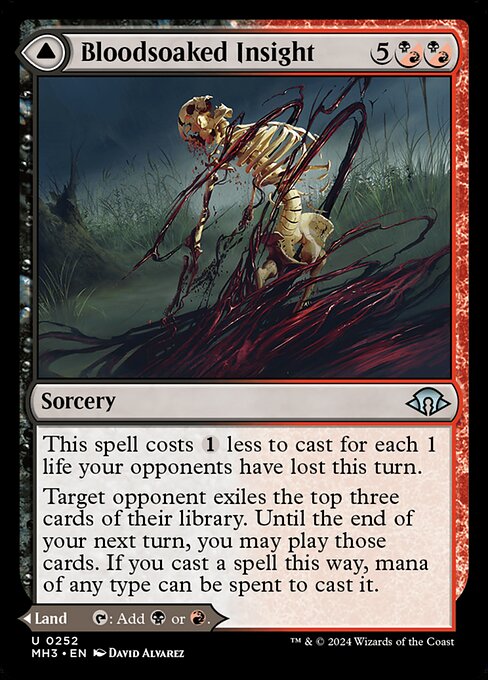
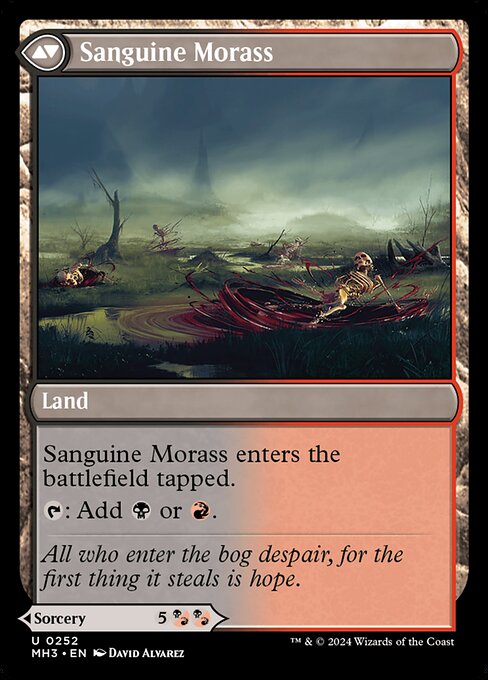
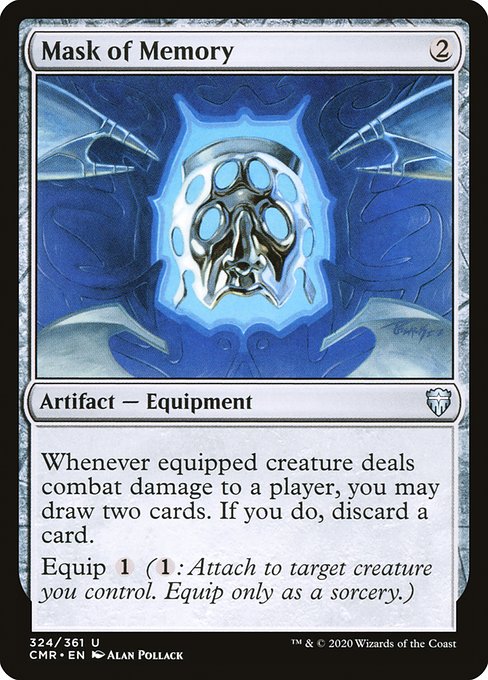
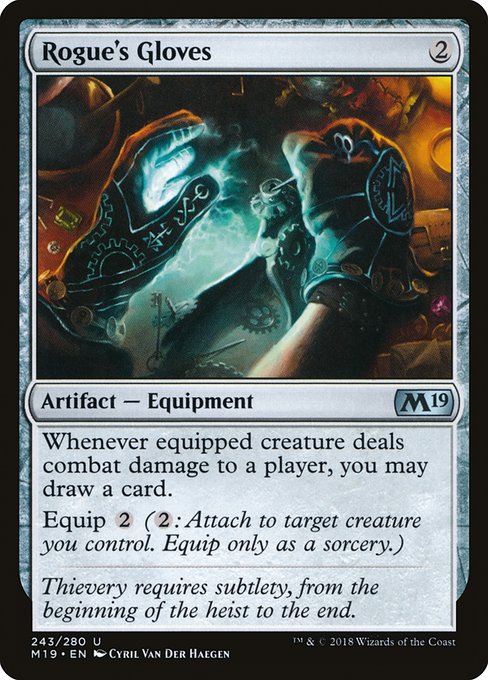
Card draw is another area where the list exceeds expectations for a tribal deck. Blood for the Blood God! can produce enormous swings after a combat-heavy turn, Bloodsoaked Insight keeps the cards flowing, and Pact of the Serpent can draw a substantial number of cards when naming either Kobold or Dragon depending on the board state. Equipments like Mask of Memory and Rogue's Gloves turn even small evasive creatures into reliable sources of advantage, ensuring the deck doesn’t simply dump its hand and hope to topdeck Dragons afterward.
Ultimately, Rohgahh, Kher Keep Overlord succeeds because it captures something quintessentially Commander. You begin the game with creatures that look laughably underpowered, spend several turns convincing the table that you’re merely assembling a cute tribal board, and then suddenly reveal that the Kobolds were never the destination, they were the welcoming committee for an incoming Dragon apocalypse. It is theatrical, unpredictable, and exactly the kind of deck that creates the stories people remember long after the game ends.
Check out the deck here:
Commander
Creatures (32)
Instants (8)
Sorceries (12)
Artifacts (15)
Enchantments (3)
Lands (29)
100 Cards
$649.9
Deck #2: Minotaur Tribal with a Discard Twist
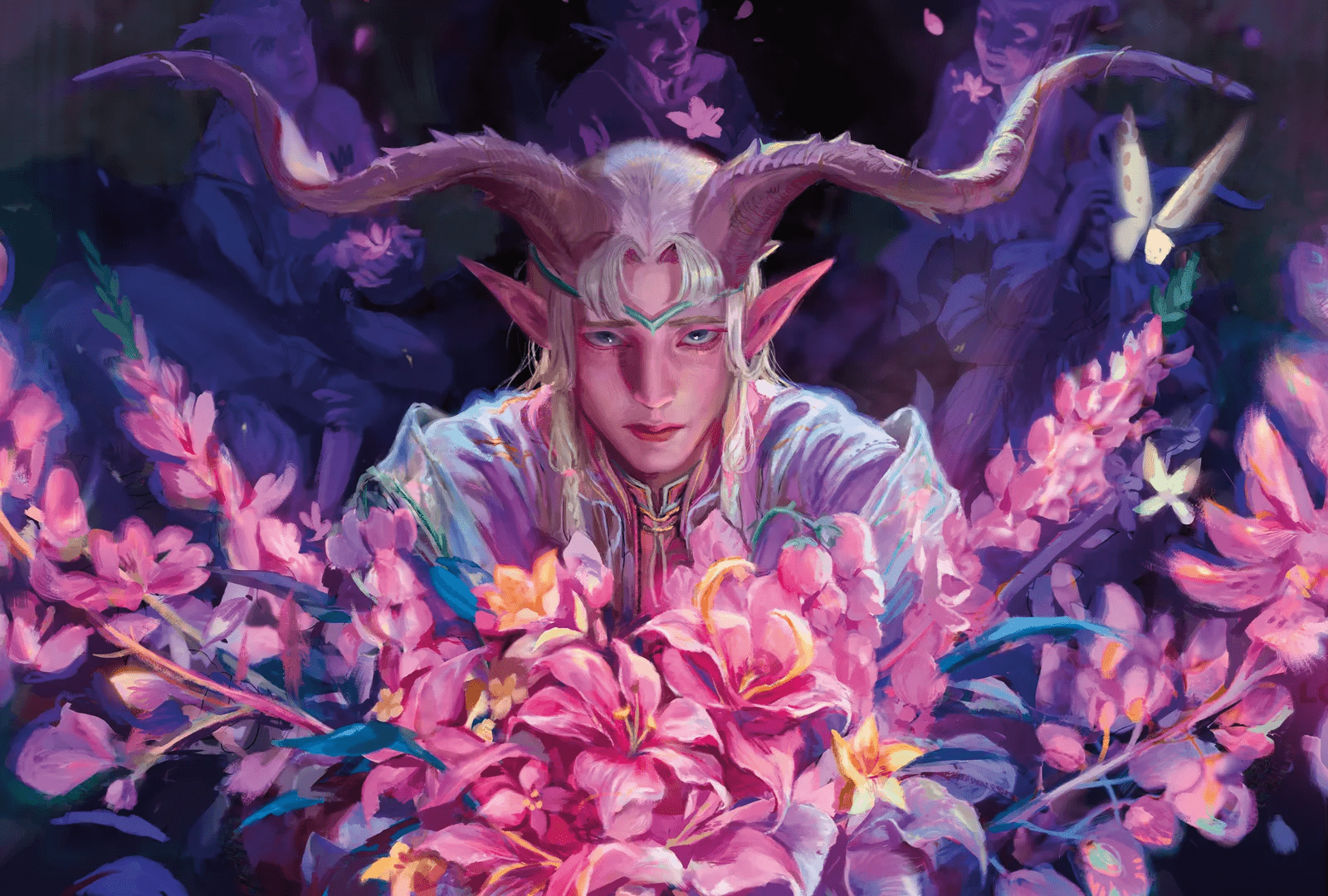
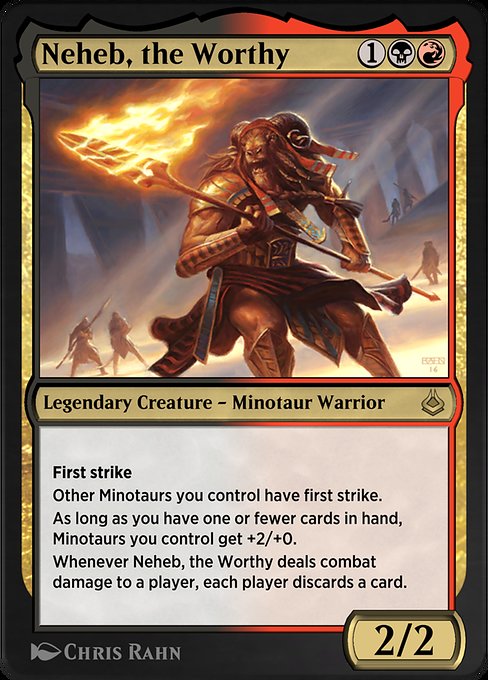
Neheb, the Worthy takes Rakdos in an entirely different direction. Rather than overwhelming opponents with enormous flying threats, this deck focuses on one of Magic’s oldest and most flavorful creature types: Minotaurs. It’s a tribe that has slowly accumulated support over the years without ever reaching the popularity of Elves, Goblins, or Zombies, making it an excellent choice for players who enjoy playing something a little different.
Like many casual tribal decks, this list isn’t trying to assemble an infinite combo or dominate a high-powered table. Instead, it wants to create a battlefield where every Minotaur contributes to a growing army while discard effects gradually wear opponents down. The result is a strategy that feels uniquely Rakdos: aggressive, disruptive, and capable of producing explosive combat steps without ever abandoning its tribal identity.
Naturally, everything begins with Neheb, the Worthy. As both a tribal lord and a discard engine, Neheb perfectly bridges the deck’s two primary themes. His anthem effect immediately makes even modest Minotaurs much more threatening in combat, while his discard trigger creates opportunities to turn what would normally be a drawback into another source of value. Rather than fearing discarded cards, this deck actively embraces them.
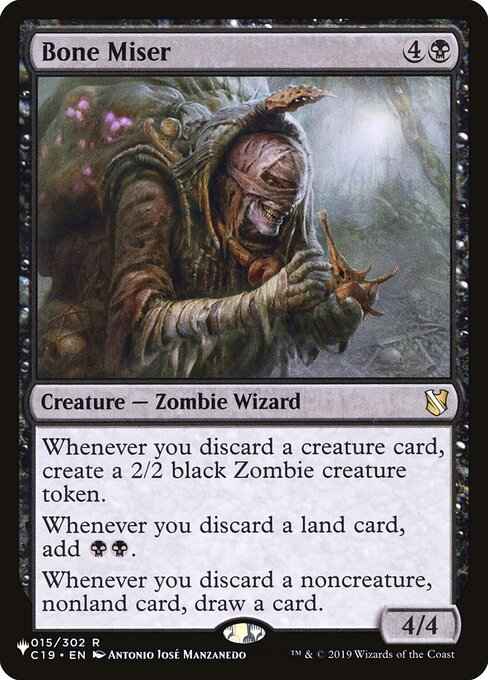
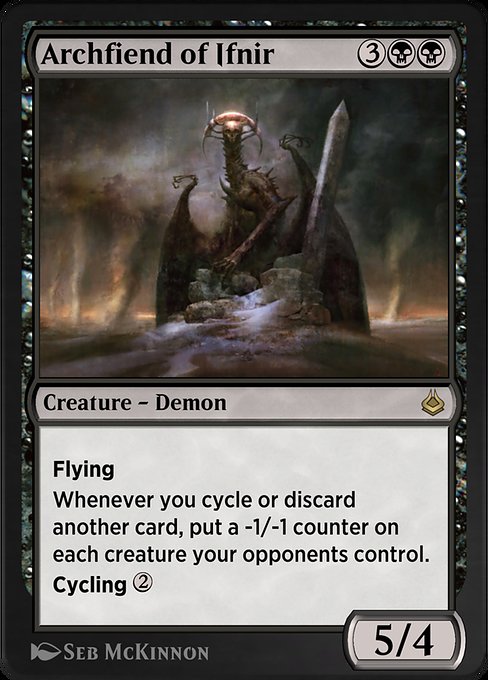
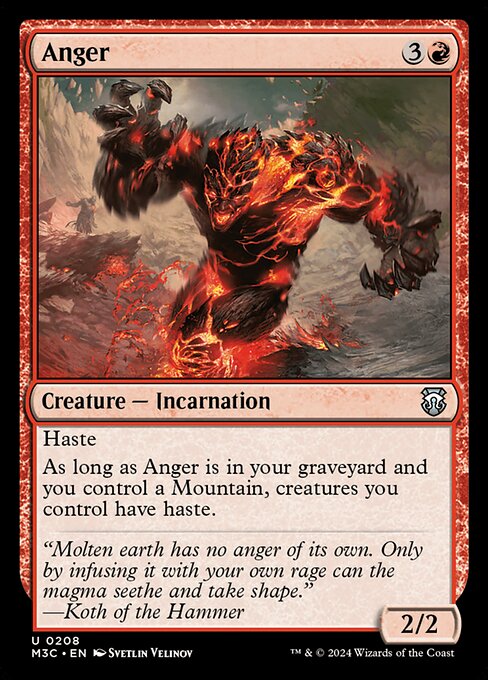
Several creatures actively reward that approach. Bone Miser is perhaps the clearest example, transforming discarded cards into mana, Zombie tokens, or additional card draw depending on what leaves your hand. Archfiend of Ifnir weaponizes discard by distributing -1/-1 counters across opposing boards, allowing your tribal army to attack through weakened defenses. Meanwhile, Anger practically begs to be discarded, granting haste to your creatures once it reaches the graveyard and turning every future Minotaur into an immediate threat.
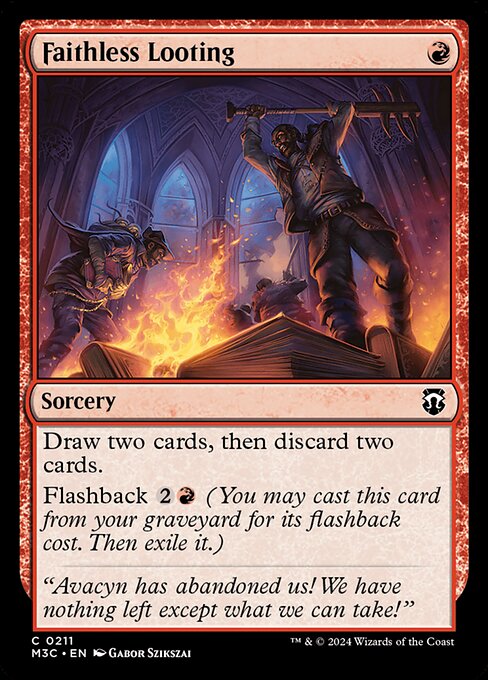
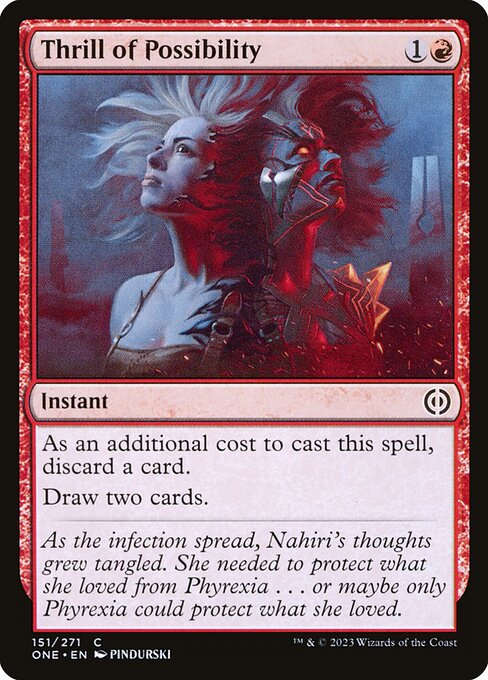
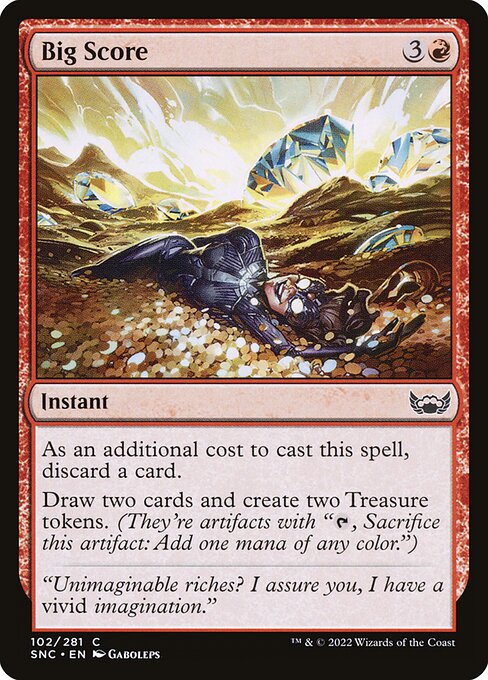
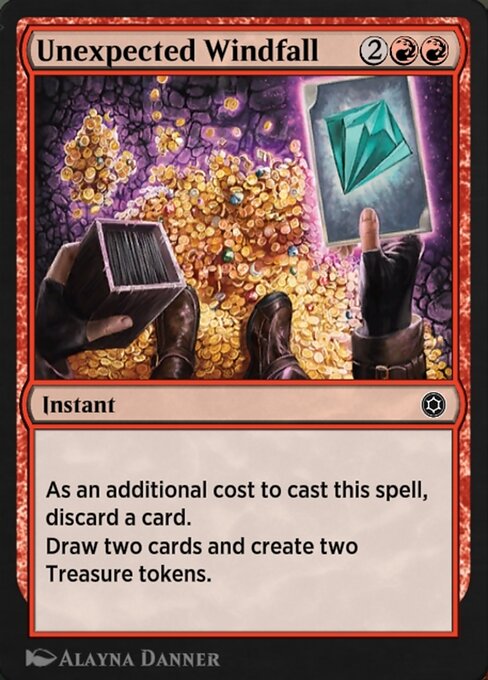
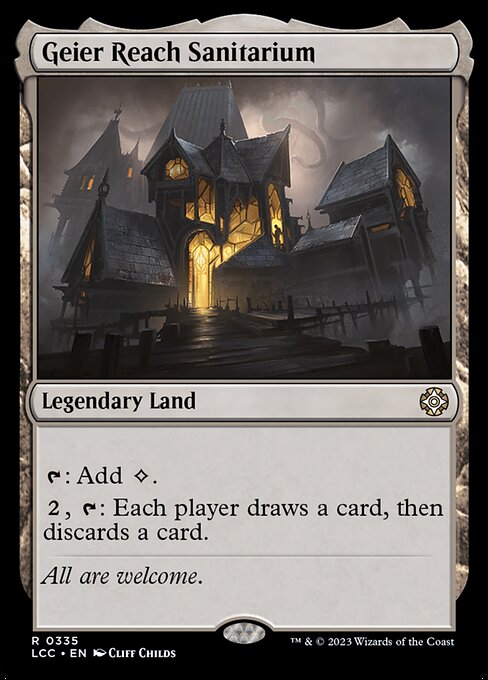
That synergy means many of the deck’s looting effects function as card advantage rather than card selection. Casting Faithless Looting, Thrill of Possibility, Big Score, Unexpected Windfall, or even activating Geier Reach Sanitarium often improves your board position while simultaneously filling your graveyard with useful resources. Instead of losing value, you’re choosing which tools belong in your hand and which ones are actually more useful in the graveyard.
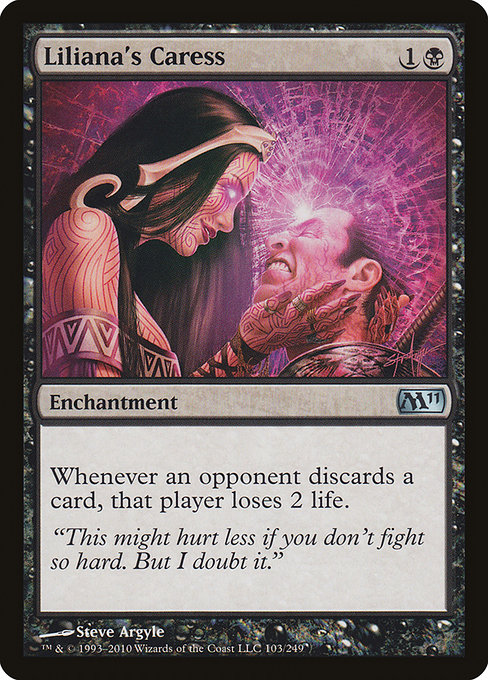
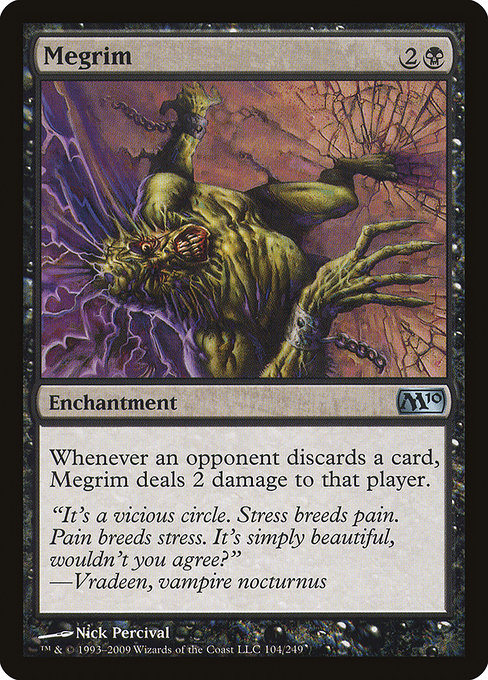
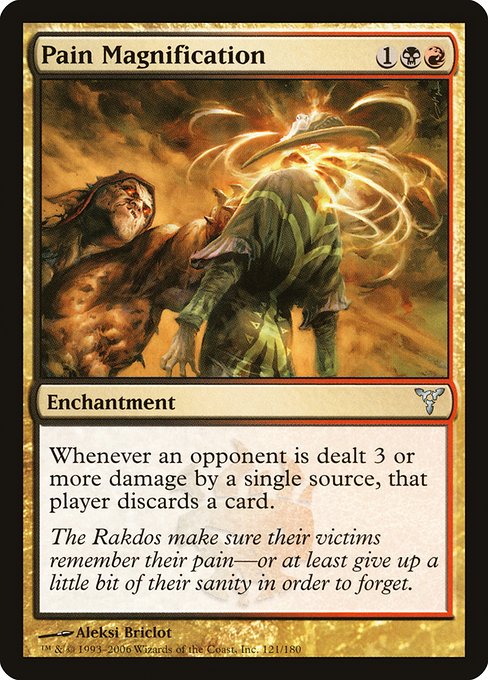
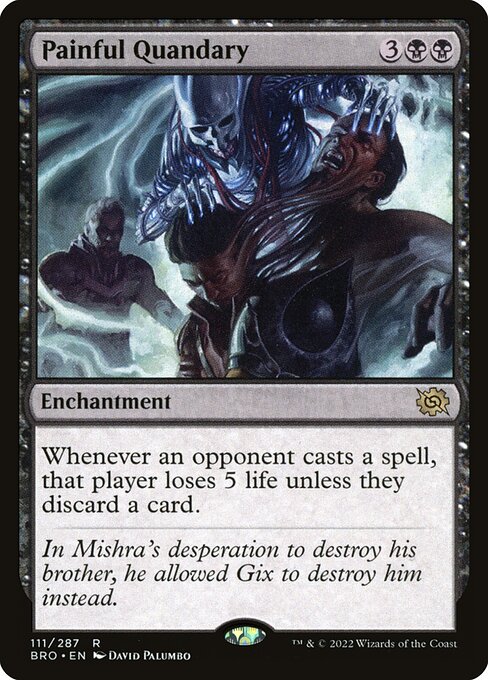
The punishment package gives opponents another problem to solve. Cards like Liliana's Caress, Megrim, Pain Magnification, and Painful Quandary ensure that discard isn’t merely an inconvenience. Every forced discard slowly chips away at life totals while disrupting carefully sculpted hands, making opponents think twice before holding expensive spells or waiting for the perfect moment to cast them.
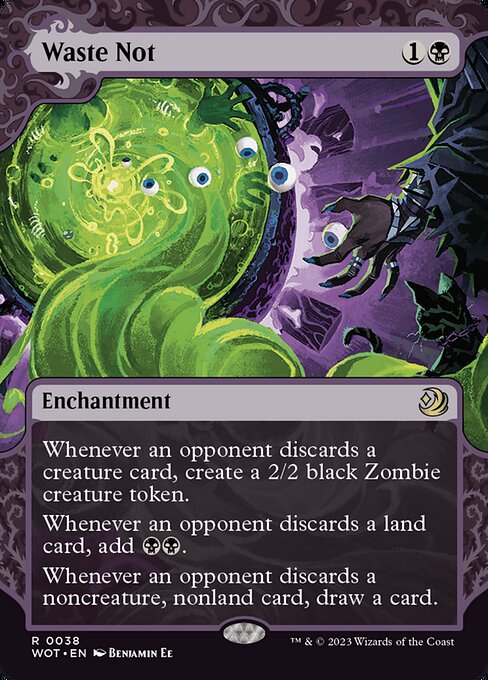
This pressure becomes especially noticeable once Waste Not joins the battlefield. Suddenly every discarded card represents additional Zombies, extra mana, or more cards for you, transforming symmetrical discard effects into decidedly asymmetrical advantages. Likewise, Geth's Grimoire can refill your hand surprisingly quickly, ensuring you rarely run out of gas despite encouraging everyone else to discard.

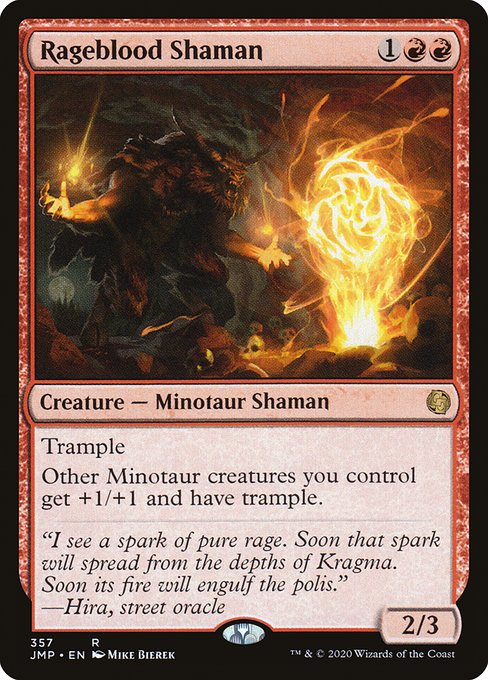
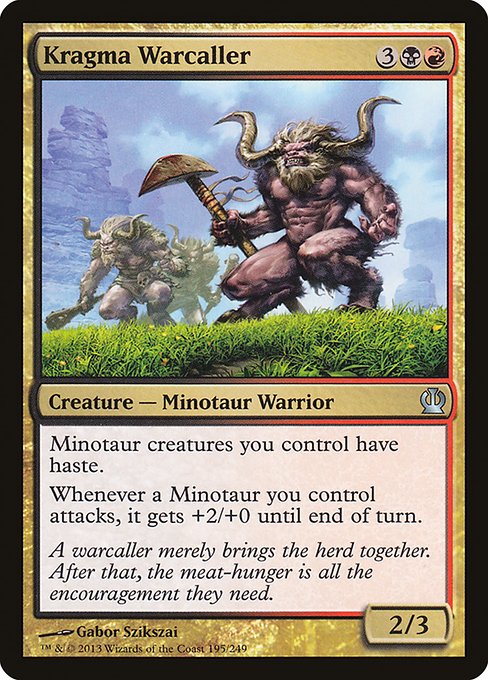
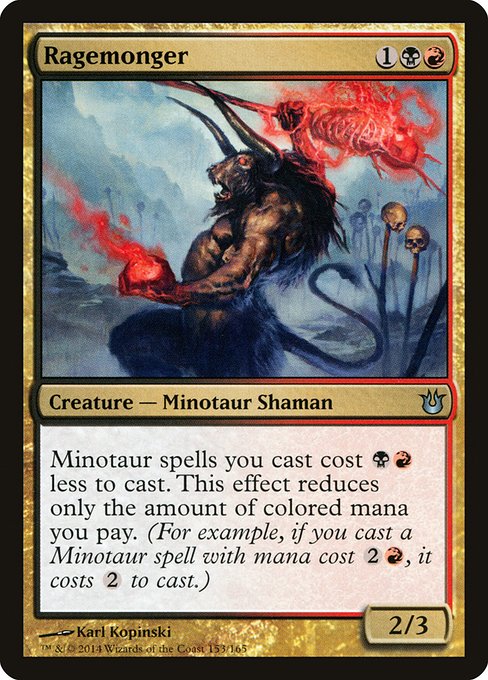
The minotaur tribe has quietly accumulated an impressive collection of lords and combat payoffs over the years, and this list takes advantage of nearly all of them. Rageblood Shaman grants both a power boost and trample, ensuring your creatures continue pushing damage through clogged battlefields. Kragma Warcaller dramatically increases the pressure by giving attacking Minotaurs additional power and haste, often creating explosive combat phases immediately after rebuilding from a board wipe. Ragemonger makes the tribe significantly more efficient by reducing the cost of nearly every creature in the deck, allowing multiple Minotaurs to hit the battlefield in the same turn.
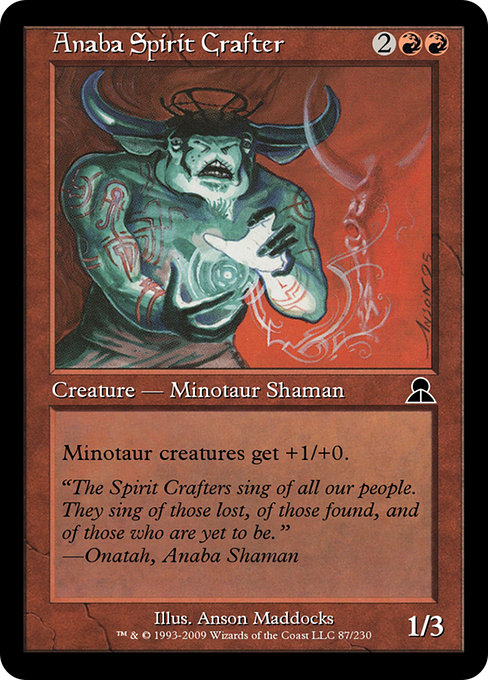
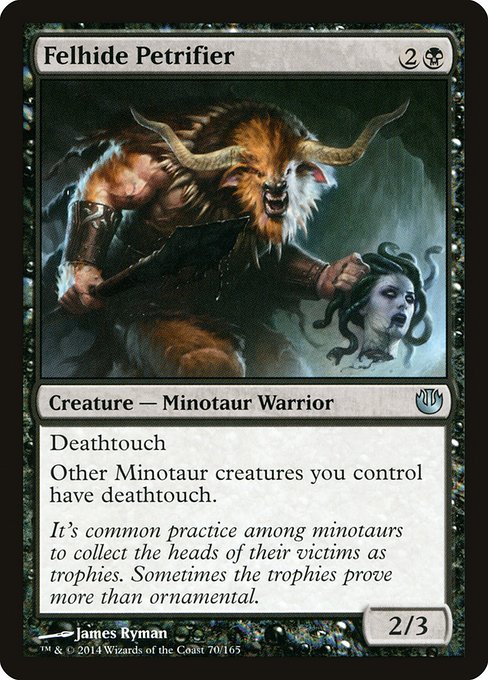
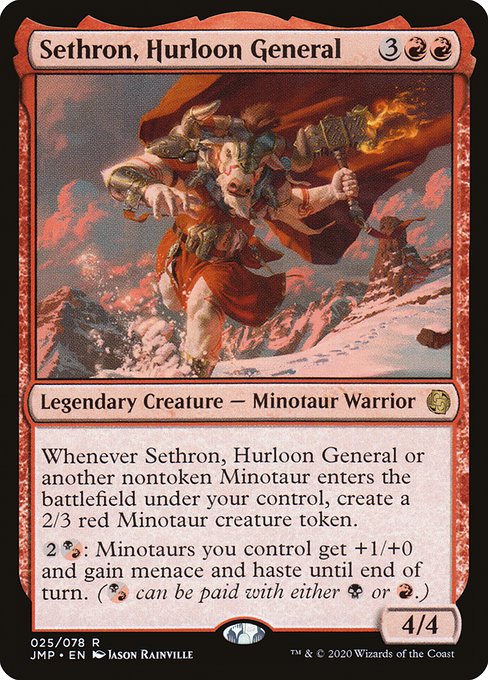
The supporting cast helps maintain momentum throughout the game. Anaba Spirit Crafter continually strengthens the herd, while Felhide Petrifier grants deathtouch across your board, making blocks extraordinarily difficult for opponents. Sethron, Hurloon General may be one of the strongest tribal payoffs available, producing additional Minotaur tokens while offering a repeatable way to grant menace and increase combat pressure.
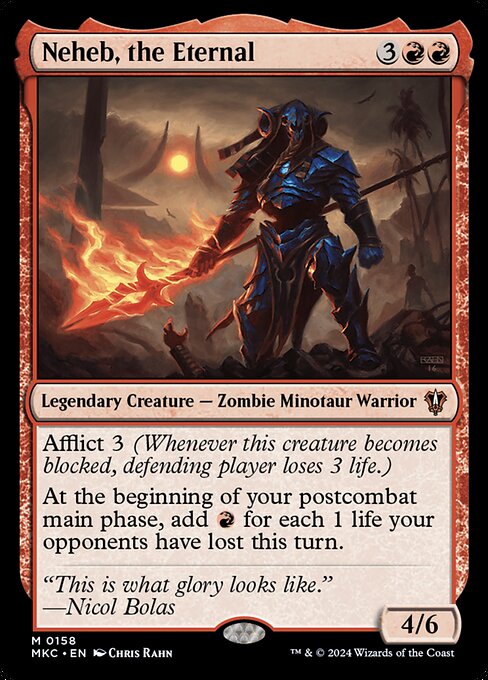
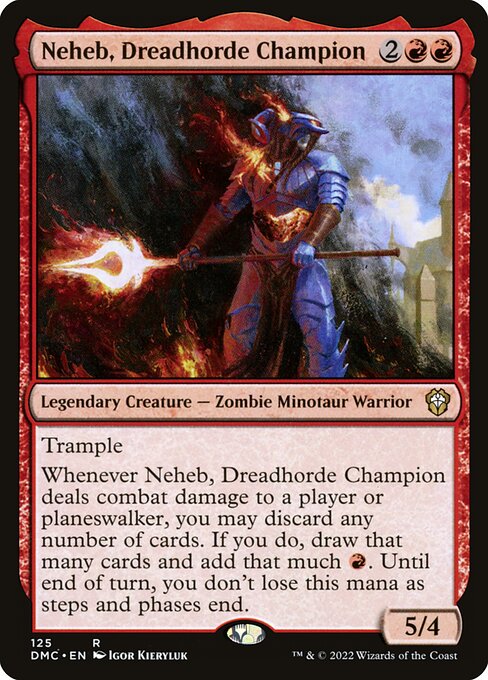
The deck also includes several legendary Minotaurs and thematic powerhouses that reinforce its identity. Neheb, the Eternal transforms combat damage into enormous amounts of mana, enabling spectacular second main phases full of additional creatures and interaction. Neheb, Dreadhorde Champion simultaneously attacks, filters your hand, generates mana, and naturally supports the discard theme, making him feel perfectly at home despite serving a different role than the commander.
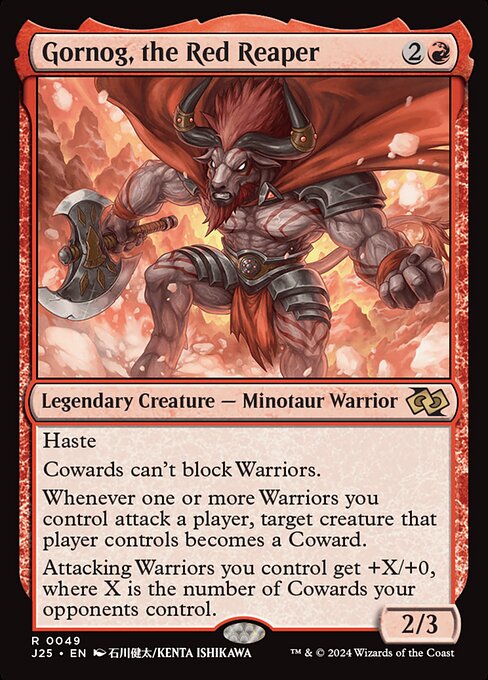
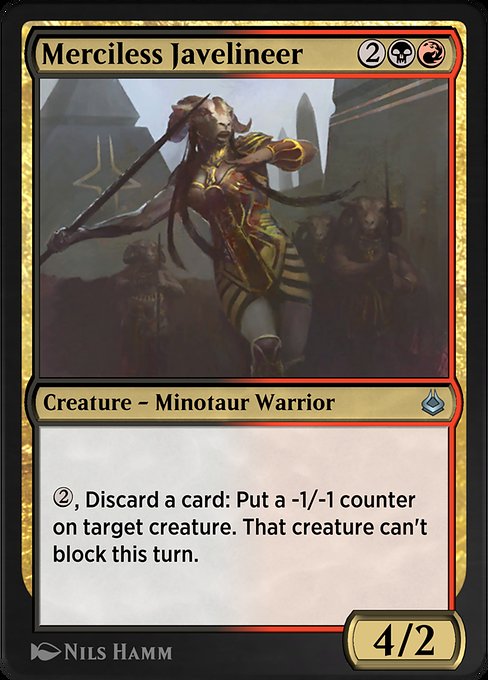
Cards like Gornog, the Red Reaper, Labyrinth Adversary, and Merciless Javelineer continue expanding the tribe’s toolkit, giving the deck plenty of variety rather than relying exclusively on anthem effects. Even changelings such as Changeling Outcast and Taurean Mauler effortlessly slot into the strategy by benefiting from every tribal bonus while adding flexibility during deck construction.

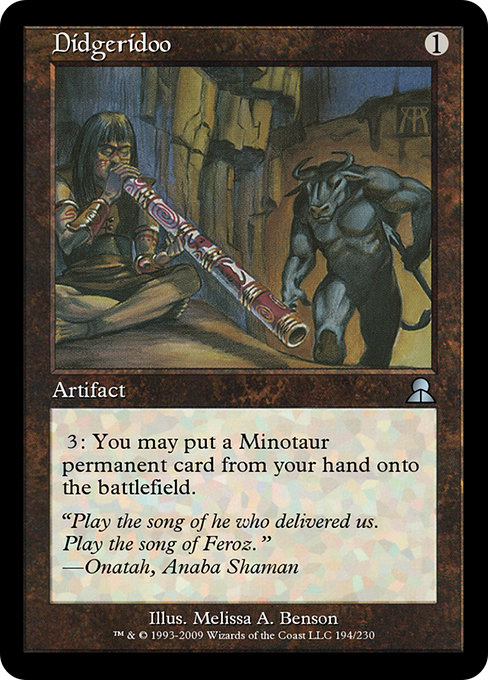
One of the most entertaining inclusions is undoubtedly Didgeridoo. Long considered one of Magic’s quirkiest tribal artifacts, it allows you to cheat Minotaurs directly onto the battlefield for just three mana. What once looked like an amusing curiosity becomes a legitimate engine when the majority of your creature suite shares the appropriate creature type. Few plays are more satisfying than flashing a large Minotaur into combat at instant speed and completely changing the outcome of an attack.
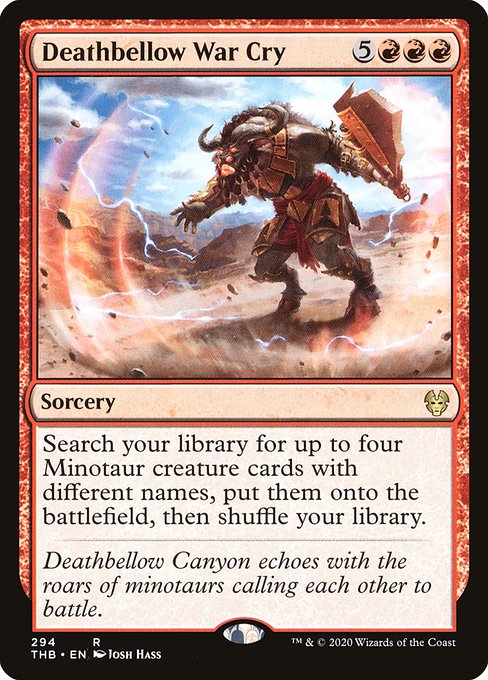
The deck also embraces dramatic tribal payoffs. Deathbellow War Cry essentially functions as a one-card army, searching your library for multiple Minotaurs and placing them directly onto the battlefield. Whether you’re assembling a lethal attack with your tribal lords or rebuilding after a sweeper, few spells capture the fantasy of leading a charging Minotaur horde better than this one.
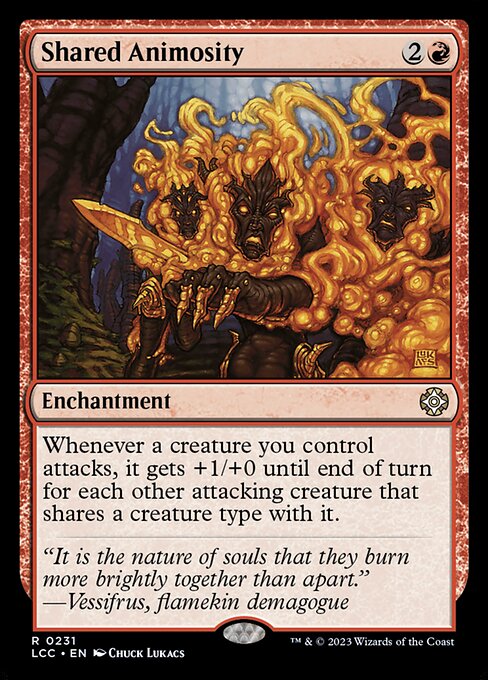
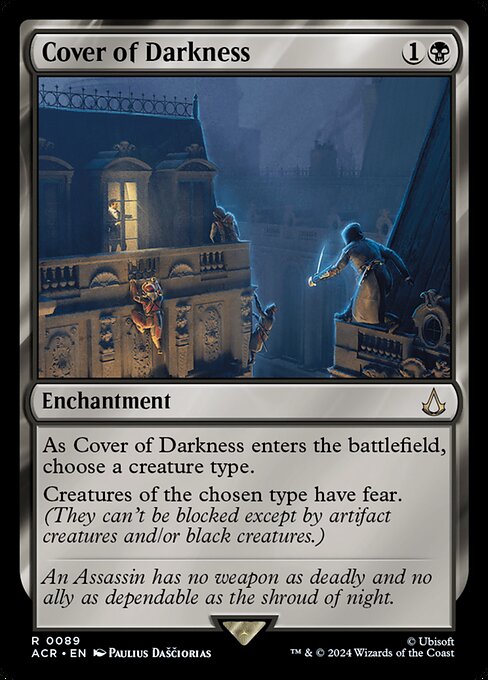
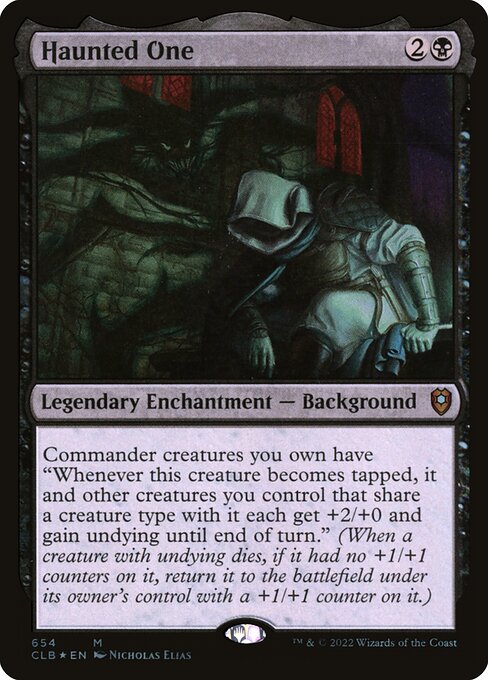
Combat remains the deck’s primary win condition, and several enchantments amplify that plan. Shared Animosity allows even modest creatures to attack for enormous amounts of damage once several Minotaurs swing together. Cover of Darkness makes blocking far more difficult, while Haunted One offers resilience by bringing creatures back larger after they die. Together, these cards encourage constant aggression without making the strategy feel overly linear.
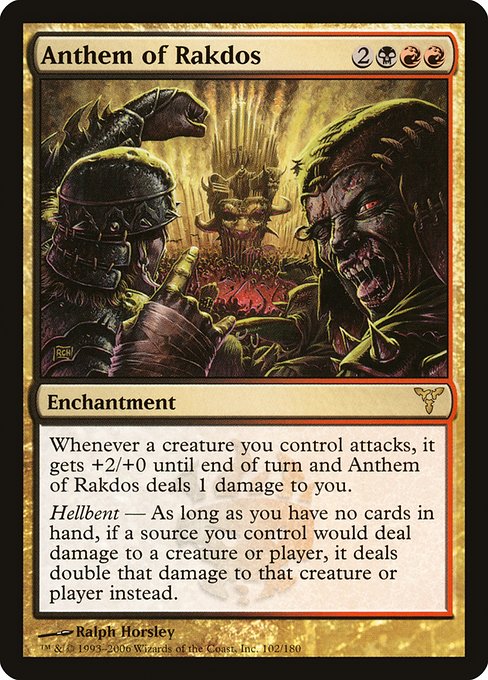
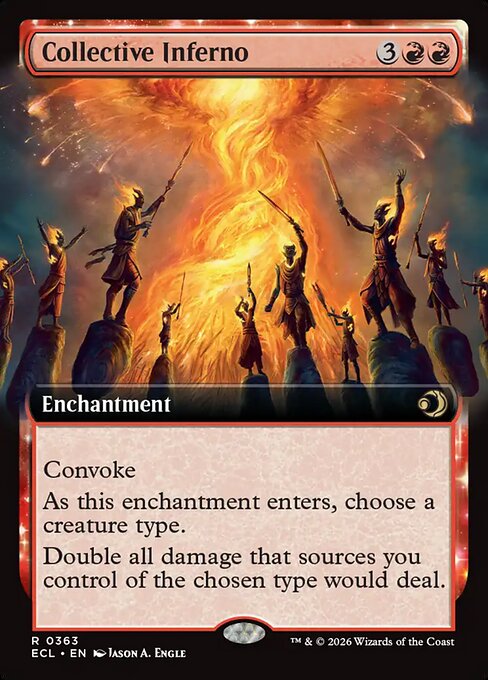
Anthem of Rakdos is a powerful anthem effect, especially because we are usually left with no cards in hand; add in Collective Inferno and you’re duplicating the damage dealt twice.
Ultimately, Neheb, the Worthy showcases why casual tribal Commander remains so enjoyable. Rather than relying on raw efficiency, the deck succeeds because every card contributes toward a cohesive vision. The discard package gives Rakdos its signature disruptive personality, while the Minotaur tribe provides satisfying combat, flavorful synergies, and enough tribal support to feel powerful without ever becoming oppressive. Every game feels like leading a stampede, with discarded cards fueling an ever-growing herd until your opponents are finally overwhelmed beneath a sea of horns.
Check out the deck here:
Commander
Planeswalkers (1)
Creatures (27)
Instants (7)
Sorceries (8)
Artifacts (10)
Enchantments (12)
Lands (35)
100 Cards
$388.4
Closing Thoughts
Rakdos has earned a reputation as one of Commander’s most explosive color combinations, but these two decks demonstrate that raw power isn’t the only way to enjoy Black and Red. Sometimes the most memorable games come from fully embracing a theme, committing to a tribe, and letting the deck create the kinds of battlefield moments that simply couldn’t happen anywhere else.
Neither deck is designed to compete with the fastest Commander tables, and that’s exactly what makes them appealing. They encourage interaction, produce memorable board states, and give every game its own unique narrative. Whether you’re flooding the battlefield with Dragons or charging into combat with a herd of Minotaurs, these are the kinds of decks that remind us why Commander remains Magic’s premier casual format.
If your playgroup values flavorful gameplay, tribal synergies, and unforgettable moments over ruthless efficiency, both of these Rakdos commanders offer exactly the kind of experience that keeps players coming back for another game.
If you’re looking for a more comprehensive guide to Rakdos, check out this article here: https://edhmeta.com/chaos-and-blood-rakdos-guide-for-commander/
Or if you’re looking for some budget decks of other color combinations, check out this Esper Budget Article.