



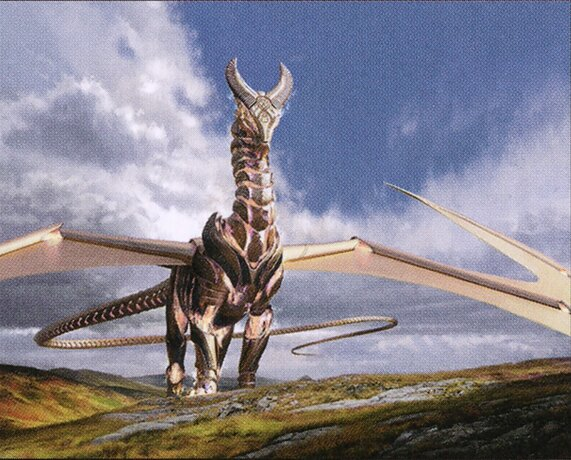


Jeskai is the union of White, Blue, and Red, three colors that approach a challenge from very different directions. White values cooperation and coordinated armies, Blue rewards patience and clever decisions, and Red favors decisive action and bursts of aggression. Together, they offer a style of Commander that can answer threats, develop a board, and turn a seemingly harmless turn into a dangerous offensive.
For a beginner, however, three colors can seem intimidating. There are more options to consider, more decisions to make, and the temptation to spend heavily on cards that promise to make a deck stronger. The good news is that a successful Commander deck doesn’t need the most expensive cards at the table, it just needs a plan that its cards can consistently support.
This Jeskai budget list follows the lead of Sokka, Tenacious Tactician, a commander who rewards you for doing something you’ll already want to do: cast spells. The deck builds an army of Allies, uses spells to improve its position, and looks for opportunities to overwhelm opponents in combat.
That makes it a useful starting point for newer players. It teaches several fundamental lessons at once: how to develop a battlefield, how to balance creatures with noncreature spells, when to hold up interaction, and why timing your attacks matters. Most importantly, it demonstrates that budget deck-building is about making your cards work together, not simply finding the cheapest cards available.
Understanding Jeskai: Three Colors, One Plan
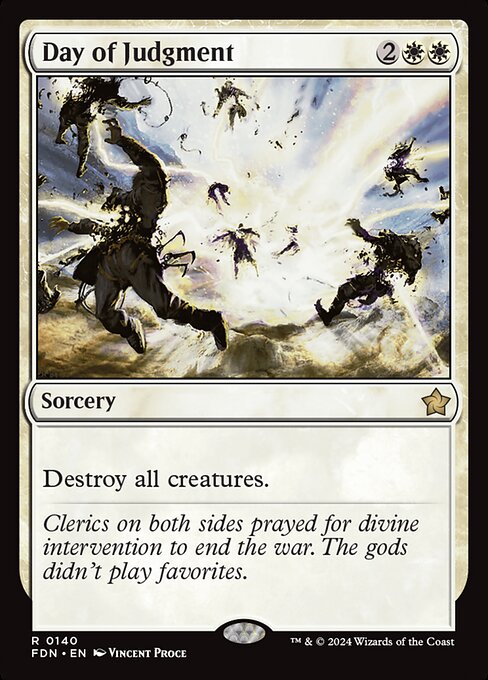
White provides much of the deck’s creature-based foundation. Cards such as Avatar Enthusiasts, Earth Kingdom Protectors, and Water Tribe Captain help establish a battlefield of Allies. White also contributes ways to protect creatures and strengthen an attack, giving the deck options when opponents try to disrupt its plans. Last but not least, Day of Judgment can always reset a board back to the beginning, letting you reassemble faster than your opponents.


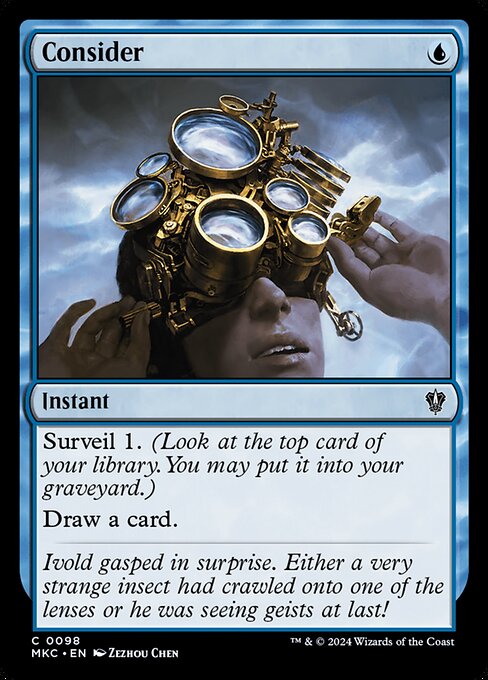
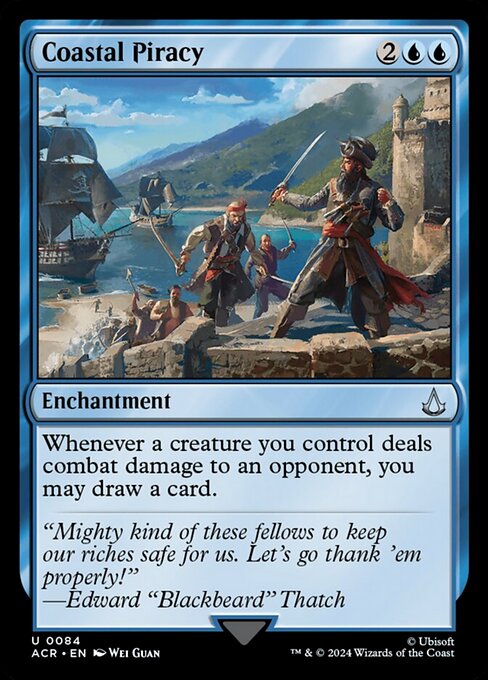
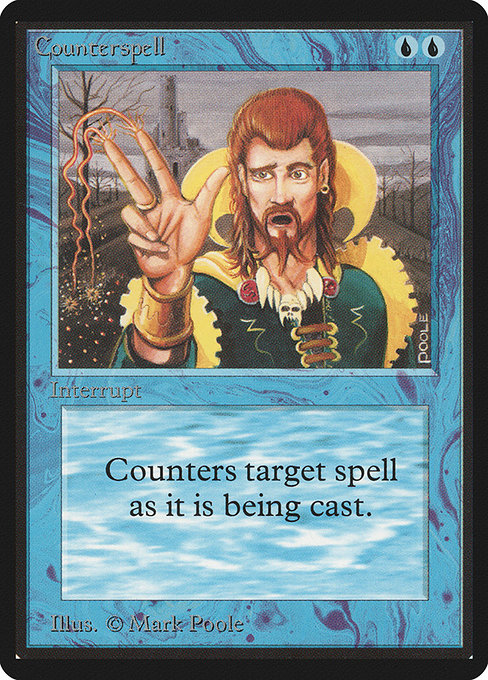
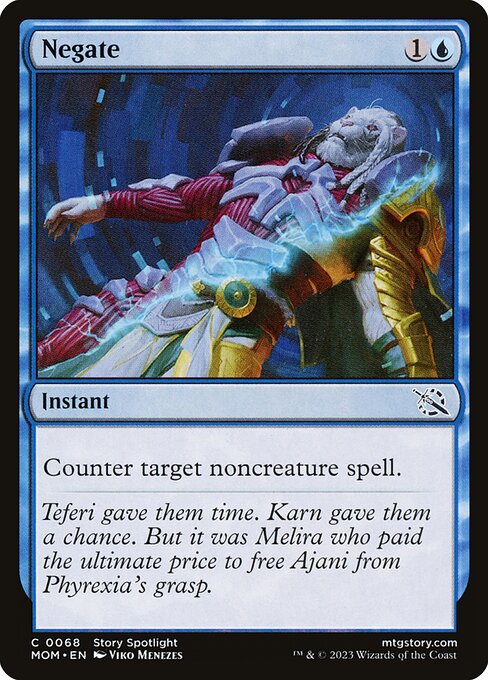
Blue brings card selection, card draw, and counterspells. Consider helps you look for useful cards, while Coastal Piracy can reward you for connecting with opponents in combat. Meanwhile, Counterspell, Essence Scatter, and Negate let you respond to important opposing plays. Blue gives you ways to influence what happens at the table without needing to win every exchange through combat alone.

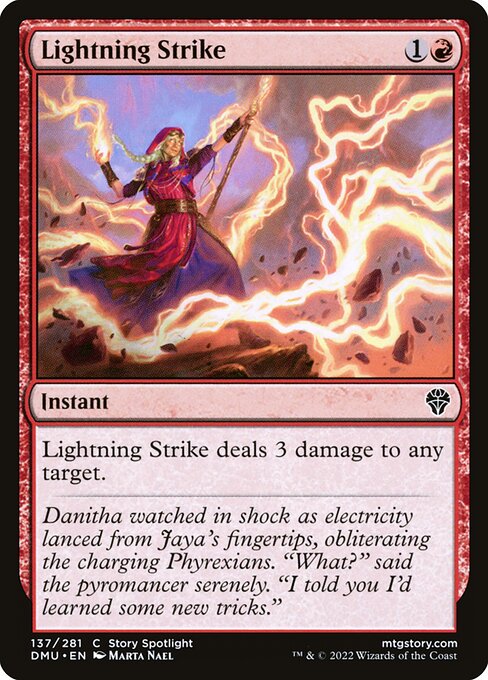
Red adds pressure and efficient ways to improve combat. Lightning Strike can deal with a small threat or help finish off an opponent, while combat tricks like Cunning Maneuver,


The important lesson is that this deck doesn’t have to choose between attacking and interacting. You can develop creatures, threaten combat, and still keep mana available for a response. You won’t always be able to do everything in one turn, especially with a budget mana base, so learning which role matters most at a given moment is part of mastering the deck.
The Budget Philosophy: Build Around Synergy
Budget deck-building is often misunderstood as taking an expensive deck and replacing its best cards with weaker alternatives. A better approach is to start with a strategy and choose cards that help it function at a reasonable cost.
Here, that strategy is straightforward: cast noncreature spells, create Allies, and use the resulting board presence to pressure opponents. A card doesn’t have to be individually powerful to contribute meaningfully. A modest creature can become a real threat when it receives repeated bonuses, while a small combat trick can become much more valuable when it also advances the commander’s plan. All of that at just $120 as of today’s prices.
The mana base is a good example of making deliberate budget choices. This list includes ten basic Islands, ten basic Mountains, and ten basic Plains, alongside lands such as Command Tower, Path of Ancestry, and the three Thriving lands: Thriving Bluff, Thriving Heath, and Thriving Isle. These choices keep the mana base accessible while providing ways to cast spells across all three colors.


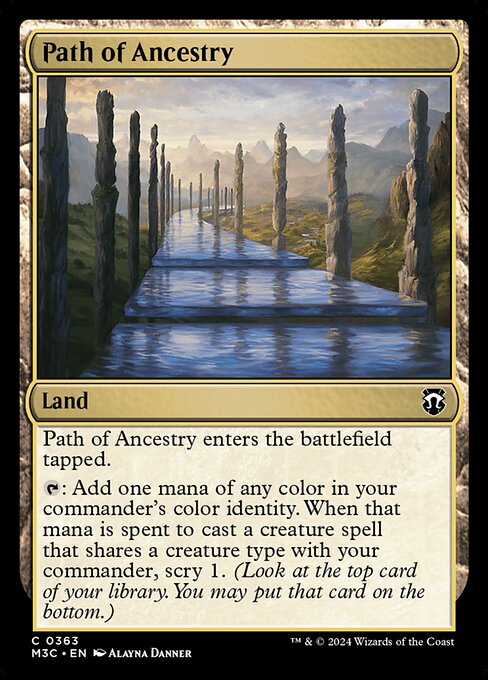

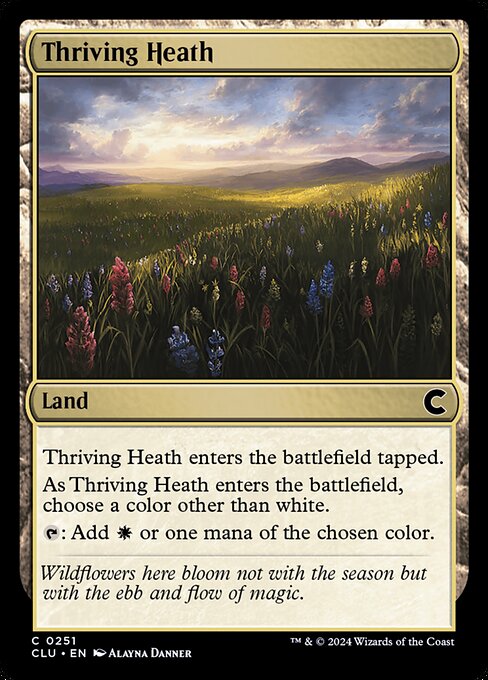

There is a trade-off, however. Some of these lands enter tapped, and the deck’s basic lands cannot independently produce every color. You should therefore pay attention to the colors in your opening hand rather than keeping a hand simply because it contains several lands. A hand with a reasonable number of lands but no way to cast its early spells may be less useful than one with fewer lands and the right colors.
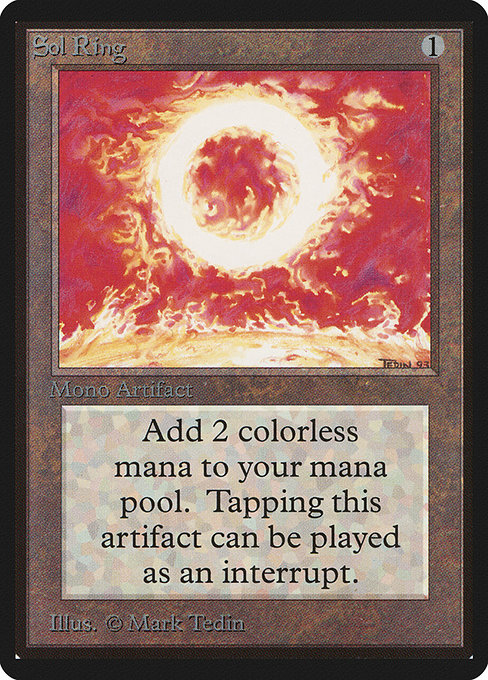
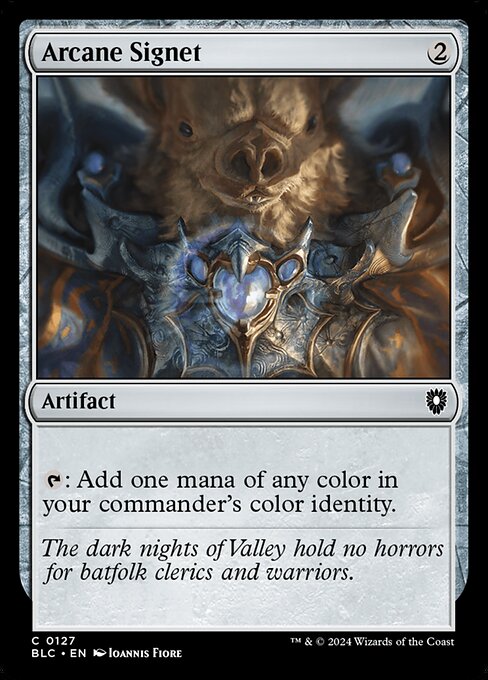
The list also includes Sol Ring and Arcane Signet to help develop mana. These are useful because the deck wants to establish its board while retaining the flexibility to cast spells. They don’t eliminate the need for careful planning, but they help you get more done with your available resources.
Finally, remember that budget is not just about the initial purchase. It is also about avoiding upgrades that don’t solve a real problem. If the deck struggles to cast spells on time, improving its mana should take priority over buying a more impressive creature. If it regularly runs out of cards, additional card advantage may be more useful than another combat trick. Improving a deck works best when each change has a purpose.
The Deck’s Core Strategy
Sokka, Tenacious Tactician is the heart of this list. He has menace and prowess, gives those abilities to your other Allies, and creates a 1/1 white Ally creature token whenever you cast a noncreature spell.
That final ability changes how you evaluate the cards in your hand. Casting a counterspell, a removal spell, a combat trick, or a card-draw spell can also trigger Sokka’s ability, provided Sokka is on the battlefield when the spell is cast. Your ordinary game actions become a way to expand your army.
Prowess adds another yet another layer. Whenever you cast a noncreature spell, Sokka gets +1/+1 until end of turn. Other Allies you control receive prowess through his static ability, so your spells can temporarily strengthen several attackers at once. The tokens Sokka creates don’t receive that particular prowess bonus from the spell that created them, because they weren’t on the battlefield when that spell was cast. However, they can benefit from later noncreature spells and from your other ways of improving the team.
Menace helps convert this growth into damage. A creature with menace can’t be blocked except by two or more creatures, making it harder for opponents to block every attacker profitably. This doesn’t make your creatures unblockable, but it can complicate your opponents’ defenses, especially when you have several Allies attacking together.
The rest of the creature package supports this plan in different ways. Avatar Enthusiasts grows as other Allies enter, while Wartime Protestors can help new Allies attack immediately by giving them a +1/+1 counter and haste when they enter. Suki, Courageous Rescuer boosts the power of your other creatures and can replace a permanent leaving the battlefield during your turn with another Ally token, once each turn.


These cards encourage you to think about the battlefield as a team. One Ally might provide a bonus, another might create more bodies, and another might make those bodies more threatening. The more of these effects you combine, the more value you can get from a single turn.
Getting Extra Value from Spells
Because Sokka rewards noncreature spells, this deck has a reason to include spells that serve several purposes. Consider the deck’s interaction. Counterspell can stop a spell outright, while Essence Scatter focuses on creature spells and Negate handles noncreature spells. It'll Quench Ya! offers a less expensive counterspell option that gives an opponent the chance to pay mana to avoid having their spell countered. Each has different limitations, so the right choice depends on what you need to stop and how much mana you can leave available.

For beginners, the lesson is to avoid using interaction simply because you can. Ask yourself whether the opposing spell threatens your plan, whether it could cause a major setback, and whether you might need your mana for something else before your next turn. Sometimes the right play is to let a minor effect resolve so you can protect your commander or stop a much more dangerous threat later.
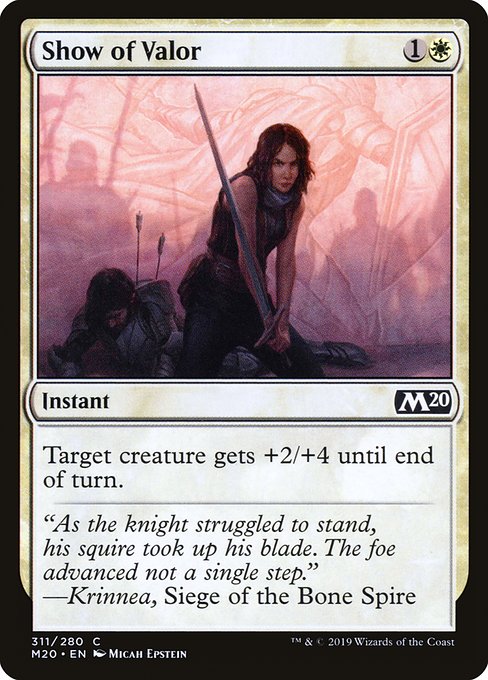
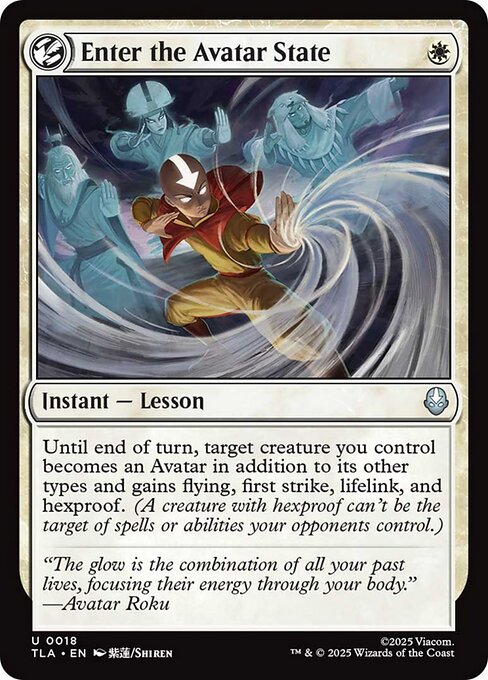
Your combat tricks also work with Sokka’s plan. Show of Valor, Slaughter Cry, and Bulk Up can help a creature win a fight or deal more damage, while Enter the Avatar State can give a creature a powerful collection of temporary abilities, including hexproof.


There is also a special interaction with Zada, Hedron Grinder. Zada copies an instant or sorcery spell that targets only her for each other creature you control that the spell could target. That means certain single-target combat tricks can potentially affect your entire team through copies. For example, if you cast Cunning Maneuver targeting only Zada, its copies can strengthen other eligible creatures and create Clue tokens as they resolve. This is one of the deck’s more explosive possibilities, but it requires Zada to be on the battlefield and a spell that meets her targeting condition.
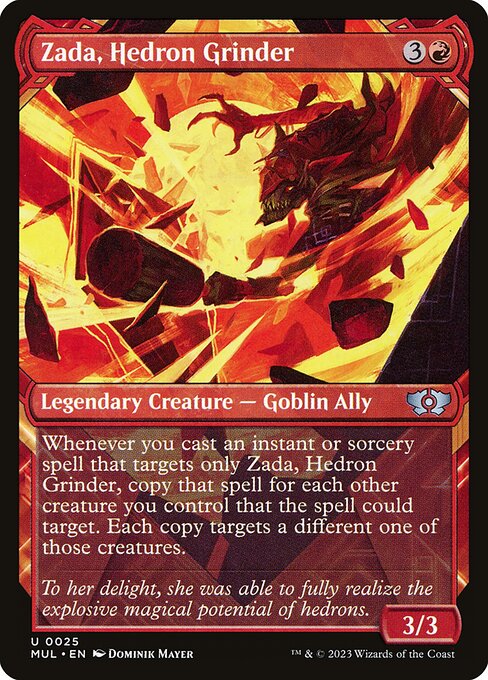
The budget lesson is especially clear here: synergy can make an inexpensive spell do far more work than its text initially suggests. Rather than spending more on a single powerful card, you can sometimes get a stronger result by combining several cards that already support your plan.
Staying in the Game
An aggressive deck still needs to keep playing after its first wave of creatures. If you empty your hand too quickly, an opponent’s removal spell or board wipe can leave you with very few ways to recover. This is why card advantage and protection matter even in a deck focused on attacking.
Coastal Piracy rewards successful combat by letting you draw cards when your creatures deal combat damage to opponents. Since Sokka can help you create multiple Allies, this enchantment can turn a wide board into a source of continued resources. The challenge is getting through blockers, which is another reason menace and careful attack selection matter.
Consider helps you examine the top of your library and choose whether the card you see is worth keeping there. Waterbending Lesson lets you draw a bunch. Diary of Dreams can accumulate page counters as you cast instant and sorcery spells, making its card-drawing ability cheaper over time. Together, these cards offer ways to improve your access to resources without relying entirely on your opening hand.


Protection is just as important. Earth Kingdom Protectors can sacrifice itself to give another Ally indestructible for the turn. Hakoda, Selfless Commander offers another option: sacrificing Hakoda gives your creatures a large toughness boost and indestructible until end of turn. These effects can help preserve your army through board wipes, though they won’t save creatures from every kind of threat.

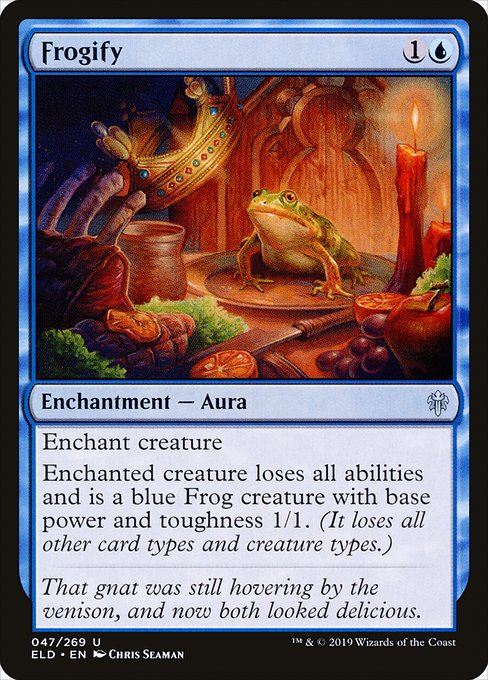
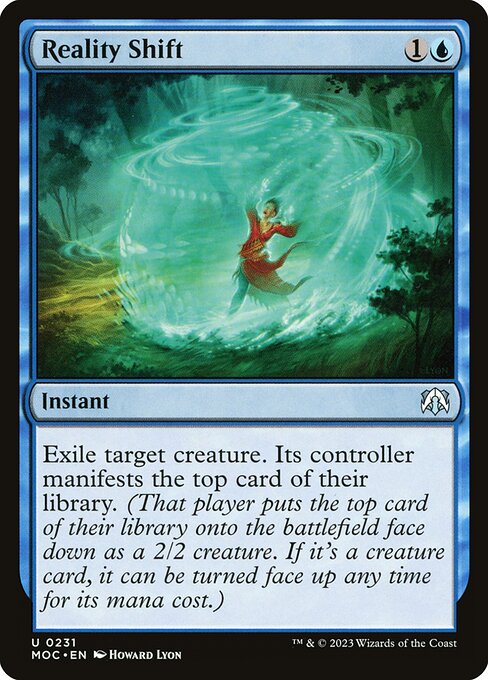
The deck also has answers for creatures that are difficult to defeat in combat. Frogify and Ichthyomorphosis can neutralize a creature by changing what it can do, while Reality Shift can exile a creature. Day of Judgment offers a reset when the battlefield becomes too dangerous to manage through individual answers.

That last card deserves special attention. A board wipe can clear away the creatures you spent several turns building, including your own. Before casting it, consider whether you can rebuild more effectively than your opponents, whether you’re too far behind to recover without it, and whether you have another way to protect your team. Sometimes resetting the battlefield is necessary; other times, patience will serve you better.
How to Pilot the Deck
A good opening hand should let you develop mana and begin playing cards without depending on drawing one specific piece. Look for enough lands to make your early land drops, access to the colors you need, and at least one useful play. Arcane Signet or Sol Ring can help, but don’t keep a hand with poor color access just because it contains a mana artifact.
During the early game, focus on establishing your mana and putting a few creatures onto the battlefield. You don’t need to cast every creature as soon as possible, especially if doing so would leave you unable to respond to an important threat. Learn which of your cards are best as early plays and which become more useful once Sokka is in play.
In the middle turns, look for opportunities to combine your commander with noncreature spells. Casting a spell can advance your board by creating an Ally and temporarily increasing the power of your existing Allies. You should still choose spells for their actual effects, of course: a token is useful, but stopping a dangerous threat or drawing into more resources may be more important.
Once your battlefield is established, begin evaluating attacks carefully. Menace makes blocking harder, but it doesn’t guarantee that your creatures will connect. Look at which opponents have the fewest available blockers, consider whether a trade is worthwhile, and think about whether attacking now leaves you exposed to a counterattack. Sokka's Charge can make your Allies especially dangerous during your own turn by giving them double strike and lifelink, so it can turn an established board into a major swing.
Your finishers sometimes are several small creatures, enhanced by prowess and other bonuses. Katara, Water Tribe's Hope creates an Ally when she enters and can use waterbending to set your creatures’ base power and toughness for the turn. Appa, the Vigilant gives all your creatures +1/+1, Flying and Vigilance whenever he or another Ally enters the field. With a developed battlefield, these abilites can make even a modest collection of tokens threatening.


The biggest beginner mistake is treating every turn as an opportunity to spend all your mana. Holding back a counterspell or a protective effect can be more valuable than squeezing in one additional creature. The second biggest mistake is waiting too long to attack. Your board is a resource, and a deck built around combat needs to use that resource before opponents can stabilize or remove it.
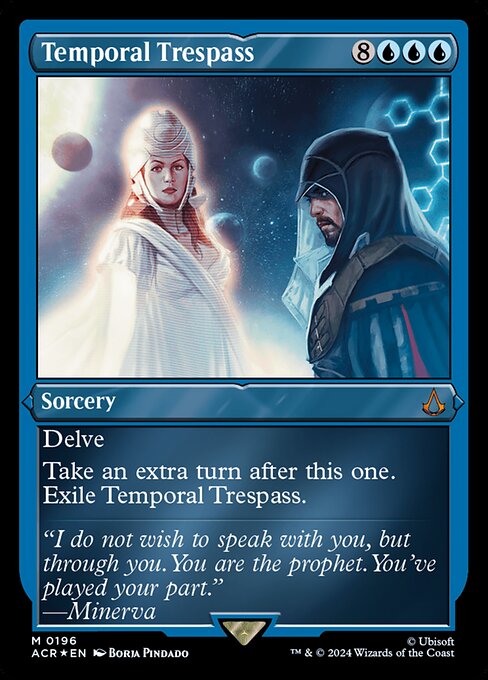
We also have a very important card in the form of Temporal Trespass. Because we’re casting so many cheaper spells to grow an army,
Improving on a Budget: Make Each Upgrade Count
As you gain experience, resist the temptation to change a large portion of the deck at once. Instead, notice what happens in actual games. Are you missing land drops? Running out of cards? Losing your creatures to removal? Struggling to finish opponents after building a board? Each problem points toward a different kind of upgrade.
If the deck has trouble producing the right colors, prioritize mana consistency. If your hand empties too quickly, look for additional card advantage. If opponents repeatedly stabilize behind larger creatures, consider whether you need more removal or better ways to make attacks profitable. The right change is the one that solves the problem you actually encounter.
You can also improve your play without buying anything. Track which cards are stranded in your hand, which spells you wish you had held up, and which attacks failed to make progress. Learn to sequence your spells so that you get the most from Sokka, and avoid spending a protection spell before an opponent has committed to removing something important.
A budget deck can grow alongside its pilot. Start by understanding what your current cards do, then make changes as your experience reveals the deck’s weaknesses. You don’t need to chase every popular staple or rebuild around every new card you encounter. A clear plan, practiced decisions, and gradual improvements will often do more for your results than a pile of expensive additions.
Check out the full decklist here:

Commander
Creatures (21)
Instants (21)
Sorceries (7)
Artifacts (4)
Enchantments (9)
Lands (38)
100 Cards
$106.47
Closing Thoughts
Jeskai offers plenty of ways to approach a game of Commander, but this list keeps its central idea easy to understand: build a team, cast spells, and use the resulting pressure to win through combat. Sokka, Tenacious Tactician rewards you for taking actions that are already useful, while his Allies turn those actions into a growing battlefield.
The budget aspect reinforces the same lesson. The aim isn’t to assemble the most expensive collection of cards; it’s to make your resources work together. Learn when to develop your board, when to hold back interaction, when to protect your creatures, and when to commit to an attack. Those decisions will remain useful no matter how the deck changes over time.
For a beginner, that is a strong foundation. Every game offers a chance to learn how your cards complement one another and how to adapt to the people across the table. With Sokka leading the team, clever planning and coordinated action can take you a long way.
If you’re interested in more Budget oriented decks feel free to check out these articles: Budget Dimir – Turn Removal into an Army and Casual Budget Orzhov: Cheap, yet DEADLY