


Commander’s Premise
Golgari token decks usually win by grinding. They gather small bodies, feed a sacrifice outlet, and drain the table over several turns. It is a patient plan, and it often depends on assembling specific pieces before the pressure becomes real.
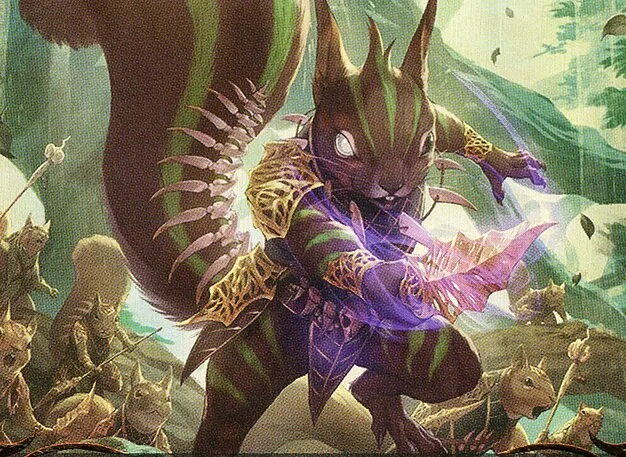
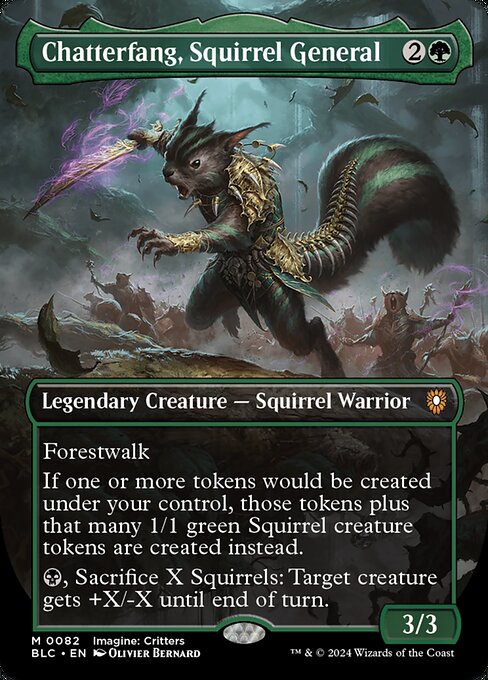
Chatterfang, Squirrel General changes that pacing by making every token effect do double duty. A three-mana 2/2 with forestwalk, it asks very little to hit the table, yet it rewards you immediately for everything else you cast.
First, it adds to every batch of tokens you create. Whenever one or more tokens would enter under your control, you get those tokens plus that many 1/1 green Squirrels. A Treasure becomes a Treasure and a Squirrel. Read that carefully, because it applies to any token you make, not only Squirrels.
Second, it gives the army a purpose beyond chump blocking. For one black mana, you can sacrifice any number of Squirrels so that a target creature gets plus X power and minus X toughness until end of turn. That works as removal, as a finisher against a wounded opponent, and as a sacrifice outlet.
Third, forestwalk adds quiet evasion against tables that lean on Forests. It is a bonus rather than a plan.
The commander is cheap, the payoffs scale with every token maker you add, and the deck can pivot between a wide combat plan and a shrink-and-sacrifice plan depending on what the table allows.
How it Compares to Others?
Golgari Squirrel tokens sits in a crowded neighborhood of go-wide decks. The comparison below looks only at archetypes.
“Baked to Perfection: How Brenard Sculpted the Ultimate Aristocraft Pastry Swarm” presents a Bant aristocrats and artifact tokens archetype. Both decks build a wide board, lean on sacrifice outlets, and use early acceleration to get going. Both also spread their power across many bodies, which blunts spot removal. The difference is in how value is extracted. The Bant approach wants creatures to die so they return in improved form, while this Golgari approach wants more bodies in the first place and converts them into a mass pump, a shrink effect, or a wide attack.
“Creeping Corruption: Blech, Loafing Pest Lurking in Commander” describes a Golgari lifegain and counters archetypes with aristocratic elements. The shared colors and the swarm-plus-sacrifice framework create obvious overlap, and both can recover from sweepers by leaning on distributed threats. They split on growth. That archetype enlarges its team with counters from frequent triggers, whereas the Squirrel deck grows by raw quantity and finishes with an overrun effect or direct sacrifice math.
“Anim Pakal, Thousandth Moon: The Relentless March of the Gnome Legion” outlines a Boros tokens and counters hybrid with artifact synergies. Like this deck, it overwhelms the table with tokens and supports the plan with an early ramp. The Boros archetype needs attackers to start its production, so it is more combat-dependent. The Squirrel build produces bodies on cast or on trigger, which makes it less reliant on attacking.
Core Gameplay
The deck runs on a simple loop: make tokens, double them, and decide whether each body is worth more on the table or in the graveyard. Every turn asks you to weigh that choice.
Most of your cheap plays exist to get Chatterfang, Squirrel General onto the battlefield and keep it there. Once it lands, even modest token makers become wide-board threats. The deck still functions without it, because the token makers carry real weight alone.
Mulligan toward hands with a land-fetching spell, a cheap play, and at least one way to make bodies. Expensive payoffs without ramp stumble against faster Bracket 4 tables.
Early Game
Your first three turns are about mana, bodies, and card flow. Anything that turns a land drop into two lands is worth prioritizing over fancier options.
A turn-one Sol Ring is the dream. Without it, Nature's Lore and Three Visits each fetch a Forest onto the battlefield for two mana, thinning the deck along the way. Tuck one into turn two and follow with the commander on turn three.
Cheap creatures fill the gaps. Gilded Goose arrives as a one-mana flyer that hands you a Food, which converts into a burst of mana for an explosive turn. Ravenous Squirrel grows as you sacrifice permanents and can turn spare bodies into cards later, so drop it early and let it collect counters.
Arcane Signet is a two-mana rock that fixes black and green. Skullclamp finishes the opening: equip a Squirrel and it dies immediately, drawing you two cards. That deal only improves once Chatterfang doubles your supply of fodder.
Mid Game
Turns four through six are where the deck becomes a threat. Deploy the commander first, then layer on whatever amplifies token creation.
Parallel Lives is the cleanest follow-up, a four-mana enchantment that doubles every token you create and stacks with the commander for a staggering return. Pair it with Squirrel Nest, a three-mana Aura that makes a Squirrel each turn, and Chitterspitter, a three-mana enchantment that keeps the Squirrel supply flowing. Together they turn a quiet board into a crowd within a single rotation.
Value creatures keep the gas flowing. Hazel of the Rootbloom turns tokens into mana and extra copies, which pairs well with Squirrels. Toski, Bearer of Secrets cannot be countered and is indestructible, drawing cards when your creatures connect. Beast Whisperer adds another card draw source whenever you cast a creature spell.
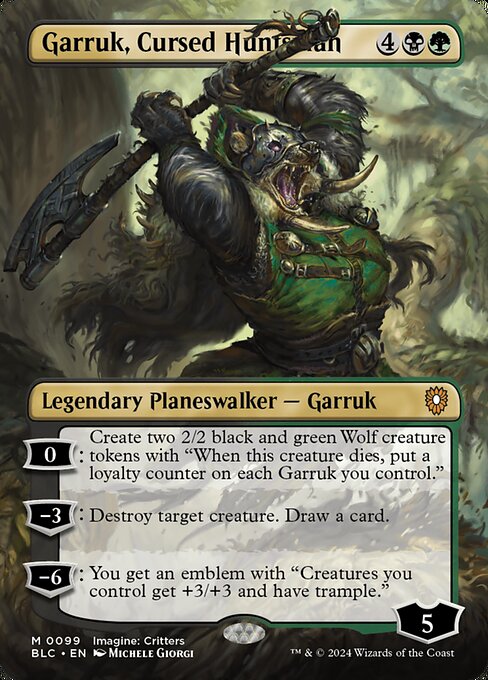
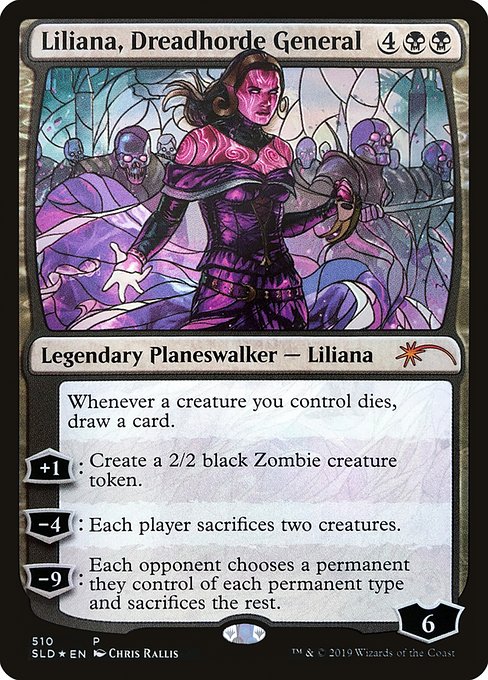
At six mana the planeswalkers arrive. Garruk, Cursed Huntsman and Liliana, Dreadhorde General both make bodies every turn, and Chatterfang adds Squirrels to each batch. Slot in Door of Destinies naming Squirrel to grow the team with every Squirrel spell you cast.
End Game
By the time the table feels the pressure, you should hold the tools to end things. The question is which route is cleanest: a wide alpha strike or a shrink-and-sacrifice sequence.
Overrun is the headline finisher, a five-mana sorcery that gives every creature plus three power and trample for the turn. With Chatterfang and a doubler online, even a small board becomes lethal. Attack with Beastmaster Ascension in play, since each attacker adds a quest counter, and at seven counters the team permanently gets a large boost.
Interaction matters here too. Keep Moment's Peace ready as a two-mana instant that prevents combat damage for a turn and comes with flashback. Tear Asunder and Putrefy handle problem permanents at instant speed.
A concrete finish: with Chatterfang and a doubler out, attack with the whole team, hold up black mana, and sacrifice Squirrels after blockers to shrink the best defender. If the table fights back, cast Overrun precombat instead and let trample push the rest through.
Power Analysis and Decklist
Chatterfang’s Acorn Army sits at Bracket 4, which means it expects optimized opposition where games can end quickly and interaction is common. The build carries zero Game Changers, so its strength comes from commander synergy, dense token production, and cheap acceleration. The listed price is $321.20, a moderate figure for this level of play.
Expect to be among the faster go-wide decks at a Bracket 4 table, though not the fastest overall. Opponents with sweepers or combo lines can punish an overextended board, so pacing your commitments matters as much as raw speed.
The honest tradeoff is dependence on the command zone. Without Chatterfang, Squirrel General or a doubler, the deck loses much of its explosive growth. Mass removal also hurts, since the plan keeps its eggs in one very wide basket. The card sections that follow cover the highlights of the list by type.
Creatures (31)
Instants (9)
Sorceries (7)
Artifacts (10)
Enchantments (6)
Lands (36)
101 Cards
$314.45
Deep Analysis
The deck’s intent is simple: use a cheap commander to multiply every token, then convert that board into a lethal combat step or a stream of sacrifice value. Everything else supports that loop, from ramp that lands the commander early to removal that clears the way.
Consider the opening. Land-fetching spells and rocks push you toward a turn-three commander, the most important tempo goal. Evolution Charm adds flexibility by finding a basic land or rebuying a fallen creature, so a stumbled hand can still recover.
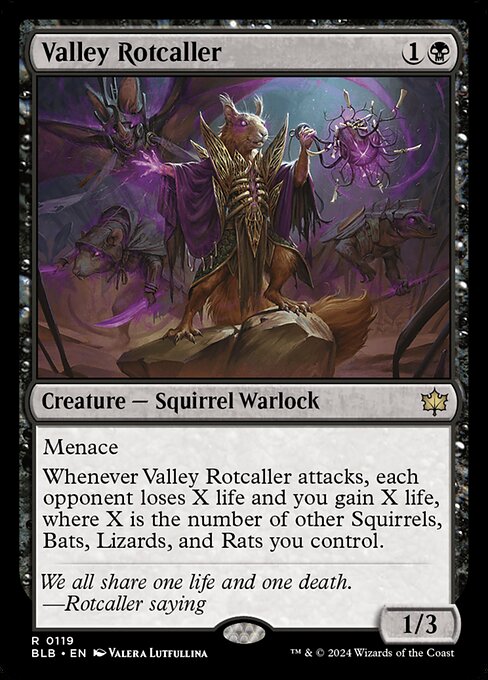
Next, look at the sacrifice side. Valley Rotcaller turns a wide board of small creatures into repeatable drain when it attacks, and Camellia, the Seedmiser rewards Food sacrifices with fresh Squirrels. These give the deck a second axis of attack that does not depend on a single alpha strike.
Protection deserves attention as well. Moment's Peace gives the deck a rare defensive turn. Meanwhile Deep Forest Hermit provides a sudden burst of four Squirrels (eight with the commander in play) and a size bonus, though its vanishing counters mean the bonus is temporary.
There are weak points. Toski, Bearer of Secrets must attack each combat, which can expose it at awkward moments (though it is indestructible). The deck also leans on a handful of key permanents, so holding back a doubler or a finisher until the table is tapped out is a sound habit.
Against slower tables, build patiently and let Beast Whisperer and Skullclamp bury opponents in resources. Against aggressive pods, favor defense, keep black mana open, and trade Squirrels for tempo.
Planeswalkers
Planeswalkers give the deck a second source of pressure that opponents must attack or answer. Both entries turn spare mana into repeatable bodies, and each benefits from Chatterfang’s extra Squirrels.
Token Generation and Finishers
Two six-mana walkers anchor the top end, each making bodies while offering a way to break a stalled board.
Casting Garruk, Cursed Huntsman gives you two Wolves a turn, which Chatterfang turns into four bodies, and it can also destroy a creature while drawing a card. Meanwhile, Liliana, Dreadhorde General pays you a card whenever a creature of yours dies, so every sacrificed Squirrel refills your hand, and it also makes Zombies and forces sacrifices.
Creatures
Creatures carry most of the deck’s weight, supplying tokens, card flow, and drain. They are grouped by the job they do once the commander is in play.
Token Makers and Squirrel Synergy
These creatures create the bodies that fuel every other part of the deck, and most improve the longer they stay on the table.
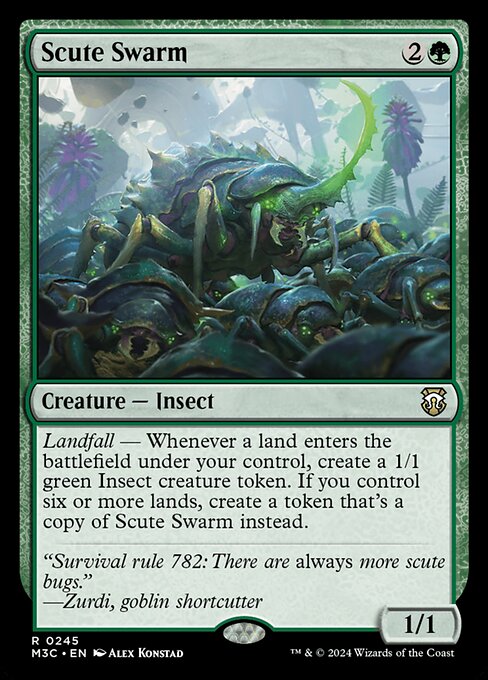
Landfall turns Scute Swarm into a growing cloud of Insects, and with enough lands it copies itself. Nut Collector is a six-mana creature that adds Squirrels over time and rewards a full graveyard.
Hitting the table for a modest price, The Unbeatable Squirrel Girl pushes the Squirrel theme further. Then there is Deep Forest Hermit, which creates four Squirrels at once and pumps them for a short time.


Card Advantage and Value
Value creatures keep your hand full and the board threatening so no single removal spell stops the plan.
Valley Rotcaller drains the table when it attacks alongside a crowd. Camellia, the Seedmiser grants menace and rewards Food sacrifices with fresh bodies.
Arriving with Rats of its own, Chittering Witch can sacrifice creatures to shrink attackers, giving the board a defensive option too.


Instants
Instants give the deck flexibility to act on the opponent’s turn, whether answering a threat or protecting the board. They keep your mana useful when you would otherwise pass with nothing to show.
Removal
A deck that spends its resources building a board needs clean answers, and these two spells cover the common problems.
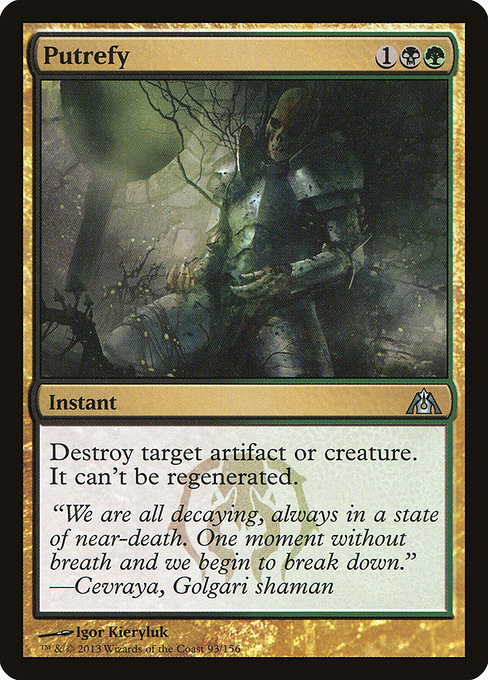
A three-mana instant, Putrefy destroys a target artifact or creature, which makes it a reliable answer to a blocker or a threatening commander.
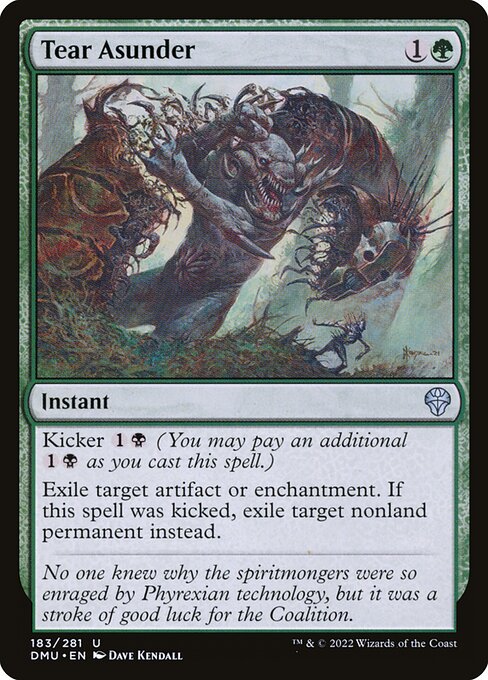
Meanwhile, Tear Asunder costs two mana and exiles an artifact or enchantment, and paying its kicker lets it exile almost any nonland permanent.
Protection and Flexibility
These instants cover what removal cannot, from a lethal swing to a stumbling mana base.
Preventing all combat damage this turn, Moment's Peace costs two mana and can be repeated through flashback.
Offering three modes, Evolution Charm fetches a basic land, rebuys a fallen creature, or grants flying, adapting to whatever the game demands.


Sorceries
Sorceries only work on your own turn, so the deck uses them for setup and the decisive push. Expect ramp early and a finisher late.
Ramp
Land-fetching spells smooth the opening turns and make sure the commander arrives on schedule.
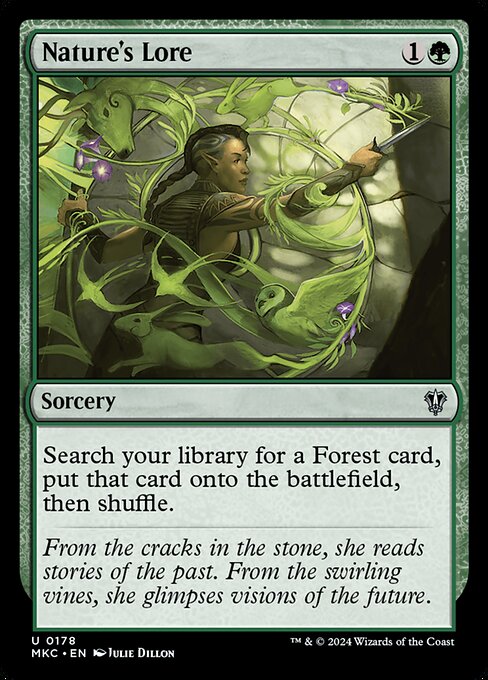
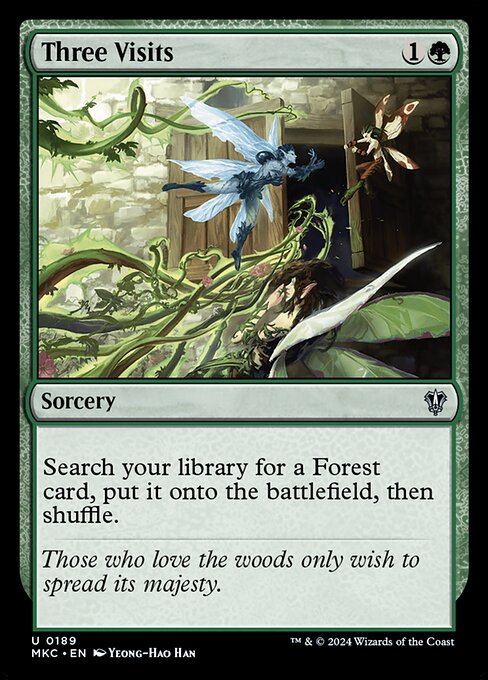
Two mana is all Nature's Lore needs to put a Forest onto the battlefield. Likewise, Three Visits also costs two mana and fetches a Forest, giving you a second copy of the same smooth acceleration.
Finishers
One spell does the heavy lifting when the board is wide enough to end the game.
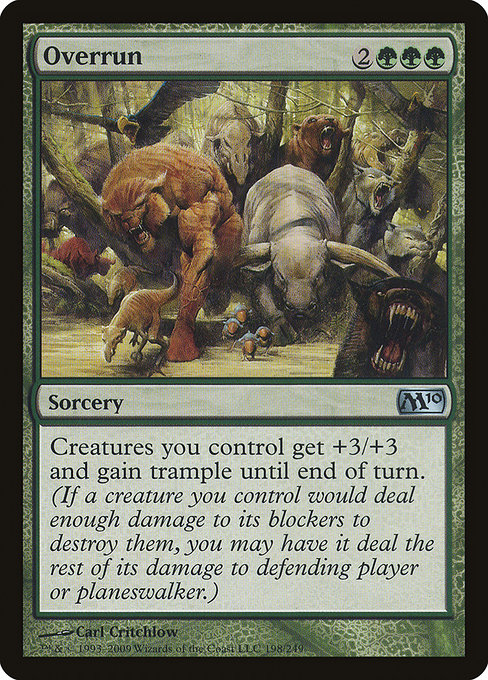
Granting plus three power and trample to your whole team, Overrun is a five-mana sorcery that turns a crowd of doubled Squirrels into lethal damage.
Artifacts
Artifacts supply the mana and card flow that let the deck deploy its commander on time and refill its hand. Being colorless, they rarely depend on the colors you happen to draw.
Mana Rocks
Rocks accelerate the opening turns and fix colors, which matters when a stumble can leave the commander stuck in hand.
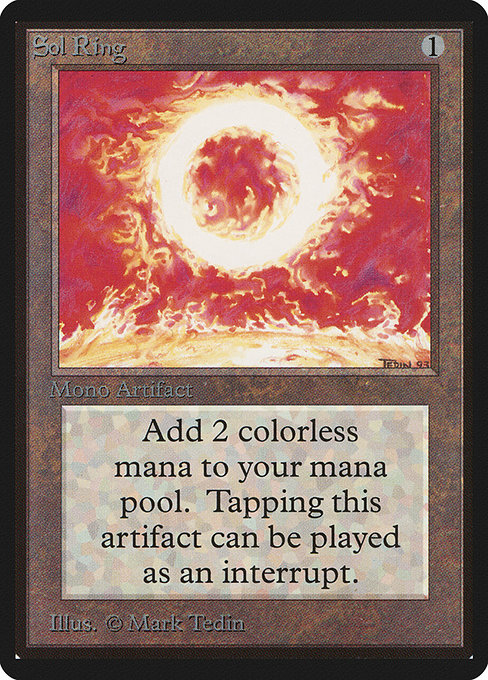
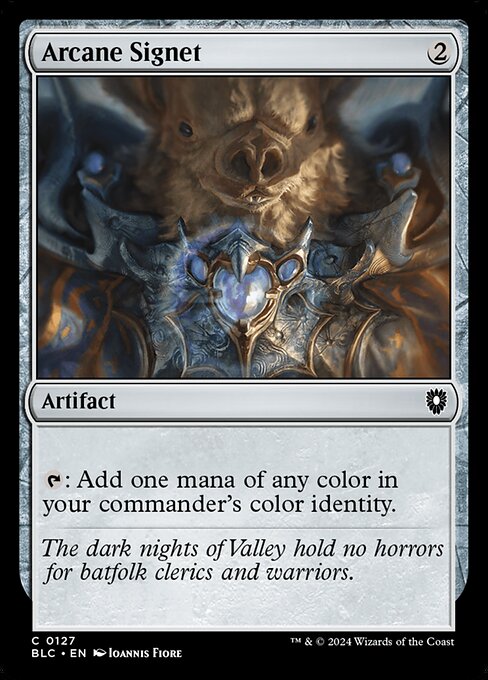
Tapping for two colorless mana at a cost of one, Sol Ring often decides how fast the army arrives. Fixing both colors for two mana, Arcane Signet makes sure black and green appear on time.
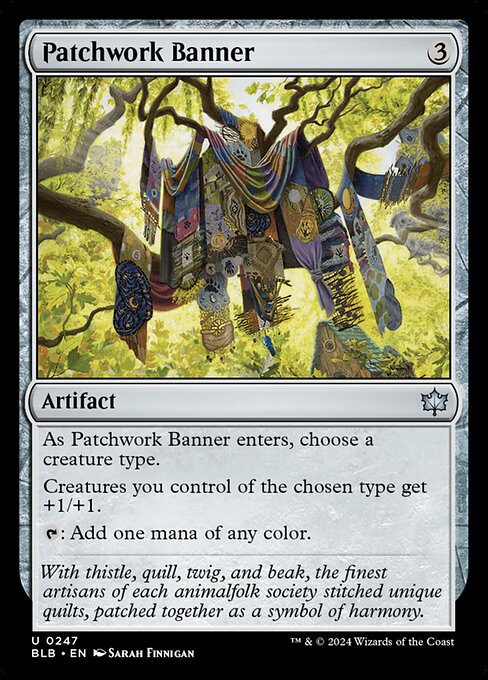
Naming Squirrel, Patchwork Banner is a three-mana rock that taps for any color and gives the tribe a permanent size boost.
Card Advantage and Payoffs
These artifacts turn a crowded board into cards and raw power.
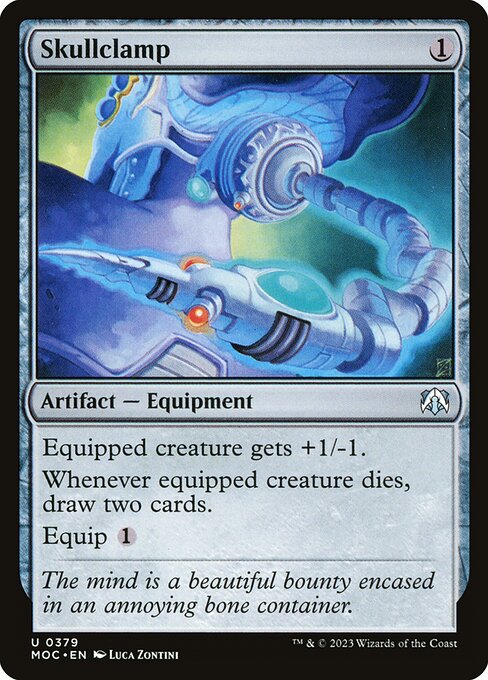
Equipping for one mana, Skullclamp trades a fresh token for two cards, since the toughness reduction kills any 1/1 at once.
As a four-mana permanent naming Squirrel, Door of Destinies gains a counter whenever you cast a Squirrel spell and grows the whole tribe.

Enchantments
Enchantments are the quiet backbone of the token plan, multiplying output and creating bodies every turn without needing to attack. Opponents often overlook them until the board is out of hand.
Token Support and Doublers
This group raises the number of bodies you produce, and each piece stacks with the commander’s replacement effect.
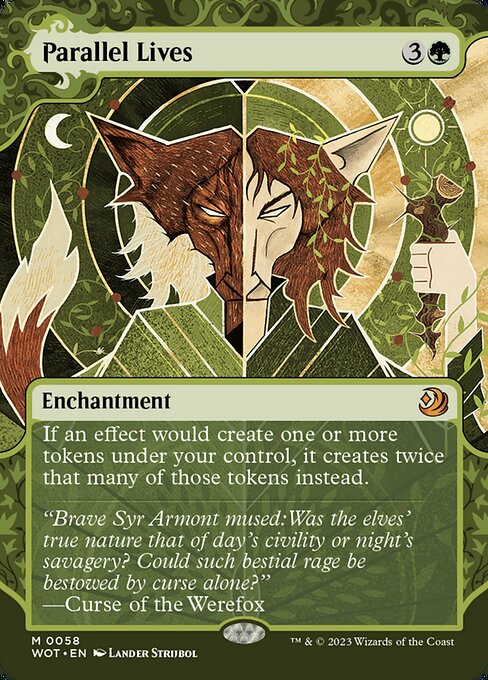
Doubling every token you create, Parallel Lives costs four mana and combines with the commander for a huge return. A three-mana Aura, Squirrel Nest turns a land into a Squirrel maker.
Rounding out the group, Chitterspitter costs three mana and keeps adding Squirrels while strengthening the team over a long game.


Card Advantage
One enchantment converts attacks into a lasting advantage and a decisive finish.
Costing three mana, Beastmaster Ascension collects a quest counter whenever a creature you control attacks, and at seven counters the whole team gains a major boost.

Lands
Lands form the foundation that lets a two-color deck cast its commander on time and keep both colors flowing. In a build packed with cheap token makers, a smooth mana base matters as much as any single spell.
Mana Fixing
Fixing lands make sure black and green arrive together, protecting the early turns from color screw.
Tapping for any color in your commander’s identity, Command Tower supplies black or green whenever the hand demands it.
Meanwhile, Woodland Cemetery produces black or green mana and enters untapped as long as you control a Swamp or a Forest, which describes almost every board this deck will have after a few land drops.


Utility Lands
Utility lands trade a little consistency for extra function, and this deck can afford one such slot.
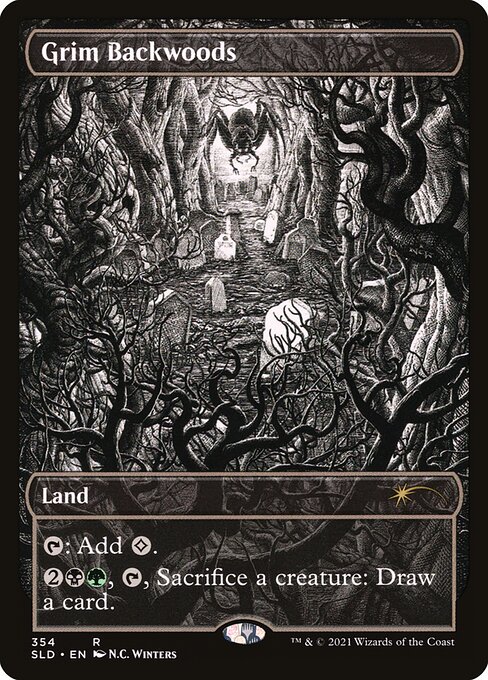
Providing colorless mana on its own, Grim Backwoods also carries a late-game ability: for four mana, you can tap it and sacrifice a creature to draw a card.
With Chatterfang doubling your supply of Squirrels, that is a steady way to turn spare bodies into fresh cards.
Closing Words
Chatterfang, Squirrel General turns a modest Golgari shell into a swarm that grows faster than the table can answer it. The commander is cheap, the doublers stack, and the sacrifice ability keeps every Squirrel useful whether it stays on the battlefield or goes to the graveyard.
A few signature plays define the deck. Landing Parallel Lives beside the commander multiplies every token effect. Feeding a fresh Squirrel to Skullclamp refills your hand in an instant. Casting Overrun on a crowded board ends the game before anyone untaps.
Keep your black mana open, protect your doublers, and pick your moment. Gather the acorns, multiply the swarm, and storm the gates.