







Control is both an archetype in Commander, and a playstyle in Magic: The Gathering. Control refers to decks that let you control the flow of the game. These decks will have you playing a slow, grindy game, denying resources and creatures as you slowly push your way to victory. You’ll love Control decks if you love being the one to dictate the flow of a game.
What Is Control?
Control is an archetype that’s based around denying your opponents access to their best cards. As such, they are usually filled with counterspells, removal, and board wipes to keep the battlefields clear of anything that can be a problem for you. As you might expect from the name, Control decks are all about controlling what’s going on in the game. You get to choose what resolves and what doesn’t.
What Colors Are Control Cards In?
Control cards exist in every color and color pairing. Generally, you will find the best ones in White and Blue as these colors have the best counterspell and removal options. However, you can play Control decks without these colors included.
Control Staples
Control is one of Magic’s oldest archetypes (in Commander or otherwise), so you have no shortage of powerful staples you can choose from the fill your decks with them.
Counterspells
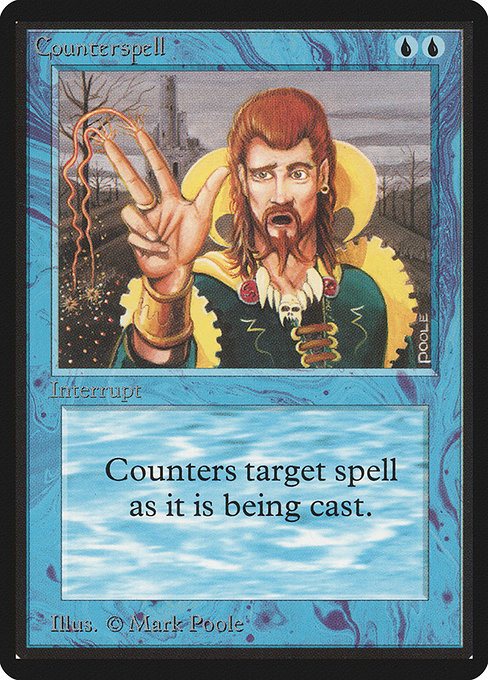
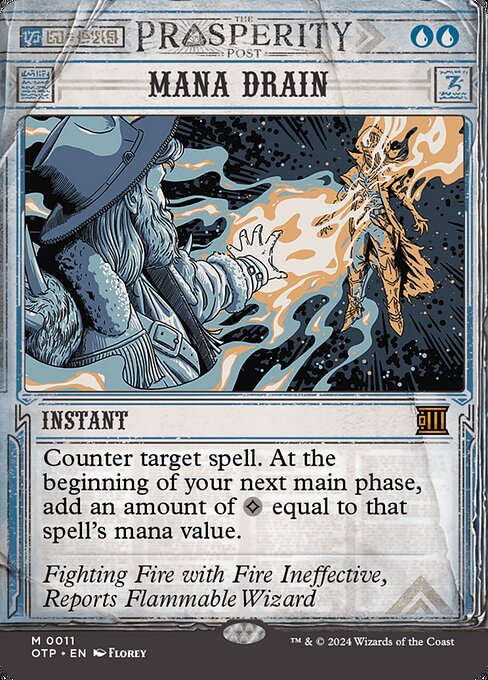
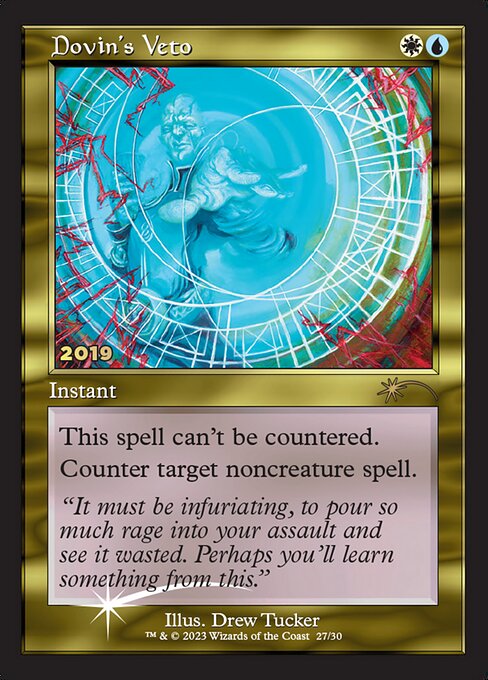
In Control, counterspells are your “bread and butter.” You will always have some kind of counterspell (unless you physically can’t play any) in your decks. You’ll be using counterspells to stop any powerful spell from resolving, making everyone afraid to cast spells in fear of them getting countered. The counterspell mechanic namesake Counterspell is one of your best choices. However, if you have the budget for it, Mana Drain is a strict upgrade. Dovin's Veto is great for noncreature spells, as it’s almost impossible to respond to in most cases.
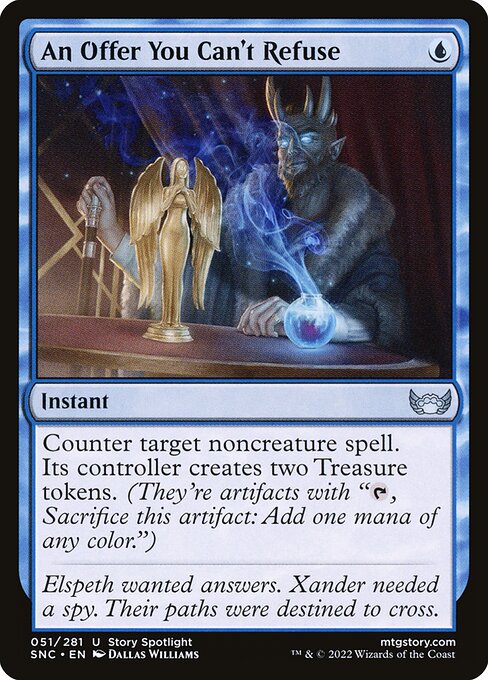
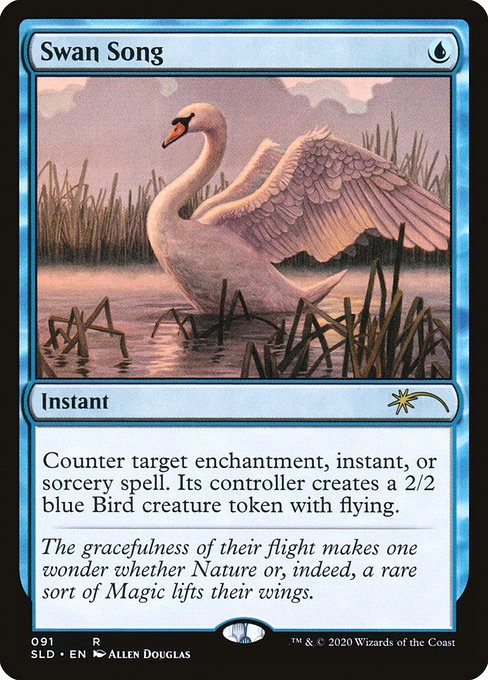
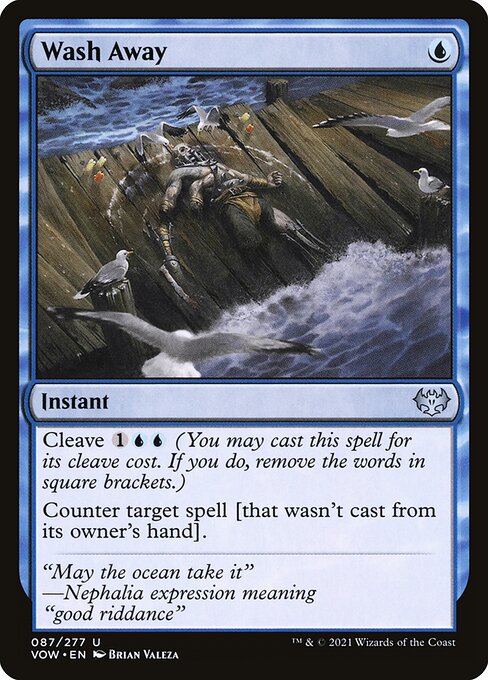
One-mana counterspells are particularly powerful, as they allow you to hold up mana for more counterspells more easily. An Offer You Can't Refuse can counter any noncreature spell in exchange for giving them two Treasure tokens instead. Swan Song can only counter a specific set of cards, but they are all very commonly played ones. Wash Away is a great way to counter a commander for one mana (or any spell if you’re paying its cleave cost).
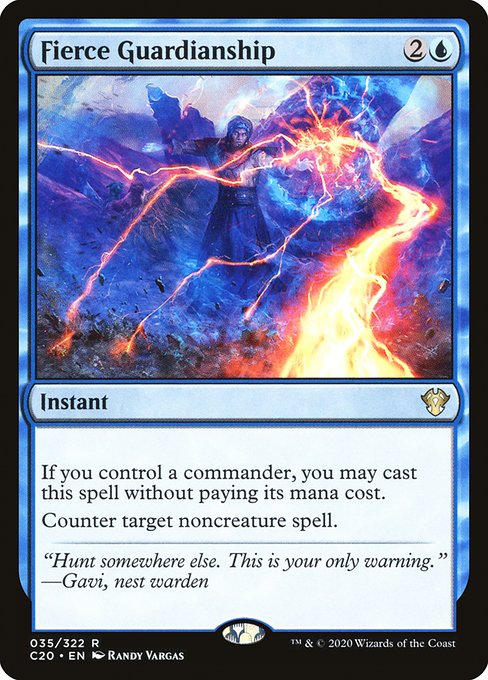
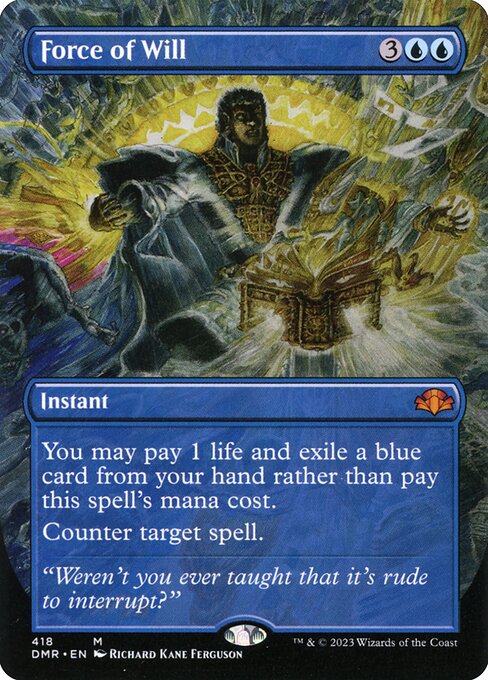
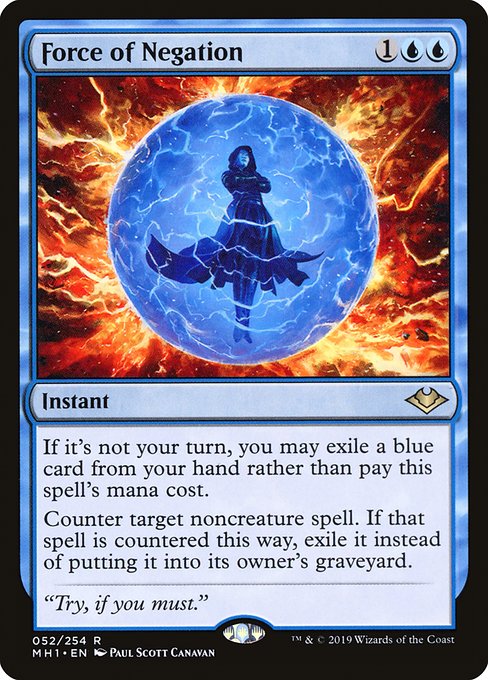
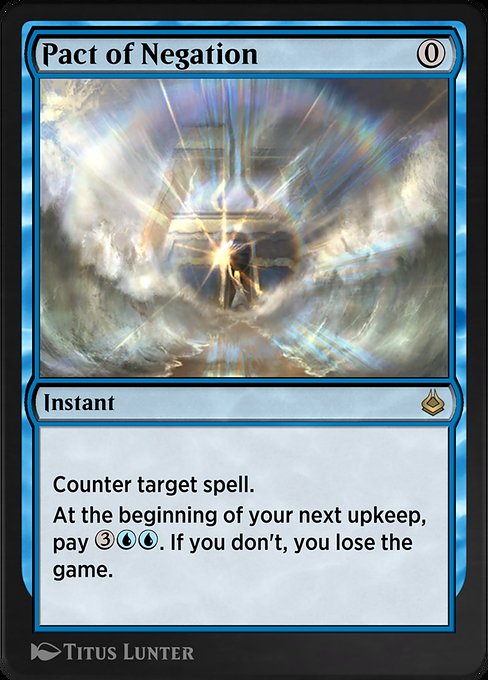
You can also play certain counterspells without paying mana at all. If you control your commander, you have Fierce Guardianship to counter any noncreature spell. If you have a blue card to exile and 1 life to pay, Force of Will is another counterspell that doesn’t require you to pay mana. Force of Negation is a free noncreature counterspell so long as you can exile a blue spell. Pact of Negation isn’t technically free, as you have to pay mana at your next upkeep in order to not automatically use the game.
Removal Staples
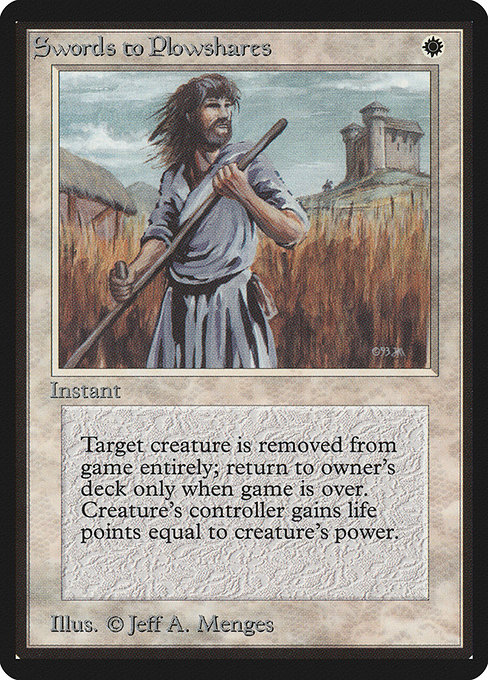
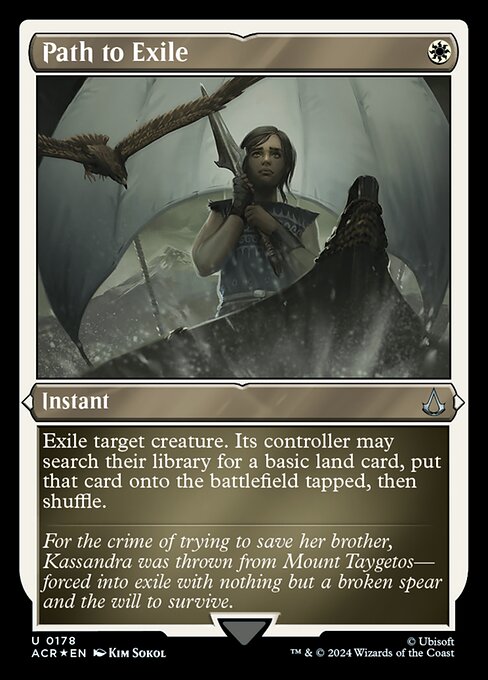
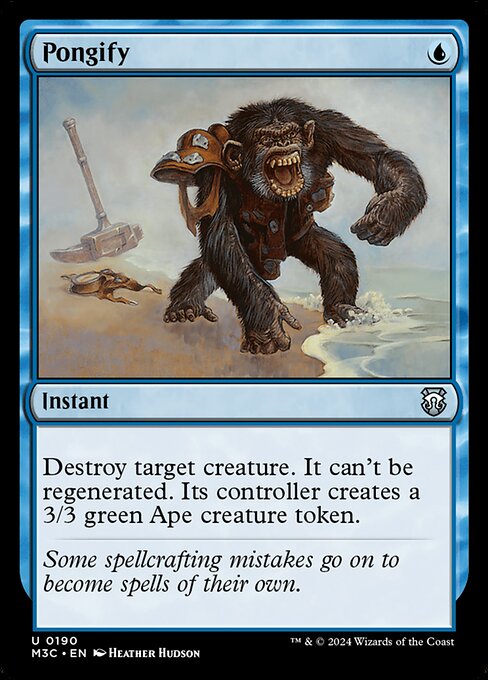
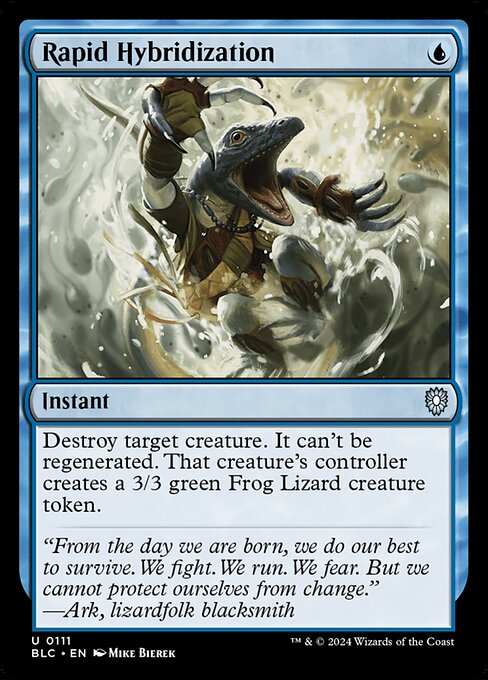
One of the other building blocks of Control decks are removal spells. In most cases, you don’t want to be spending too much mana on these. Removal spells that only cost 1 mana are ideal, so you can hold mana for more removal or other forms of interaction. Swords to Plowshares and Path to Exile are classic staples, but you also have Pongify and Rapid Hybridization as ways to turn any creature into a 3/3 token with no abilities.
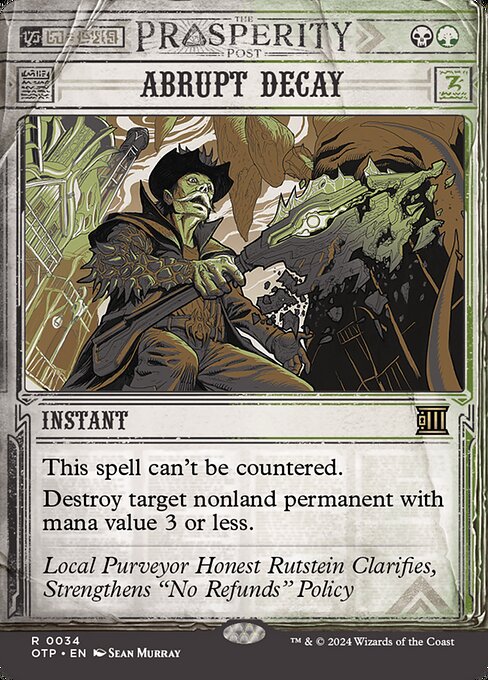
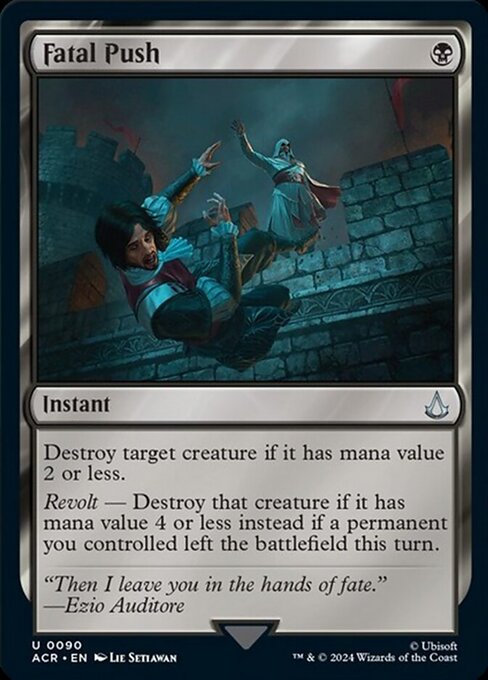
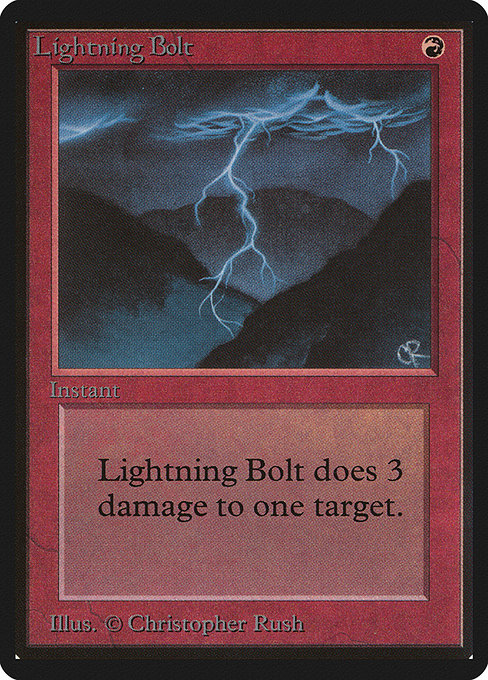
Some removal spells are great and cheap in mana, but can only destroy specific kinds of cards. Abrupt Decay only hits nonland permanents with mana value 3 or less and Fatal Push destroys creatures that have a mana value of 2 (or 4 if revolt is active). Lightning Bolt can be a one-mana removal, but only if a creature has 3 or less toughness.
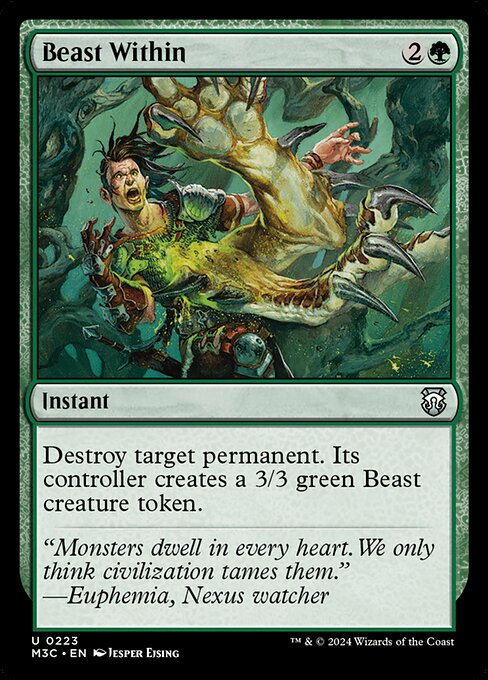
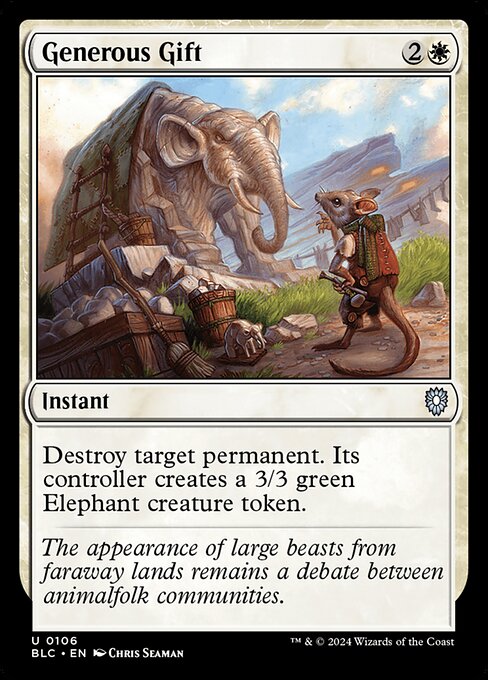
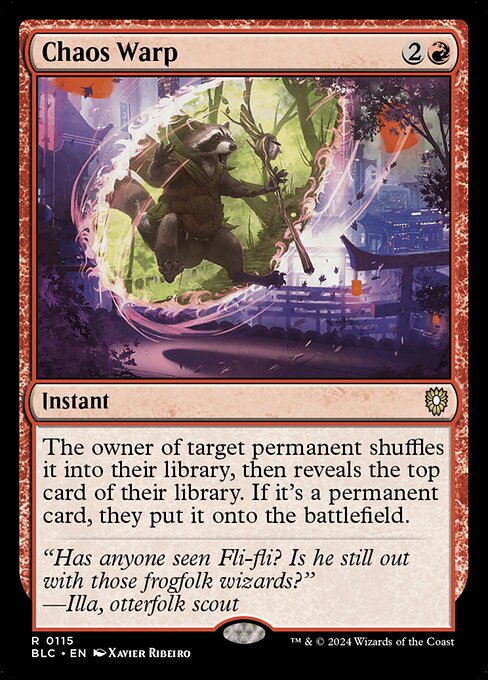
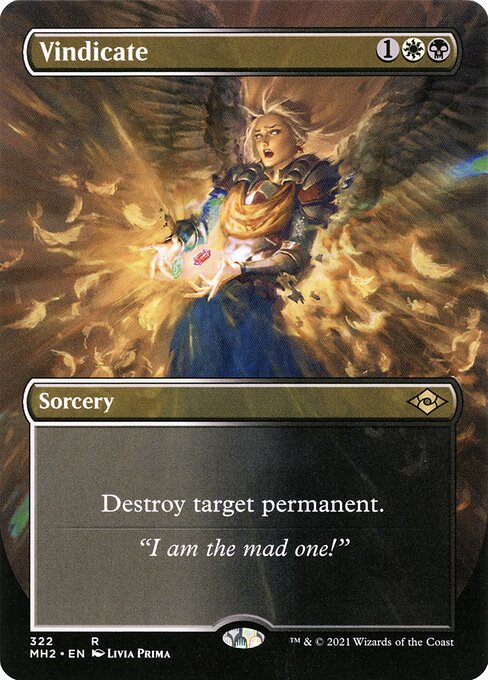
You have the trio of cards that can get rid of any permanent and trade it for something else. Beast Within and Generous Gift both turn a permanent into a 3/3 token, and Chaos Warp either puts a permanent onto the battlefield, or removes a permanent with no downside if the revealed card isn’t a permanent. If available in your colors, Vindicate can destroy a permanent with no downside (outside of being a sorcery).
Board Wipes
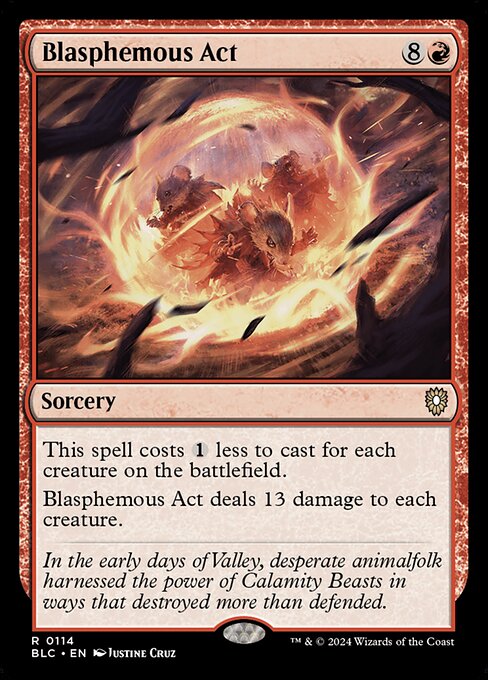
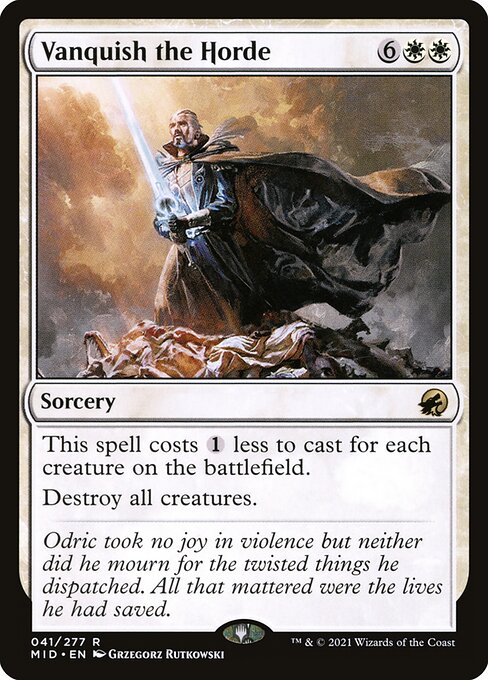
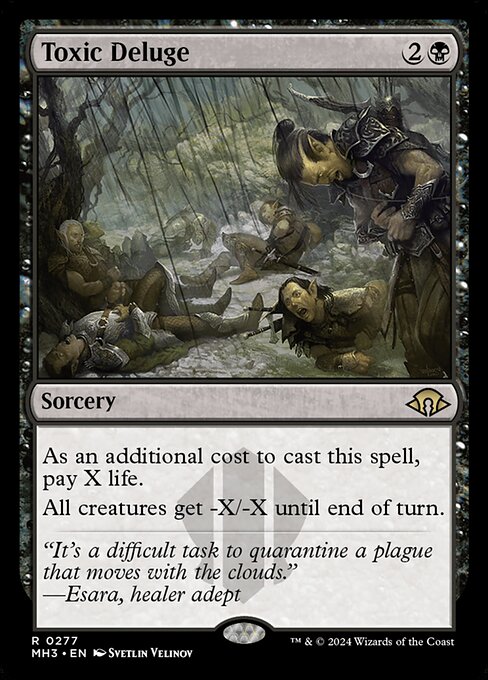
In many cases, Control decks don’t play a ton of creatures. Instead, they primarily play a suite of noncreature spells that control the state of the game. As such, you’ll want to pack multiple board wipes to ensure battlefields stay clear. Both Blasphemous Act and Vanquish the Horde are board wipes that can be cast at a steep discount if there are a lot of creatues on the battlefield. Toxic Deluge is another cheap board wipe, but you do need to pay life in order to wipe the field.
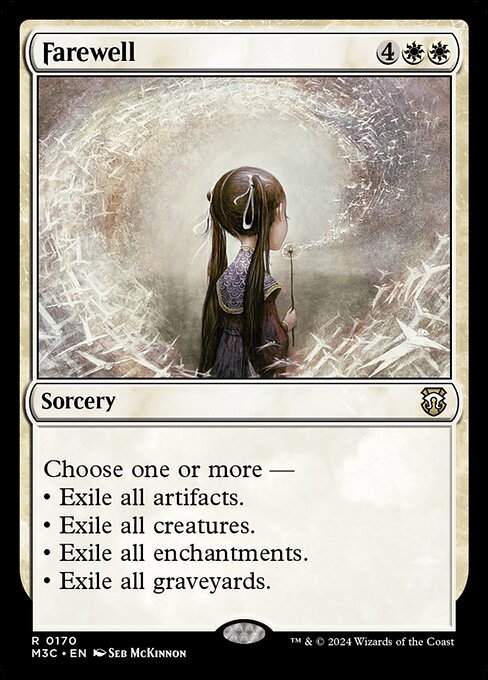
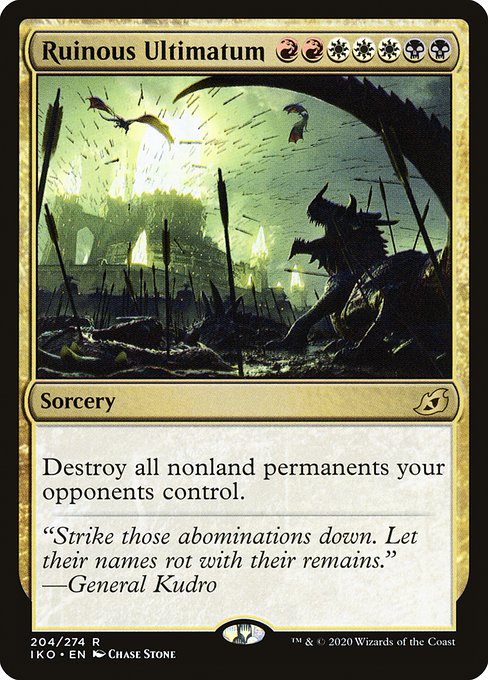
You have a handful of more costly board wipes, but with powerful effects, they’re usually worth considering. Ruinous Ultimatum has specific mana requirements, but rewards you with a one-sided board wipe. Farewell is almost a full reset button, capable of wiping the battlefield of almost everything but lands.
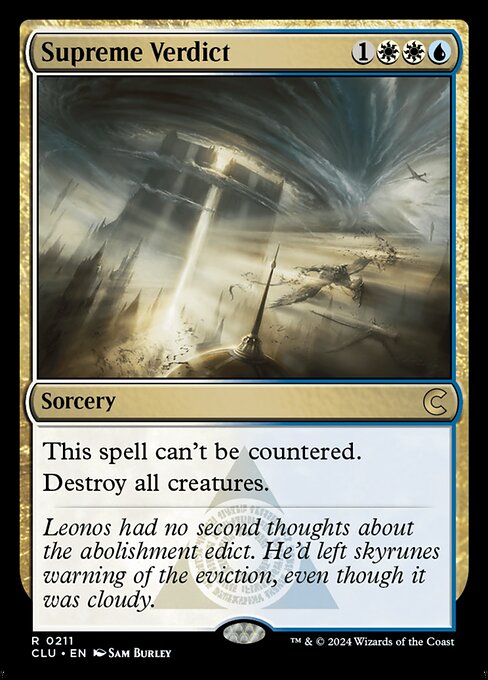
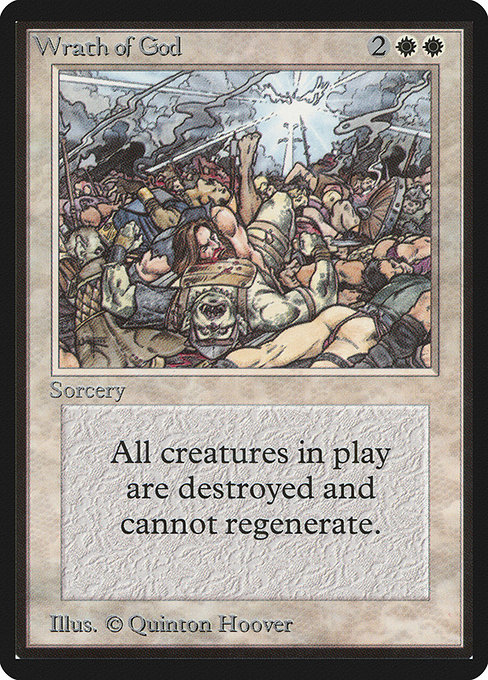
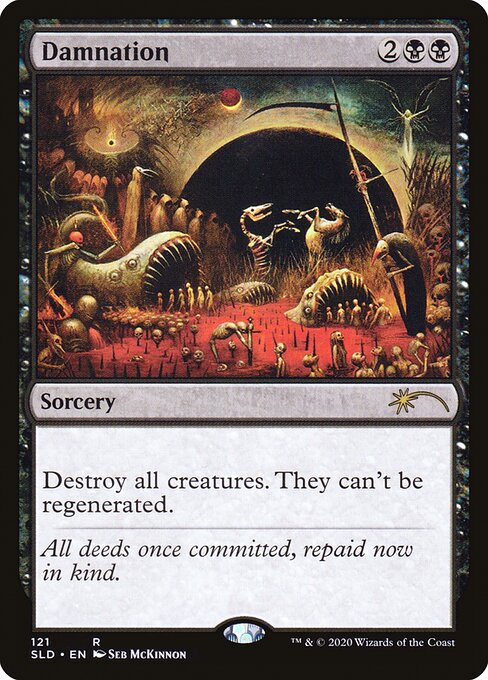
Four mana is the sweet spot for board wipes. These aren’t too costly for you, and help you to easily clear the battlefield while being able to do more. Supreme Verdict is the best since it can’t be countered. Wrath of God and Damnation are identical, just in two different colors.
Complimentary Control Cards
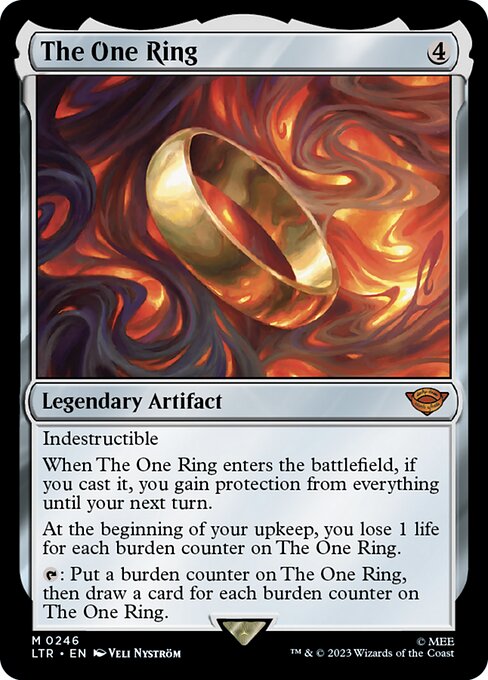
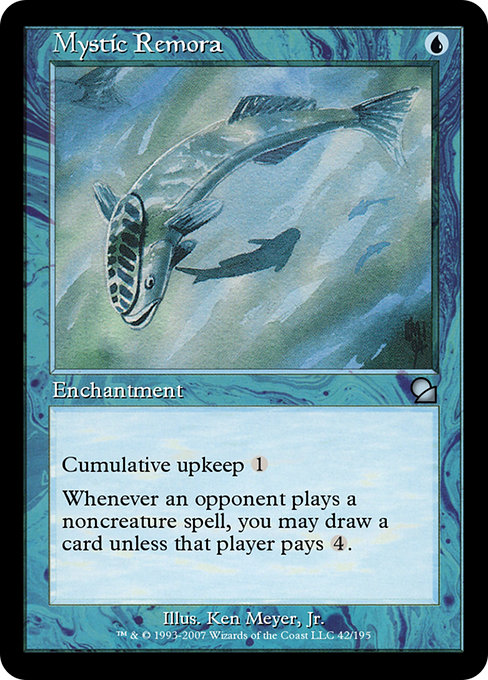
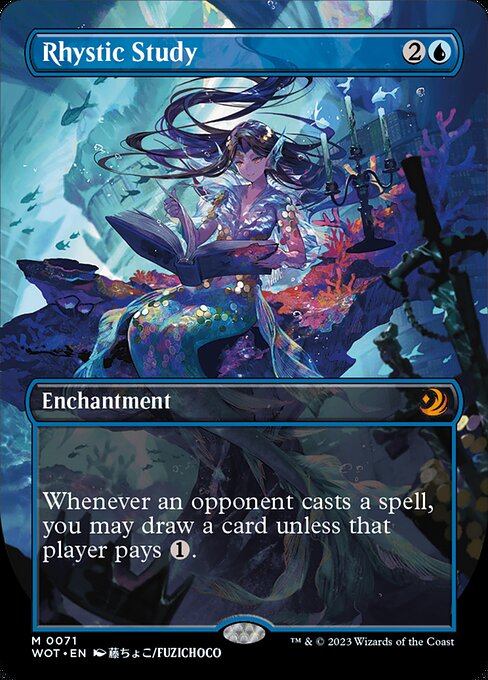
While counterspells, removal, and board wipes are the “big 3” of Control decks, you have other useful cards. You always want resources, so draw power is very useful so you always have interaction. Assuming you can afford it and you can play game changers, The One Ring is the best for this. Similarly, Mystic Remora and Rhystic Study serve the same purpose of taxing opponents unless they let you draw cards.
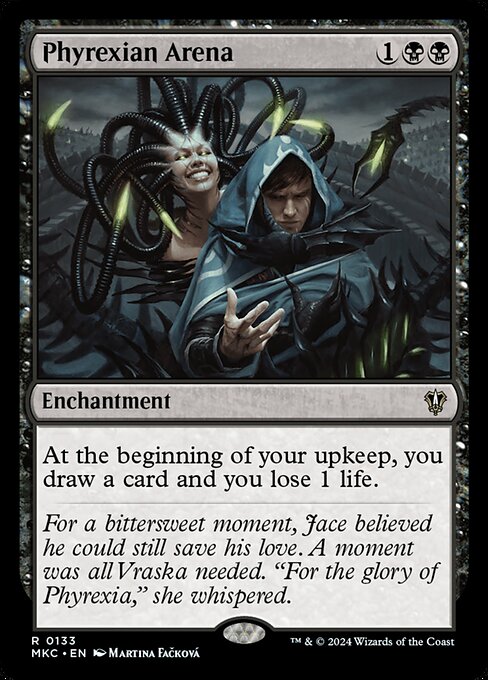
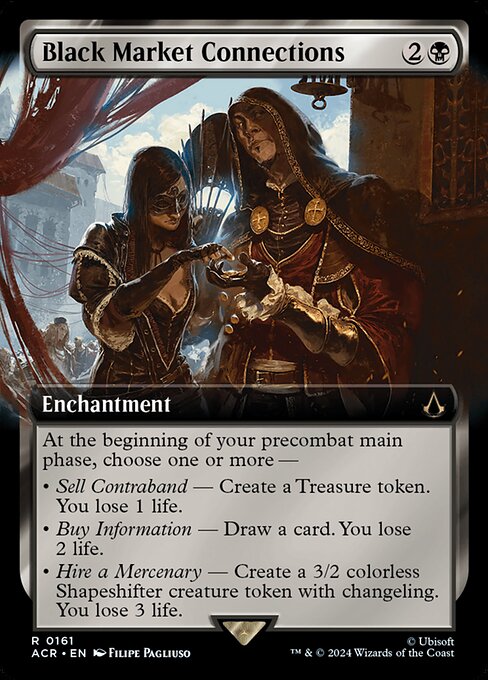
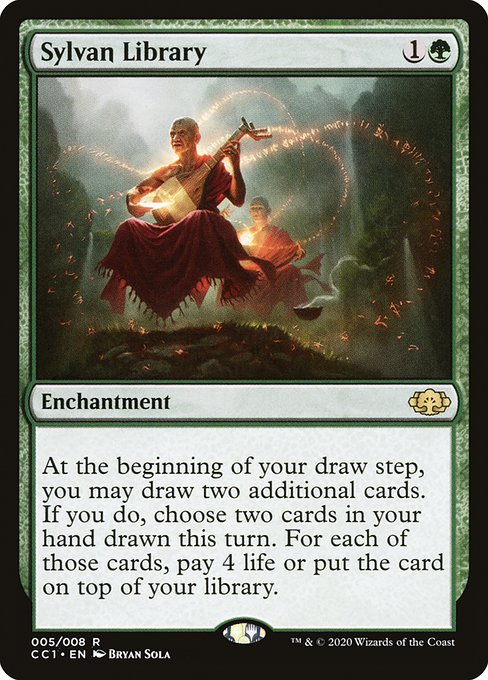
You have access to non-conditional card draw. Phyrexian Arena and Black Market Connections trade life for card draw. Likewise, you can draw extra cards with Sylvan Library, but will have to pay 4 for each card, which can be a hefty cost late-game.
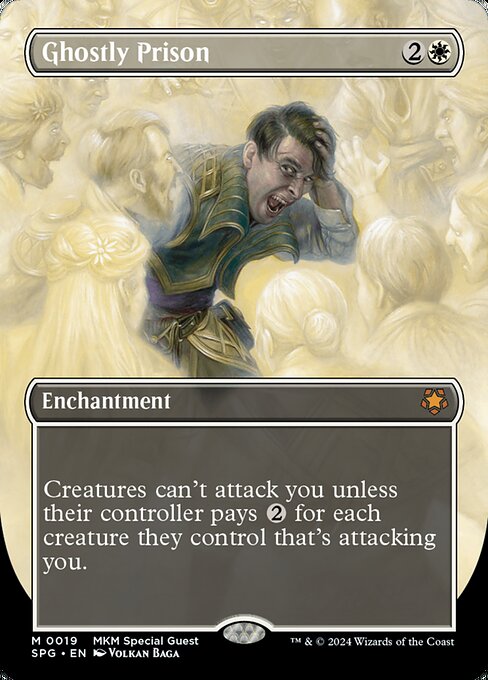
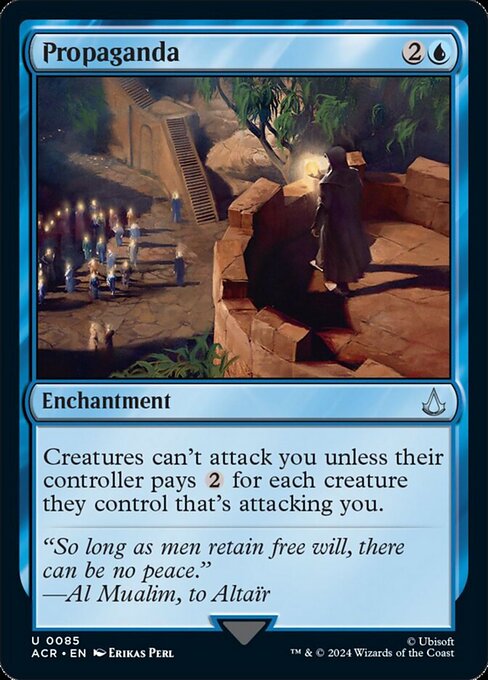
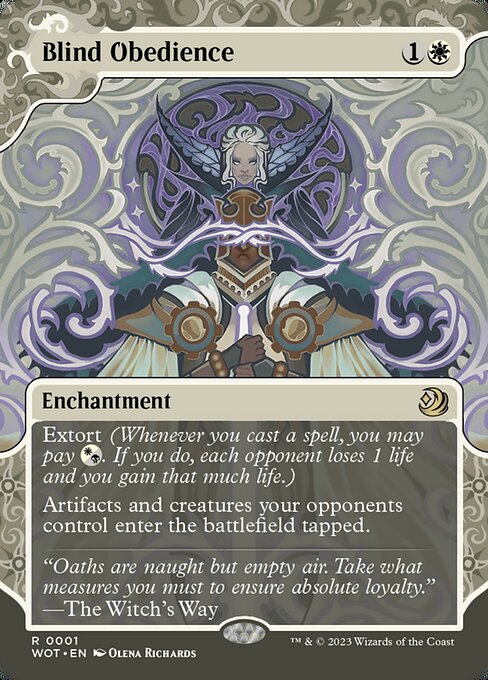
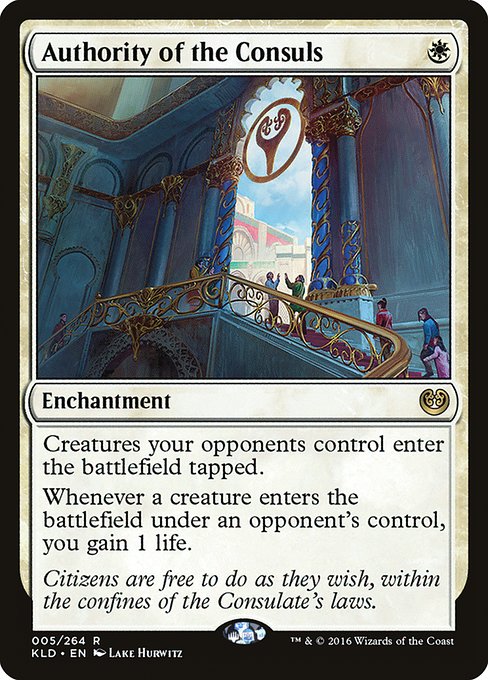
Stax pieces are also useful tools for control decks to keep you safe from attackers. Ghostly Prison and Propaganda both serve this function. Blind Obedience and Authority of the Consuls slow the game down by making your opponents’ creatures enter tapped.
General Game Play
Control decks are all about denying resources. You want to use your interaction to cut your opponents off from any combo, game-ending card, or sometimes just a powerful creature that may turn problematic if it hits the battlefield. Often, you’re the one whose in control of how a game progresses, and strike fear into anyone casting a spell if you have mana available.
An important aspect of Control decks is knowing when to counter a spell. If you have Mana Drain in your hand, you don’t want to waste it on a low-mana spell; otherwise, you won’t get full value out of it. With a Counterspell, you only want to use it if the spell resolving impacts the game state. For example, you don’t want to waste a counterspell on a mana dork, but rather, the spell the mana dork is used to ramp into.
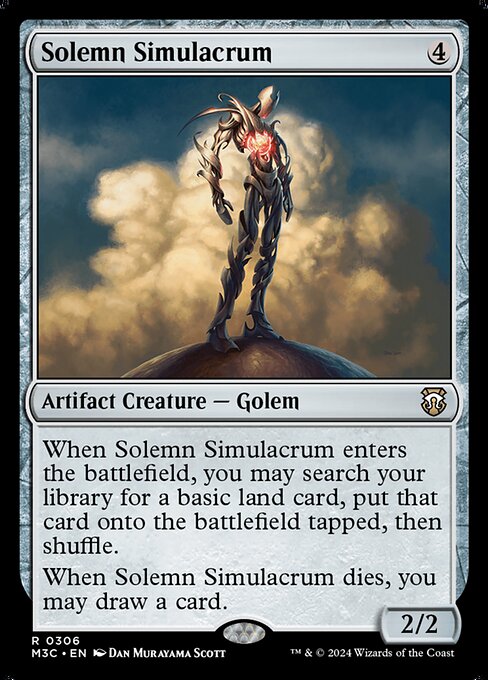
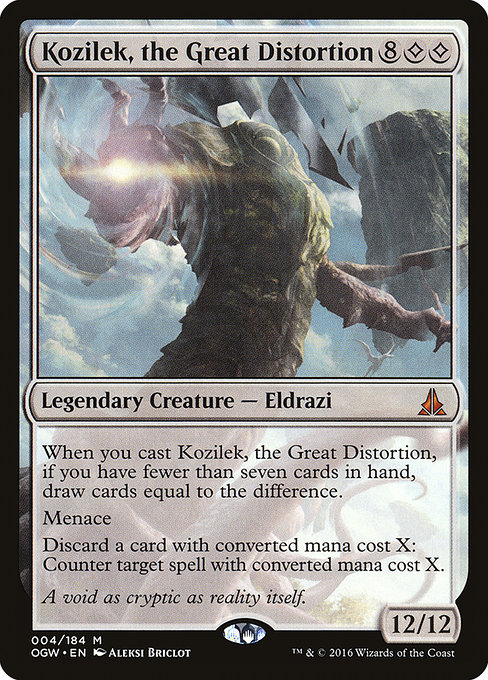
Another important aspect when playing a Control deck is knowing when to take damage and when to remove a creature. Often, you will take damage in the early stages of the game. You don’t play many creatures, so instead you usually play mana rocks and dorks to get you mana output up. If you’re going to be attacked by a small creature like a Solemn Simulacrum you can survive 2 damage. However, if a Kozilek, the Great Distortion is attacking, you’ll want to get rid of it as quickly as you can.
You can also take damage early on if you know you have a board wipe coming. While taking 10 damage might hurt, if you have a Supreme Verdict in your hand, it’s better to take the damage and take every creature out of the game instead of just one. This allows you to save your best removal spells like Path to Exile for future problematic creatures that might show up.
How Control Decks Win
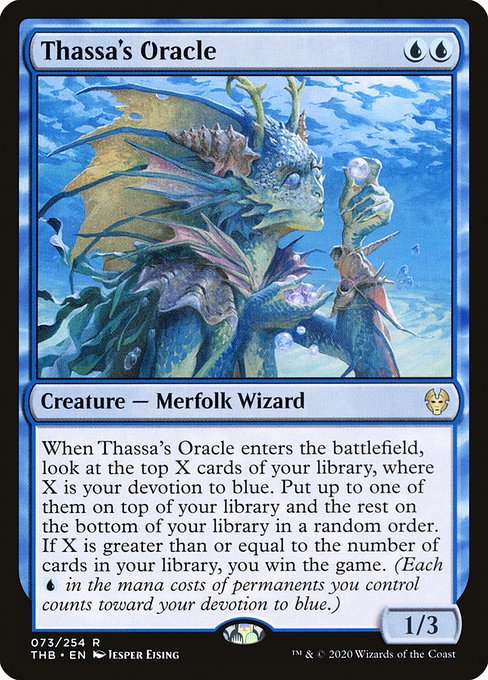
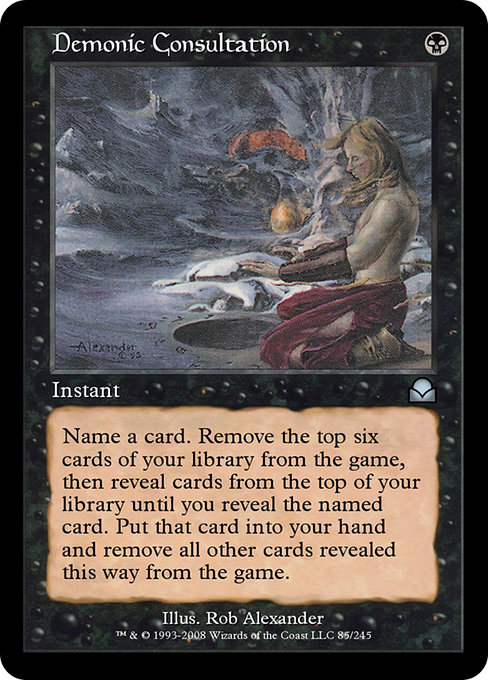
Control decks are very passive. You’re shutting down your opponents, stalling them until you get to your win condition. Some Control decks win with combos, such as the infamous Thassa's Oracle and Demonic Consultation. All you have to do is cast Thassa's Oracle and then Demonic Consultation, naming a card not in your library to exile your whole library and instantly win with Thassa's Oracle
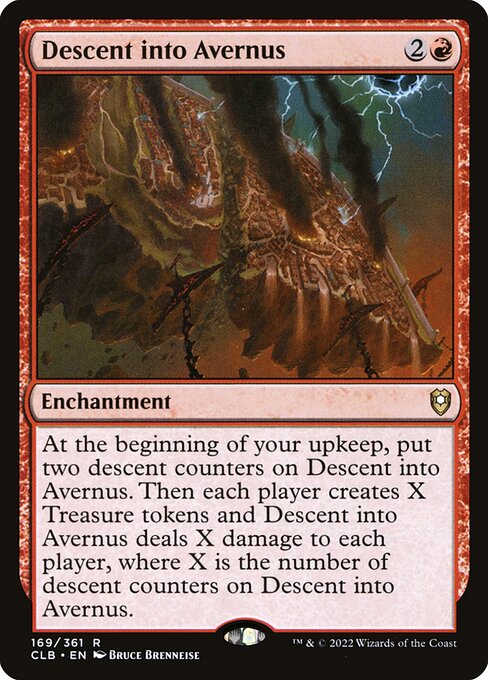
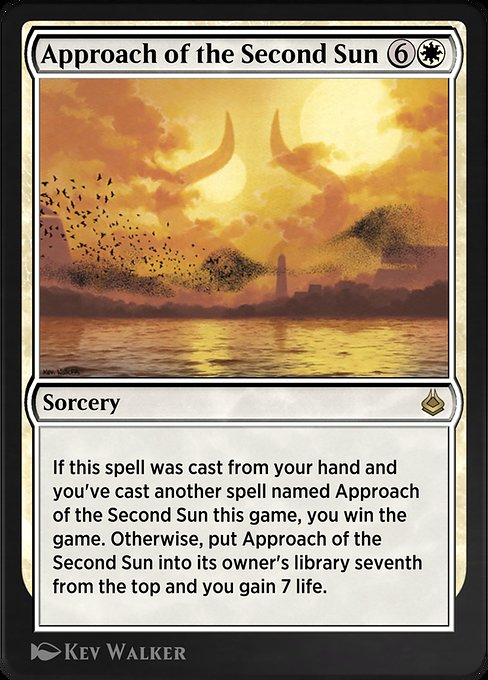
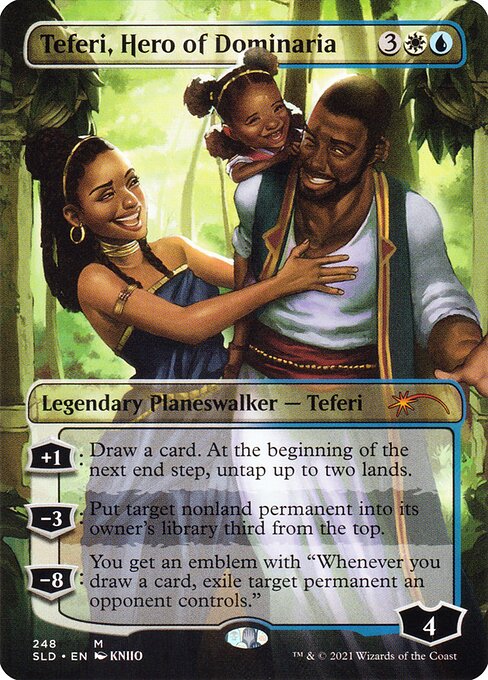
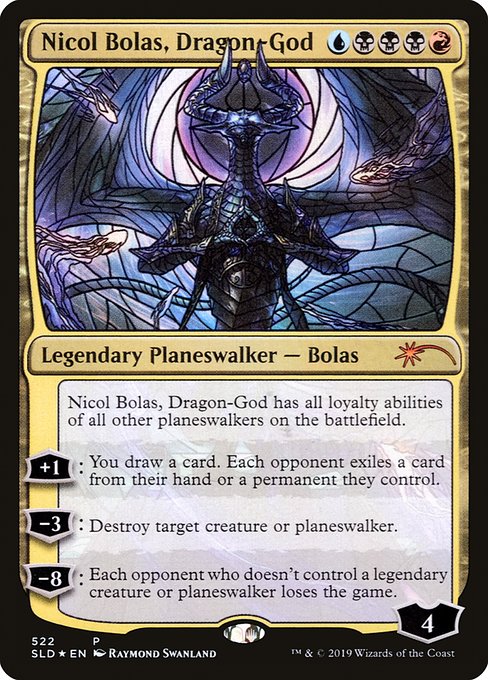
Alternatively, you can win with burn damage using Descent into Avernus to eventually take everyone else out. Approach of the Second Sun is a common win condition for Control decks, as it’s easy to stall until you can cast it twice. Planeswalkers also turn into win conditions if you can use their ultimate abilities. The best cards for this are Teferi, Hero of Dominaria and Nicol Bolas, Dragon-God.
Control Commanders
With Control Commanders, you have a limitless number of options to choose from. While you usually want your commanders to have at least Blue or White mana, you can get away without them. These are just the colors that have the strongest Control cards. There are many flavors of Control, and in this article we’ll look at three different such flavors.
Y’shtola, Night’s Blessed
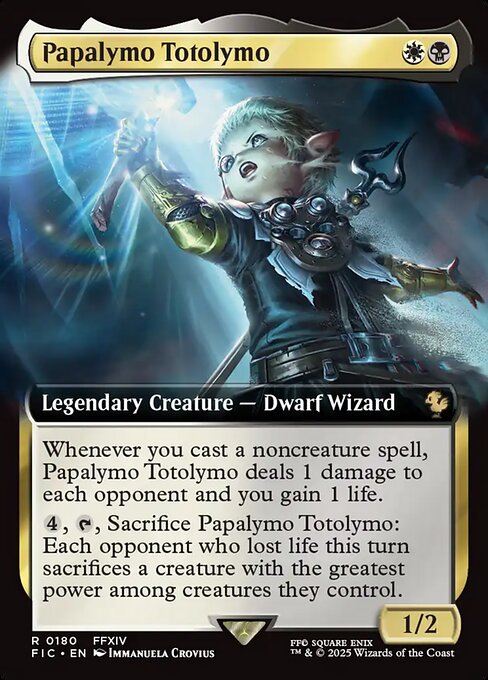
Y'shtola, Night's Blessed is the face commander of the Final Fantasy XIV precon, although, the precon itself isn’t built fantastically for it. As such, you’re better off building it up from the ground-up. Y'shtola, Night's Blessed rewards you for casting spells with a mana value of 3 or higher, as well as anyone losing 4 life. Notably, any player can be the one who loses 4 life, including yourself. Papalymo Totolymo and Sheoldred, the Apocalypse act as secondary commanders that also deal damage and heal life.
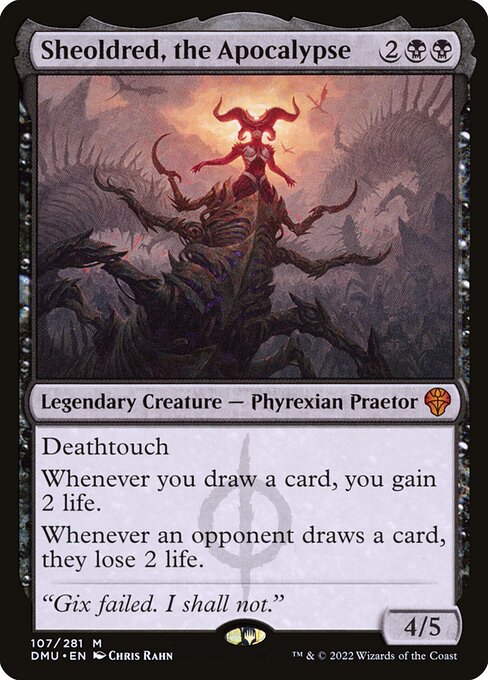
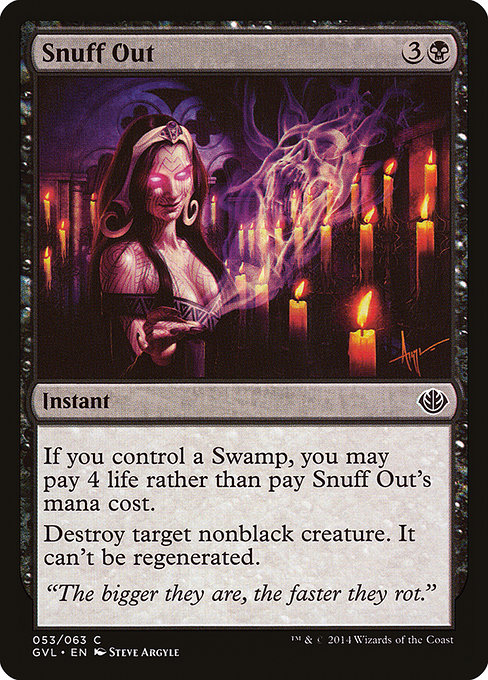
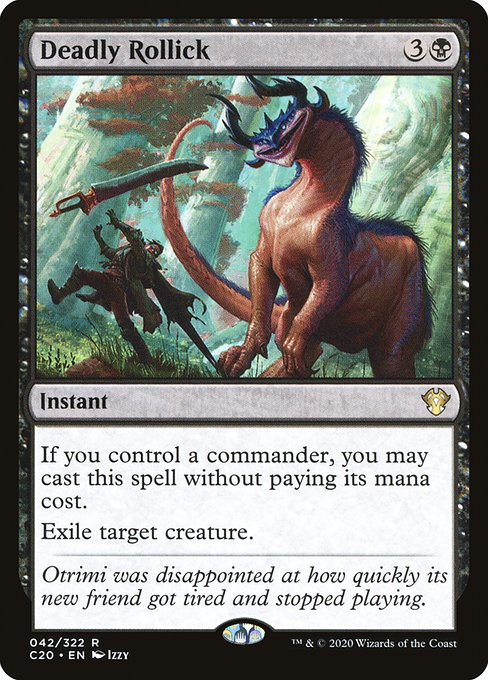
Since Y'shtola, Night's Blessed rewards you for casting spells that have mana value of 3 or higher, cards that can be cast at a discount is great. Snuff Out, Fierce Guardianship, and Deadly Rollick can all be cast for free. This gives you the benefit from Y'shtola, Night's Blessed without having to actually spend mana.
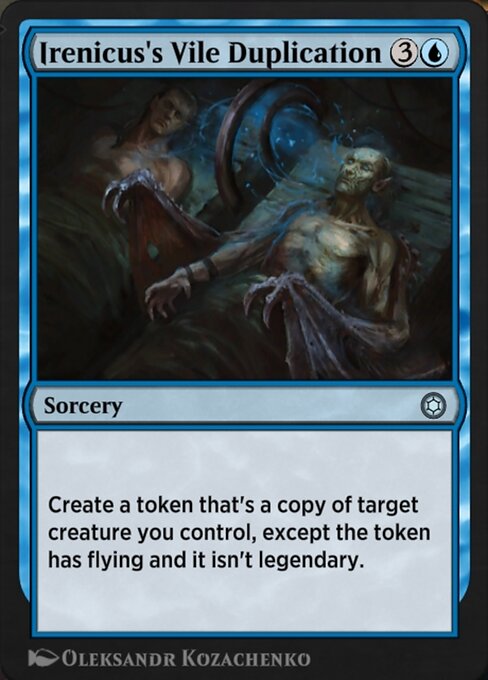
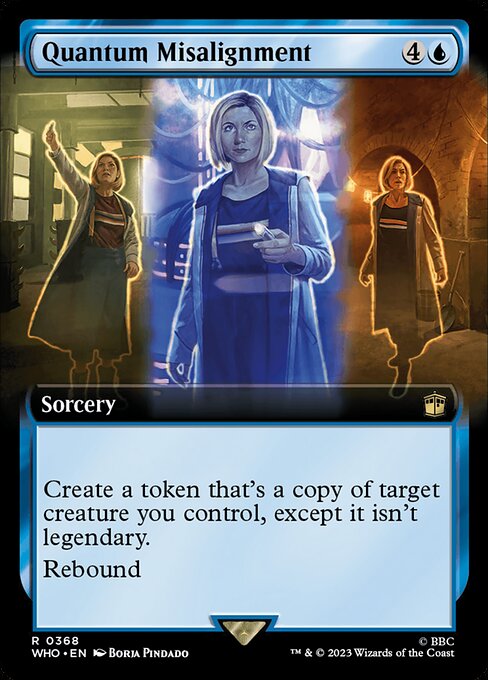
You don’t have a lot of creatures, as Y'shtola, Night's Blessed is your main way you’ll be dealing damage. Having multiple copies is great, so you’ll want to include cards like Irenicus's Vile Duplication and Quantum Misalignment that both trigger Y'shtola, Night's Blessed and gives you more copies of it. All of the copies have their effects trigger separately, so you’ll be stacking up burn and card draw.
A sample decklist can be viewed below. This is a bracket 4 deck that can be upgraded into a lower power bracket 5 deck with fast mana upgrades and putting in some cEDH combos.

Commander
Creatures (10)
Instants (34)
Sorceries (9)
Artifacts (8)
Enchantments (8)
Lands (31)
100 Cards
$1196.44
Mahadi, Emporium Master
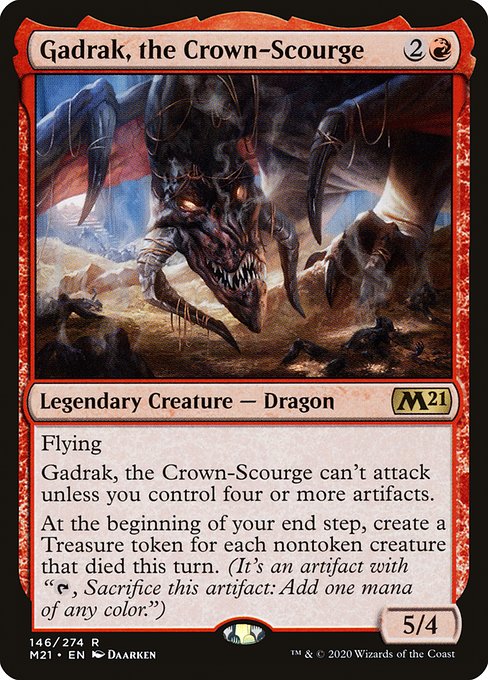
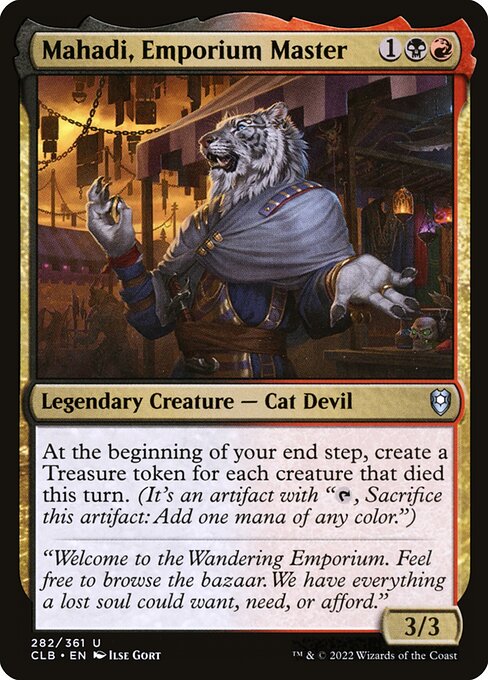
Mahadi, Emporium Master is a Control deck that rather than focusing on counterspells, focuses on removal spells. Mahadi, Emporium Master gives you Treasure tokens for every creature that died that turn at your end step. Gadrak, the Crown-Scourge acts as a backup commander with nearly the same effect (with the exception of tokens aren’t counted).
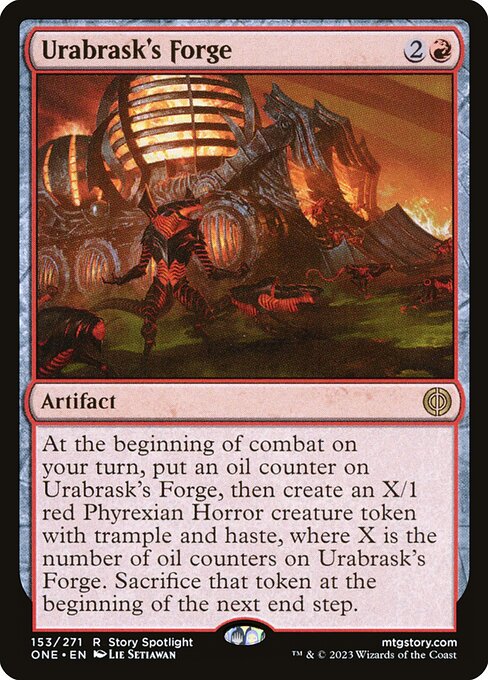
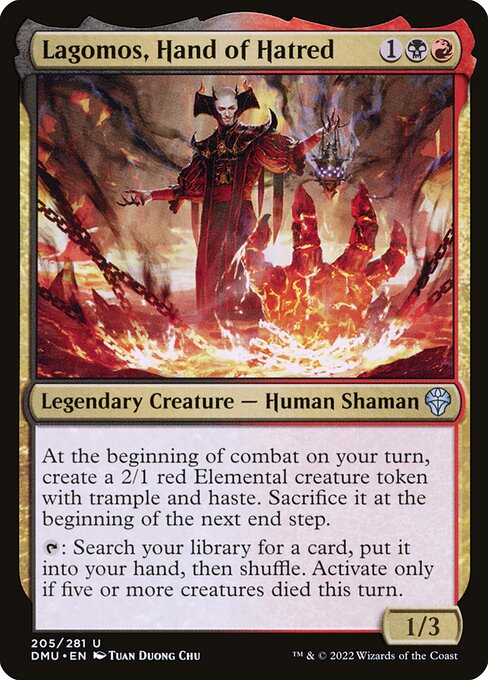
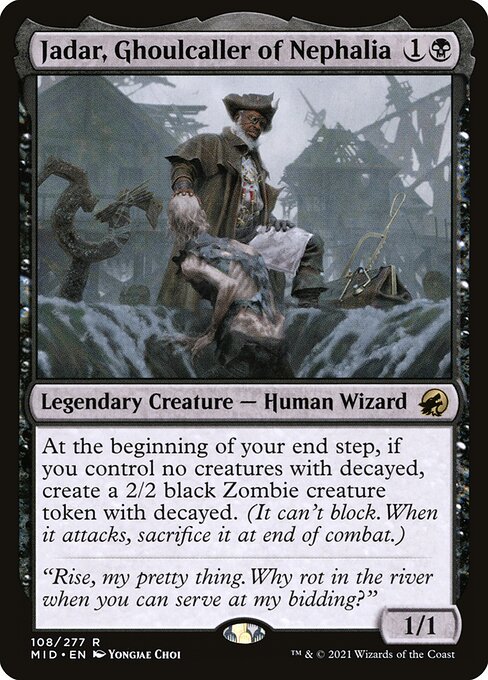
Since you want creatures dying, the deck can play multiple permanents that create temporary tokens that are sacrificed. Urabrask's Forge, Lagomos, Hand of Hatred, and Jadar, Ghoulcaller of Nephalia are all ways to get creature tokens that will die. If those tokens are sacrificed at the end step, make sure you stack them so they’re sacrificed before Mahadi, Emporium Master triggers so it’ll see those tokens die.
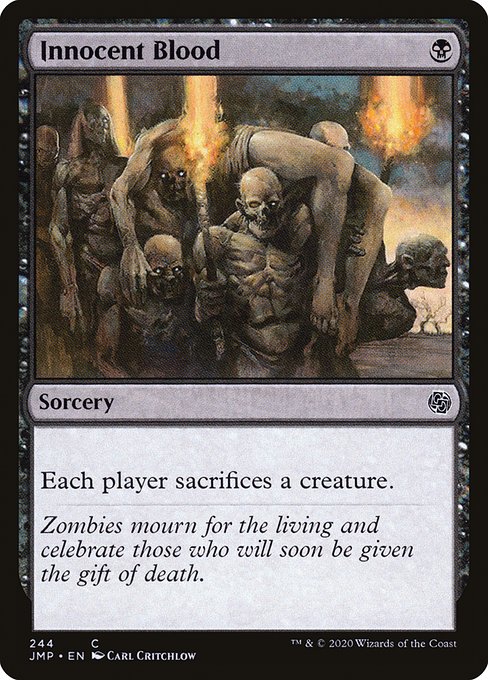
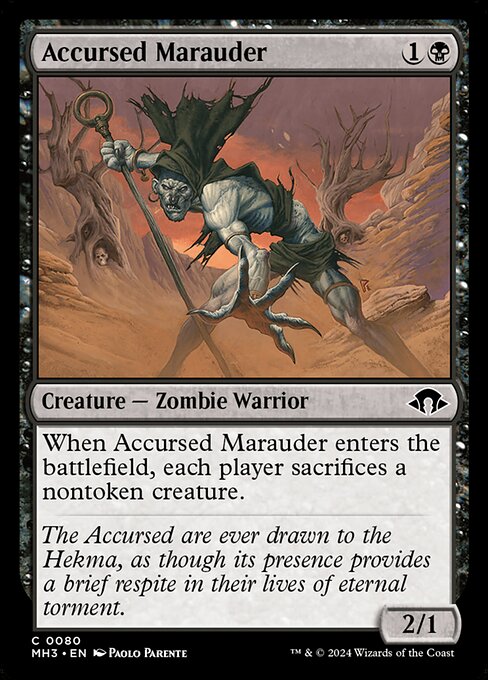
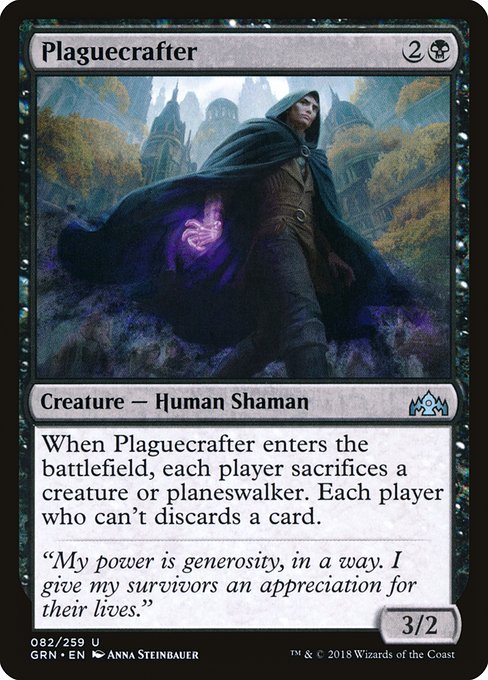
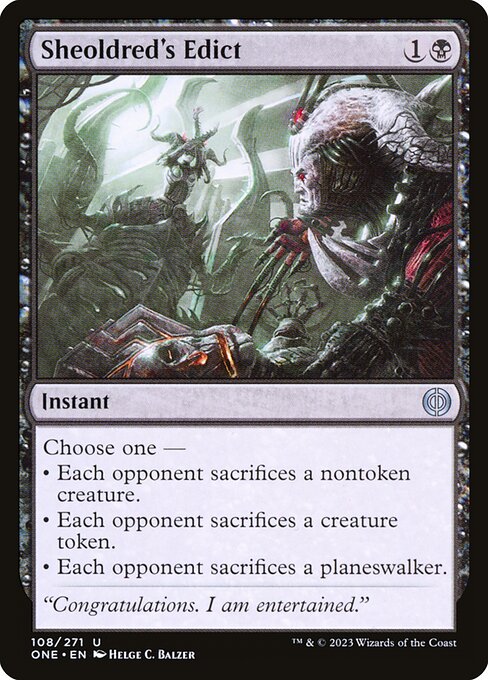
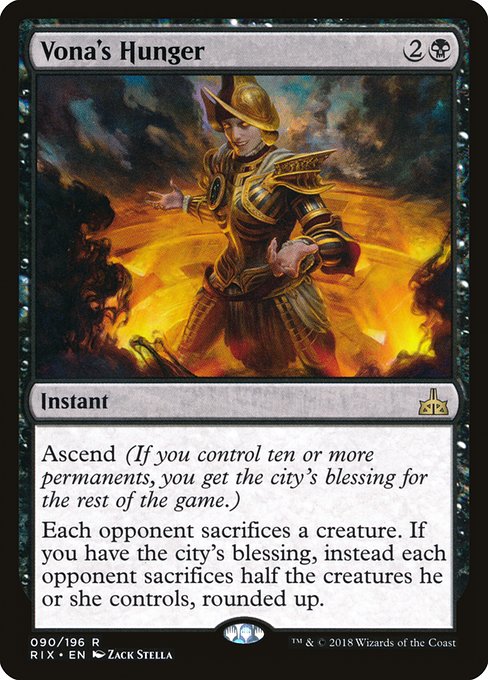
Cards that make every player sacrifice a creature are especially strong, as this gives you four creatures dying for the price of one. Innocent Blood, Accursed Marauder, and Plaguecrafter are all such options. You also have Sheoldred's Edict and Vona's Hunger to make your opponents sacrifice a creature, with mass sacrifice if you have the city’s blessing in the case of the latter.
A sample decklist can be viewed below. This deck sits on the higher end of bracket 3, as it’s a bit too slow for higher bracket games.
Commander
Creatures (32)
Instants (14)
Sorceries (8)
Artifacts (9)
Enchantments (4)
Lands (33)
100 Cards
$479.79
Squall, SeeD Mercenary
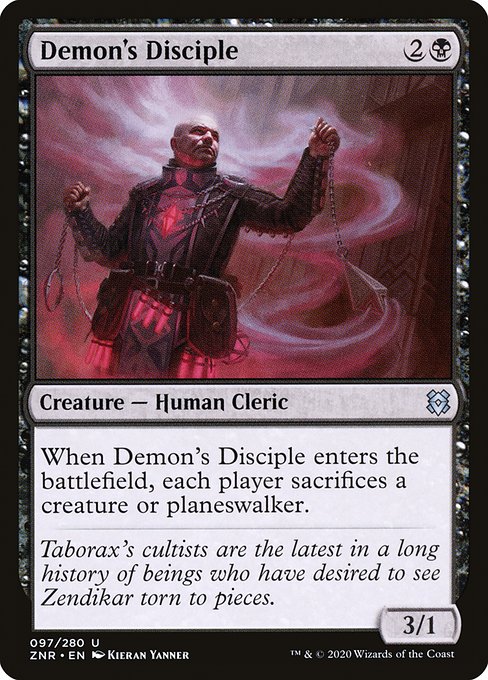
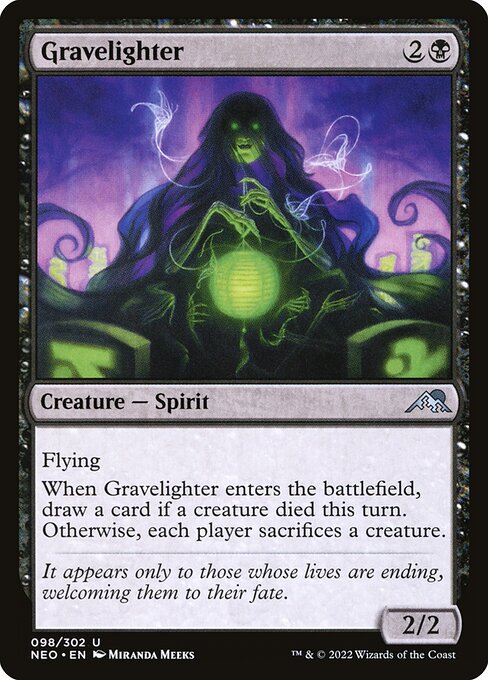
Squall, SeeD Mercenary is a very unique Control deck in that it plays like a Voltron deck. While the deck has a lot of creatures, they’re usually ones that sacrifice themselves and other creatures, such as Demon's Disciple and Gravelighter. The idea is to cast these creatures, sacrifice them, and then reanimate them with Squall, SeeD Mercenary to force another sacrifice. You only want to attack with Squall, SeeD Mercenary, which gives it double strike to reanimate those creatures again, making them capable of forcing three sacrifices from everyone each turn.
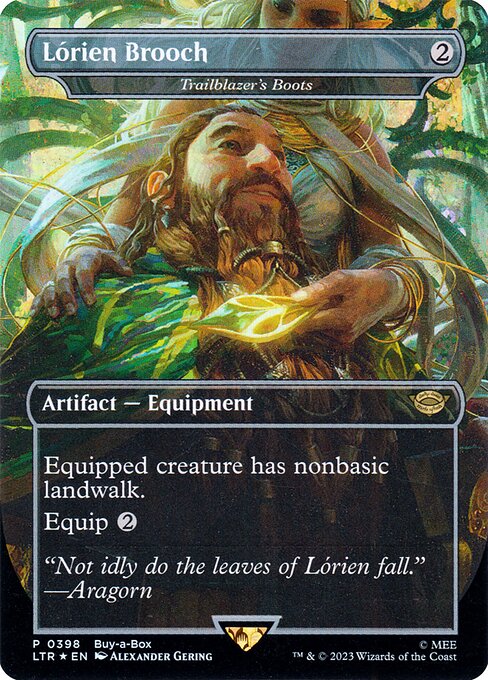
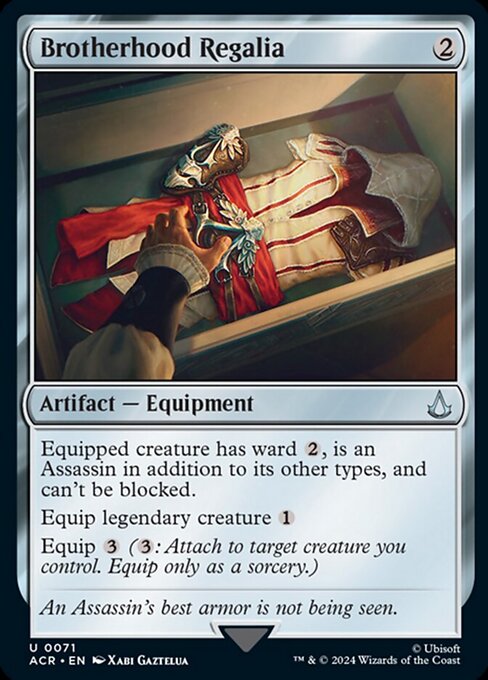
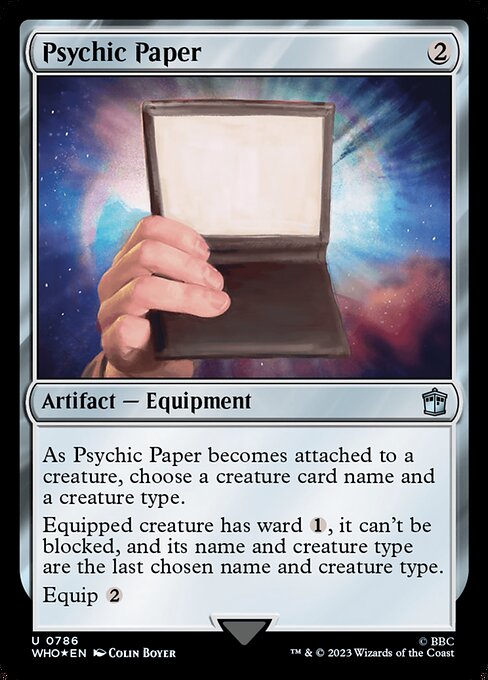
The deck is sub-Voltron, so making Squall, SeeD Mercenary unblockable is vital to keep it safe and ensure it gets in for damage so its effect can trigger. Even mono-colored decks run nonbasic lands, so Trailblazer's Boots often makes a creature fully unblockable. Brotherhood Regalia and Psychic Paper make a creature unblockable and provides ward for an extra layer of protection.
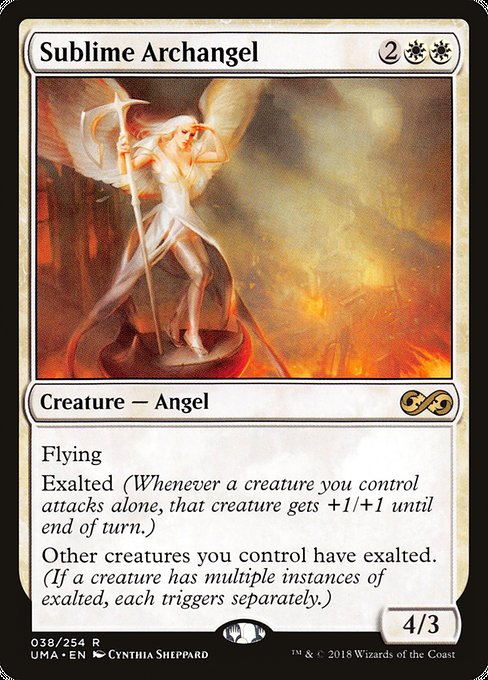
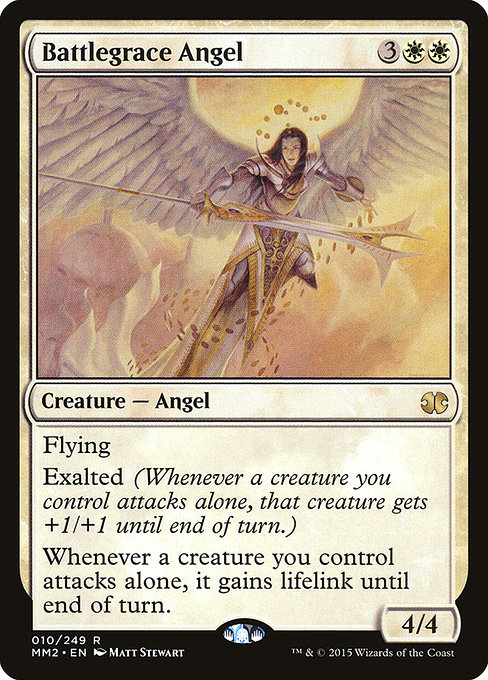
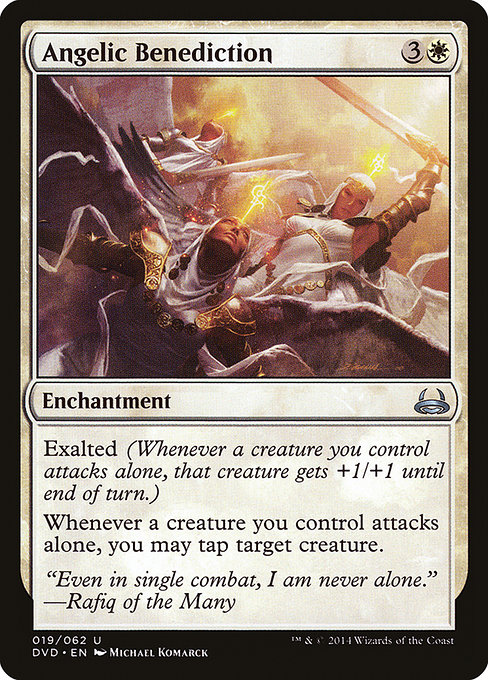
Squall, SeeD Mercenary is always attacking alone, so exalted cards are fantastic, as it’ll give it a big stat boost since each instant triggers separately. If you have 3 instants of exalted, that’s a +3/+3 stat boost to the attacking creature. The best cards with exalted include Sublime Archangel that gives all creatures exalted, Battlegrace Angel which gives a lone attacking creature lifelink, and Angelic Benediction which taps a creature (and potential blocker).
A sample decklist can be viewed below. It can be played as a high bracket 3 or lower bracket 4 deck. Although it has a slow start, once the engine gets going, it becomes very consistent. It’s a different flavor of Control if you want something more than just counterspells and removal.

Commander
Creatures (34)
Artifacts (17)
Enchantments (10)
Lands (34)
100 Cards
$374.06
In Conclusion
Control decks are slow and grindy, working hard and constantly interacting with your opponents. You are in charge of how the game flows, and it’s up to you to determine what resolves and what doesn’t.
Decks in the Control archetype are usually harder to pilot, as you need to know when the best times to counter a spell or remove a creature are. It’s about thinking three turns ahead and grinding your way to your win conditions.