



White, Red, and Blue. Discipline, foresight, and passion — Jeskai is the embodiment of winning by understanding the moment better than anyone else. It doesn’t rush, it doesn’t overextend, and it never acts without purpose. Jeskai controls the pace of the game, forcing opponents to move first… and punishing them for it. It’s about timing, positioning, and making sure the game happens at your speed.
White brings structure and rules. Blue brings foresight and precision. Red brings burst, chaos, and the ability to end things suddenly. Together, Jeskai excels at reactive playstyles that quietly turn into dominance.
This is the color combination of spells on the stack, combat tricks that flip the script, and engines that reward clever sequencing. If you enjoy winning games because you outplayed the table rather than overpowering it, Jeskai is the triad to play.
Having access to White, Red and Blue gives us access to a myriad of options, all usually very powerful and flexible, such as:
Token Generation — Young Pyromancer | Monastery Mentor | Saheeli, Sublime Artificer | Talrand, Sky Summoner
Cheap and Efficient Control —
Powerful and Game-Changing Spells — Blasphemous Act | Cyclonic Rift | Teferi's Protection | Supreme Verdict
Combat Manipulation and Damage Redirection — Comeuppance | Boros Charm | Settle the Wreckage | Deflecting Palm
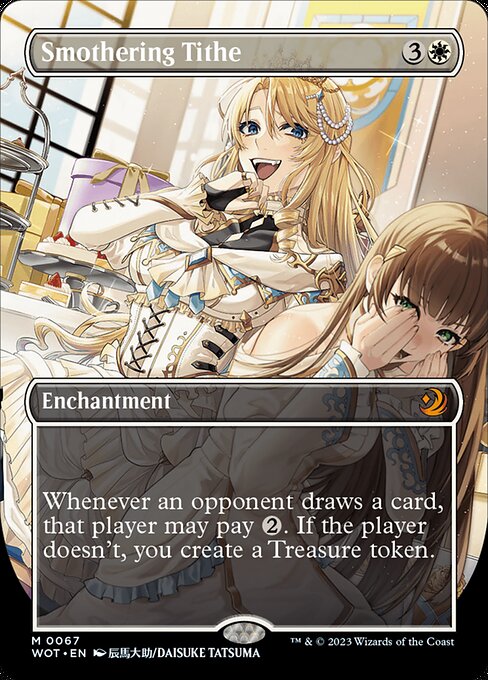
Taxation (When you do it it’s not theft) — Esper Sentinel | Rhystic Study | Smothering Tithe | Ghostly Prison
Just to name a few.
So let’s go ahead and dive deep into 4 distinct archetypes within the Jeskai clan just to get your feet wet and show you some of what is possible, perhaps one of these will call your name.
Archetype 1: Spellslinger, Aikido
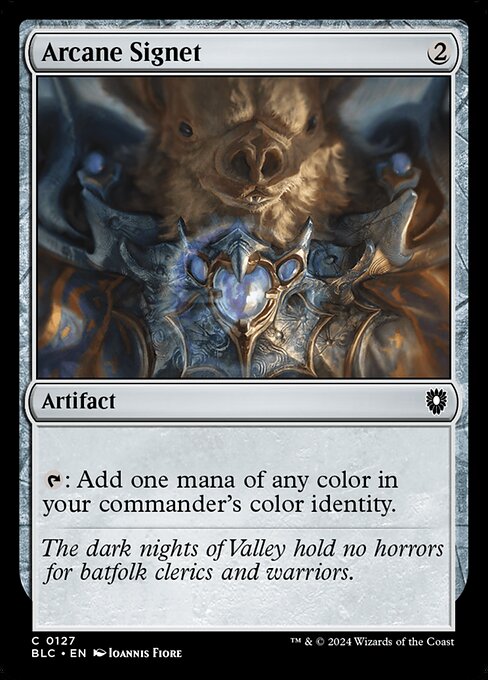
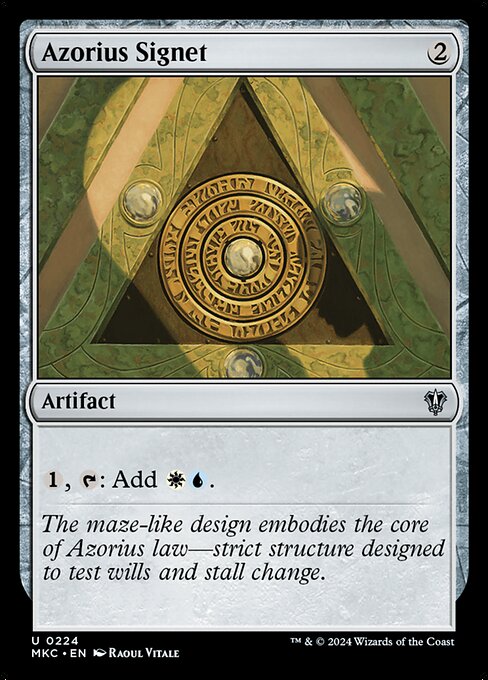
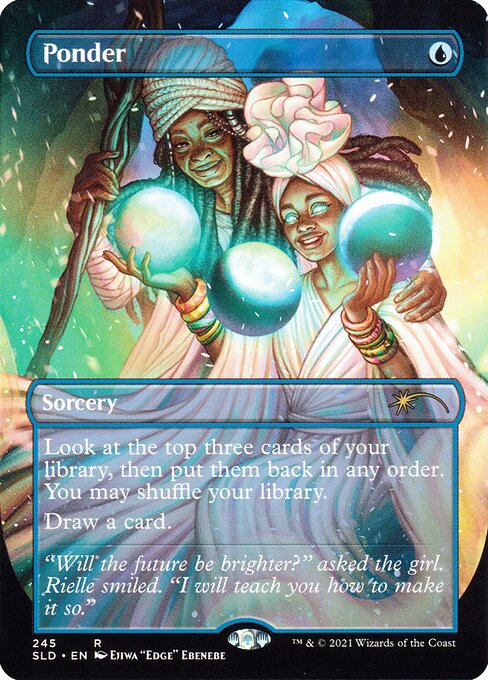
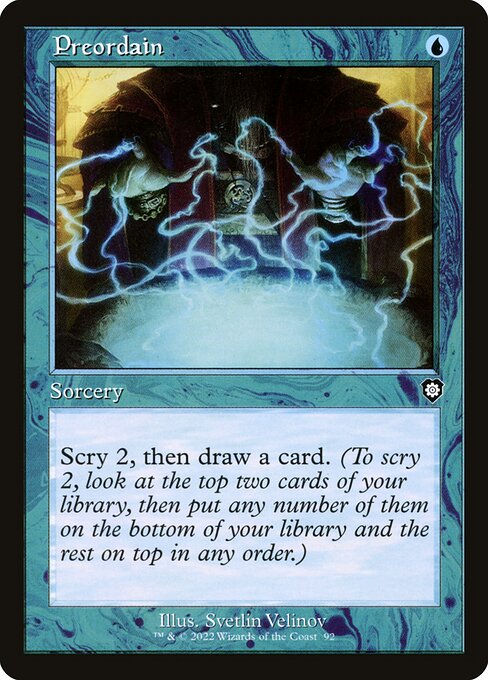
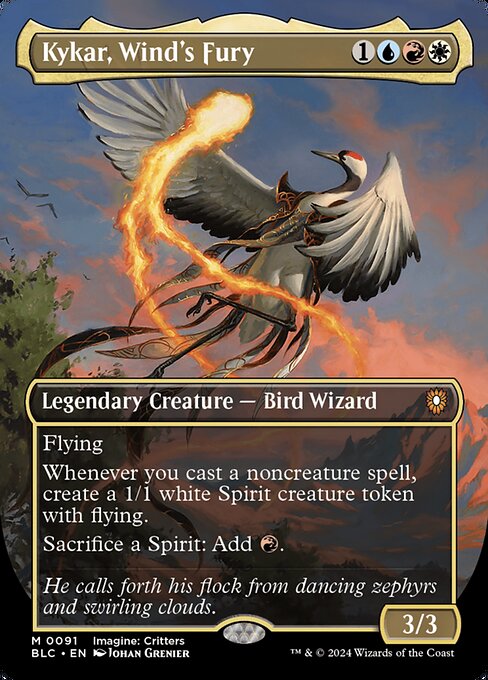
This time we will be focusing in a particular deck thast uses Kykar, Wind's Fury as it’s commander. From the opening turns onward, the goal is to stay flexible, be useful, and never look like the problem. Your opening hands are about access and options, a couple of lands, with all three colors if possible, and something that either smooths your draws or advances your mana like Arcane Signet, Azorius Signet, Ponder, or Preordain. You’re not in a rush to deploy Kykar, and you’re definitely not in a rush to attack. Life totals don’t matter early; information does.
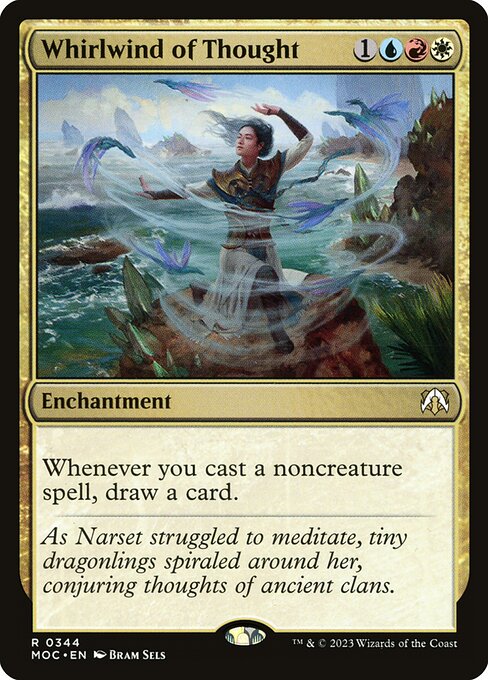
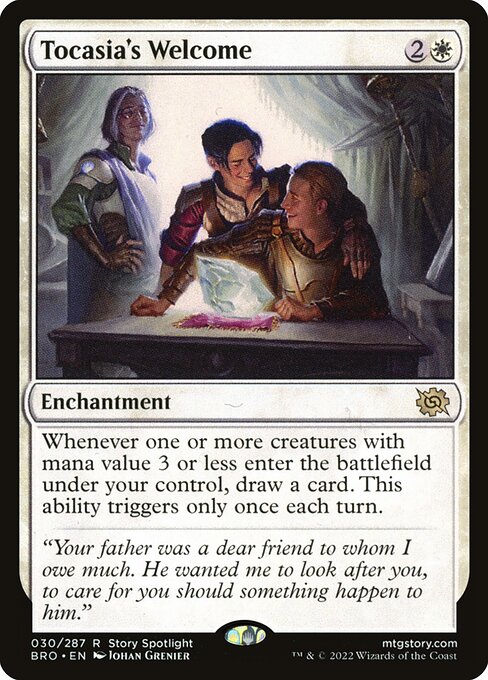
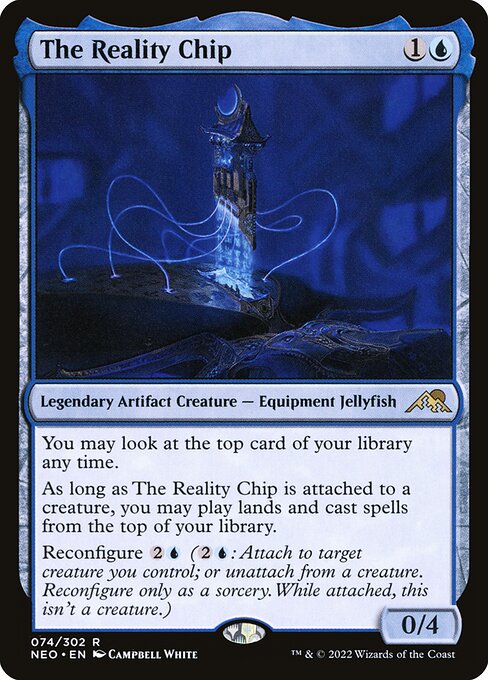
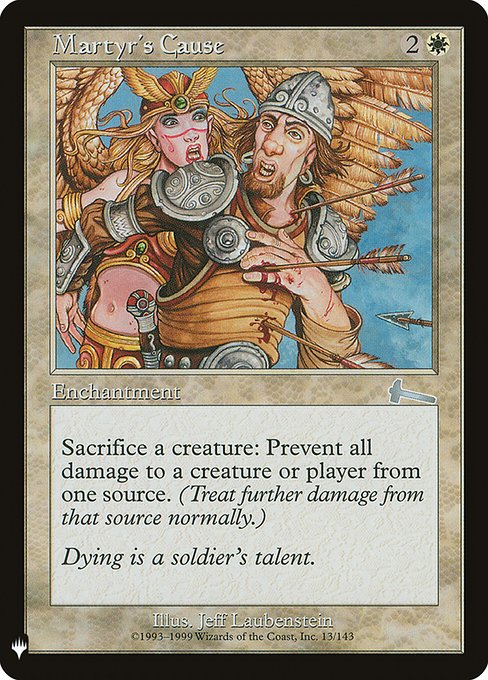
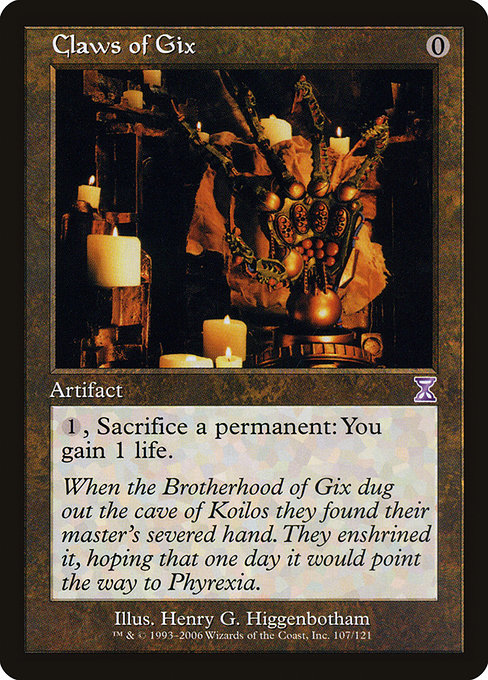
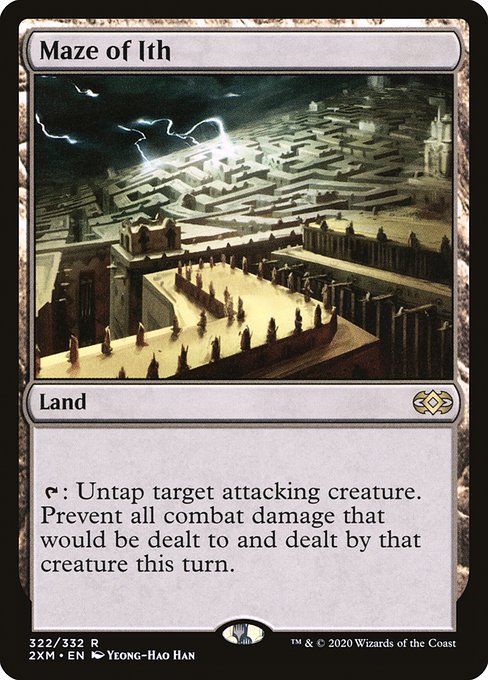
As the game develops, you’re quietly positioning yourself rather than building a board that demands attention. Pieces like Whirlwind of Thought, Tocasia's Welcome, or The Reality Chip reward you for simply playing the game, while Kykar turns every noncreature spell into a small, unassuming resource. Those Spirits block when needed, buy time, or turn into red mana when a turn gets complicated. Combined with tools like Martyr's Cause, Claws of Gix, or even Maze of Ith, you become annoyingly hard to pressure while never looking threatening.
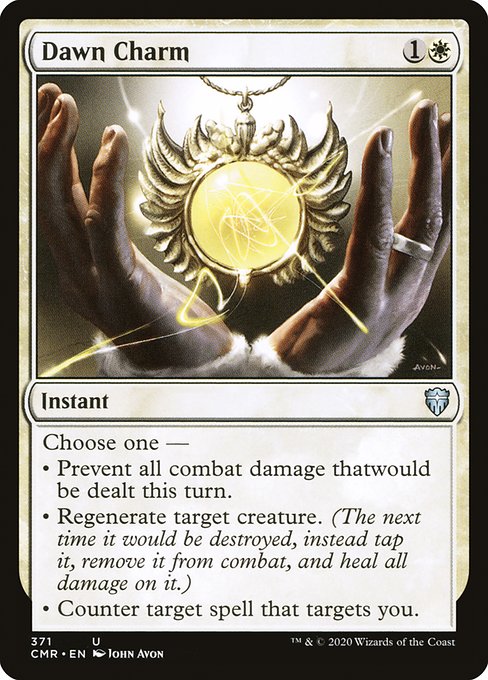
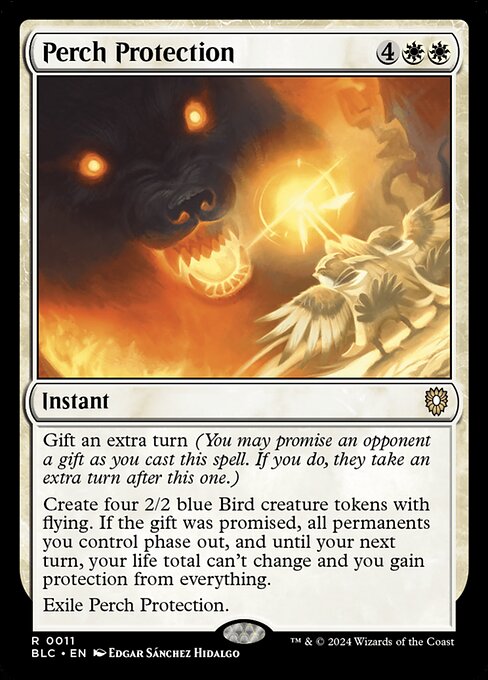
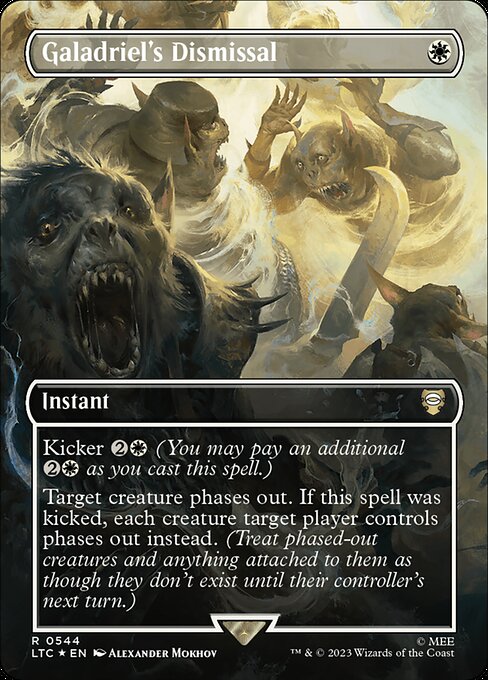
What really defines the deck is how it interacts with other players. You’re not here to police the table, and you’re not here to shut people down just because you can. Your interaction is selective and visible. A Dawn Charm, Perch Protection, or Galadriel's Dismissal used to save someone else does more than stop damage, it builds leverage; every Commander game is political in one way or another. You want one or two players to remember that you helped them when it mattered. Helping everyone just makes you suspicious; helping consistently makes you relevant.
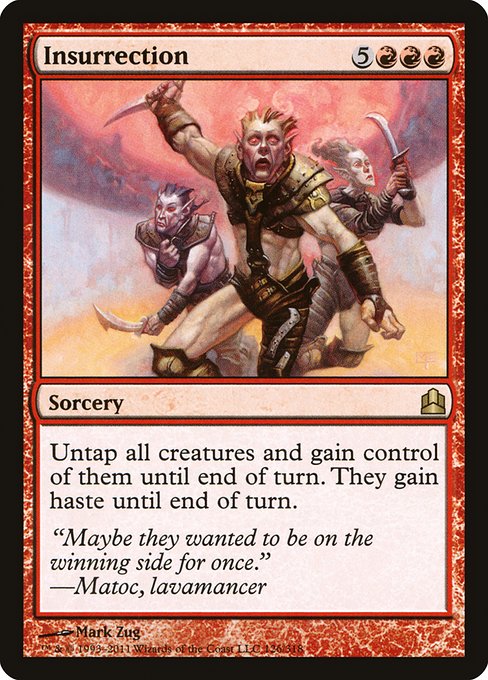
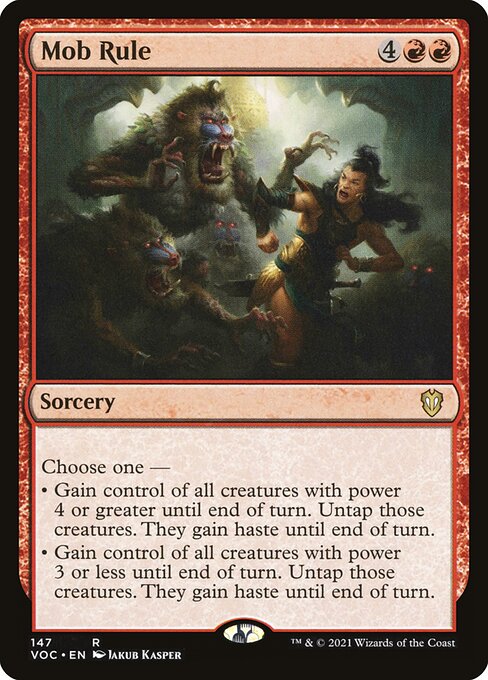
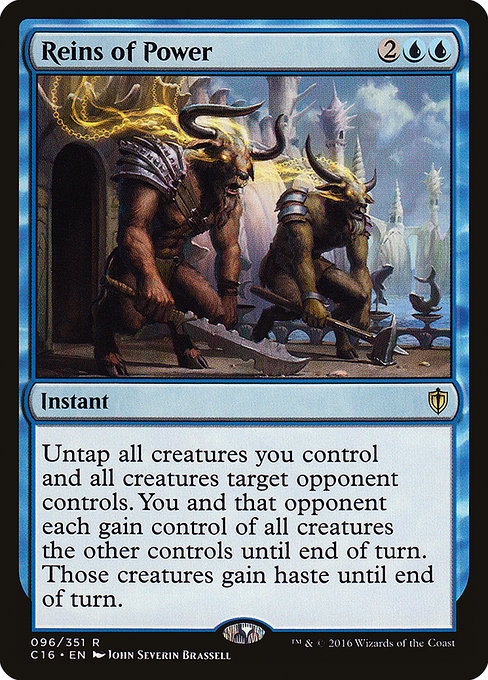
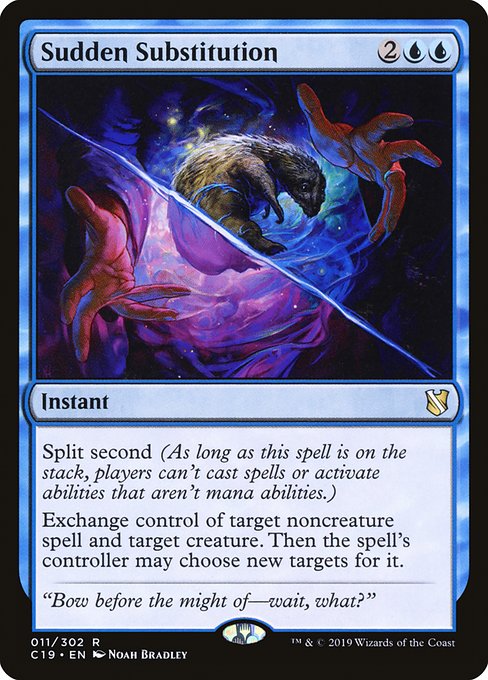
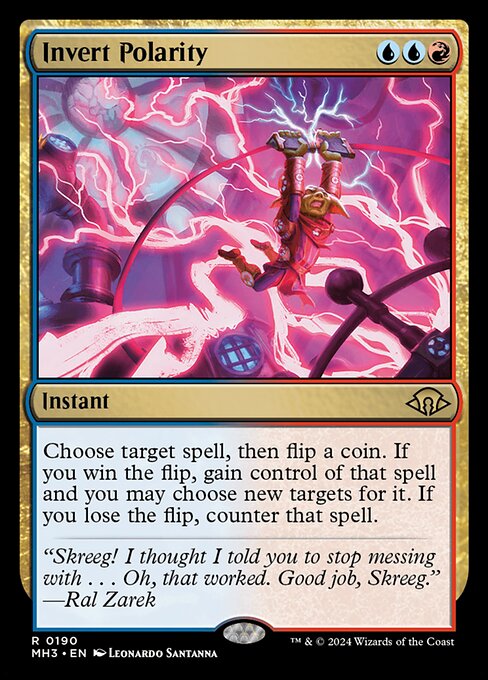
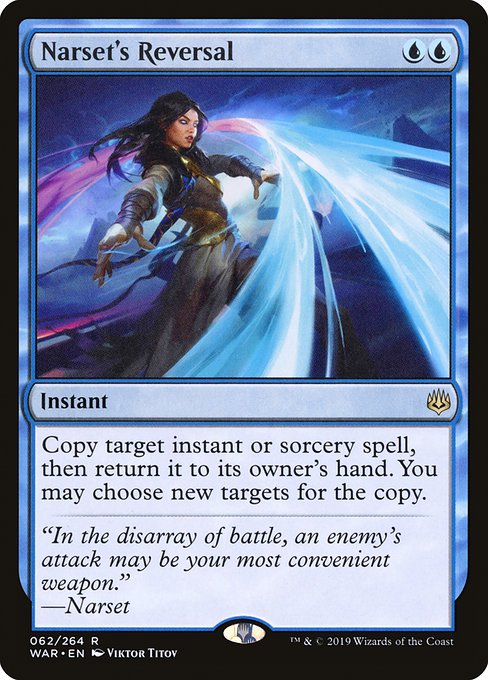
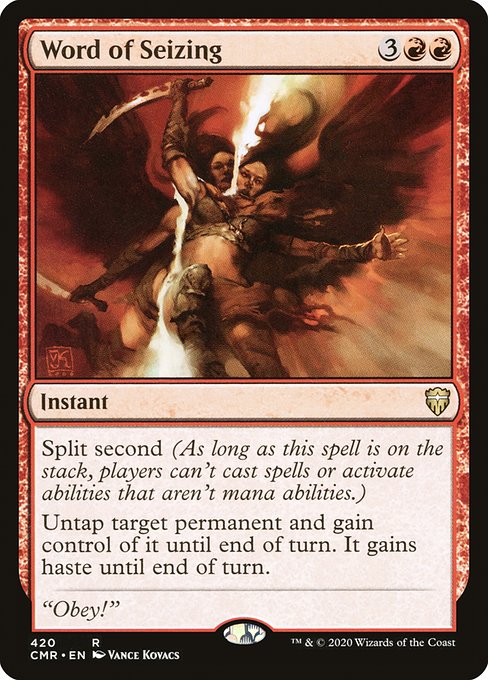
At the same time, you’re always holding your best cards back until eventually, someone tries to win and the deck stops pretending. A massive combat step turns into your victory with Insurrection or Mob Rule. An overwhelming board presence can turn yours with Reins of Power. A game-ending spell becomes yours through Sudden Substitution, Invert Polarity, or Narset's Reversal. A single creature or permanent holding everything together gets stolen at the worst possible moment with Word of Seizing. All of these cards are never meant to be cast casually, they exist to punish commitment. You let opponents overextend, tap out, and believe they’re safe before you touch the stack. Even something as simple as passing with mana open changes how people play, and that hesitation is part of your advantage.
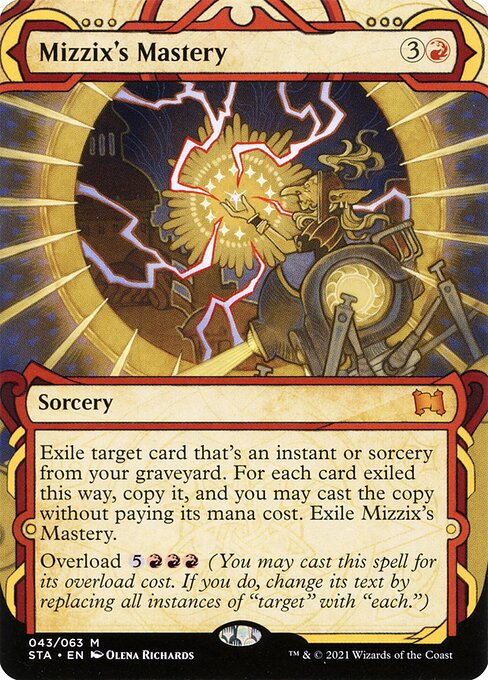
And if the table plays too cautiously, the deck still has the tools to force a conclusion. Mizzix's Mastery can rebuild entire turns from your graveyard, Kykar’s Spirits convert into mana to fuel explosive sequences, and cards like Mirror Entity or Wand of the Worldsoul turn a board that looked harmless into something lethal very quickly.
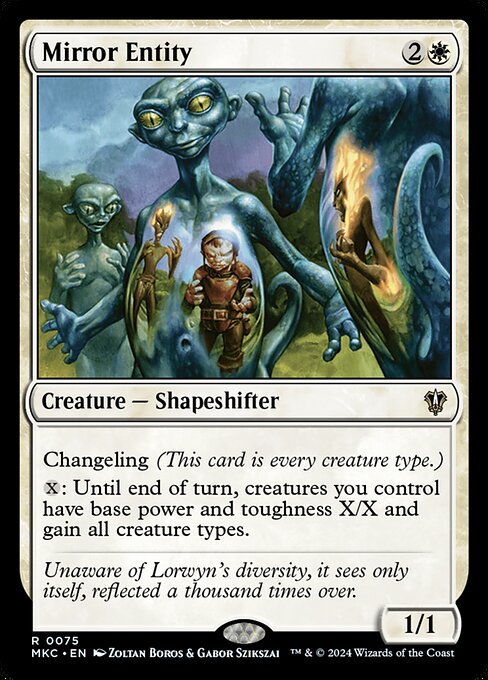
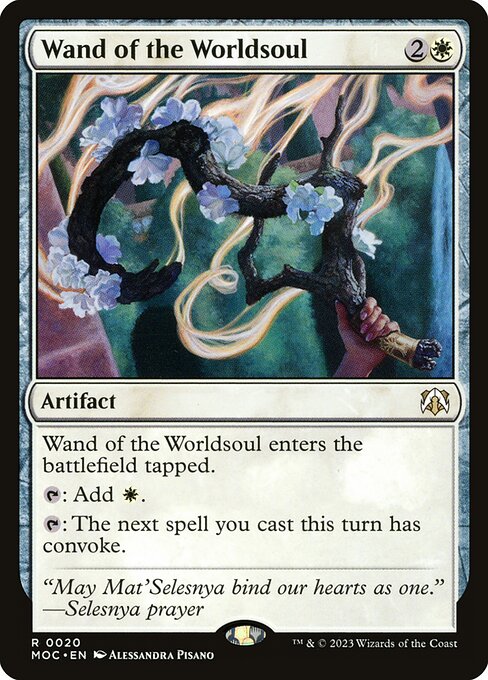
This deck wins because it understands when to act, not because it acts often. You’re helpful without being generous, reactive without being passive, and dangerous only when it’s already too late to stop you. That’s Jeskai Aikido; letting everyone else make the first move, and making sure it’s the last one that matters. This decklist in particular is a bit pricey because of a few lands, but they can easily be replaced without any harm.
Creatures (7)
Instants (26)
Sorceries (12)
Artifacts (15)
Enchantments (13)
Lands (27)
101 Cards
$3644.64
Archetype 2: Artifacts and Proliferation
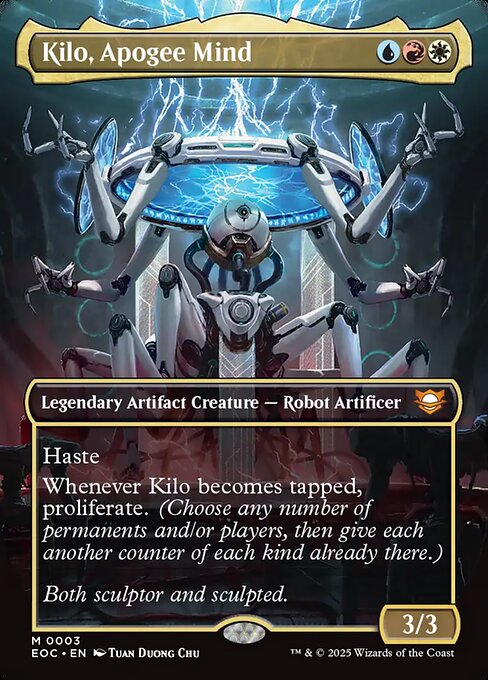
This deck looks like an artifact pile at first glance, but it’s really about momentum. Everything you do is small, incremental, and easy to underestimate, until suddenly every counter matters, every artifact taps for value, and the board feels completely out of reach. Kilo, Apogee Mind sits at the center of that engine, quietly rewarding you for doing what Jeskai artifacts already want to do: spread counters, proliferate them, and turn setup into overwhelming pressure without ever committing to a single fragile line.
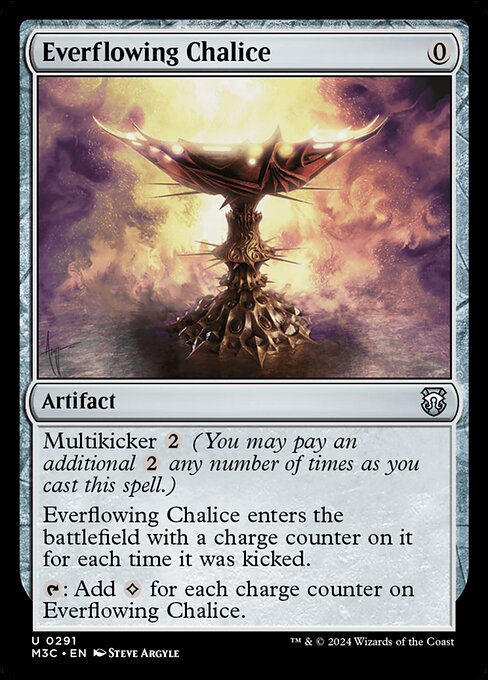
Your early turns are deceptively simple. You’re playing mana rocks like Everflowing Chalice, Astral Cornucopia, and Pentad Prism, with the minimum amount of counters possible, maybe smoothing things out with Thirst for Knowledge or Thought Monitor, and occasionally deploying a value piece like Esper Sentinel or Etherium Sculptor. Nothing here screams “answer me now”, and that’s intentional. Every one of these cards scales later, especially once proliferate effects like Experimental Augury, Tezzeret's Gambit, or Universal Surveillance start stacking extra counters where they matter most.
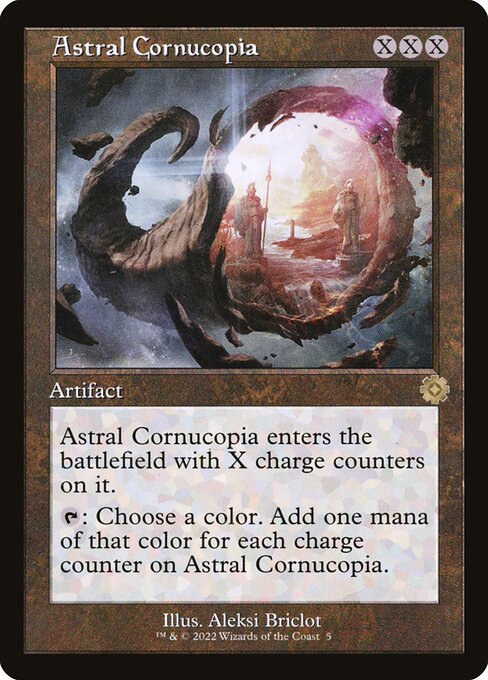
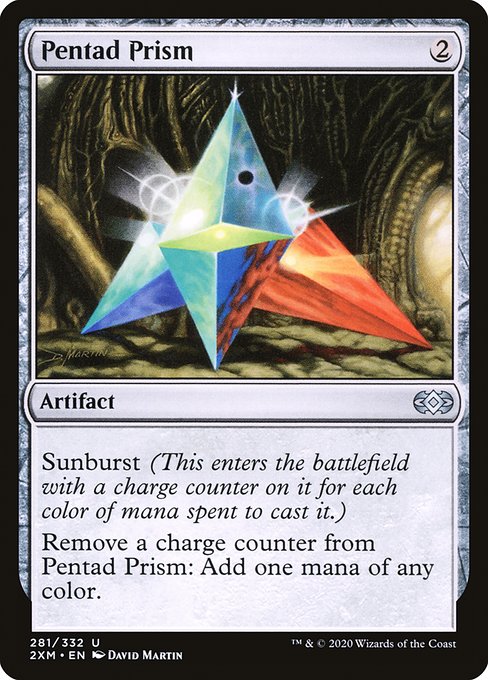
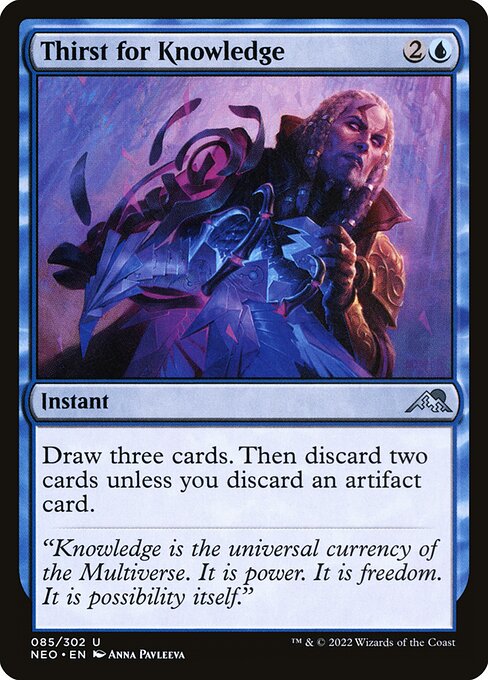
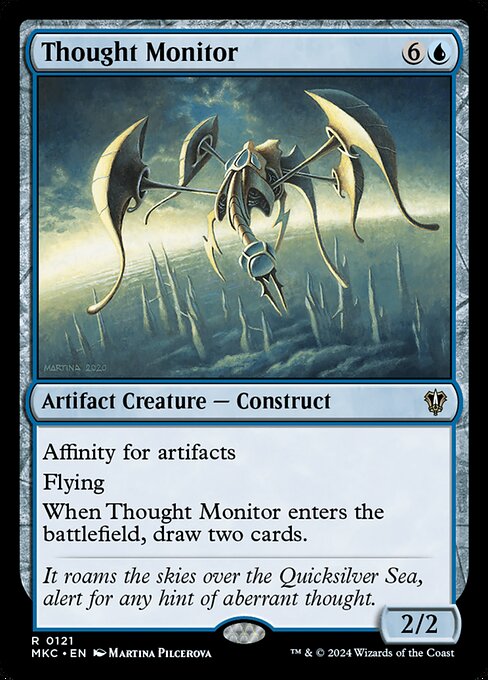
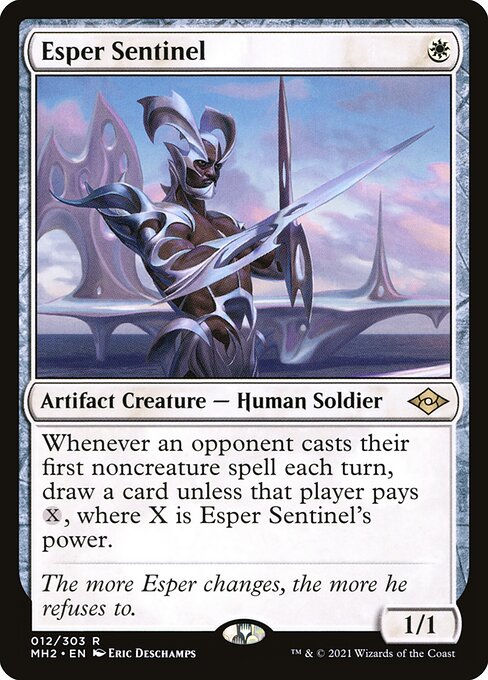
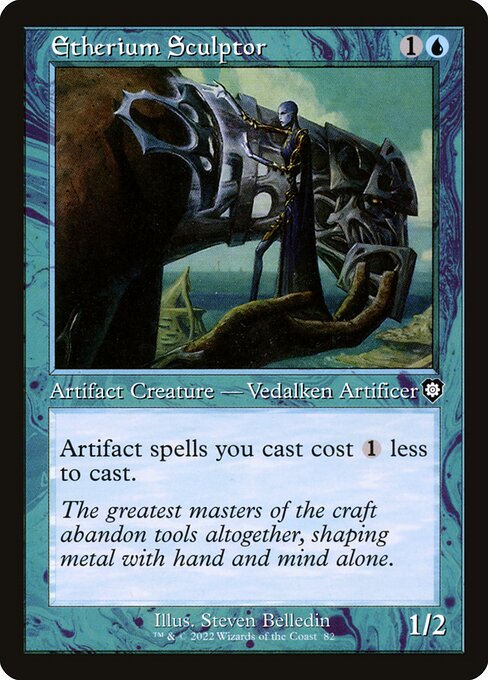
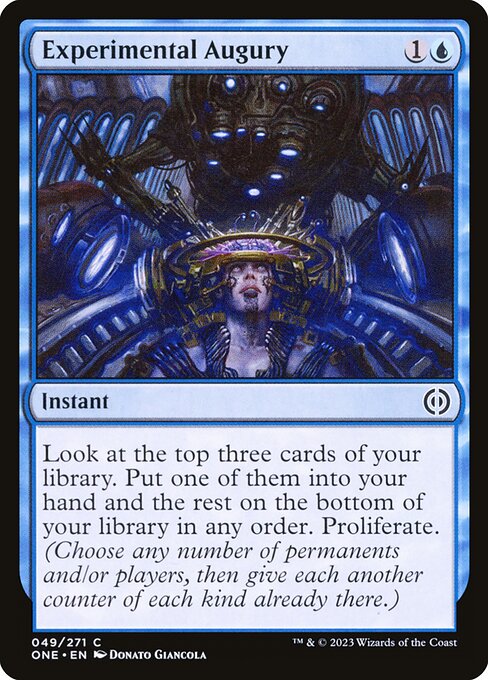
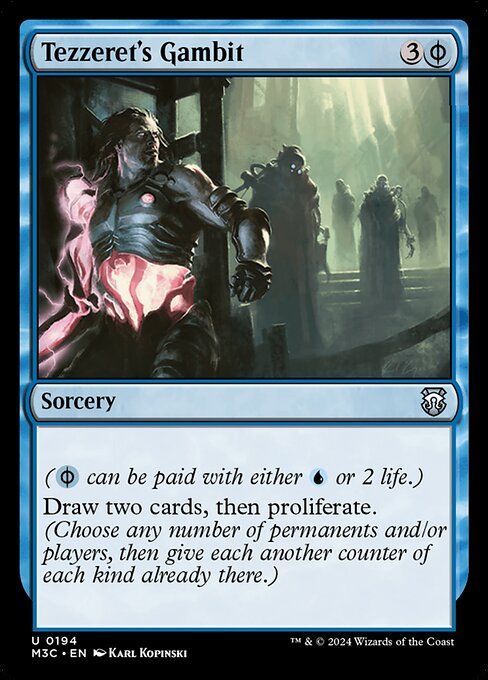
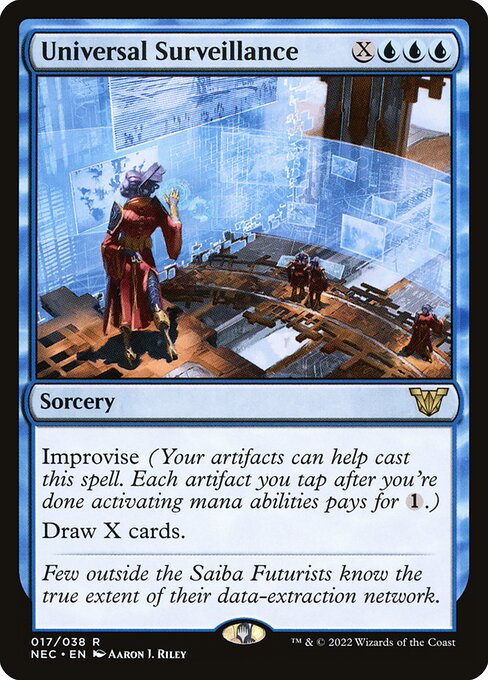
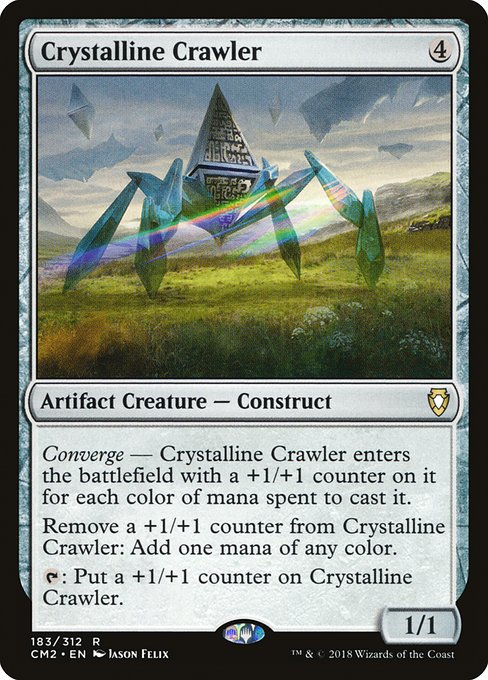
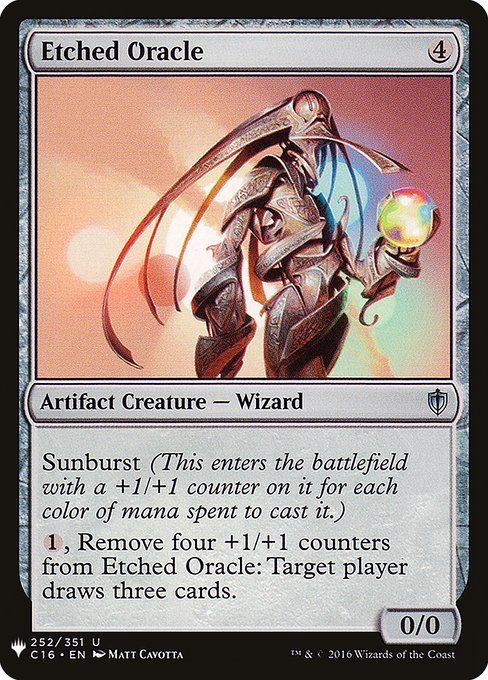
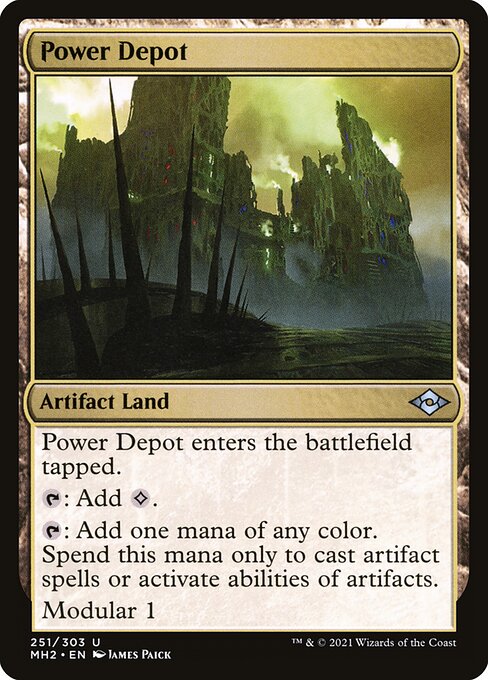
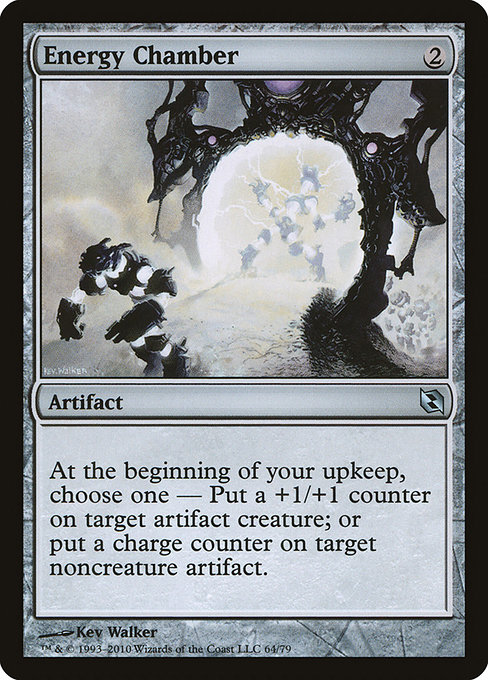
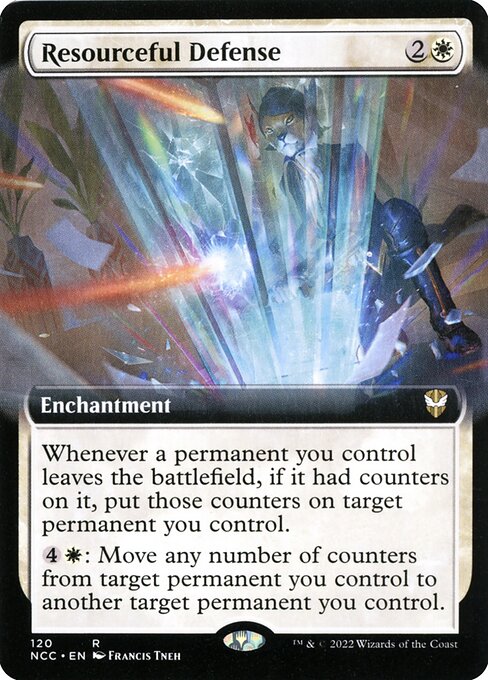
As the board develops, the deck starts to feel like a machine assembling itself. Counter-based artifacts snowball quietly; Crystalline Crawler turns counters into mana, Etched Oracle becomes repeatable card draw, and Power Depot or Energy Chamber make sure nothing ever stays small for long. With Resourceful Defense, even removal feels bad for your opponents since counters just get redistributed instead of disappearing. You’re not racing anyone, you’re just compounding value in a way that’s hard to interact with cleanly.
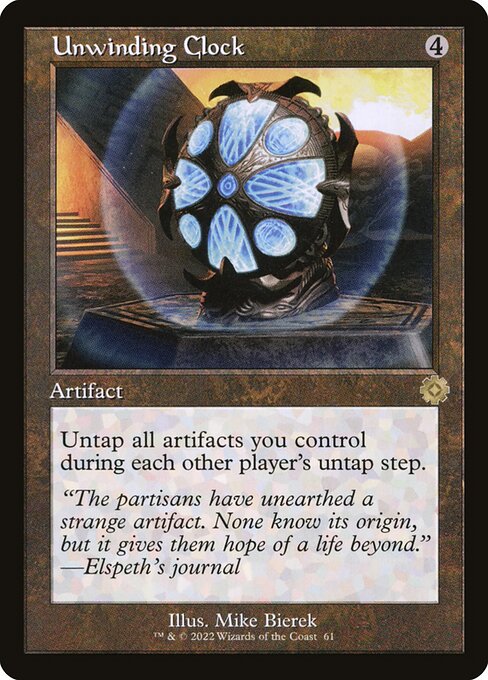
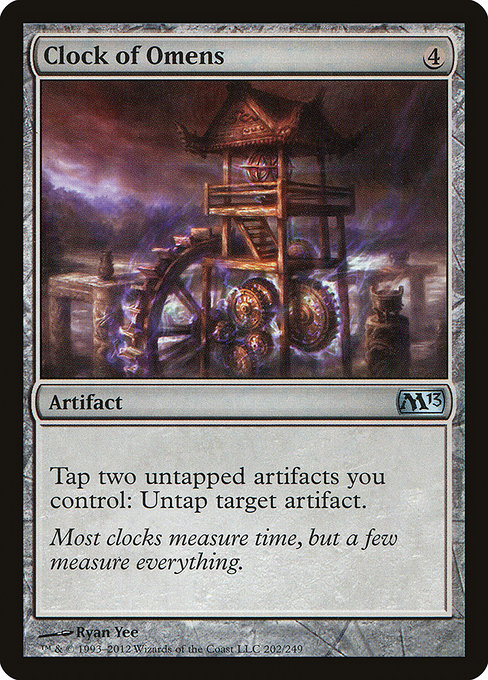
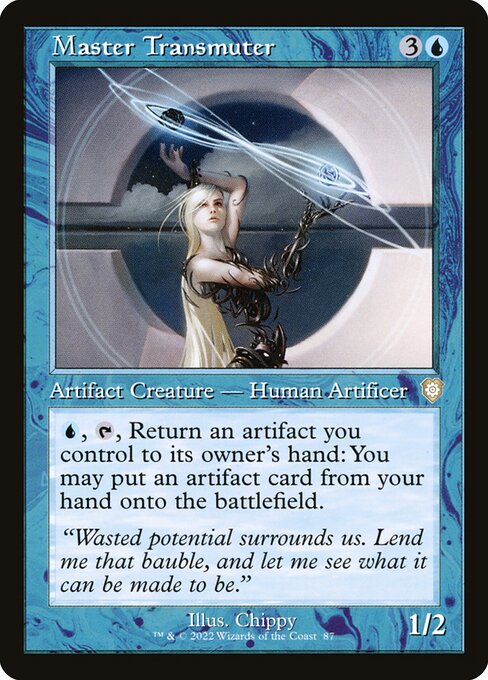
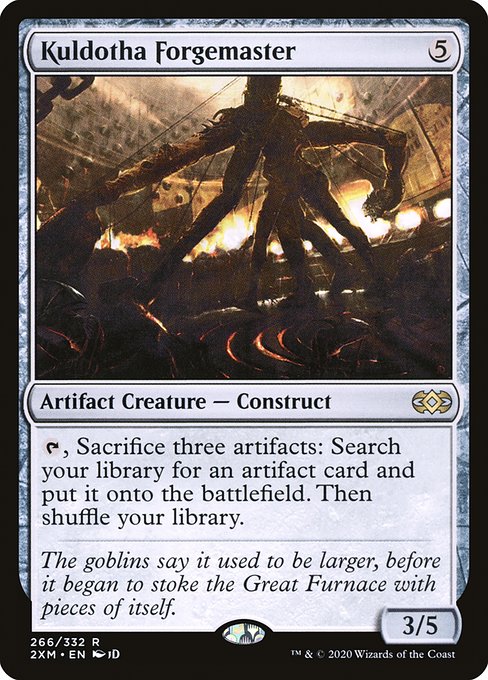
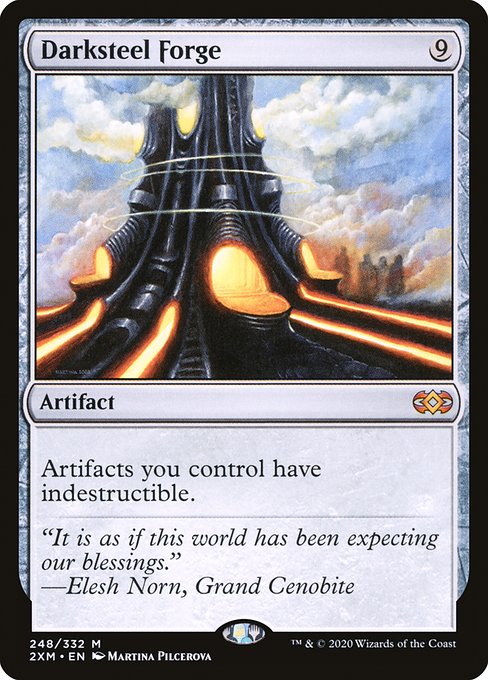
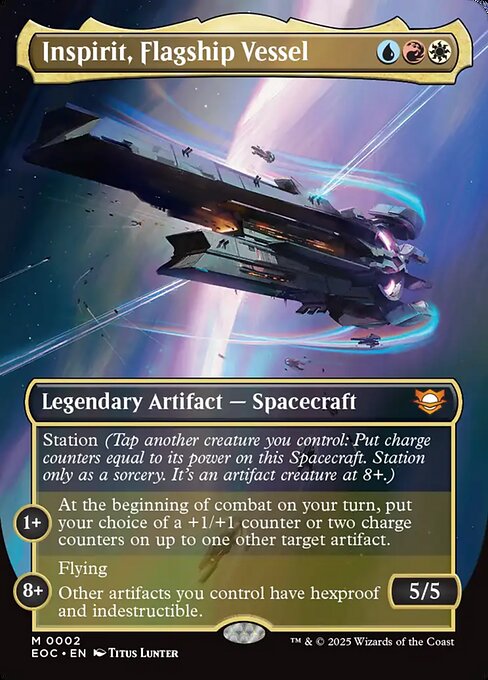
Then the artifact synergies really come online. Unwinding Clock turns every turn cycle into yours, especially alongside mana rocks and utility artifacts. Clock of Omens lets you convert excess artifacts into acceleration or control, while Master Transmuter and Kuldotha Forgemaster give you access to the top end without paying full price. When Darksteel Forge or Inspirit, Flagship Vessel show up, the table usually realizes a turn too late that traditional answers aren’t going to cut it anymore.
What makes the deck especially dangerous is that your win conditions don’t look like win conditions until they are. Darksteel Reactor quietly ticks up while people focus elsewhere. Magistrate's Scepter threatens extra turns with just a little help from proliferate. Lux Cannon goes from novelty to permanent control piece faster than people expect. Even something like Shrine of Burning Rage becomes lethal when counters start doubling every turn cycle.
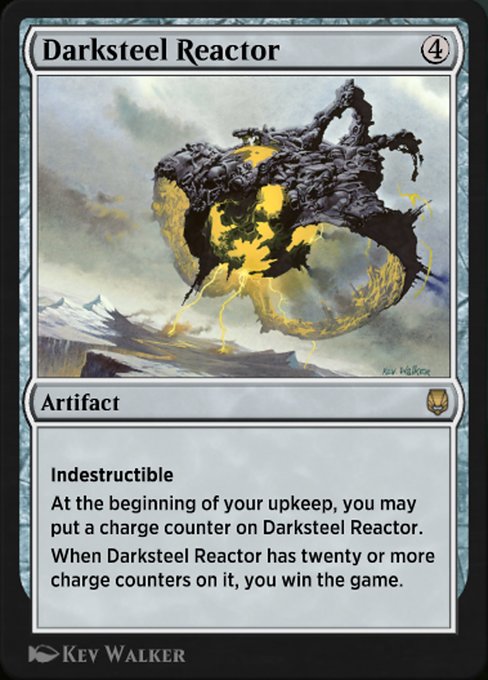
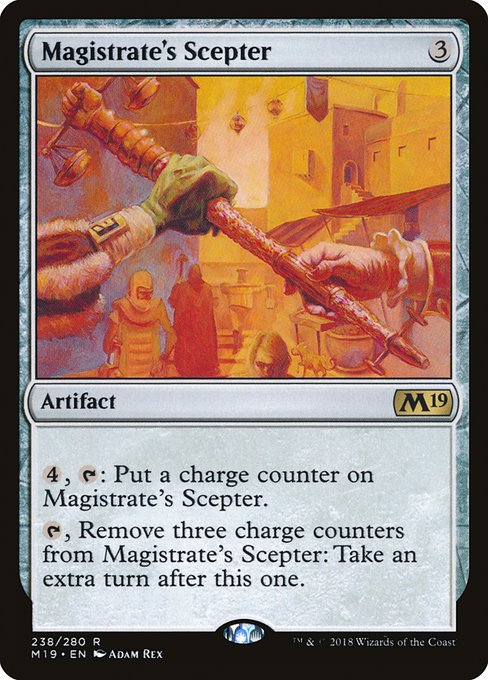
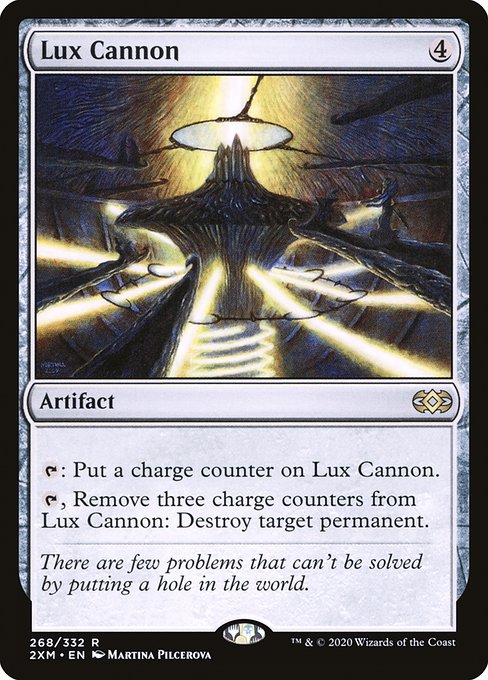
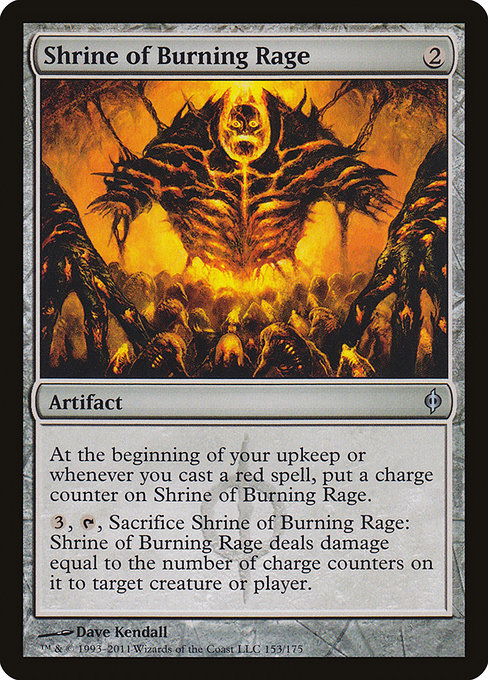
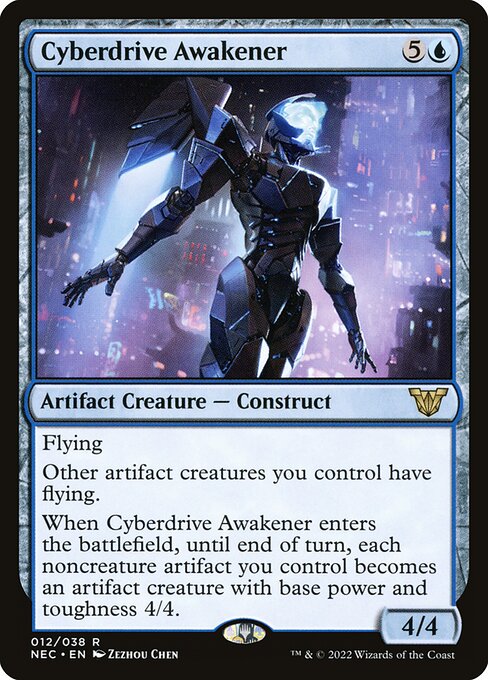
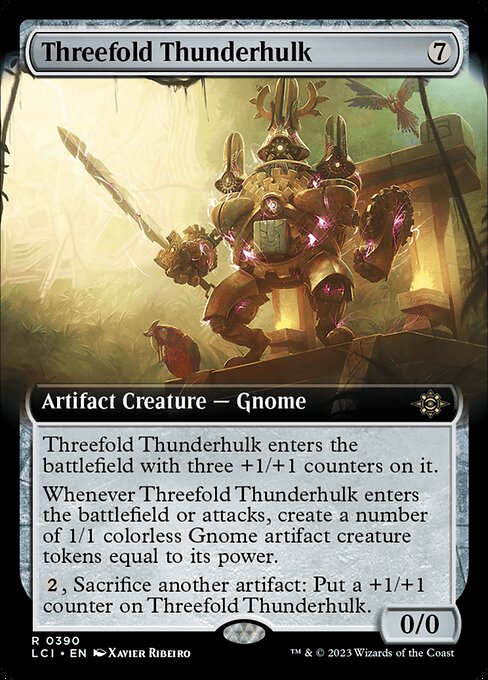
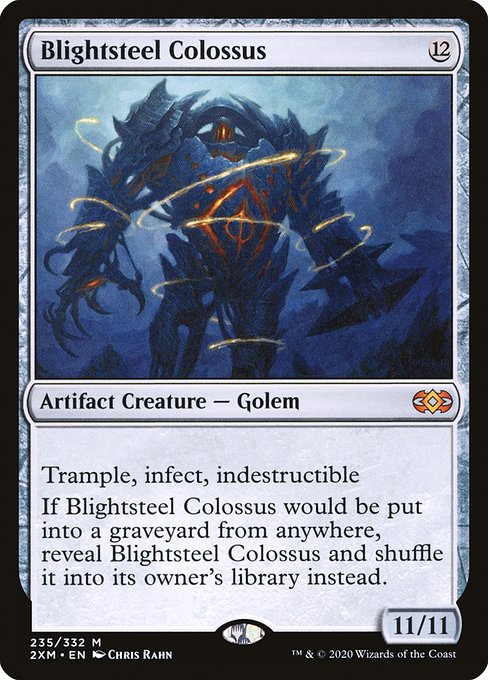
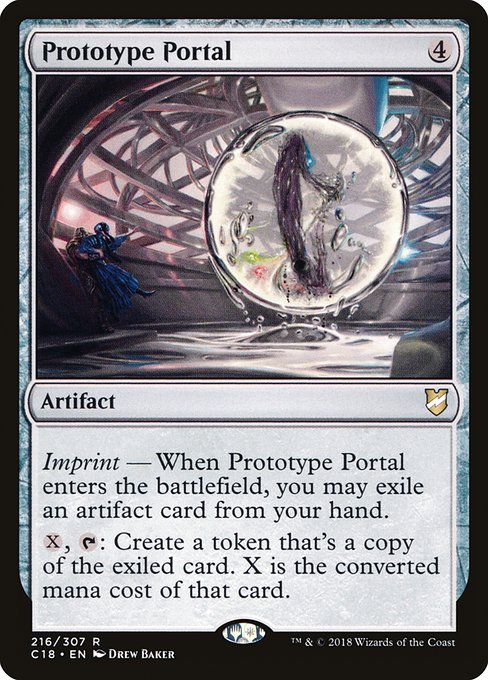
And then there are the moments where the deck unleashes its full potential. Cyberdrive Awakener can suddenly turn a board of harmless artifacts into a lethal air force. Threefold Thunderhulk floods the battlefield with scalable threats that immediately benefit from your counter infrastructure. A Blightsteel Colossus through Kuldotha Forgemaster or Prototype Portal can end the game in the most direct way possible.
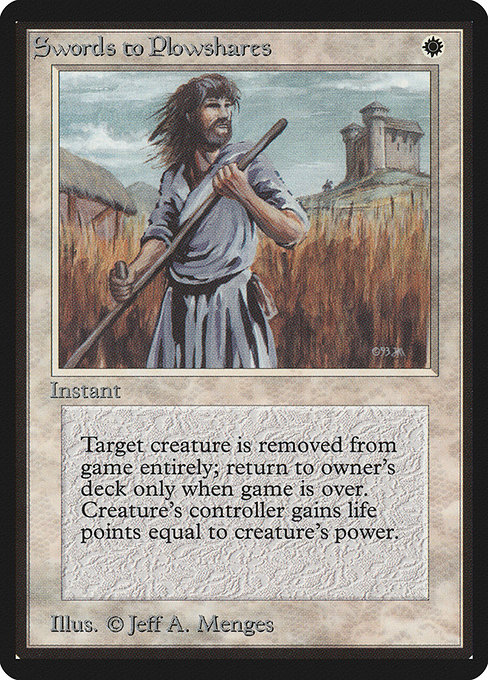
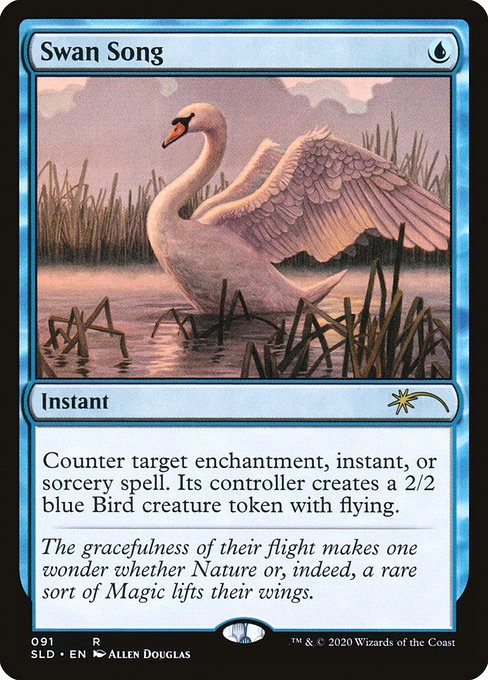
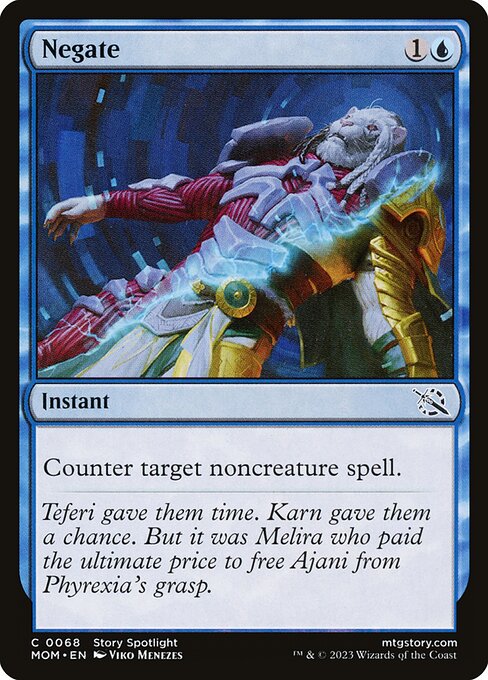
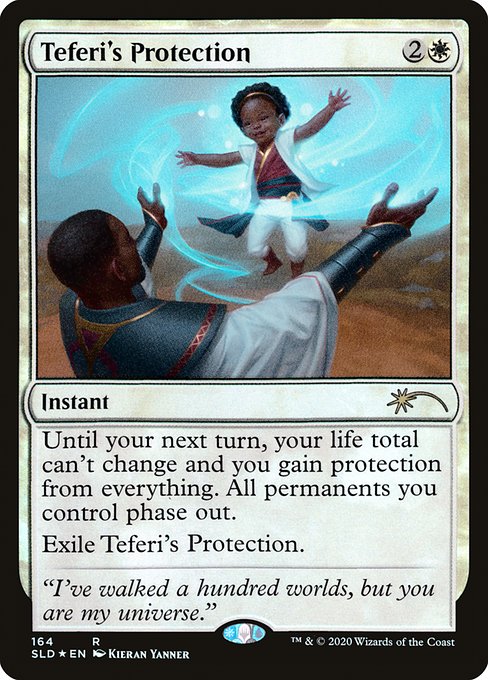
What’s important is that you never have to rush any of this. The deck rewards patience and sequencing more than speed. You’re happy to let the game go long because every turn makes your position stronger, your artifacts become harder to answer, and your counters become more oppressive. All of your artifacts become better the longer you keep them in play. Interaction cards like Swords to Plowshares, Swan Song, Negate, and Teferi's Protection aren’t there to dominate the table but to make sure your engine survives just long enough to take over.
This is Jeskai artifacts at its most refined: not explosive, not flashy, but relentlessly precise. You win because somewhere along the way, your enemies stopped being able to stop you.
Planeswalkers (1)
Creatures (22)
Instants (11)
Sorceries (4)
Artifacts (35)
Enchantments (2)
Lands (26)
101 Cards
$668.21
Archetype 3: Tokens and Offspring
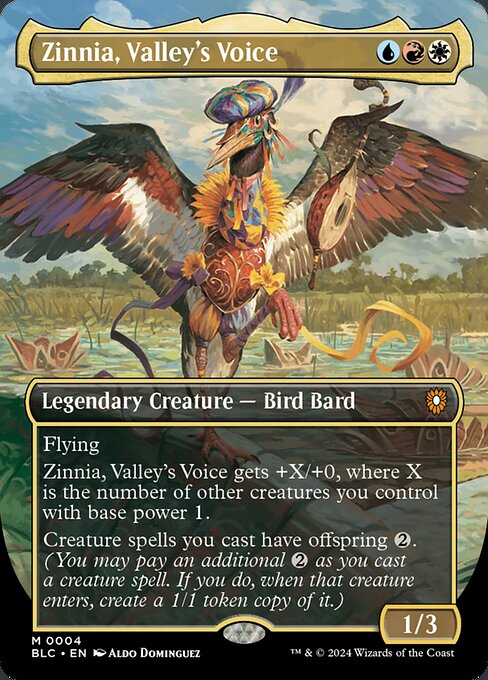
This version of Jeskai tokens builds density. Small pieces, small bodies, small advantages all stacking until the battlefield stops being readable. Zinnia, Valley's Voice sits at the heart of that chaos, turning otherwise reasonable plays into a cascading board presence, especially once its offspring ability starts overlapping with token copying effects while also introducing an artifact subtype within the deck.
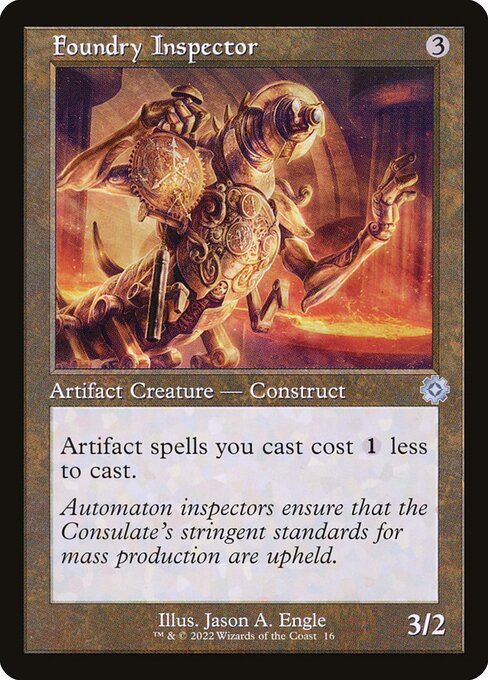
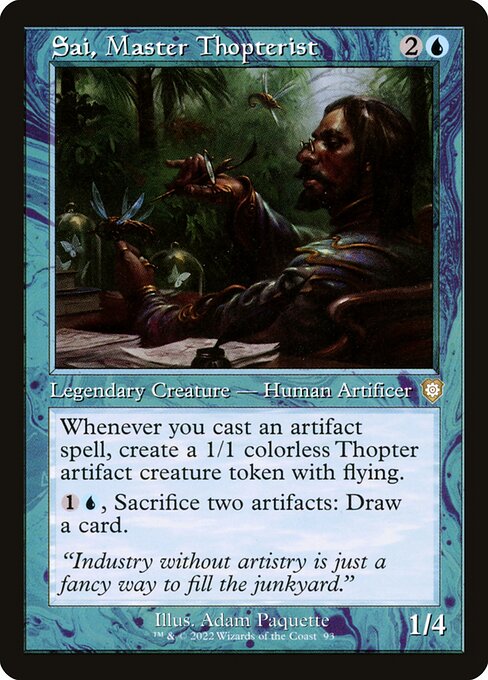
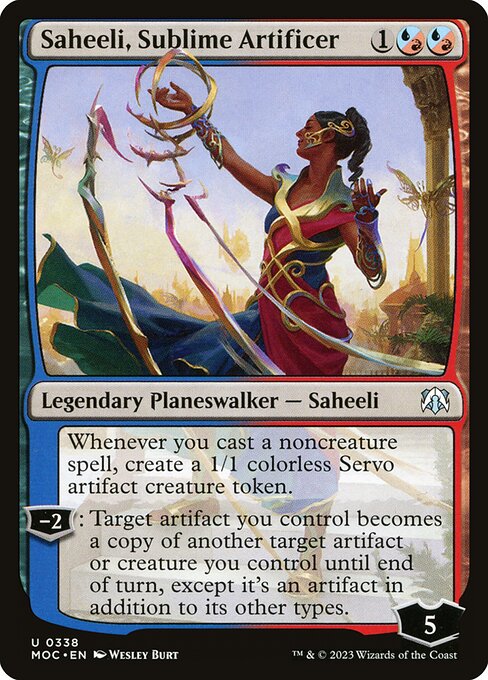
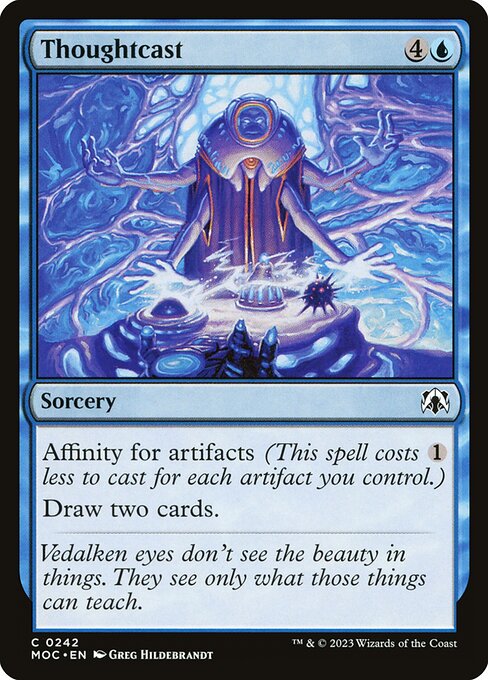
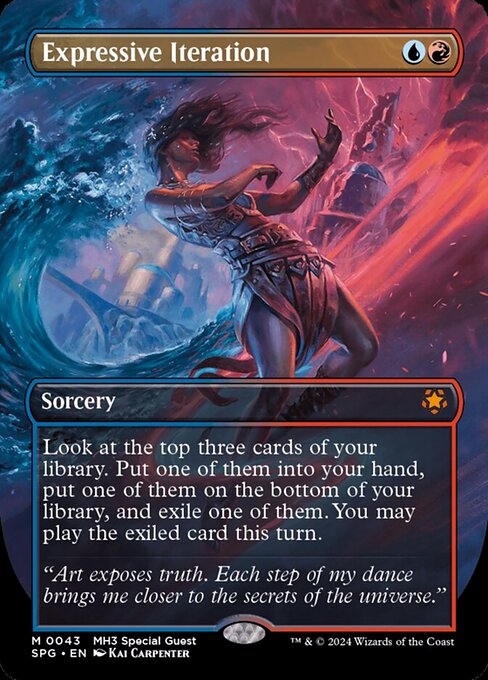
Most games start with what looks like harmless setup: cheap artifacts, and cost reducers like Etherium Sculptor and Foundry Inspector, and value engines such as Sai, Master Thopterist or Saheeli, Sublime Artificer constantly spitting out bodies while you cast spells you were going to cast anyways. So while a Thoughtcast or Expressive Iteration already replaces itself, a Servo or Thopter appears from it, and suddenly you’re participating in the game on three different angles.
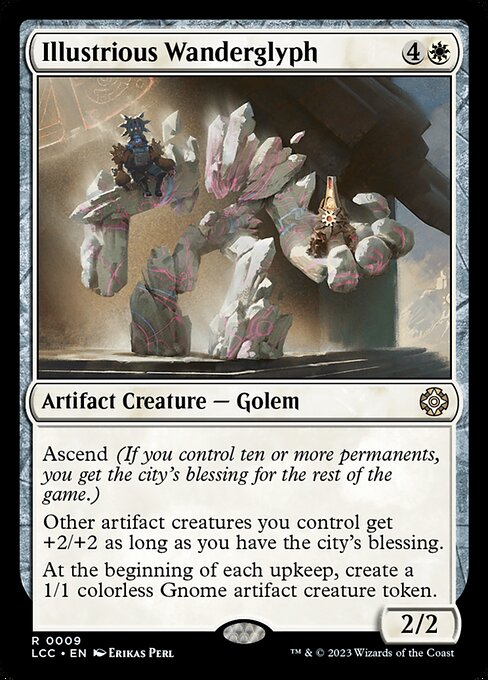
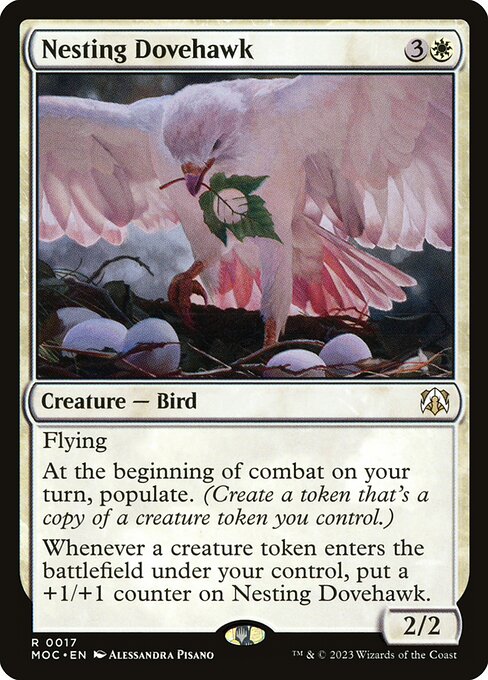
What makes the deck feel different from a standard artifact token shell is how often those tokens matter individually. Cards like Illustrious Wanderglyph, Nesting Dovehawk, and Stridehangar Automaton turn “just a token” into something scalable, while Bronze Guardian and Kappa Cannoneer take advantage of the built-in artifact subtype of the deck and make the board surprisingly hostile to interact with. You’re not just going wide, you’re doing so with pieces that tax removal, grow over time, or punish opponents for ignoring them.
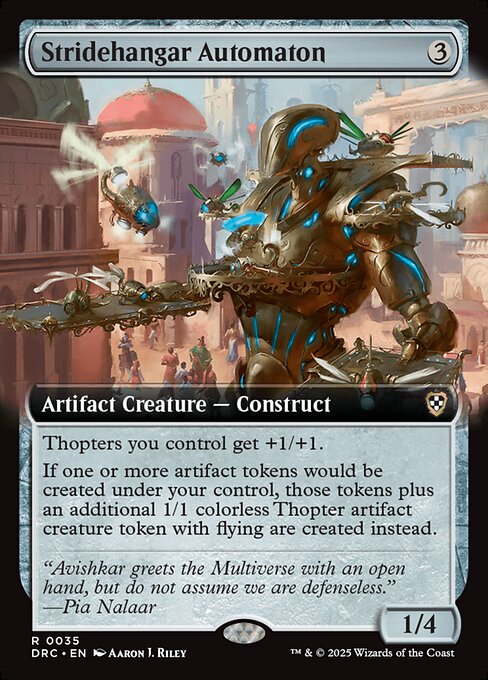
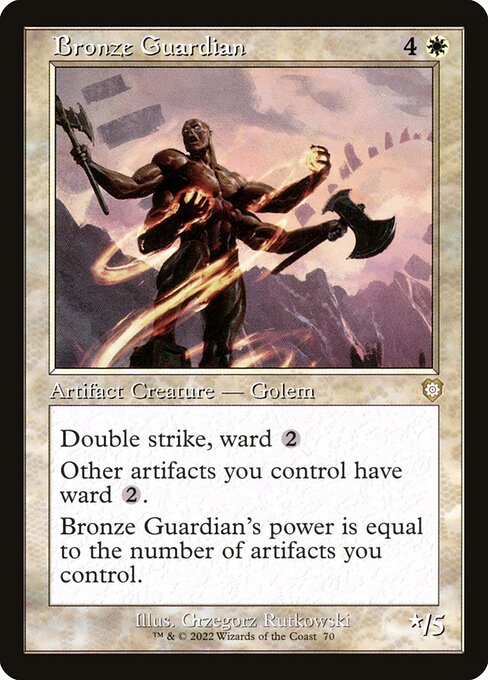
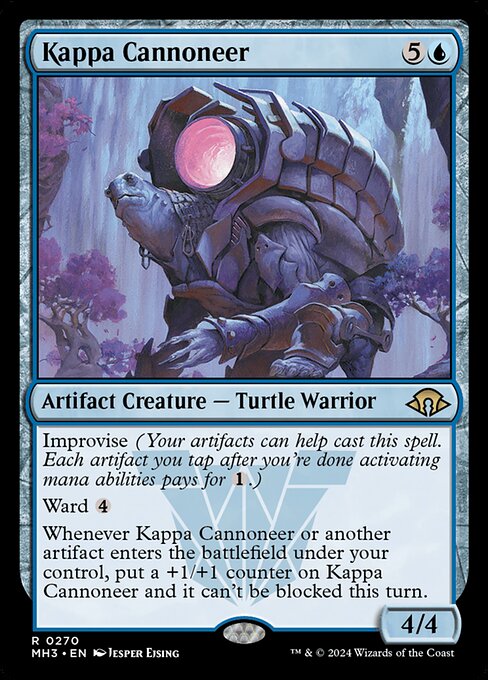
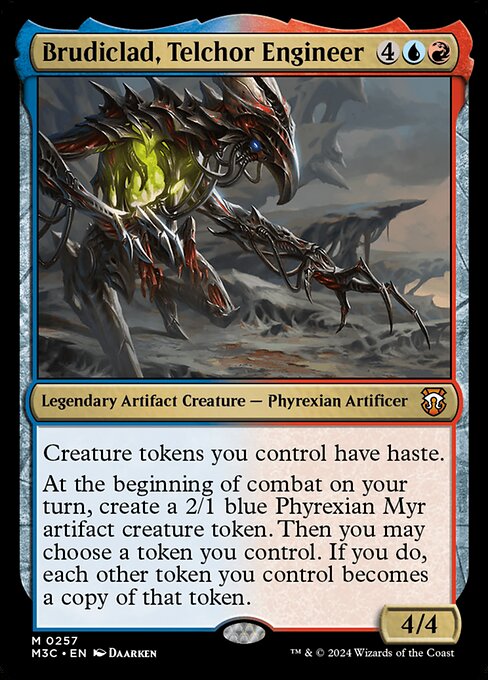
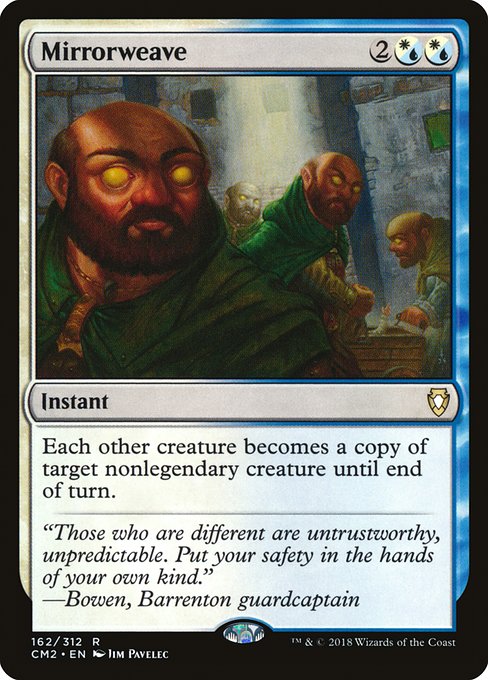
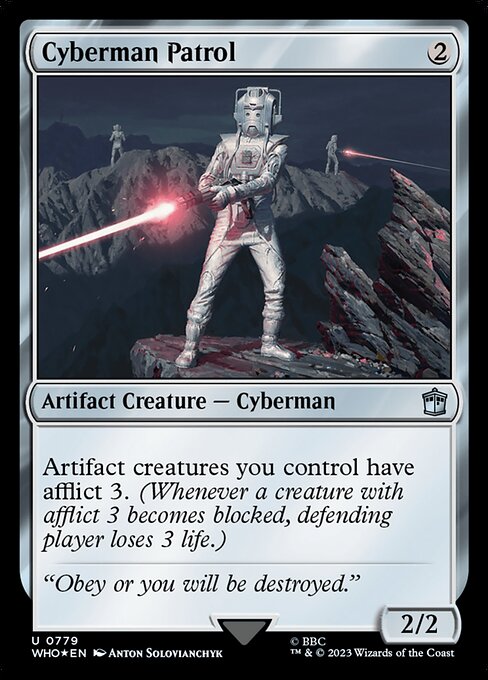
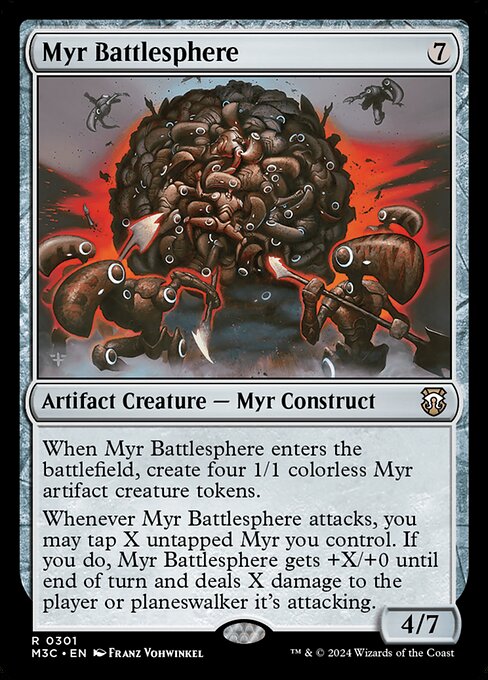
Then there’s the copying and identity-shifting angle, which is where things start getting uncomfortable for the table. Brudiclad, Telchor Engineer turns a battlefield full of miscellaneous artifacts into an army of whatever token is currently the most dangerous. Mirrorweave can completely flip combat math on its head when opponents least expect it. Even something like Cyberman Patrol or Myr Battlesphere becomes incredibly terrifying when multiplied.
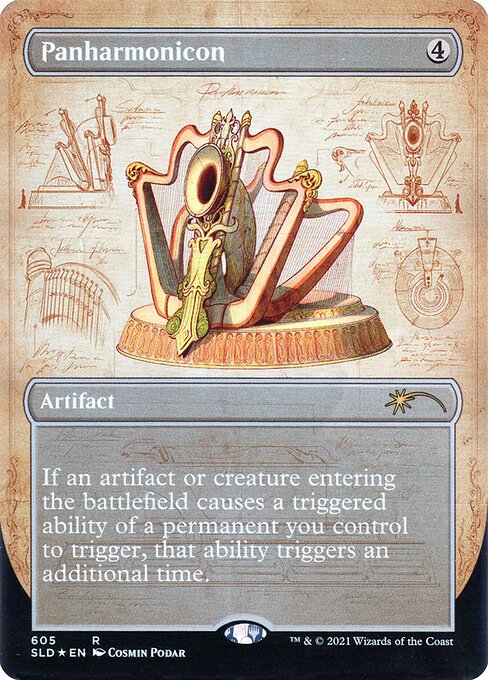
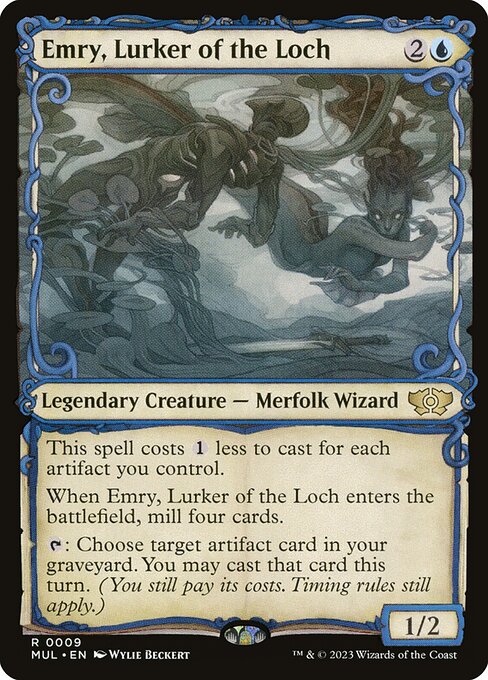
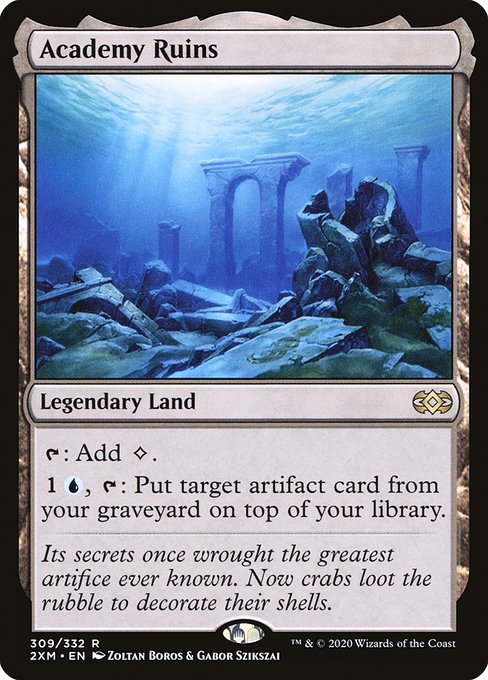
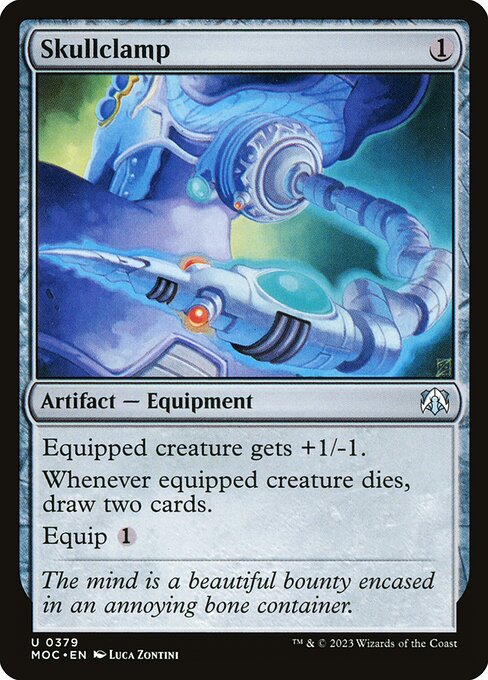
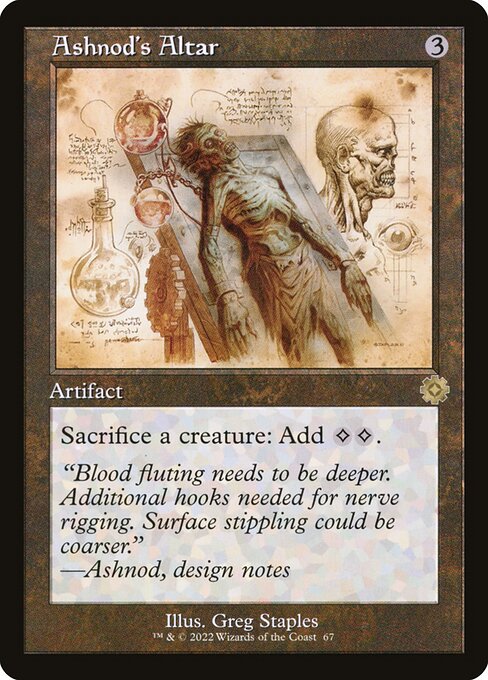
Zinnia’s offspring ability really shines once the engine is online. Panharmonicon doubles up on ETB value, Emry, Lurker of the Loch and Academy Ruins keep key artifacts coming back, and Skullclamp turns expendable bodies into a steady stream of cards. Sacrifice outlets like Ashnod's Altar make sure nothing goes to waste, letting tokens become mana, tempo, or fuel for even bigger turns. At that point, every artifact entering the battlefield brings friends with it.
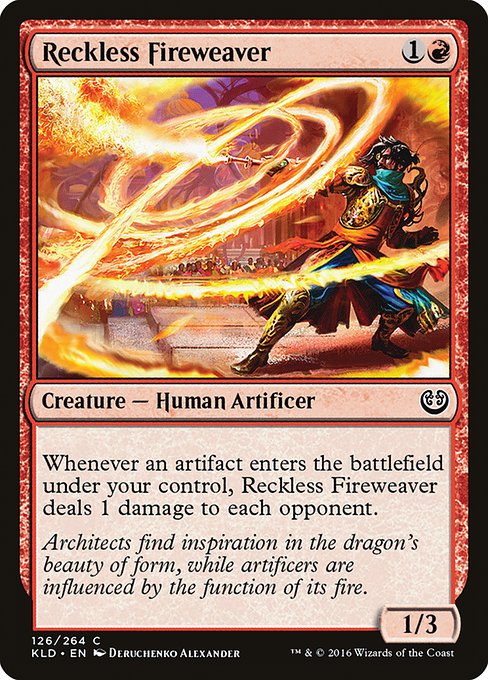
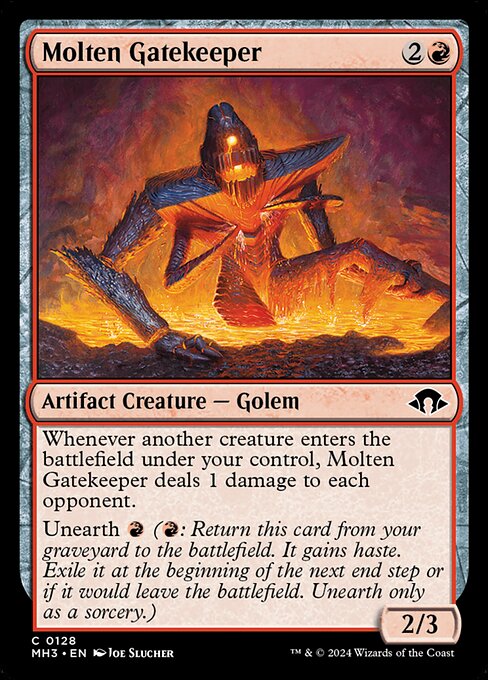
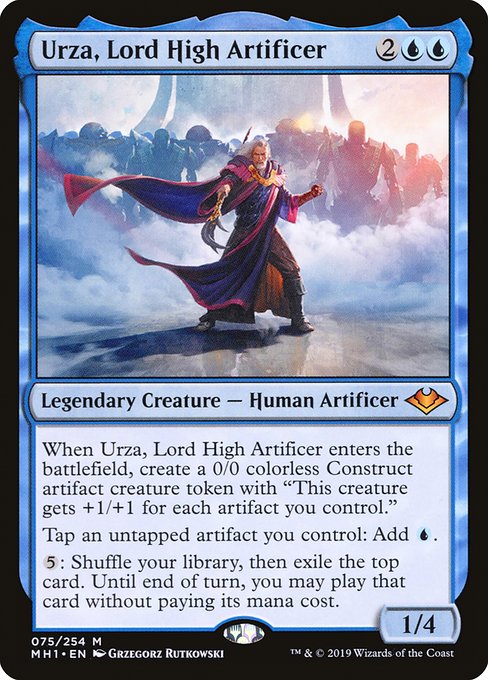
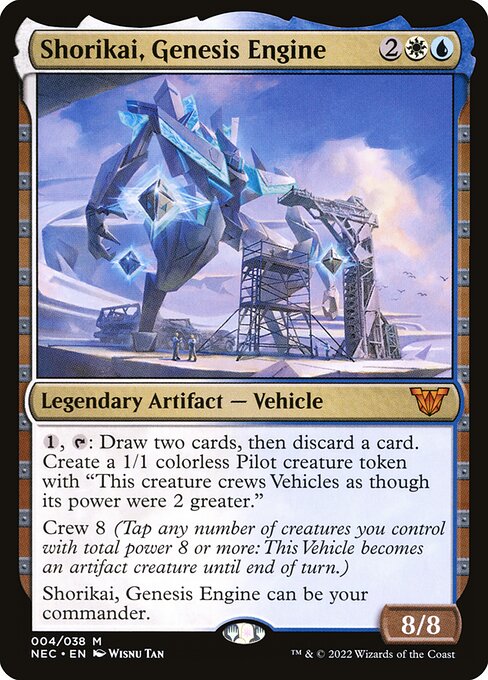
The deck also has a knack for turning sideways when it wants to. Reckless Fireweaver and Molten Gatekeeper convert artifact loops into direct damage, while Urza, Lord High Artificer turns your cluttered board into a massive mana engine that can power out threats or chain spells in a single turn. Even Shorikai, Genesis Engine pulls double duty, card selection early, token production late, and a magnet for removal that often lets other pieces slip through untouched.
This deck follows the constant Jeskai theme in which it never looks like it’s doing the most, until it suddenly is. It’s classic Jeskai in a different register: creative, adaptable, and a little bit overwhelming but not because of one big play, but because the board slowly becomes impossible to untangle.
Planeswalkers (1)
Creatures (33)
Instants (11)
Artifacts (17)
Enchantments (1)
Lands (35)
101 Cards
$706.27
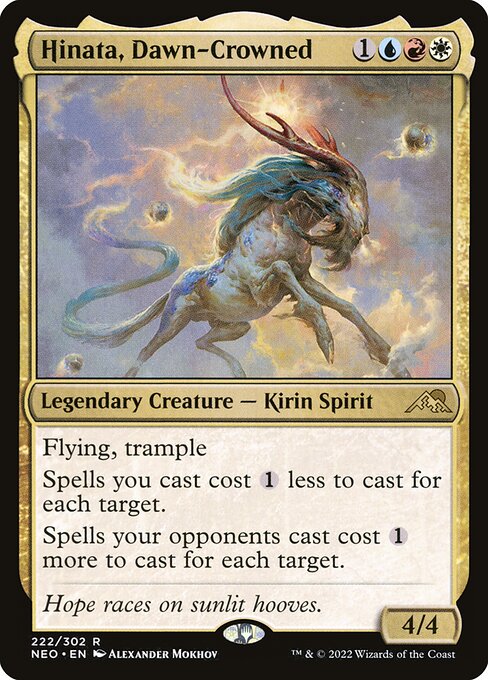
Archetype 4: Massive “X” Spells
This archetype lives and dies by Hinata, Dawn-Crowned, and it does absolutely nothing to hide that fact. The moment Hinata hits the table, the rules of engagement change. Your spells stop costing what they’re supposed to, your opponents’ spells suddenly feel clunky and overtaxed, and every card with an X in its Mana Cost starts looking less like a flexible option and more like a loaded weapon. Hinata rewards you for targeting, and it demands that you do, turning wide, messy effects into clean, brutally efficient plays.
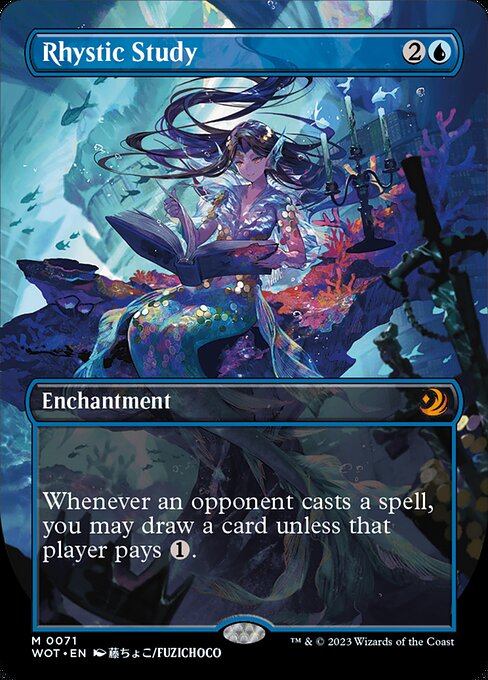
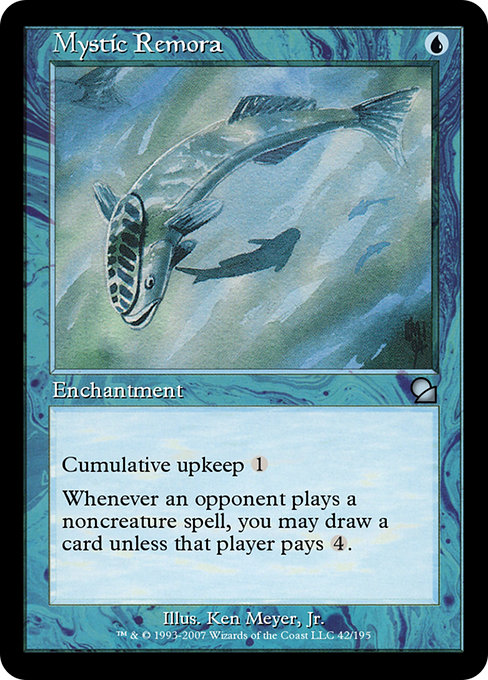
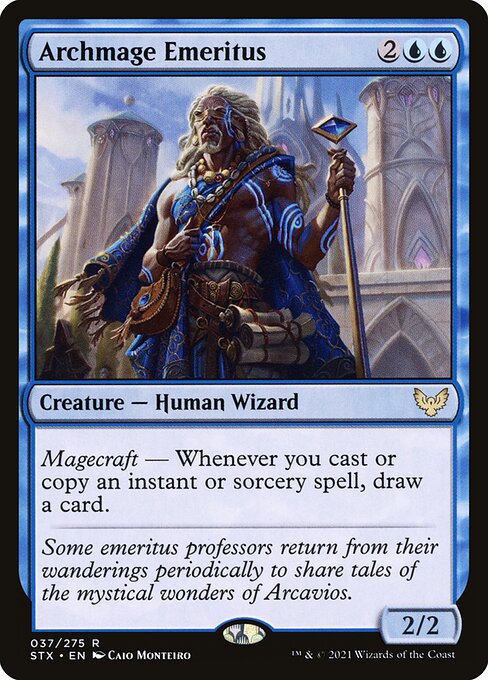
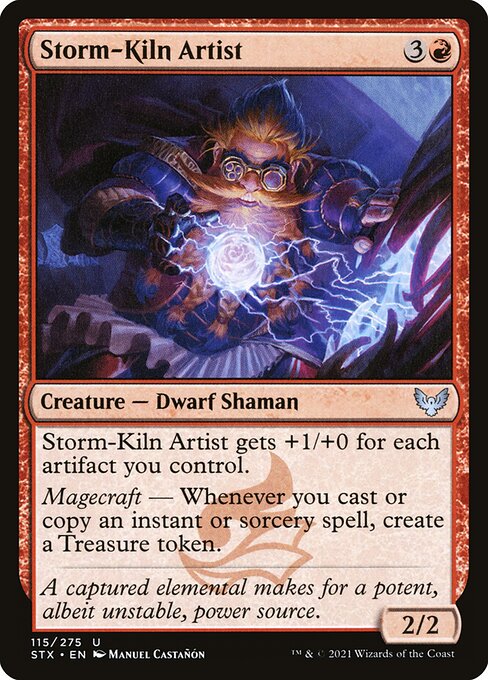
The early turns are deceptively mundane, as is the case with most Jeskai decks. You’re fixing mana, deploying signets, and drawing with cards like Rhystic Study, Mystic Remora, or Archmage Emeritus. You’re not rushing Hinata blindly, but you are clearly building toward a turn where everything changes. Pieces like Storm-Kiln Artist and Smothering Tithe make sure that when you do pull the trigger, it matters.
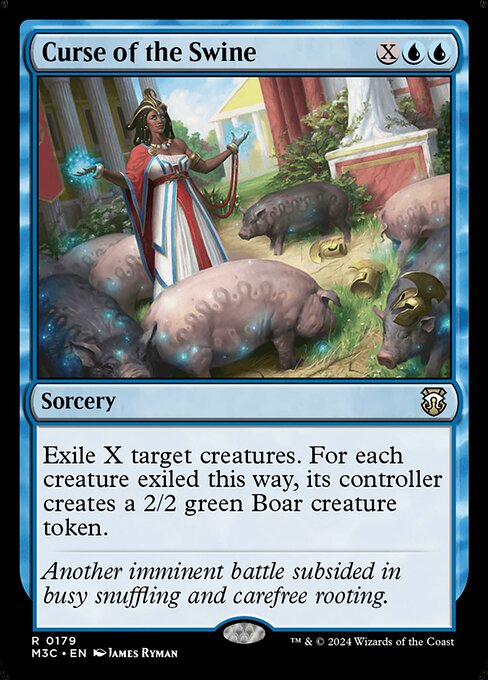
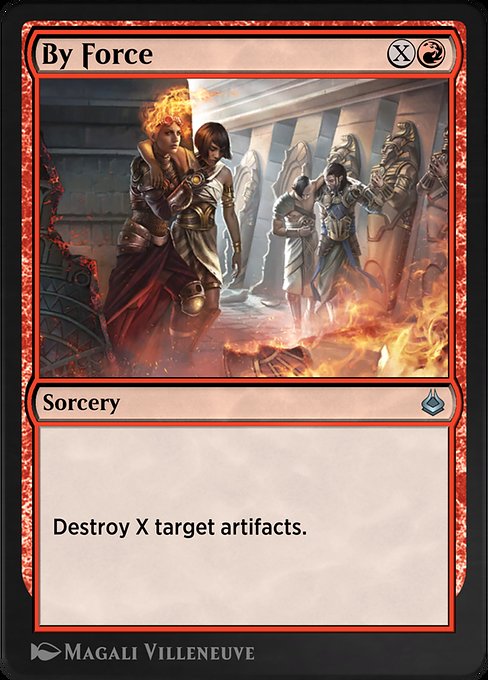
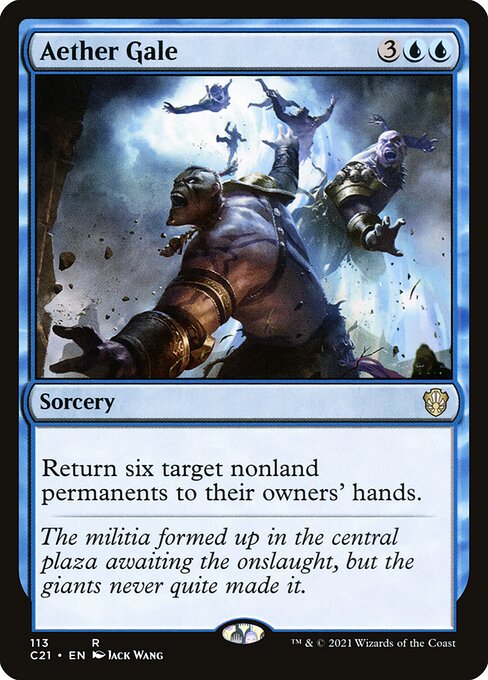
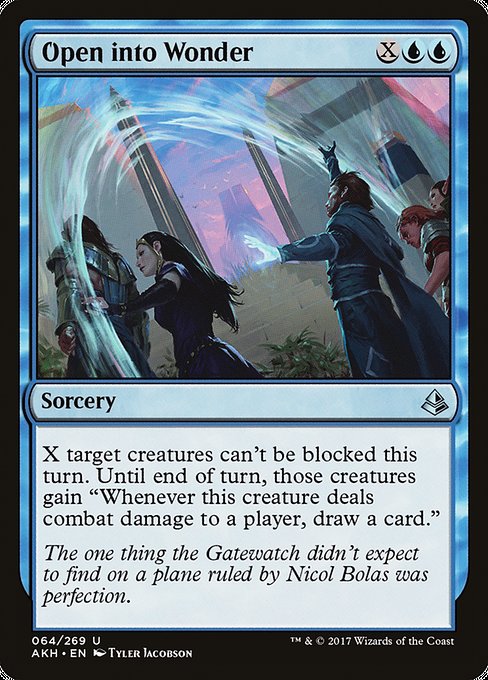
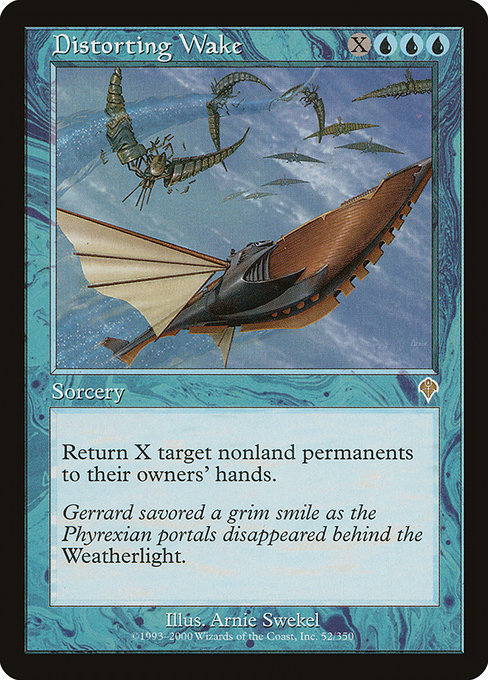
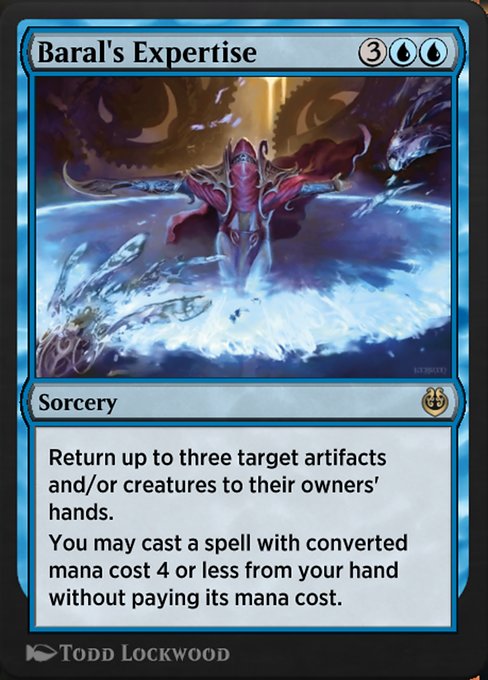
Once Hinata is online, the deck stops playing fair entirely. Spells like Curse of the Swine, By Force, or Aether Gale become laughably undercosted, often clearing or reshaping the board for two or three mana while everyone else stares at their lands in disbelief. Multi-target interaction isn’t just removal here; it’s tempo, protection, and political leverage all at once. A discounted Open into Wonder can refill your hand, and Distorting Wake or Baral's Expertise can buy entire turns by resetting problematic boards.
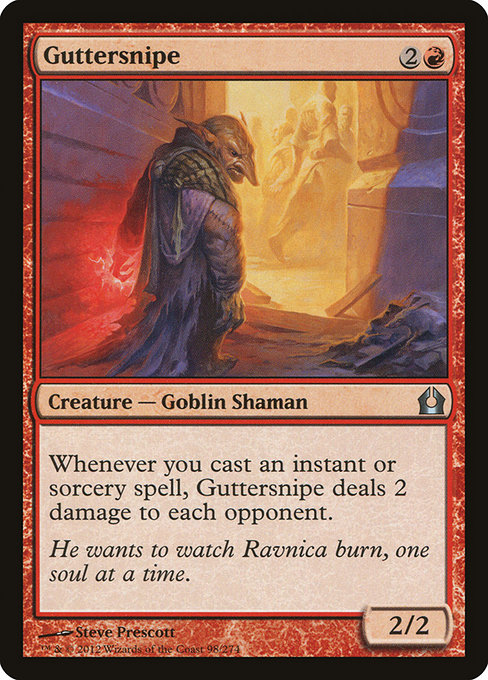
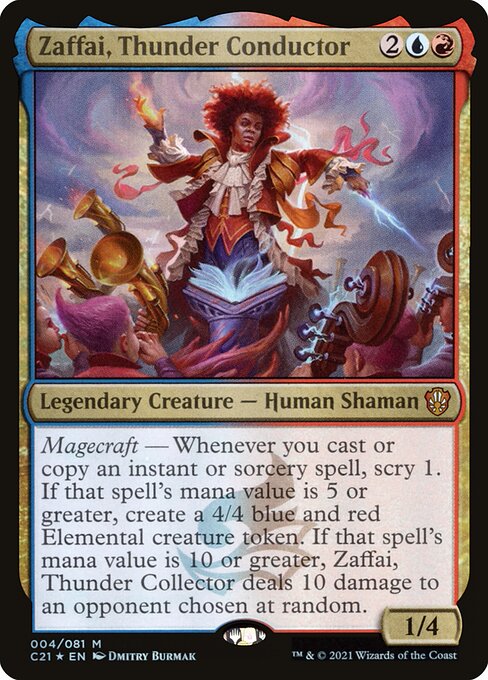
What really pushes this archetype over the edge is how well the deck turns those spells into more than their text boxes suggests. Young Pyromancer, Talrand, Sky Summoner, Deekah, Fractal Theorist, and Shark Typhoon convert every spell into a growing army, while Guttersnipe and Zaffai, Thunder Conductor make sure that casting spells is a win condition in itself. Even when you’re just interacting, you’re advancing toward lethal.
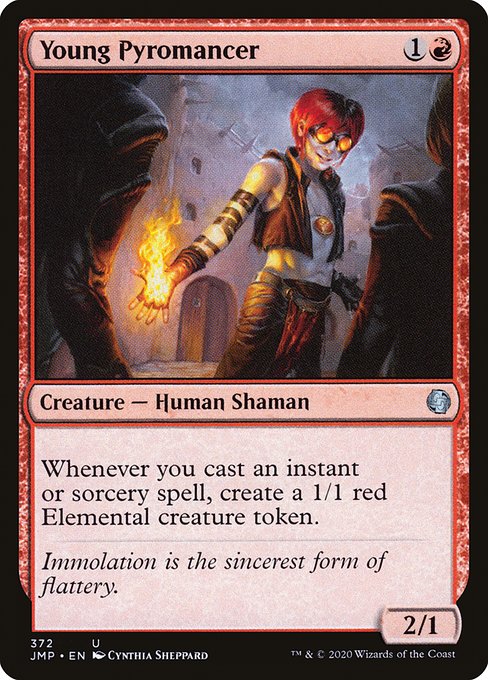
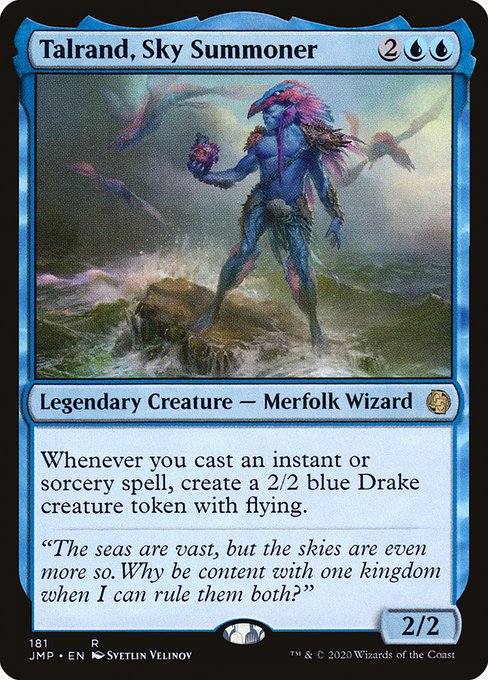
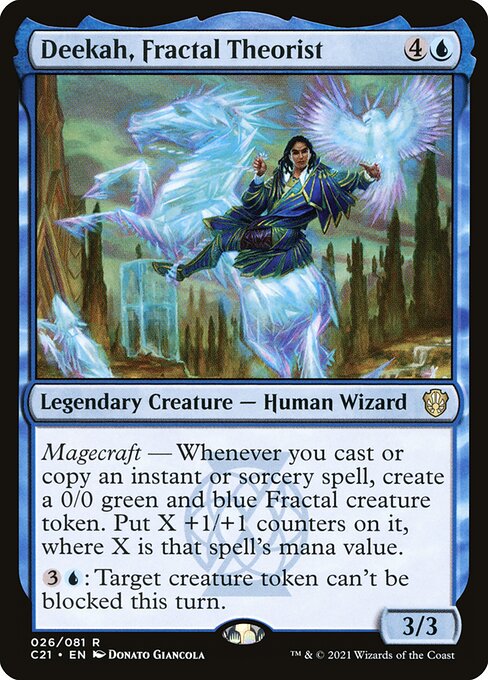
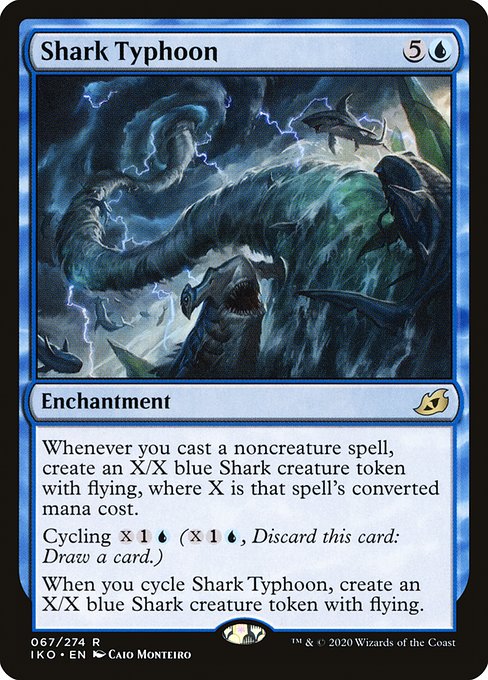
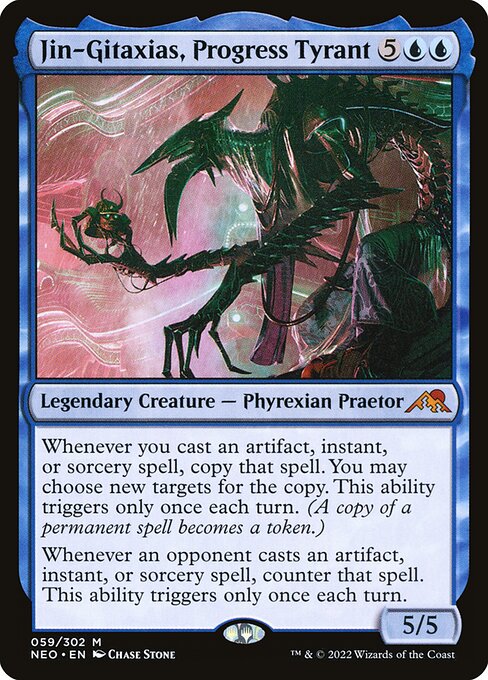
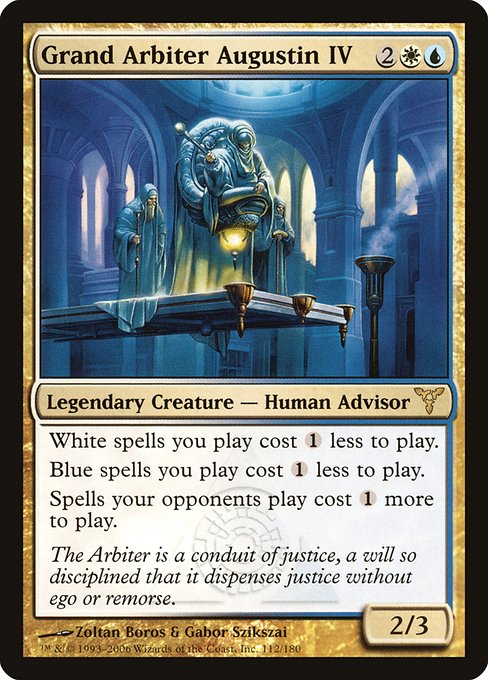
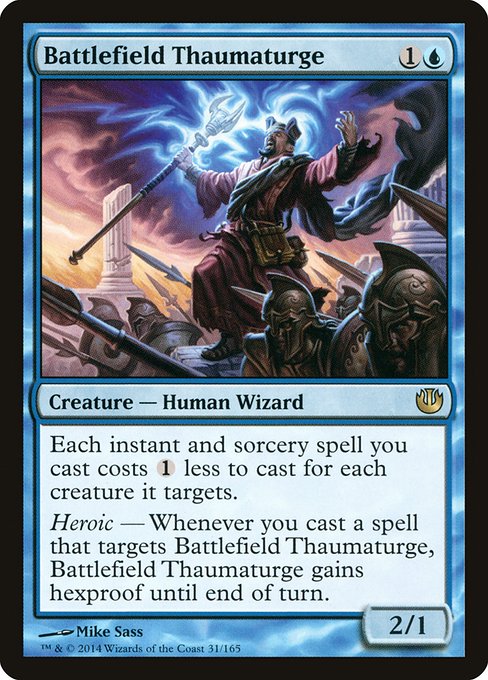
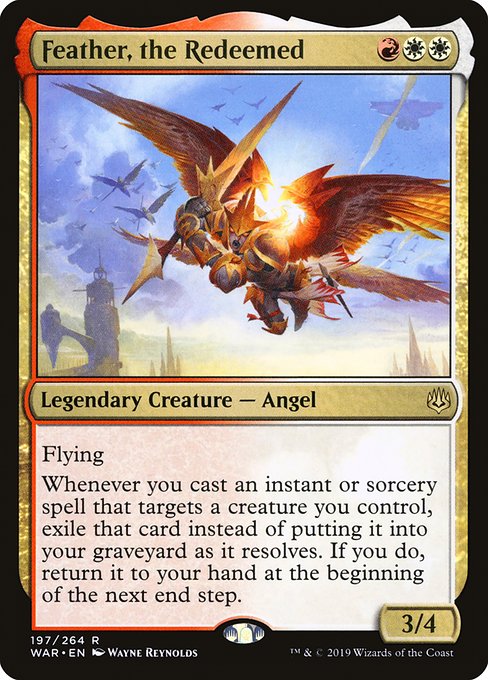
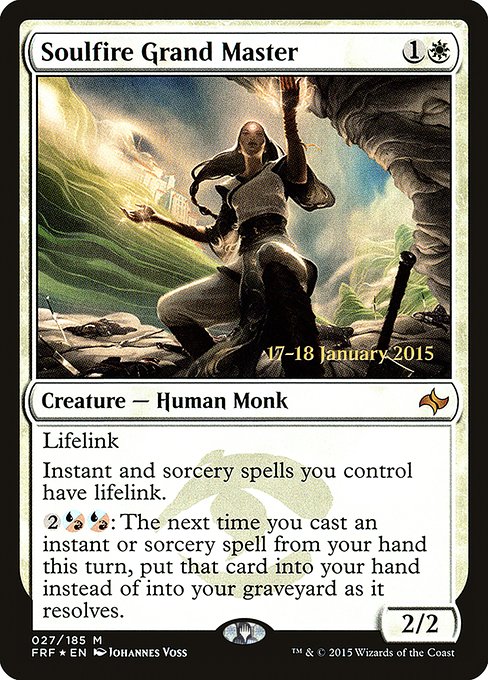
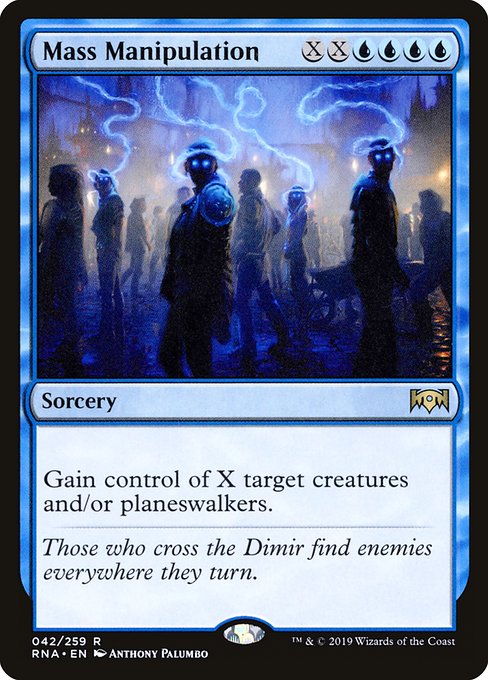
Jin-Gitaxias, Progress Tyrant doubles your value while kneecapping opposing turns, Grand Arbiter Augustin IV and Battlefield Thaumaturge stack the cost reduction to absurd levels, and Feather, the Redeemed and Soulfire Grand Master ensure that your best spells aren’t used just once. When a Mass Manipulation or Reality Spasm comes back to hand, the table quickly realizes the game is pretty much over.
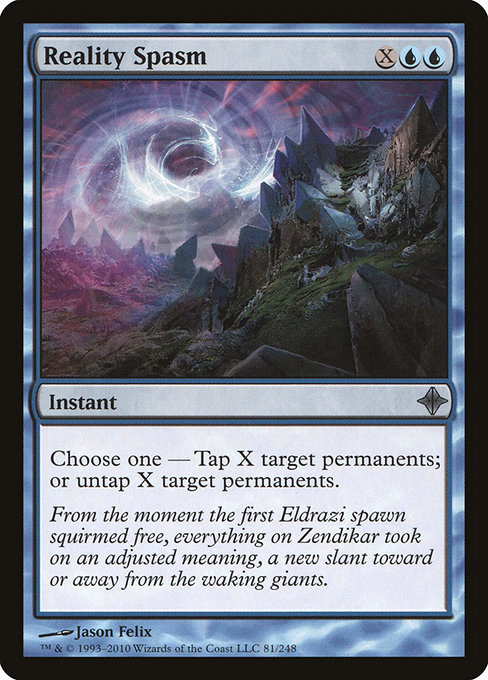
Interaction escalates as the game progresses. On other players’ turns, instant-speed haymakers like Magma Opus, Sublime Epiphany, or Mystic Confluence let you play table police, savior, or executioner depending on what benefits you most in that moment. Aurelia's Fury and Icy Blast serve as silence, fogs, or kill setups. The posibilities are endless with the spells at your disposal.
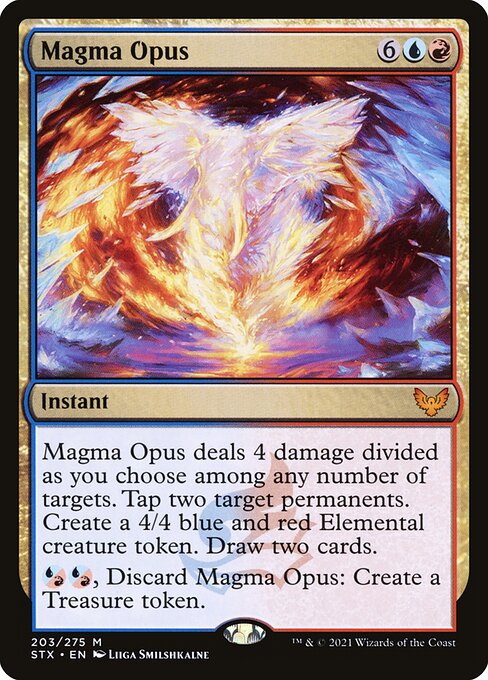
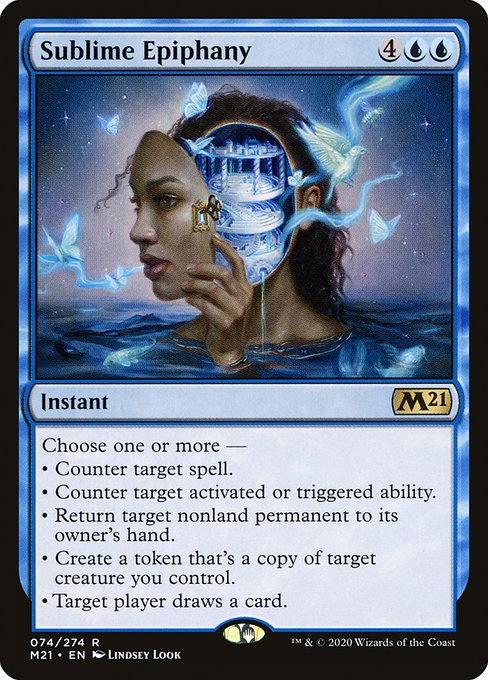
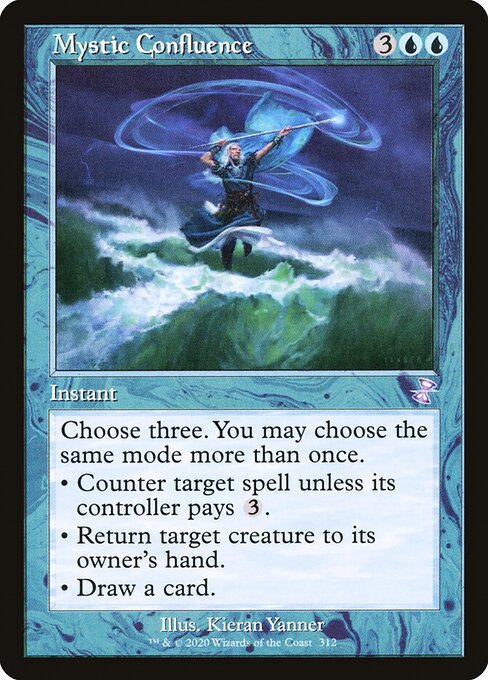
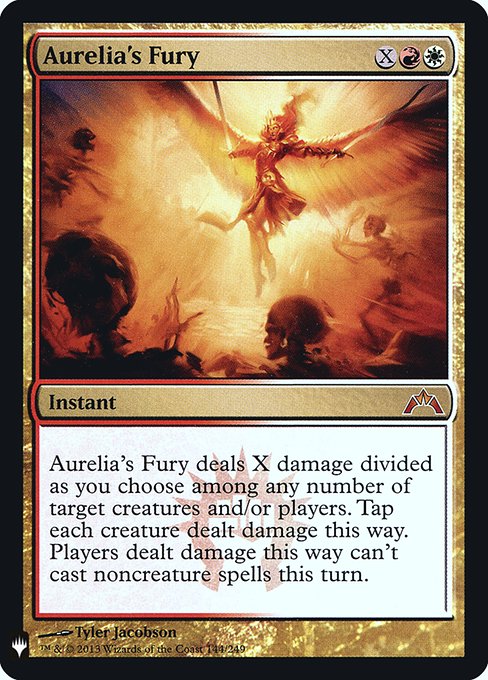
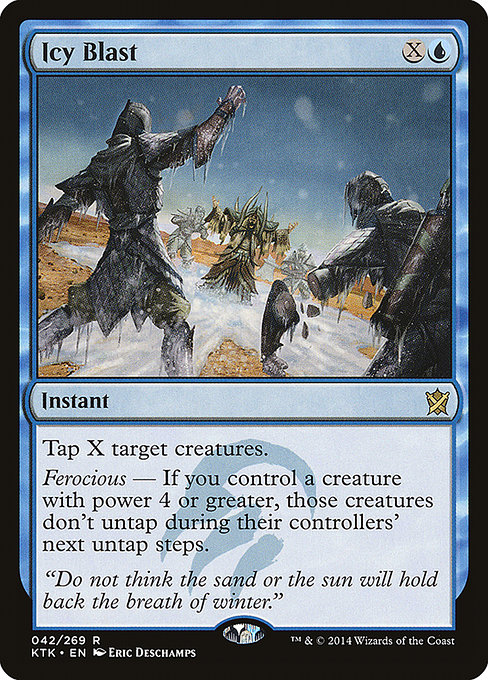
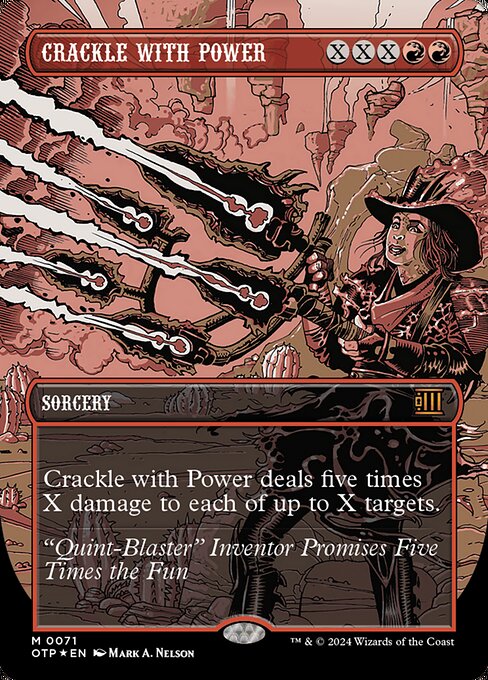
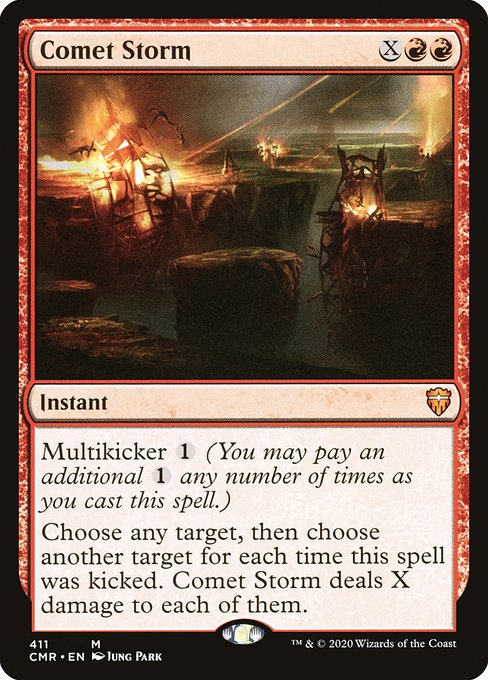
Eventually, all that pressure has to resolve into an ending, and this deck is spoiled for choice. Sometimes it’s as clean as a Crackle with Power or Comet Storm aimed at the entire table, with X pushed so high that survival stops being a discussion. Other times, you drown the table in value, a critical mass of tokens, copied spells, and stolen permanents that makes blocking or racing completely impossible.
This is Jeskai at maximum volume: reactive, explosive, and unapologetically over-the-top.
Planeswalkers (1)
Creatures (19)
Instants (20)
Sorceries (13)
Artifacts (9)
Enchantments (6)
Lands (33)
101 Cards
$3560.01
Closing Thoughts
Jeskai is about decision making pressure; it forces the table to react, reassess, and second-guess every move they make. What ties it all together is control with purpose. Jeskai doesn’t interact just to stall the game. Every counterspell, every bounce, every political favor or explosive payoff is aimed at shaping the outcome. You’re not just responding to the table.
Jeskai wins through foresight, precision, and conviction. It rewards players who understand timing, threat assessment, and when to pull the trigger. And once you do, Jeskai starts feeling like the color combination that was always meant to decide how the game ends.