



The Golgari Archetype (Black & Green)
Death and Rebirth, Decay and Growth. Golgari thrives where all other colors rot.
In Commander, Golgari decks stand proudly in the intersection of inevitability and recursion, turning corpses into resources and resources into overwhelming board states. Whether you’re dredging your library, weaponizing your graveyard, overwhelming the board with value, or forging a single unstoppable monster, Golgari embodies the philosophy that nothing is ever truly lost, only repurposed.
Where Green sees life as a cycle of growth and nature, Black sees death as opportunity and ambition. Together, they embody the meaning of the cycle of life. Death always gives way to new Life, and this cycle becomes a relentless machine: efficient, recursive, adaptable, and nearly impossible to keep down. Golgari decks rarely play fair, and even when they do, the value generated per card far surpasses what most colors can handle.
No color pair uses the graveyard more effectively or more efficiently than Golgari. Creatures, lands, and spells all become tools to reuse, recast, and reanimate.
Turn the Graveyard into a Second Resource Pool — Life from the Loam | Meren of Clan Nel Toth | Golgari Grave-Troll | Timeless Witness
Convert Death Into Tangible Advantage — Culling Ritual | Pitiless Plunderer | Yawgmoth, Thran Physician | Skullclamp
Scale With Nature’s Abundance (Ramp, Lands, and Board Presence) — The Gitrog Monster | Oracle of Mul Daya | Scute Swarm | Ancient Greenwarden
Out-Grind Every Other Color Pair Through Recursion — Living Death | Rise of the Dark Realms | Rise of the Witch-King | Reanimate
1. Self-Mill — The Mycotyrant
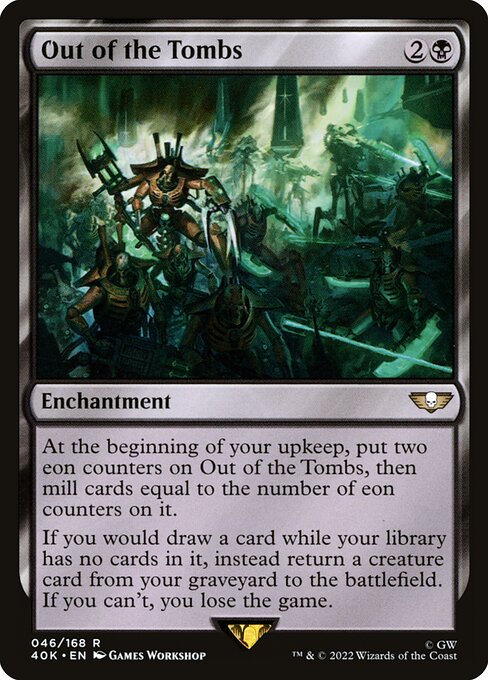
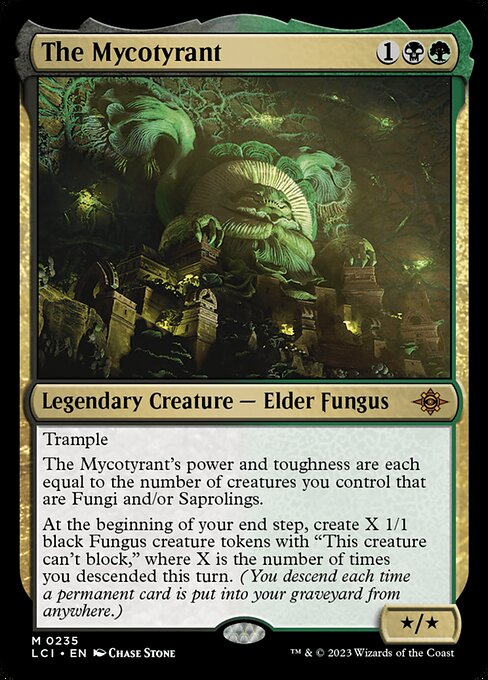
Self-mill in Golgari is not a risk, it’s your greatest engine. Under The Mycotyrant, the graveyard becomes a second hand, another battlefield, and often the core win condition. This decklist is built to fill the graveyard at breakneck speed, with staples like Hermit Druid, Stitcher's Supplier, Satyr Wayfinder, Aftermath Analyst, Six, and even Out of the Tombs churning cards into the yard as fuel for both value and mass Ooze creation.
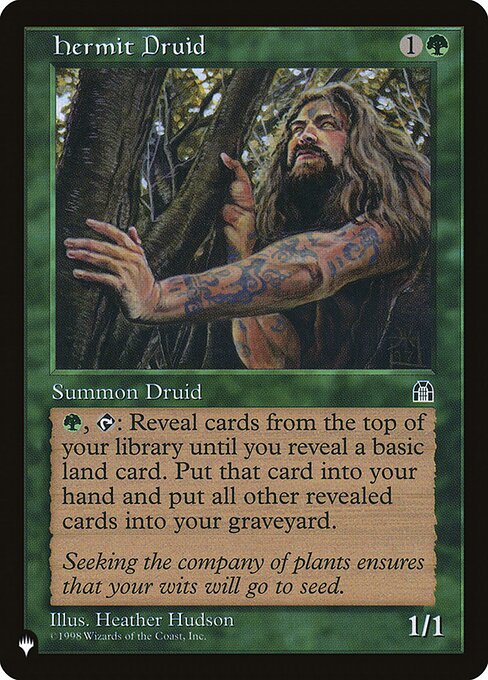
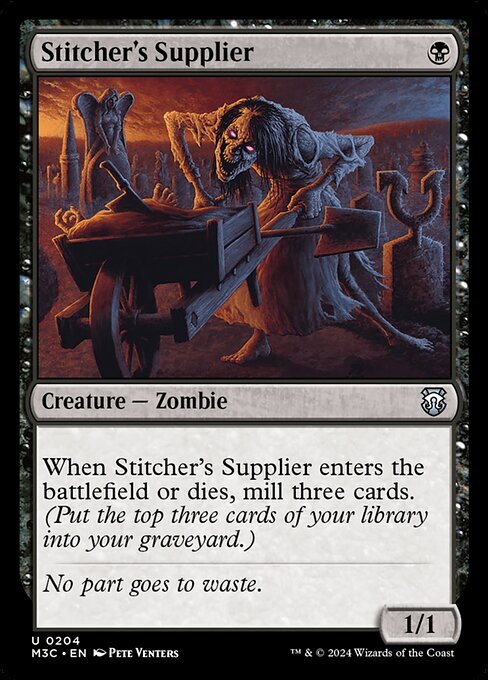
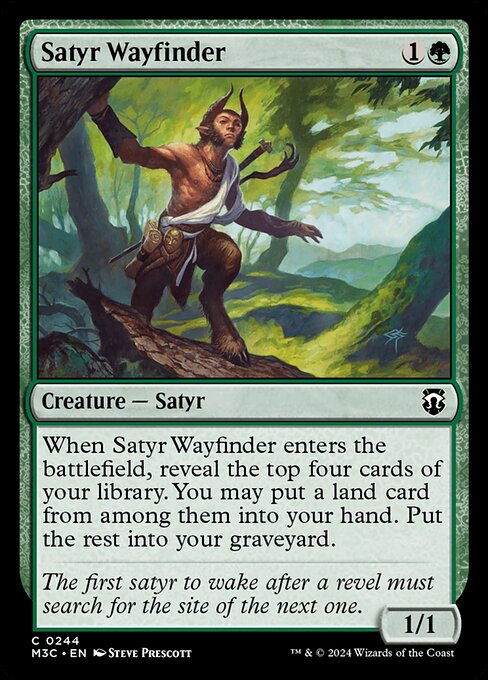
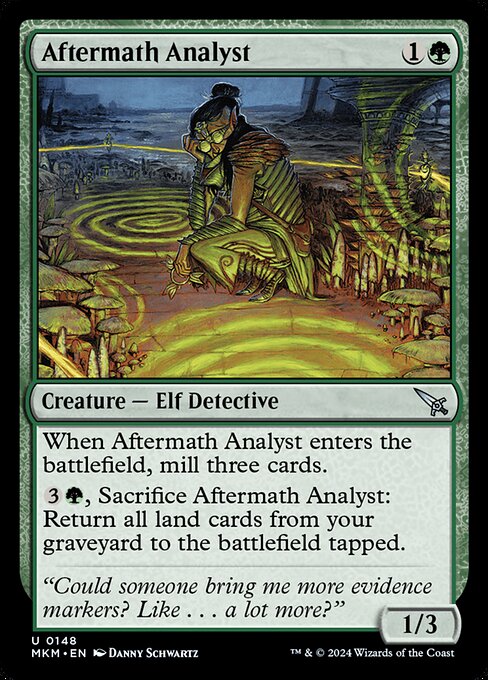
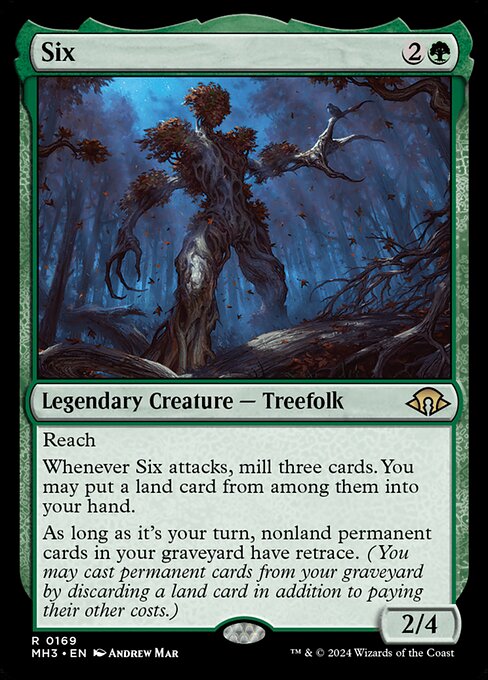
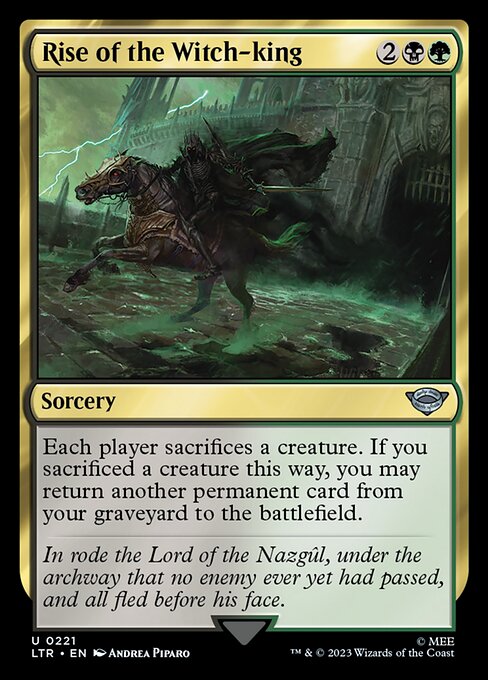
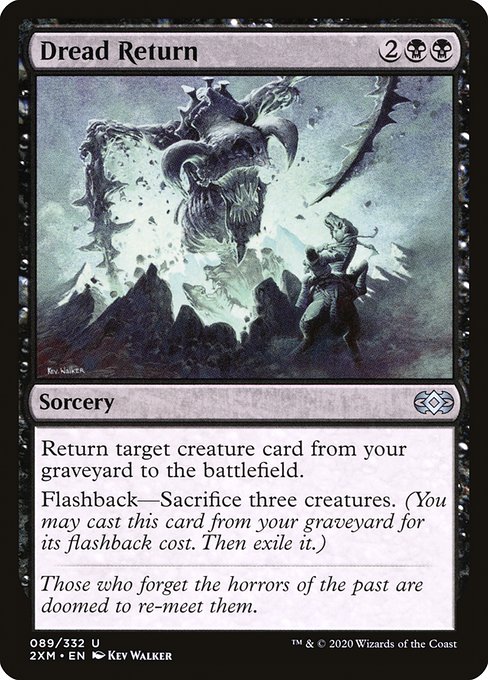
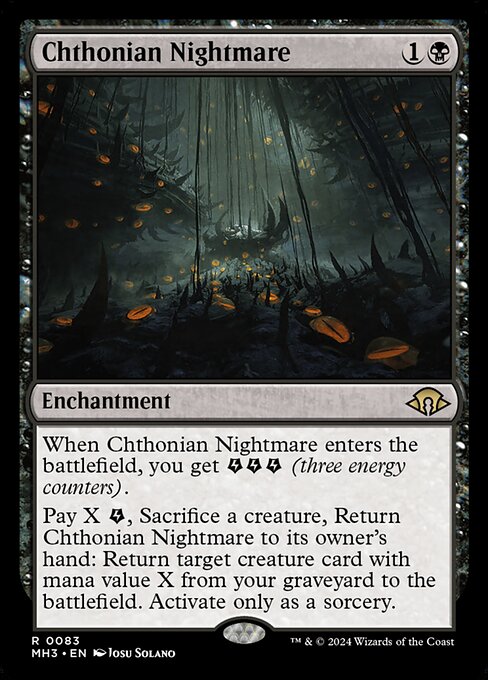
The Mycotyrant rewards you for going deeper and deeper into your library by creating an army proportional to the number of cards you’ve milled. This synergizes beautifully with Living Death, Rise of the Witch-King, Dread Return, and Chthonian Nightmare, letting you convert your fully stocked graveyard into overwhelming momentum or even instant wins through mass drain effects.

What makes this deck different from typical graveyard builds is the multiplicative synergy between self-mill and token production.
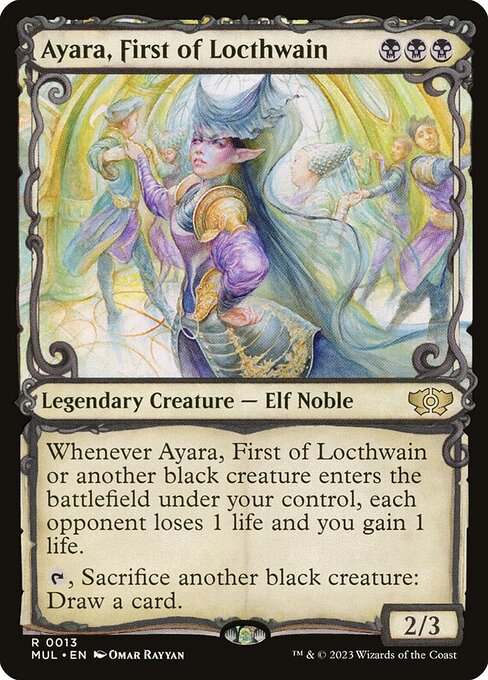
The deck is maximized to take advantage of these Ooze tokens with cards like Mirkwood Bats, Zulaport Cutthroat, Nadier's Nightblade, Blood Artist, Ayara, First of Locthwain, and Meren of Clan Nel Toth which turn every Ooze that enters the field or dies into life drain, recursion, or even more board presence.
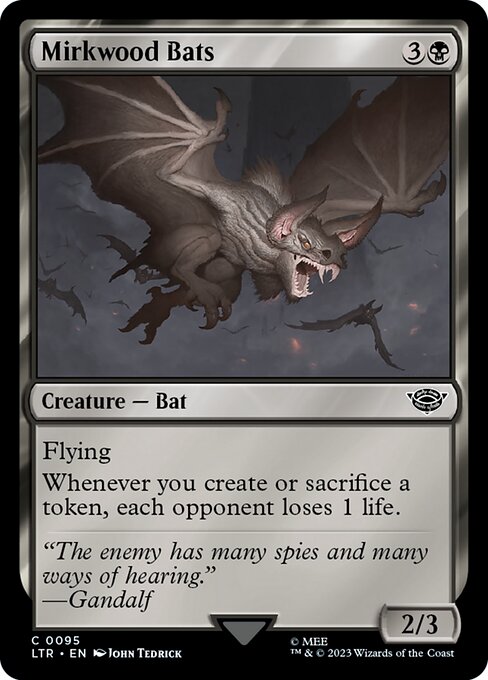
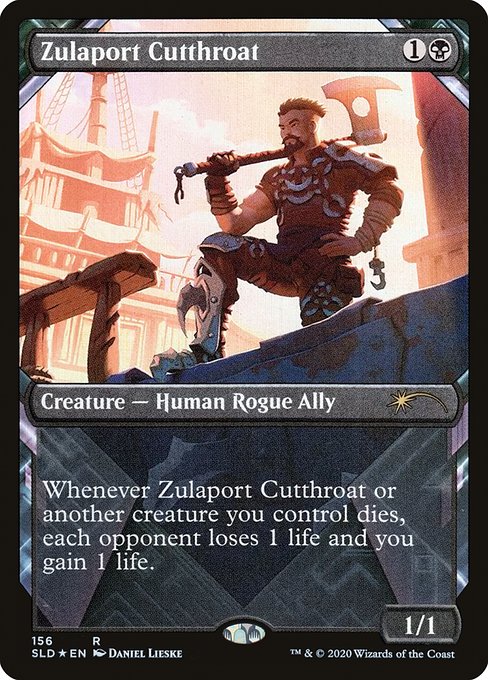
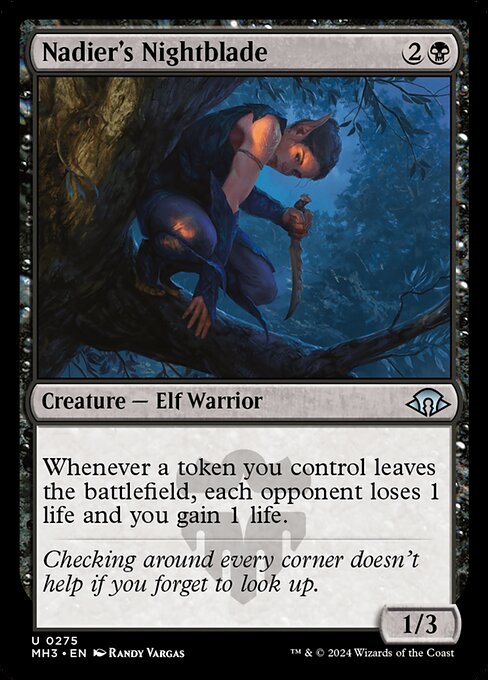
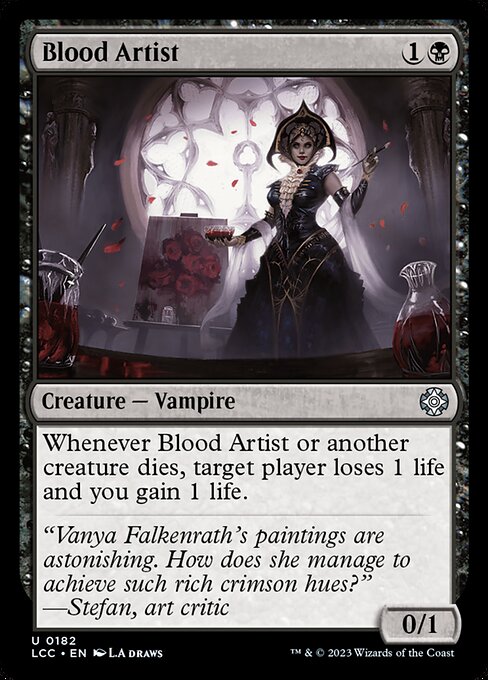
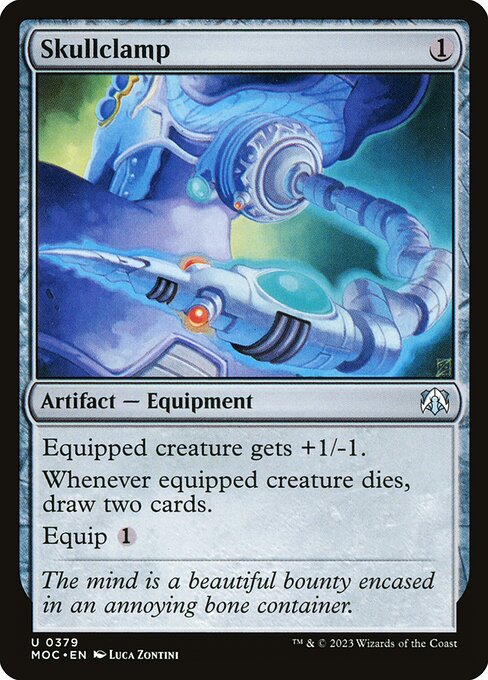
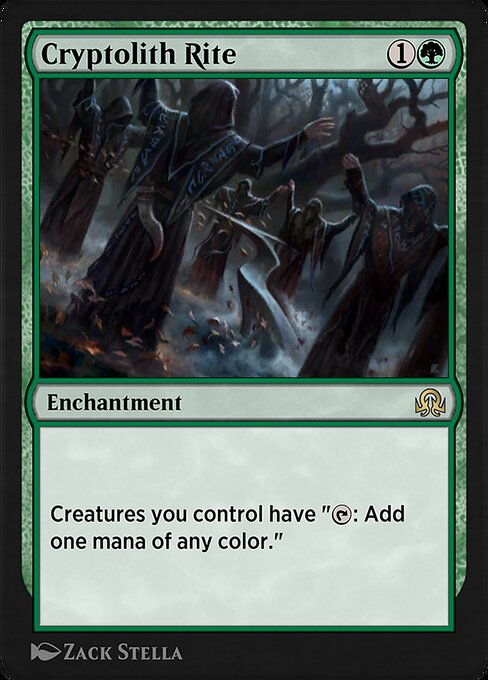
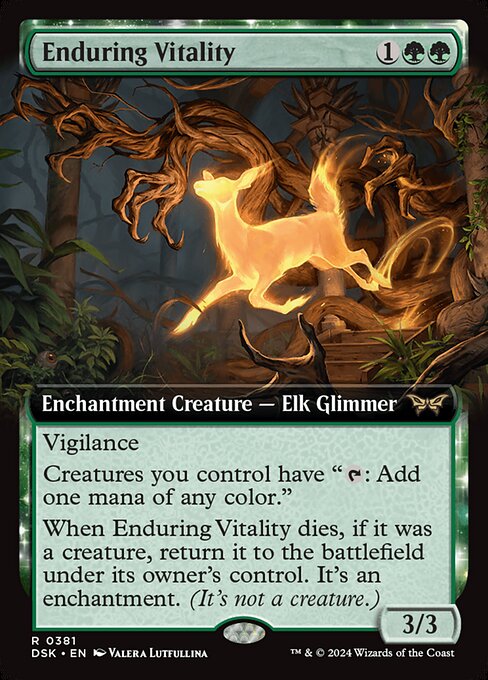
Meanwhile, Skullclamp, Cryptolith Rite, Enduring Vitality, and Warren Soultrader ensure every single body is exploted to its utmost potential, by squeezing more card draw or mana production out of every single one.
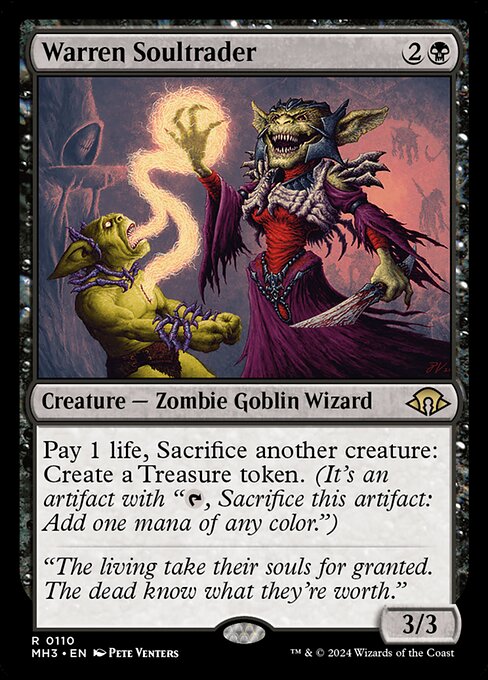
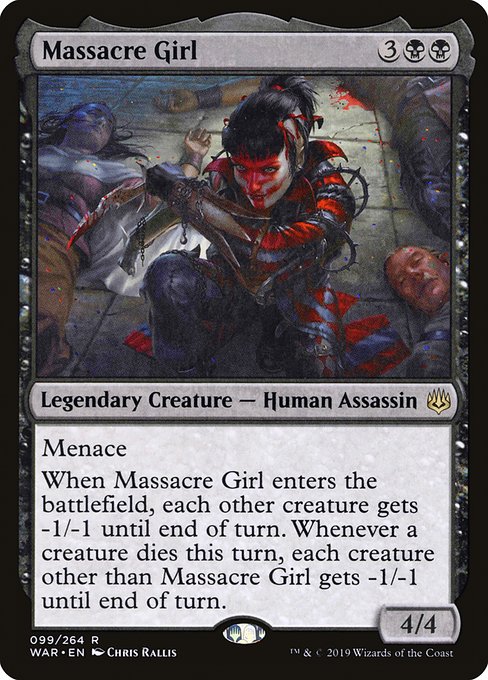
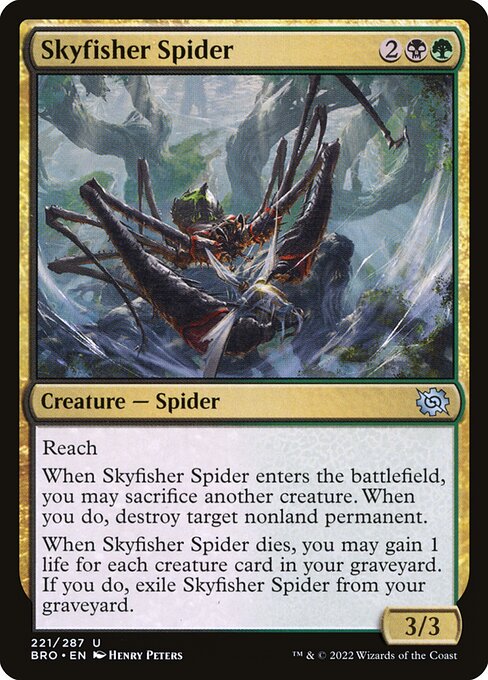
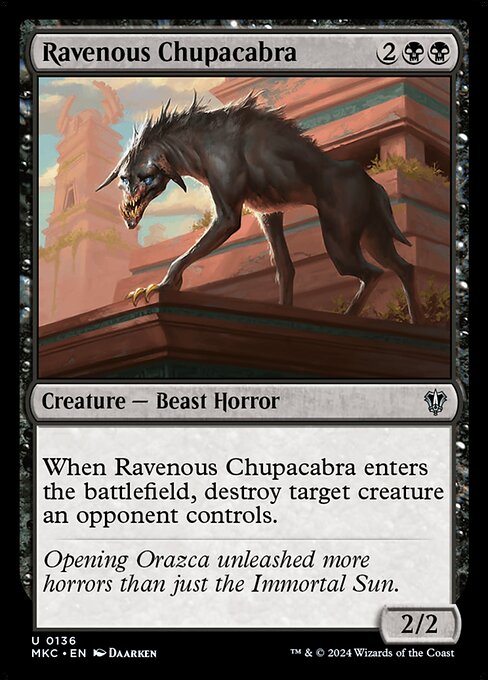
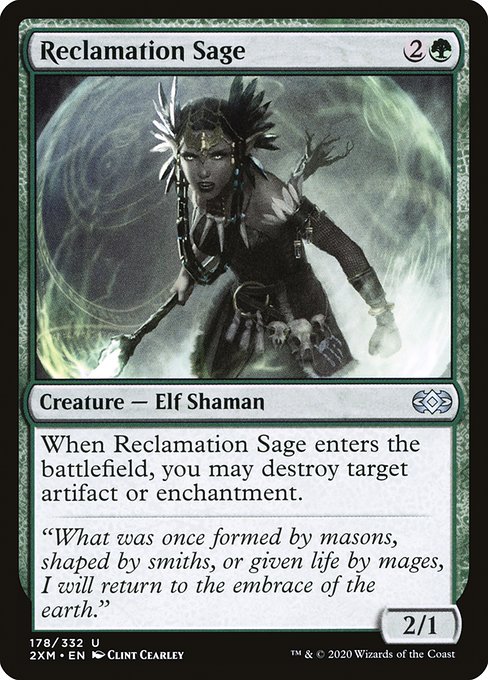
Even our removal and control loop back into the strategy. Massacre Girl, Skyfisher Spider, Ravenous Chupacabra, and Reclamation Sage are all creatures, meaning they feed the graveyard count while acting as answers whenever they’re needed.
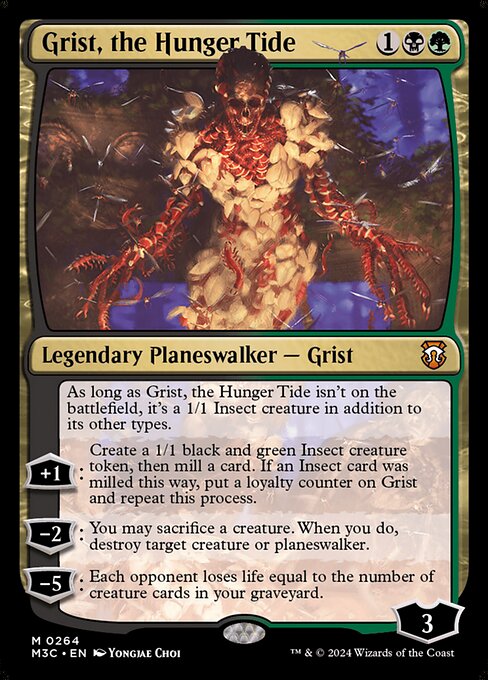
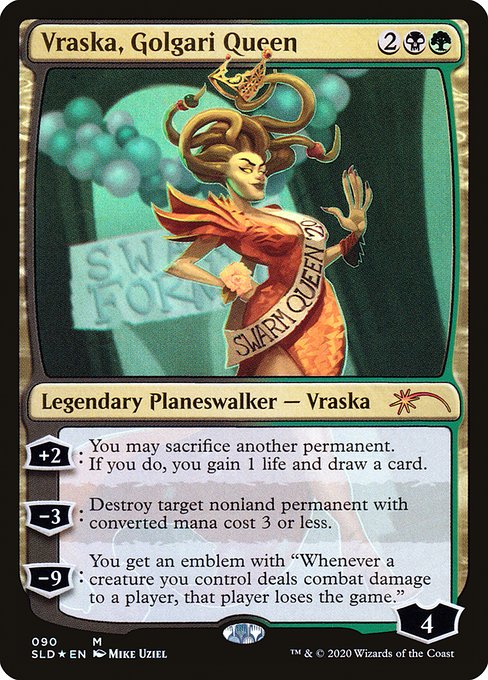
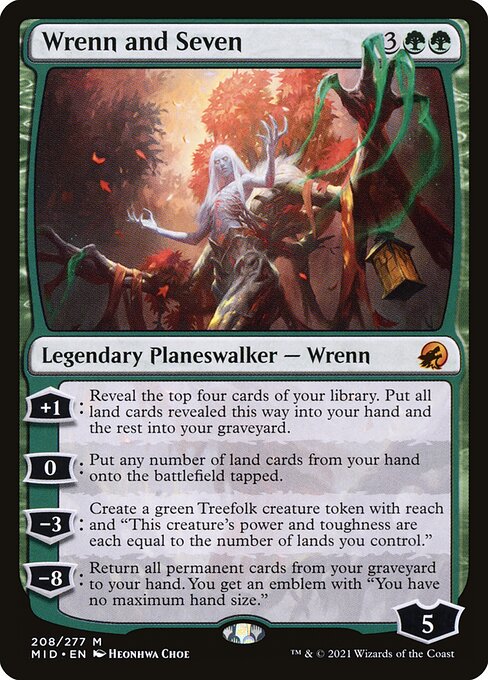
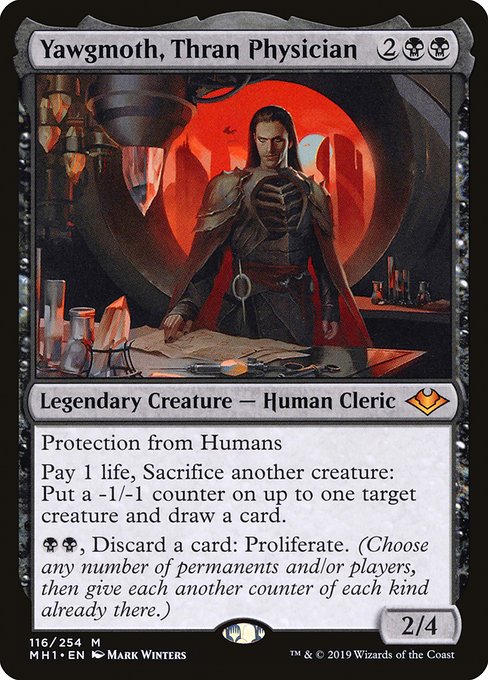
We also have a trio of planeswalkers, Grist, the Hunger Tide, Vraska, Golgari Queen, and Wrenn and Seven that combined with Yawgmoth, Thran Physician (who might as well be a Planeswalker himself) give our deck access to having plenty of grindy recursion.
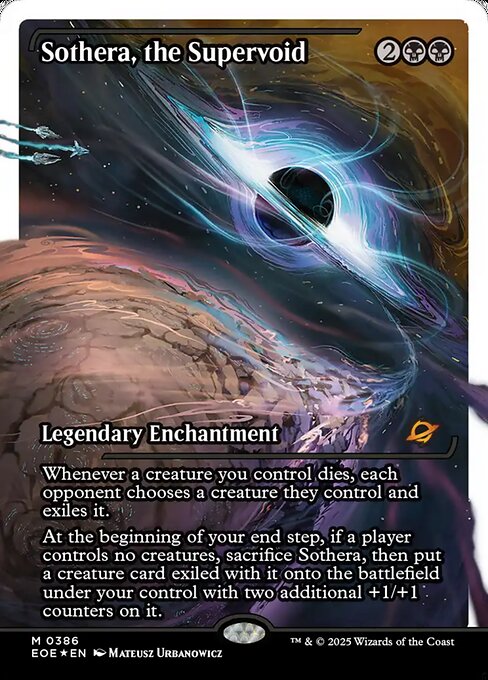
Also a special mention to Sothera, the Supervoid, which can very easily control your opponents in a very suffocating way.
This is Golgari at its purest: Everything dies. Everything returns. Everything feeds the swarm.
Commander
Planeswalkers (3)
Creatures (44)
Sorceries (4)
Artifacts (8)
Enchantments (6)
Lands (35)
100 Cards
$489.2
2. Lands Matter — The Gitrog Monster
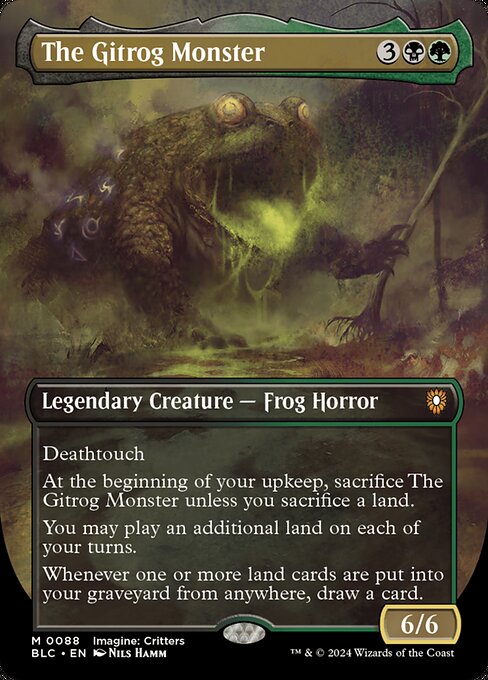
If The Mycotyrant weaponizes bodies, The Gitrog Monster weaponizes land itself. This decklist leans heavily into both land recursion and land self-sacrifice, turning every fetchland, cycling land, and dredge mechanic into raw card advantage.
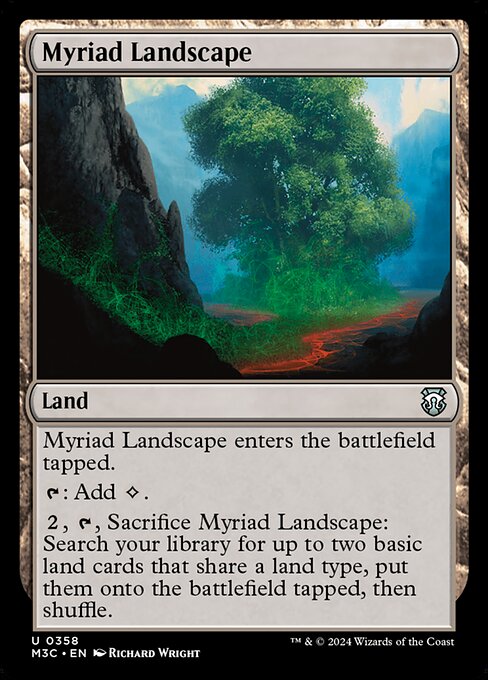
Fetch and utility lands like Myriad Landscape, Petrified Field, Promising Vein, Fabled Passage, Wasteland, and Windswept Heath double as draw sources whenever The Gitrog Monster is on the battlefield.
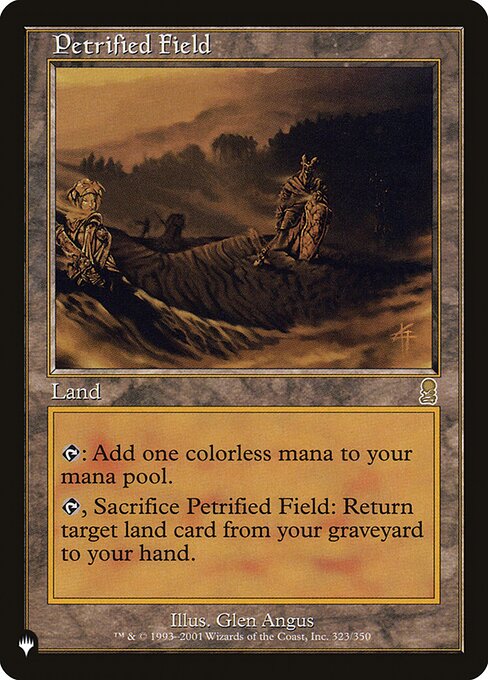
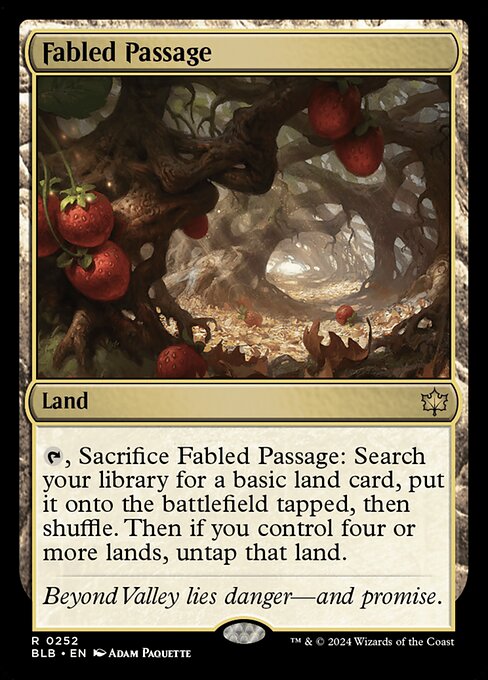
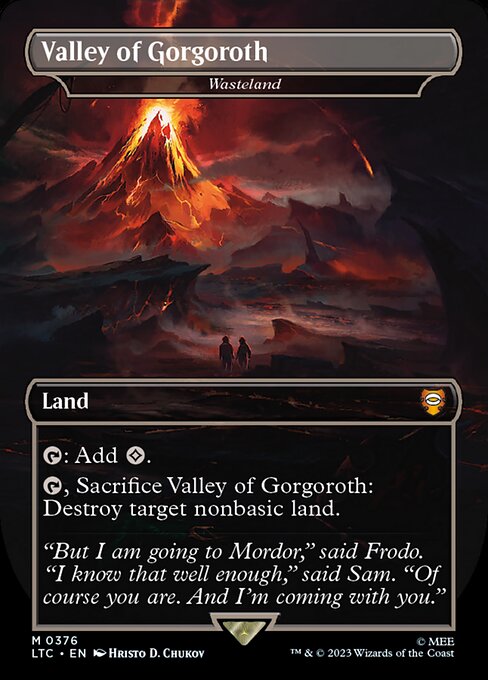
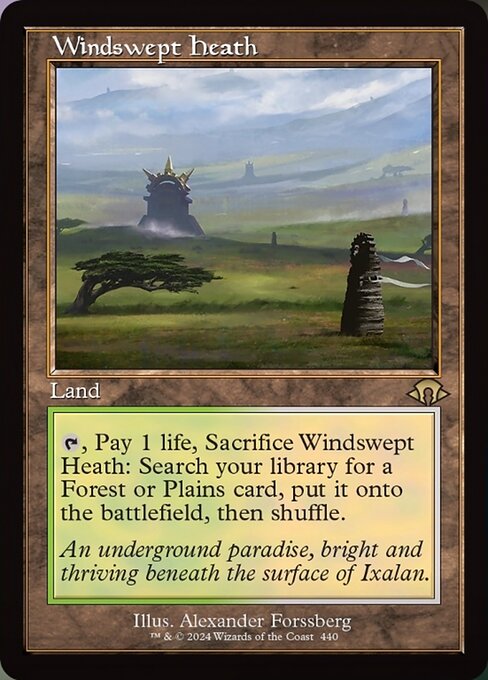
The synergy web is vast. Life from the Loam, Splendid Reclamation, Crucible of Worlds, and Perennial Behemoth ensure your graveyard is always a land buffet waiting to be consumed. Meanwhile creatures like Wayward Swordtooth, Azusa, Lost but Seeking, Oracle of Mul Daya, and Shigeki, Jukai Visionary let you play significantly more lands than usual, creating turns where you drop 3–5 lands while your opponents can only drop one, pulling way far ahead than anyone else at the table.
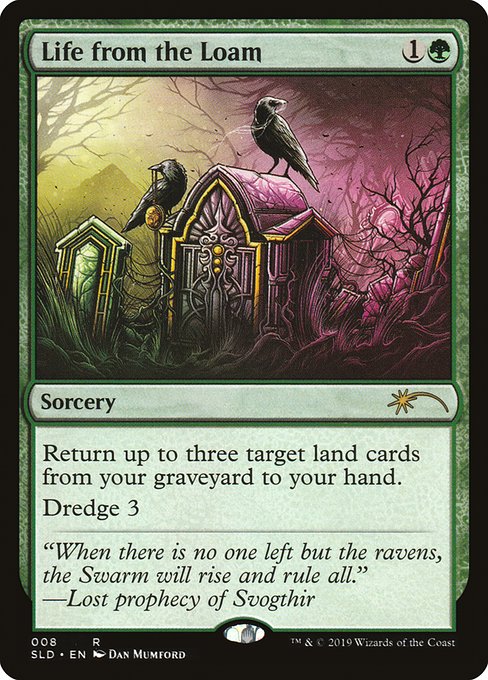
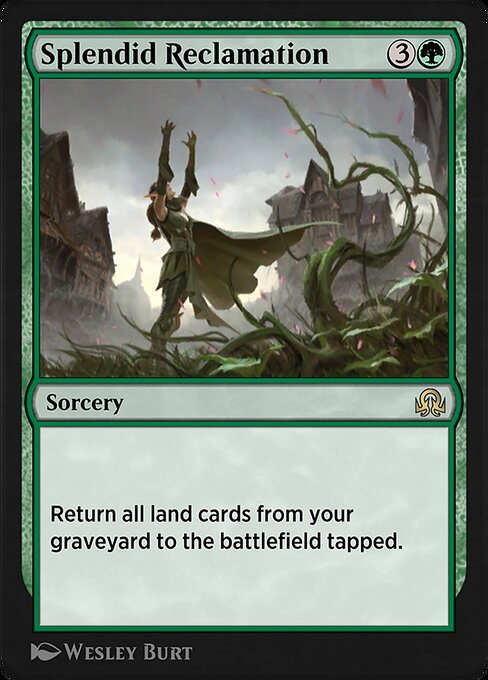
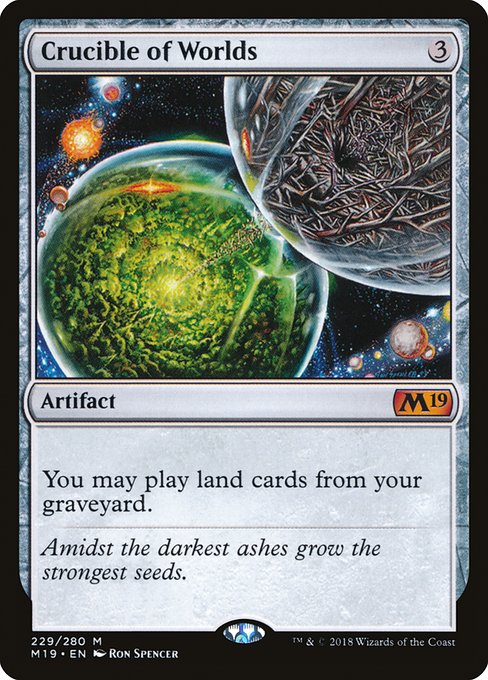
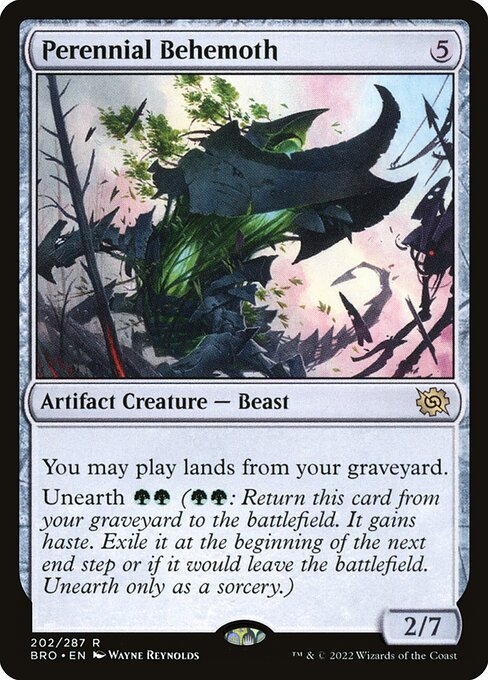
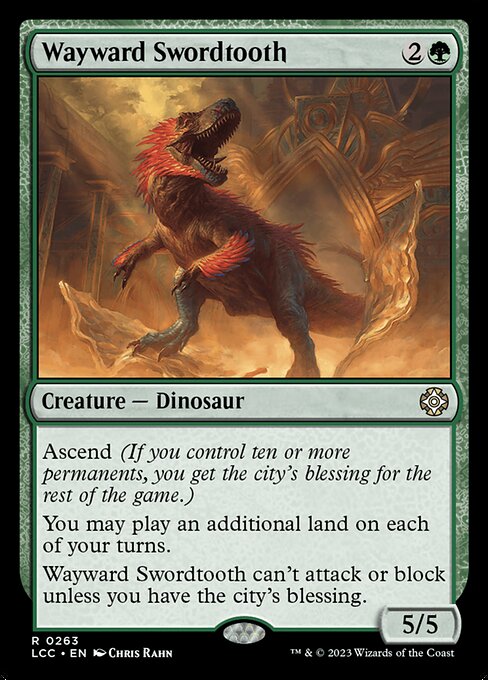
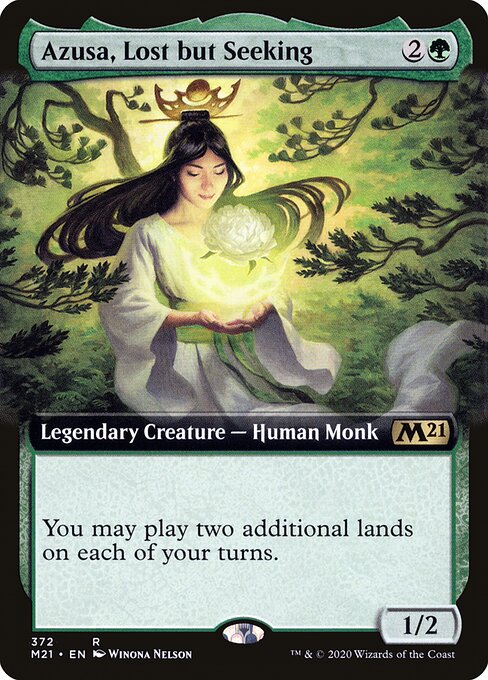
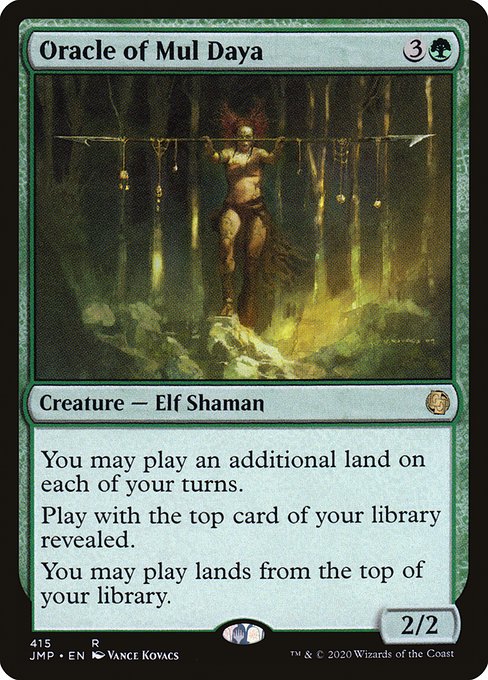
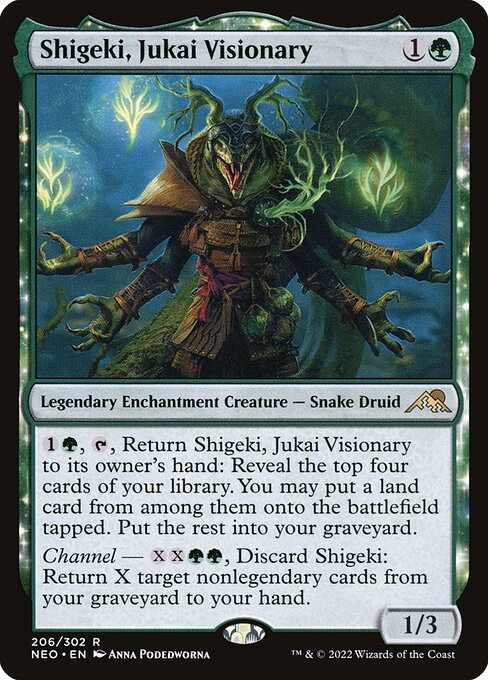
From there, the payoff is enormous. Your finishers come in the form of creatures like Avenger of Zendikar, Rampaging Baloths,
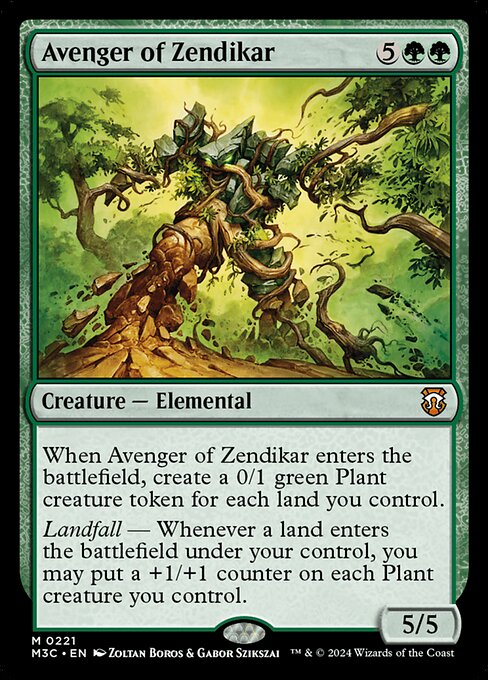
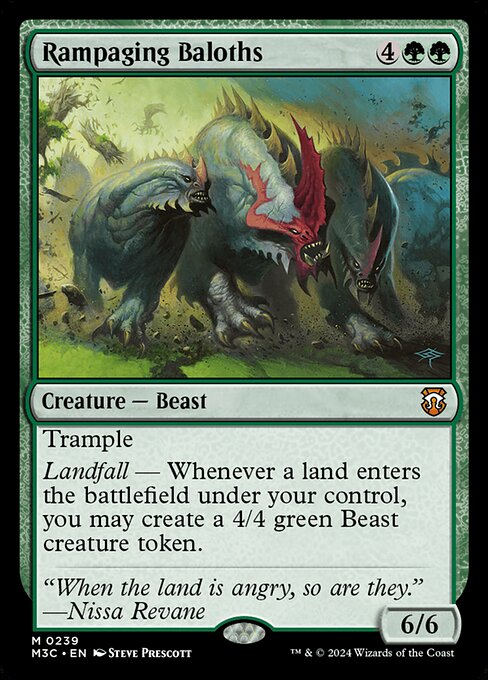
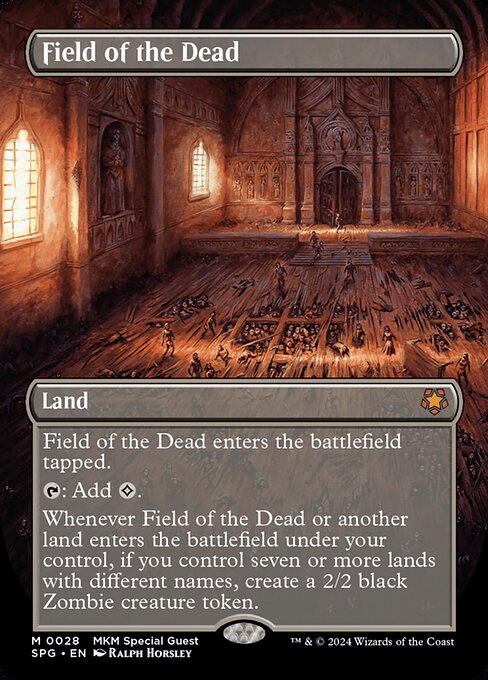
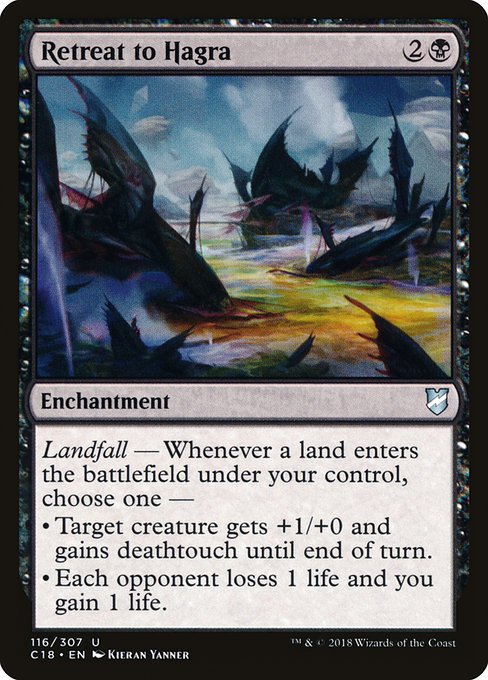
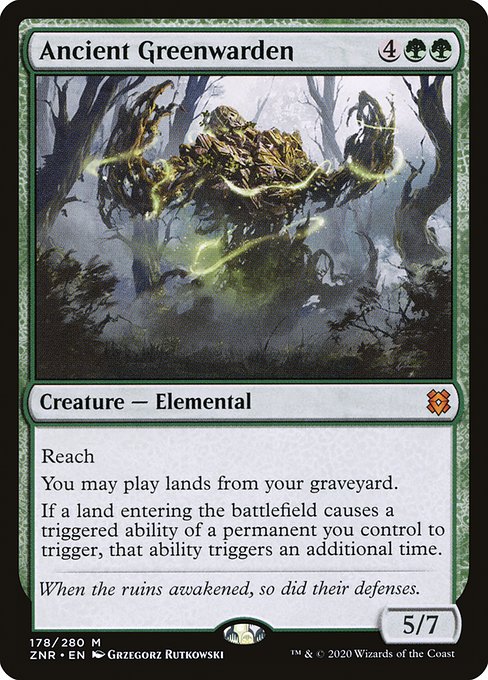
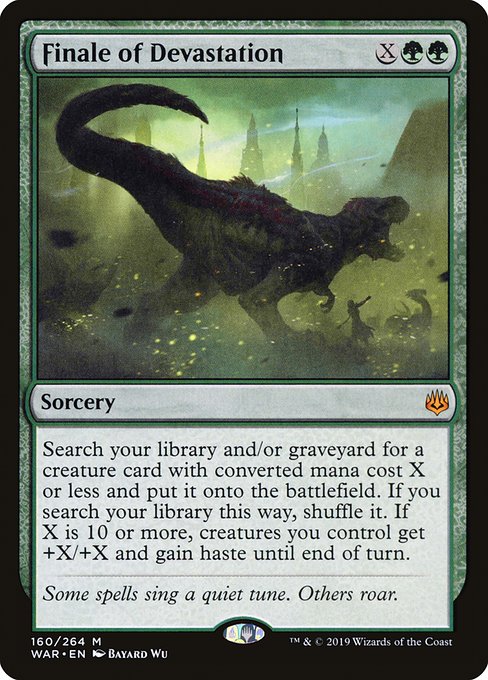
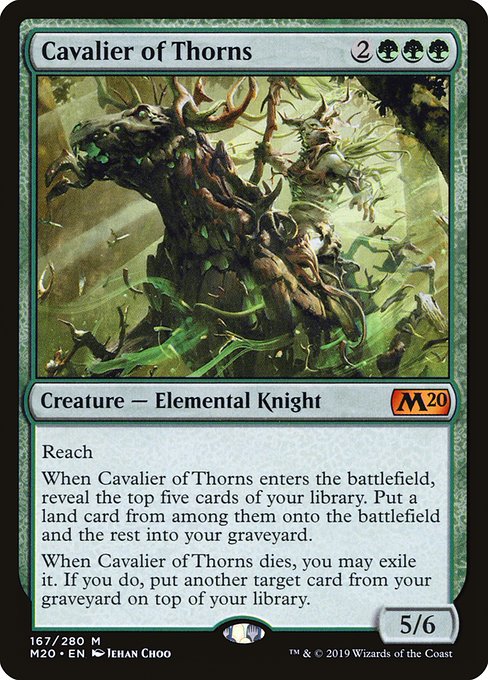
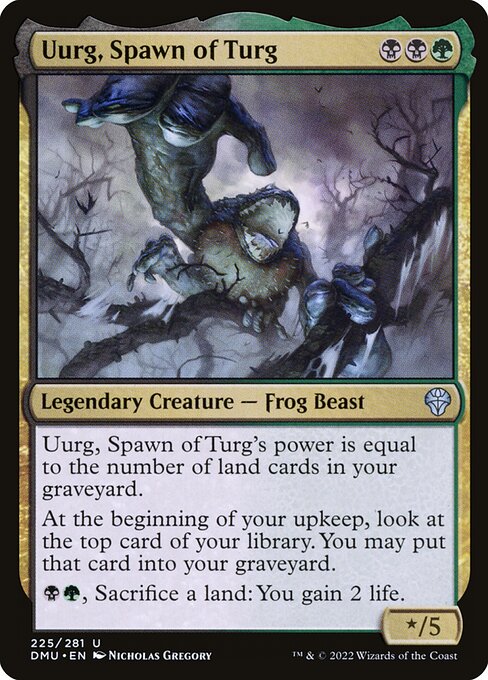
Even our removal and recursion are synergistic: Cavalier of Thorns, Timeless Witness, Underrealm Lich, Golgari Grave-Troll, Nyx Weaver, and Uurg, Spawn of Turg all feed the graveyard while providing bodies or spells back to hand whenever needed. You’re never out of resources, because this deck doesn’t just use lands, it consumes and abuses them.
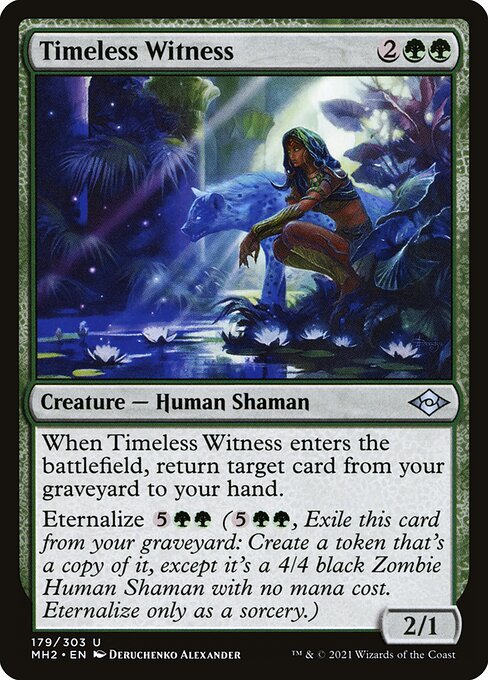
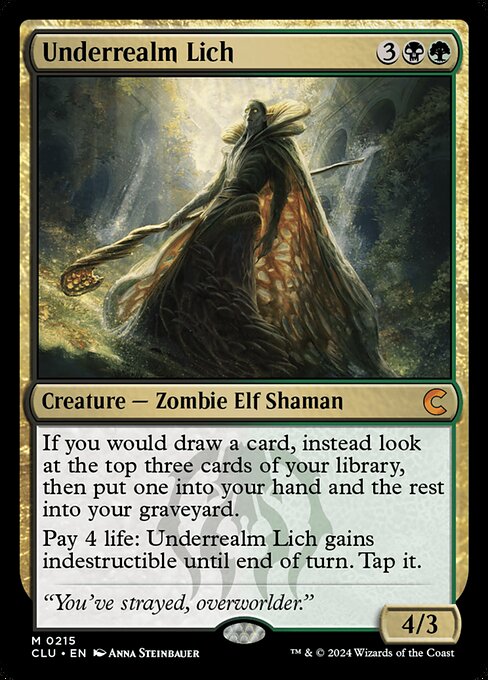
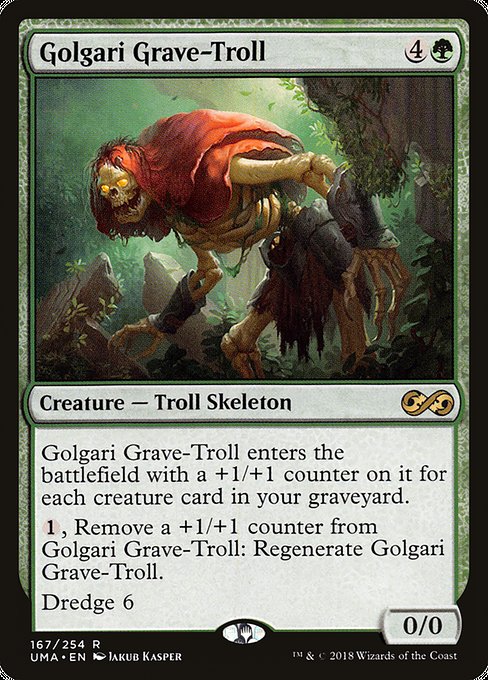
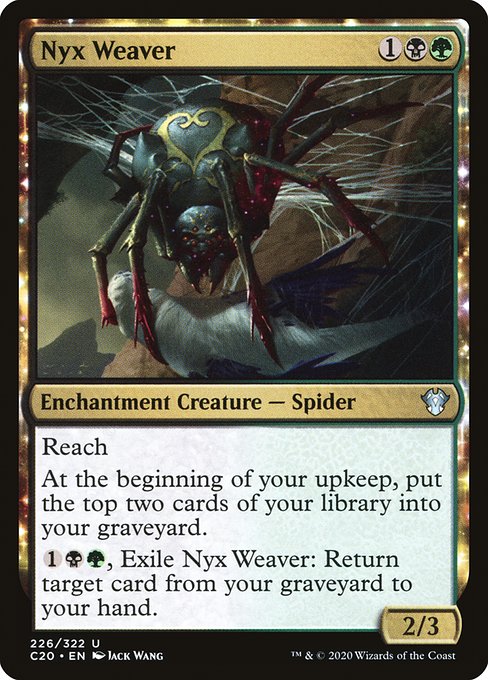
The Gitrog Monster is a simple pact: Feed it lands, and it will feed you victory.
Commander
Planeswalkers (1)
Creatures (31)
Instants (7)
Sorceries (14)
Enchantments (5)
Lands (39)
100 Cards
$348.8
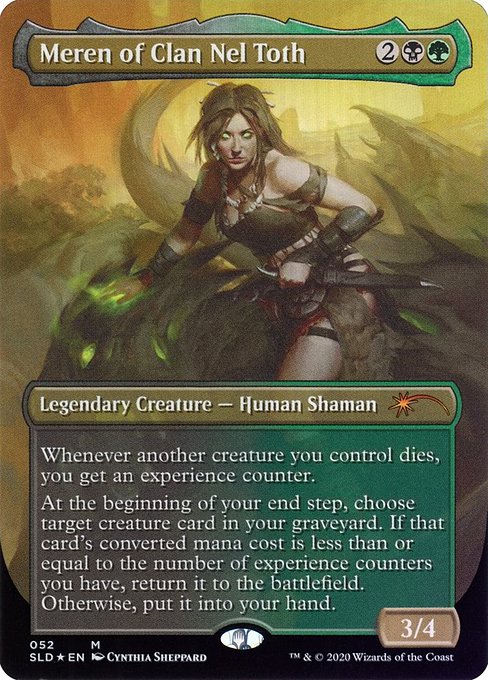
3. Aristocrats — Meren of Clan Nel Toth
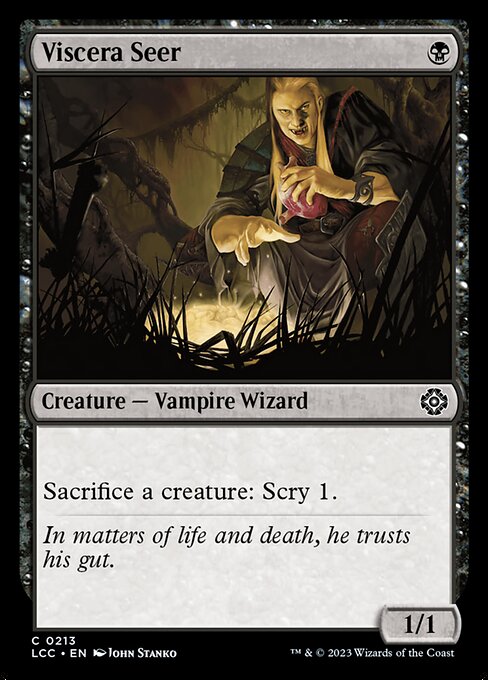
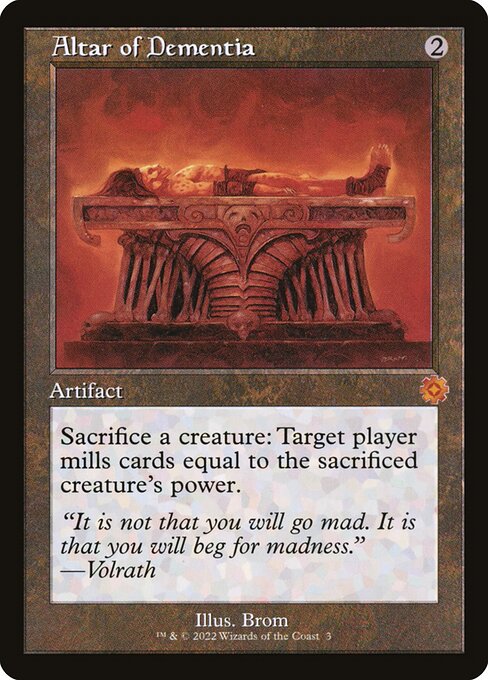
Meren of Clan Nel Toth may be one of the most beloved Golgari commanders ever printed, and this deck shows exactly why. Aristocrats under Meren isn’t just about sacrificing creatures; it’s about establishing a permanent recursion engine that grows stronger with every death. Cards like Viscera Seer, Altar of Dementia, Culling Ritual, Plaguecrafter, Pitiless Plunderer, Umbral Collar Zealot, and Yawgmoth, Thran Physician form the backbone of an unstoppable value machine by giving you easy access to sacrificing your own creatures and squeeze value out of them.
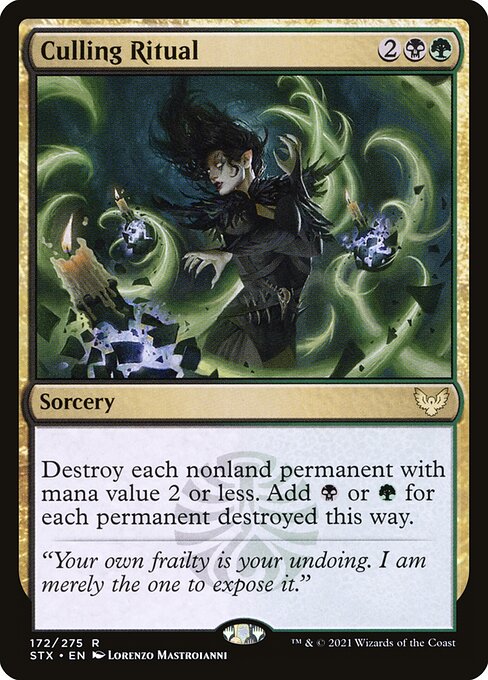
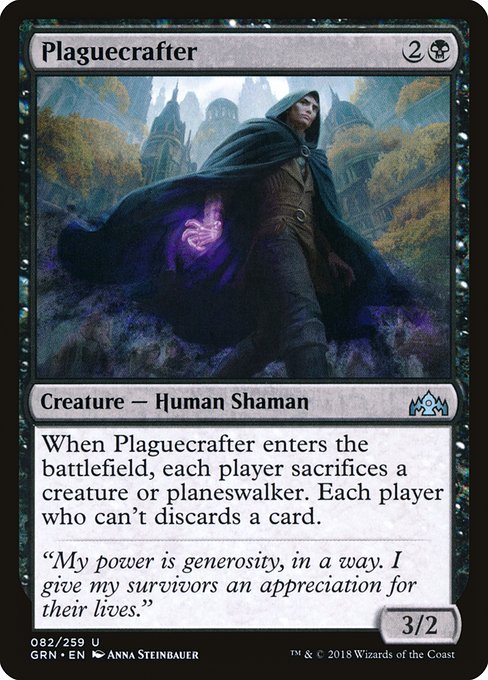
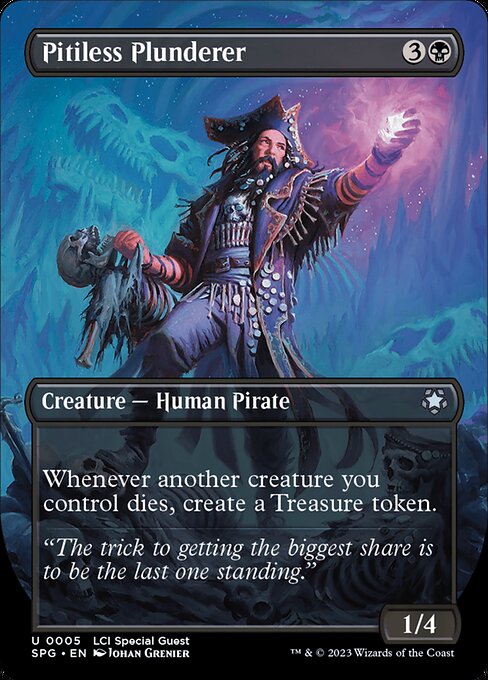
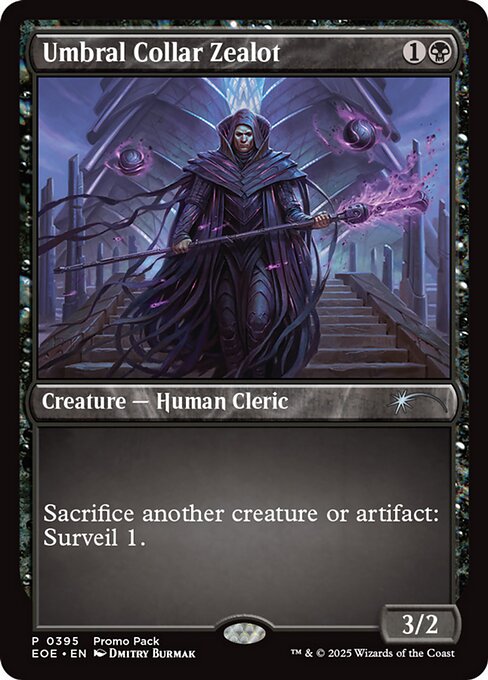
Your creatures die constantly, and that’s the plan. Every death brings us one step ahead into the path of victory, helping us in many ways, like:
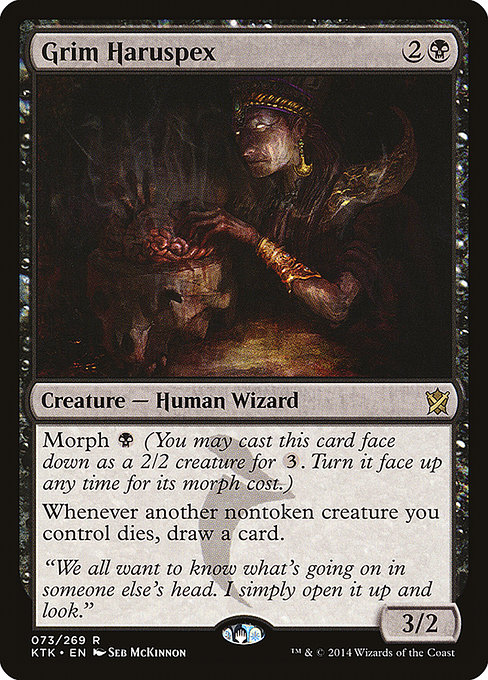
Giving us extra draws: (Grim Haruspex, Skullclamp)
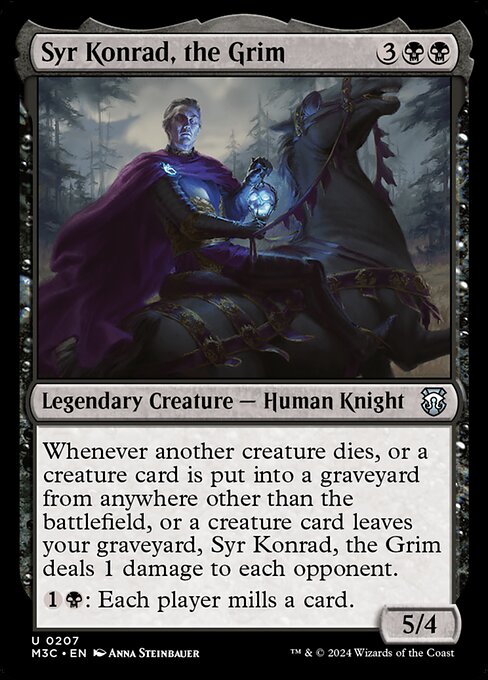
By draining our opponents: (Blood Artist, Zulaport Cutthroat, Syr Konrad, the Grim)
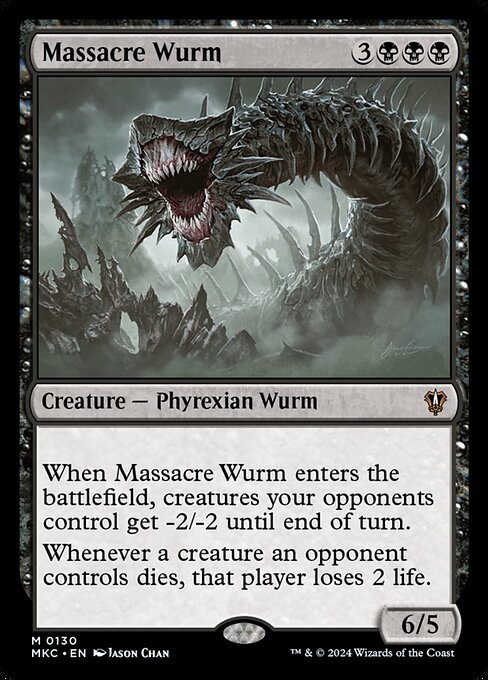
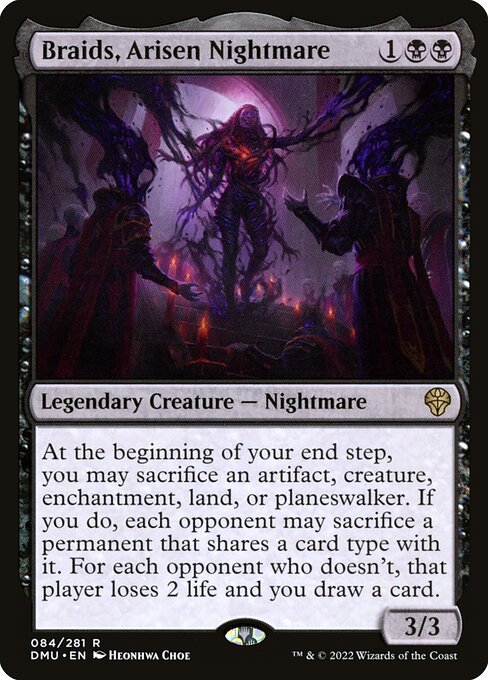
By controlling the board: (Massacre Girl, Massacre Wurm, Braids, Arisen Nightmare)
By giving us extra mana (Pitiless Plunderer, Illuminor Szeras)
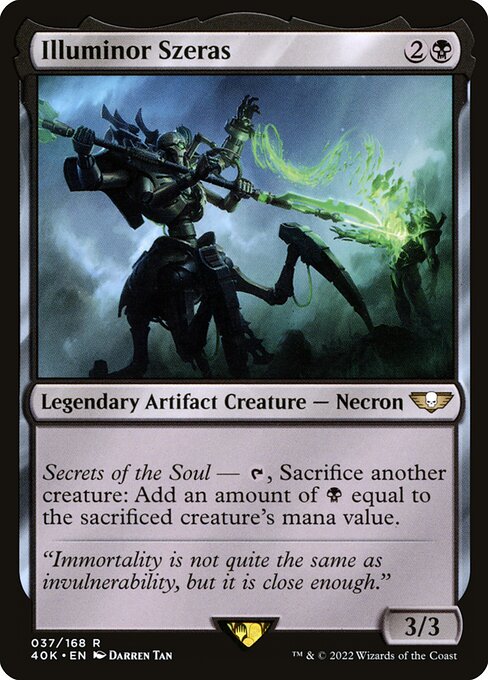
By giving us access to recursion (Eternal Witness, Timeless Witness, Seedship Broodtender)
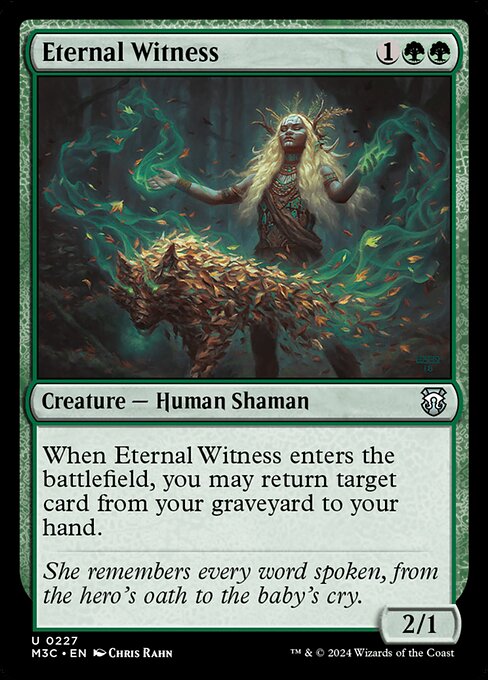
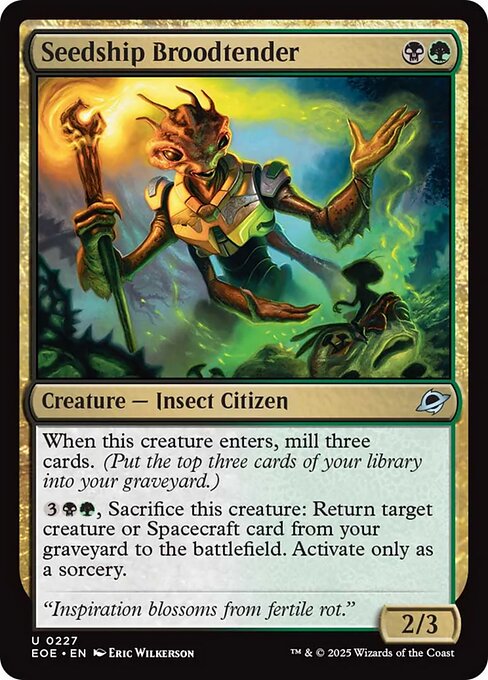
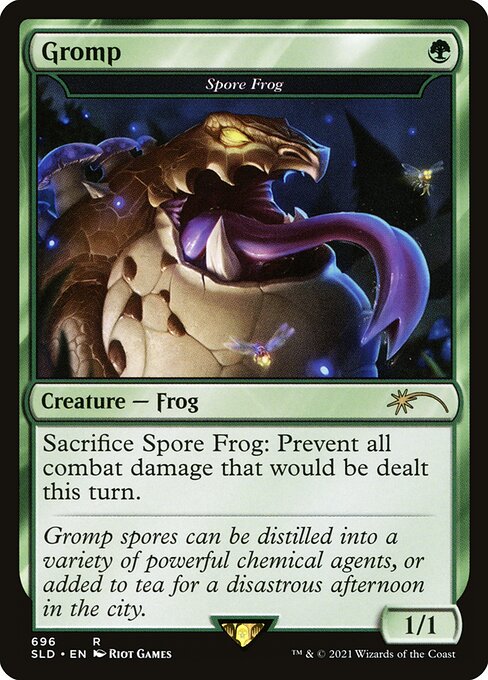
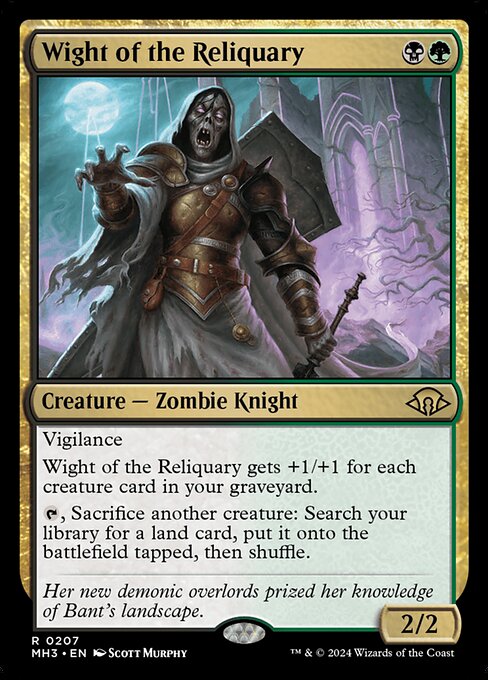
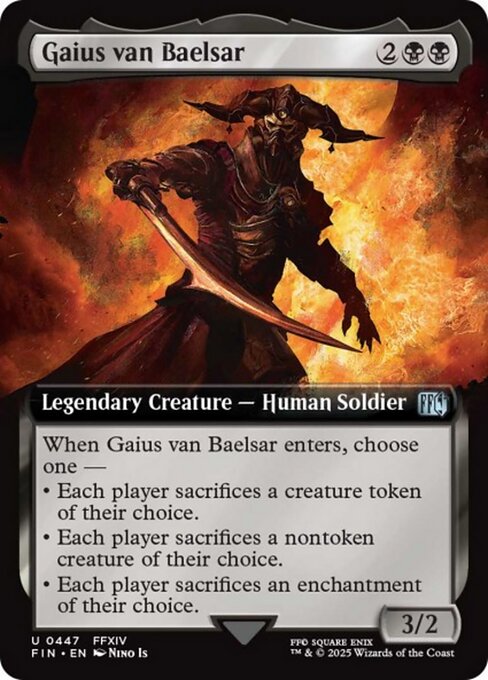
Once Meren starts accumulating experience counters, she can bring back anything you need. As it often is with Golgari decks, your graveyard is a second hand. Take and use anything you want from it. You can endlessly re-play Spore Frog every turn to prevent all damage, or loop haymakers like Ravenous Chupacabra, Wight of the Reliquary, or Gaius van Baelsar every turn. Or you could keep bringing back any of the key pieces already showcased before.
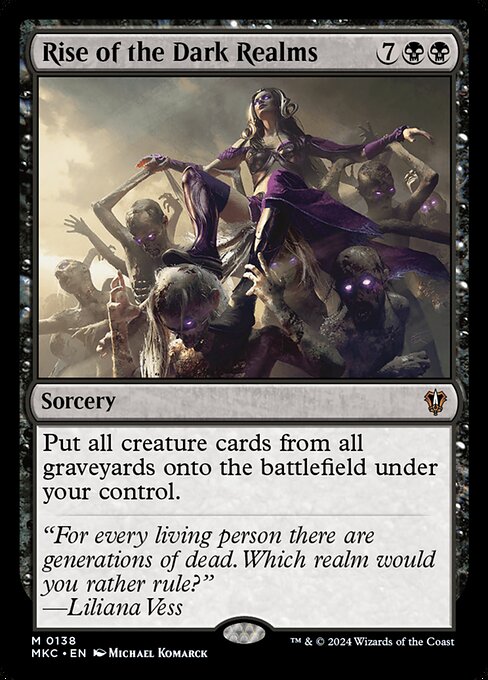
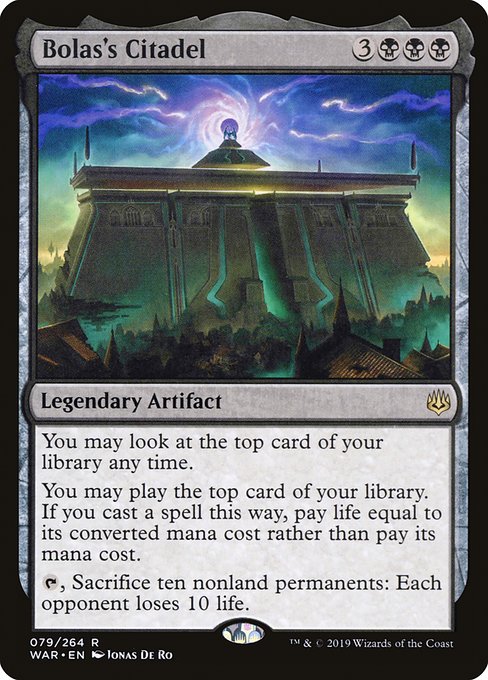
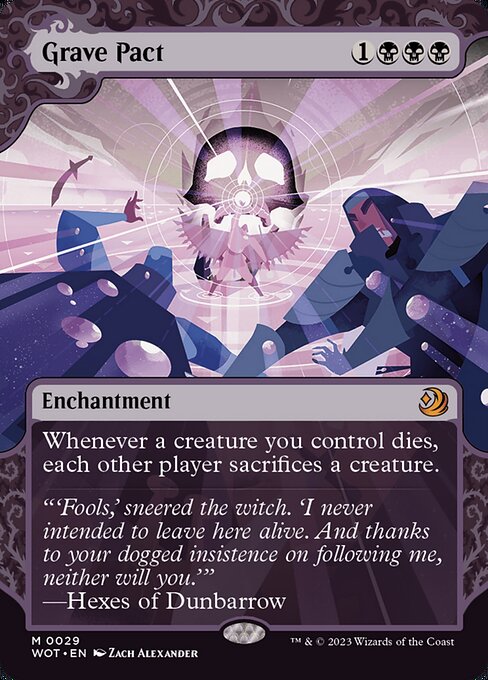
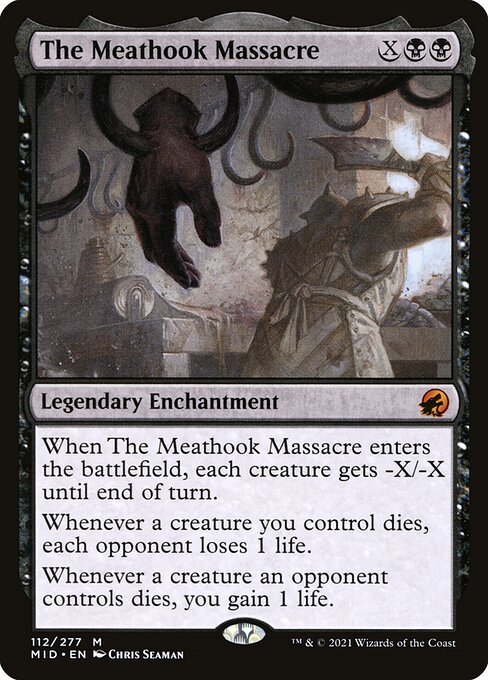
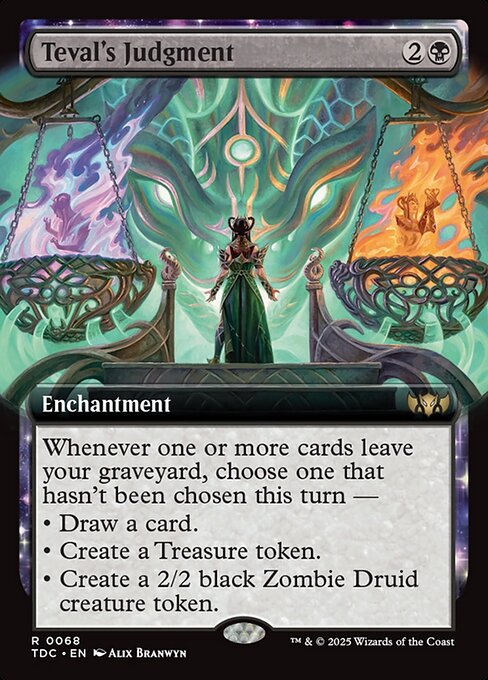
Then we have the heaviest of our heavy hitters, Rise of the Dark Realms, Living Death, and Bolas's Citadel which can turn any mediocre board states into instant wins. And with Grave Pact, The Meathook Massacre, and Teval's Judgment, you can control combat, tempo, and creature movement entirely.
This deck doesn’t rush. It waits. It grinds. And then it wins through coming back and back again and back.
Commander
Creatures (39)
Instants (8)
Sorceries (9)
Artifacts (5)
Enchantments (8)
Lands (30)
99 Cards
$539.63
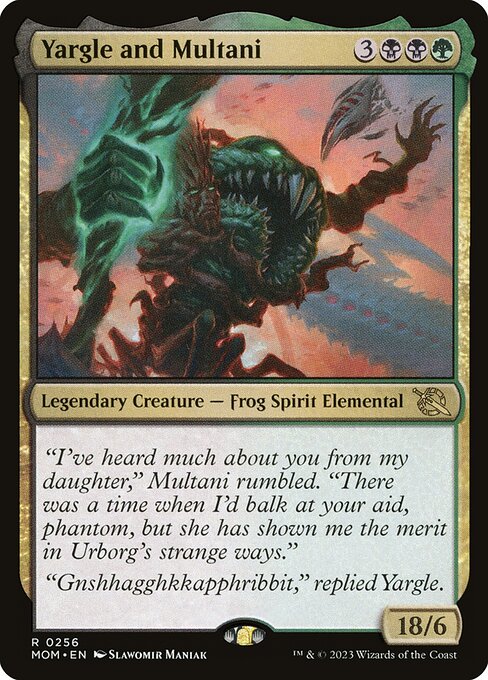
4. Voltron — Yargle and Multani
Voltron may not be the first archetype players think of when they hear “Golgari,” but Yargle and Multani turn the color pair into a terrifying one-shot machine. With a base power of 18, this commander needs only a few buffs, or one piece of evasion, to start delivering lethal Commander damage out of nowhere.
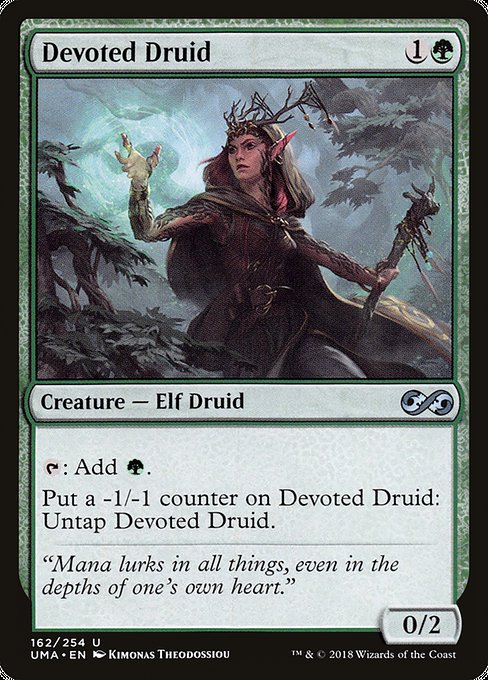
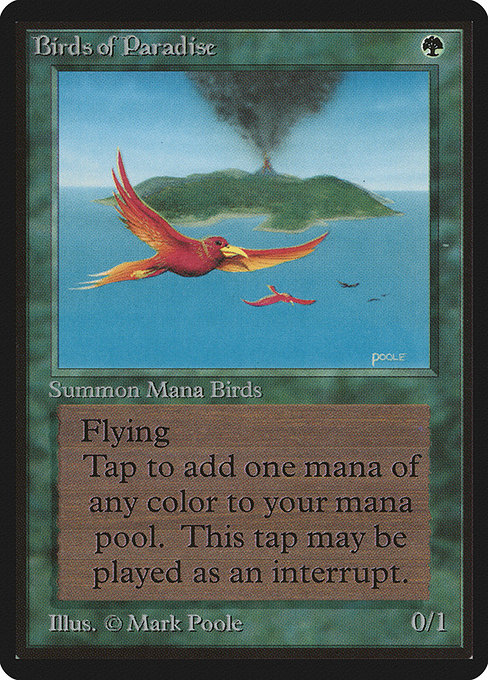
This list is a perfect hybrid of ramp, protection, and aura-based stat amplification. Mana dorks like Llanowar Elves, Elvish Mystic, Fyndhorn Elves, Paradise Druid, Devoted Druid, Birds of Paradise ensure your giant monster hits the field early.
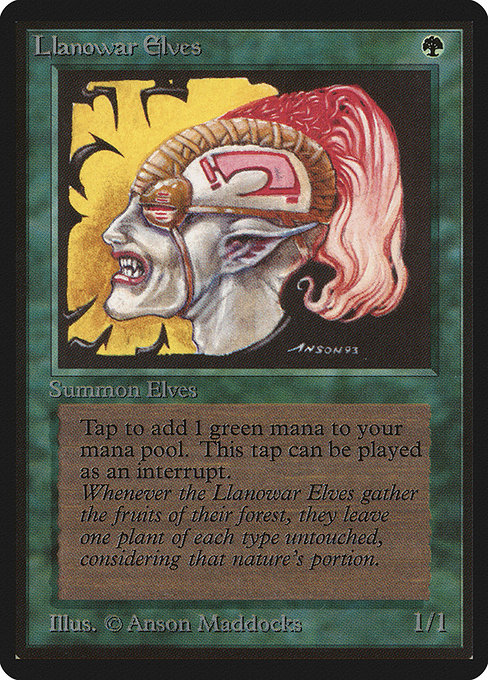
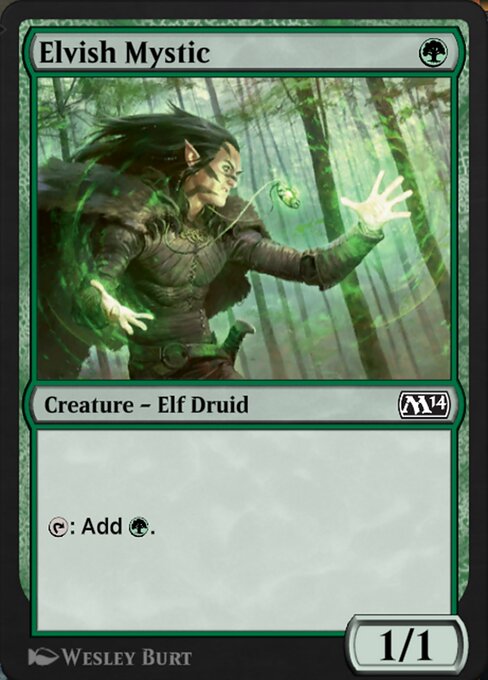
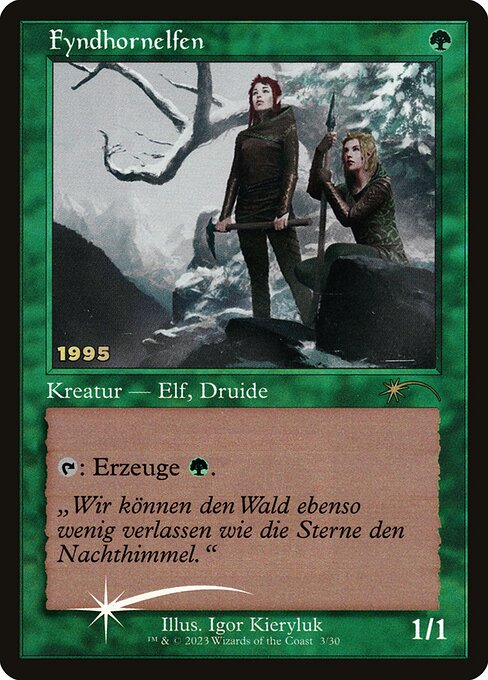
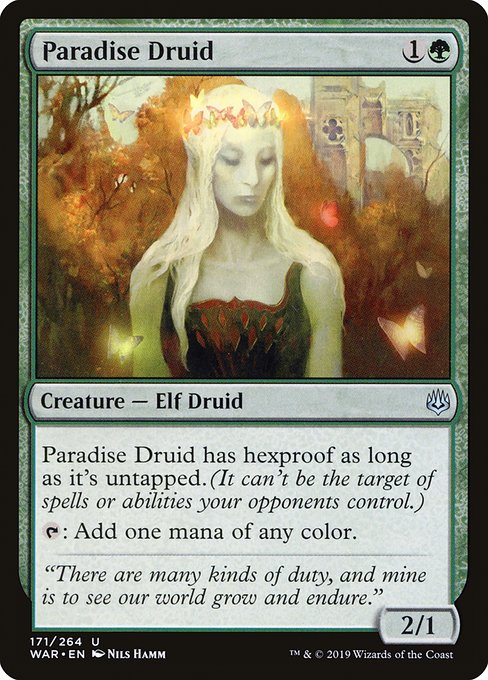
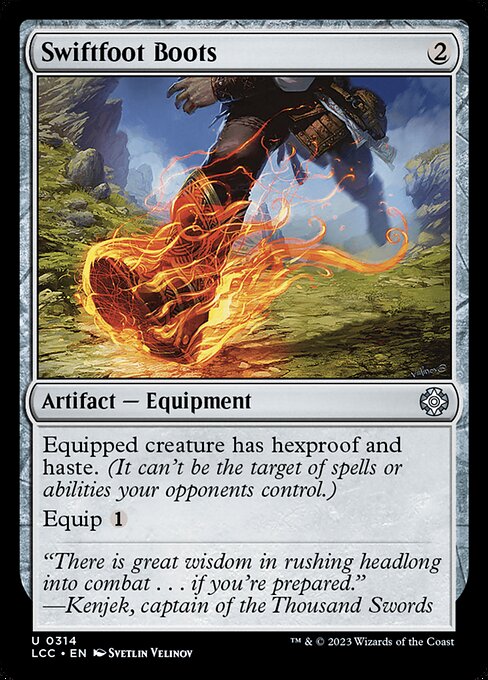
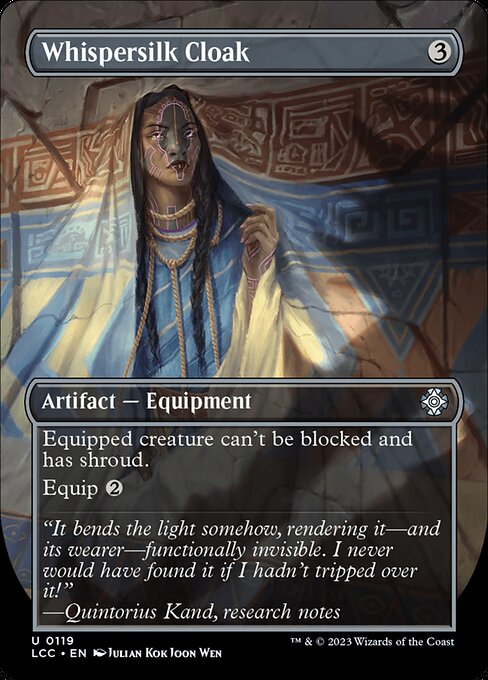
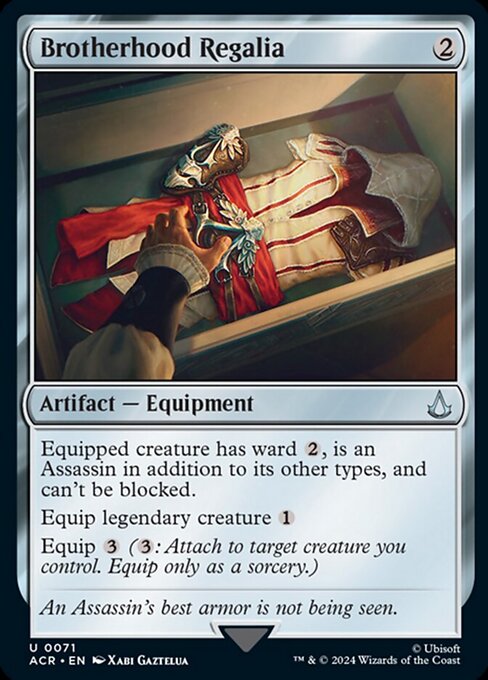
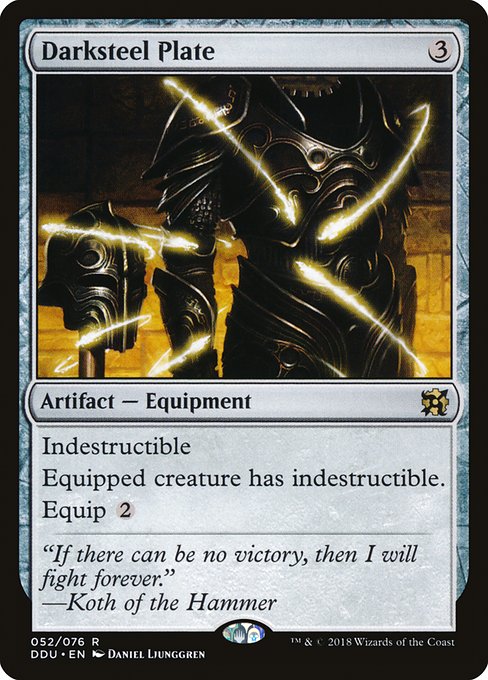
From there, protective gear like Swiftfoot Boots, Whispersilk Cloak, Brotherhood Regalia, and Darksteel Plate ensure Yargle and Multani stay on the battlefield as a living menace to anyone who steps out of line.
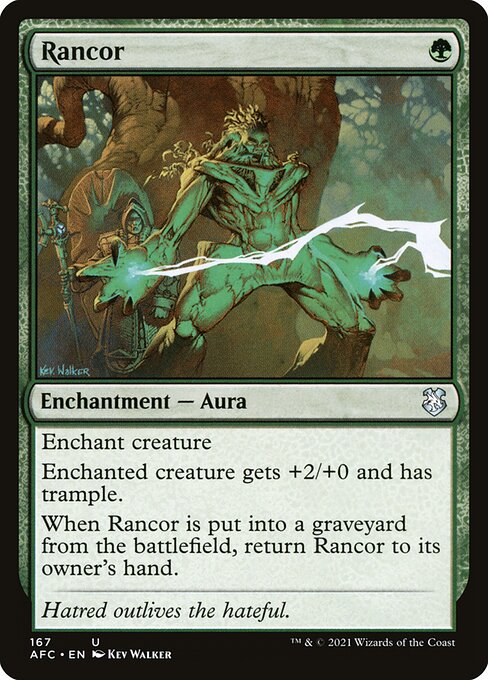
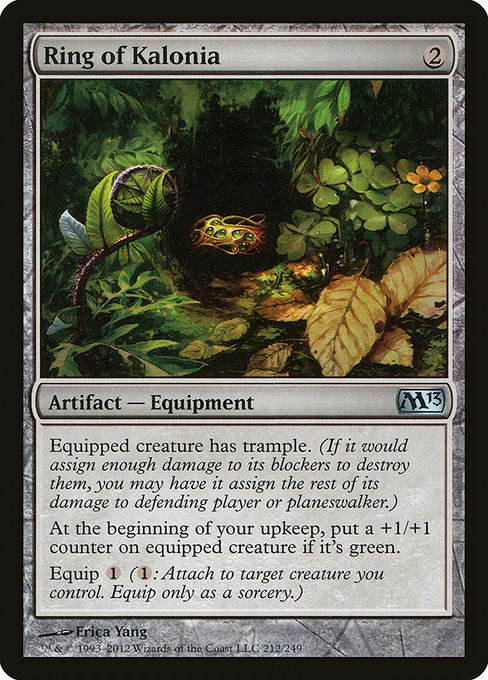
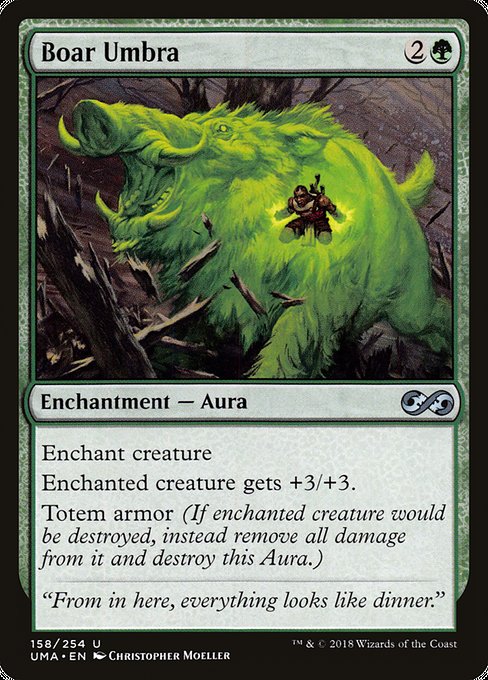
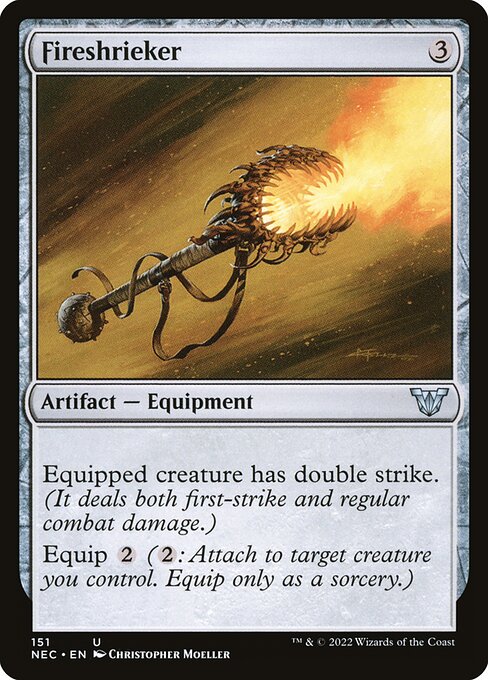
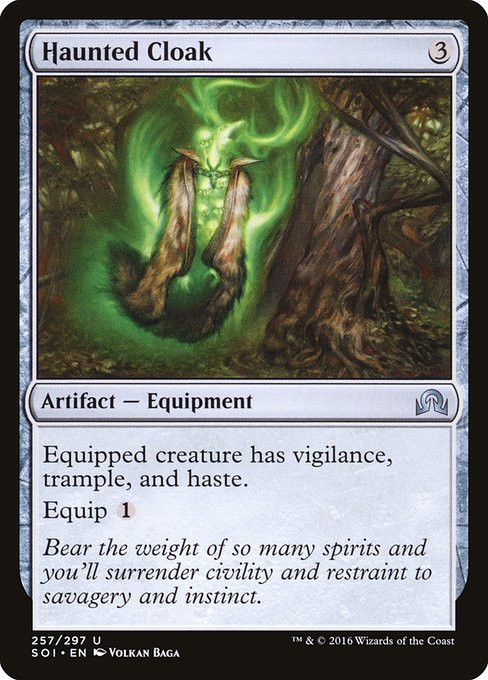
Once protected, the deck shifts into full-voltron mode. Buffs like Rancor, Ring of Kalonia, Boar Umbra, Fireshrieker, Haunted Cloak turn your commander into an unstoppable meteor that can dish out more than enough damage to take anyone down.
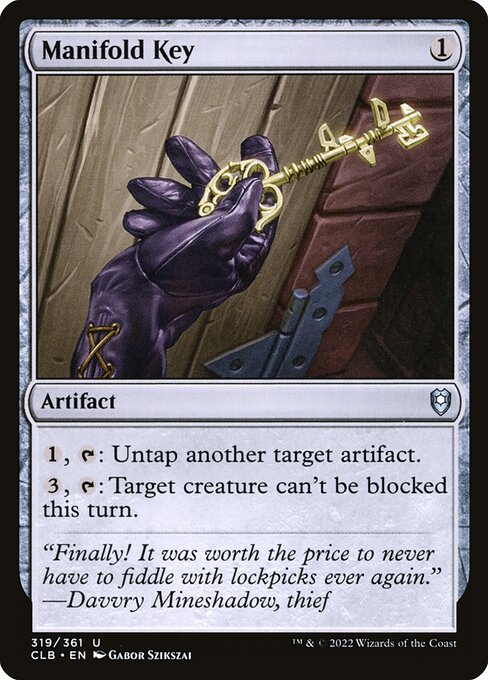
To deliver the killing blow, we have many evasion enablers in the form of Artifacts like
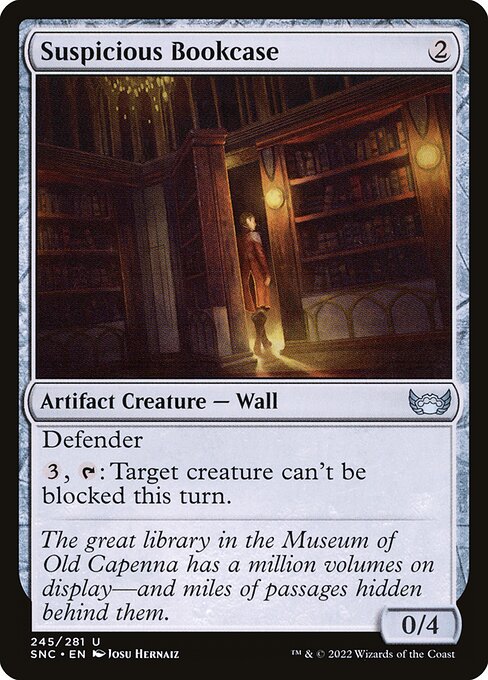
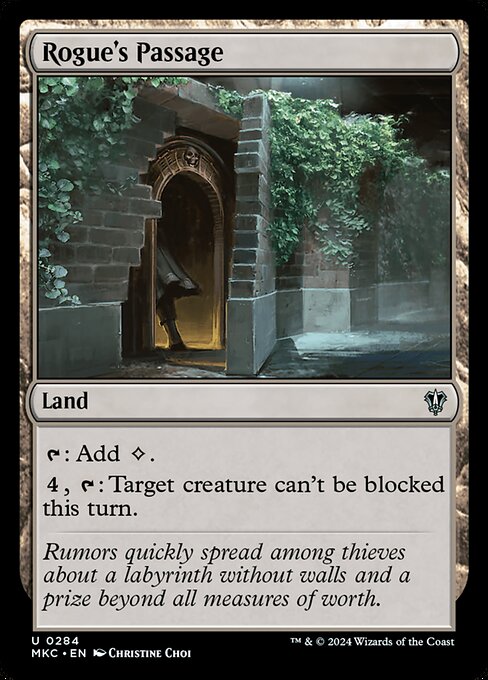
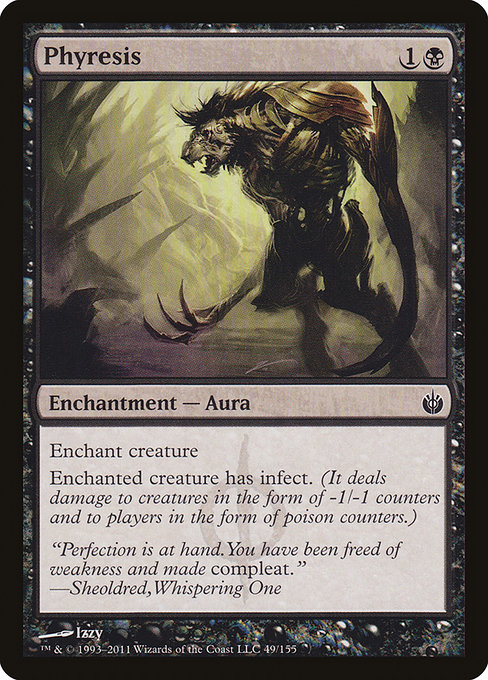
If normal combat damage isn’t enough, we have Phyresis at our disposal. Turn all of that normal combat damage into lethal infect.
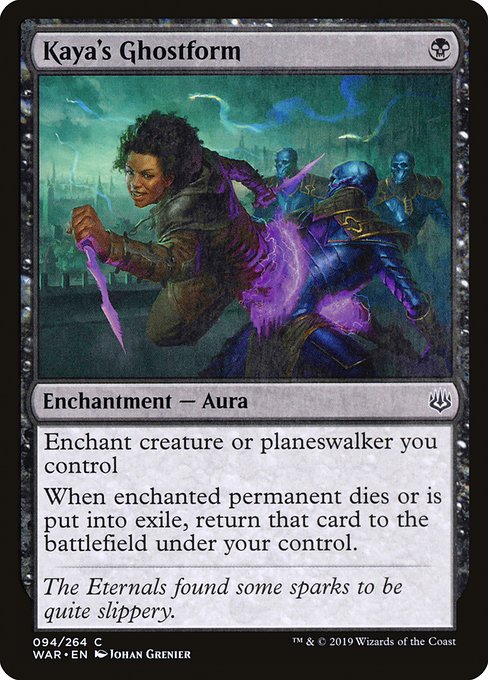
Be extra sure that Yargle and Multani will stay on the field with Kaya's Ghostform and Unholy Indenture. Keep them Well Rested to keep it growing and give you more options by drawing more cards. If they ever get rid of them, make sure your enemies pay the price with Dying Wish.
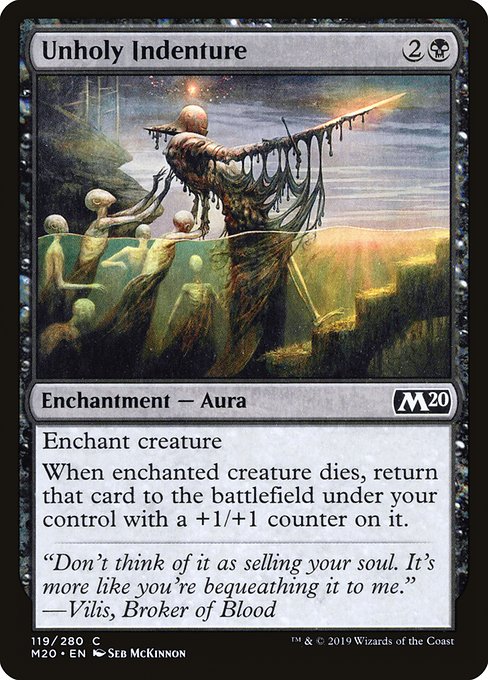
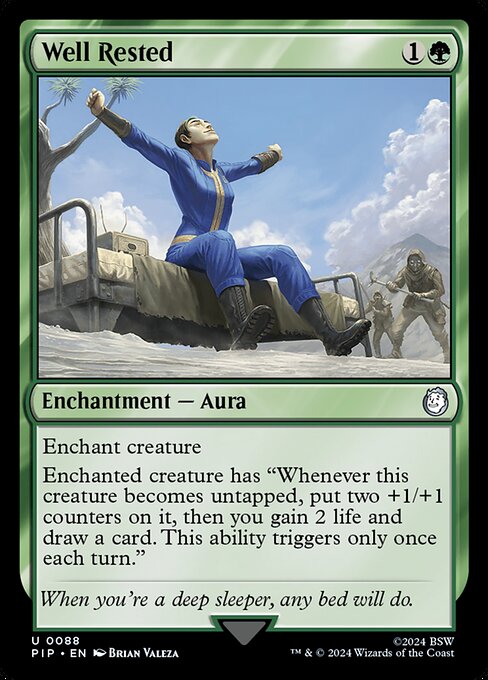
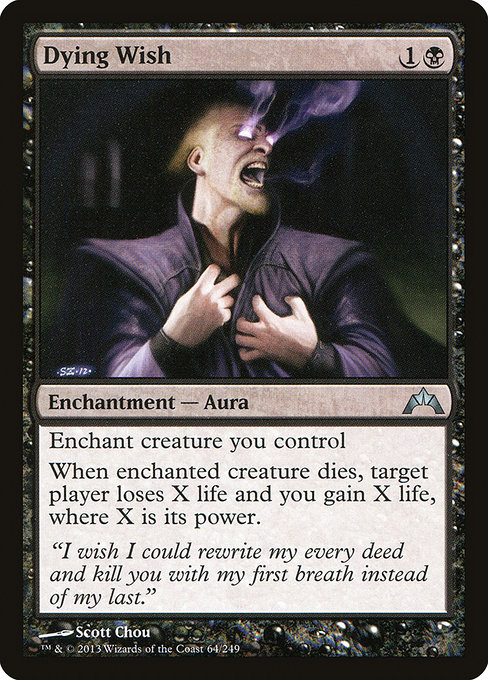
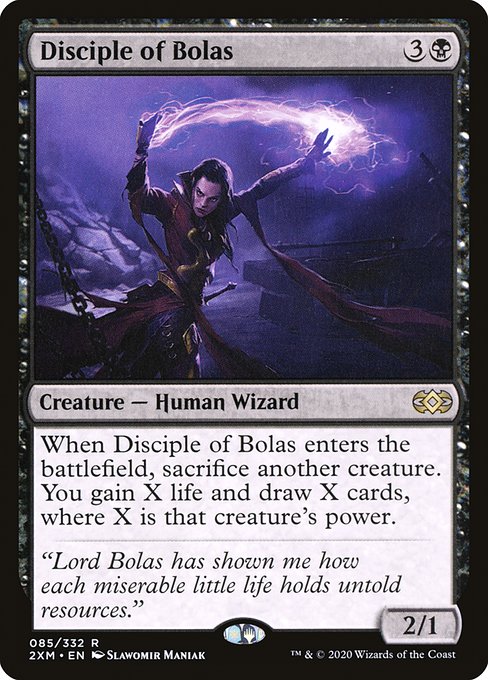
The deck is quite simple in what it sets out to do, and we’ve got plenty of cards to help us get there. Be it by giving us a boost in mana, or by letting us draw extra cards with Phyrexian Arena, and Disciple of Bolas.
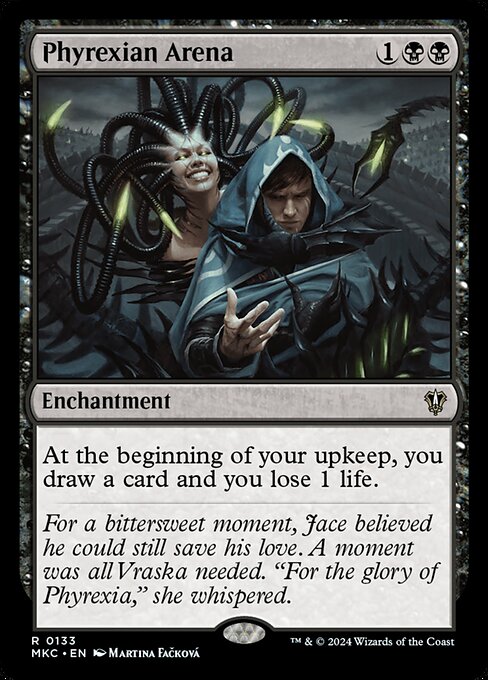
Yargle and Multani turn subtle Golgari grind into raw, overwhelming force. They don’t recur your board, they end the game before you need to.
Commander
Creatures (25)
Instants (4)
Sorceries (4)
Artifacts (19)
Enchantments (12)
Lands (36)
100 Cards
$265.92
Closing Thoughts — Embracing the Rot, Rising From the Roots
Golgari is more than a color combination, it’s a worldview. It’s the belief that power is never truly lost, only transformed. Everything dies, everything feeds something else, and everything eventually returns stronger. Whether you’re self-milling half your deck, turning lands into power, suiting up a massive creature, or draining the table with aristocrat loops, Golgari rewards players who understand that progress is rarely linear. It’s cyclical, opportunistic, and patient.
Across the four archetypes we explored, one truth repeats itself: your graveyard is not a downside, it’s a second hand. Self-mill pilots thrive on embracing chaos and turning “accidental” grave piles into explosive value. Lands Matter players weaponize natural growth, sculpting board presence through a steady, almost unstoppable expansion. Voltron players embrace symbiosis, letting one creature embody the might of the entire ecosystem. And Aristocrats players? They accept what other colors fear, the inevitability of death, and wield it as the sharpest tool in their arsenal.
What makes Golgari special is that its victories rarely feel accidental. They’re the result of resilience, layering, synergy, and knowing when to pivot. A single removal spell rarely stops you. A board wipe is often just fertilizer. Graveyard hate may slow you down, but it rarely shuts you off entirely. Golgari endures not because it’s the fastest, flashiest, or most efficient color pair, but because it keeps coming back, again and again, stronger than before.
So whether you’re brewing fungus-laden grave piles, land-churning ramp machines, hulking voltron monstrosities, or soul-draining aristocrat engines, Golgari asks you to think long-term. To see opportunity in decay. To embrace the cycle. And most importantly, to enjoy the moment your opponents realize that what they thought they killed… was only the beginning.