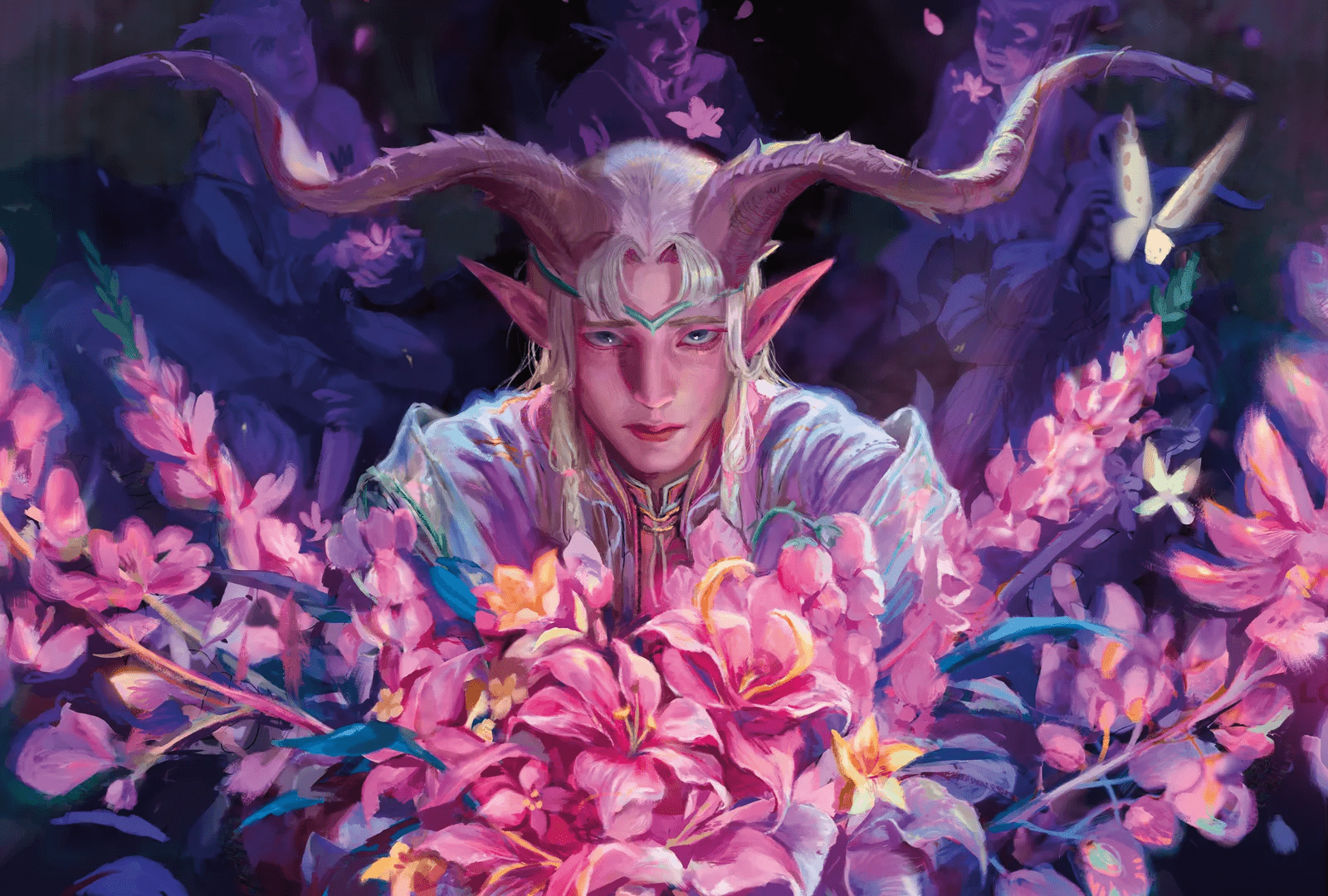


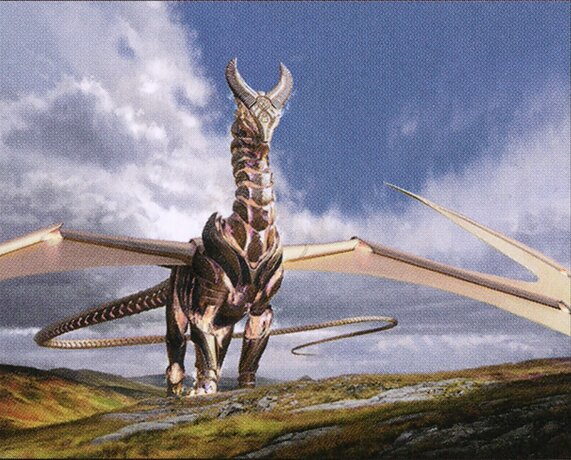


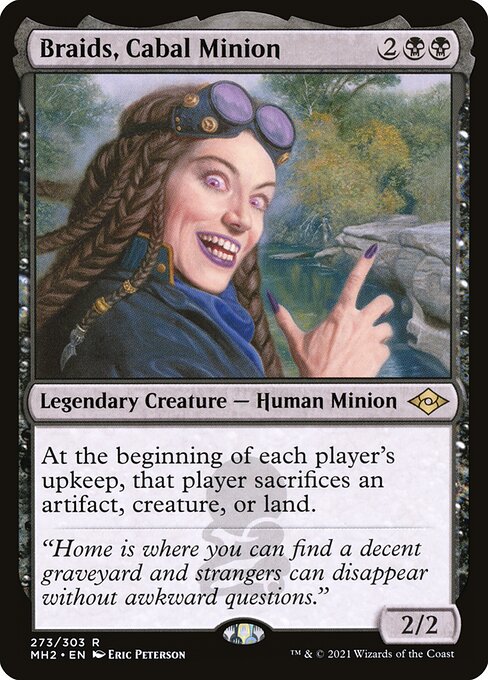
It is time for me to write about my favorite Commander: Braids. More specifically, her Black forms (because Planar Chaos is not a thing); the original Braids, Cabal Minion, and the newer, less salt inducing version Braids, Arisen Nightmare.
The original version focuses more on a Stax line of play, while the newer incarnation embraces Sacrifice and Aristocrats synergies. Despite sharing the same name and Mono-Black identity, the two Braids commanders create wildly different experiences at the table, while also bringing plenty of salt anyways. One aims to slowly suffocate the game by denying resources and forcing impossible decisions, while the other transforms disposable permanents into cards, life drain, and explosive combo turns. Both are deeply thematic, brutally efficient, and capable of making entire tables groan the moment they enter the command zone.
Braids, Cabal Minion — Mono Black Stax
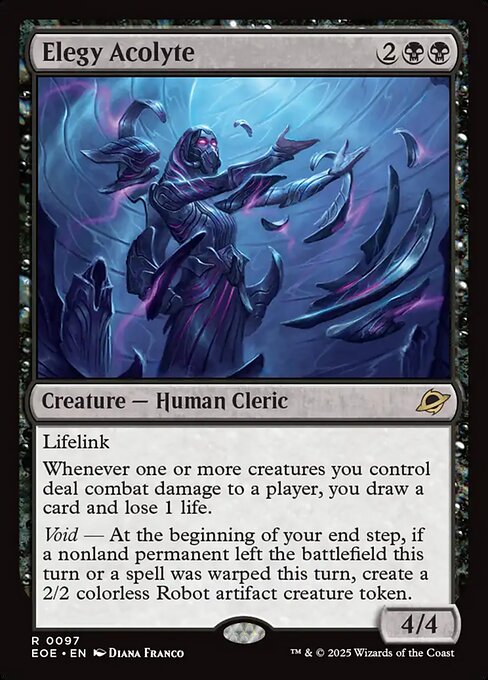
There are very few commanders in EDH history that carry the same reputation as Braids, Cabal Minion. She is one of the original “villain commanders” of the format, a card so oppressive that she was banned as a Commander for years because of how effectively she prevented opponents from actually playing the game. Even today, despite Commander becoming dramatically faster and more powerful, Braids still represents one of the most punishing Stax strategies Mono-Black can offer.
The deck revolves around resource denial. Every upkeep, Braids forces each player to sacrifice an artifact, creature, or land. On paper, that effect sounds symmetrical. In practice, the deck is built specifically to exploit it while opponents slowly lose access to mana, creatures, and eventually entire turns.
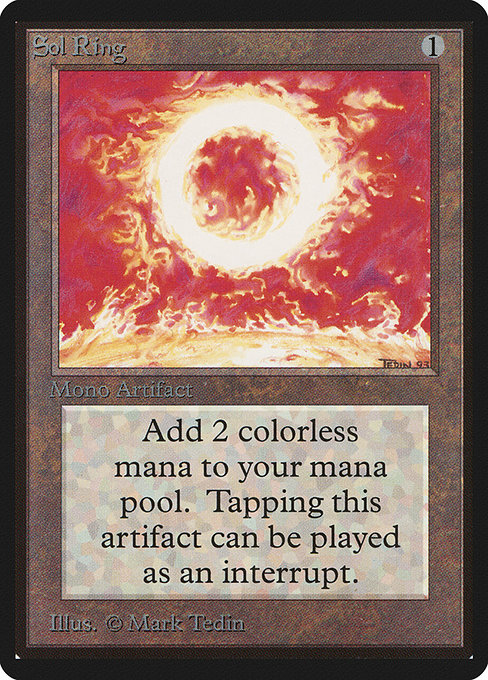
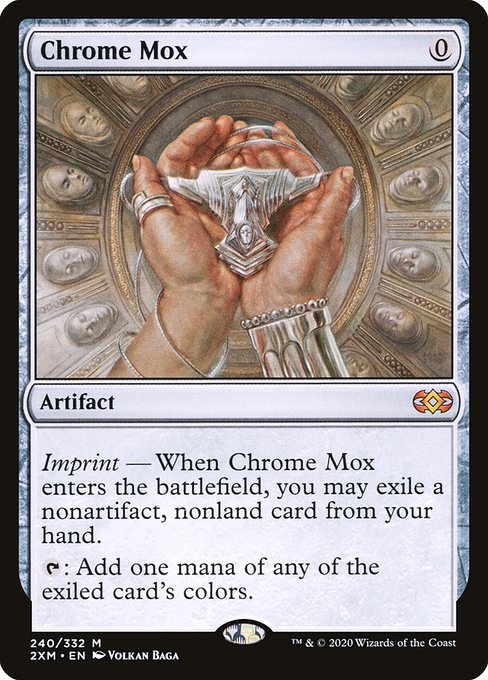
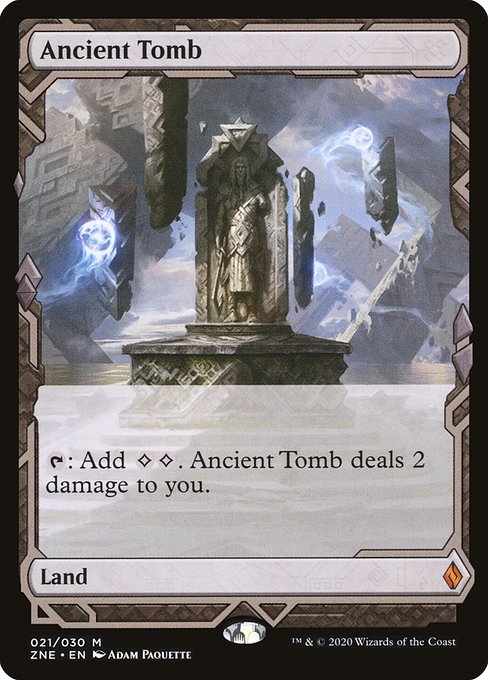
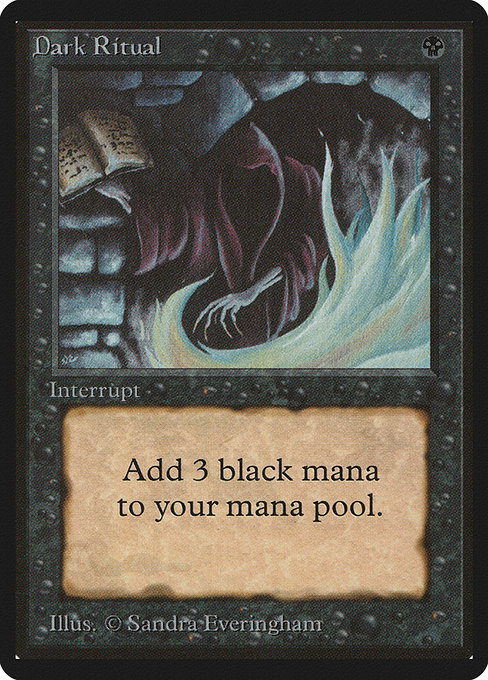
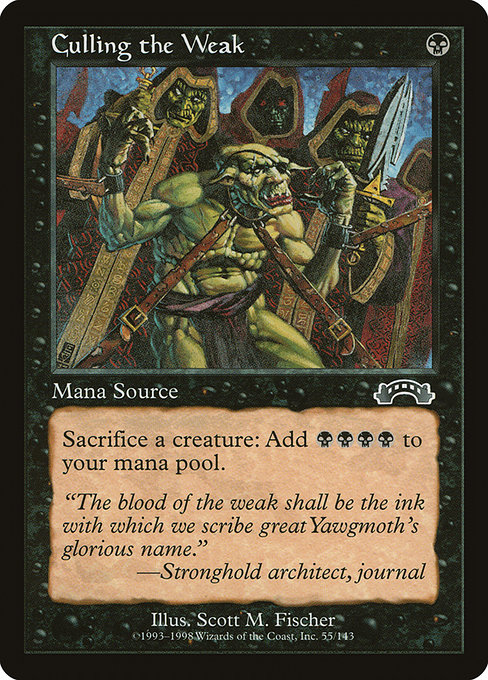
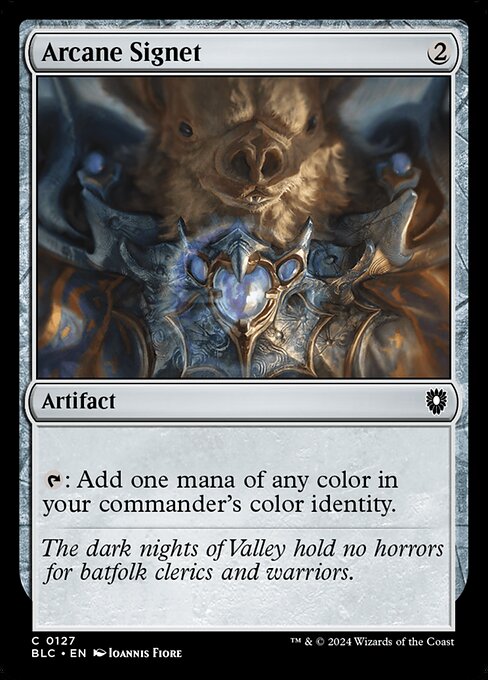
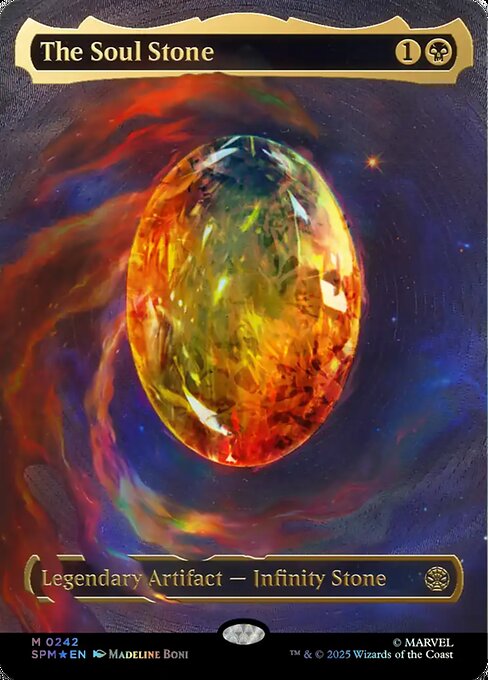
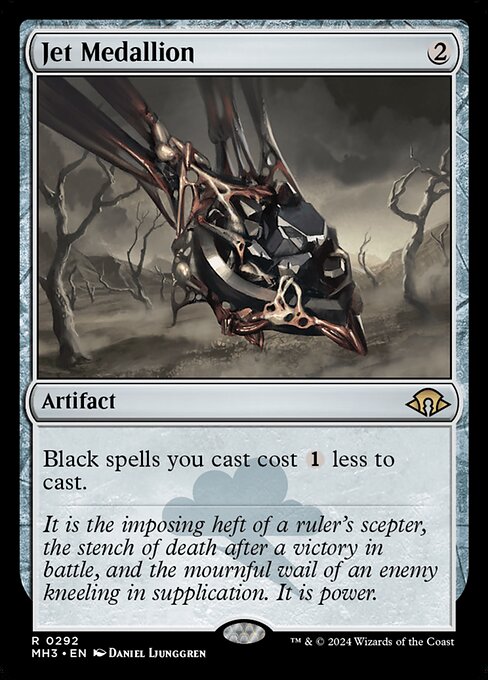
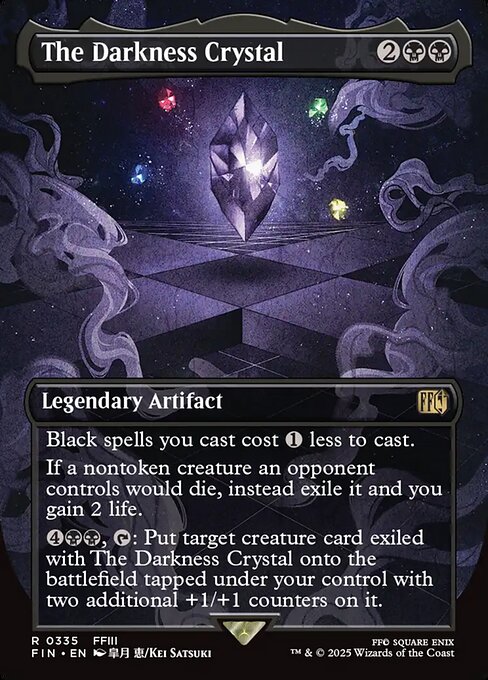
The first priority of the deck is accelerating into Braids as quickly as possible. Fast mana pieces like Sol Ring, Chrome Mox, and Ancient Tomb allow Braids to enter the battlefield far earlier than most tables are prepared for. Black rituals such as Dark Ritual and Culling the Weak make explosive openings extremely common, especially when paired with token generators or recursive creatures. Arcane Signet and The Soul Stone are both solid mana rocks that also help us advance in mana.Jet Medallion and The Darkness Crystal though not “fast mana” enablers, they do discounts all of our Black spells.
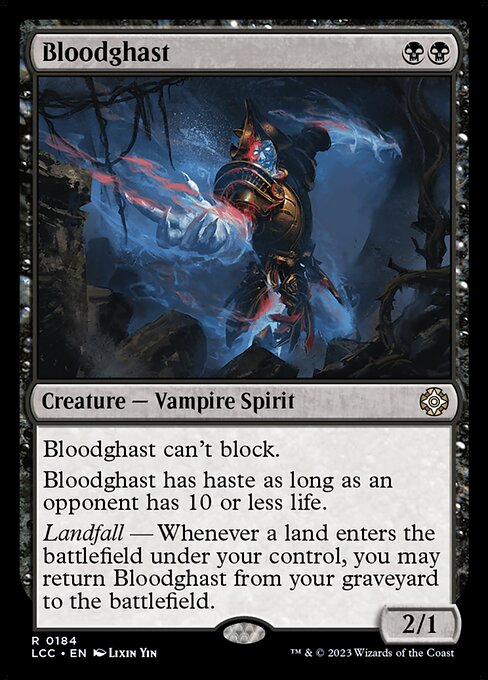
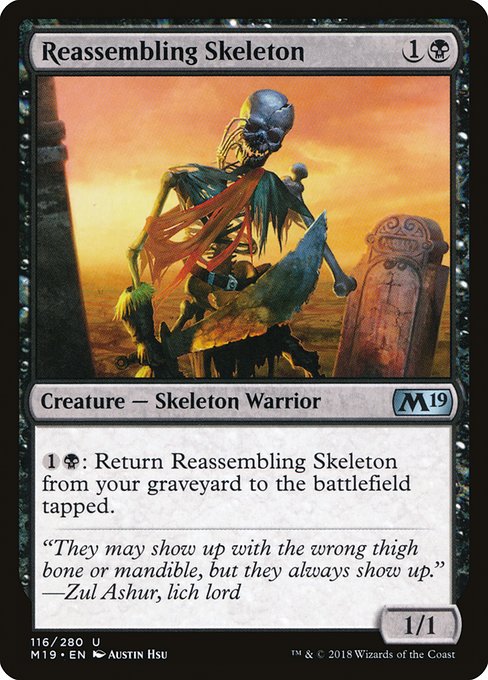
Once Braids resolves, the deck begins assembling permanents that are designed to be sacrificed repeatedly without costing meaningful resources. Bloodghast is one of the strongest examples because it continuously returns from the graveyard through land drops. Reassembling Skeleton fills a similar role, repeatedly coming back for minimal mana investment. Cards like Jadar, Ghoulcaller of Nephalia and Ophiomancer generate sacrificial bodies every turn, effectively turning Braids’ symmetrical effect into a one-sided lock.
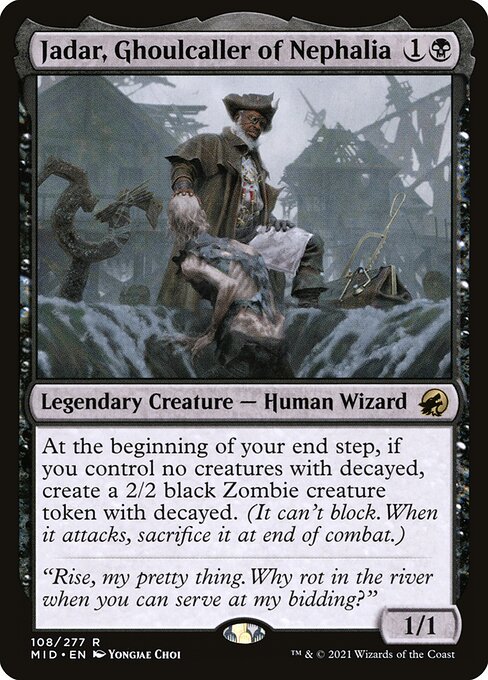
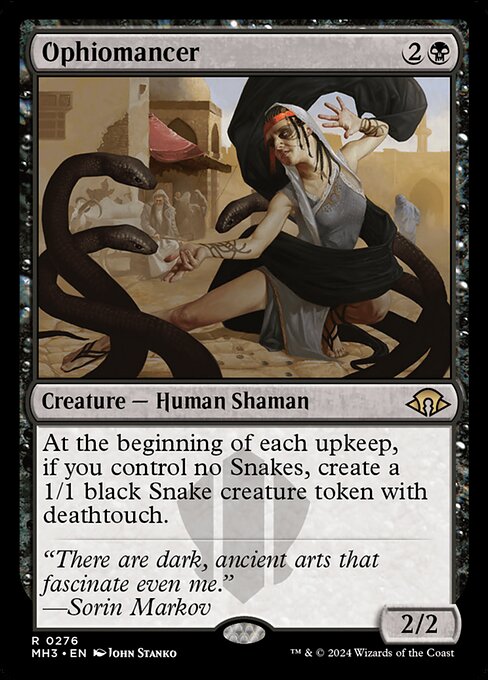
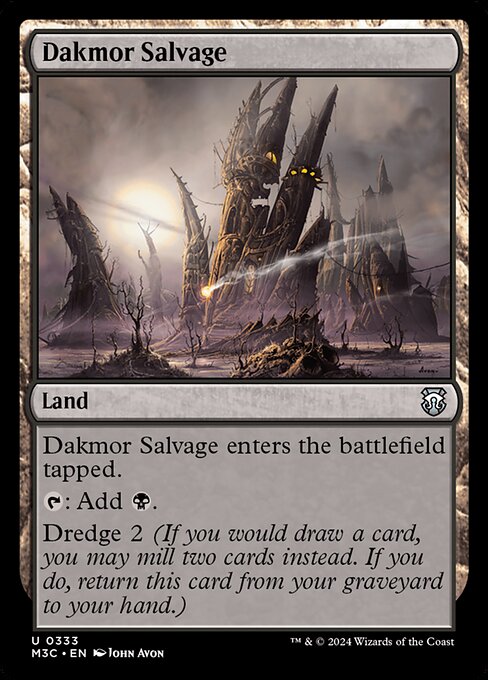
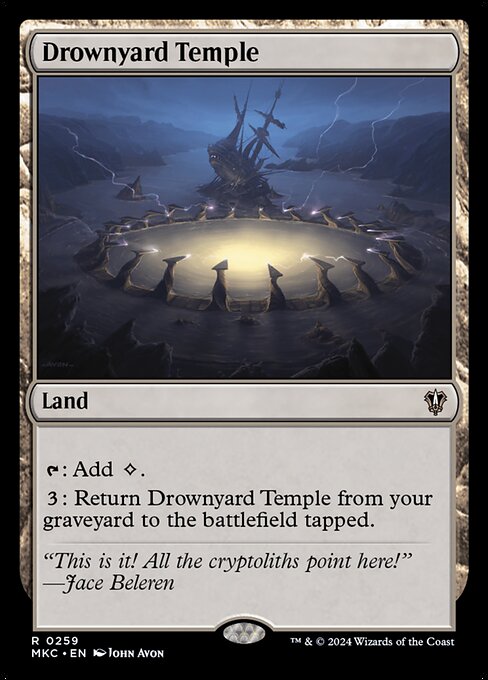
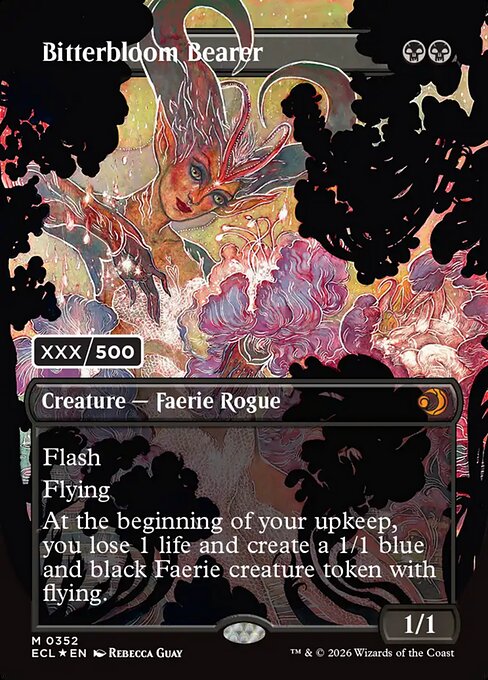
Aside from those cards, we have plenty of Sacrifice Fodder for Braids to function without an issue, for example: Dakmor Salvage, Drownyard Temple, Bitterbloom Bearer,
That’s where the deck becomes truly oppressive.
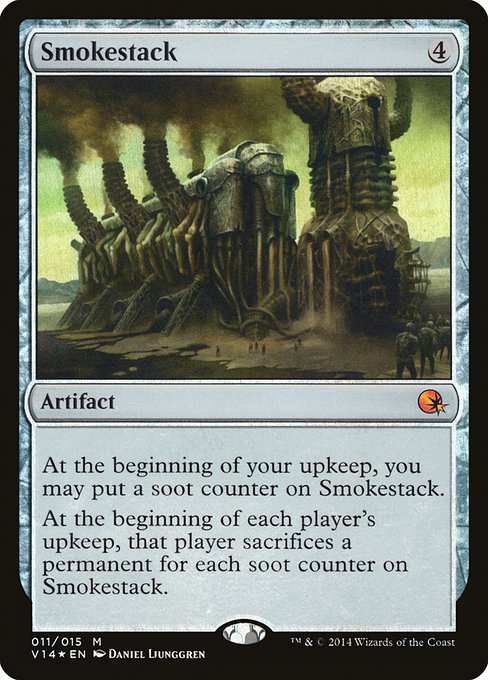
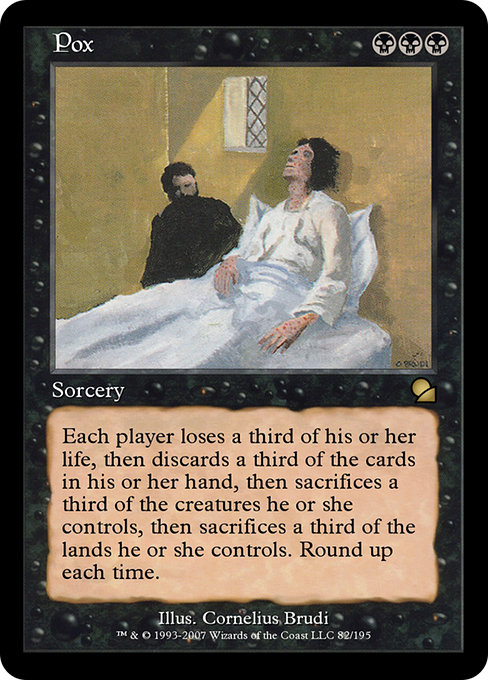
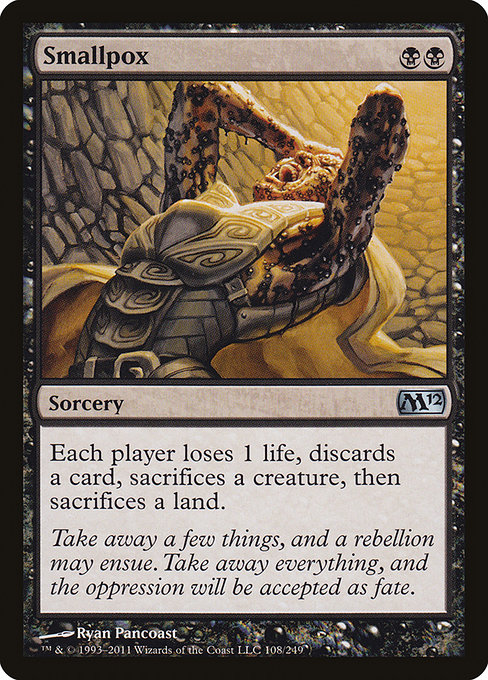
Cards like Smokestack, Pox, Smallpox, and Pox Plague amplify the resource denial plan dramatically. Opponents already struggling to keep permanents on the battlefield suddenly begin losing lands, cards on their hand, creatures, and even just all around permanents simultaneously. Meanwhile, the Braids player continues sacrificing expendable tokens or recursive threats while remaining largely unaffected.

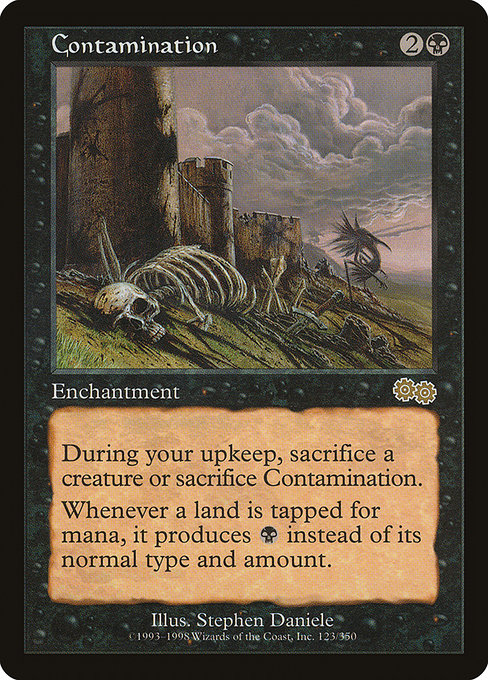
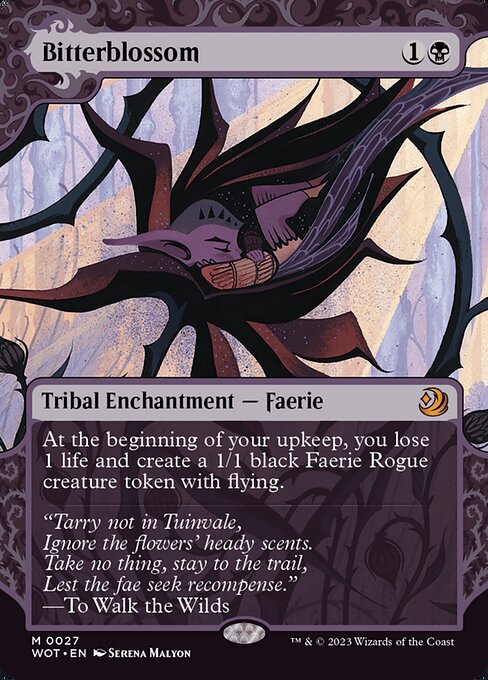
One of the nastiest interactions in the deck involves Contamination. Normally, turning all lands into Black mana affects everyone equally, but Mono-Black doesn’t care about this, and this deck is built specifically to exploit this effect. Once paired with our recurring token generators like Bitterblossom,
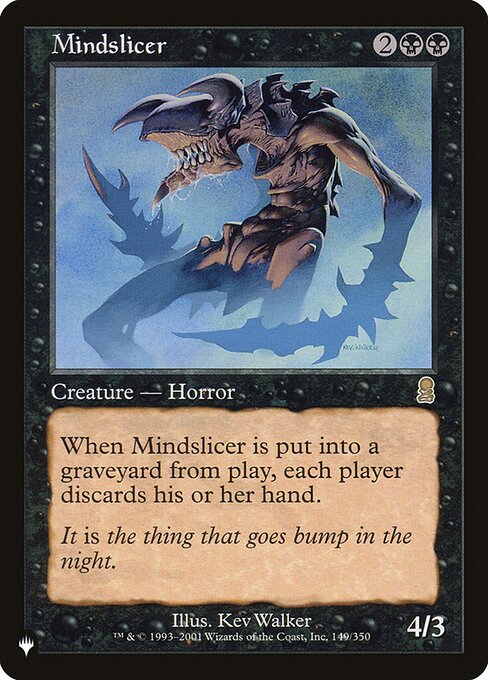
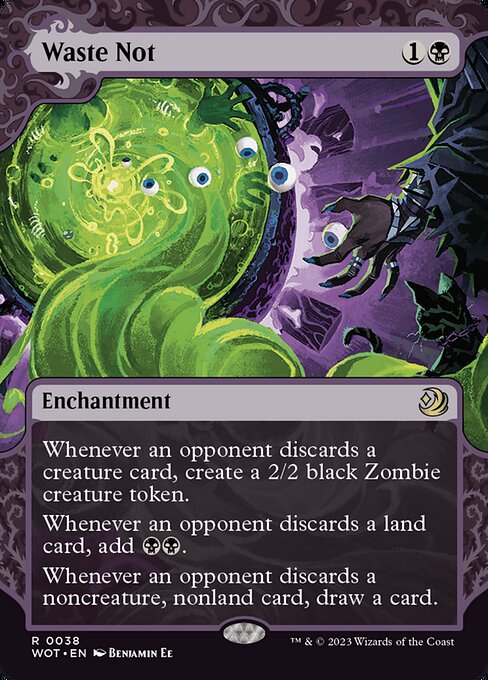
The deck also leans heavily into discard and hand destruction. Mindslicer is especially devastating because sacrificing it with Braids or another effect forces every player to discard their entire hand. Most decks cannot recover from this scenario, but Braids thrives in topdeck wars because its commander itself functions as continuous pressure. Cards like Waste Not further punish opponents for losing cards, turning discard into additional mana, creatures, and card draw.
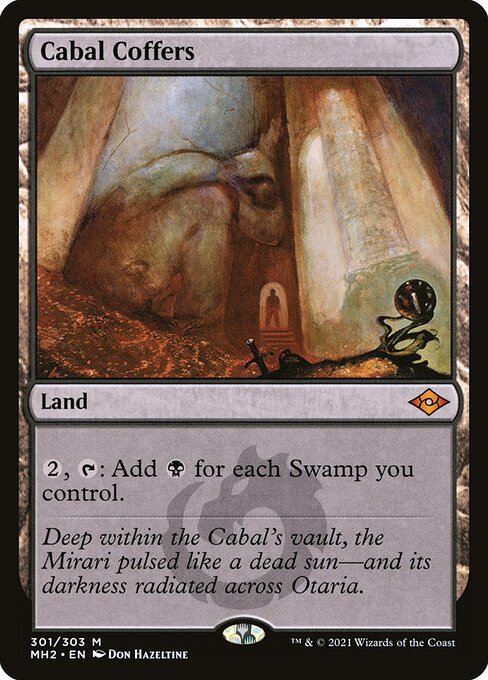
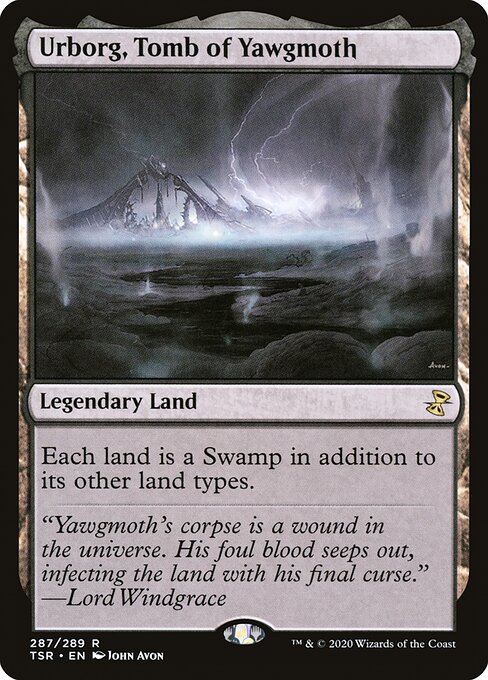
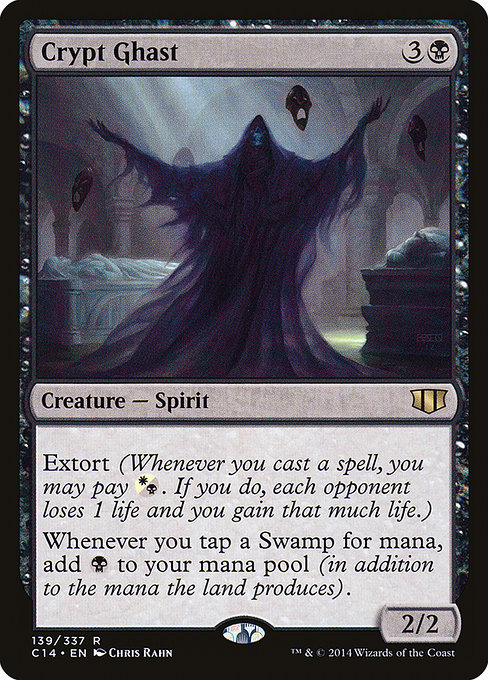
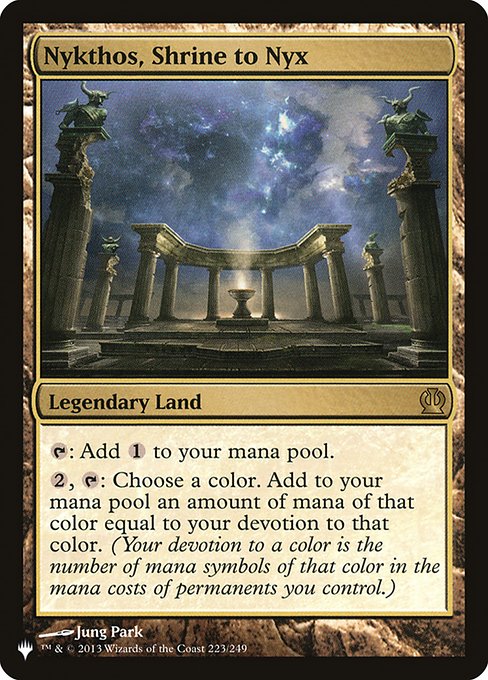
Mono-black’s massive mana production also plays a major role in the deck’s inevitability. Cabal Coffers paired with Urborg, Tomb of Yawgmoth creates enormous mana generation, especially alongside Crypt Ghast or Nykthos, Shrine to Nyx. This allows the deck to cast devastating late-game spells while opponents remain trapped under Stax effects.
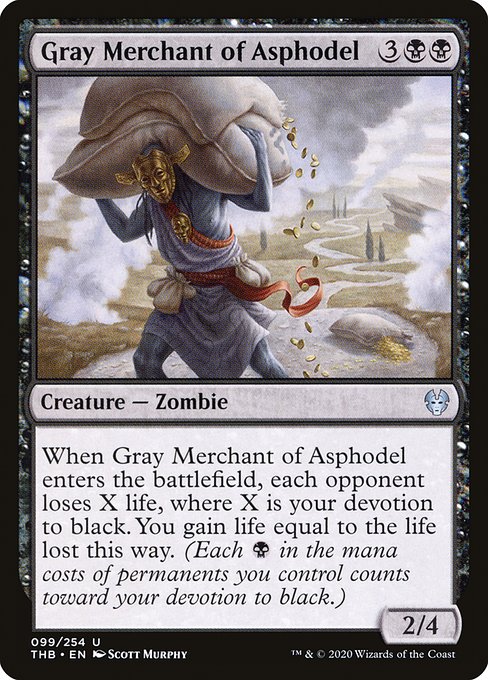
The finishers themselves are surprisingly varied. Some games end through pure attrition as opponents slowly lose all permanents and just concede. Others close through massive life drain effects from Gray Merchant of Asphodel or Meathook Massacre II.
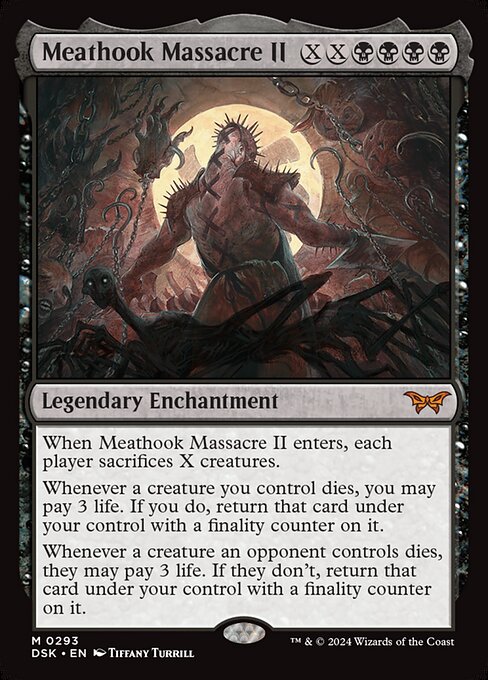
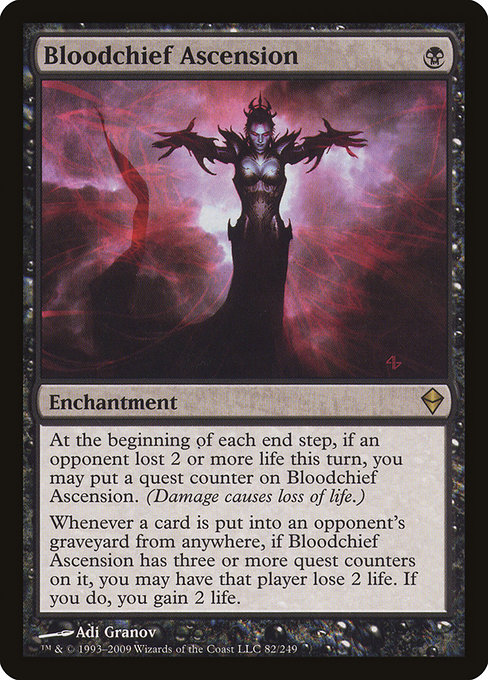
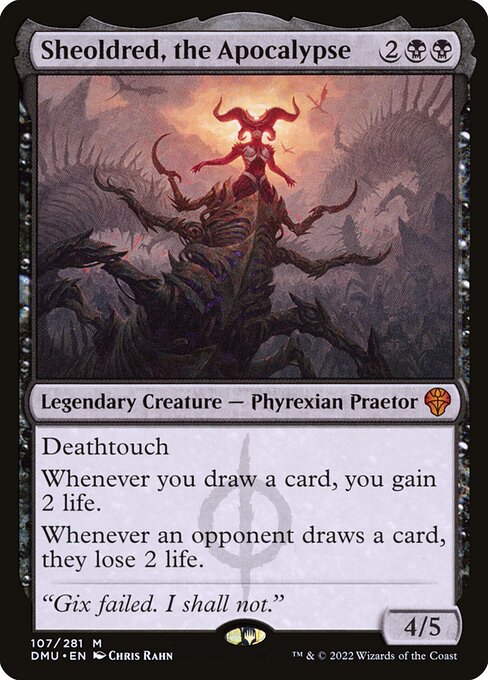
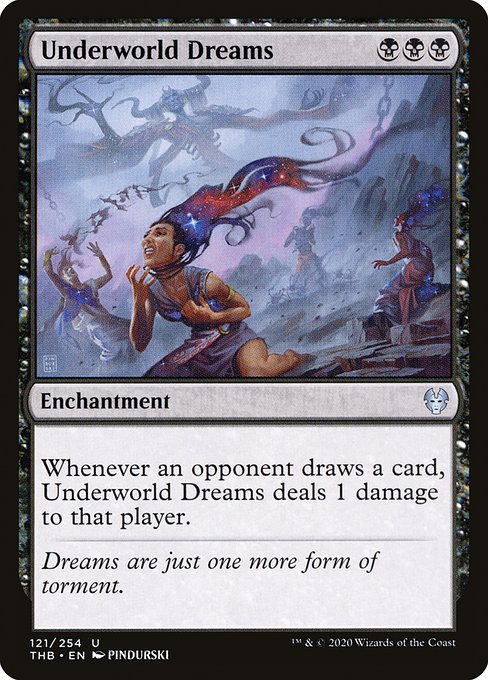
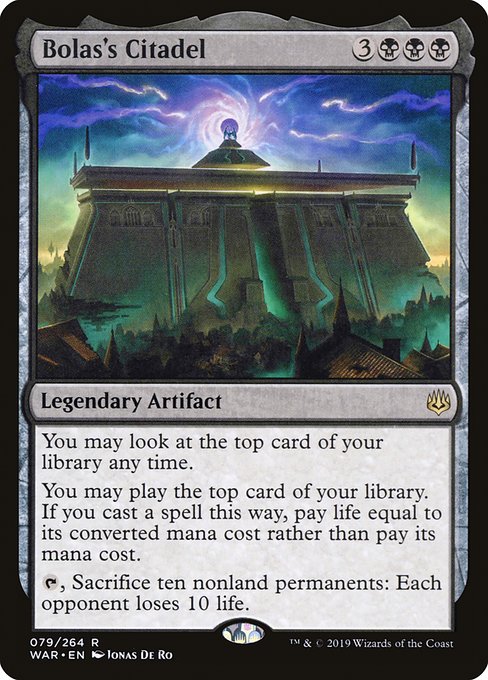
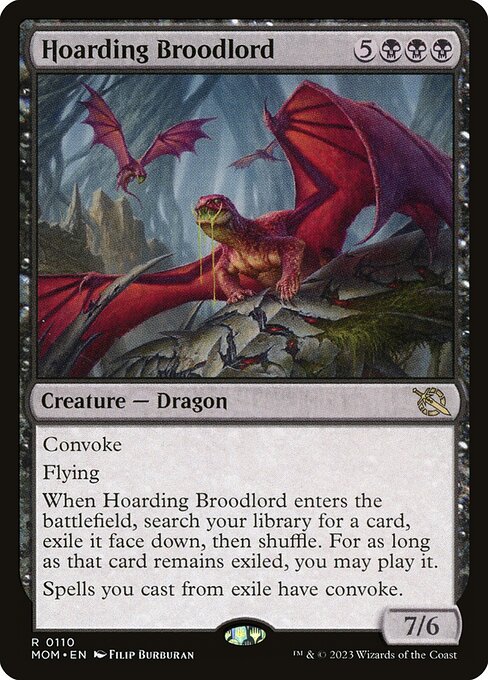
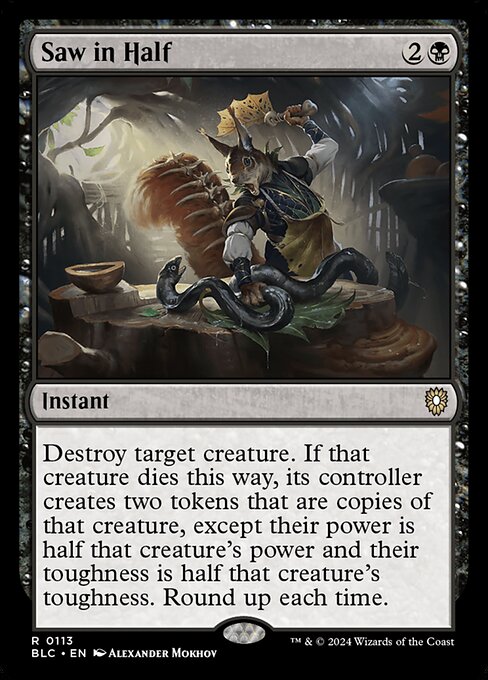
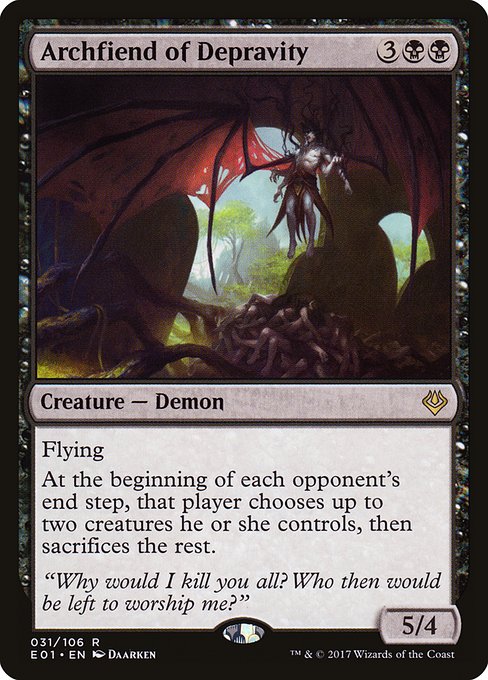
There are also several combo lines hidden within the deck. Bolas's Citadel can create explosive turns once life totals are stabilized, especially with sacrifice outlets and token generation. Hoarding Broodlord acts as both tutor and combo enabler, frequently setting up game-ending sequences involving reanimation or mass drain effects. Meanwhile, Saw in Half creates absurd value with cards like Gray Merchant of Asphodel or Archfiend of Depravity, doubling ETB triggers while also leaving behind sacrifice fodder.
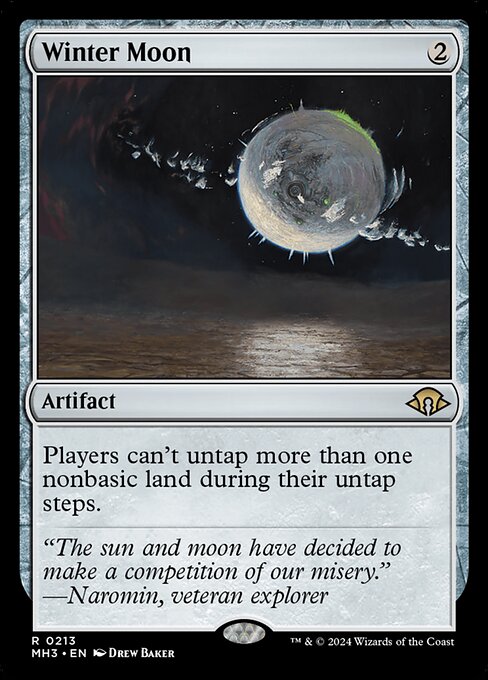
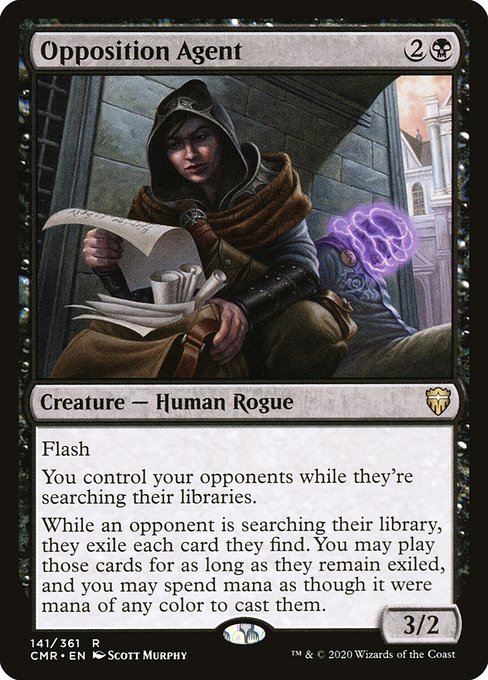
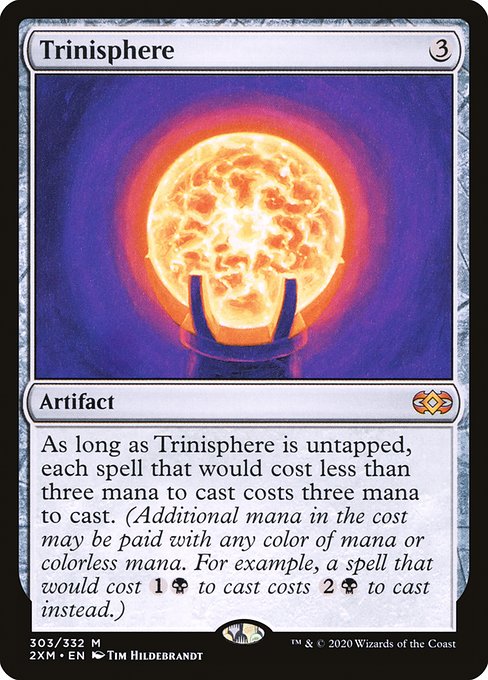
For more Stax effects we have Winter Moon which soft-locks everyone while we advance our plan; Opposition Agent which prevents our opponents from freely searching they libraries by giving us access to their libraries; Trinisphere which makes every spell under 3 mana cost 3 mana to cast, essentially raising the bar for every cheap spell they have; all the while Smokestack racks up counters and razes through their fields.
Perhaps the most important thing to understand about Braids is that the deck weaponizes inevitability rather than speed. It rarely wins immediately. Instead, it slowly compresses the game until opponents cannot meaningfully participate anymore, or they just get bored and give up even trying altogether. Every turn under Braids becomes progressively worse. Lands disappear, creatures vanish, hands empty, and mana development collapses entirely.
That’s why Braids generates so much salt at Commander tables. The deck doesn’t just try to win, it actively prevents everyone else from even playing the game in the first place. For players who enjoy methodical control, oppressive board states, and the feeling of slowly locking down an entire table, Braids, Cabal Minion remains one of the purest Stax commanders ever printed. Just remember, you WILL be the most hated player at your table. If that sounds like fun to you (as it does to me!), check the decklist here:
Commander
Creatures (24)
Instants (11)
Sorceries (9)
Artifacts (10)
Enchantments (10)
Lands (36)
100 Cards
$1829.38
Braids, Arisen Nightmare — Mono Black Aristocrats
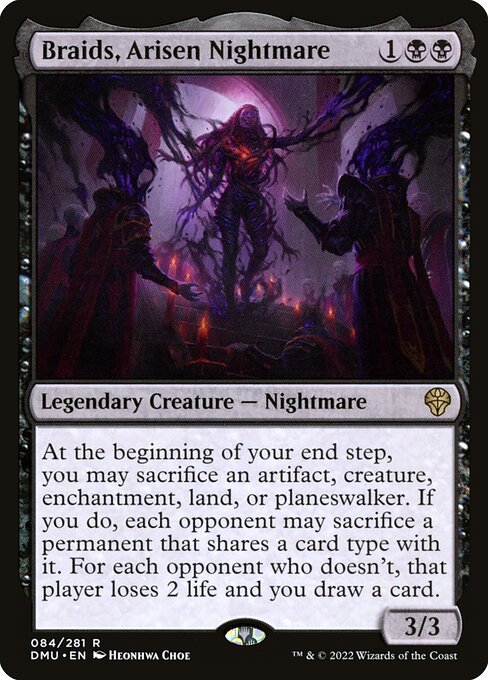
Where the original Braids suffocates the table through resource denial, Braids, Arisen Nightmare takes a far more value-oriented approach. She still pressures opponents into sacrifice decisions, but instead of locking players out completely, she transforms disposable permanents into cards, life drain, and aristocrat engines.
This version of Braids feels much more modern. Rather than relying on hard Stax locks, the deck focuses on creating recursive value loops while steadily bleeding the table dry.
At the beginning of each end step, Braids allows you to sacrifice an artifact, creature, enchantment, land, or planeswalker. Then, each opponent may sacrifice a permanent matching that type. If they don’t, they lose life and you draw a card for each player that didn’t. This creates an incredibly powerful political and resource engine because opponents constantly face terrible choices. Either they lose permanents, or they feed the Braids player additional cards.
The deck is built to exploit this asymmetry as efficiently and quickly as possible.
To start we have mana acceleration in the form of Chrome Mox, Lotus Petal, Sol Ring, Arcane Signet, Fellwar Stone, Jet Medallion, Mind Stone, and Thought Vessel to make sure we can get our key pieces into play fast.
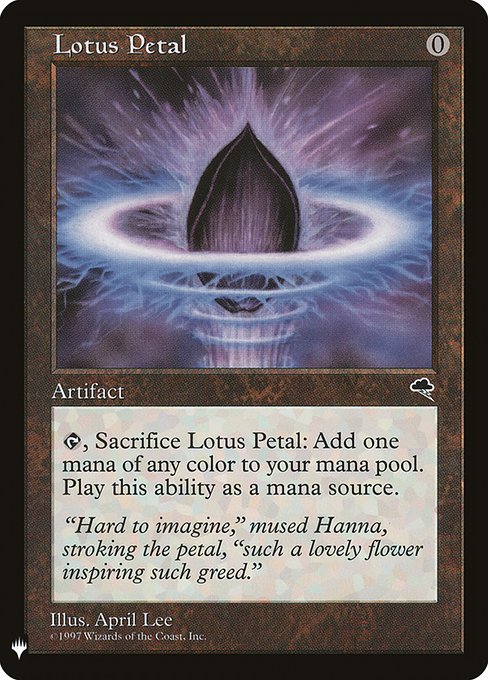
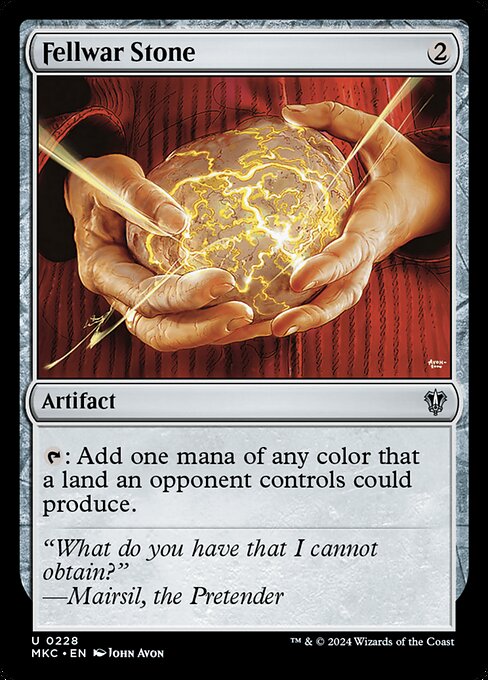
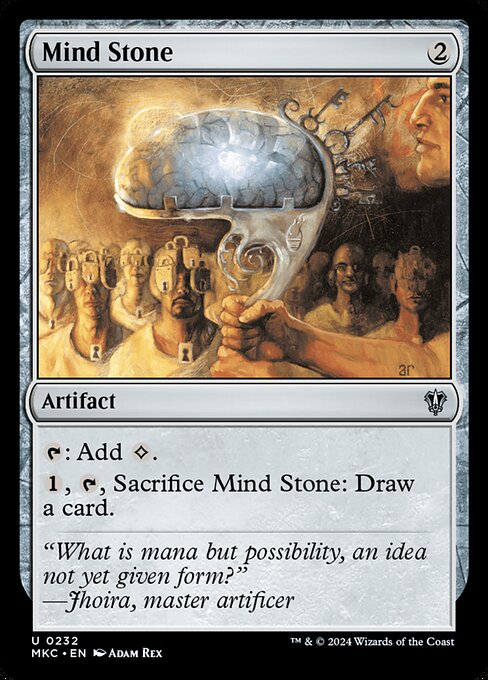
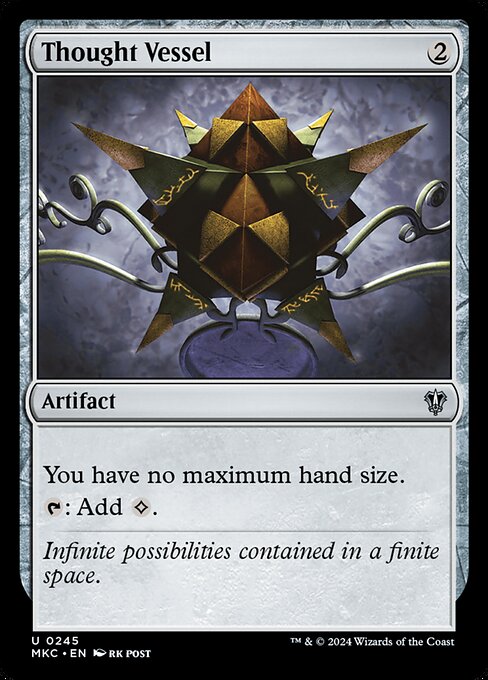
Token generation plays a massive role. Bitterblossom,
The aristocrats package is where the deck truly shines. Cards like Blood Artist, Zulaport Cutthroat, and Bastion of Remembrance ensure every sacrificed creature drains the table continuously. Meanwhile, Dictate of Erebos punishes opponents even further by forcing additional sacrifices whenever your creatures die.
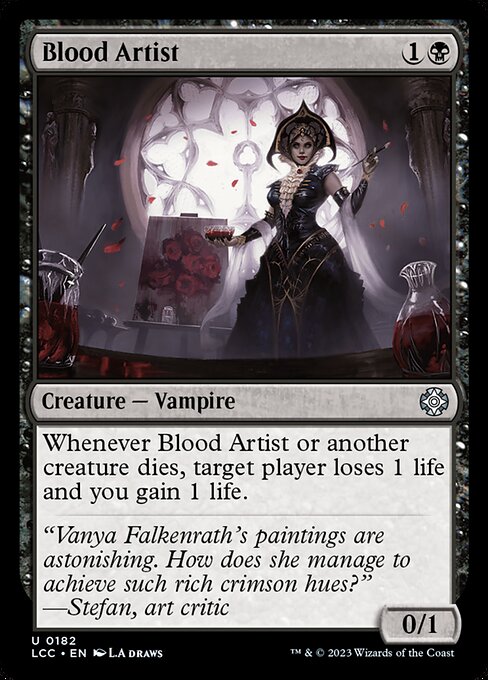
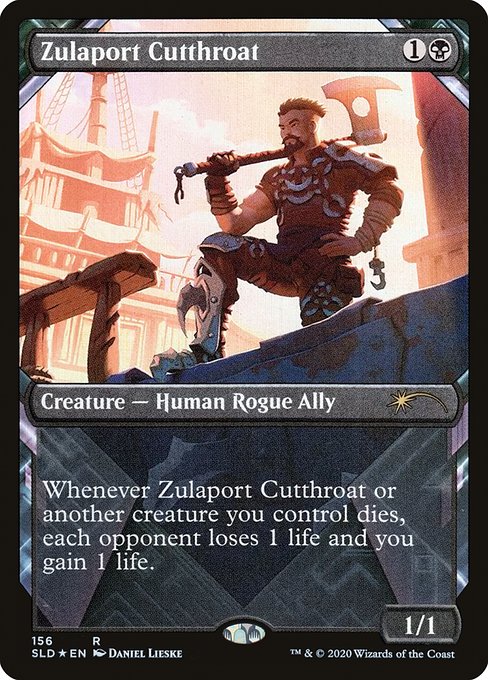
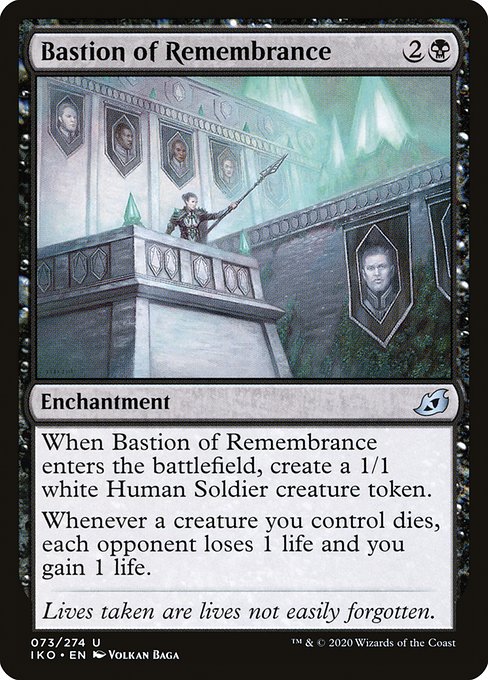
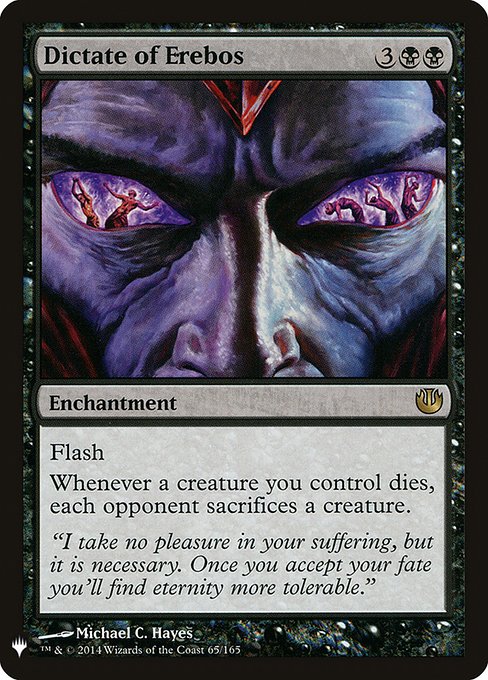
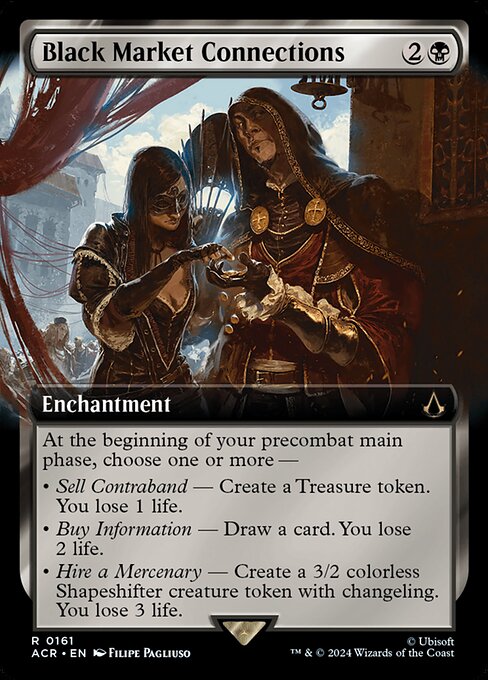
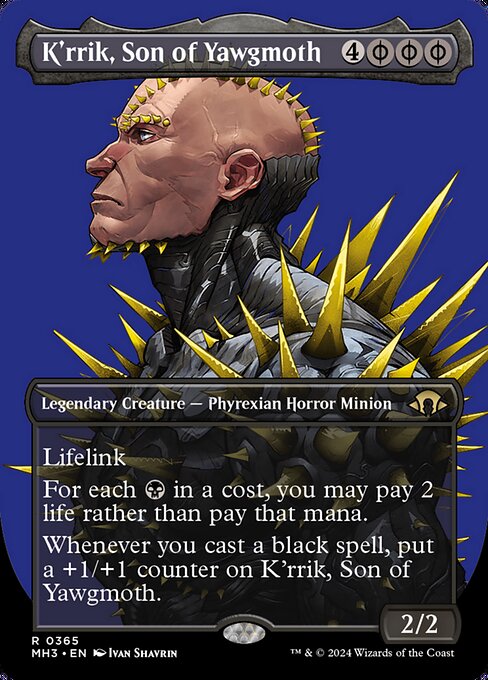
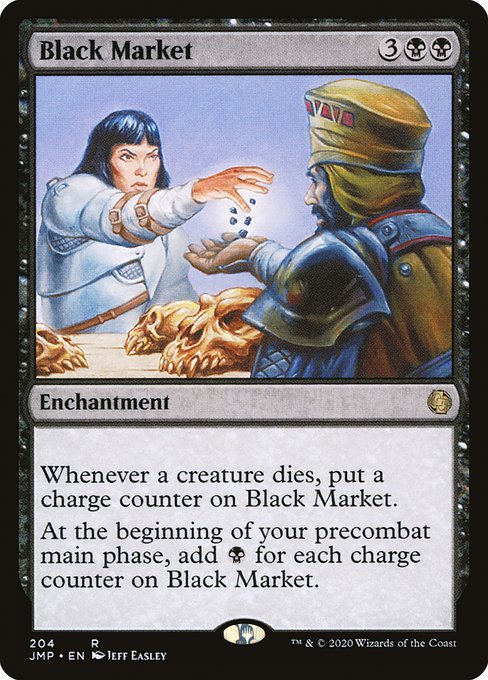
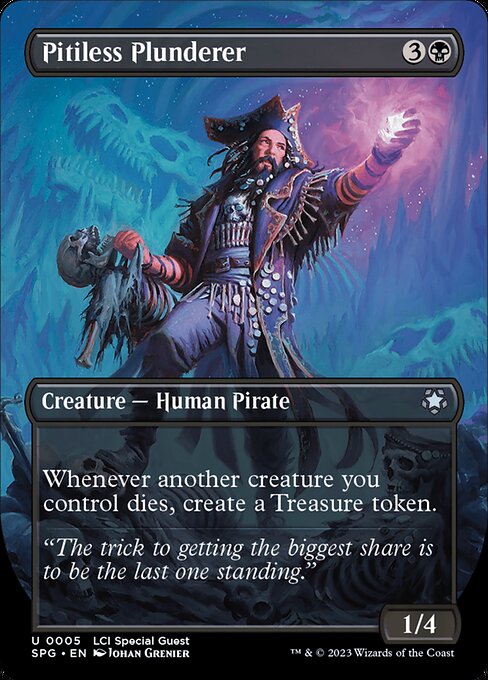
The deck also abuses Mono-Black’s ability to convert life into resources. K'rrik, Son of Yawgmoth enables explosive turns where life replaces mana costs entirely. Mana generation is another major strength. Black Market, Pitiless Plunderer, and Crypt Ghast create massive mana advantages once sacrifice engines begin operating. This allows the deck to cast giant reanimation spells or combo off in a single turn.
Unlike the original Braids deck, this version tends to snowball through value rather than deny your opponents. Enemies are still pressured constantly, but the deck wins by drowning the table in card advantage and aristocrat triggers instead of preventing them from playing altogether.
That doesn’t mean it lacks brutality, however.
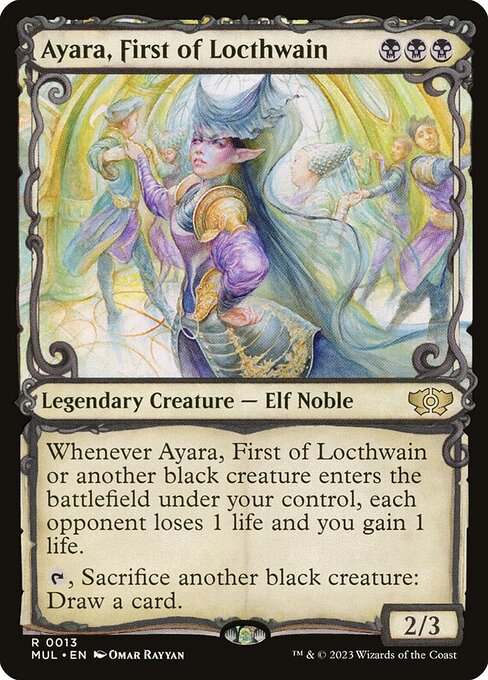
Cards like Ayara, First of Locthwain and Gray Merchant of Asphodel can create enormous life swings, especially in a mono-black shell filled with heavy devotion. Warren Soultrader transforms disposable creatures into explosive mana generation, while Morbid Opportunist ensures creatures dying continuously refill the hand.
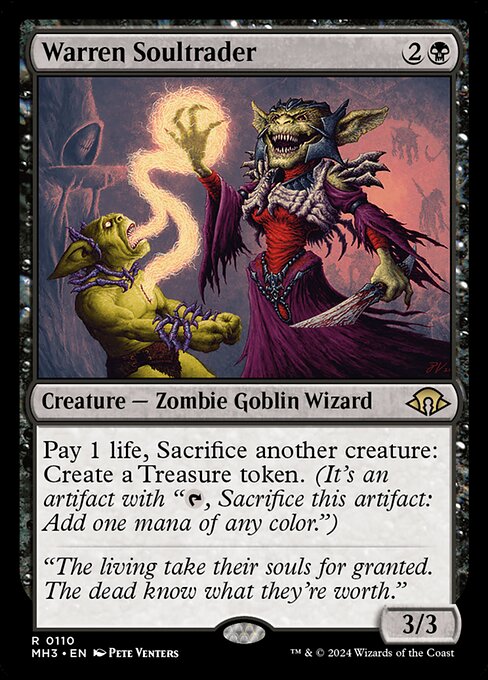
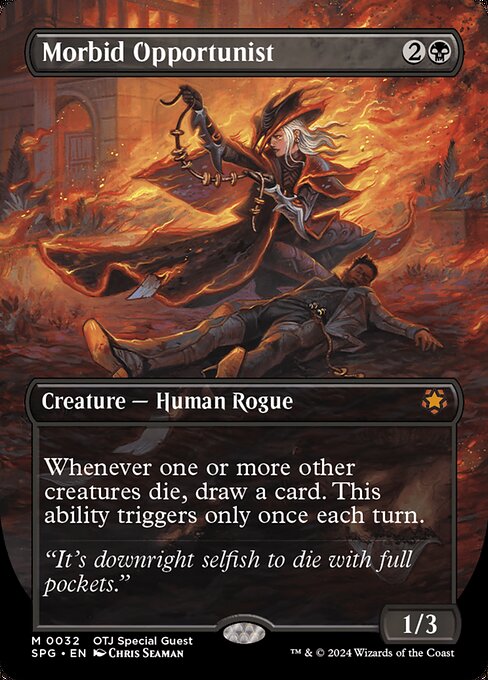
The deck also thrives politically in multiplayer games. Braids creates situations where opponents often sacrifice weaker permanents just to avoid giving you cards, which means the commander subtly controls the pace of the table without looking as overtly oppressive as her older incarnation.
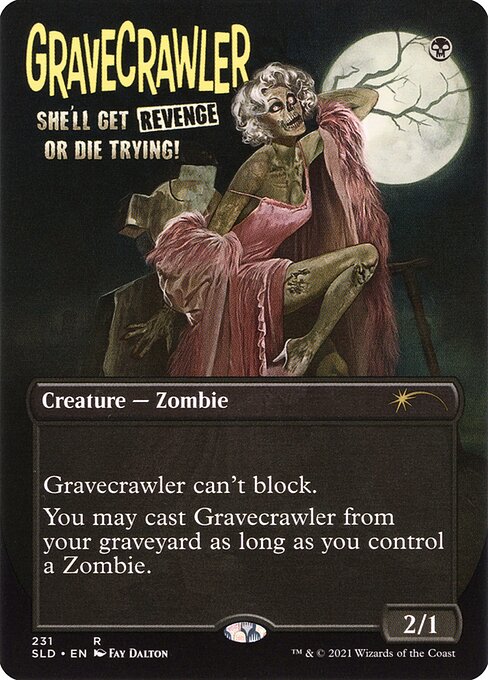
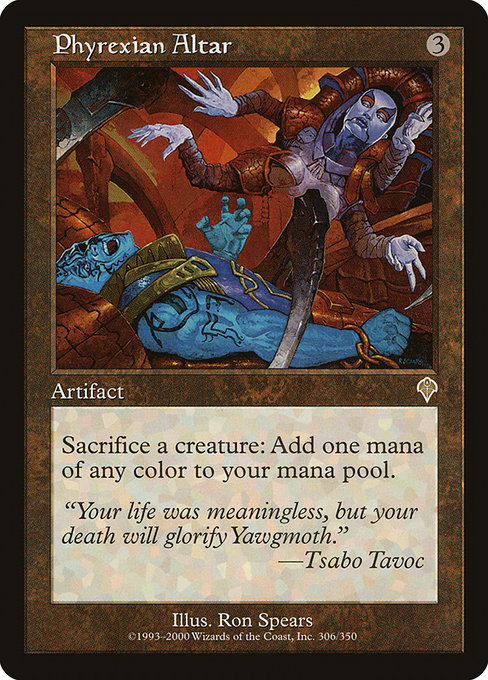
What makes the deck especially dangerous is how recursive it becomes. Gravecrawler paired with Phyrexian Altar or Warren Soultrader creates infinite sacrifice loops when combined with a zombie on the battlefield. Same can be said if you have Pitiless Plunderer, Phyrexian Altar, and Reassembling Skeleton on the field. Add in Blood Artist, Zulaport Cutthroat, Bastion of Remembrance, or
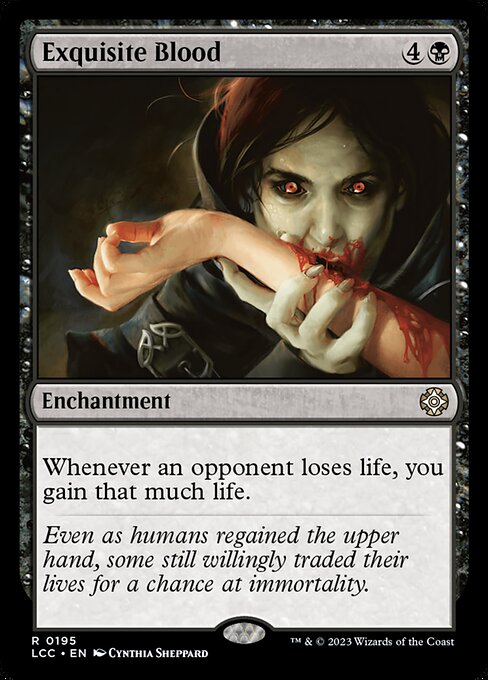
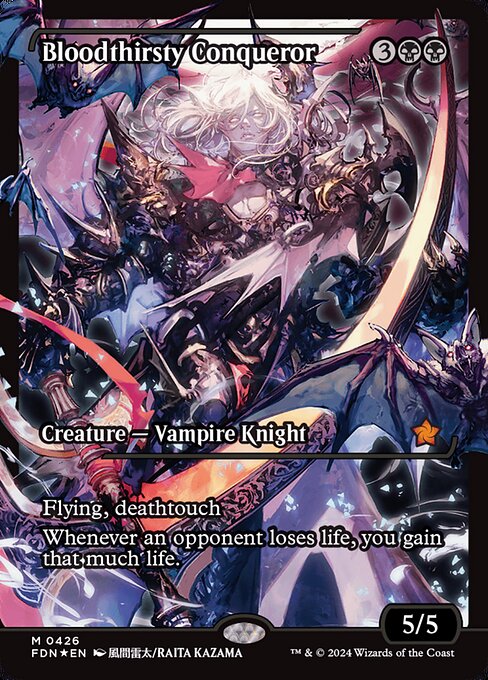
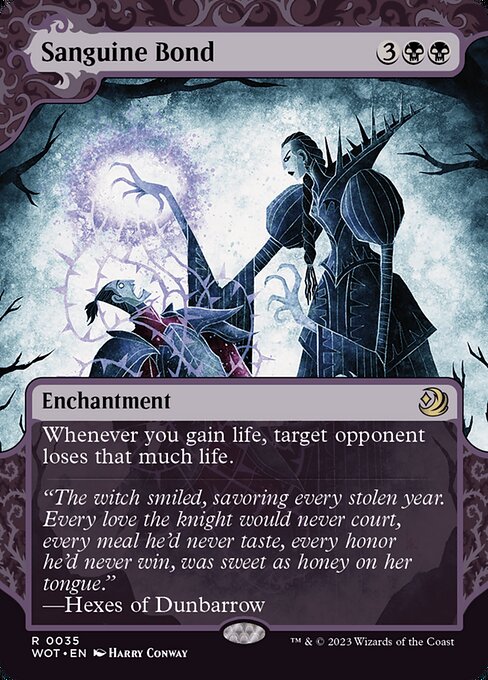
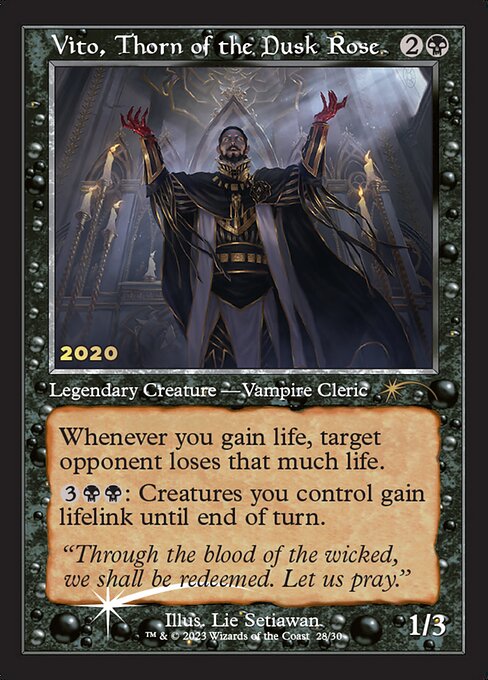
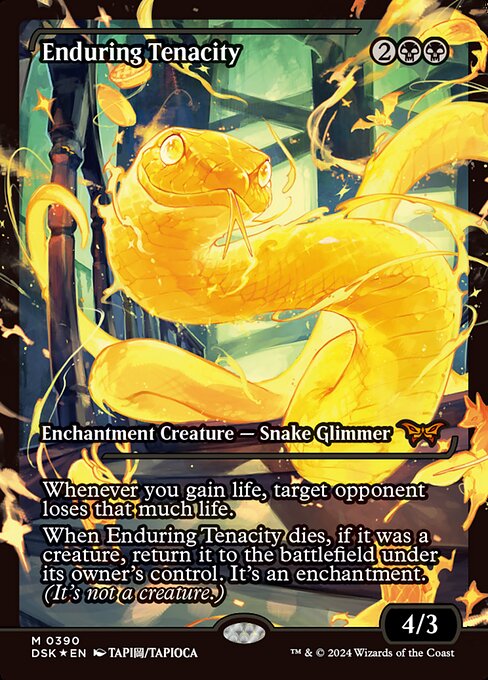
Another major combo line revolves around many combinations of the following cards: Exquisite Blood, Bloodthirsty Conqueror, Sanguine Bond, Vito, Thorn of the Dusk Rose, and Enduring Tenacity. Once both pieces are active, any life gain or life loss creates an infinite loop that kills the table instantly. Since the deck naturally drains opponents constantly through aristocrat triggers, assembling the combo is remarkably easy.
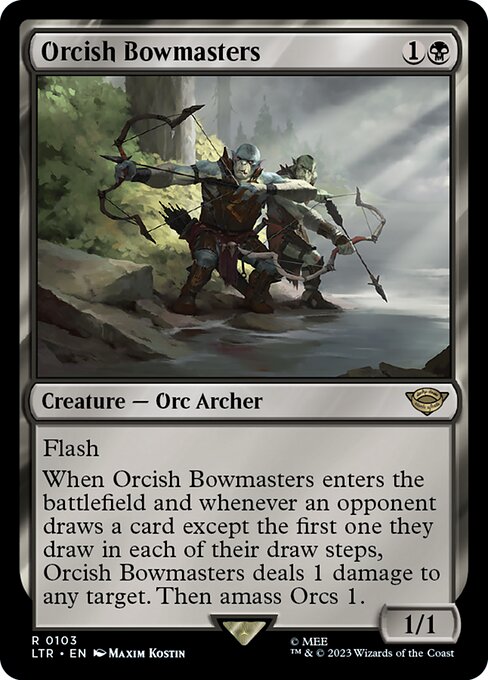
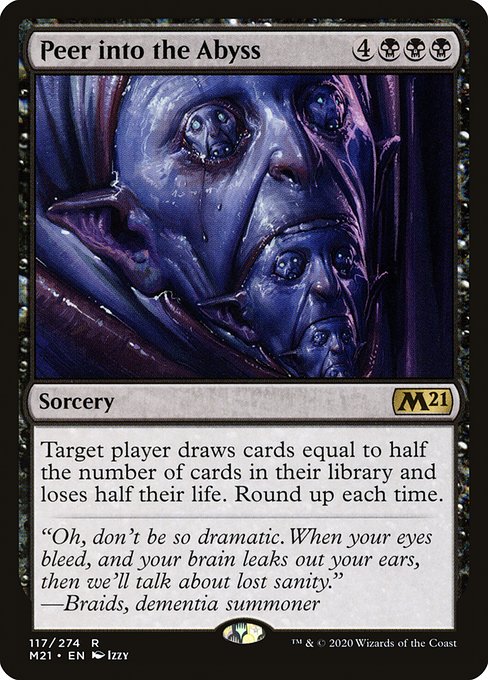
Another way to finish an opponent uses Peer into the Abyss combined with either Sheoldred, the Apocalypse, or Orcish Bowmasters; forcing them to draw half their library and take that much in direct damage.
Still, make no mistake, this deck doesn’t need to rely on combos and has plenty of ways to kills through. Once the sacrifice engines are online, the life drain stacks rapidly. Every token becomes mana, every death becomes value, and every end step becomes another opportunity for Braids to generate advantage. If this “fairer” version of Braids sounds more like your thing, check out the deck here:
Commander
Creatures (24)
Instants (13)
Sorceries (11)
Artifacts (10)
Enchantments (8)
Lands (34)
100 Cards
$1865.86
Closing Thoughts
Few characters in Magic history embody Mono-Black quite like Braids. Whether you prefer the ruthless oppression of Braids, Cabal Minion or the grinding value engine of Braids, Arisen Nightmare, both commanders perfectly capture Black’s philosophy of sacrifice, ambition, and destruction. They simply approach that philosophy from different angles.
The original Braids is unapologetically cruel. She attacks the very foundation of the game itself by denying resources, locking mana, and forcing opponents into hopeless board states where every turn becomes more miserable than the last. She is a commander designed for players who enjoy total battlefield control and the slow suffocation of Stax gameplay. Every sacrifice matters, every permanent becomes fragile, and every decision at the table starts revolving around survival.
Meanwhile, Braids, Arisen Nightmare feels like the modern evolution of the character. She still weaponizes sacrifice, but instead of shutting the table down outright, she transforms death into momentum. Tokens become cards, creatures become life drain, and every end step creates another layer of value. The deck is explosive, recursive, and surprisingly resilient, capable of winning through combo lines, aristocrat synergies, or simple attrition.
One locks the table out of the game. The other slowly bleeds everyone dry through endless value loops.
What makes both versions of Braids so memorable is how effectively they shape the entire table around themselves. The moment either commander enters the battlefield, the game changes immediately. Opponents start counting permanents differently, sequencing spells more carefully, and realizing very quickly that resources are no longer safe. That constant pressure is exactly why Braids remains one of the most iconic Mono-Black commanders ever printed.
Love her or hate her (and most tables will probably do both), Braids has a way of making Commander games unforgettable.