






Budget Commander decks are often treated as though they have to make some kind of compromise simply because they aren’t filled with expensive staples. But, as shown in these 2 articles about Budget Esper and Budget Azorius, Commander is one of the best formats for building around a specific theme, and a limited budget can actually encourage you to build a more focused and personality-driven deck. Black and white are particularly well suited to this approach, offering a huge selection of creatures, removal, recursion, sacrifice effects, lifegain, and tribal synergies that can be combined in countless ways.
Orzhov has also developed a reputation for being one of the more punishing color combinations in Commander, but these decks don’t need to lean into oppressive strategies or expensive combo packages to be effective. A casual Orzhov deck can instead build incremental advantages, establish a board presence, and gradually overwhelm the table through synergy.
None of the lists we’re about to talk about are trying to compete with the most heavily optimized Commander decks. Instead, they demonstrate how much you can accomplish with a coherent theme and a collection of relatively accessible cards. Let’s take a look:
Deck #1: Budget Auras
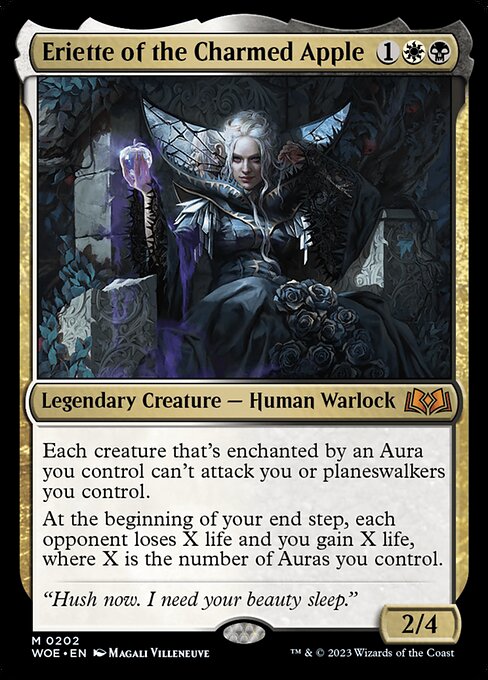
Eriette of the Charmed Apple is an excellent commander for a budget strategy, and this deck comes at USD$101. Eriette gives the deck a way to turn something as simple as enchanting creatures into a win condition by steadily draining your opponents while simultaneously gaining life.
The deck consequently has two complementary jobs. First, it needs to establish a board of creatures and enchantments. Second, it needs to make those enchantments valuable even when they aren’t simply increasing the power of your creatures. Cards such as All That Glitters and Ethereal Armor provide the obvious offensive angle, potentially turning relatively small creatures into significant threats. Angelic Destiny, meanwhile, can transform one of your creatures into a much more imposing attacker while also providing flying and first strike.
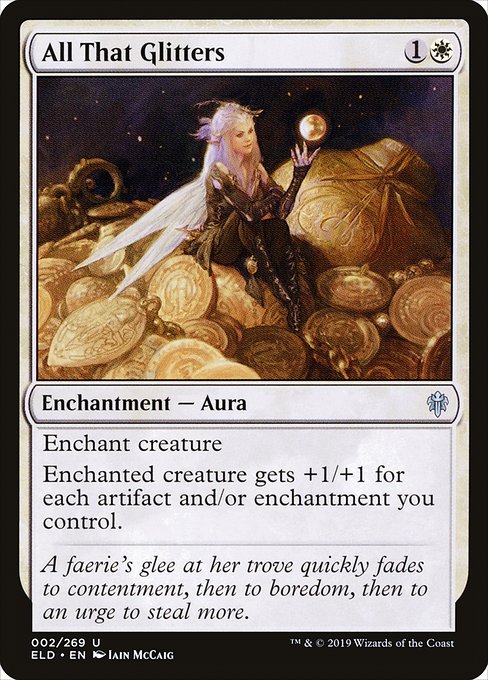
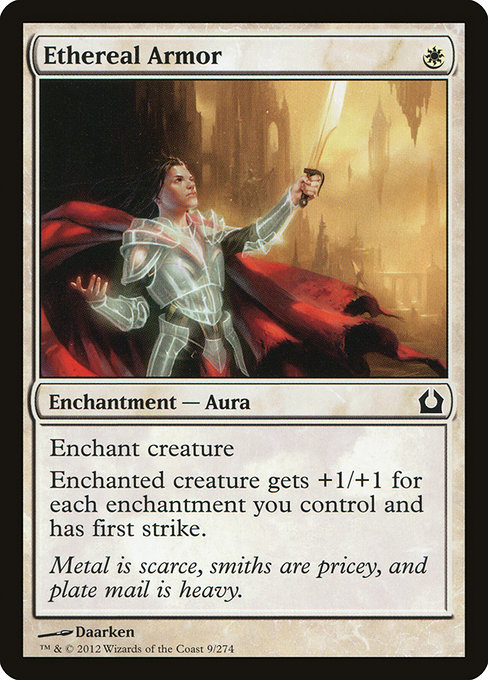
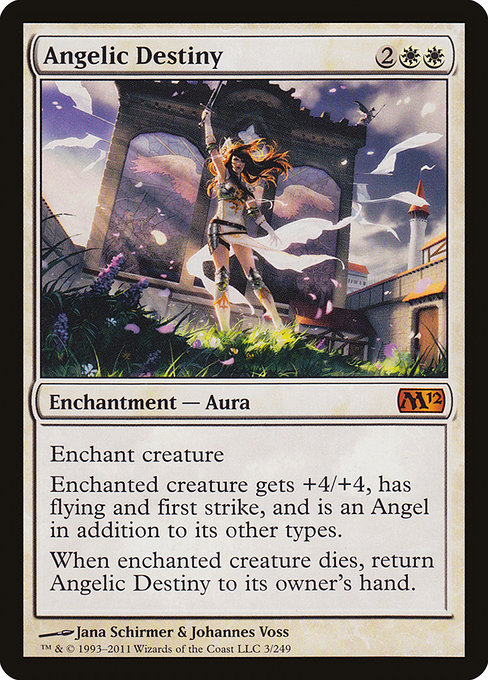
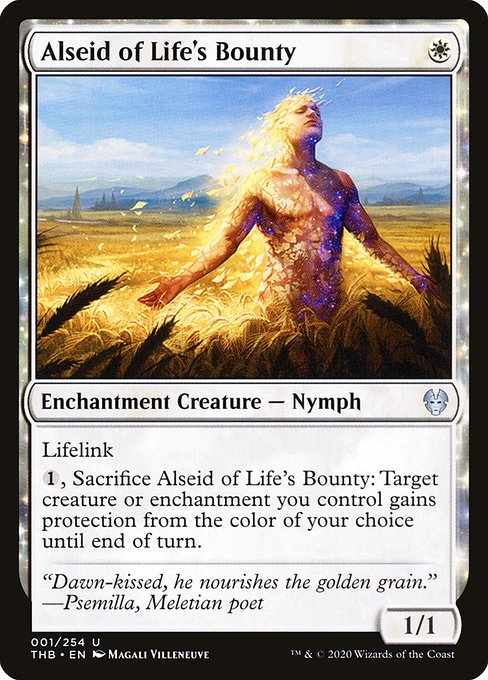
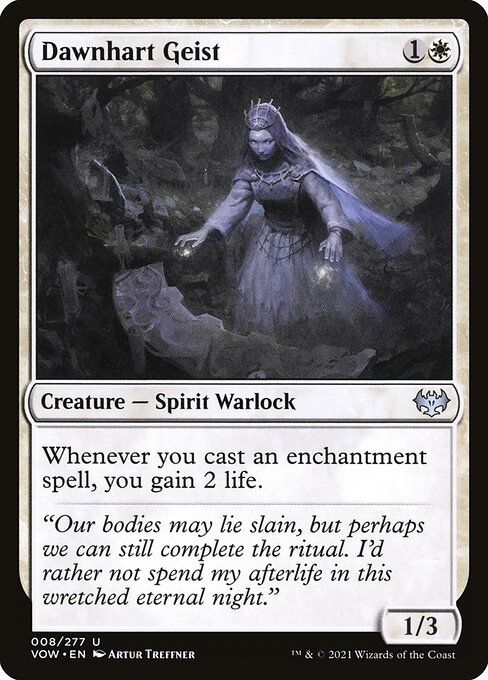
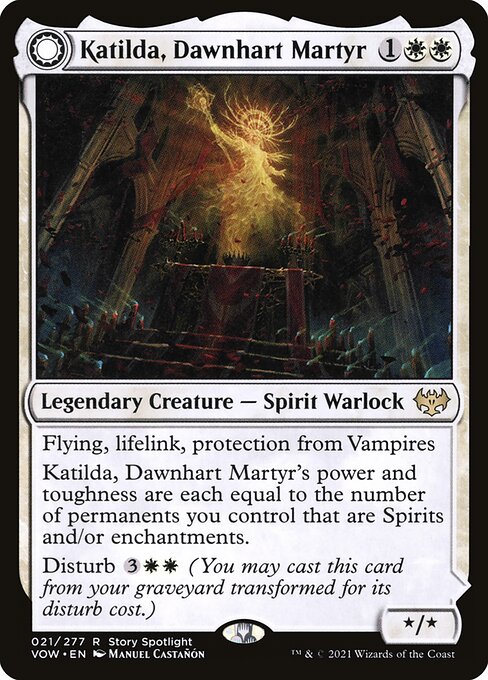
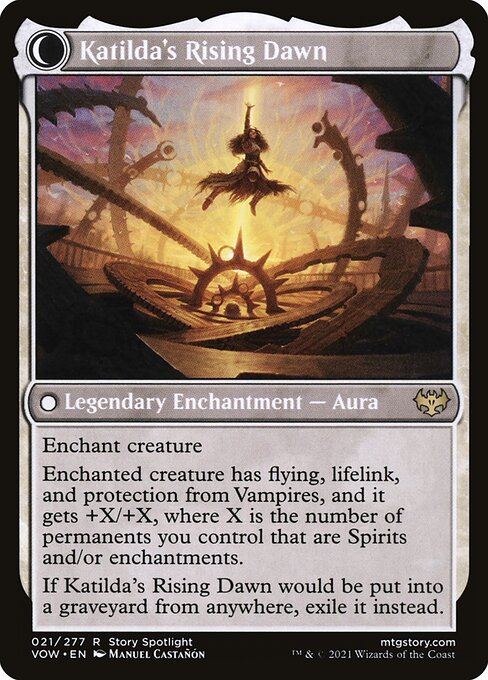
The important part is that the deck isn’t completely dependent on making one enormous creature. There are plenty of smaller creatures that can carry Auras while contributing additional value. Alseid of Life's Bounty can protect an important creature or enchantment, while Dawnhart Geist provides lifegain whenever an enchantment enters the battlefield under your control. While Katilda, Dawnhart Martyr can become particularly threatening in an enchantment-heavy battlefield.
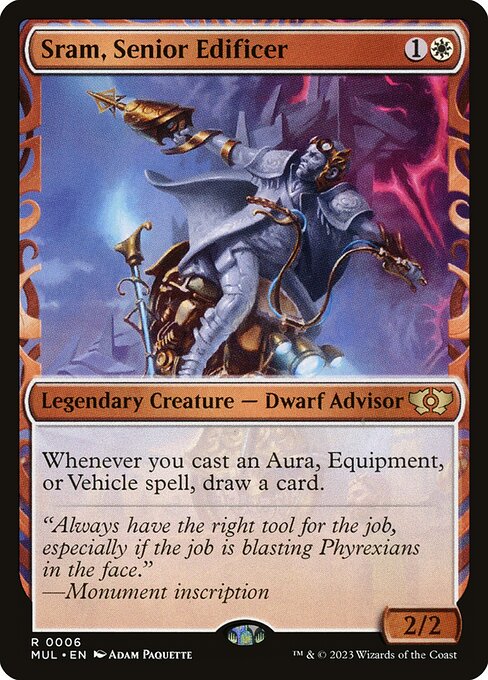
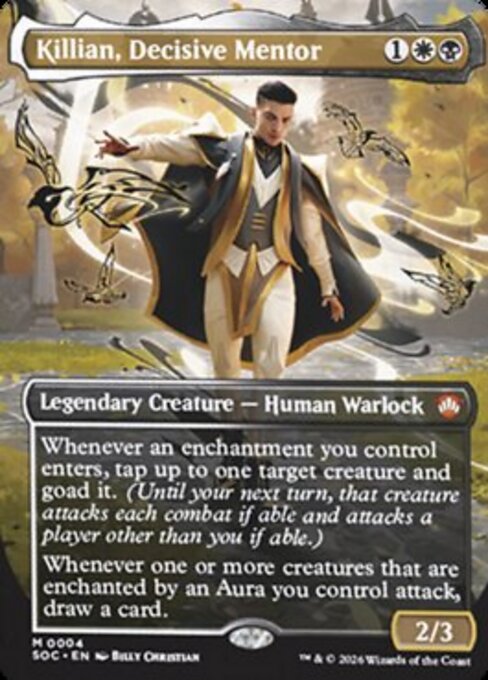
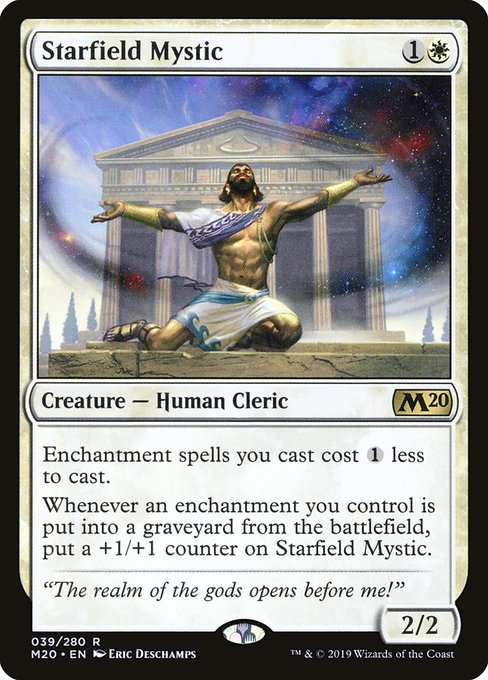
One of the most important cards here are Sram, Senior Edificer and Killian, Decisive Mentor. Auras traditional weaknesses is card disadvantage, so Sram helps mitigate that problem by drawing cards whenever you cast an Aura. Starfield Mystic serves a different but equally useful role, reducing the cost of your enchantments.
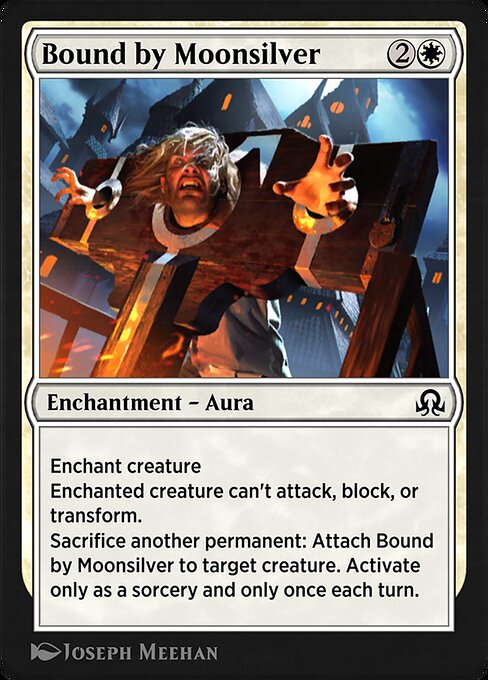
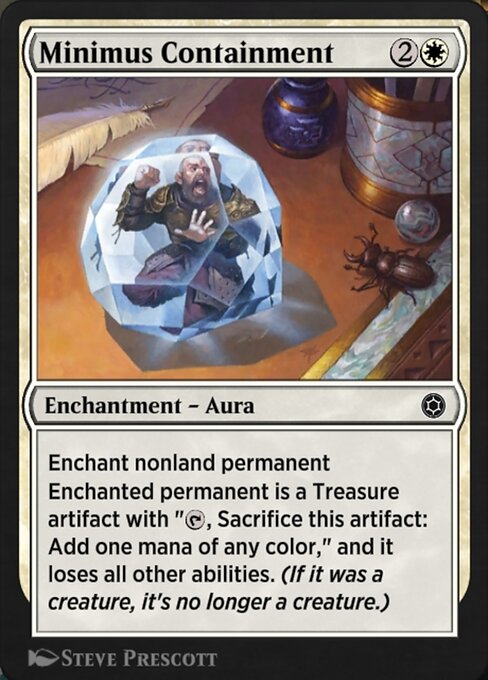
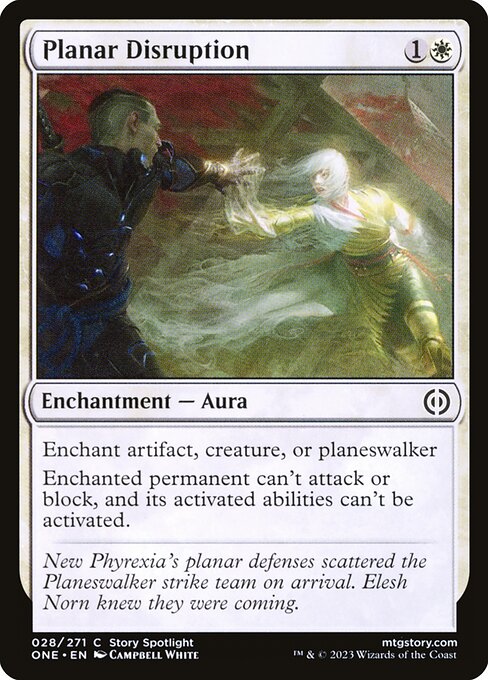
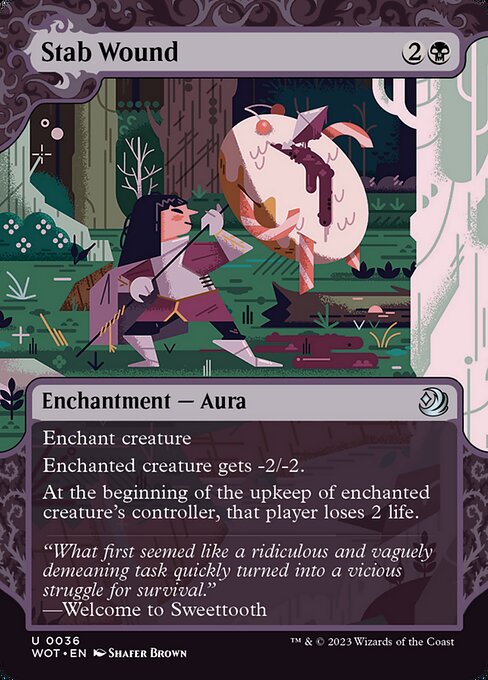
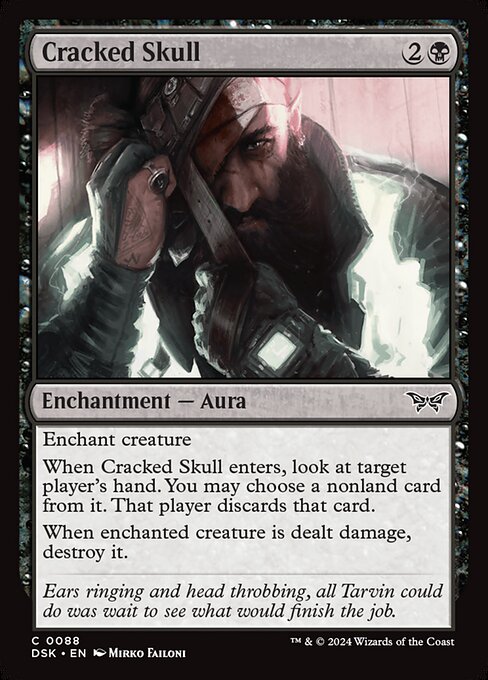
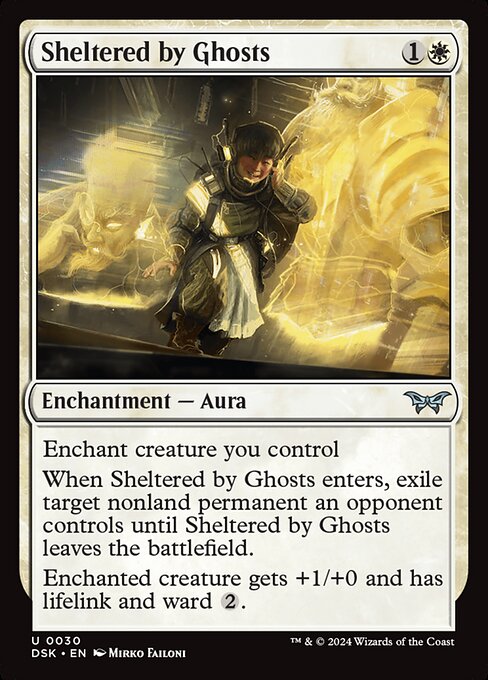
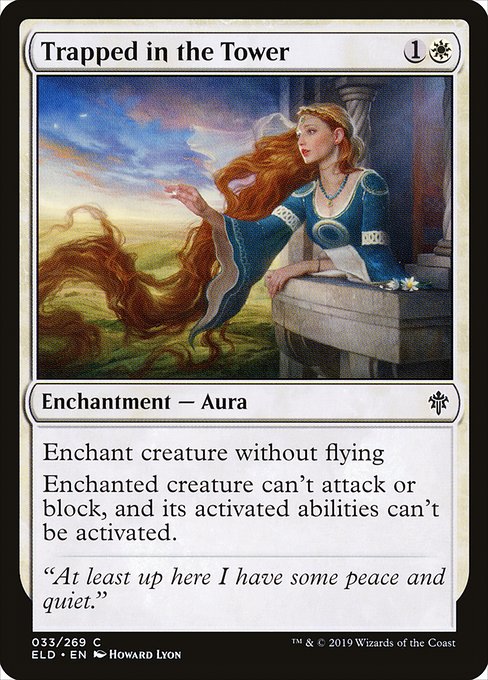
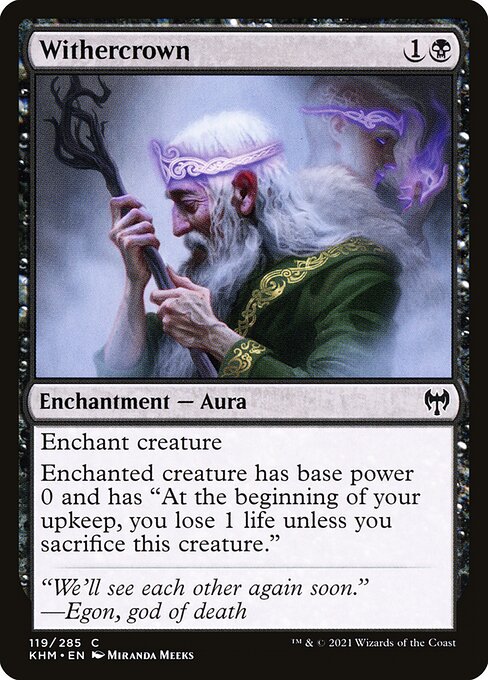
The deck also has several ways to make its Auras do more than simply enhance creatures. Bound by Moonsilver, Minimus Containment, Planar Disruption, Stab Wound, Cracked Skull, Sheltered by Ghosts, Trapped in the Tower, and Withercrown can all function as removal or control pieces while simultaneously feeding into the strategy. This is particularly useful in a casual environment because the deck doesn’t have to dedicate nonland slots to traditional removal.
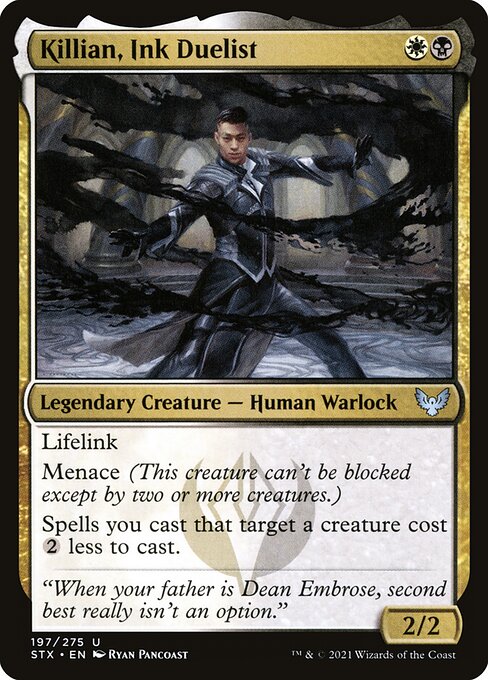
The deck’s creature base also gives it some interesting defensive tools. Killian, Ink Duelist reduces the cost of spells that target creatures, including your Auras, while also making it an effective threat in combat. Alseid of Life's Bounty can provide protection, and Heliod, Sun-Crowned gives the deck another route to accumulating value through lifegain. With enough lifegain triggers, Heliod can place +1/+1 counters on your creatures and help build a board that becomes progressively harder to contain.

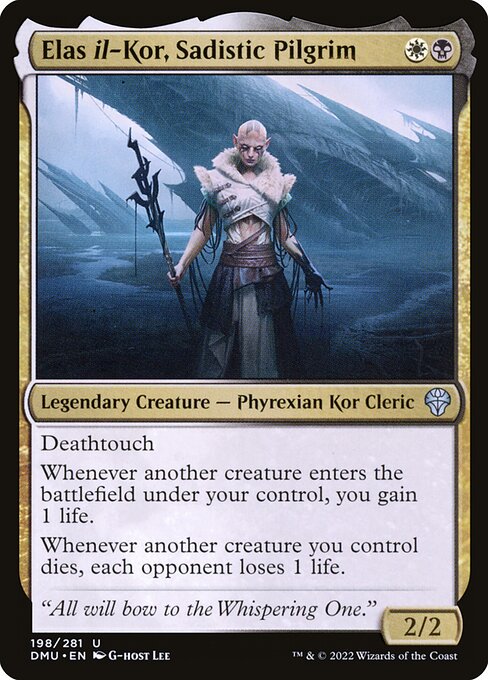
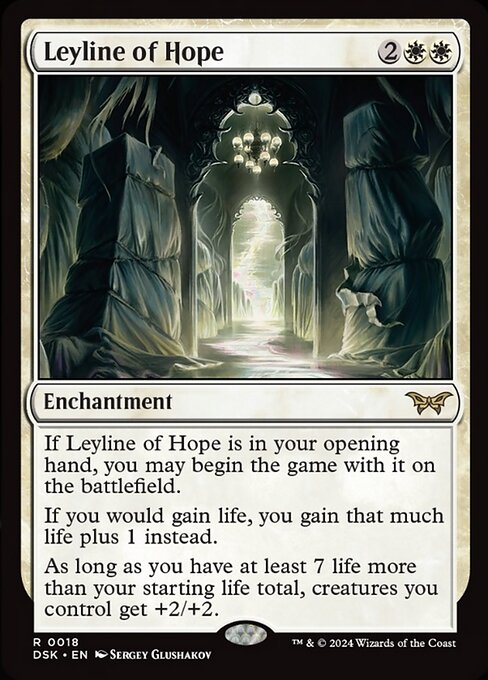
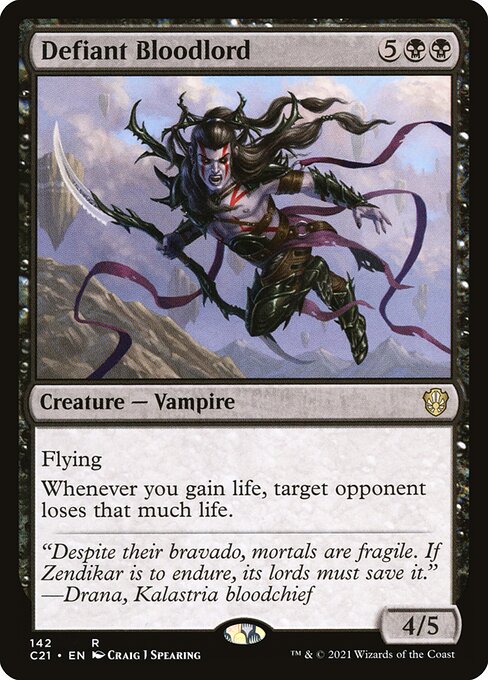
That lifegain theme is particularly relevant because Eriette’s strategy naturally pushes the deck toward gaining life while opponents lose it. Elas il-Kor, Sadistic Pilgrim rewards creatures entering and dying, while Leyline of Hope can make a lifegain-heavy battlefield progressively more threatening. Defiant Bloodlord takes the concept even further, turning your lifegain into additional damage to opponents.
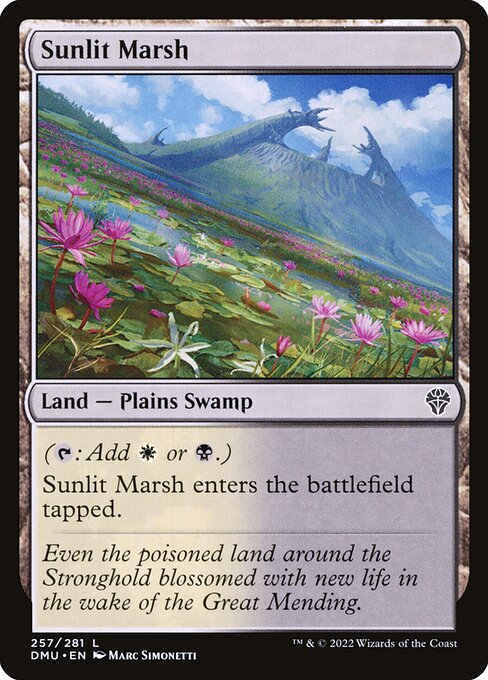
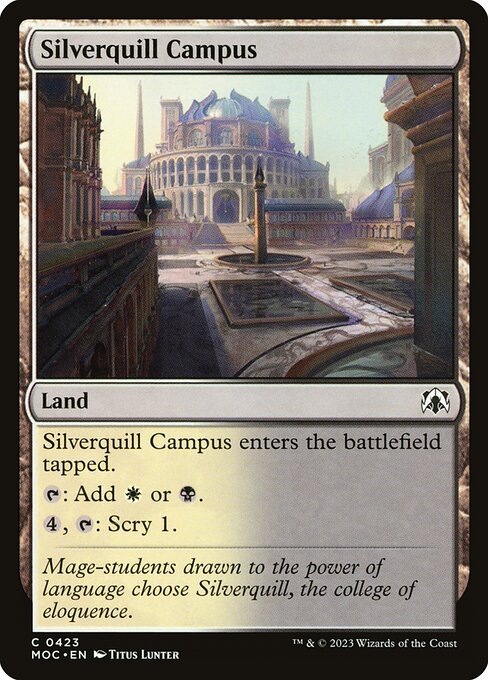
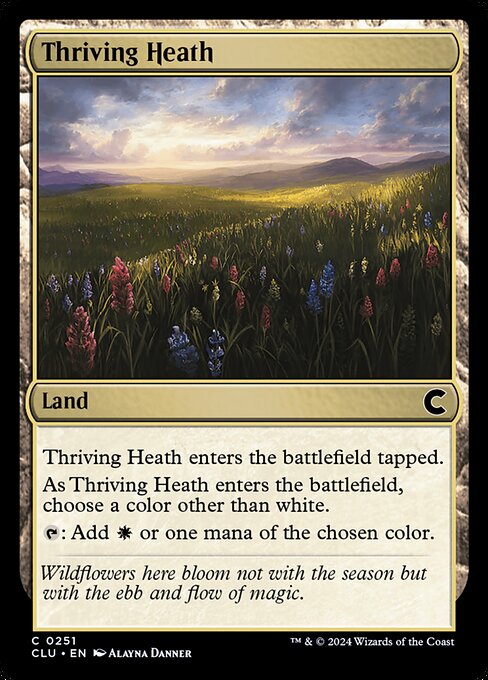
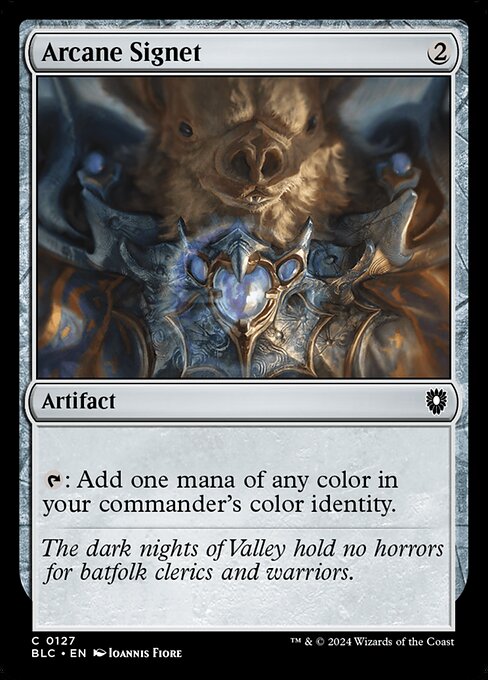
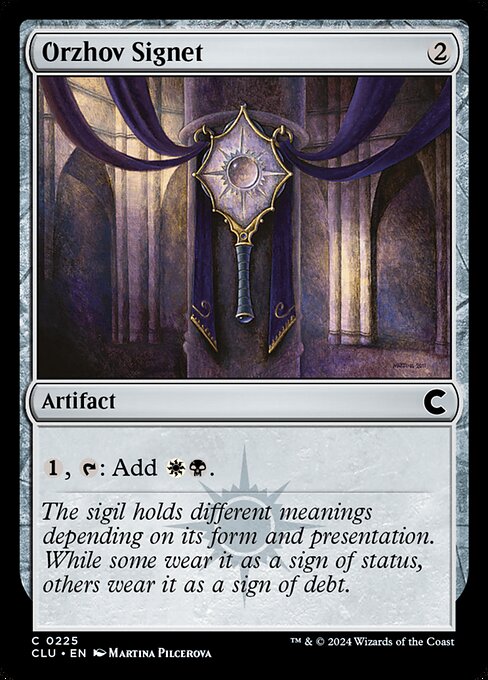
The mana base reflects the deck’s budget philosophy as well. The list uses a straightforward mixture of basics, dual lands, and slower fixing such as Scoured Barrens, Sunlit Marsh, Silverquill Campus, and Thriving Heath. Arcane Signet and Orzhov Signet provide additional acceleration and color fixing.

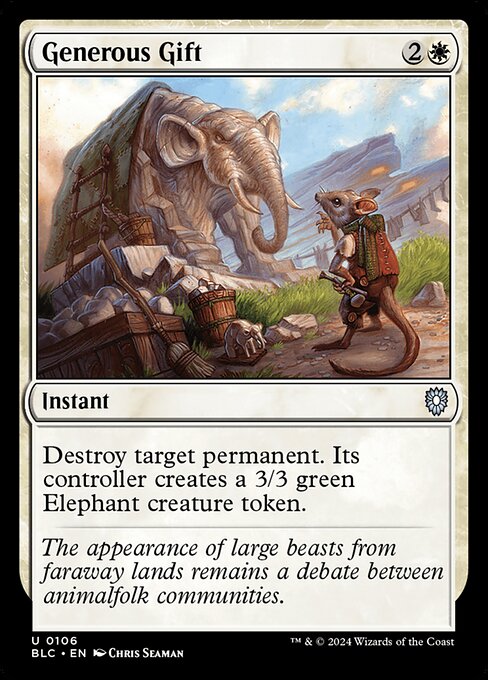
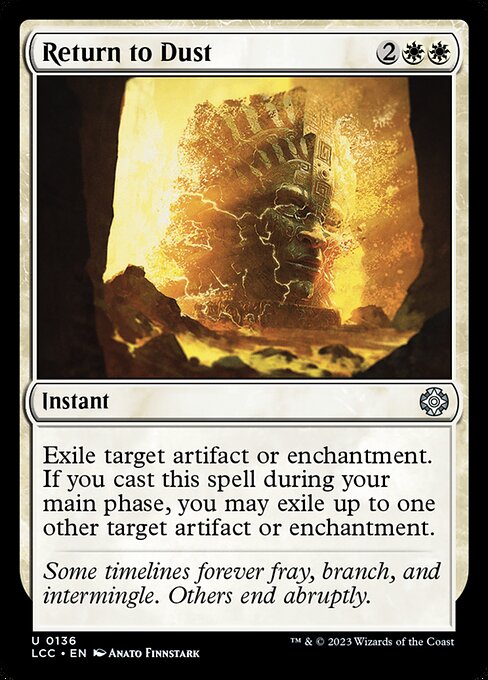
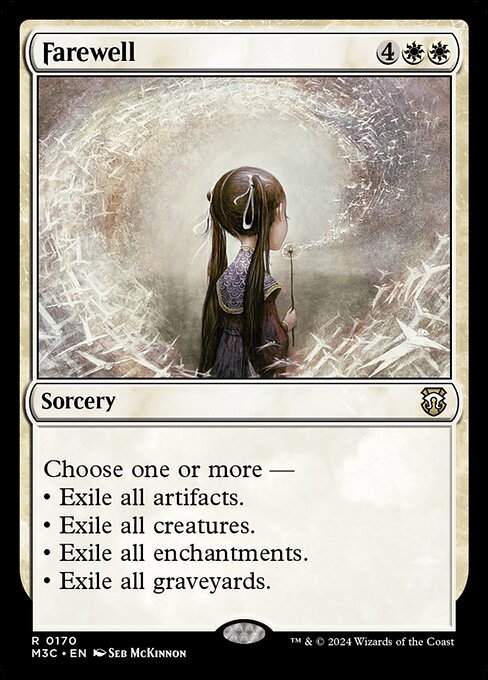
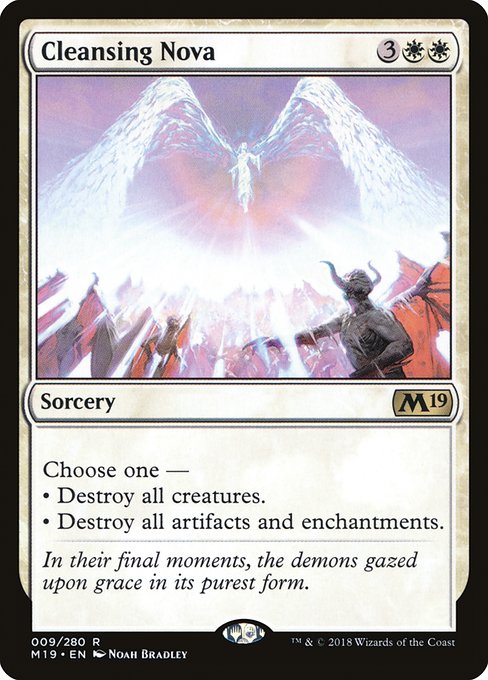
For removal, the deck has plenty of options. Generous Gift, Return to Dust, Farewell, and Cleansing Nova give it answers to a wide variety of permanent types. Farewell is particularly powerful as a reset button, although using a full graveyard exile effect can also remove some of your own resources.
Ultimately, the appeal of this deck is that it doesn’t need to play like a traditional Voltron deck despite containing many of the same ingredients. You can suit up one creature and attack, but Eriette gives you an alternative path where the entire table gradually becomes a liability. As the game progresses, your opponents are forced to choose between leaving their enchanted creatures alone and allowing your life-drain engine to continue, or trying to remove the Auras and potentially expose themselves to additional interaction.
For a budget casual deck, that’s a compelling place to be. The deck has a clear identity, plenty of interaction, and multiple ways to turn its central Aura theme into an actual victory.
Check out the deck here:
Commander
Creatures (24)
Instants (4)
Sorceries (5)
Artifacts (4)
Enchantments (26)
Lands (37)
100 Cards
$107.6
Deck #2: Budget Demons


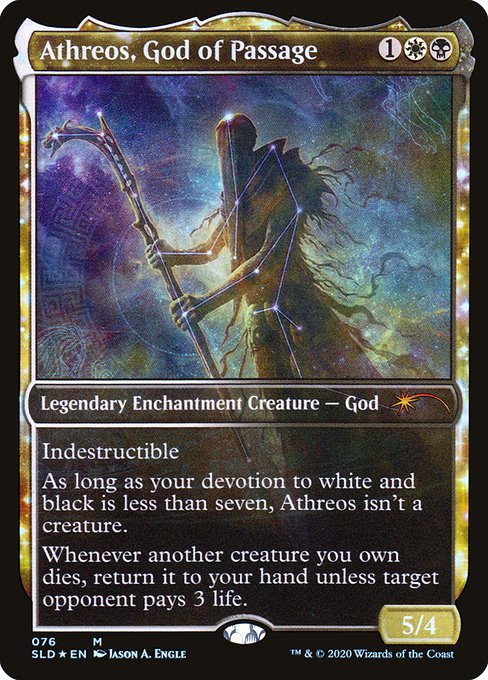
This deck commanded by Athreos, God of Passage comes at USD$150 and is built around Shadowborn Apostle, with the Apostles acting as the foundation for a collection of enormous Demons.
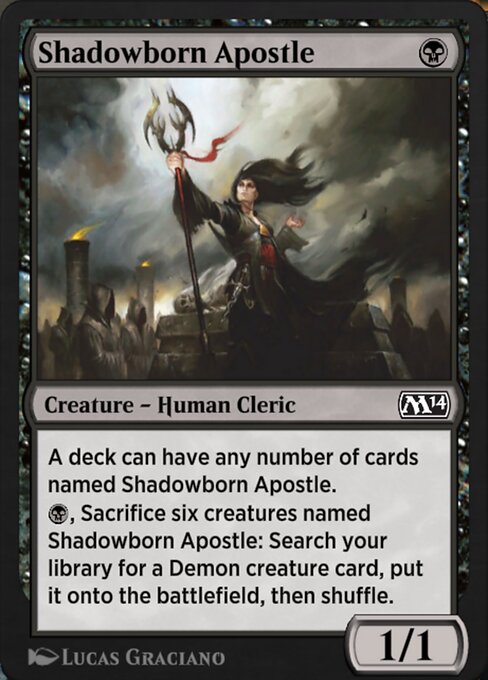
The first thing that immediately stands out is the sheer number of Apostles: twenty-seven copies of Shadowborn Apostle are included in the deck. Commander normally restricts you to one copy of most cards, but Shadowborn Apostle is one of the exceptions, allowing any number of copies to appear in the deck.
That makes the deck’s game plan remarkably straightforward. Get Apostles onto the battlefield, sacrifice them to search for a Demon, and use the resulting creatures and death triggers to build an advantage.
Athreos, God of Passage makes this particularly interesting because creatures that die can potentially return to their owner’s hand. If an opponent refuses to pay the three life associated with Athreos’s ability, the dead creature comes back, allowing you to reuse your Apostles time and time again.
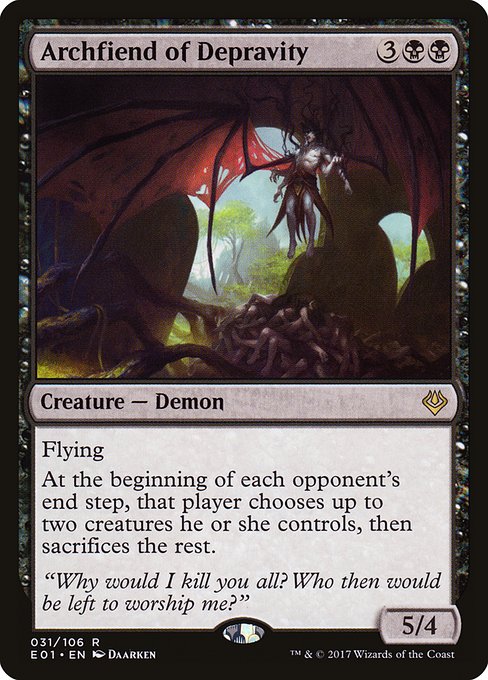
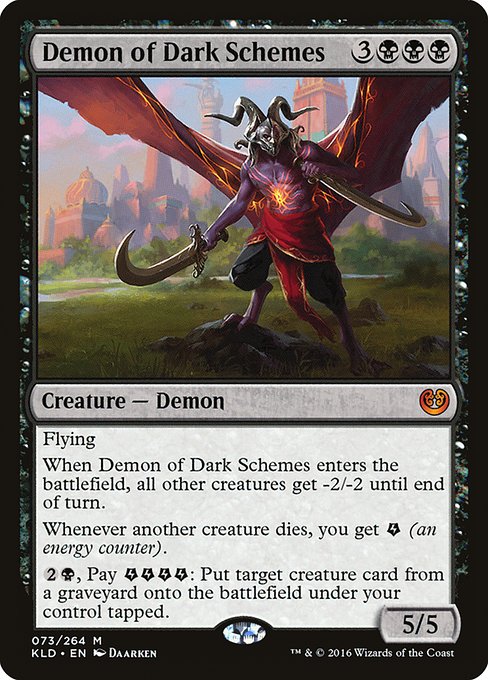
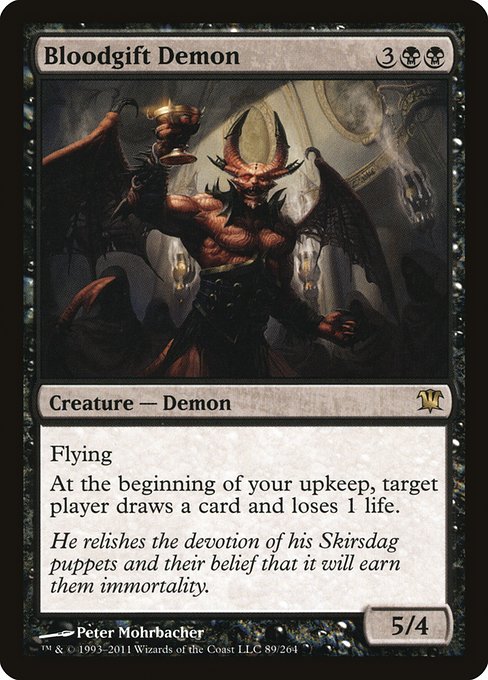
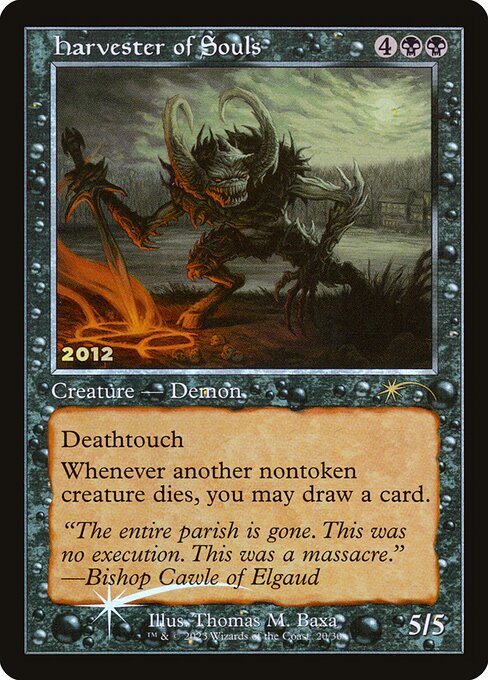
The Demon package gives the deck considerably more power and the Apostles let you tutor for whatever you need at the time. Archfiend of Depravity can restrict the number of creatures opponents are able to keep, while Demon of Dark Schemes provides both removal and an eventual reanimation engine. Bloodgift Demon supplies card advantage, and Harvester of Souls can turn the deaths of creatures into a steady stream of cards.
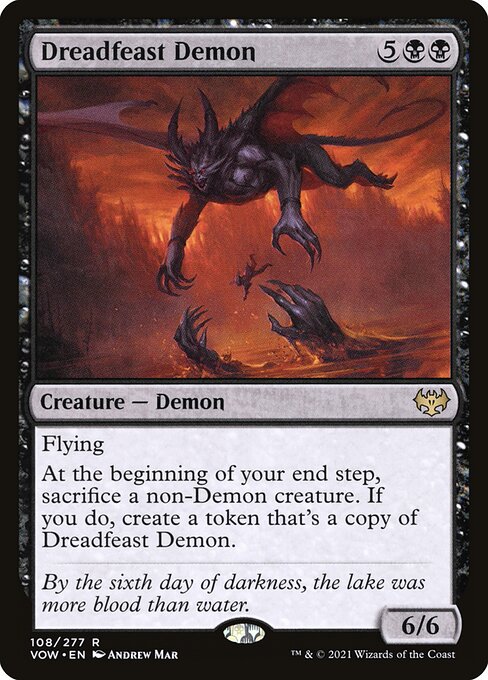
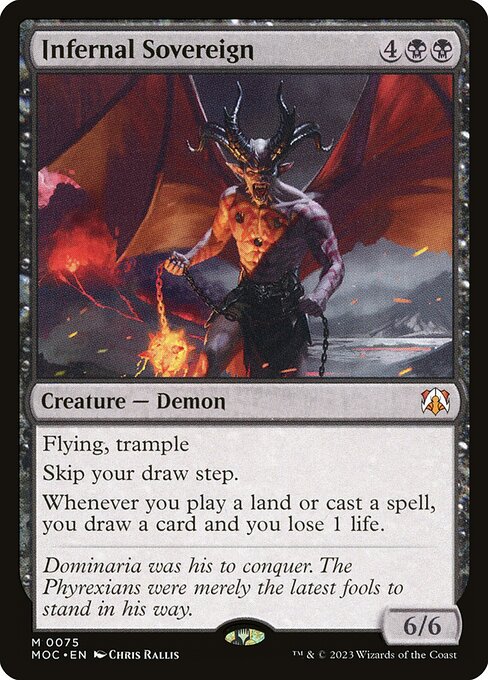
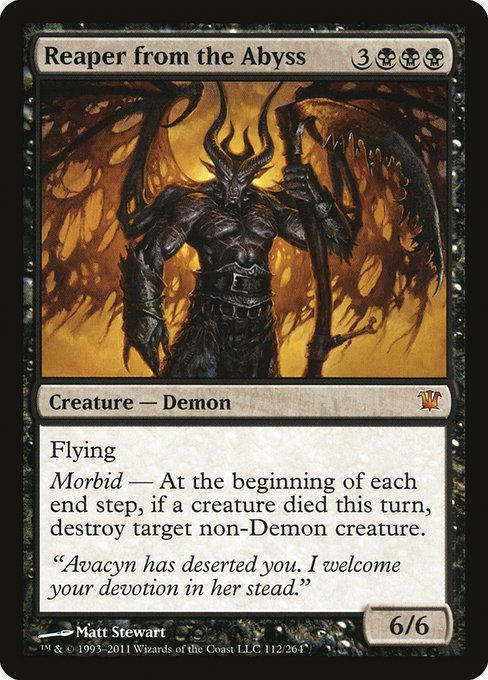
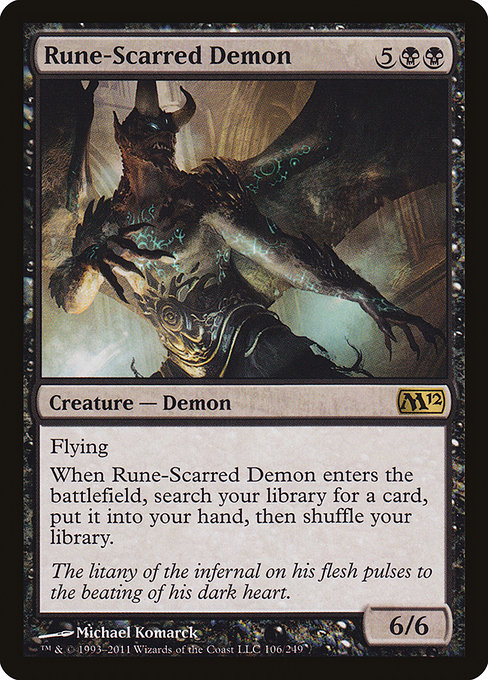
Then there are the heavier threats. Dreadfeast Demon, Infernal Sovereign, Reaper from the Abyss, and Rune-Scarred Demon all give the deck powerful creatures that can dramatically change the battlefield once they arrive.
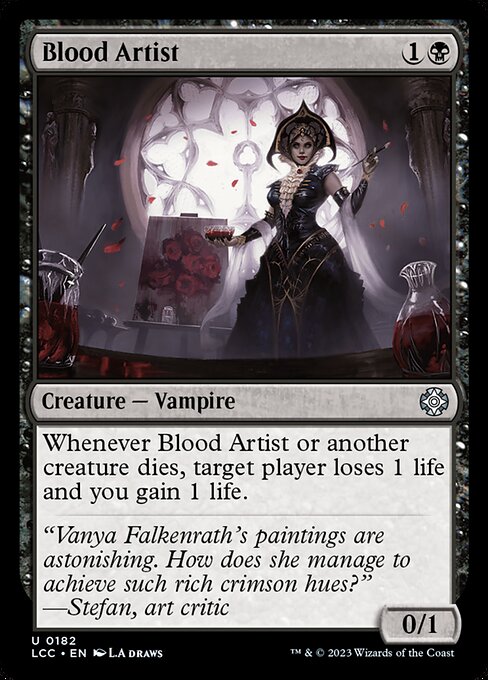
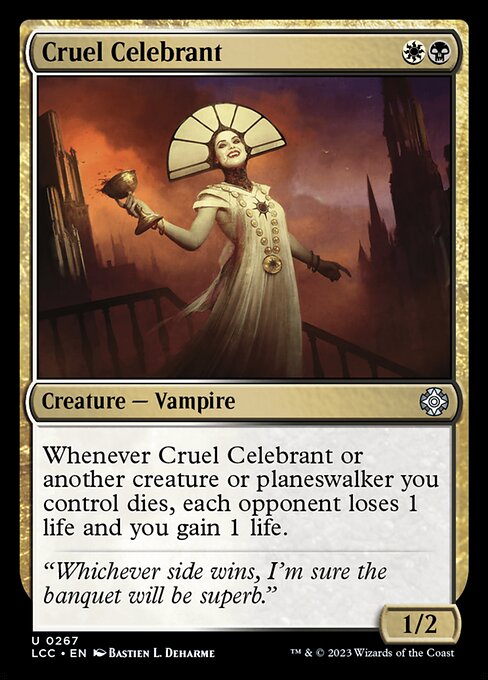
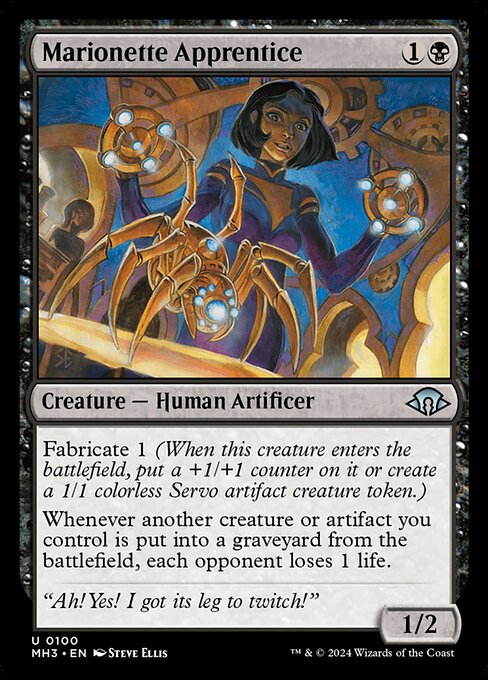
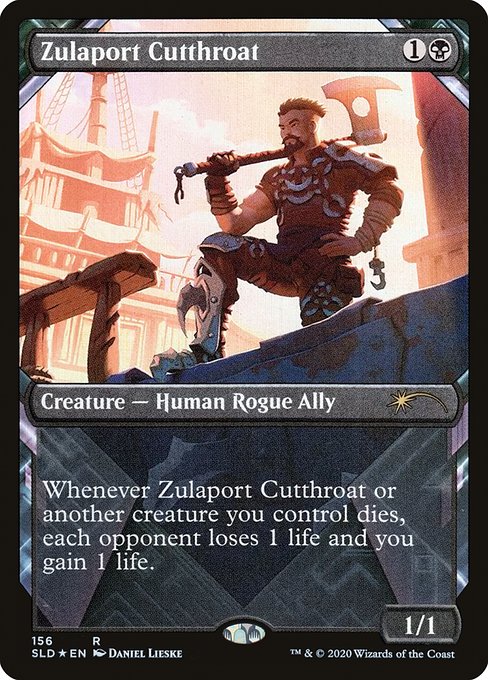
The deck also has a surprisingly strong sacrifice subtheme. Blood Artist, Cruel Celebrant, Elas il-Kor, Sadistic Pilgrim, Marionette Apprentice, and Zulaport Cutthroat all reward creatures dying or entering the battlefield. This means that sacrificing a collection of tiny Apostles isn’t simply a means of finding Demons; it can also translate into direct life loss for your opponents.
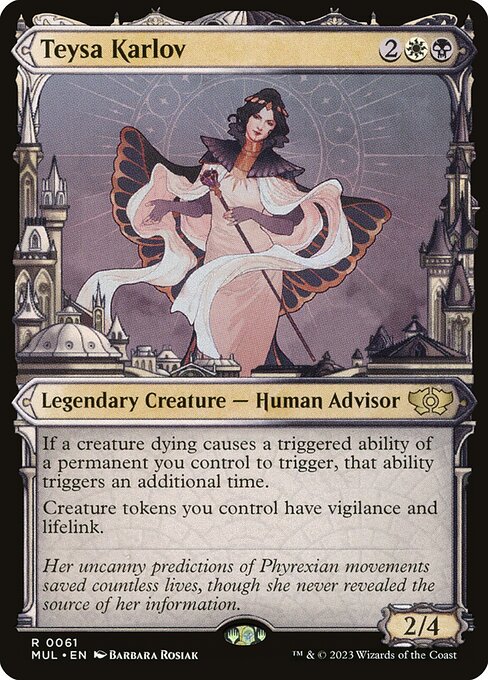
Teysa Karlov makes this strategy considerably more potent by doubling triggered abilities caused by creatures dying. With Teysa on the battlefield, your sacrifice engine becomes much more dangerous, and the seemingly insignificant deaths of your Apostles can accumulate into a meaningful amount of damage.
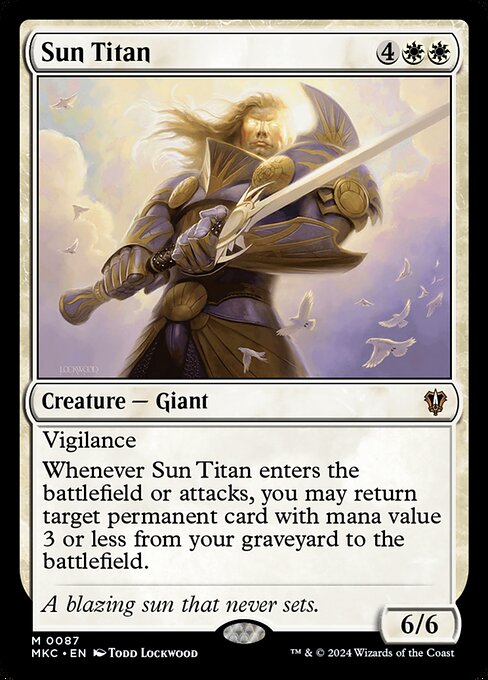
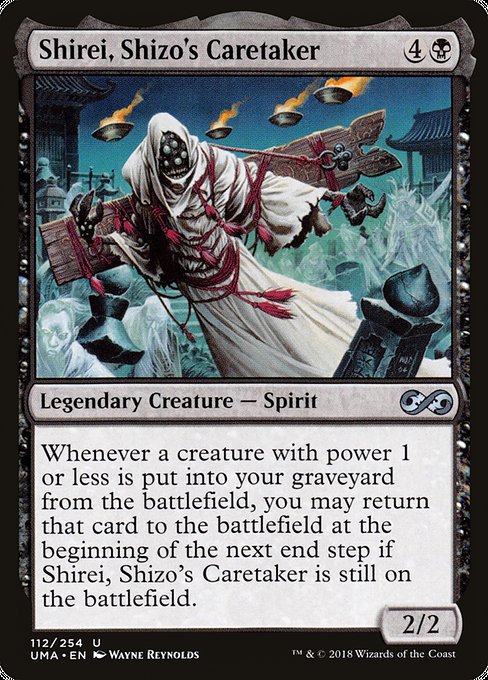
There is also a substantial recursion package. Sun Titan can bring back smaller permanents, while Shirei, Shizo's Caretaker is especially interesting in a deck containing so many creatures with one power. When your small creatures die, Shirei can potentially return them to the battlefield at the end of the turn, allowing them to be used again.
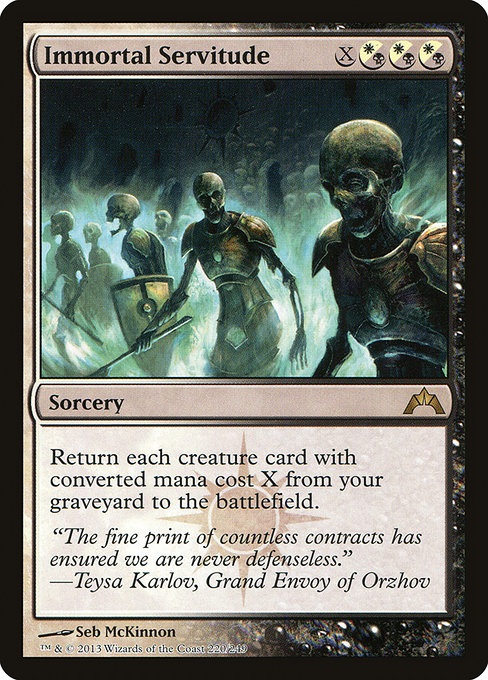
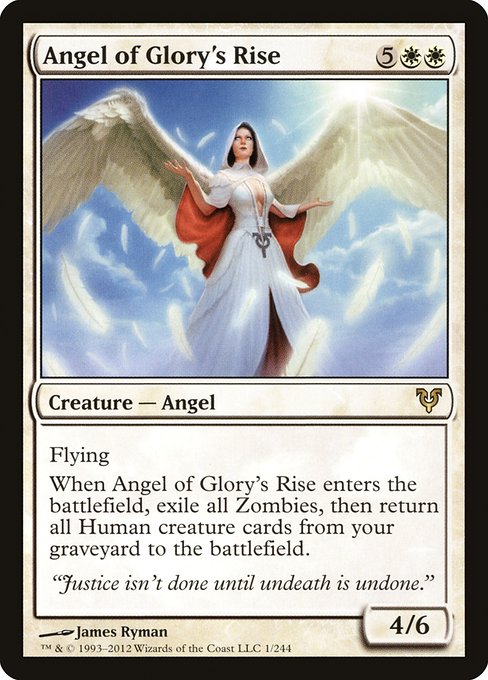
Immortal Servitude provides another powerful mass-recursion option. Because the deck contains such a high density of creatures with the same low converted mana costs, the card can potentially rebuild an entire board after a wipe. Angel of Glory's Rise offers another unusual route to recovering from the graveyard, particularly because the deck contains a substantial number of Humans among its supporting creatures.
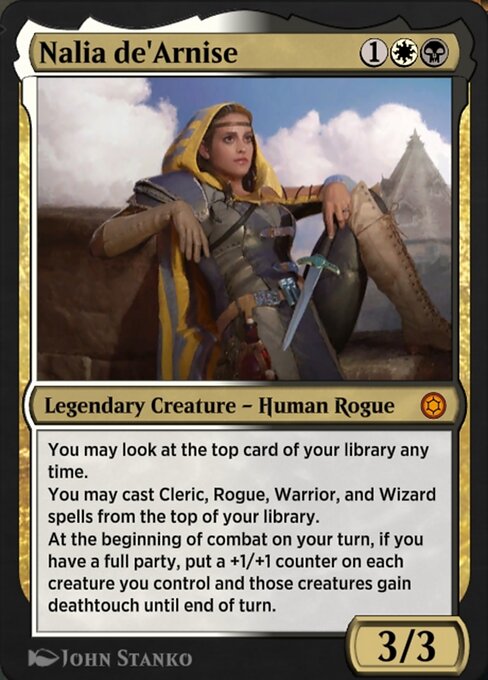
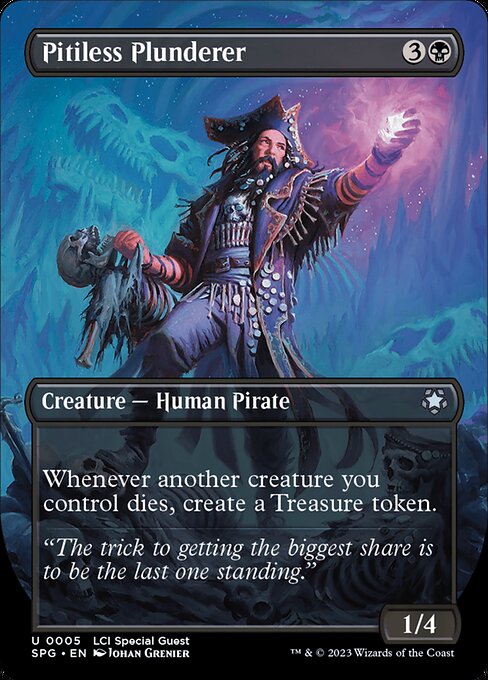
The deck isn’t purely dependent on sacrifice, either. Nalia de'Arnise gives the deck a way to play creatures from the top, while Pitiless Plunderer turns dying creatures into Treasure tokens. That Treasure can then help cast the expensive Demons that the Apostles are trying to support.
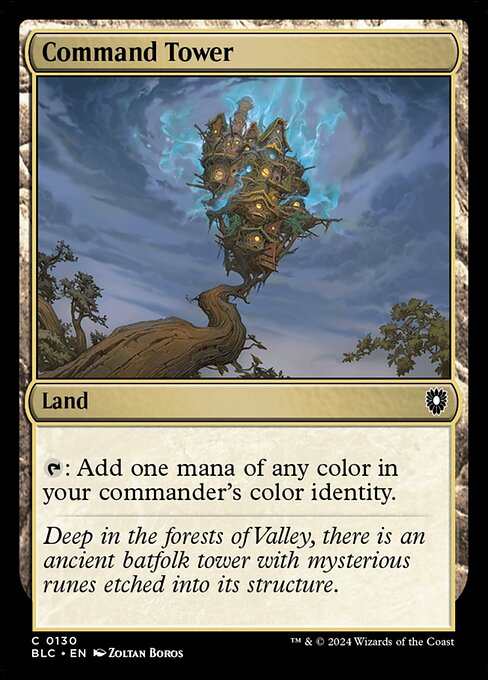
The mana base is deliberately simple, with a very large number of Swamps supplemented by a small number of Plains and Command Tower. This is appropriate for a budget list because the deck doesn’t need an elaborate mana base to function. Most of its requirements are heavily weighted toward black, and Arcane Signet and Orzhov Signet help provide the white mana required by its support cards.
What makes this deck particularly fun at a casual table is the contrast between its tiny creatures and enormous finishers. Watching a battlefield fill with Shadowborn Apostle can make the deck appear almost harmless, but those creatures are effectively a toolbox waiting to be converted into Demons.
It is also exactly the kind of strategy that demonstrates why budget Commander doesn’t necessarily mean weak Commander. The deck’s expensive-looking effects come from synergy rather than a collection of premium staples. The Apostles provide consistency, Athreos provides recursion, the Demons provide power, and the aristocrats package ensures that even sacrificing the smallest creatures contributes toward the eventual victory.
Check out the deck here:
Commander
Creatures (58)
Sorceries (4)
Enchantments (3)
100 Cards
$174.04
Deck #3: Budget Vampires
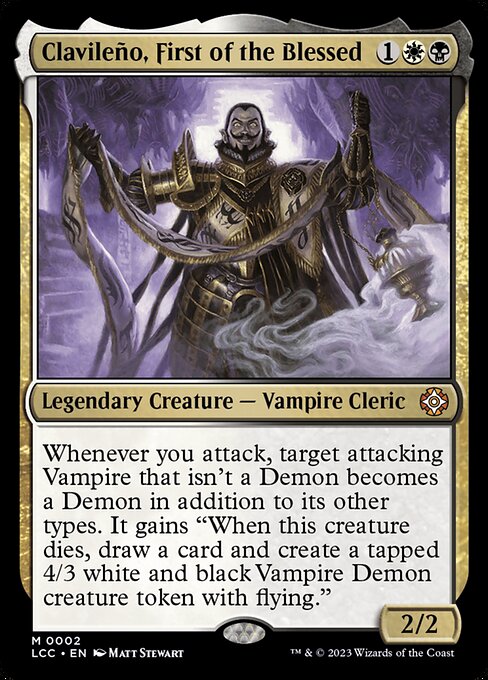
If the first two decks demonstrate how differently Orzhov can approach its strategies, Clavileño, First of the Blessed brings us to one of the most recognizable tribal archetypes in black and white: Vampires.
Vampires have always been particularly comfortable in Orzhov because the creature type naturally combines aggression, lifegain, sacrifice, and incremental value. This budget list embraces all four of those characteristics at just USD$90. It wants to establish a board of Vampires, attack consistently, and make sure that its creatures remain useful even when they eventually die.
Clavileño is a natural commander for that plan. His ability encourages your Vampires to attack and gives you a powerful incentive to sacrifice those creatures afterward if they didn’t die in combat. That means the deck isn’t afraid to trade its smaller creatures for larger advantages. In fact, many of the creatures here are specifically valuable because they can either produce additional bodies or generate value when they die.
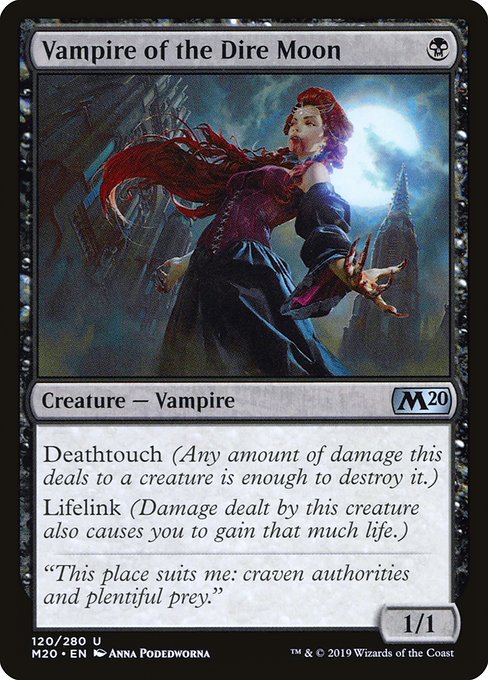
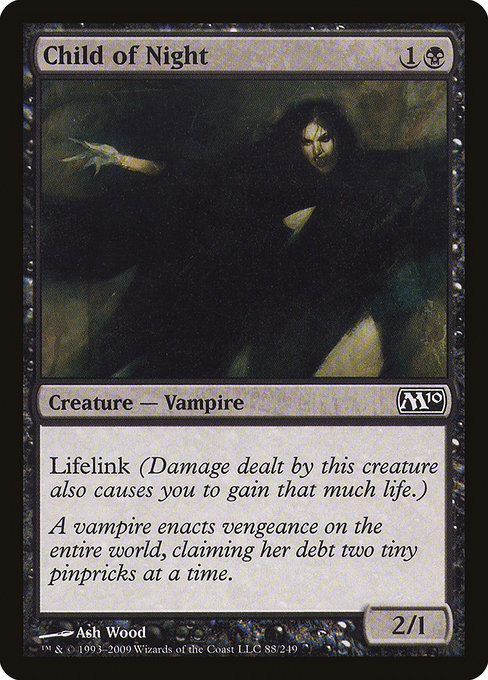
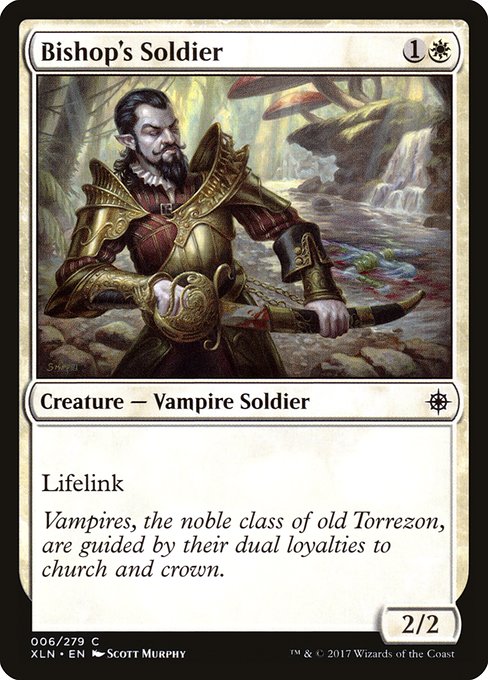
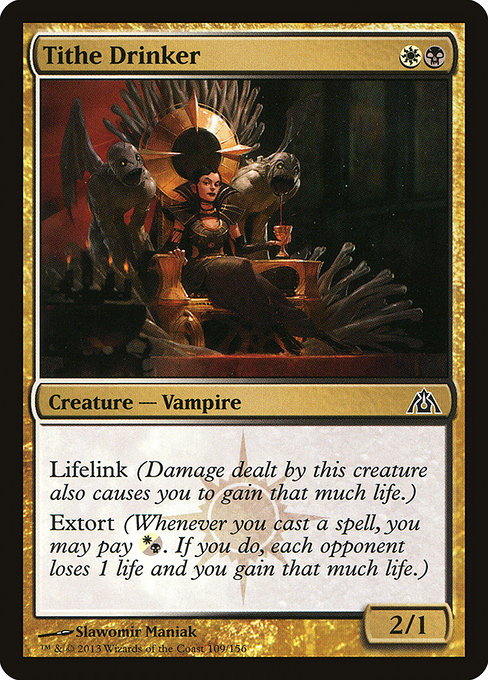
The deck begins with a healthy collection of inexpensive Vampires. Vampire of the Dire Moon, Child of Night, Bishop's Soldier, and Tithe Drinker give the deck cheap creatures that can begin applying pressure early. Their job is to establish the tribal presence that allows the stronger cards later in the game to take over.
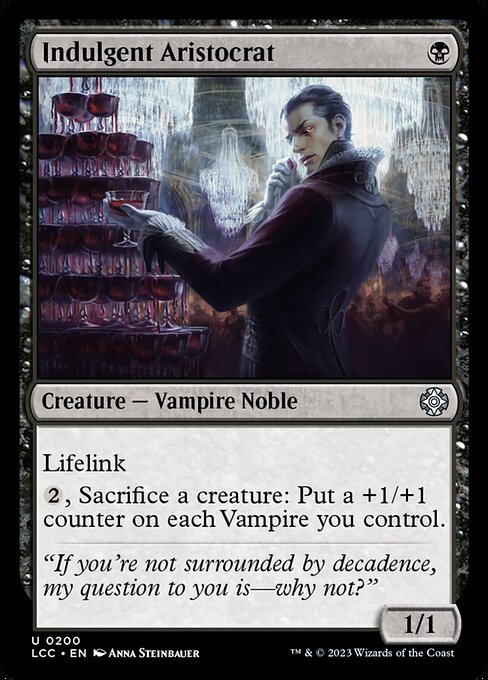
Indulgent Aristocrat gives the deck a repeatable way to turn expendable creatures into permanent +1/+1 counters. Similarly, Legion Lieutenant provides a straightforward tribal anthem, giving your Vampires additional power and toughness and making even the smallest creatures meaningful attackers.
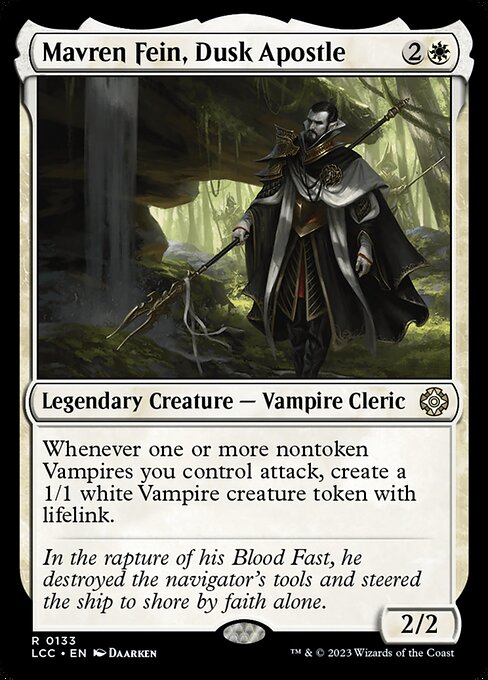
The deck’s ability to generate more Vampires is another major component of its game plan. Mavren Fein, Dusk Apostle rewards attacking by creating additional Vampire tokens, allowing the board to grow naturally as the deck plays the game it already wants to play. Elenda, the Dusk Rose takes the opposite approach: she becomes stronger as creatures die and eventually leaves behind an army of Vampire tokens when she herself dies.
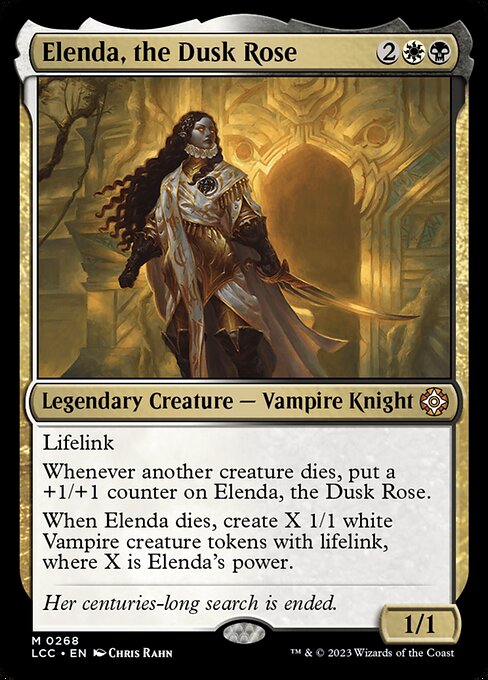
This creates an important loop. Your Vampires attack, some of them are sacrificed, and those deaths can generate additional value. The resulting tokens can then attack on subsequent turns, creating even more opportunities to benefit from your tribal and sacrifice effects.
That is where cards such as Blood Artist, Cruel Celebrant, and Falkenrath Noble become particularly important. They turn your creatures dying into direct damage and lifegain. Instead of worrying about whether sacrificing a creature represents a loss of resources, the deck can view those deaths as another way of progressing toward victory.
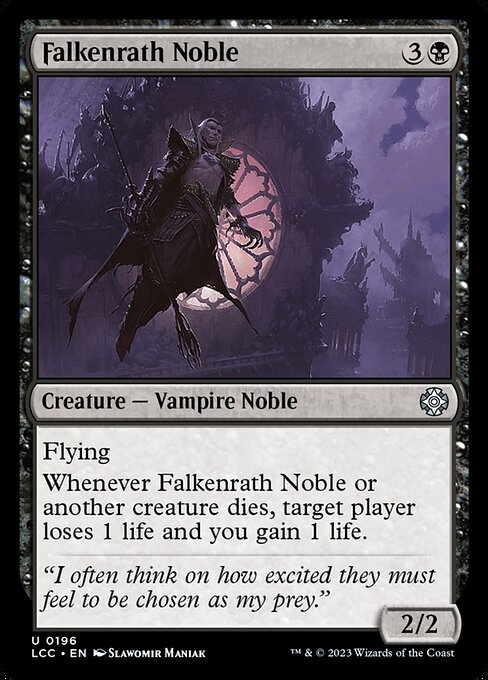
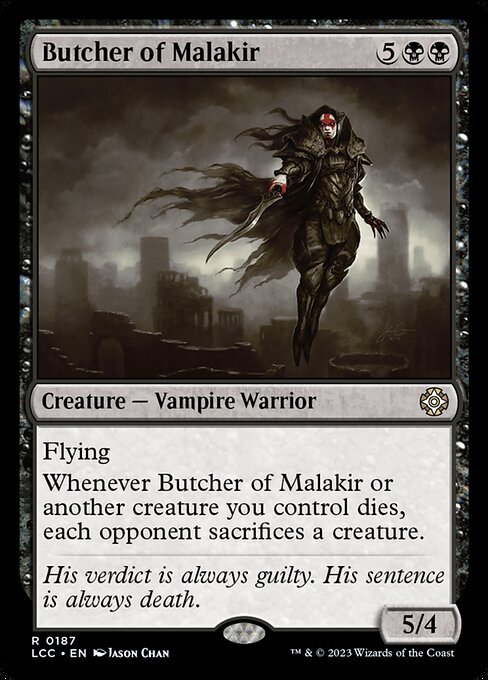
Butcher of Malakir takes this concept to a much larger scale. With a sacrifice-heavy board, it can make opposing creatures disappear whenever your own creatures die. That makes your sacrifice effects much more threatening and can eventually leave opponents with very little board presence.
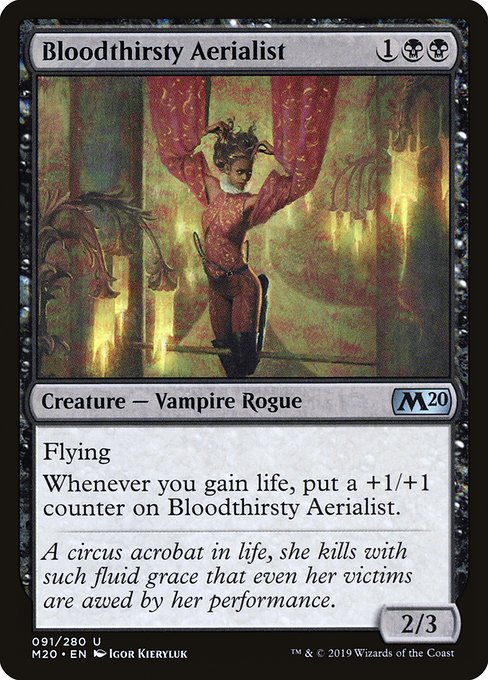
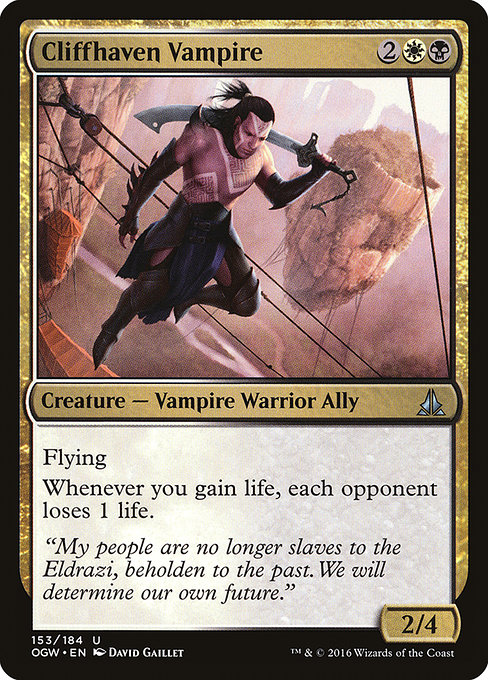
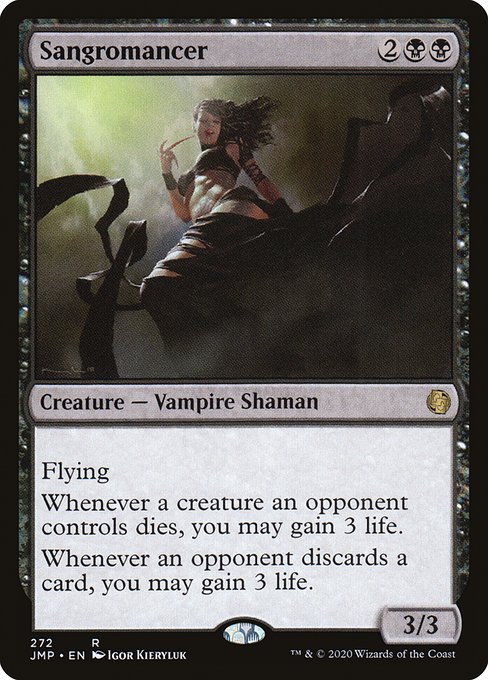
The deck also has several ways of turning its lifegain into a source of pressure. Bloodthirsty Aerialist grows whenever you gain life, while Cliffhaven Vampire can turn lifegain into damage against your opponents. Sangromancer similarly rewards the deck for the creatures you remove and the cards opponents discard.
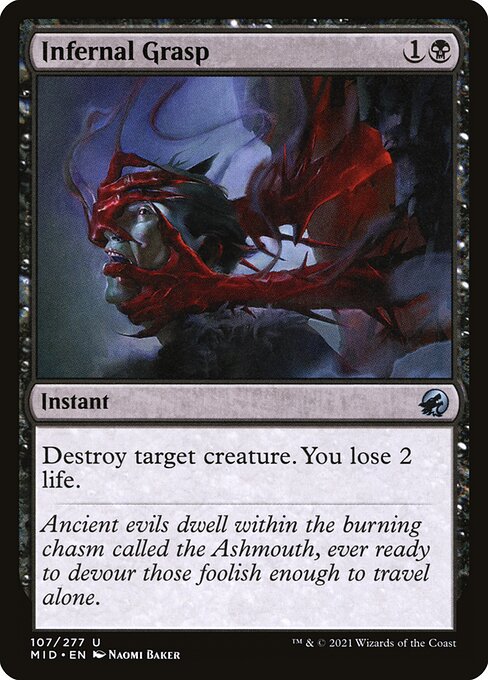
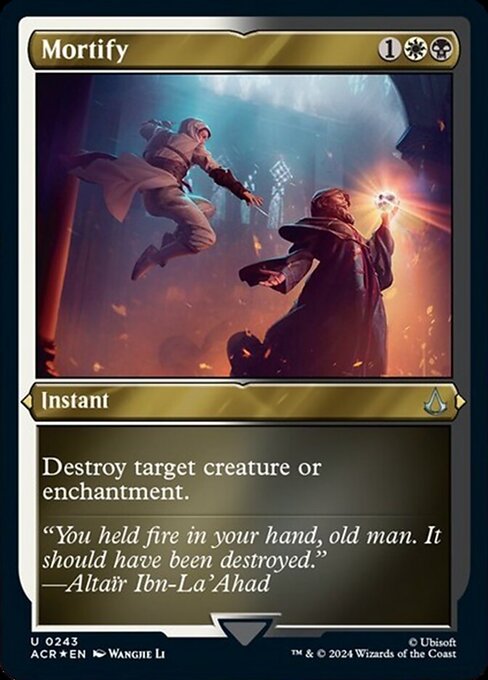
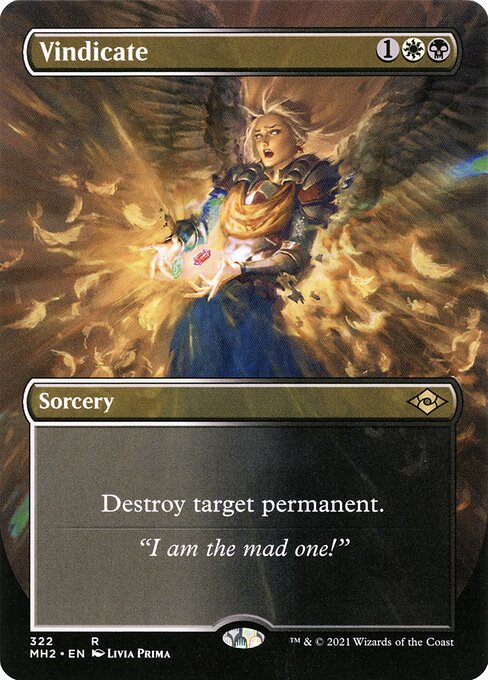
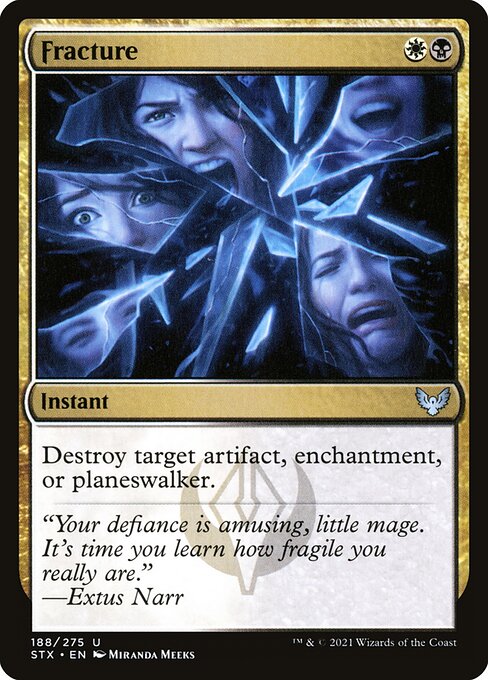
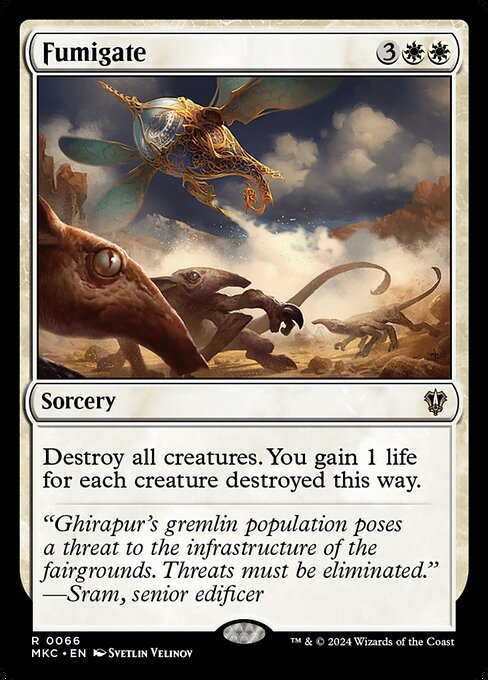
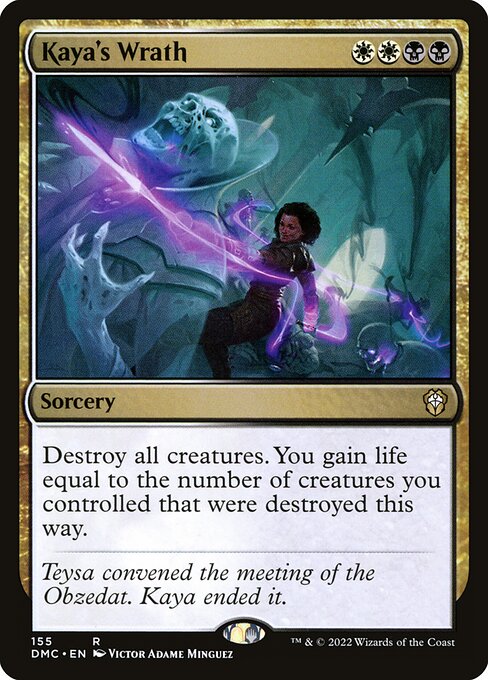
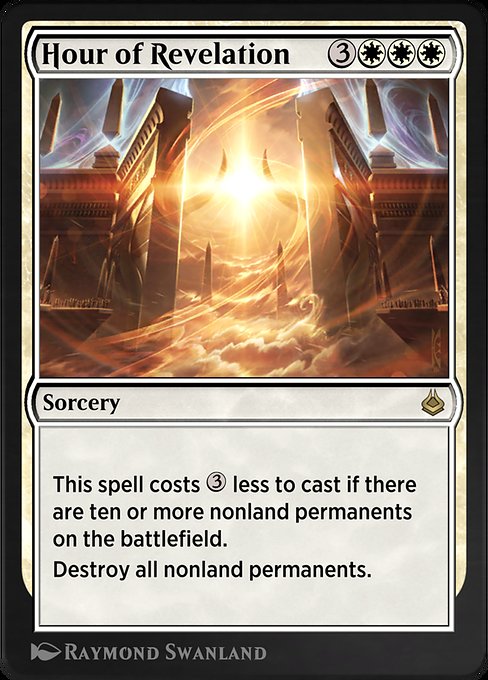
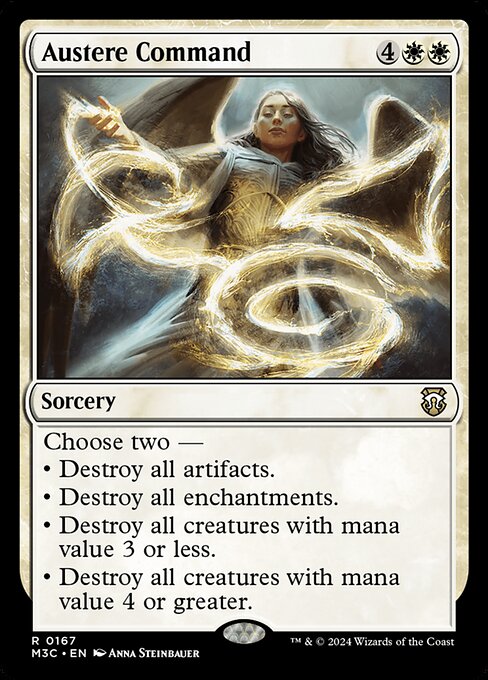
There is also plenty of interaction for a budget deck. Infernal Grasp, Mortify, Vindicate, Fracture provide answers to opposing threats, while Fumigate, Kaya's Wrath, Hour of Revelation, and Austere Command can reset the battlefield when things get out of hand.
The inclusion of Sorin, Imperious Bloodlord is another nice touch. Sorin is perfectly suited to Vampire tribal, providing multiple relevant abilities depending on the situation. He can put +1/+1 counters on Vampires, create Vampire tokens, and even cheat a Vampire from your hand directly onto the battlefield.
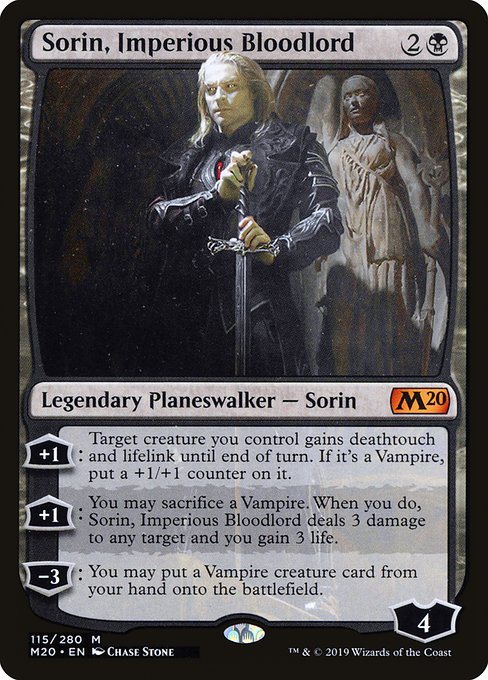
For a budget deck, this is exactly the sort of planeswalker you want: it specifically reinforces what the deck is already trying to accomplish.
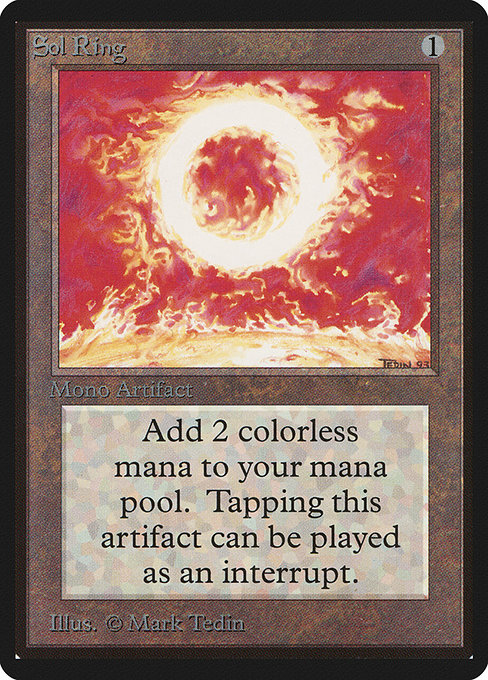
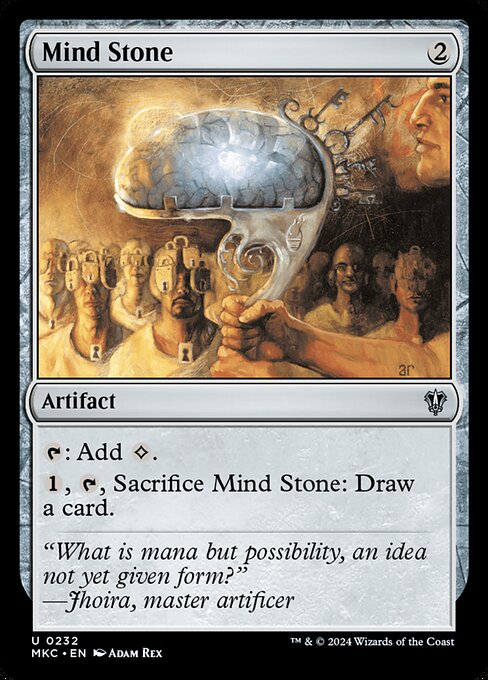
The mana base is similarly practical. There is a heavy emphasis on Swamps, with enough Plains and Orzhov dual lands to support the deck’s white requirements. Sol Ring, Arcane Signet, Orzhov Signet, and Mind Stone provide the necessary acceleration without requiring a collection of expensive mana rocks.
What makes this Vampire deck particularly appealing for casual Commander is how naturally all of its pieces fit together. The Vampires attack because they are tribal creatures. They gain life because that is part of the Vampire identity. They grow because the deck rewards lifegain and sacrifice. And when they die, they fuel the aristocrats package.
That cohesion is more important than raw card power. You don’t need every Vampire to be individually exceptional when the deck’s overall engine continually turns small advantages into larger ones.
Check out the deck here:
Commander
Planeswalkers (1)
Creatures (36)
Instants (7)
Sorceries (9)
Artifacts (8)
Lands (37)
100 Cards
$99.15
Closing Thoughts
These decks demonstrate that building on a budget doesn’t mean building without a plan. In fact, each of these lists has a remarkably clear identity despite avoiding the expensive staples and highly tuned packages that often dominate discussions about Commander optimization.
The important thing is that none of these decks needs to pretend to be cEDH. They’re designed for casual Commander, where having a recognizable strategy and getting your deck’s engine working can be just as satisfying as winning as quickly as possible.
That’s ultimately where budget Commander shines. A deck doesn’t need to contain the most expensive version of every effect to be fun or effective. If your cards work together, your commander contributes meaningfully to the strategy, and the deck gives you interesting decisions to make every game, you’ve already accomplished most of what makes Commander worth playing.