





Pauper EDH occupies an interesting corner of the Commander world. The major difference with Commander is that the cards making up your deck are drawn almost entirely from the common rarity pool, which radically changes what kinds of strategies are available. Also, your Commander can be any uncommon Legendary or non-Legendary creature.
The restriction does more than simply make decks cheaper. It changes the texture of the games themselves. Powerful staples that are almost automatic inclusions in normal Commander are simply unavailable, meaning that players have to rely on cards that might otherwise be overlooked. Removal tends to be more conditional, mana acceleration is more modest, and creatures that would never make the cut in a traditional Commander deck can become important pieces of a Pauper strategy. If you want to learn more about the format I highly suggest you check out this article: https://edhmeta.com/pauper-commander-overview/
In this article we will explore 2 different decks of Mono-White in Pauper EDH.
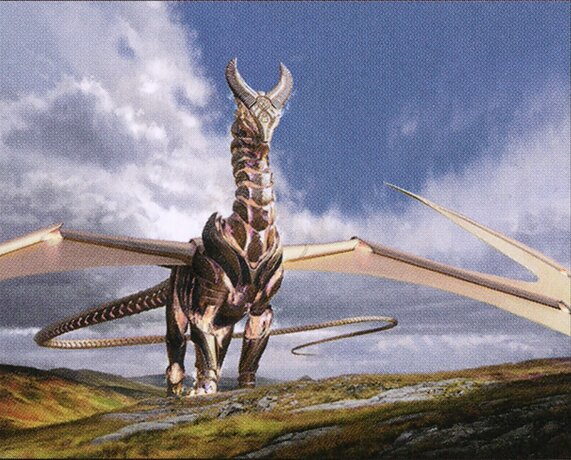
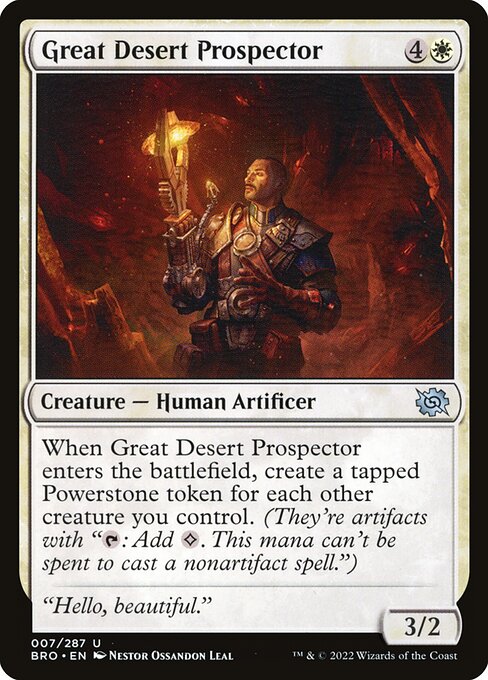
Deck #1: Great Desert Prospector
Great Desert Prospector leads a deck that takes a very straightforward approach to winning games: develop your board, put equipment onto your creatures, generate incremental advantages and turn those creatures sideways.
That sounds simple, but the deck is considerably more layered than a traditional “play creatures and attack” strategy. Its creature base is supplemented by artifacts, equipment, token production and a surprisingly substantial amount of mana development. The result is a deck that can start with relatively unimpressive creatures and gradually turn them into legitimate threats.
The commander itself provides an important reason to build this way. The deck wants to establish a battlefield where its creatures and artifacts continuously increase the amount of pressure it can apply.
The equipment package is one of the clearest ways the deck accomplishes this. Dwarven Shortsword, Hunter's Blowgun, Mirran Bardiche, Paladin's Arms, Honored Heirloom, Bitterthorn, Nissa's Animus and Urn of Godfire give the deck a collection of relatively inexpensive ways to improve its creatures.

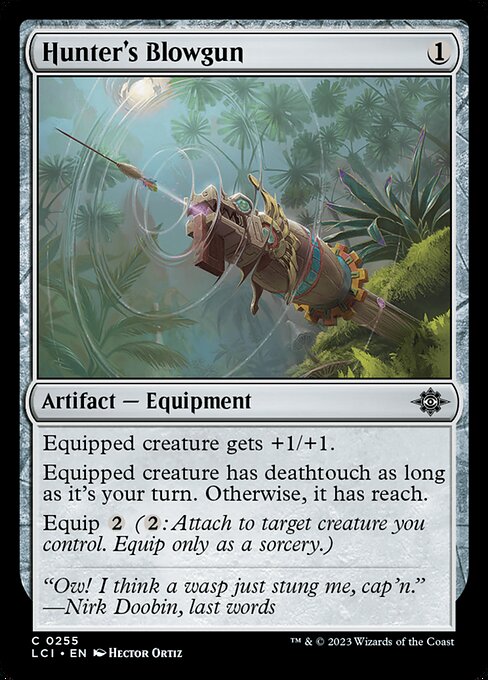
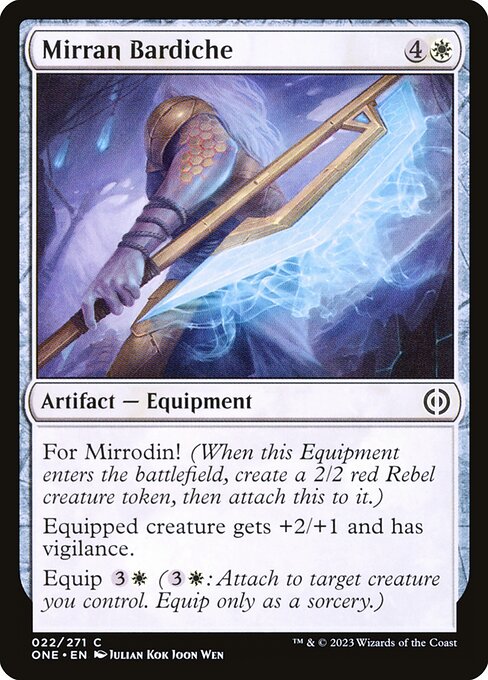
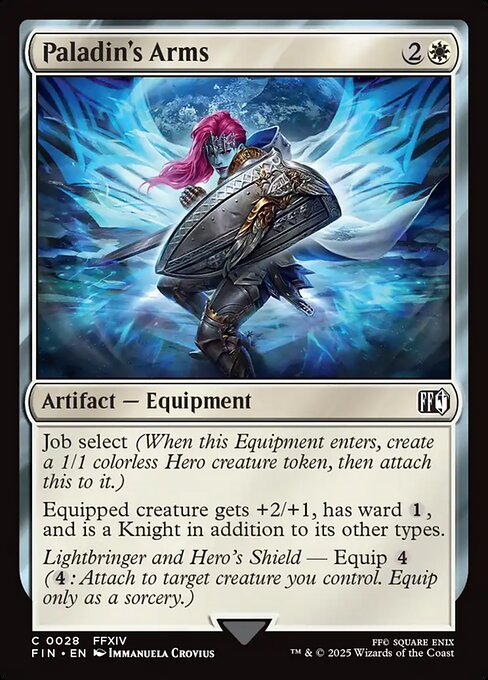
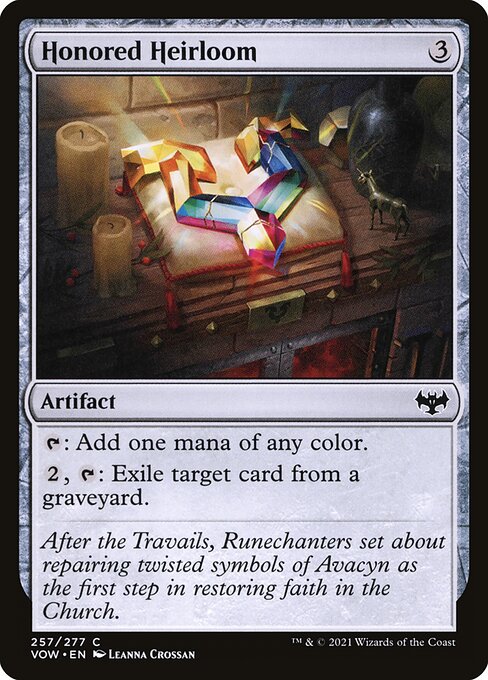
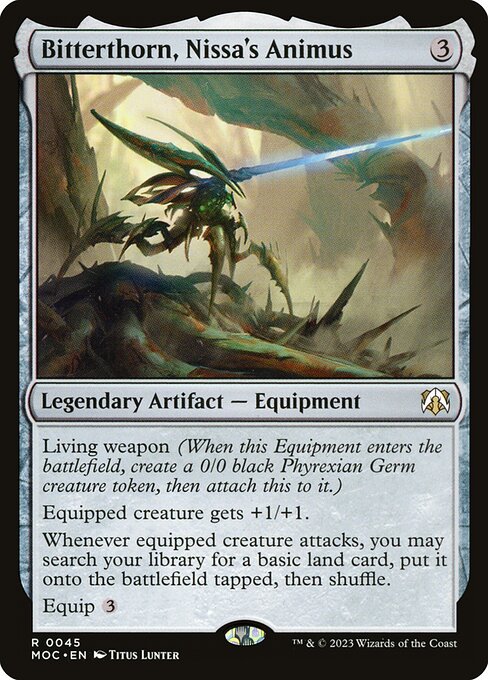
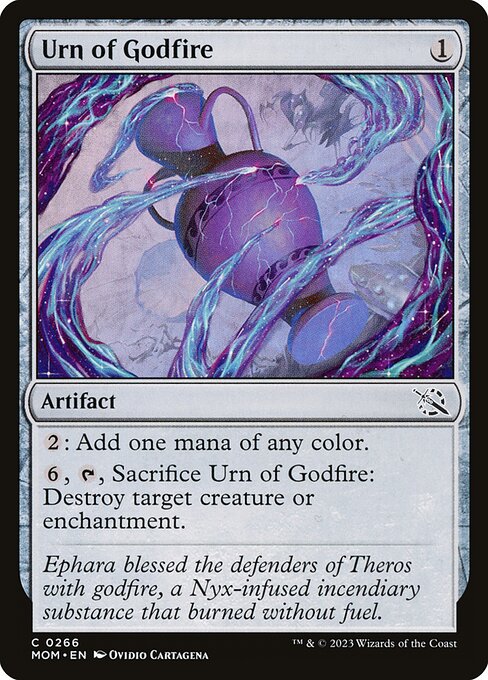
Rather than depending on one massive creature, the deck can distribute these upgrades across its board. A small creature that would normally be little more than a body suddenly becomes capable of trading with larger threats, dealing meaningful combat damage or surviving combat where it otherwise would not. Equipment also gives the deck a way to maintain pressure through removal: if one creature dies, the investment can often be transferred to another.
There is also a strong artifact component supporting this plan. Bonder's Ornament, Energy Refractor, Everflowing Chalice, Gold Myr, Manakin, Ornithopter of Paradise, Scuttlemutt and Tower Worker provide additional mana or utility while contributing to the deck’s artifact count.
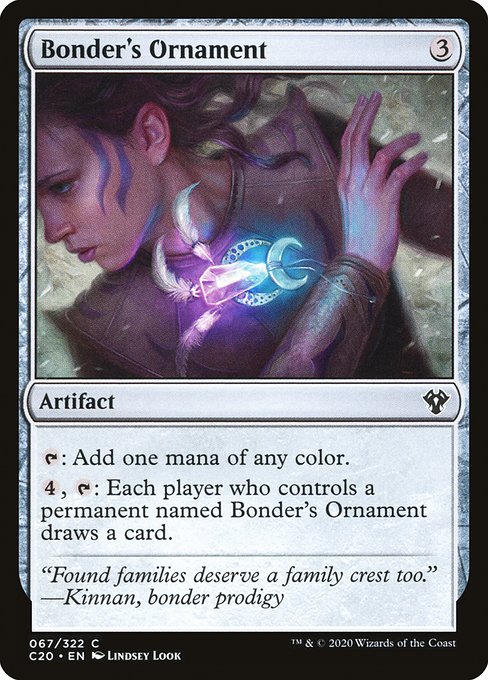
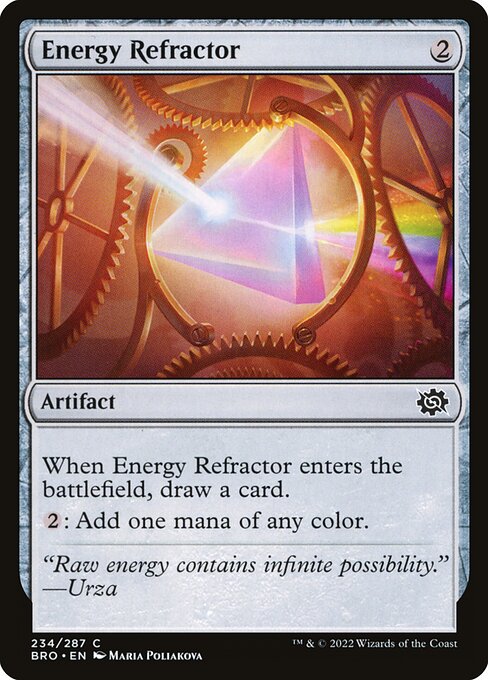
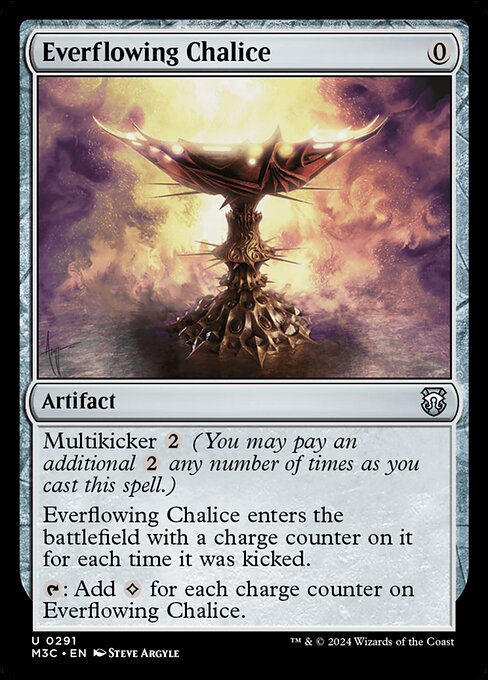
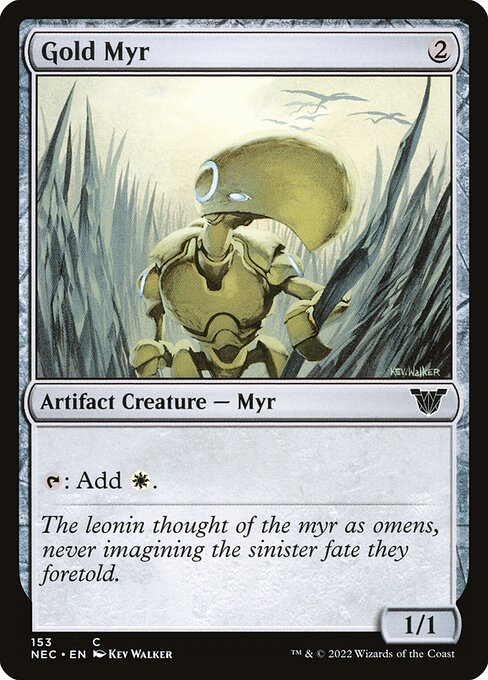
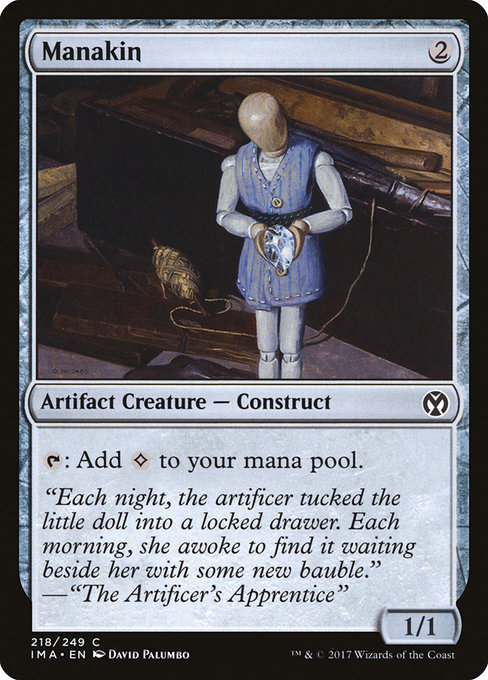
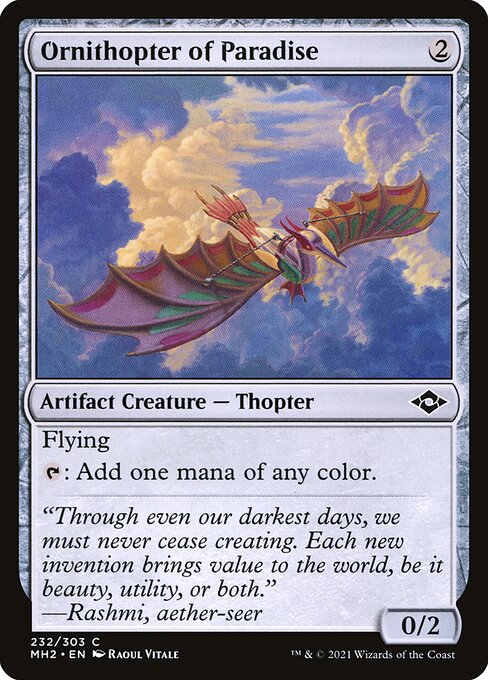
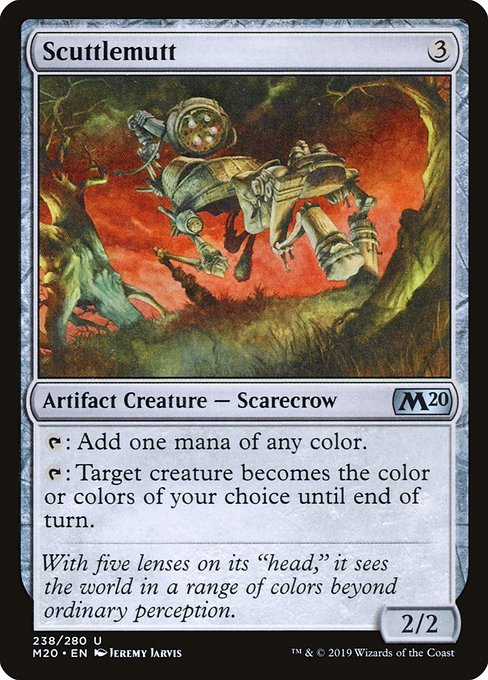
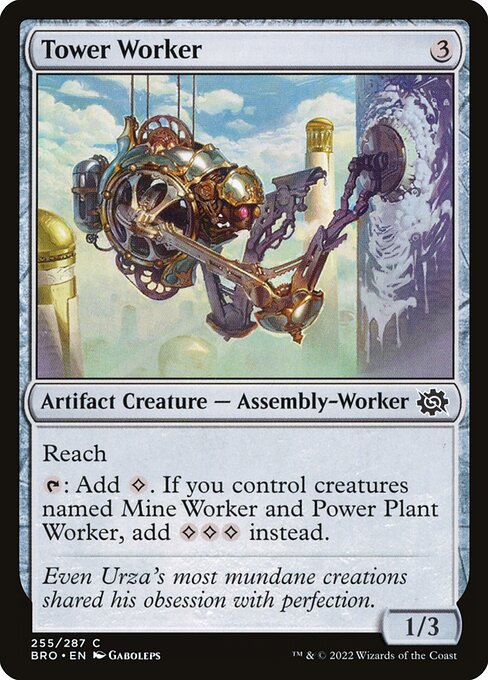
This is important because the deck wants to develop its mana enough that it can deploy creatures while still having the resources to equip them and interact with opponents.
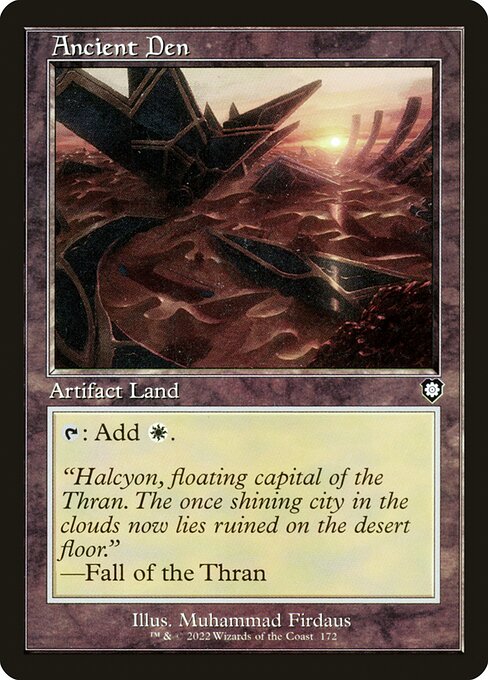
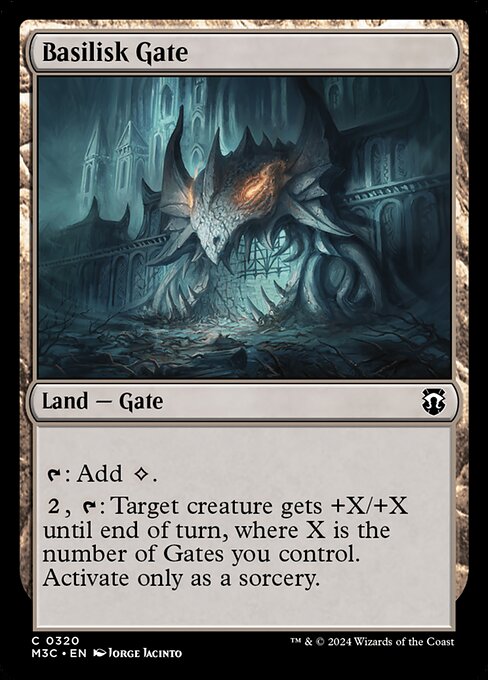
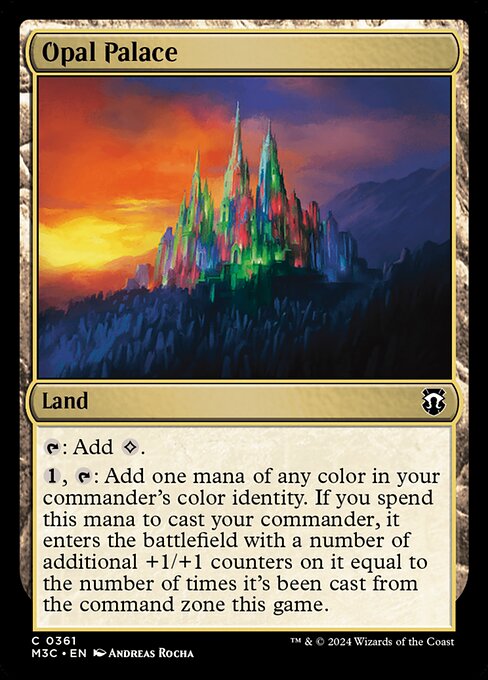
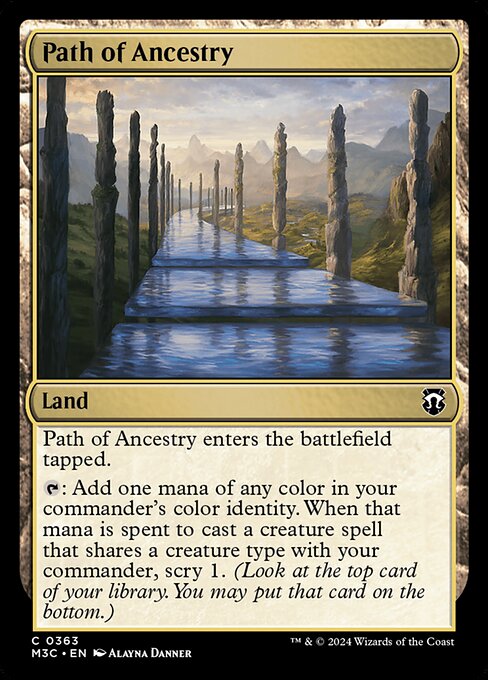
The land package itself is relatively simple, but there are several useful pieces beyond the Plains. Ancient Den gives the deck another artifact for its various synergies, while Basilisk Gate can turn an otherwise harmless creature into a significant threat. Opal Palace helps the commander remain relevant if it returns to the battlefield multiple times, and Path of Ancestry offers additional value in a creature-heavy deck.
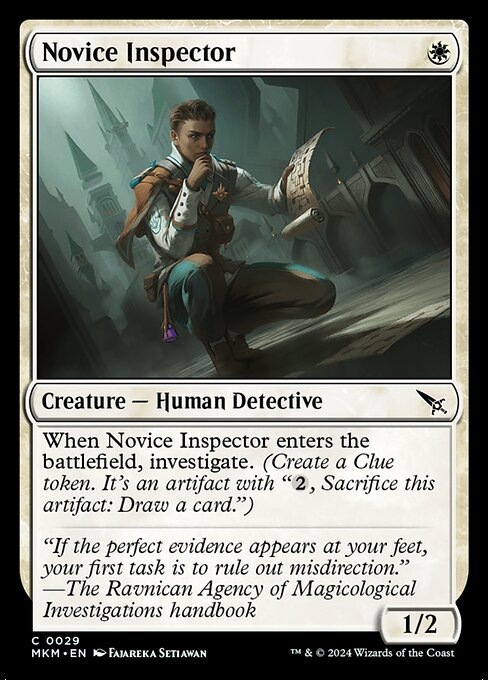
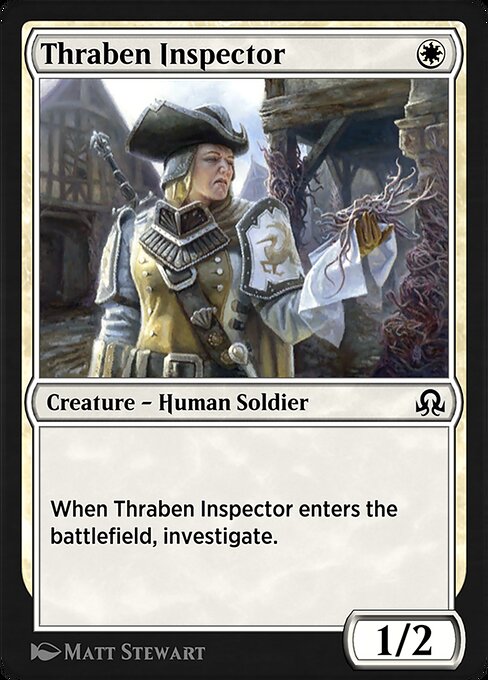
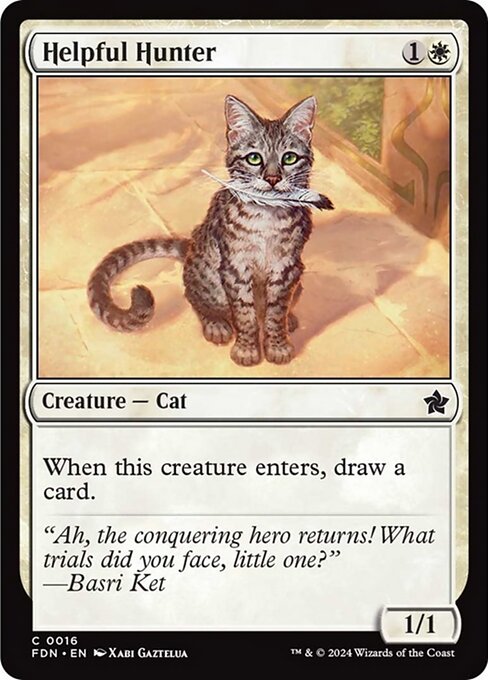
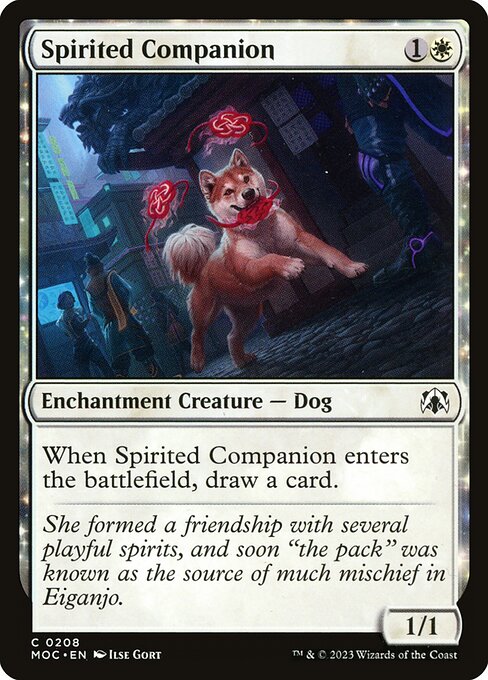
One of the most appealing aspects of the list is its ability to generate value from creatures that would look rather modest in ordinary Commander. Novice Inspector, Thraben Inspector, Helpful Hunter and Spirited Companion all provide small advantages while developing the battlefield. The important distinction in Pauper is that these creatures don’t have to compete against the same power level of cards found in regular Commander.
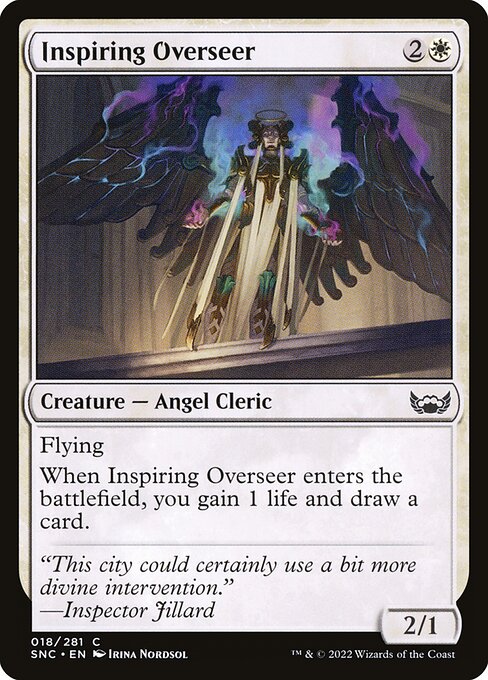
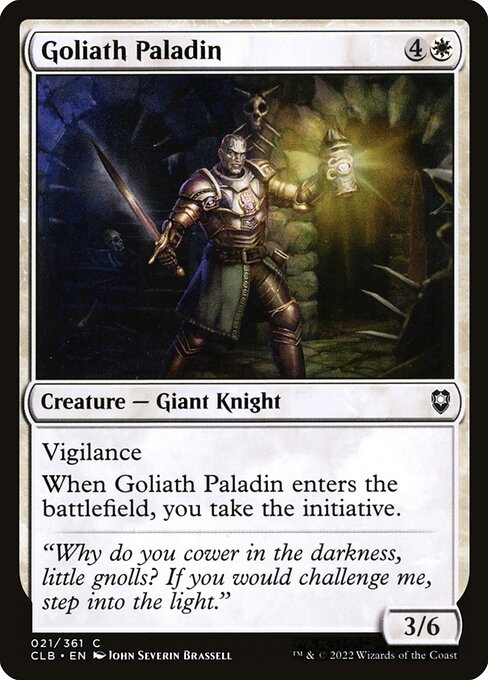
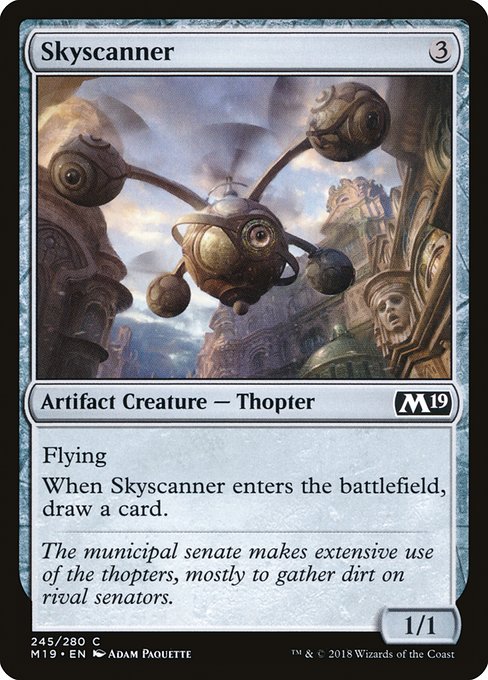
Cards such as Inspiring Overseer and Goliath Paladin continue this philosophy, providing card draw while still leaving bodies behind. Skyscanner fills a similar role, turning an artifact creature into a cantrip. These effects help prevent the deck from running out of gas after committing several cards to the battlefield.
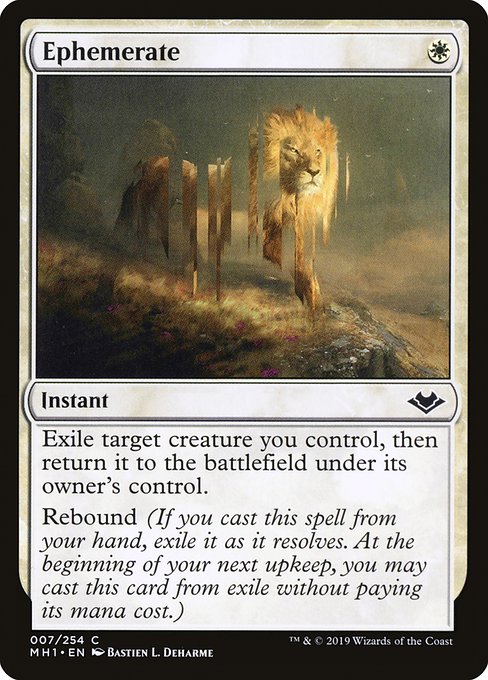
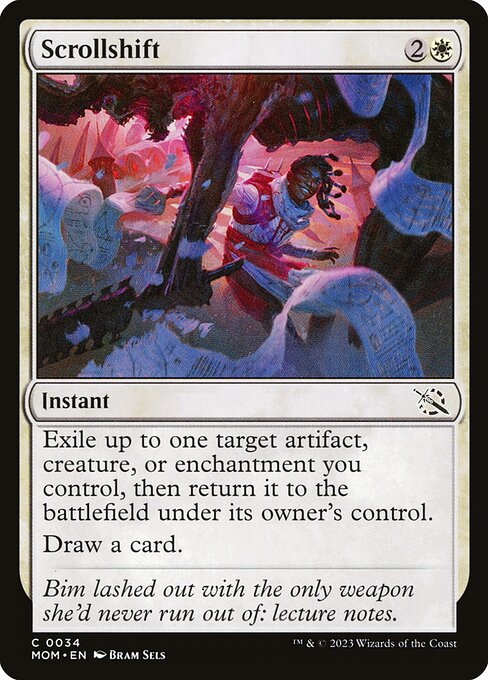
Blink and recursion also give the deck opportunities to reuse these creatures. Ephemerate is particularly valuable, since it can protect a creature while also allowing an enter-the-battlefield ability to happen again. Scrollshift provides another way to temporarily remove and return a permanent, potentially generating additional value from the deck’s many creatures.
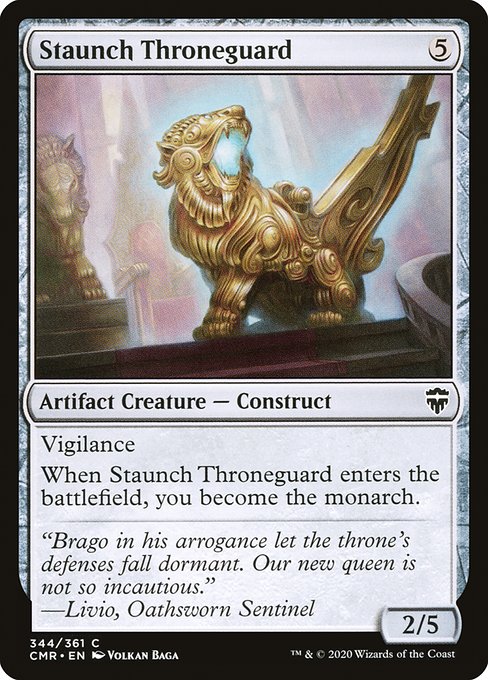
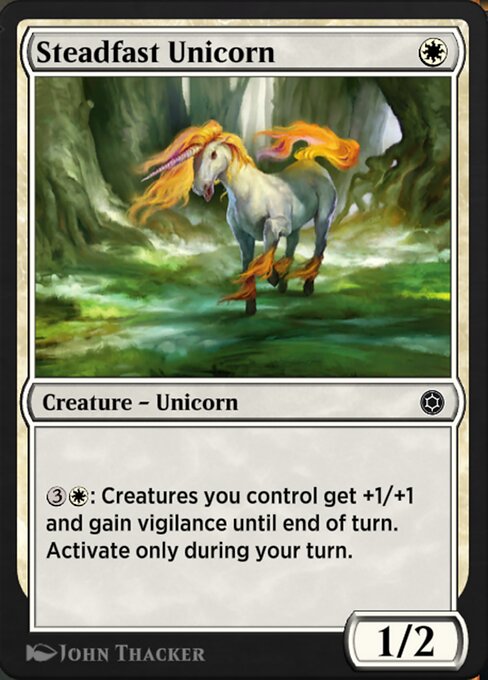
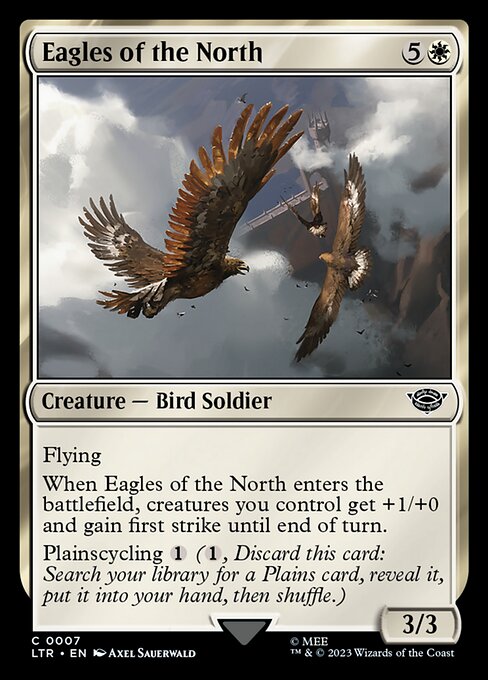
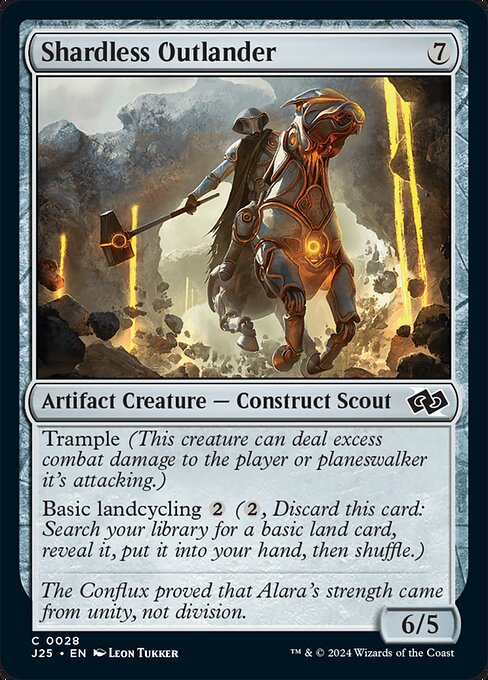
The deck also has a legitimate stompy plan, and cards such as Staunch Throneguard, Steadfast Unicorn, Eagles of the North and Shardless Outlander help create a battlefield capable of attacking through the middle turns of the game.
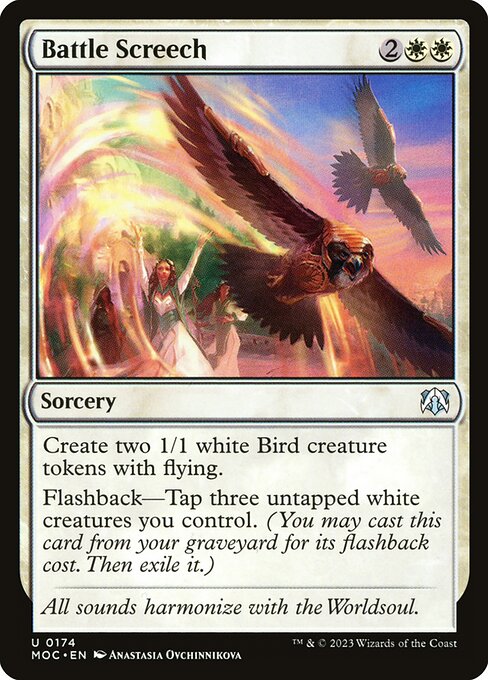
Battle Screech is another excellent fit. Producing multiple flying bodies gives the deck a way to expand its board while also creating additional targets for its equipment. A token strategy can be particularly dangerous when combined with a card like Basilisk Gate, allowing a creature that started as a small token to become a meaningful source of damage.
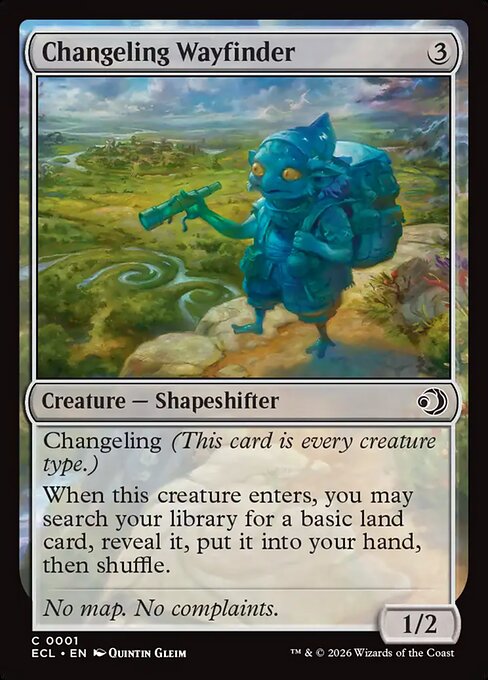
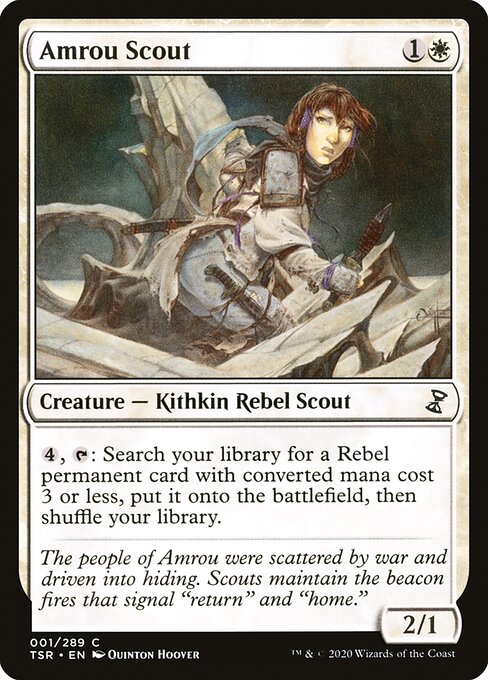
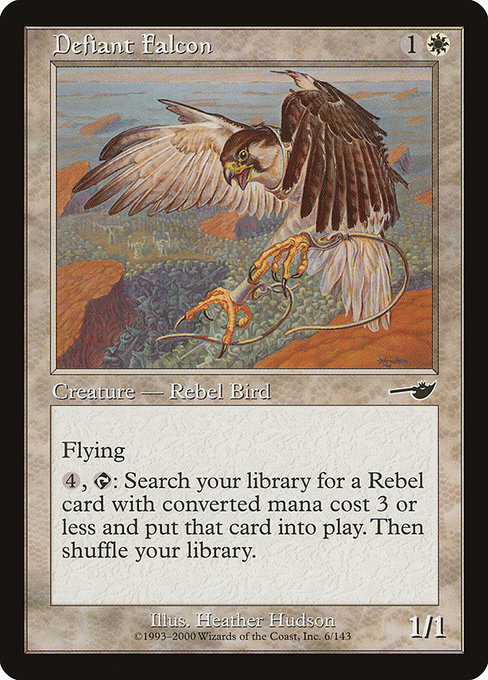
The deck also has access to several tribal and creature-type synergies despite not being a dedicated tribal deck. Changeling Wayfinder and Path of Ancestry become more useful when the deck contains a wide range of creatures sharing types, while Amrou Scout, Defiant Falcon, Ramosian Lieutenant and Ramosian Sergeant bring the Rebel package into the deck.
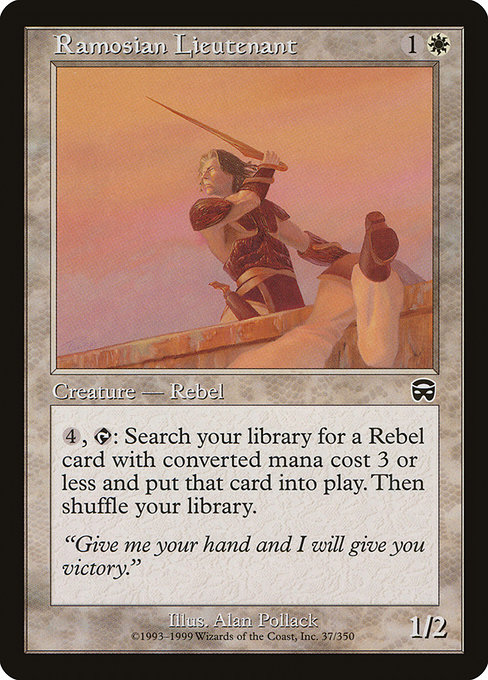
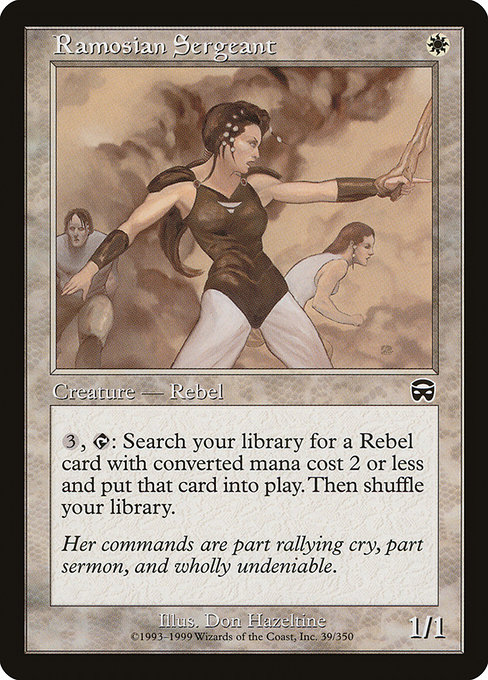
That package isn’t necessarily the primary way the deck wins, but it gives the deck another angle of attack. Instead of drawing every creature naturally, the Rebel creatures can help establish a board presence over time. This makes the deck feel less like a purely linear aggro deck and more like a creature-based toolbox that happens to be very comfortable attacking.
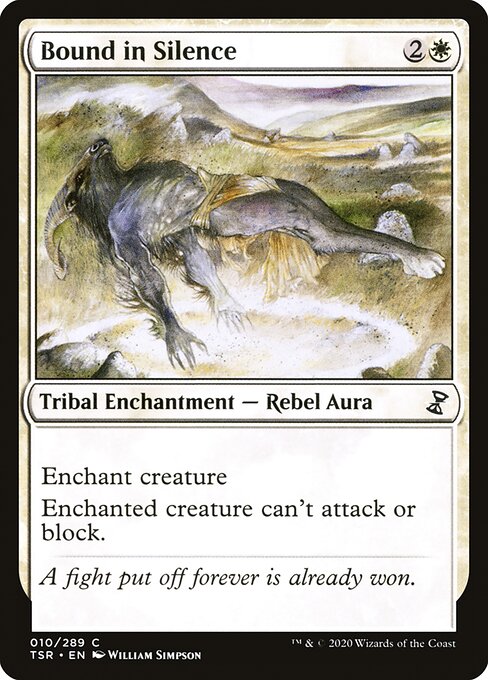
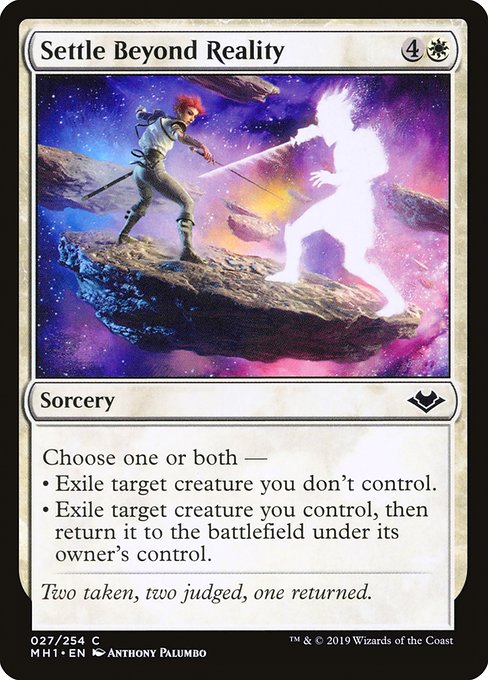
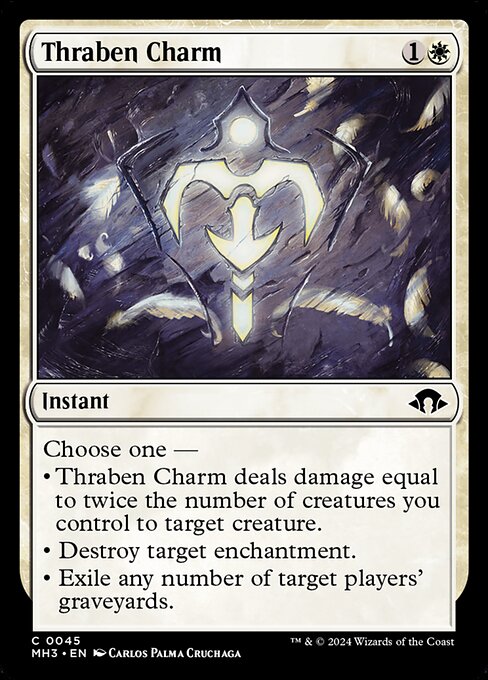
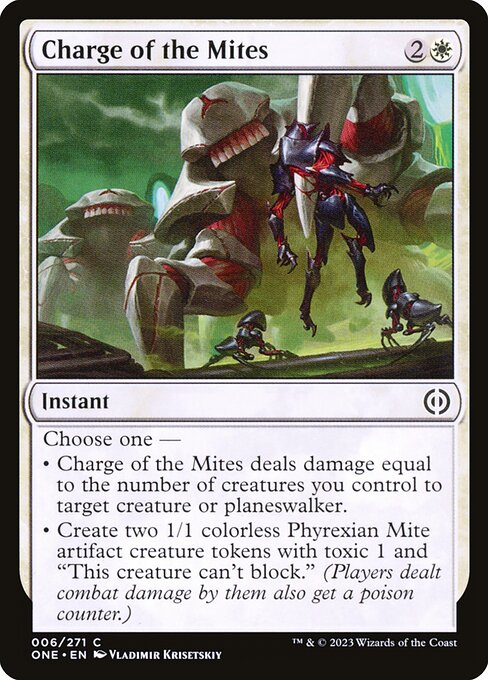
Removal is another area where the Pauper restriction becomes apparent. The deck uses cards such as Bound in Silence, Settle Beyond Reality, Thraben Charm and Charge of the Mites to handle opposing threats. These aren’t universally applicable answers, but they give the deck enough interaction to prevent an opponent from simply executing their game plan without resistance.
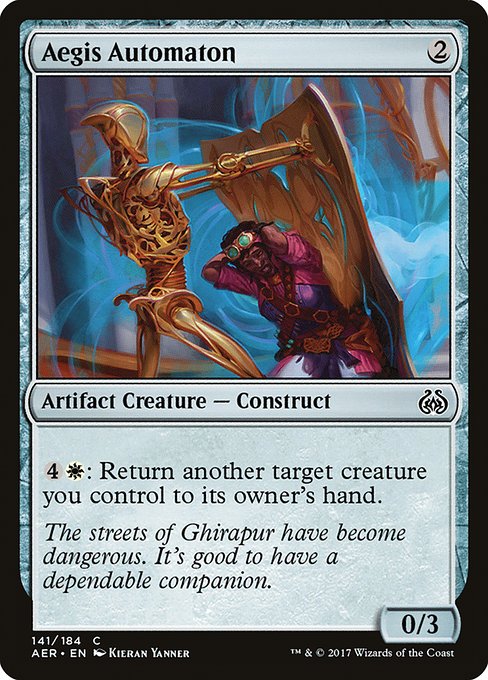
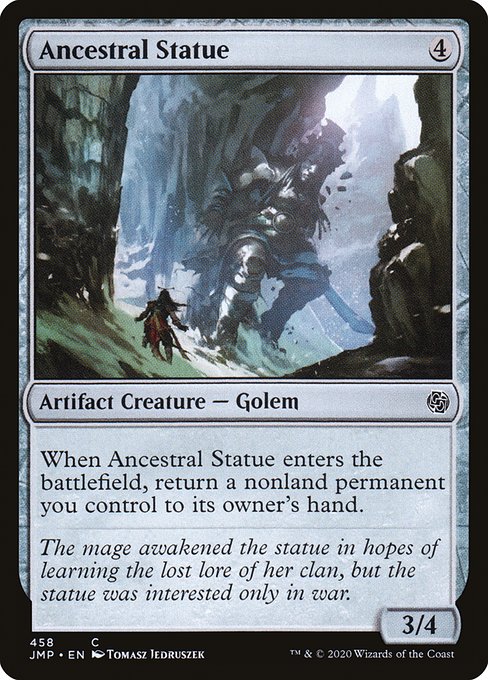
And when the battlefield becomes too complicated, Aegis Automaton can provide additional utility, while Ancestral Statue gives the deck a particularly interesting reusable artifact creature. The latter can repeatedly return a permanent to its owner’s hand, potentially creating opportunities to reuse enter-the-battlefield effects.
Ultimately, Great Desert Prospector is a good example of what makes Pauper EDH creature decks enjoyable. It embraces the power level of the format and turns inexpensive creatures, equipment and artifacts into a coherent strategy.
The result is a deck that wants to spend the early game establishing resources, the middle game building an increasingly threatening battlefield and the later game converting that board presence into combat damage. It won’t necessarily overwhelm a table in a single explosive turn, but that isn’t really the point. Its strength comes from continually getting a little more out of every permanent it plays until those small advantages become difficult for opponents to overcome.
Check out the decklist here:
Commander
Creatures (46)
Instants (4)
Artifacts (16)
Enchantments (1)
Lands (31)
100 Cards
$56.58
Deck #2: Appa, Loyal Sky Bison
Appa, Loyal Sky Bison takes a much more value-oriented approach. This deck is built around blinking creatures, repeatedly reusing enter-the-battlefield effects and eventually overwhelming the table with a steady stream of evasive threats.

The basic idea is wonderfully simple: play creatures that do something when they enter the battlefield, blink them, and get that effect again. In a format where individual cards tend to be less powerful than their counterparts in regular Commander, being able to turn one card into several useful effects over the course of a game is extremely valuable.
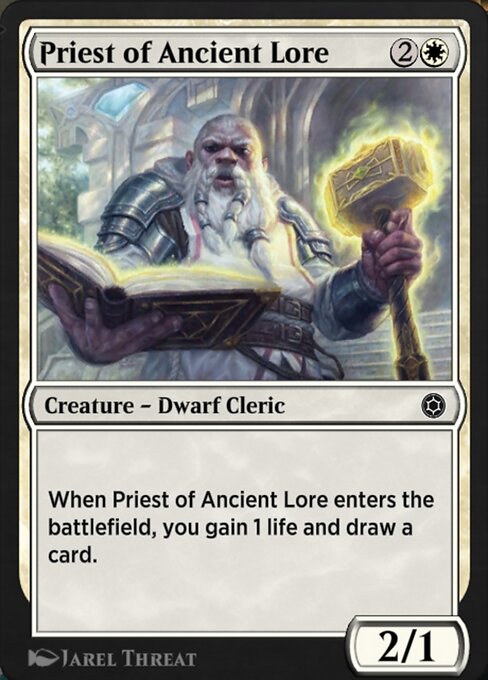
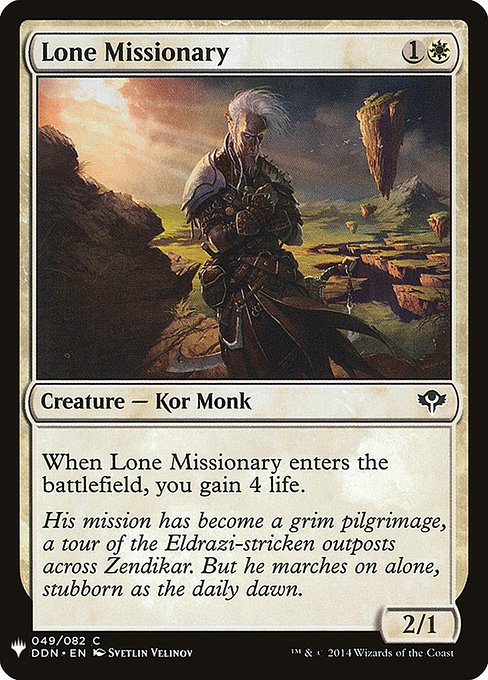
The deck has a particularly impressive density of creatures that reward this strategy. Thraben Inspector, Novice Inspector, Priest of Ancient Lore, Inspiring Overseer, Helpful Hunter and Lone Missionary all become significantly more valuable when they can repeatedly enter the battlefield.
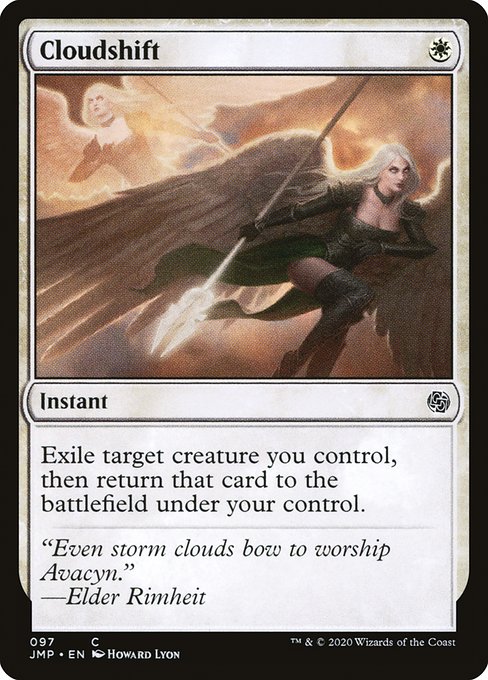
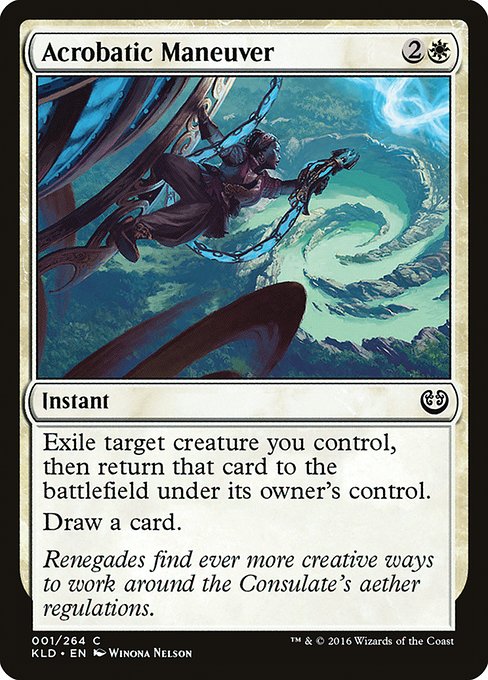
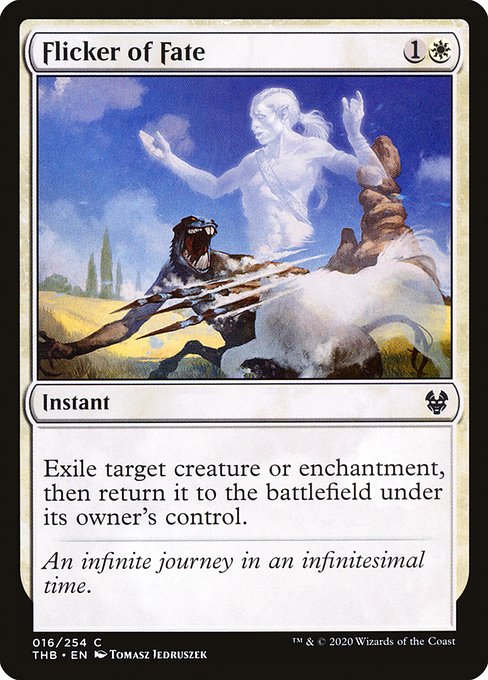
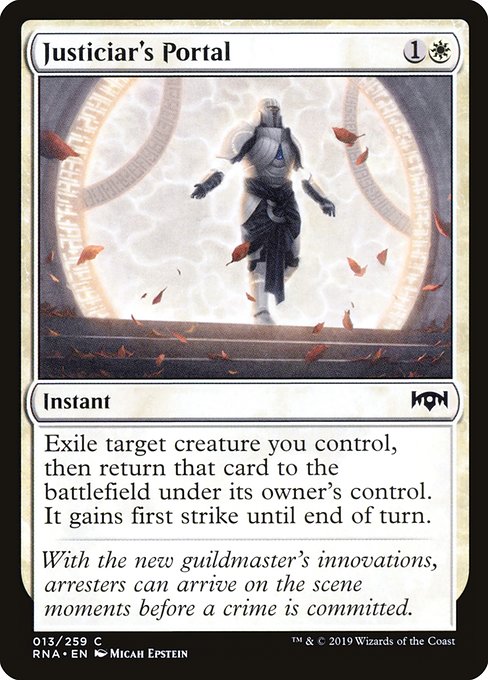
This makes the deck’s blink spells some of its most important cards. Ephemerate, Cloudshift, Acrobatic Maneuver, Flicker of Fate and Justiciar's Portal all provide ways to temporarily remove a creature from the battlefield and bring it back.
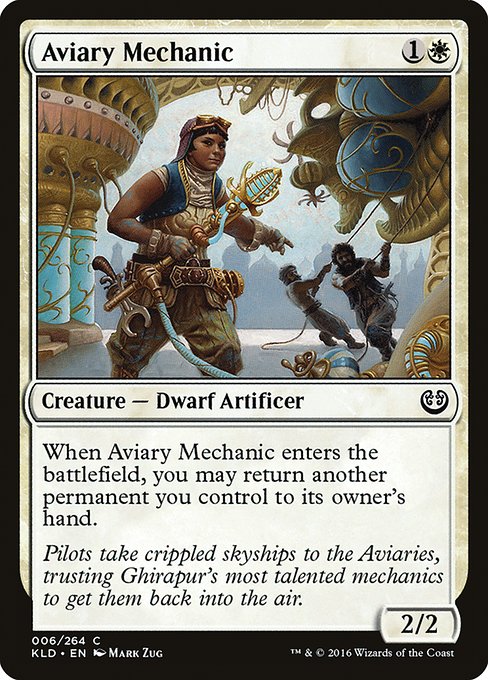
The deck also has creatures that effectively function as blink engines themselves. Aviary Mechanic can return another permanent to its owner’s hand when it enters, while Whitemane Lion provides a similar effect. These cards can be used to pick up creatures with valuable enter-the-battlefield abilities and replay them later.
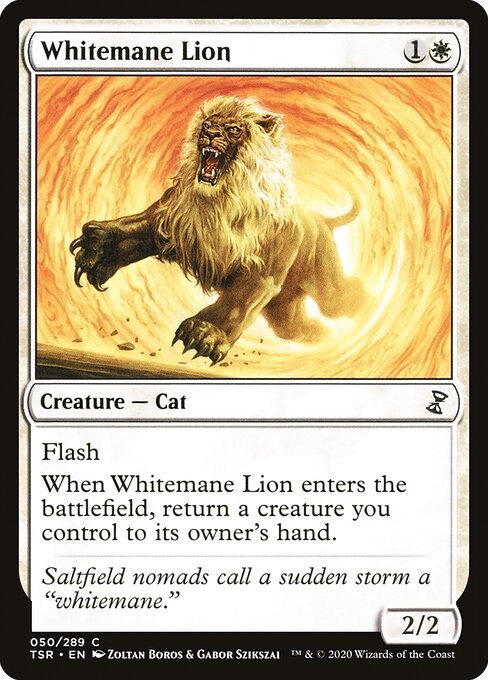
That creates a small but important distinction between simply playing blink spells and actually building a blink deck. The creatures themselves can become part of the engine, allowing the deck to reuse its most valuable permanents even when it doesn’t draw a dedicated flicker spell.
There are plenty of artifacts that benefit from this plan as well. Ichor Wellspring, Mycosynth Wellspring, Prophetic Prism, Alchemist's Vial, Golden Egg, Elsewhere Flask and Tinker's Tote all provide useful effects while entering or leaving the battlefield.
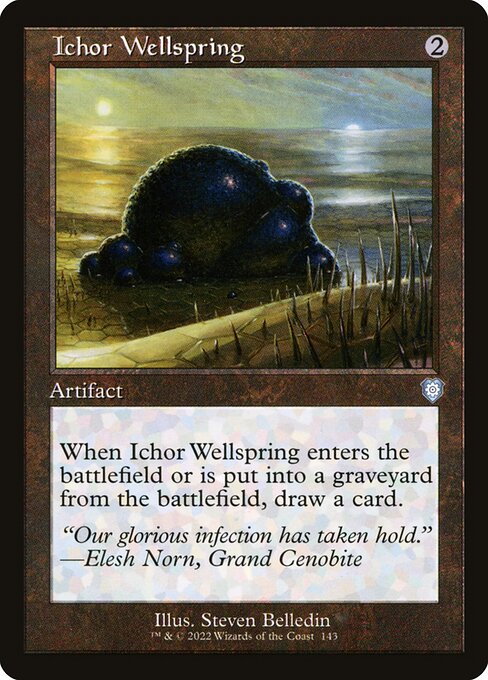
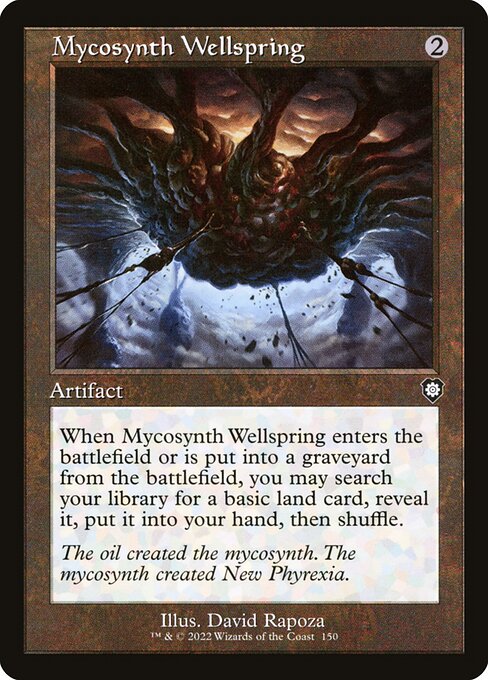
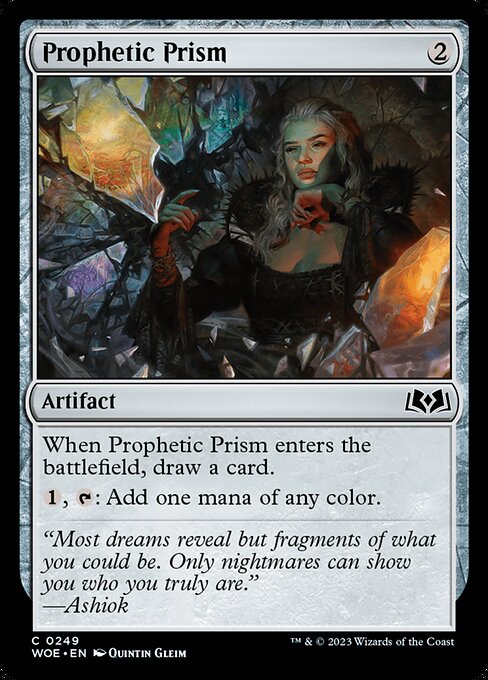
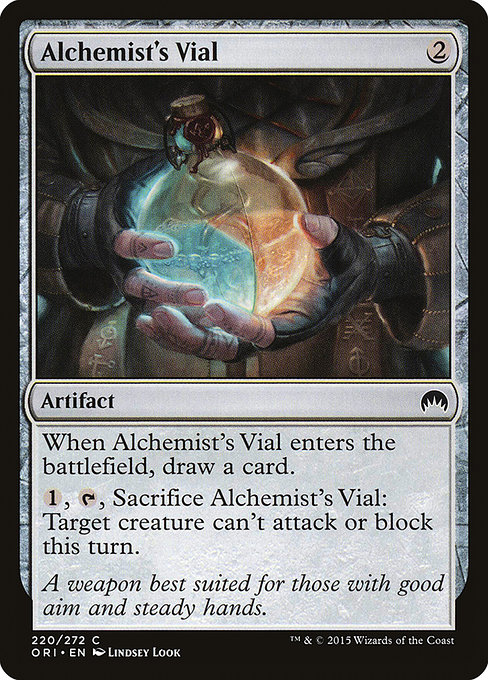
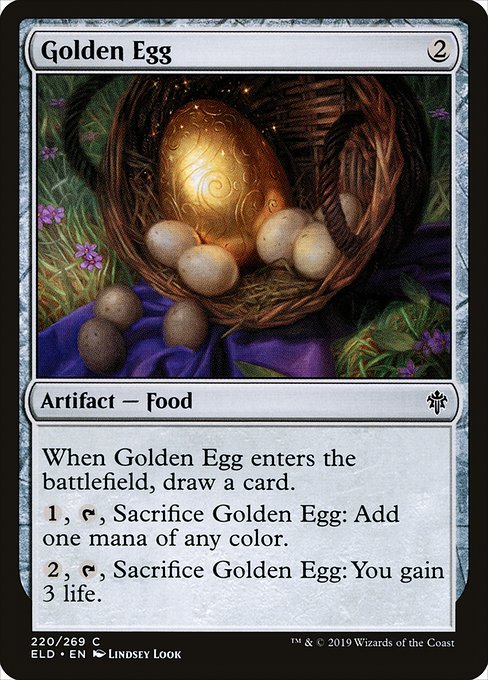
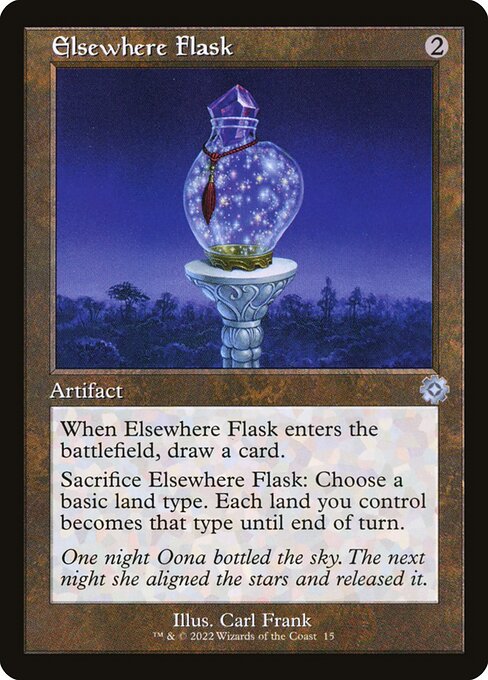
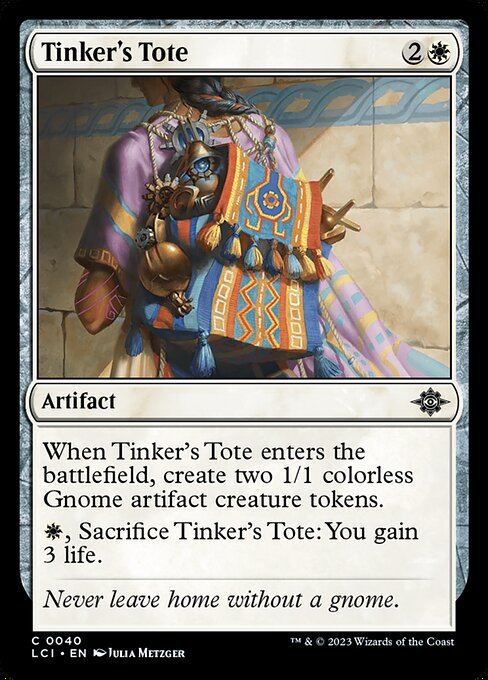
Blinking an Ichor Wellspring can turn it into repeated card draw, while Mycosynth Wellspring can continually search for basic lands. That means the deck isn’t merely using blink to gain temporary combat advantages; it can use the same mechanics to improve its mana development and maintain card advantage.
This is especially important because the deck has a very straightforward mana base: an enormous number of Plains provide consistency, while Ash Barrens gives the deck additional flexibility. Running 35 Plains may look excessive in a normal Commander deck, but in Pauper it makes sense. The deck is heavily dependent on consistently hitting its land drops, and its numerous mana-intensive blink and value plays give it plenty of reasons to keep developing its mana.
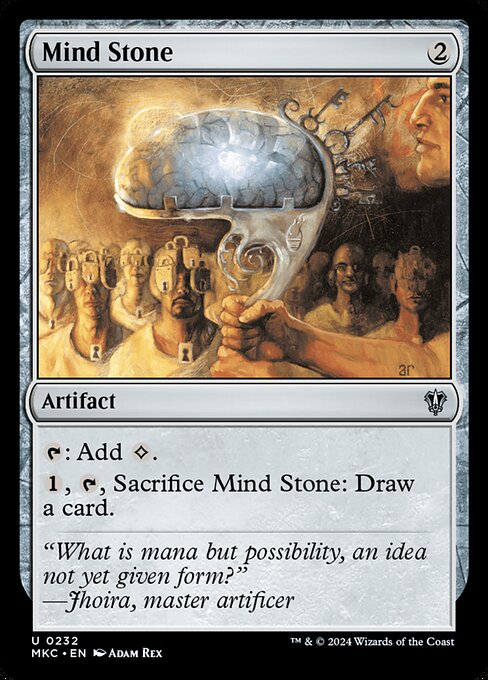
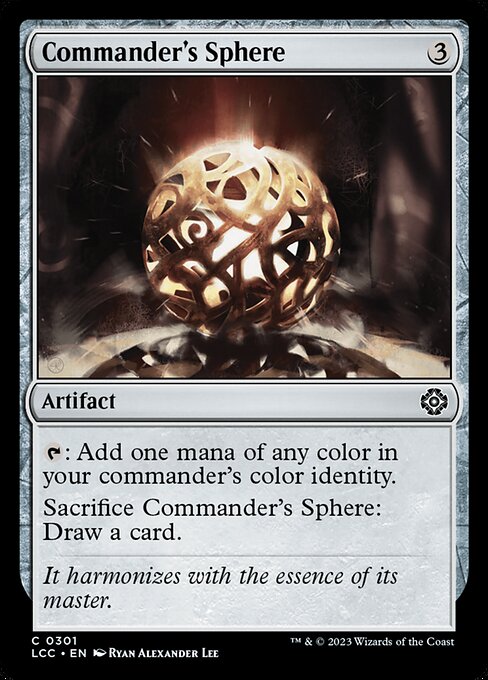
The ramp package is also modest but functional. Mind Stone, Commander's Sphere and Prismatic Lens provide mana acceleration while giving the deck additional ways to turn excess resources into cards later. Because the deck doesn’t need enormous amounts of mana to function, these relatively humble mana rocks are perfectly adequate.
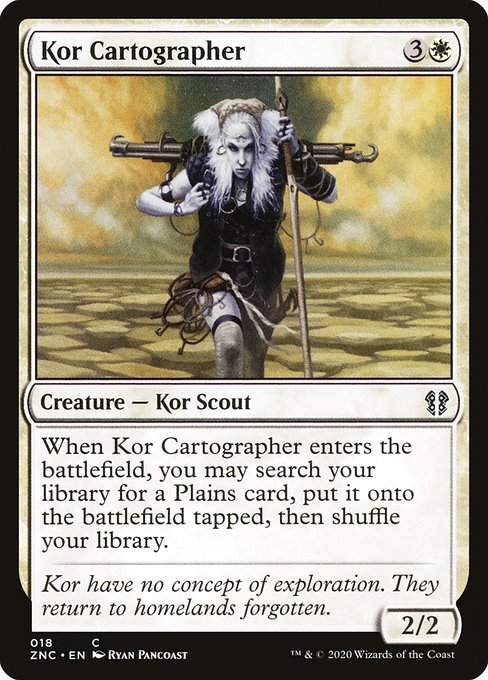
Land-based and creature-based value further support the strategy. Kor Cartographer searches for a Plains when it enters the battlefield, making it another excellent blink target. If you can repeatedly reuse it, a single creature can effectively become a recurring ramp spell.
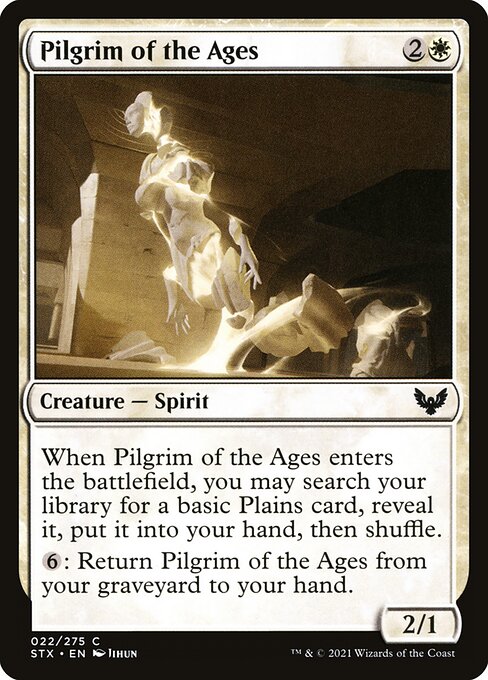
Pilgrim of the Ages works similarly. Its ability to return from the graveyard gives the deck another source of repeatable land development, while blink effects can help maximize the value obtained from its initial entry.
The deck’s flying theme gives all of this value generation a clear way to translate into a win. Appa, Loyal Sky Bison naturally encourages the deck to care about creatures in the air, and the list contains a healthy collection of flyers and flying-related threats. Angel of the Dawn, City Pigeon, Eagles of the North, Pinnacle Kill-Ship and Skyscanner all contribute to an evasive battlefield.
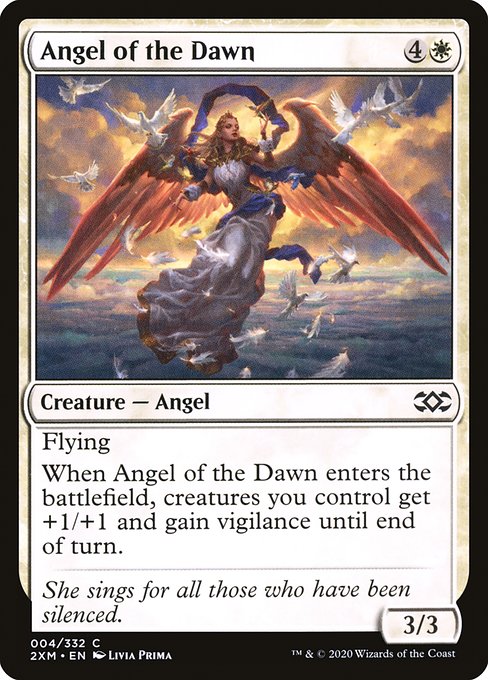
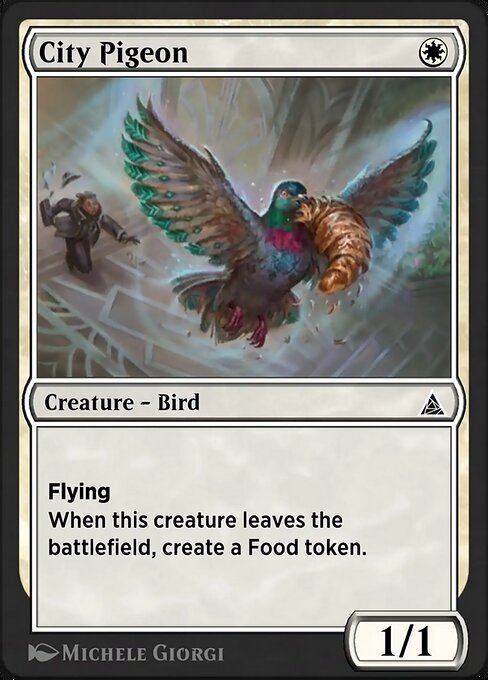
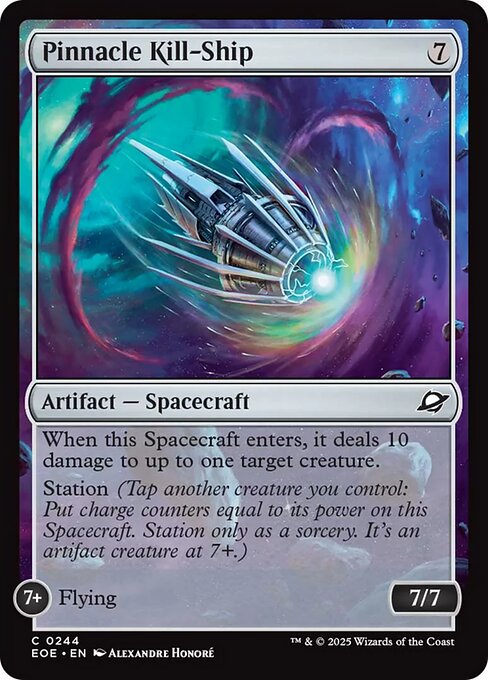
The flying creatures are particularly useful because they allow the deck to spend the early and middle portions of the game accumulating value without needing to immediately commit to an aggressive strategy. Once enough creatures are assembled, flying makes it much easier to convert that advantage into damage.
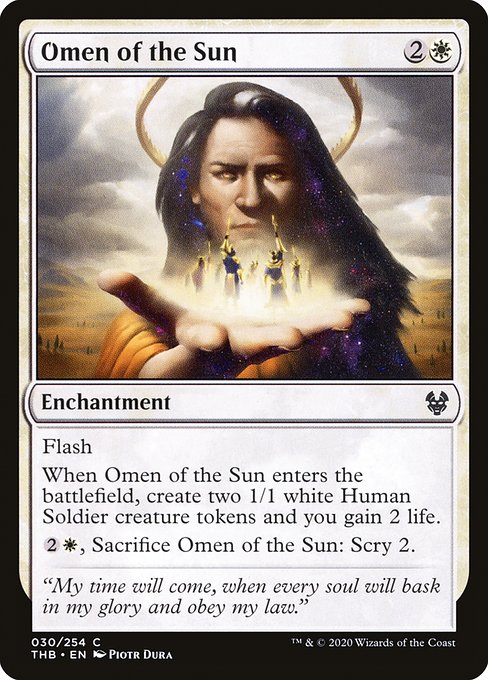
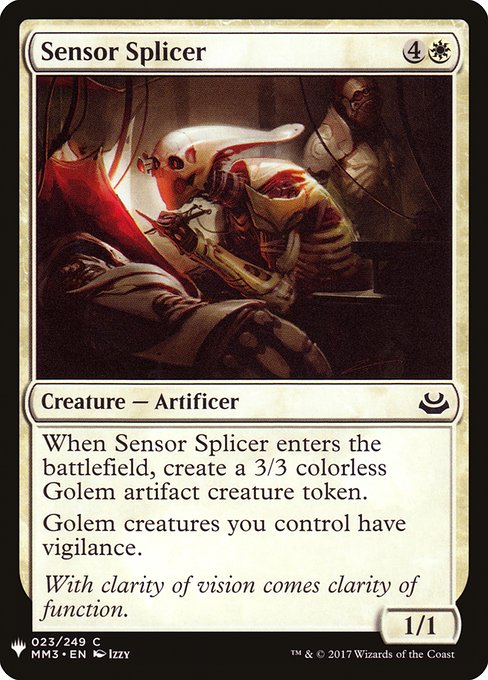
There is also a token component. Omen of the Sun can create multiple flying bodies while gaining life, and Sensor Splicer brings additional creatures into play alongside a larger artifact body. Wakandan Drone Flock fits naturally into this plan as another way to establish an aerial presence.

The deck can therefore play a surprisingly defensive game. Stonehorn Dignitary is one of the best examples. Its enter-the-battlefield ability can prevent an opponent from attacking during their next turn. If you can repeatedly blink it, the effect can become extremely frustrating for creature-based opponents, potentially locking them out of combat for extended periods.
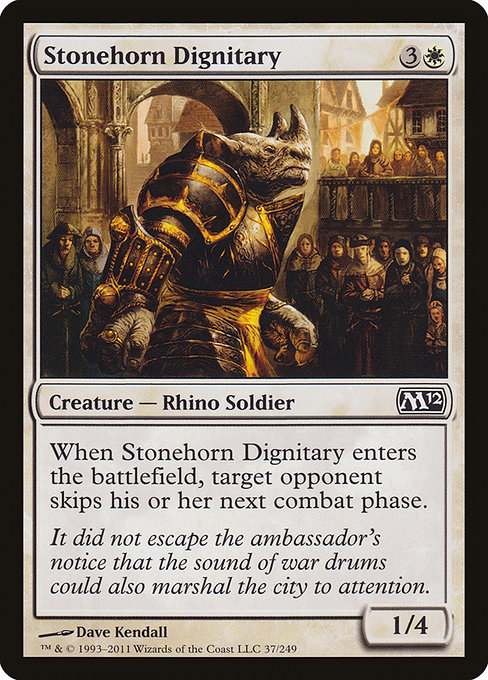
That is exactly the kind of interaction that makes a blink deck dangerous without making it overwhelmingly powerful. You aren’t necessarily destroying everything your opponents own; you’re repeatedly using relatively small creatures to make their game plan more difficult while building your own resources.
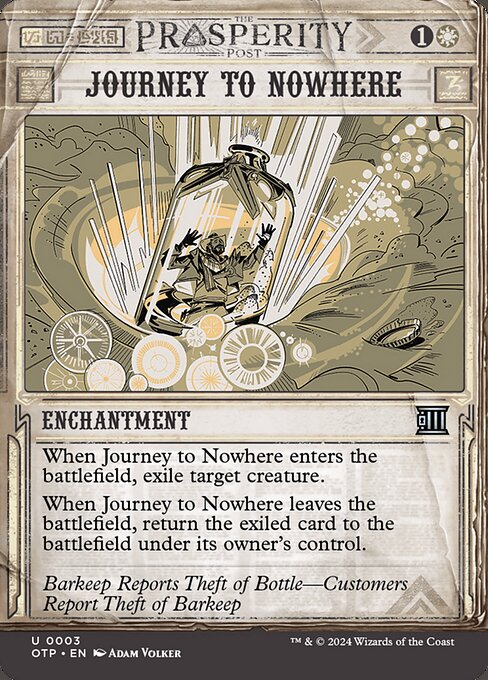
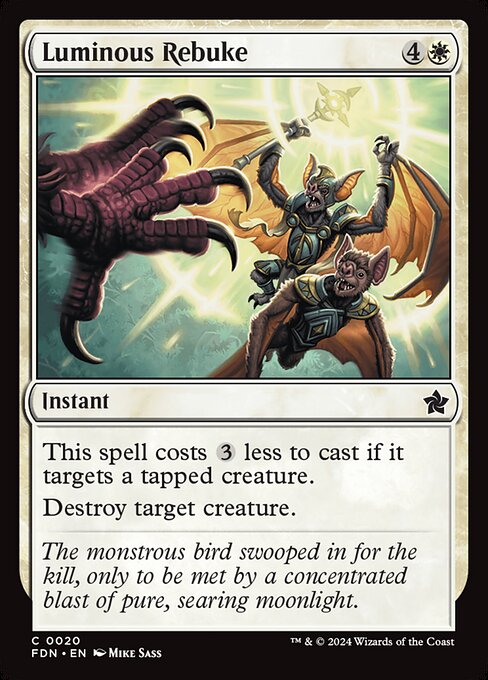
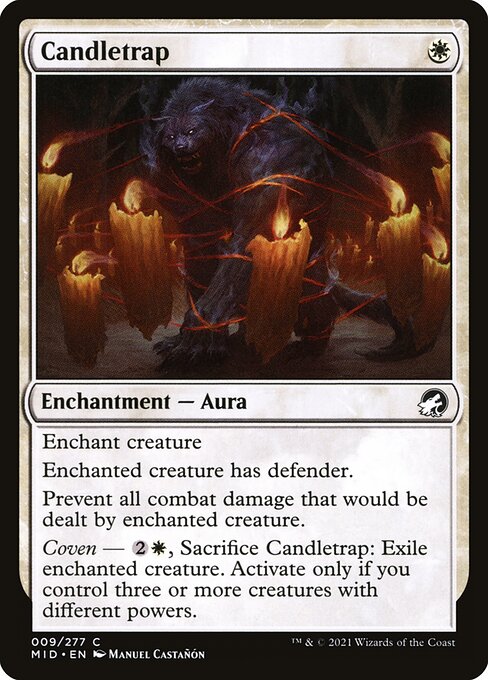
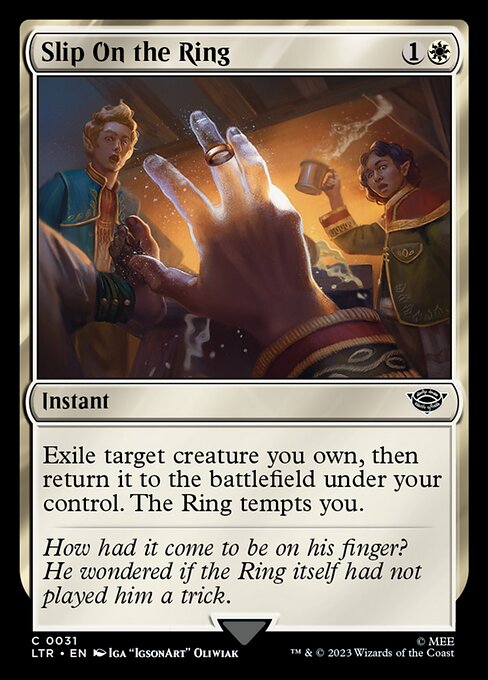
Removal is similarly measured. Journey to Nowhere and Luminous Rebuke provide answers to opposing creatures, while Candletrap offers another way of neutralizing a problematic creature. Slip On the Ring can also exile a permanent while incorporating the ring temptation mechanic.
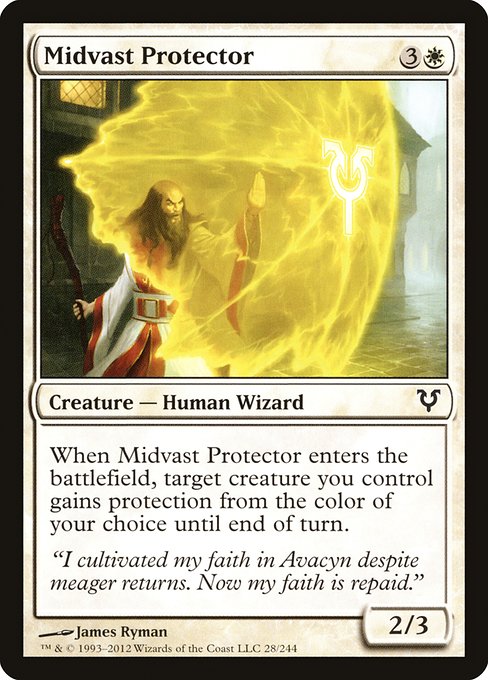
The deck has a few tricks for protecting its own creatures as well. Midvast Protector can help protect another permanent, while the various blink spells naturally function as protection against targeted removal. If an opponent points a removal spell at one of your important creatures, blinking it in response can both save the creature and generate another enter-the-battlefield trigger.
That flexibility is one of the biggest strengths of the archetype. A card like Cloudshift isn’t just a value spell. It can be removal protection, a way to reuse an ETB ability, a combat trick or a means of resetting an Aura. The more creatures with useful abilities you have on the battlefield, the more options each blink effect provides.
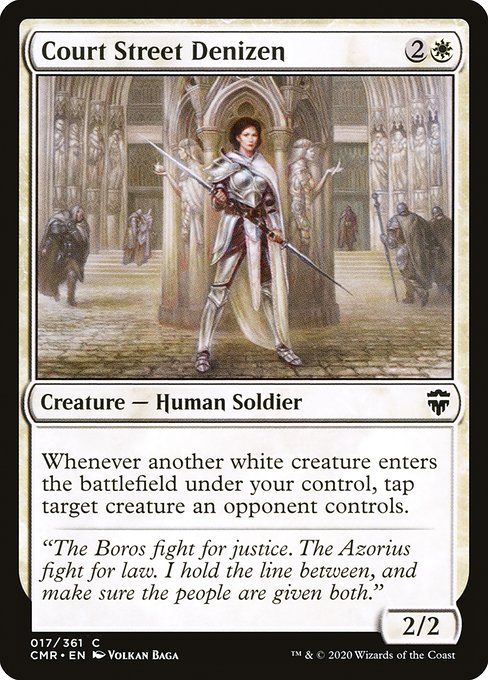
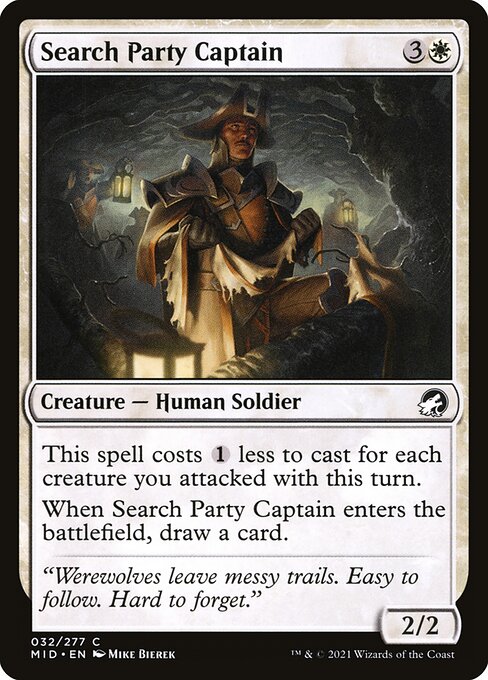
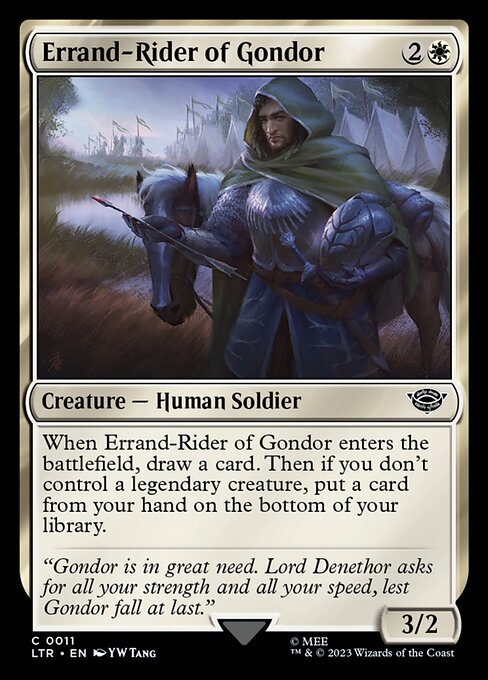
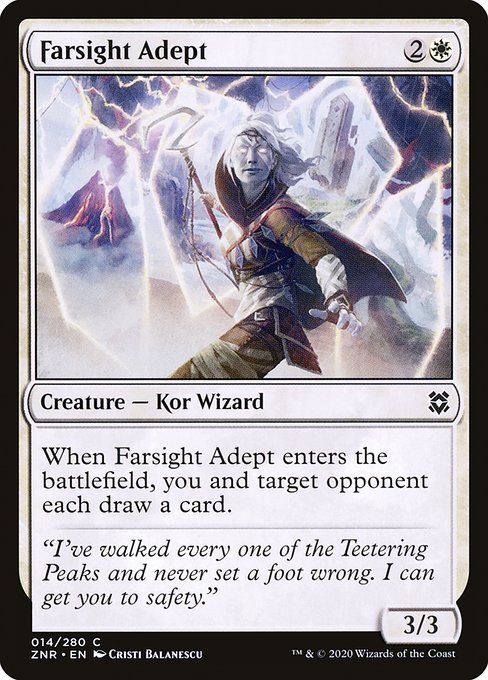
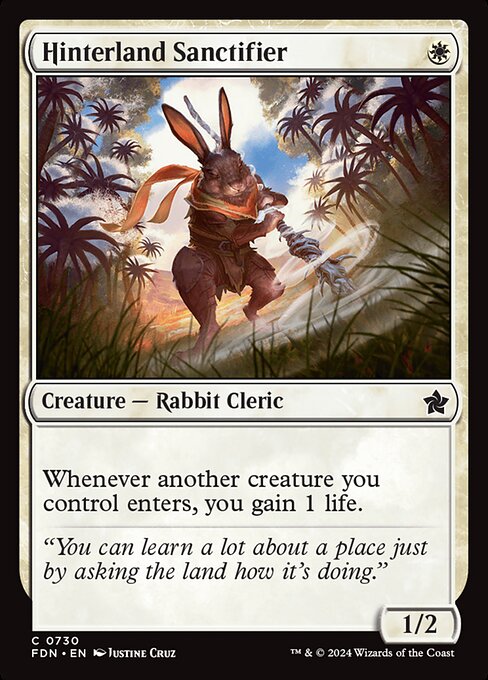
The card advantage engine is therefore spread throughout the deck rather than concentrated in a few powerful cards. Court Street Denizen, Search Party Captain, Errand-Rider of Gondor, Farsight Adept and Hinterland Sanctifier all contribute additional utility to the creature package.
The ideal game involves establishing a few creatures that provide cards, mana or other useful effects, then using blink spells to repeatedly recycle them. As the game progresses, those incremental advantages accumulate until the deck has a large enough aerial board to close things out.
Check out the decklist here:
Closing Thoughts
Pauper EDH is a great reminder that Commander doesn’t need expensive staples to be engaging. When the card pool is restricted to commons, the focus shifts away from individual power and toward finding interactions that make ordinary cards considerably better than they would be on their own.
These two decks take that idea in very different directions. Great Desert Prospector is a proactive creature deck that uses equipment, artifacts, mana acceleration and a growing board to pressure the table through combat. It wants to establish a presence and continually make that presence more threatening, with enough utility creatures and recursion to keep the deck moving when the game goes long.
Appa, Loyal Sky Bison, meanwhile, is much more interested in value. Its creatures become resources that can be repeatedly reused, with blink effects turning cards like Thraben Inspector, Priest of Ancient Lore, Inspiring Overseer and Kor Cartographer into recurring sources of cards, mana and other advantages. Rather than overwhelming opponents immediately, the deck slowly builds an advantage that becomes increasingly difficult to overcome.
Neither strategy is trying to compete with the speed or raw efficiency of high-powered Commander, and that’s exactly what makes them appropriate for Pauper EDH. The format rewards players who understand how to maximize the cards available to them, and both lists show that a restricted card pool can actually encourage more creative deckbuilding.
For players interested in trying Pauper EDH you might want to check out these 2 articles that dive deeper into the format: Pauper Commander Fun: A Common Happenstance; and Pauper Commander Decks: A Common Showcase
Ultimately, that’s the charm of Pauper EDH: you don’t need the most powerful cards in Magic to build a deck that feels powerful. You just need to find the cards that work well together.