

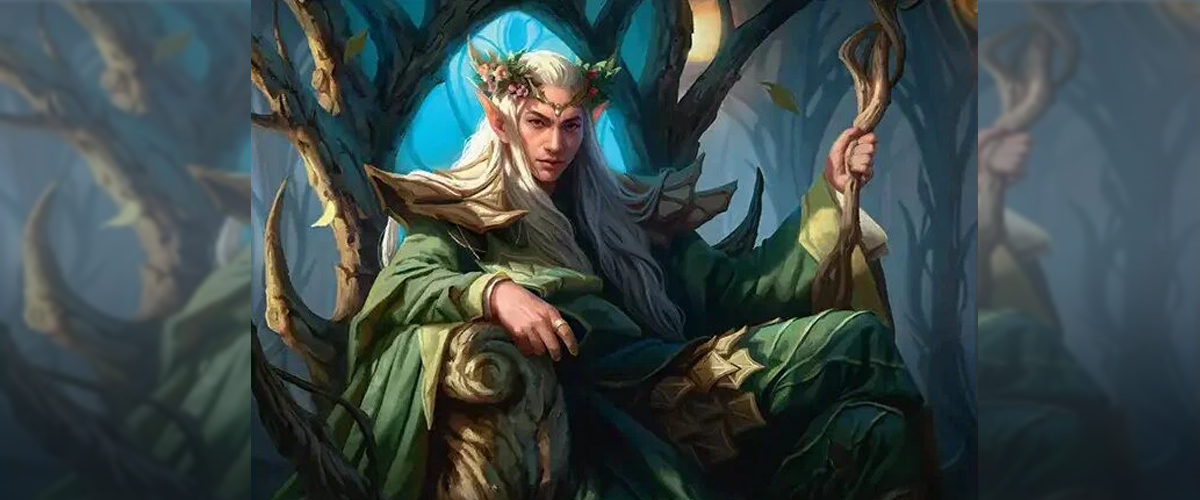
Elves have always been one of Commander’s most recognizable tribes. They can produce enormous amounts of mana, flood the battlefield with creatures, draw cards through creature-based engines, and turn a seemingly harmless board of small bodies into a lethal attacking force. The traditional Elf strategy is simple enough: establish mana early, build a critical mass of creatures, and eventually use that advantage to overwhelm the table.
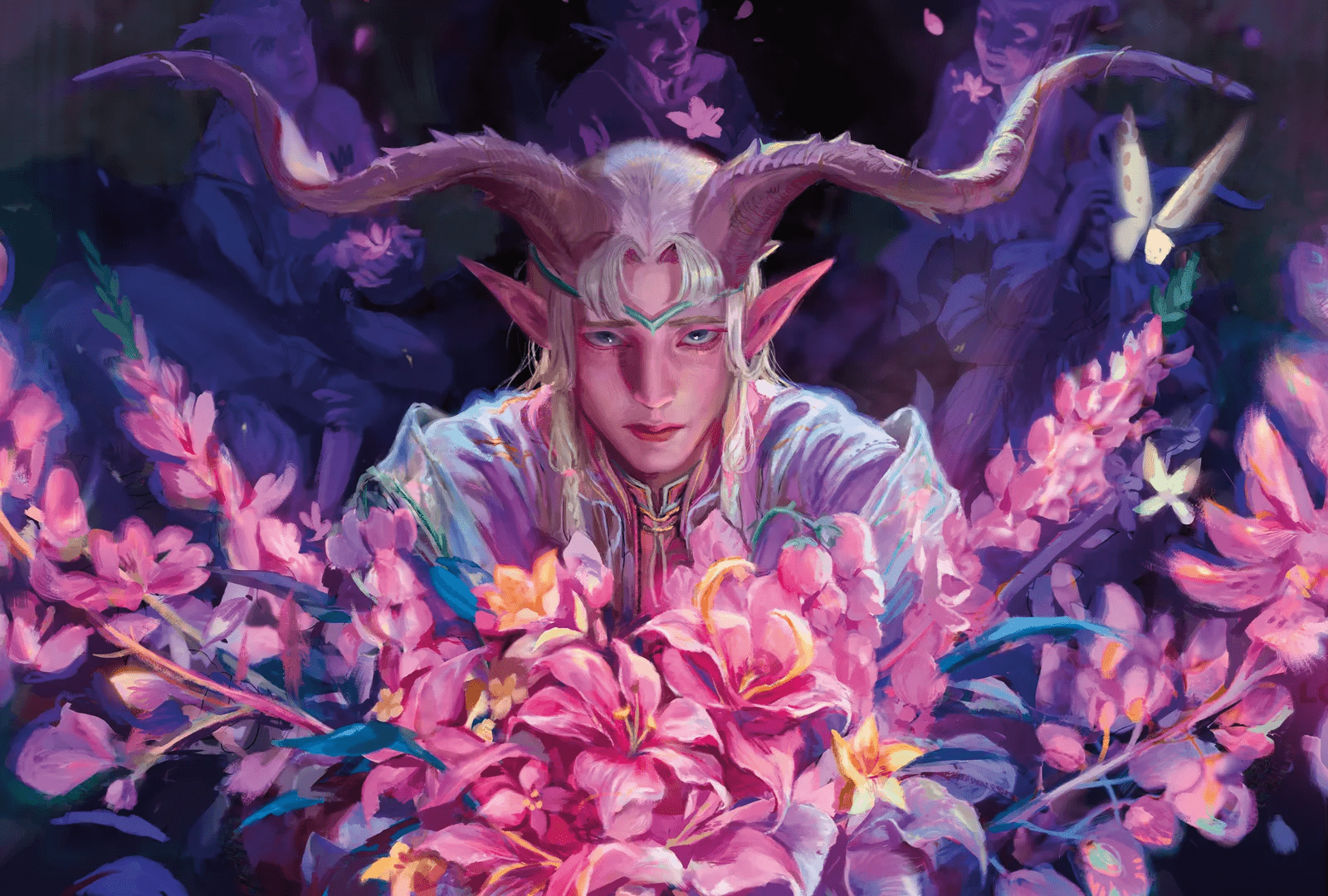
Thranduil, the Elvenking brings a different perspective to that familiar formula.
As a Sultai commander, Thranduil gives Elves access to much more than green’s traditional ramp and creature support. Blue adds card advantage and countermagic, while black introduces graveyard manipulation, recursion, and efficient removal. More importantly, Thranduil himself makes the graveyard an active part of the strategy. He gains all activated abilities of Elf cards in your graveyard, while another legendary Elf entering under your control lets you draw two cards before discarding one.
That means creatures can provide value on the battlefield, continue contributing useful abilities once they reach the graveyard, and potentially return later on. At the same time, Thranduil rewards the deck for playing powerful legendary Elves that already fit naturally into the tribal strategy.
The Elvenking and His Graveyard
Thranduil, the Elvenking‘s first ability is what separates him from most Elf commanders. By gaining all activated abilities of Elf cards in your graveyard, he can gradually become more versatile as the game progresses. The official rulings also clarify that abilities referring to their original creature by name treat that reference as Thranduil instead.
This changes the way the deck looks at its creatures. Elvish Mystic, Priest of Titania, Elvish Archdruid, and Marwyn, the Nurturer are excellent mana producers while they are alive, helping the deck establish itself and eventually generate absurd amounts of mana. Under Thranduil, however, losing those creatures doesn’t always mean losing access to their activated abilities.
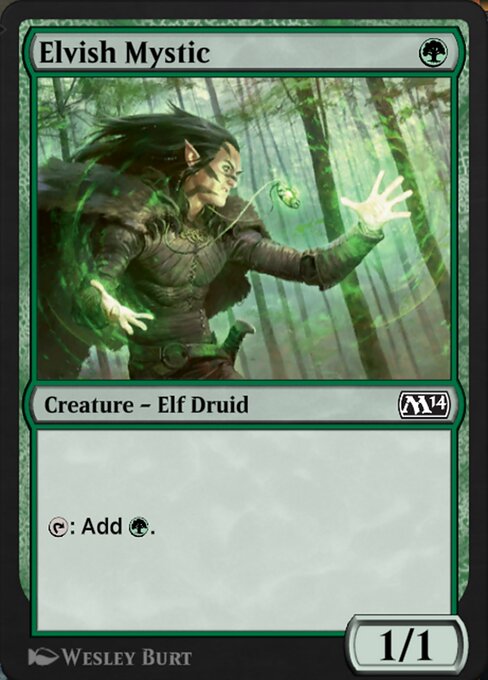
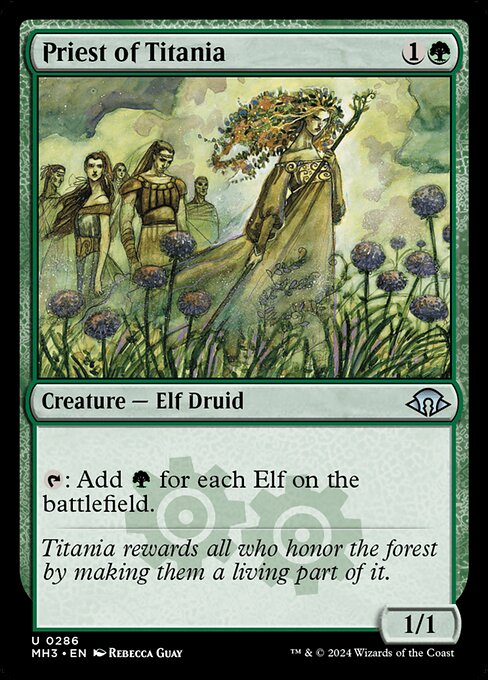
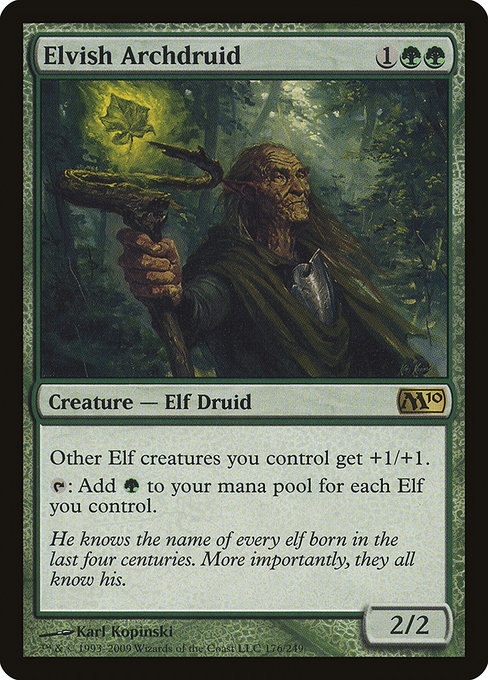
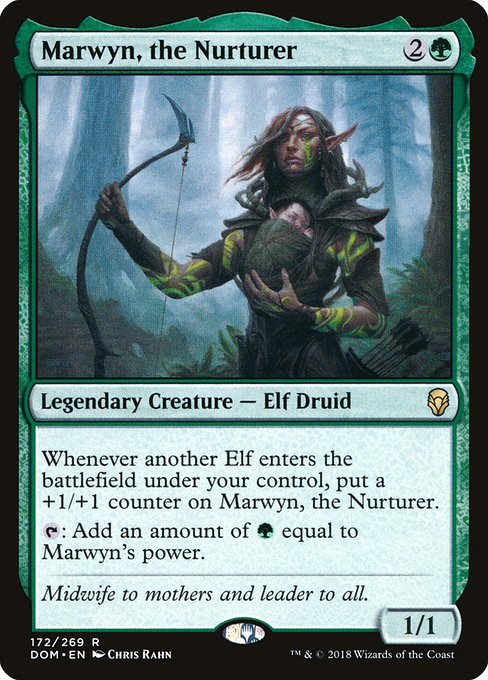
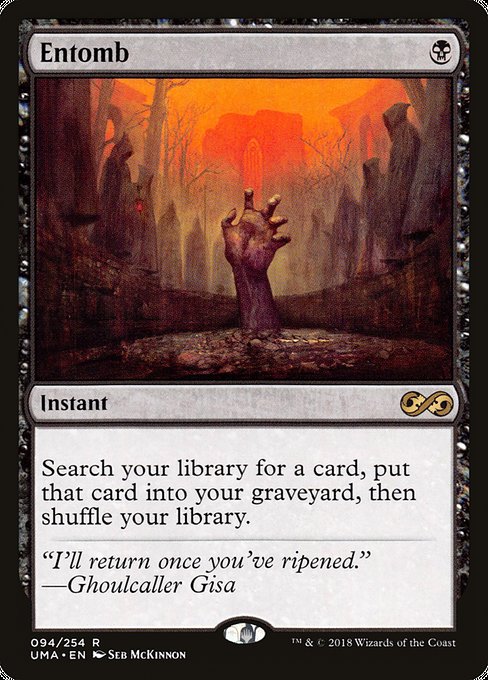
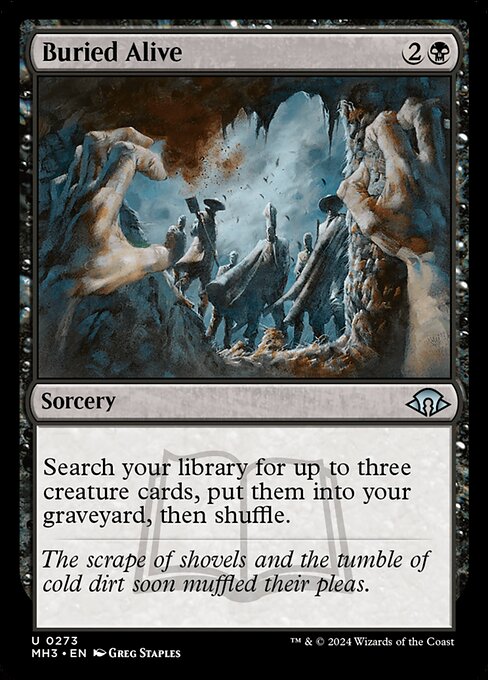
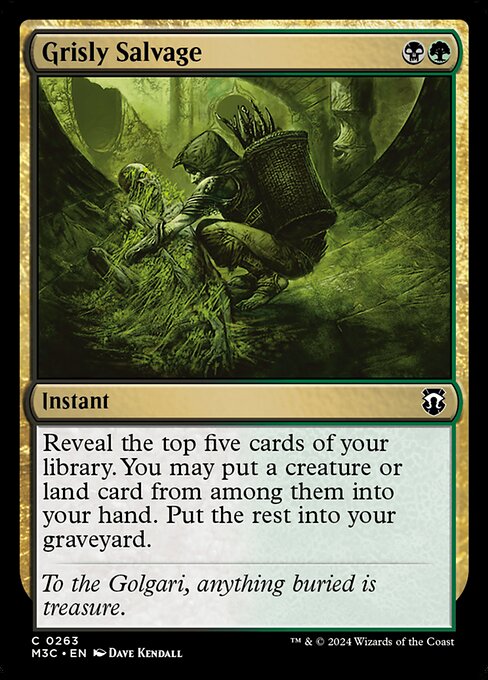
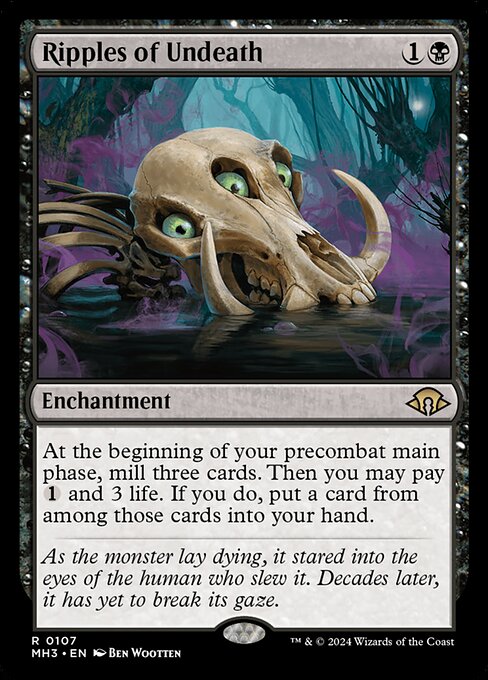
The deck has several ways to deliberately work with its graveyard. Entomb, Buried Alive, Grisly Salvage, and Ripples of Undeath can help place creatures where Thranduil wants them while also offering selection or other forms of value. This doesn’t mean the deck should rush to put every Elf into the graveyard. Most of these creatures are valuable on the battlefield first. Instead, the graveyard becomes a second stage of usefulness once they have already contributed to your game plan.
That gives the deck a welcome degree of resilience. Elf strategies traditionally rely heavily on creatures, which means removal and board wipes can undo a great deal of development. Thranduil doesn’t make those problems disappear, but he does ensure that useful Elf abilities can remain relevant after their original creatures are gone.
A King Surrounded by Legends
Thranduil’s second ability helps keep the deck moving forward. Whenever another legendary Elf enters under your control, you draw two cards and discard one. That is excellent card selection for a creature-heavy deck, especially one capable of emptying its hand quickly through its mana acceleration.
Dionus, Elvish Archdruid, Eladamri, Korvecdal, Elrond, Moon-Reader, and Ezuri, Renegade Leader are powerful legendary Elves that naturally fit into the deck while also triggering Thranduil’s card selection. They each contribute something different, but together they give the deck more reasons to continue developing its board without running out of resources.
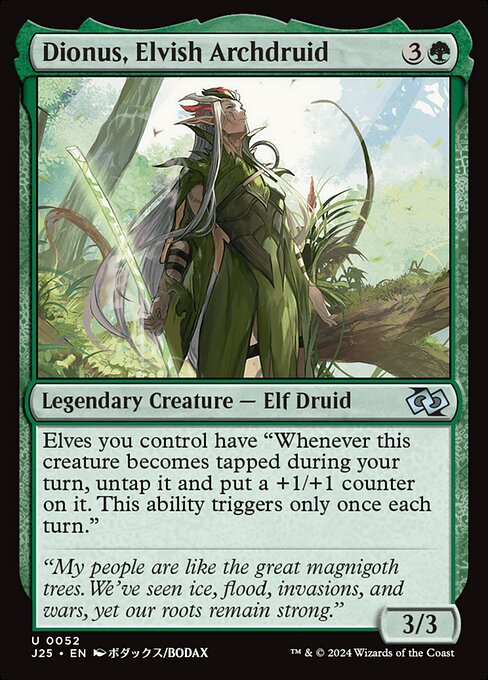
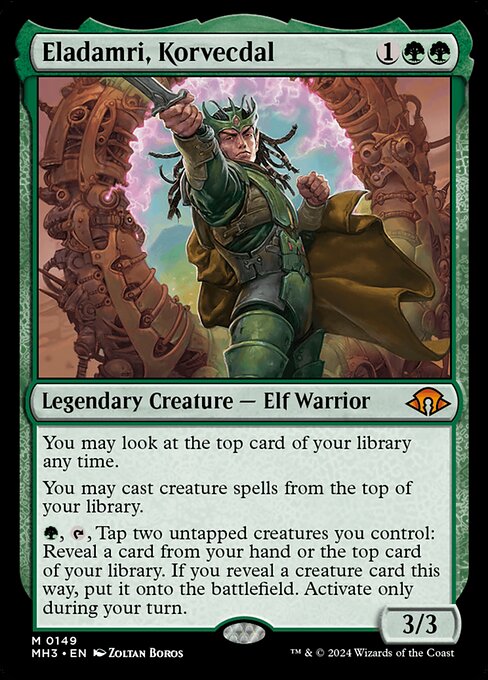

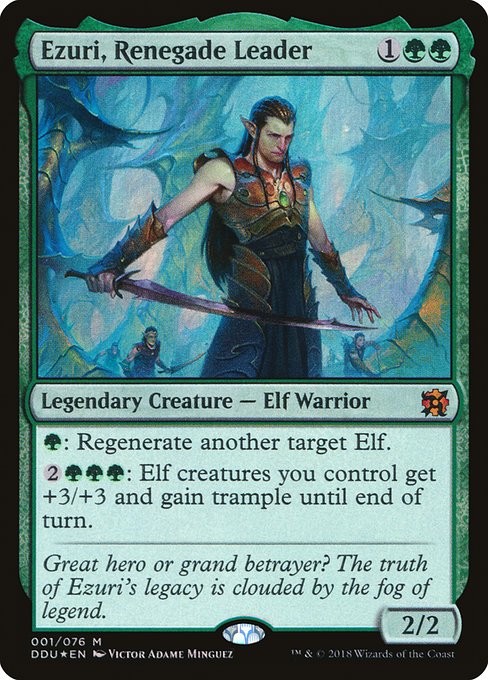
The discard is especially valuable because it connects directly to the commander’s graveyard ability. Sometimes you simply discard an unnecessary card to improve your hand. Other times, you can discard an Elf with a useful activated ability, allowing Thranduil to potentially inherit that ability while you search for something more immediately useful.
Lathril, Blade of the Elves, Marwyn, the Nurturer, Tyvar, the Pummeler, and Thranduil, Sindarin Liege continue supporting this package. The important thing is that these aren’t legendary creatures included solely to trigger the commander. They are already useful within an Elf strategy, and Thranduil simply rewards you for playing them.
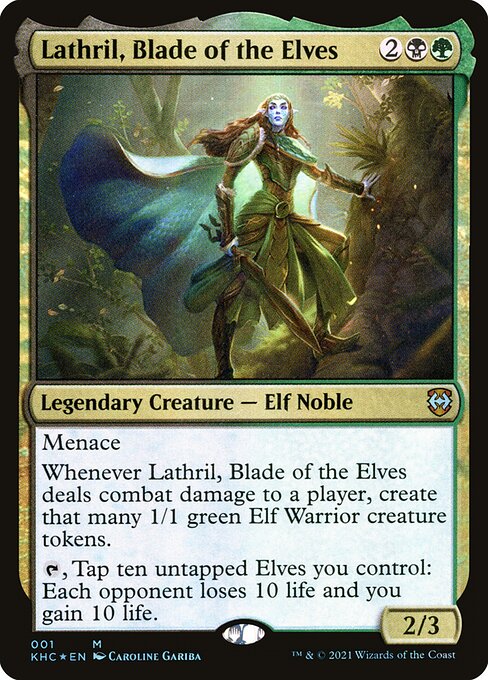
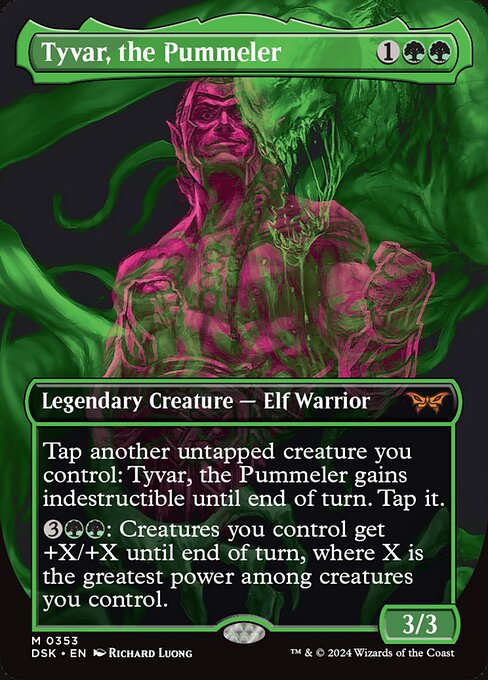

This makes his card advantage feel natural rather than restrictive. You want powerful legendary Elves anyway, and Thranduil turns their arrival into another opportunity to improve your hand and develop your graveyard.
Building the Elven Engine
Despite its unusual commander, mana acceleration remains the foundation of this deck. Elf decks are at their best when their early creatures allow them to play several turns ahead of the rest of the table, and this list has no shortage of ways to do exactly that.
The early ramp package includes Llanowar Elves, Elvish Mystic, Elves of Deep Shadow, and Bloom Tender. These creatures help establish your colors while putting more Elves onto the battlefield for your larger tribal engines. Individually, they may only produce a single mana, but their importance becomes clear when they allow you to deploy Thranduil or several other creatures ahead of schedule.
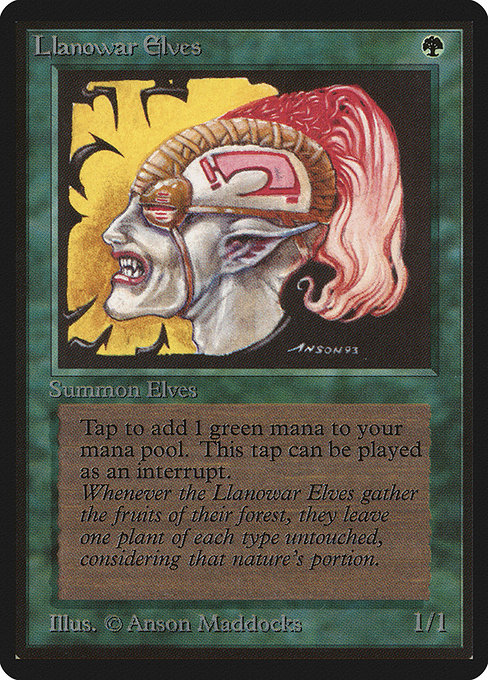
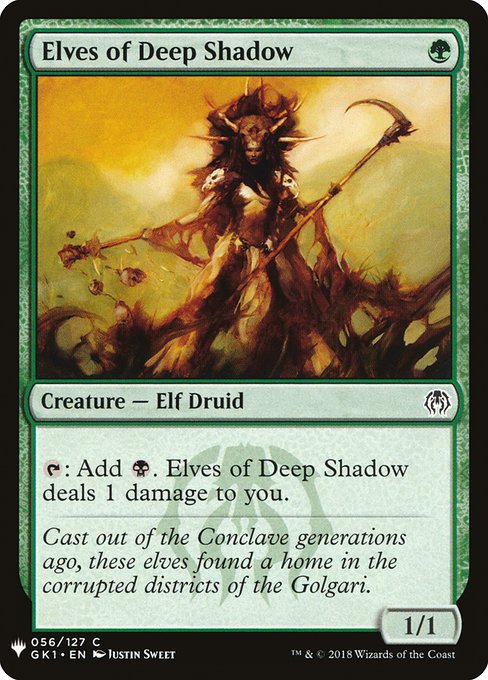
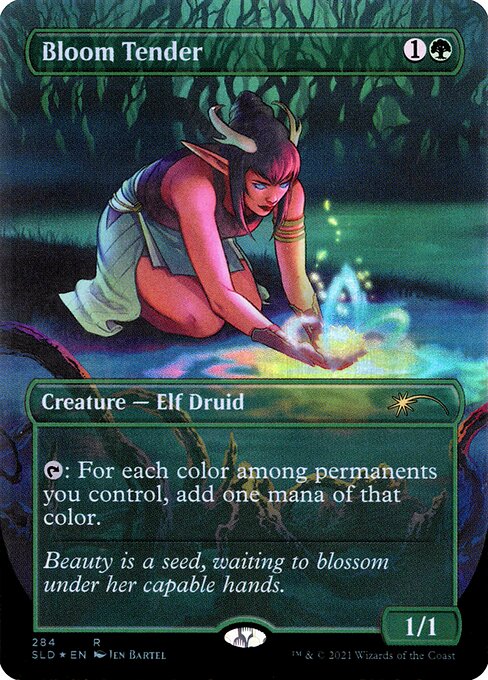
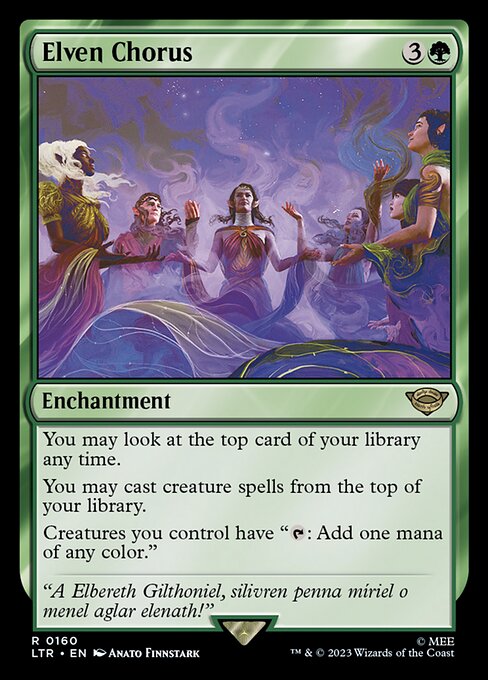
Once the board begins growing, Priest of Titania, Elvish Archdruid, Marwyn, the Nurturer, and Elven Chorus can take that acceleration to another level. These cards reward you for doing what the deck already wants to do: playing Elves and maintaining a substantial battlefield. A few creatures can quickly become enough mana to cast multiple spells during a turn or activate powerful abilities without sacrificing development.
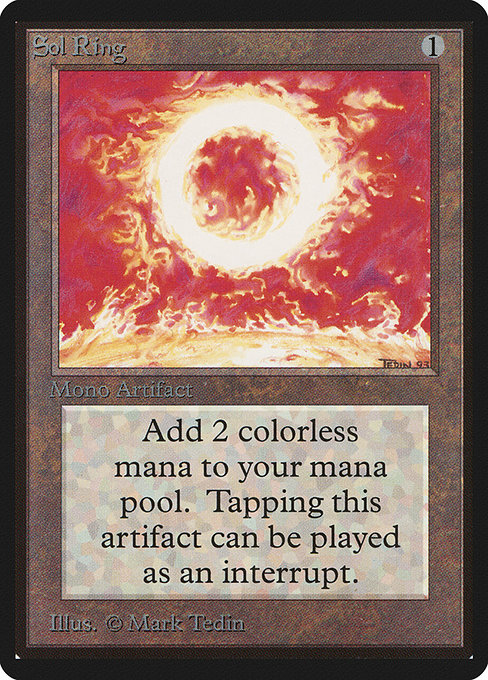
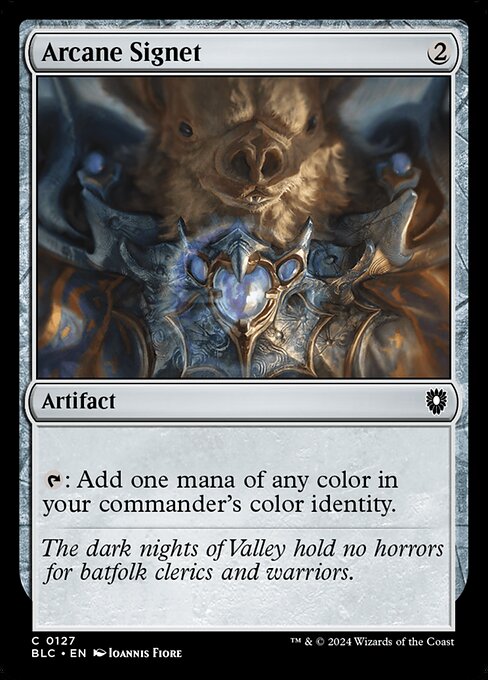
The deck isn’t completely dependent on creatures for mana, either. Sol Ring, Arcane Signet, The Great Henge, and Three Tree City provide additional acceleration while fitting naturally into the strategy. This helps ensure the deck can continue functioning even if its smaller mana creatures become targets.
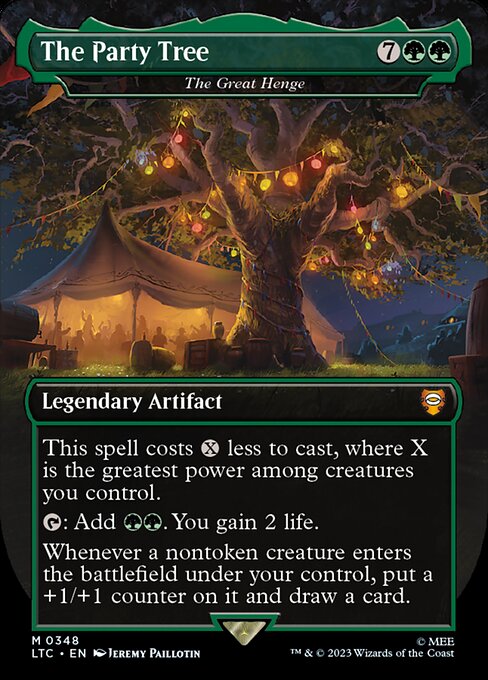
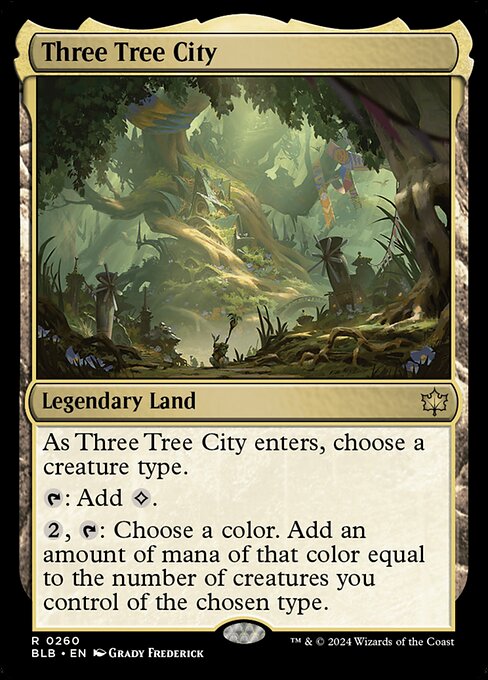
The mana engine is particularly important because Thranduil himself costs five mana and requires all three of his colors. Fortunately, this is exactly the kind of deck capable of reaching that cost efficiently. A strong early board can bring the commander down quickly while leaving enough mana and creatures available to continue developing afterward.
Card Advantage and Building the Board
Generating large amounts of mana is only useful if you have cards to spend it on, and the deck has several ways to avoid running out of resources. Beast Whisperer, Leaf-Crowned Visionary, Distant Melody, and Kindred Discovery all help convert the deck’s creature-heavy strategy into card advantage.
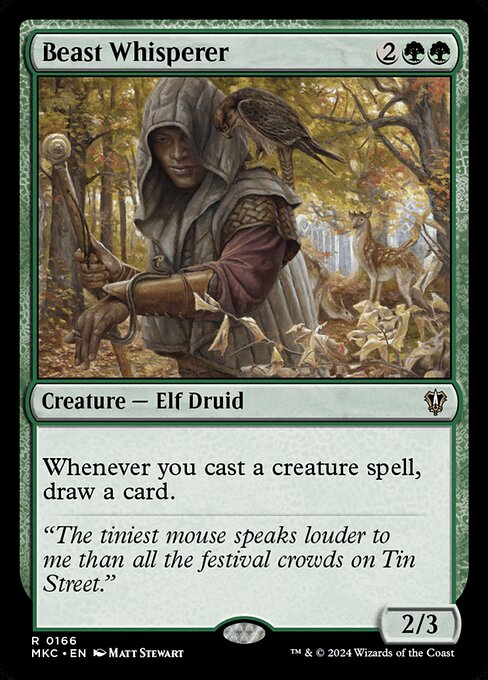
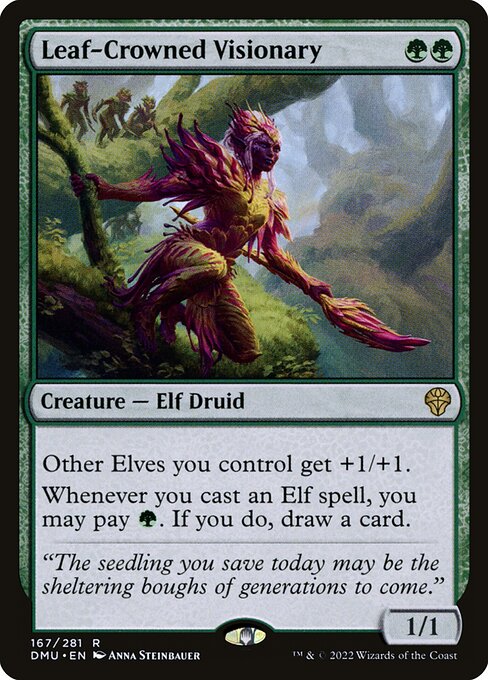
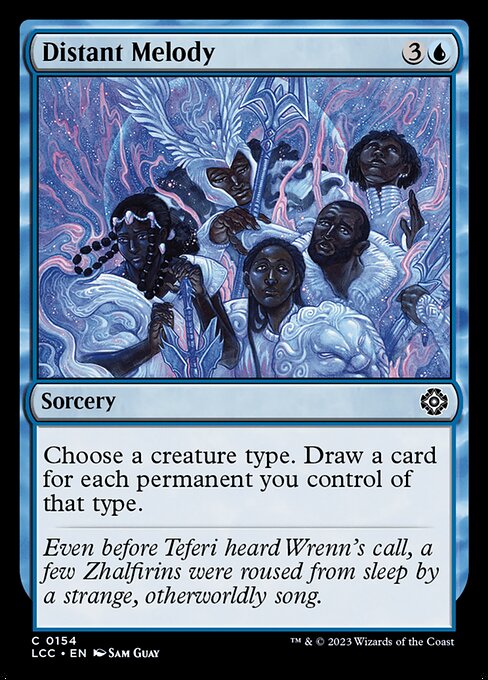
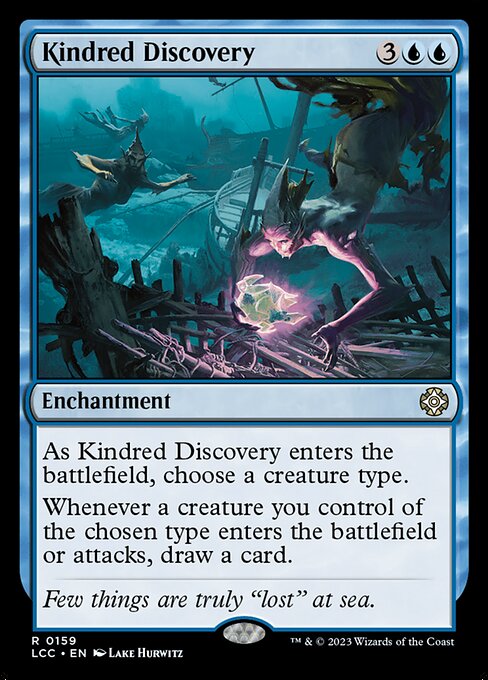
This is an important part of what keeps Elf decks moving. Rather than separating creature development from card draw, these cards allow the deck to do both at the same time. Playing more Elves helps establish your board while triggering or improving your card advantage engines, creating the kind of momentum that can quickly get out of control.
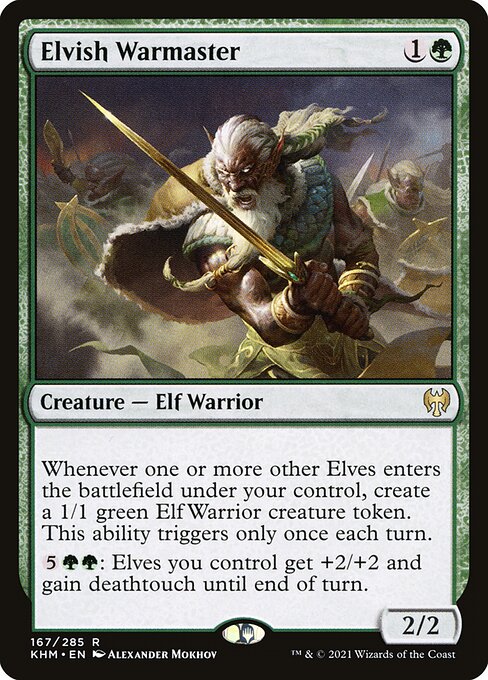
The deck also has several cards dedicated to expanding its creature presence. Elvish Warmaster, Lathril, Blade of the Elves, Thranduil's Company, and Elvenking's Halls help ensure that the deck maintains the critical mass of creatures necessary for its larger mana producers and tribal payoffs.


Thranduil’s Company deserves particular attention because it adds another form of acceleration to the deck. As long as you control another Elf, it allows you to play an additional land each turn, while its landfall ability puts two +1/+1 counters on a creature and grants it vigilance for the turn. That gives the deck a useful way to continue developing its mana while making individual creatures more threatening.
Growing Beyond the Early Game
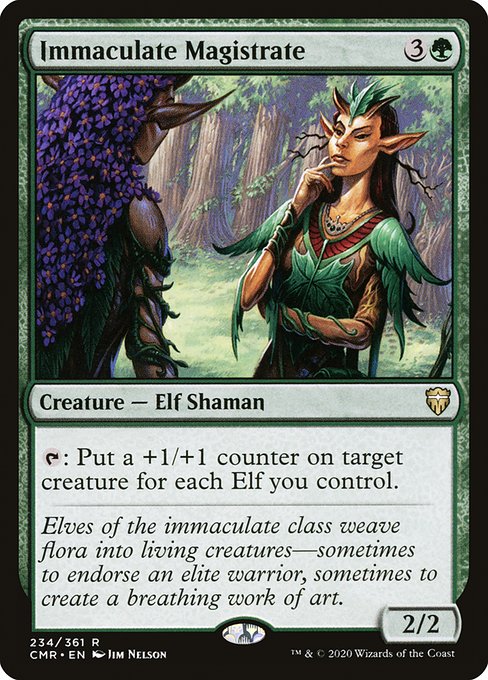
Eventually, the deck needs to turn its mana and creature advantage into something opponents have to answer. Immaculate Magistrate, Ezuri, Renegade Leader, Dionus, Elvish Archdruid, and Tyvar, the Pummeler help transform a board of mana creatures and utility Elves into a much more serious threat.
The deck can also get additional value from its activated abilities through Thousand-Year Elixir, Wirewood Lodge, and Tyvar, Jubilant Brawler. Untapping important creatures or gaining faster access to their abilities can significantly increase the value of the mana and utility already present on the battlefield.
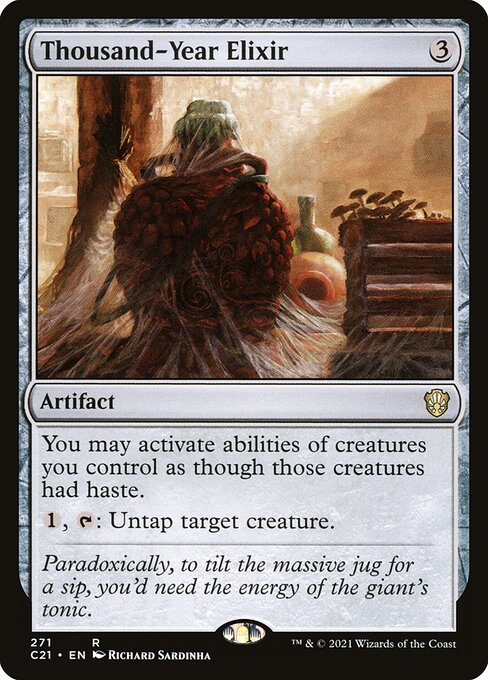
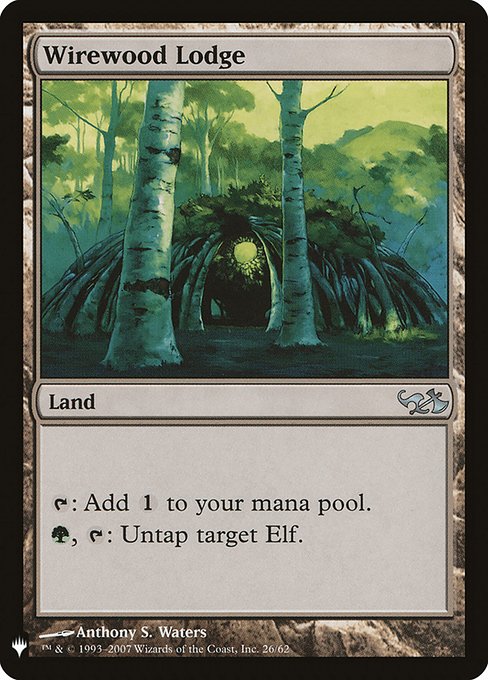
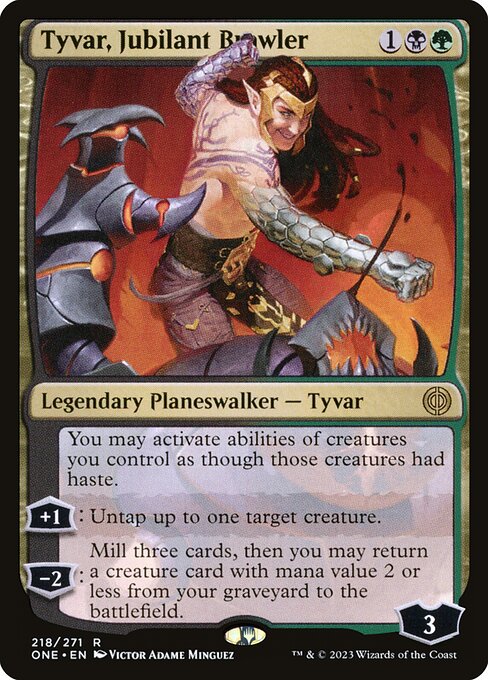
By this point, the deck’s central identity begins to come together. It starts like a traditional Elf deck, building mana and establishing a wide board. But as creatures enter the graveyard, Thranduil can begin collecting their activated abilities and turning previous resources into new options. Legendary Elves keep cards moving through your hand, while the tribe’s natural mana production gives you the resources to take advantage of everything the deck has assembled.
Sultai Gives Elves More Answers
Green Elf decks can become incredibly explosive, but adding Blue and Black gives Thranduil access to an interaction suite that many tribal decks would struggle to replicate. This deck doesn’t need to race blindly toward a massive combat step every game. It can protect its own development, answer problematic permanents, and stop opposing plays when necessary.
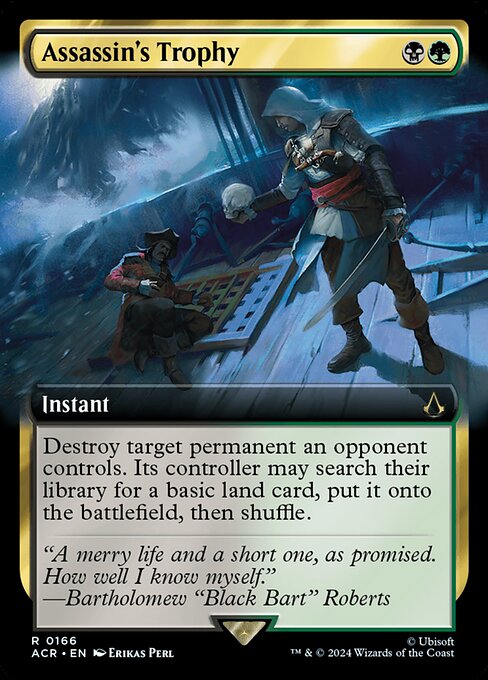
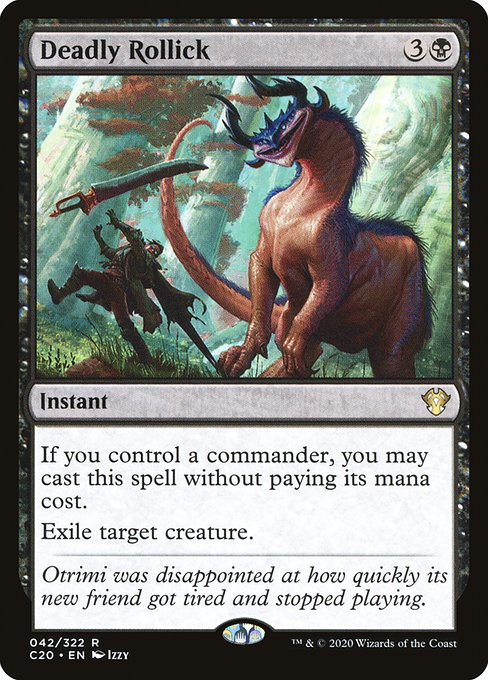
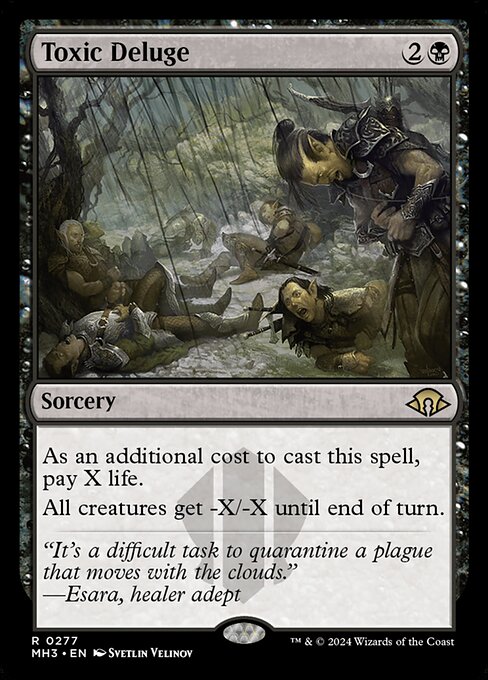
Abrupt Decay, Assassin's Trophy, Deadly Rollick, and Toxic Deluge give the deck efficient ways to deal with troublesome creatures and permanents. Having access to removal is particularly important because Elf decks can sometimes be vulnerable to individual cards that shut down activated abilities, prevent creatures from attacking, or simply outclass a battlefield full of smaller bodies.
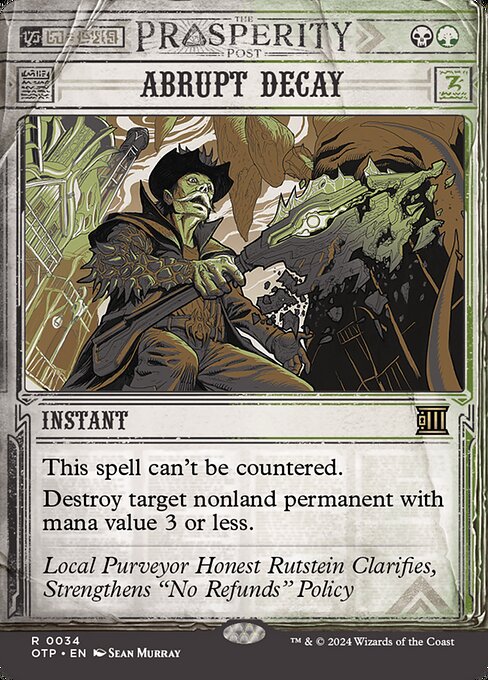
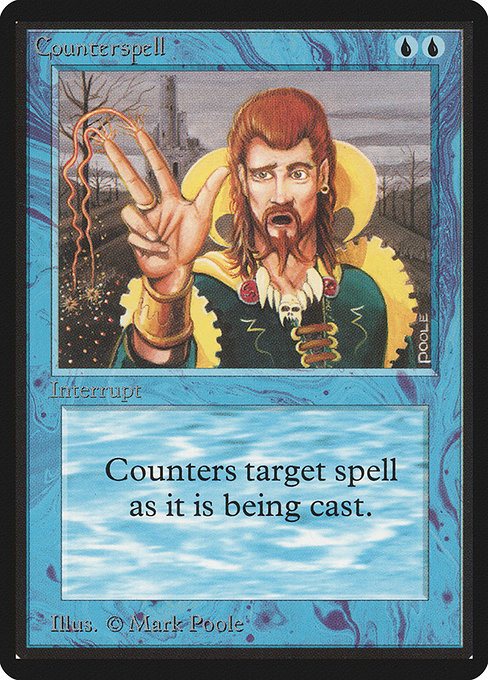
The deck also has access to blue’s ability to interact directly with the stack. Counterspell, Arcane Denial, Negate, and Swan Song help protect your important turns and prevent opponents from resolving game-changing spells unchecked. This is one of the biggest advantages of playing Sultai rather than remaining in mono-green or Golgari.
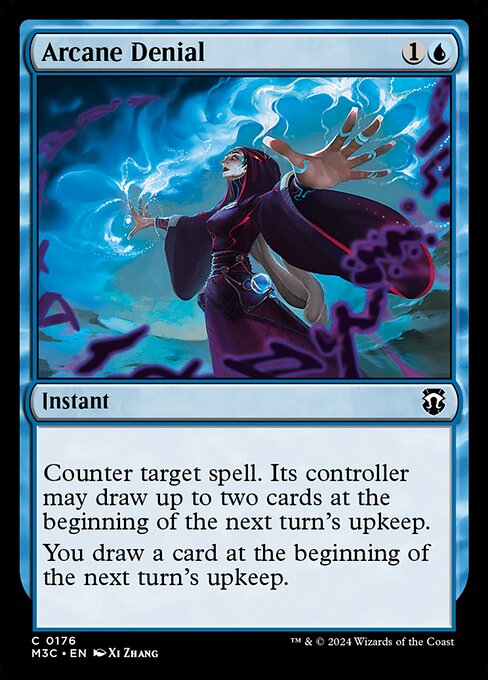
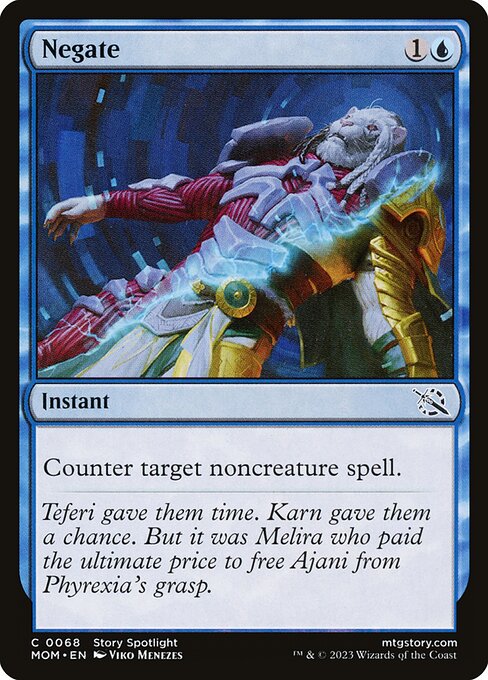
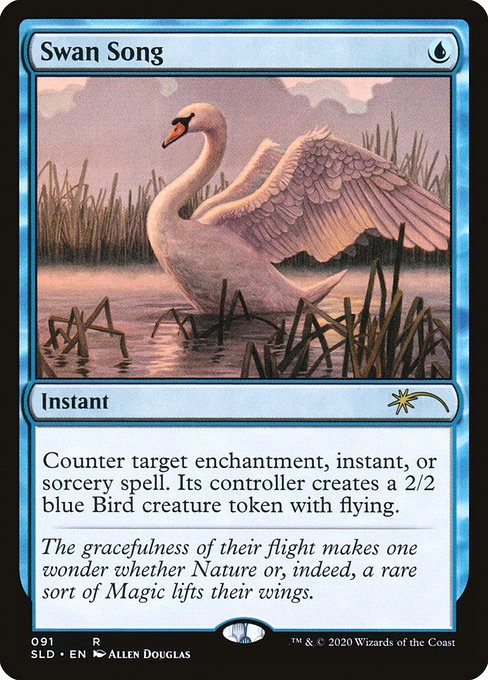
You don’t necessarily want to sit behind a wall of counterspells for the entire game. This is still a creature deck that wants to advance its own board. However, having access to interaction means you can be more selective about when you commit everything to the battlefield. If an opponent attempts to remove Thranduil or resolve something capable of stopping your momentum, you have ways to fight back.
Heroic Intervention, Veil of Summer, Raise the Palisade, and Cyclonic Rift further reinforce that flexibility. Some protect your permanents directly, while others can disrupt opposing plans or completely change the shape of the battlefield.
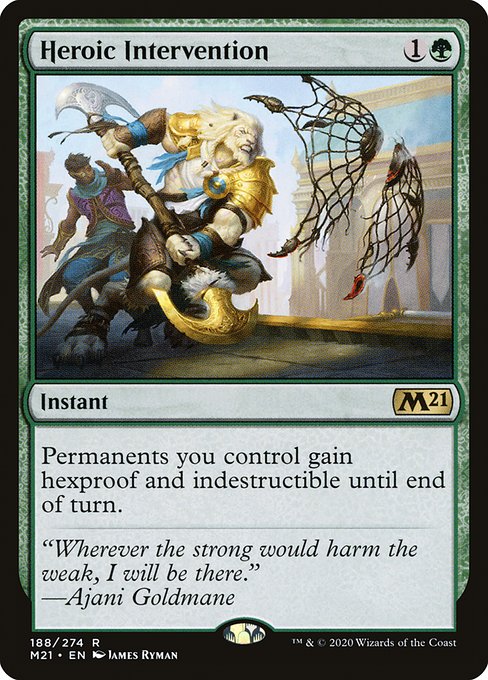
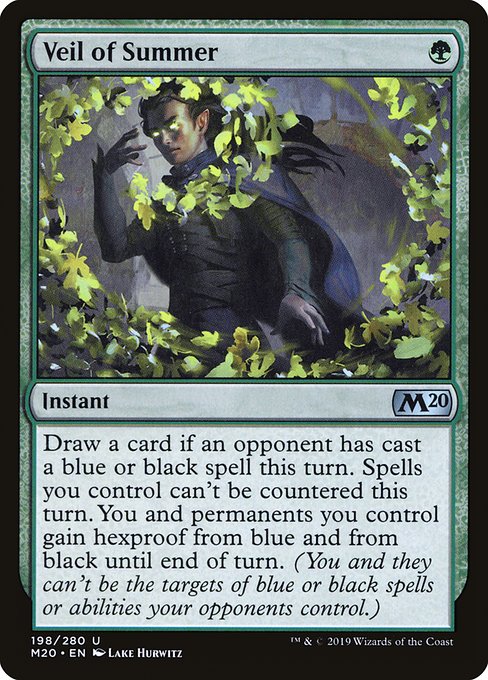
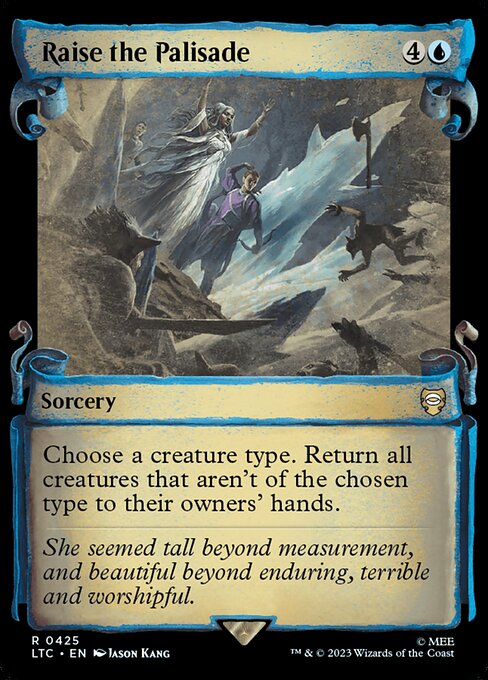
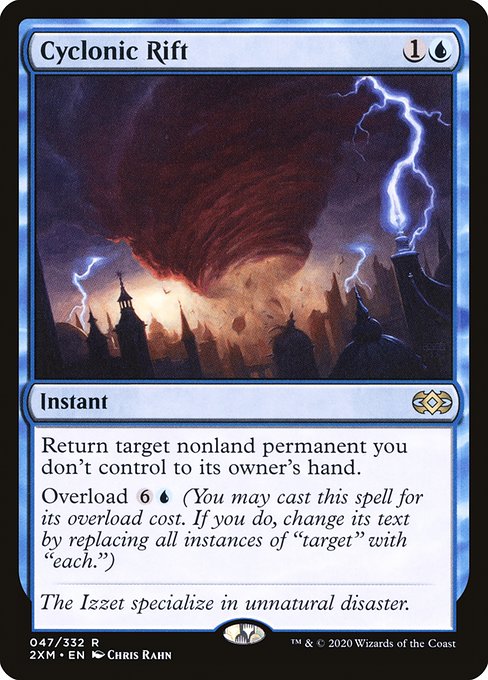
This makes the deck feel less vulnerable than the average Elfball strategy. You can still lose creatures and you can still be punished for overextending, but you have more opportunities to interact with the table before those problems become unavoidable.
Finding the Right Elf for the Job
Another strength of the deck is its ability to find specific creatures when the situation calls for them. Elf tribal decks tend to contain creatures with very specialized roles, and being able to search for the right one makes the strategy significantly more consistent.
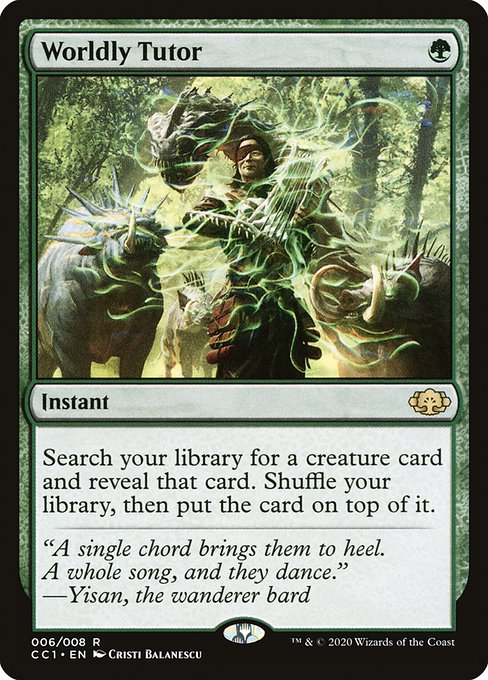
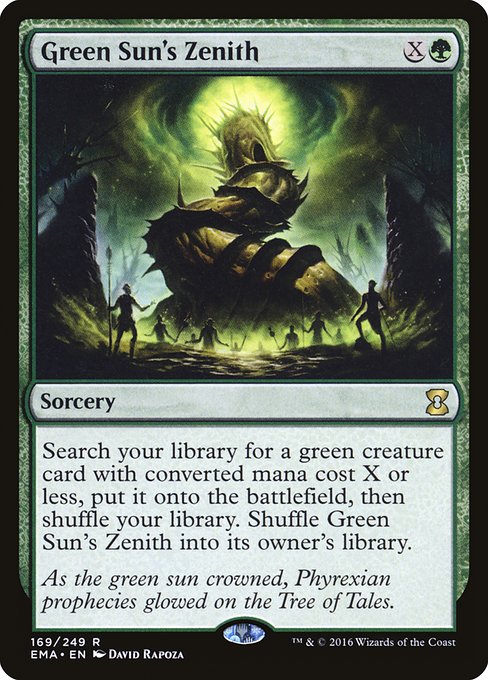
Fauna Shaman, Worldly Tutor, Eladamri, Korvecdal, and Green Sun's Zenith help ensure that the deck can access important creatures rather than relying entirely on naturally drawing them. Whether you need more mana, a card advantage engine, a tribal payoff, or a particular activated ability for Thranduil to eventually inherit, tutoring helps the deck adapt to different situations.
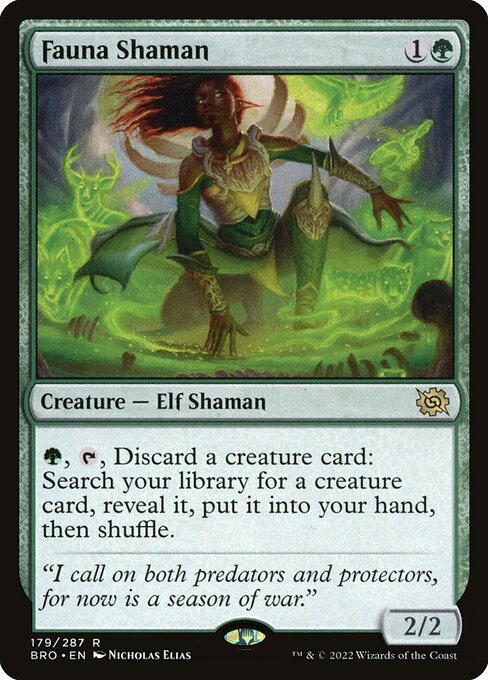
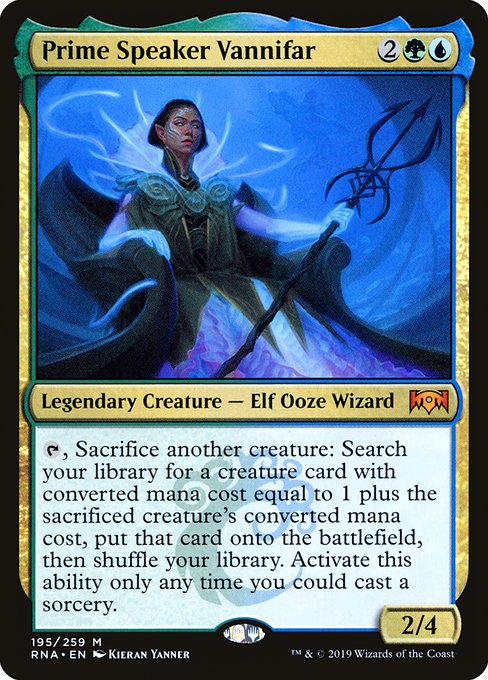
Prime Speaker Vannifar adds another angle to that creature-based toolbox. The deck contains enough creatures at different points on the mana curve to make creature tutoring valuable, while the sheer amount of mana produced by Elves helps you take advantage of whatever you find.
This flexibility is important because the deck isn’t built around a single combo or one mandatory sequence of plays. Its strength comes from overlapping engines. One game might be about generating enormous amounts of mana through your Elves. Another could focus more heavily on Thranduil’s graveyard abilities and recursion. Sometimes a legendary Elf will trigger your commander at exactly the right time and refill your hand.
The ability to search for creatures helps connect those different plans.
The Lands Behind the Elven Kingdom
A three-color Elf deck needs a reliable mana base, particularly when its commander costs green, blue, and black. Fortunately, the deck combines strong multicolor lands with several utility lands that reward its creature-heavy strategy.
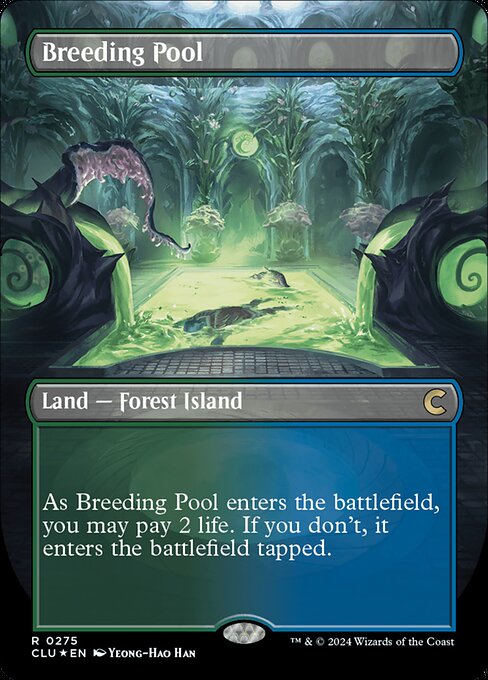
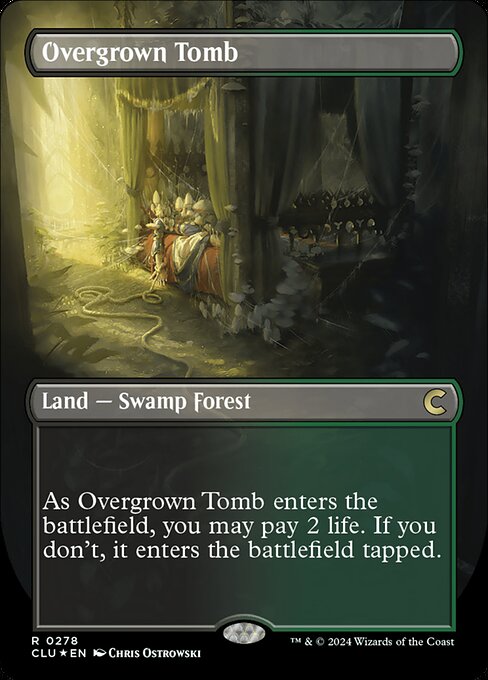
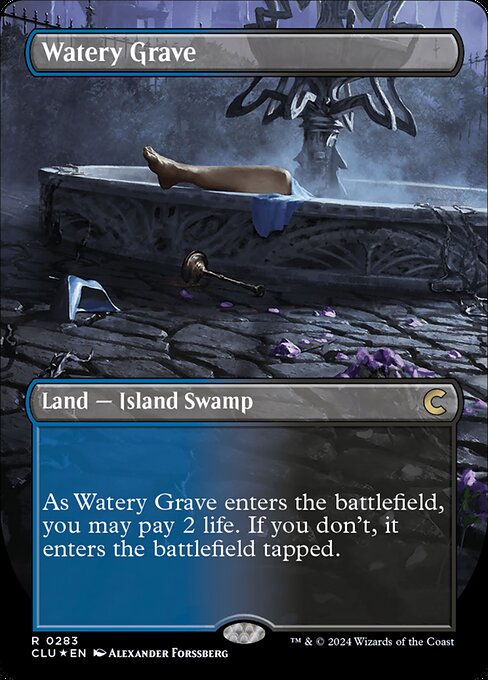
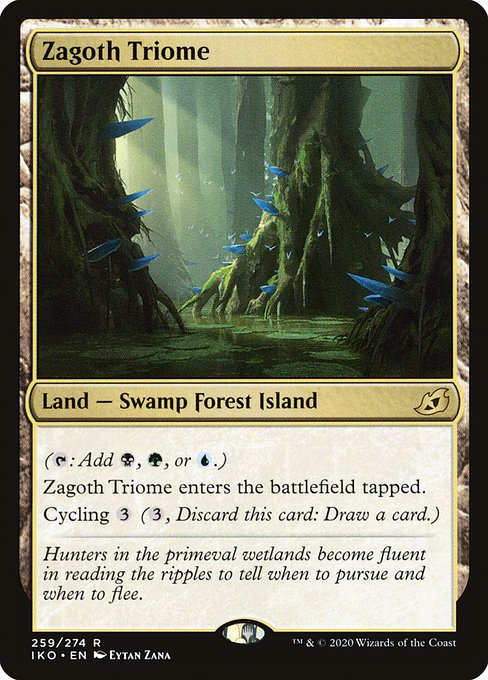
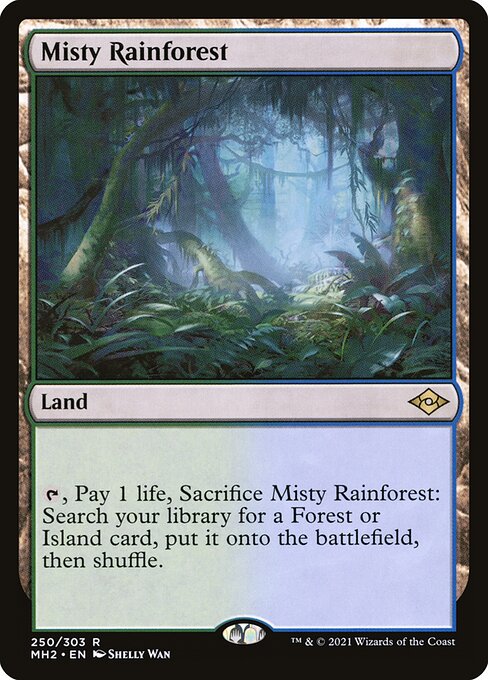
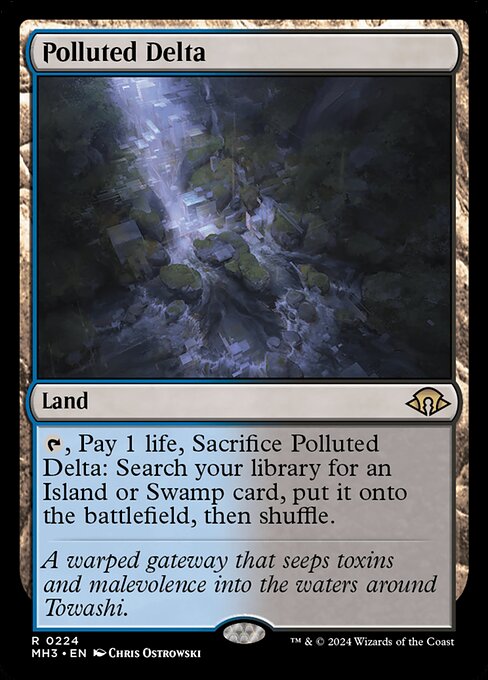
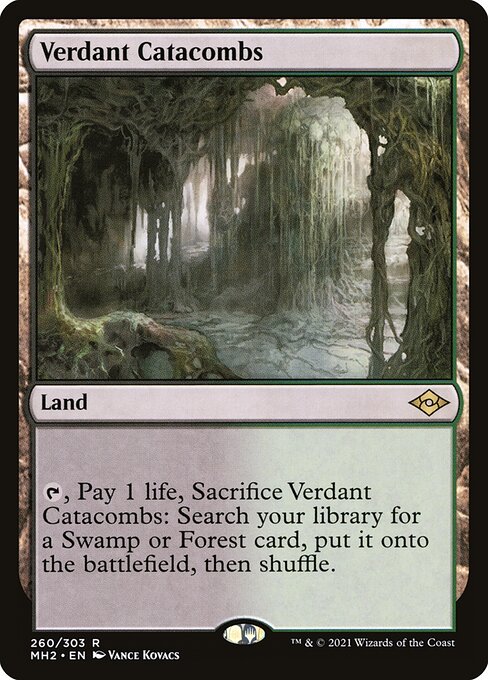
Breeding Pool, Overgrown Tomb, Watery Grave, and Zagoth Triome provide access to the deck’s colors, while fetch lands such as Misty Rainforest, Polluted Delta, and Verdant Catacombs help find the colors needed during the early game.
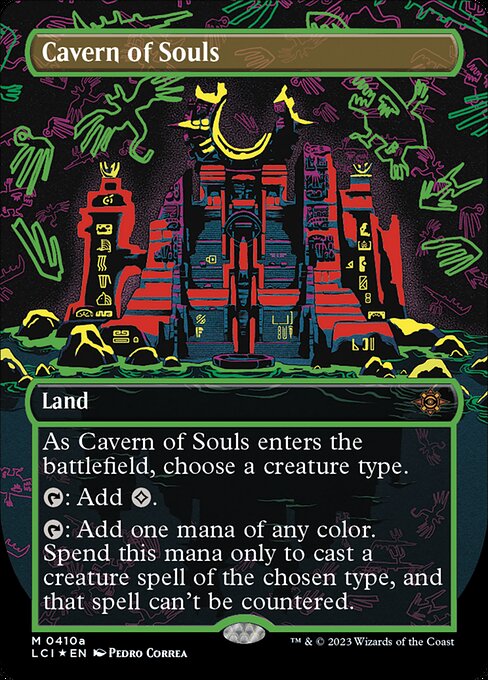
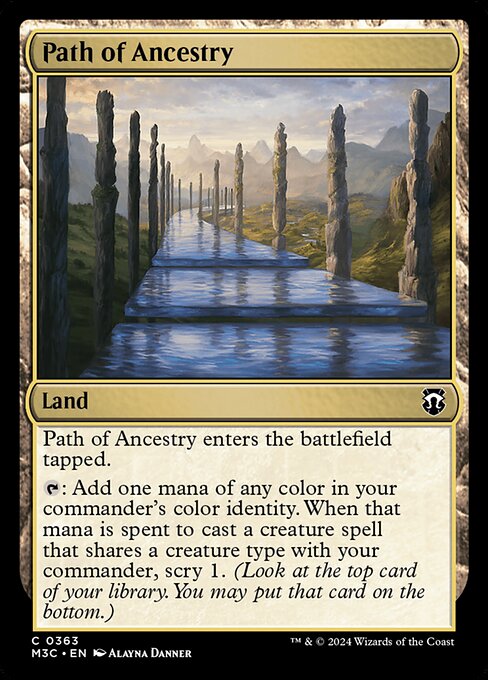
The tribal lands are particularly useful here. Cavern of Souls, Path of Ancestry, Three Tree City, and Wirewood Lodge all provide something beyond simply producing mana. Whether protecting important creature spells, filtering the top of the library, producing large amounts of tribal mana, or untapping an important Elf, these lands fit naturally into the deck’s overall plan.
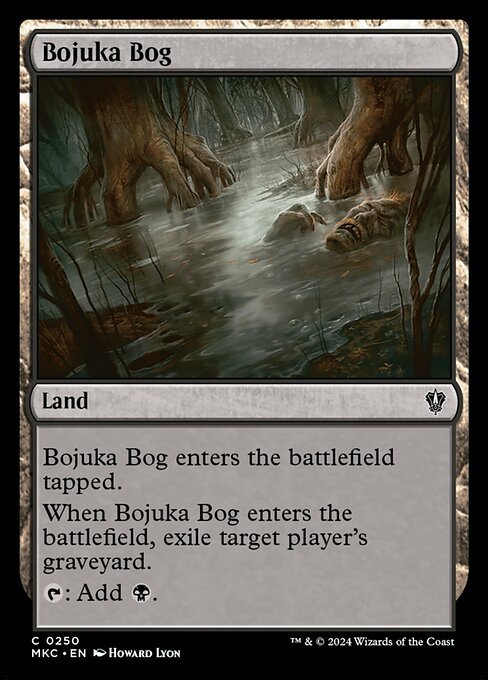
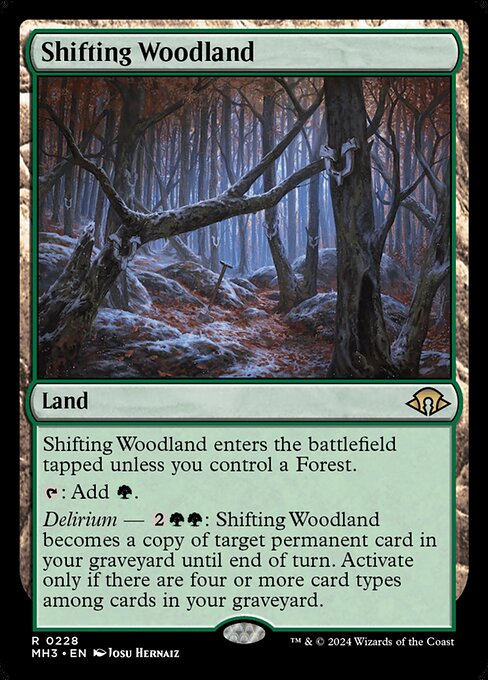
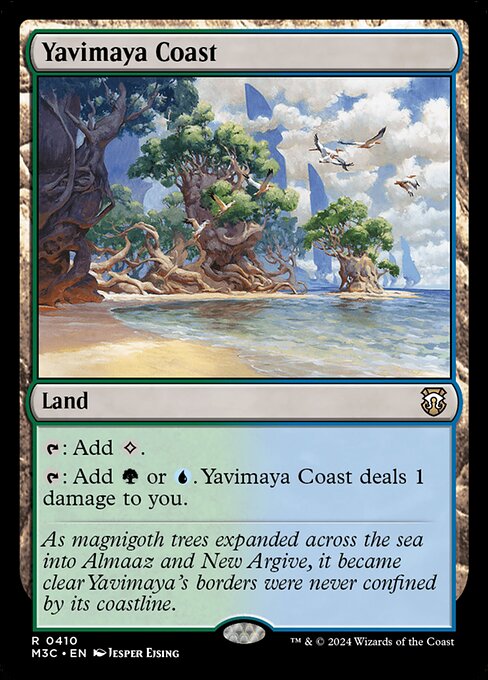
There are also several utility lands that become increasingly valuable as the game develops. Bojuka Bog provides graveyard disruption without requiring a dedicated spell slot, while Shifting Woodland and Yavimaya Coast help round out the deck’s mana and utility options.
The land base ultimately supports the same philosophy as the rest of the list: get your colors early, establish your mana quickly, and make sure as many of your cards as possible continue providing value beyond their most obvious purpose.
You can check out the deck here:

Commander
Planeswalkers (1)
Creatures (30)
Instants (16)
Sorceries (7)
Artifacts (4)
Enchantments (4)
Lands (38)
100 Cards
$1072.08
Closing Thoughts
Thranduil, the Elvenking offers a refreshing take on one of Commander’s most established tribes. The deck still delivers everything players expect from Elves: explosive mana, a growing battlefield, powerful creatures, and devastating combat steps. But Thranduil ensures that the deck doesn’t have to stop there.
The graveyard becomes an extension of your battlefield, letting useful activated abilities remain relevant after their original creatures are gone. Legendary Elves provide card selection while naturally supporting the tribal strategy, and Sultai colors give the deck access to interaction and recursion that make it more flexible than a traditional mono-green Elfball list.
Most importantly, the deck has several ways to approach a game. It can overwhelm opponents with mana and creatures, carefully assemble a graveyard full of useful abilities for Thranduil, or combine both approaches into a powerful late-game engine. The Elvenking carries the knowledge and abilities of the Elves who came before him.
For players looking for an Elf deck that combines familiar tribal explosiveness with a more unusual graveyard-based strategy, Thranduil offers a kingdom well worth ruling.
If you would like to check out more decks showcasing cards from the Hobbit feel free to check out: Showcase: Beorn the Fierce and Showcase: The Great Goblin