




Reanimation is a key mechanic in the game of Magic the Gathering. Entire decks can entirely base their strategies around it, and in the Commander format it can be especially strong since you are not limited to your own graveyard, but you can often use the graveyard of any of the players at the table.
Unlike many strategies that rely on building and protecting a board presence, Reanimation thrives on what has already been destroyed. Where most decks see the graveyard as the end of a card’s usefulness, Reanimation decks see it as a storage zone full of future options. The longer a Commander game goes, the more creatures die, the more cards get discarded, and the more stocked graveyards become. For a reanimator player, that natural accumulation of resources is not a drawback, it is the foundation of their entire strategy.
What it Means to Reanimate
Reanimation usually refers to any effect that returns a creature from a graveyard directly into the battlefield. Unlike normal casting, reanimation often ignores manacosts entirely. That means a creature that normally costs eight or more mana can enter the battlefield for only two or three.
This ability to “cheat” large creatures into play is what makes reanimation such a major strategy in Commander. Instead of slowly ramping toward expensive threats, a reanimation deck focuses on getting those threats into the graveyard first, then bringing them back far earlier than they were meant to appear.
However, reanimation is not only about speed. It is also about efficiency. A creature revived from the graveyard still provides its full power, toughness, and abilities, meaning the player effectively converts a small investment into a massive board presence. When this happens repeatedly, the value generated can quickly outpace decks that rely on normal casting alone.
The History of Reanimation
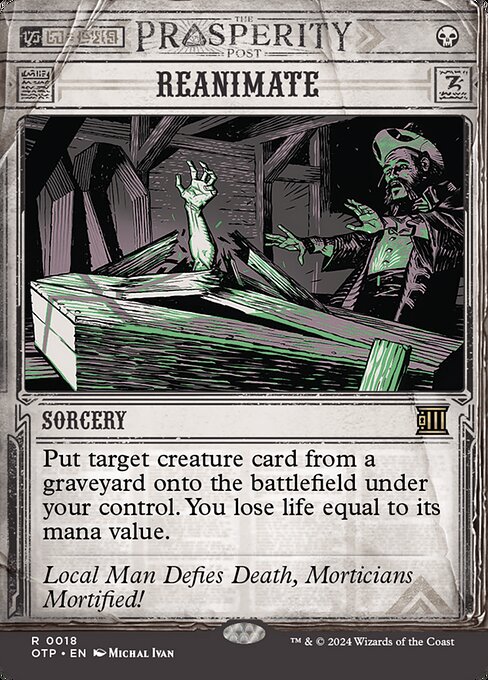
The term “Reanimation” comes from the card Reanimate. Even though it was not the very first card with such an effect in the game, it is unquestionably one of the most efficient ever printed. For the small cost of a single Black mana and some life, it allows you to bring any creature from any graveyard directly into play.
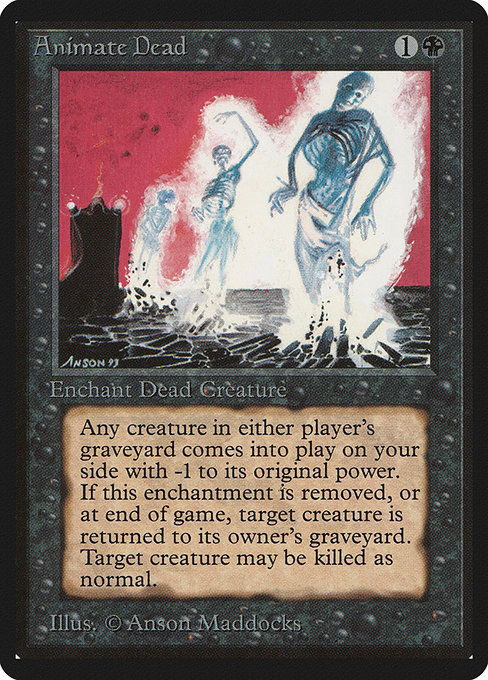
However the first cards able to perform true creature revival were Animate Dead and Resurrection. One belonging to black and the other to white, these cards helped establish the long-standing identity of those colors as the primary homes of graveyard recursion. To this day, Bblack remains the strongest color for direct resurrection, while White provides consistent support and recursion tools.
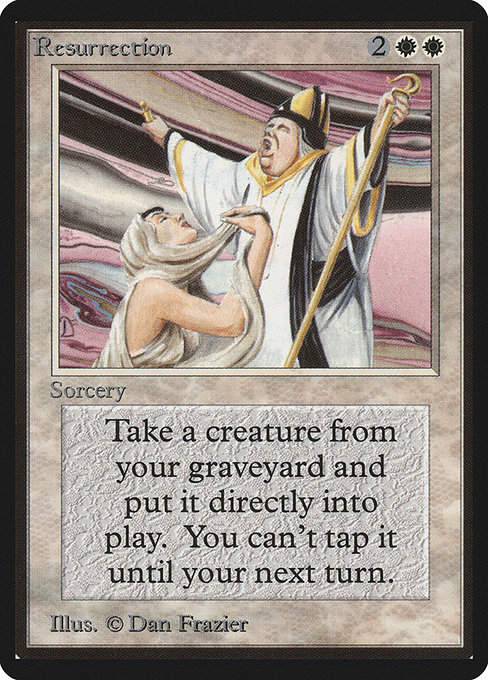
Over time, the mechanic evolved. Early designs focused on simple one-for-one revival, but later sets explored broader interpretations: mass returns, conditional resurrection, repeatable engines, and graveyard casting. What began as a niche ability slowly became one of the most recognizable and strategically deep mechanics in the game.
More Than Just Reanimation
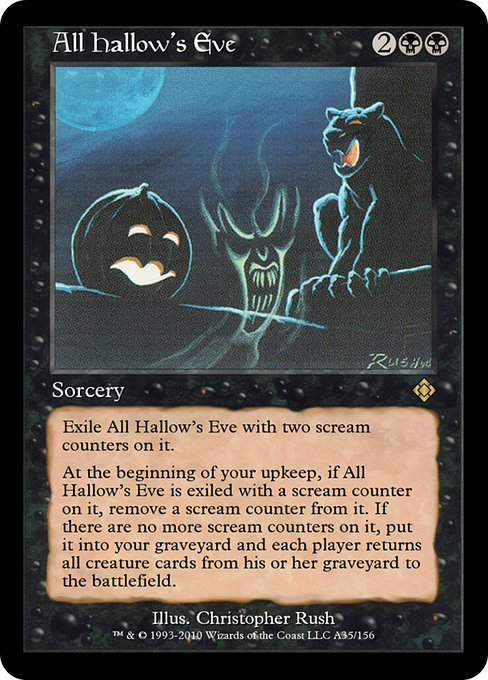
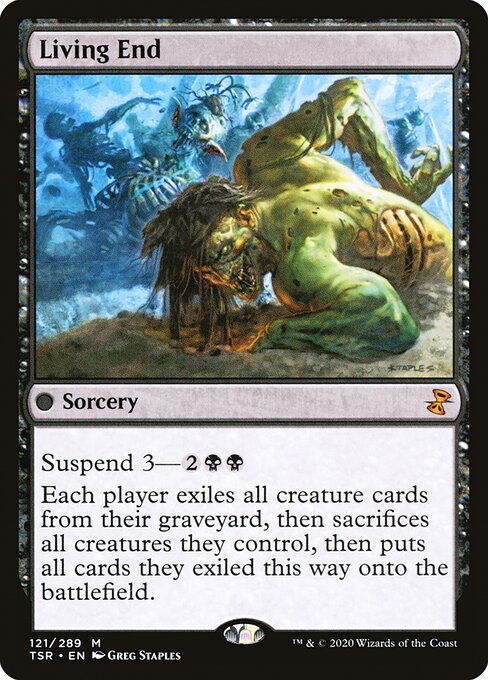
Single target reanimation spells are efficient, and you can certainly make decks around them, but they’re also limited by the fact that you can only target one card with each of them. That limitation led to the creation of larger effects such as Living Death, its predecessor All Hallow's Eve and other cards with similar effects like Living End. We’re now expanding on the Reanimation mechanic to bring back into play not just one, but all creatures from the graveyard.

Reanimation as Part of a Larger Graveyard Engine
Reanimation alone is powerful, but it becomes significantly stronger when combined with other graveyard-focused mechanics.
Sacrifice outlets allow creatures to be intentionally placed into the graveyard while generating value. Effects that return cards from graveyard to hand provide redundancy. Abilities that exile creatures to copy them or reuse their triggers add further flexibility.
Even commanders that are not strictly “reanimation commanders” often interact strongly with the graveyard ecosystem. Some return creatures repeatedly, some reward permanents leaving the graveyard, and others allow cards to be cast directly from it.
Though not reanimation per se, these other mechanics weave and play well within reanimator shells, allowing us to re-play cards over and over again. Creatures like Athreos, God of Passage, Greasefang, Okiba Boss, Anikthea, Hand of Erebos, Karador, Ghost Chieftain being good examples of such.
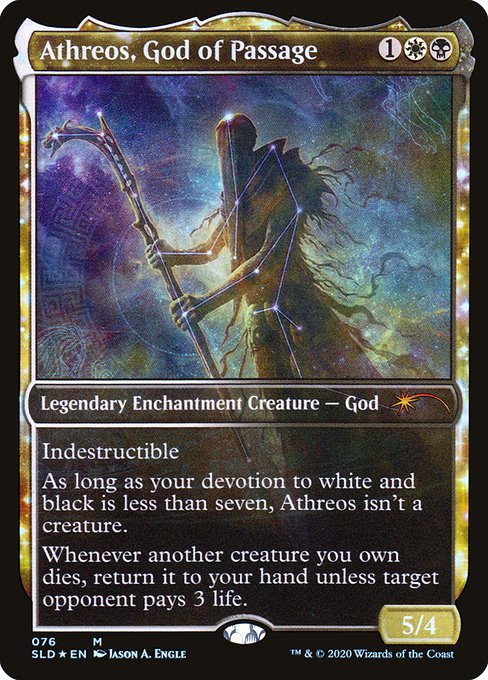
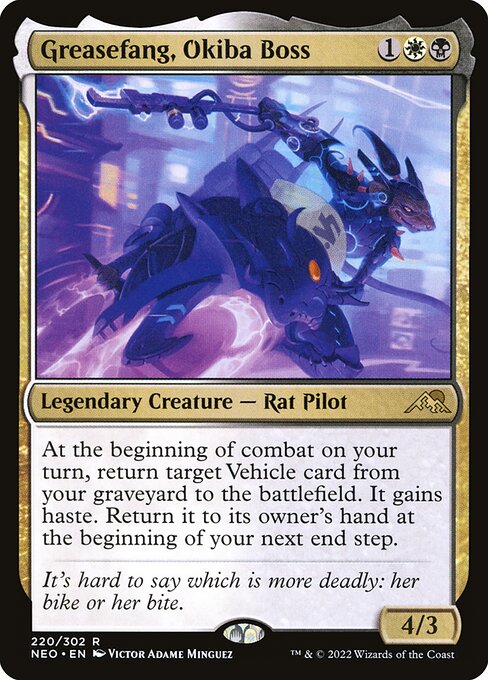
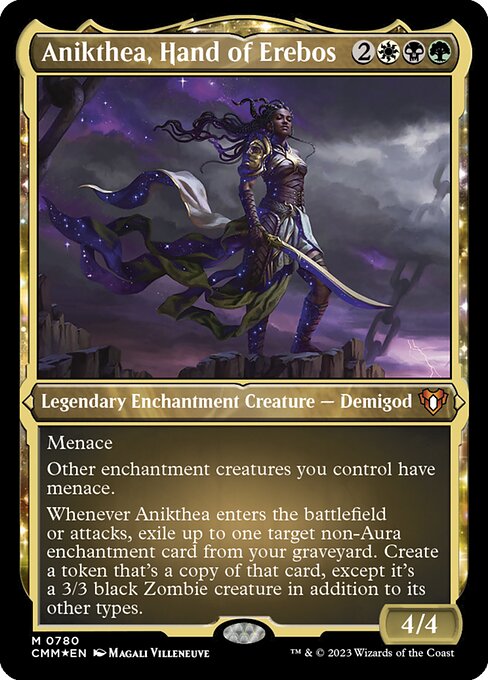
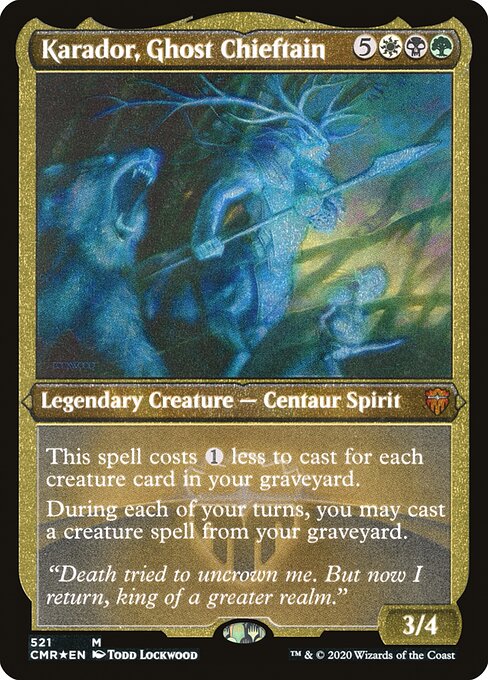
Because of this, many modern Commander decks do not treat reanimation as a single mechanic but rather as one component of a broader recursion framework. The graveyard becomes less of a temporary holding space and more of an active gameplay zone.
Beyond Reanimation
We get the gist of reanimating, however what happens if we look beyond reanimation?
Black and White might be the best colors to reanimate with, but this mechanic is not limited to those colors. By looking beyond reanimation we’re then no longer limited to just returning Creatures from the graveyard but we can open up to any type of permanent; and how about not limiting ourselves to bringing back without casting? Then we also have many more options at our disposal, while also playing within the theme of using cards that went to the Graveyard.
Let’s look at what some creatures from different colors can do:
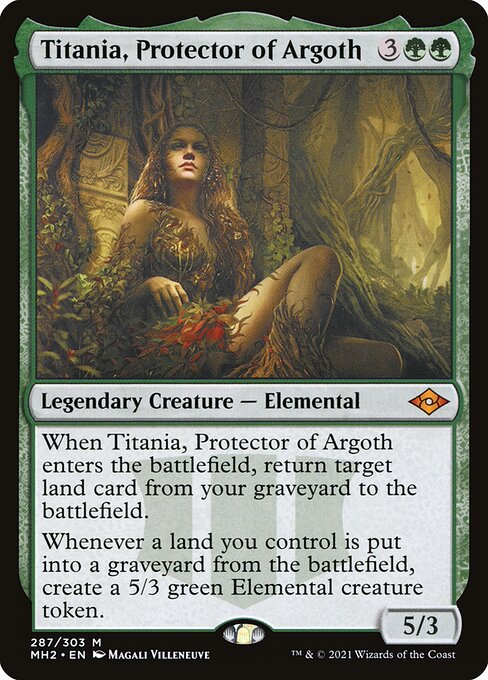
Green can “reanimate” lands Titania, Protector of Argoth, Lumra, Bellow of the Woods, Titania, Nature's Force, and it can also let us cast permanents from the Graveyard Six.
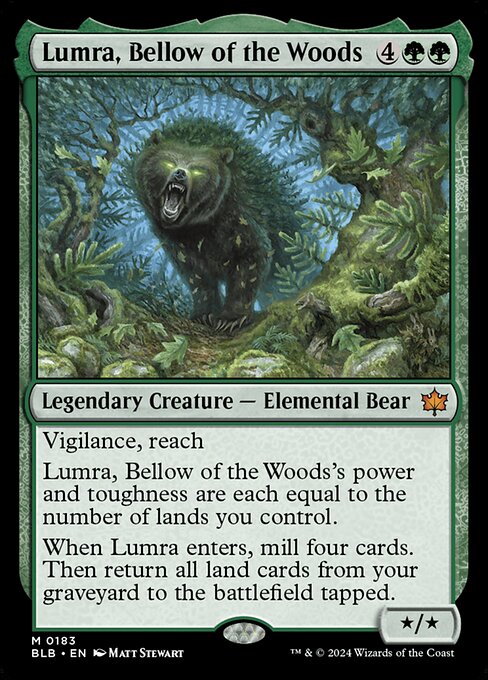
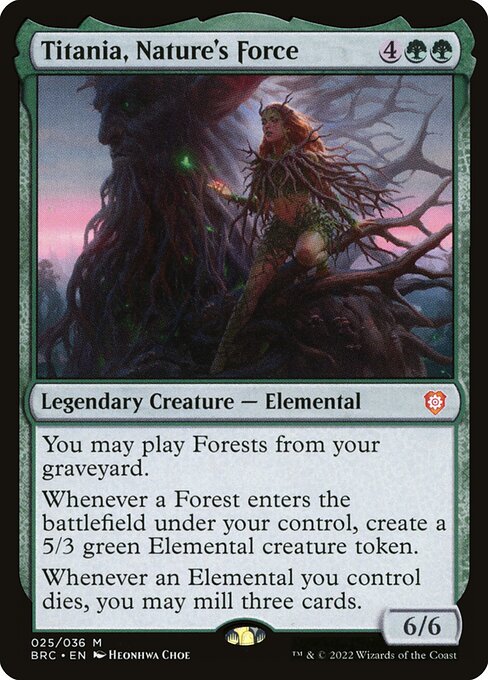
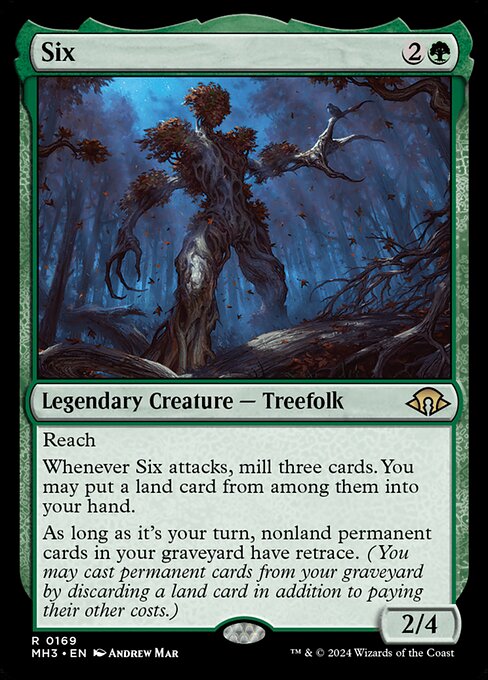
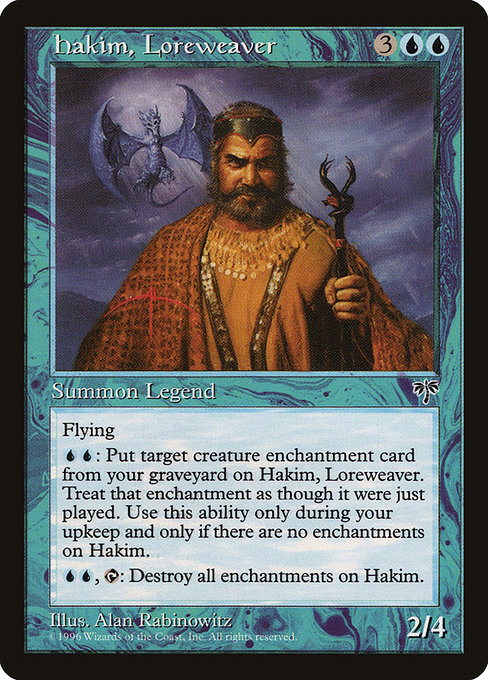
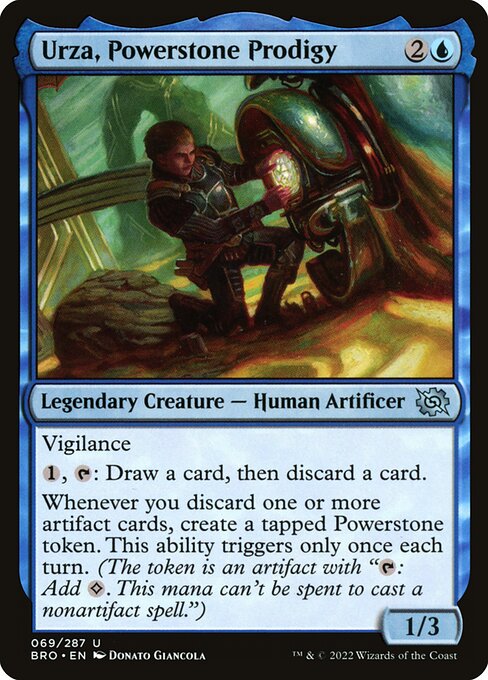
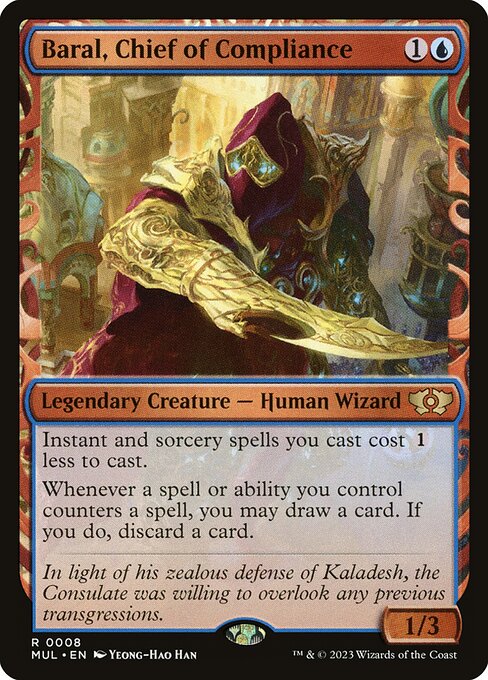
Blue can “reanimate” artifacts Emry, Lurker of the Loch; Enchantment Auras Hakim, Loreweaver; while also being just great at another mechanic that synergizes greatly with reanimating: Looting. Urza, Powerstone Prodigy and Baral, Chief of Compliance being good examples of such.
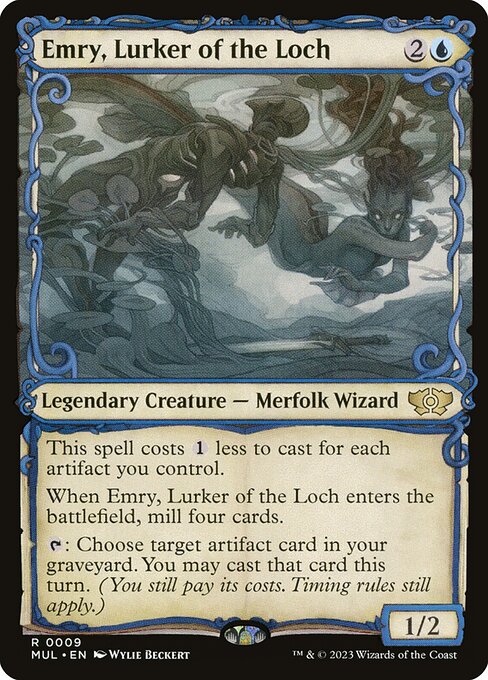
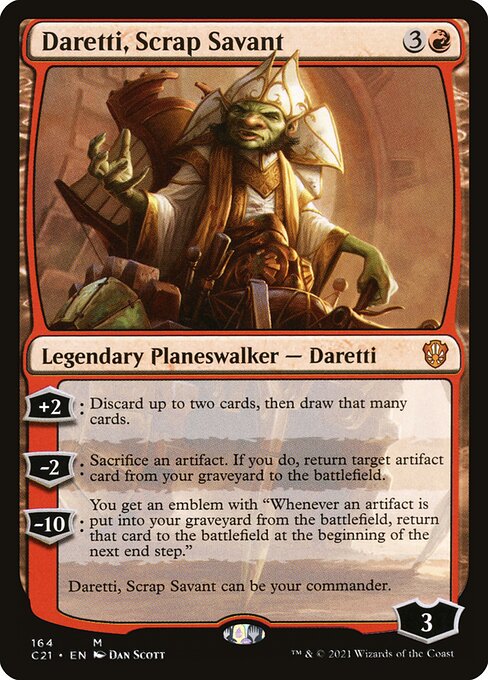
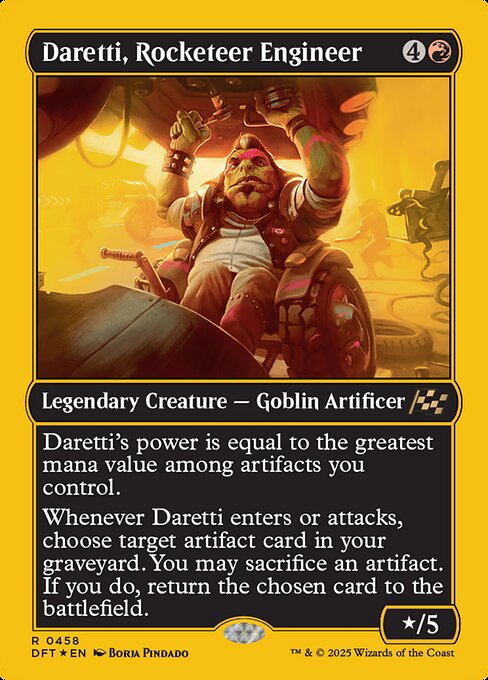
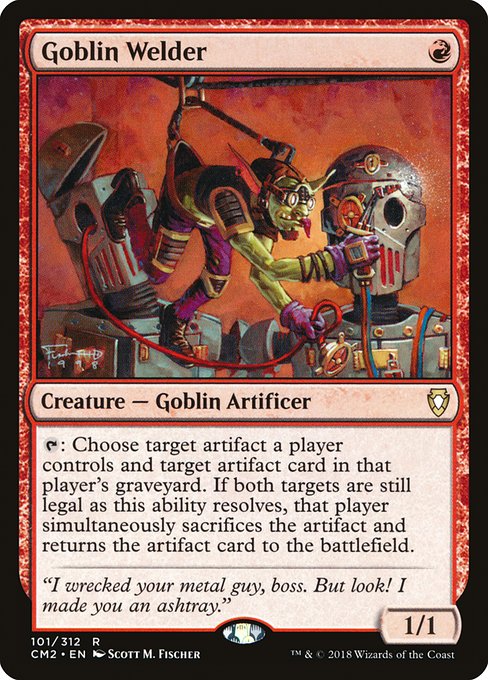
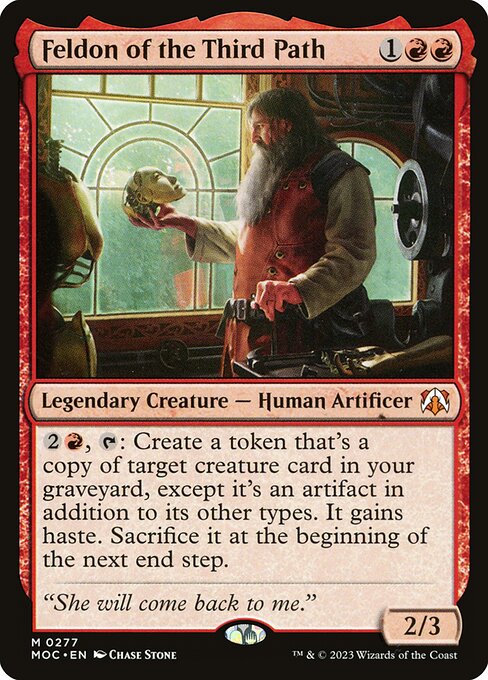
Red can also “reanimate” artifacts, examples include Daretti, Scrap Savant, Daretti, Rocketeer Engineer, and Goblin Welder; and it can even copy creatures from your graveyard Feldon of the Third Path
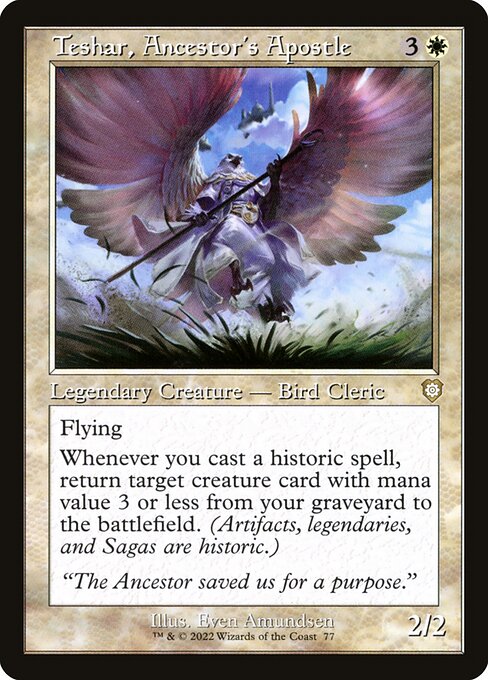
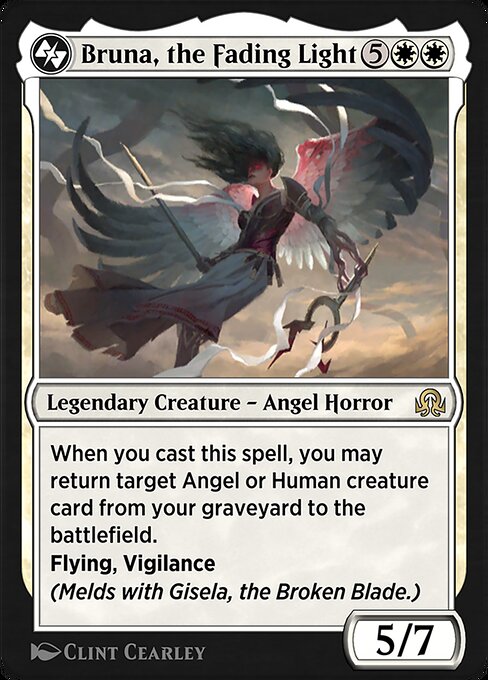
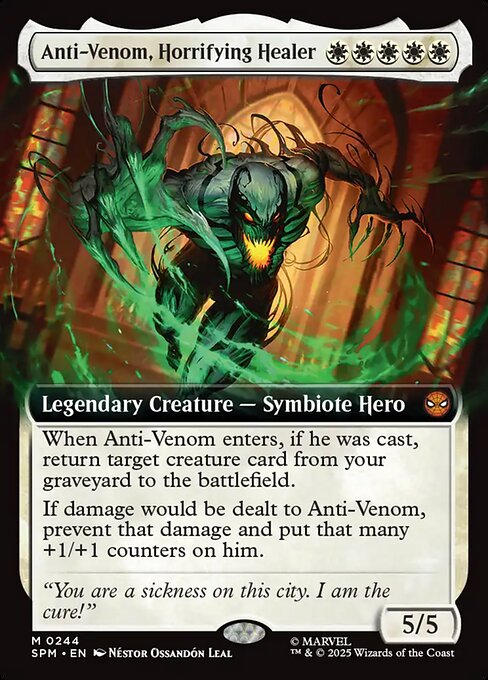
White is great when it comes to creature reanimation: Celestine, the Living Saint, Teshar, Ancestor's Apostle, Bruna, the Fading Light, Anti-Venom, Horrifying Healer.

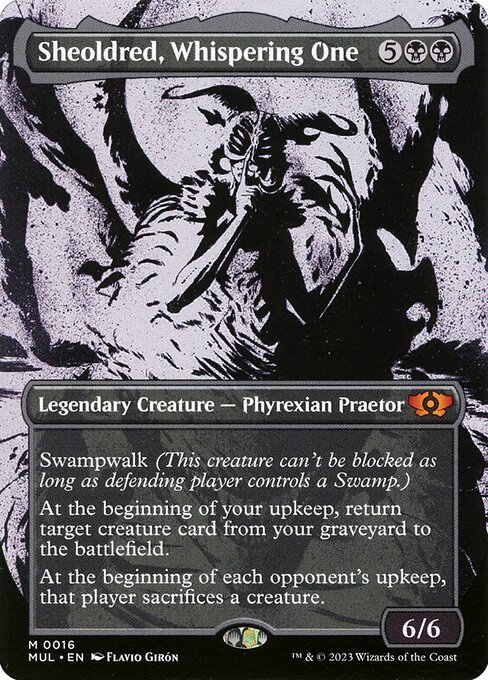
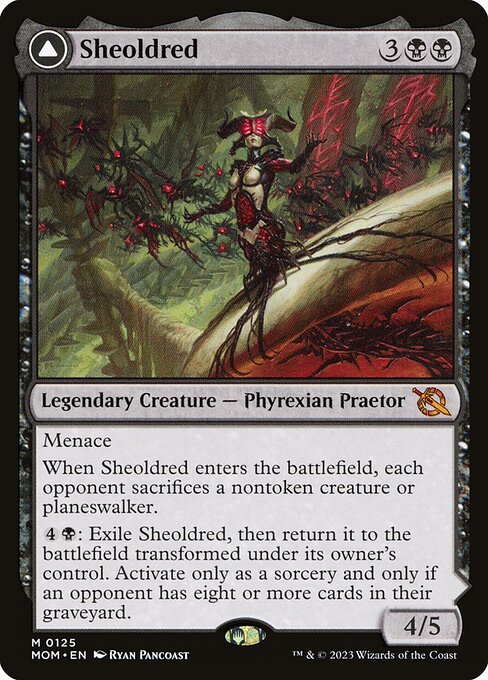
Black is the undisputed king when it comes to reanimating creatures; Sheoldred, Whispering One, Sheoldred, Balthor the Defiled and Tergrid, God of Fright going as far as straight up stealing cards that would otherwise go to an enemy’s graveyard.
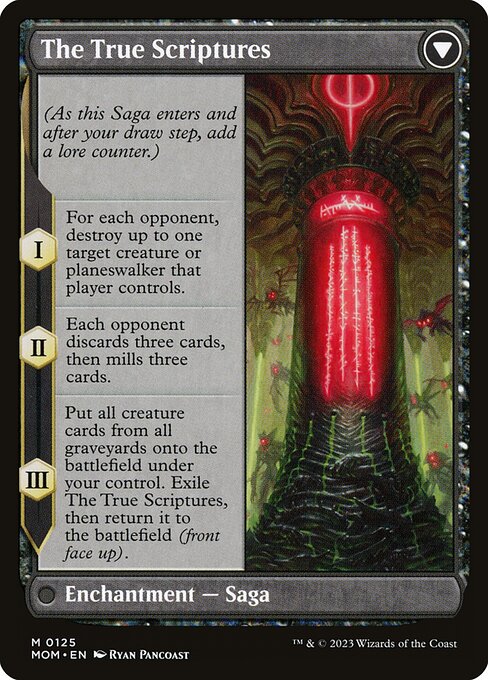
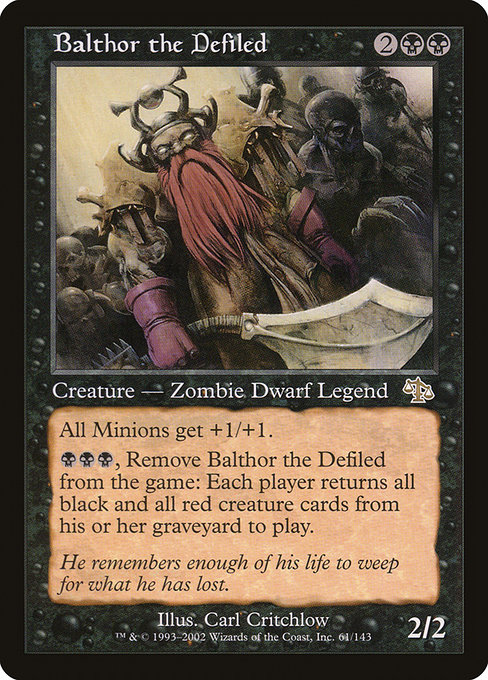
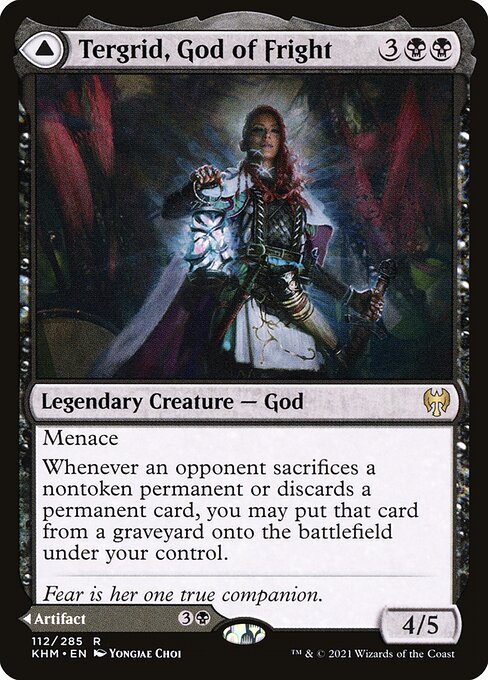
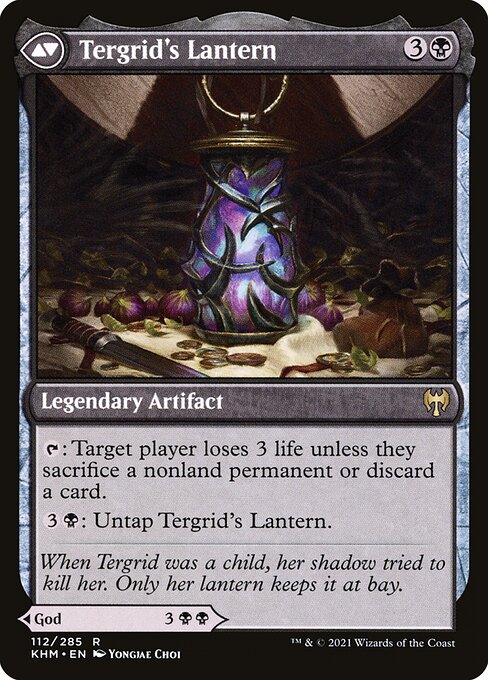
When viewed through this wider lens, reanimation is not just a Black or White mechanic, it is part of a full color philosophy centered on resource recycling.
Multi Colored Combinations
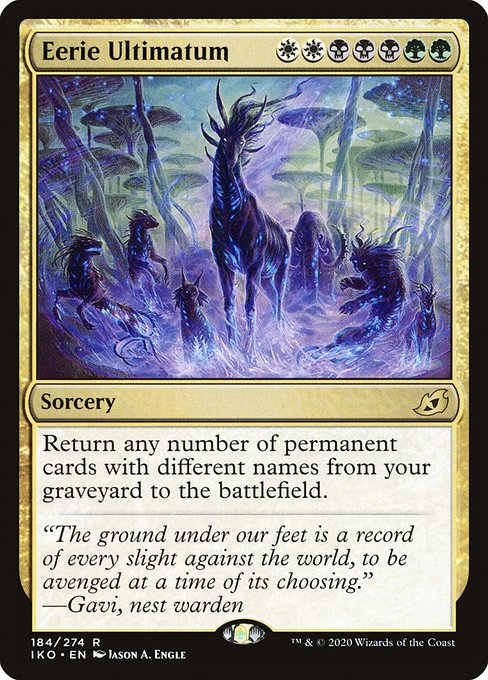
Of course, we also aren’t limited to mono-colored decks if we want to play a reanimator deck; Commander naturally encourages multicolor deckbuilding, and reanimation strategies benefit enormously from combining colors. The options become pretty much endless once we start combining colors, and adding more colors usually means better spells. Take a look at Eerie Ultimatum as an example!
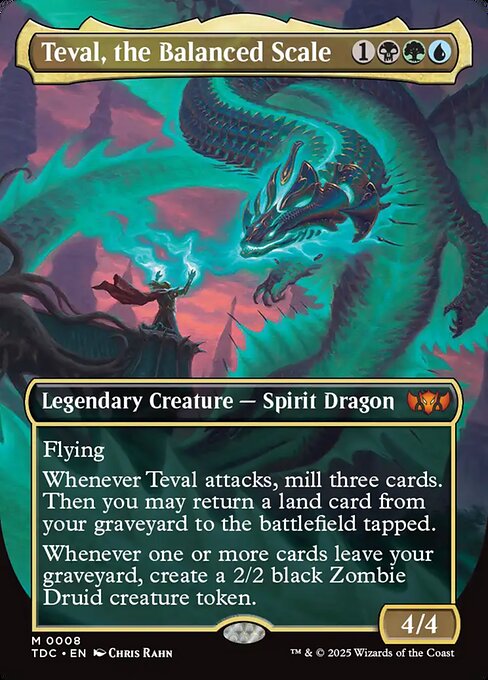
Other cards use reanimation as a way to do other things, for example Teval, the Balanced Scale returns lands into play and everytime a card leaves our graveyard it will give us a 2/2 Zombie Druid token.
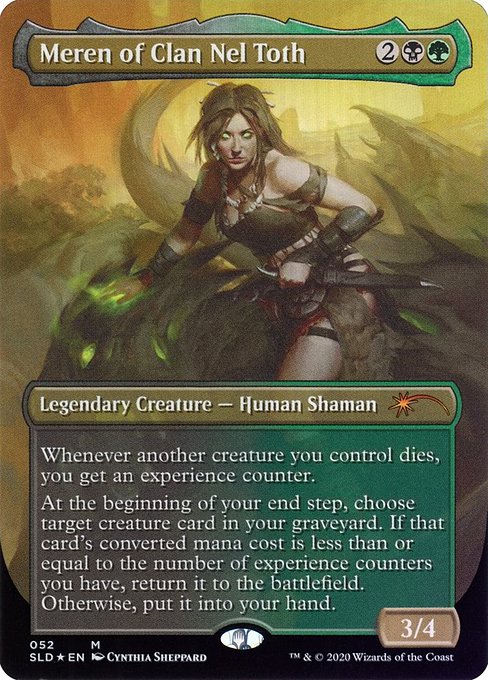
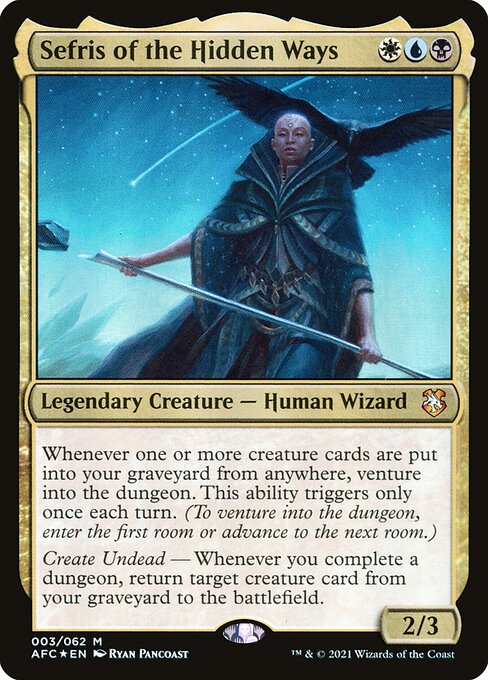
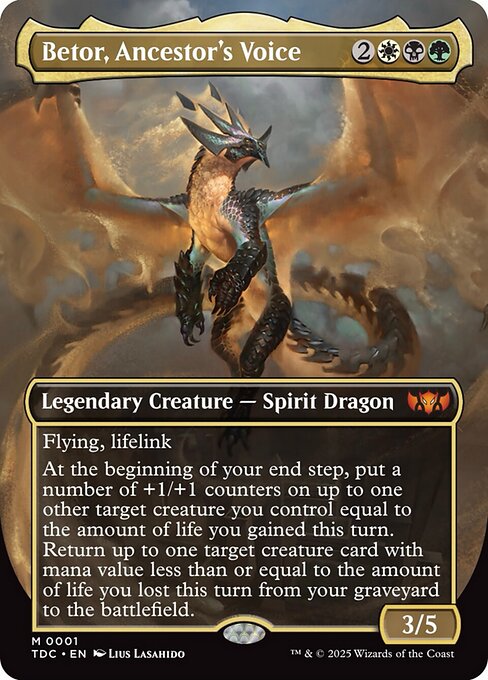
Some notable examples of multi color Commanders that use the reanimation mechanic include Meren of Clan Nel Toth, Sefris of the Hidden Ways, Terra, Herald of Hope, Hashaton, Scarab's Fist, Muldrotha, the Gravetide, Slimefoot and Squee, and Betor, Ancestor's Voice.
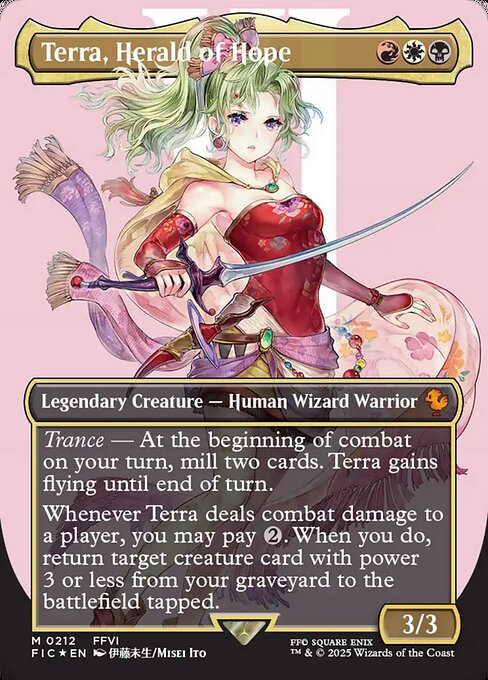
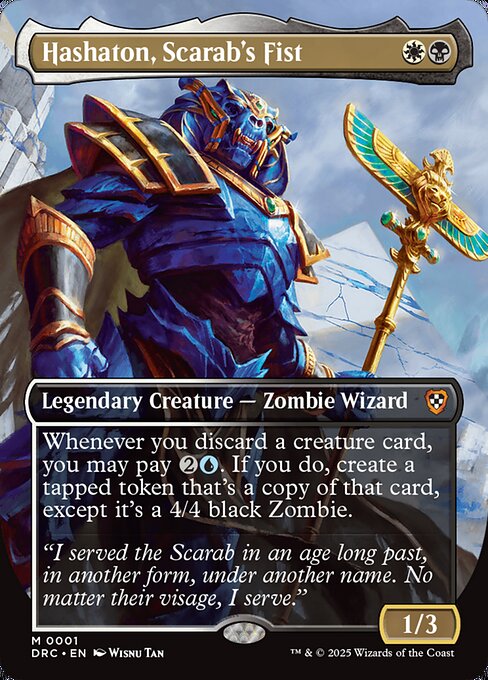
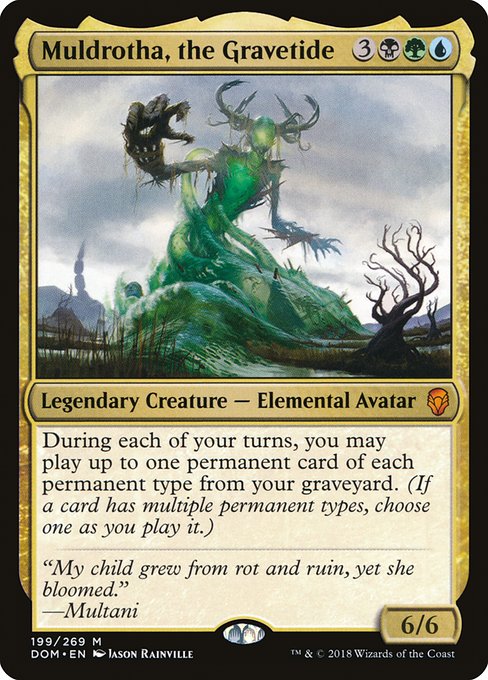
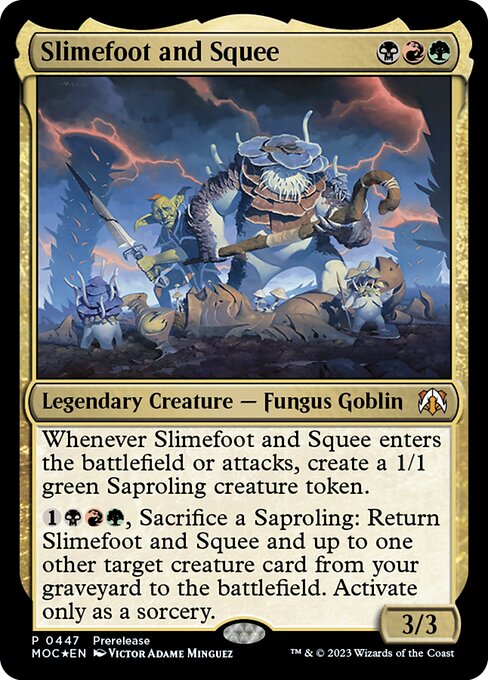
Because of this flexibility, reanimation decks can range from highly aggressive early game threat deployment to slow, grindy late game value engines.
Fueling our Engine
In Commander, cards naturally enter the graveyard through combat, removal, milling, looting, or discards; this fact combined with the fact that Commander is a multiplayer format, it means that reanimation simply becomes better and better. Reanimation transforms this from a “lost” zone into a storage zone; pretty much a second, bigger hand.
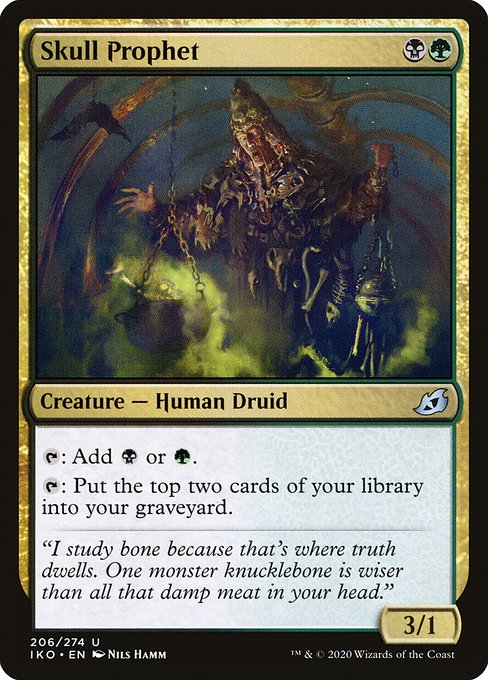
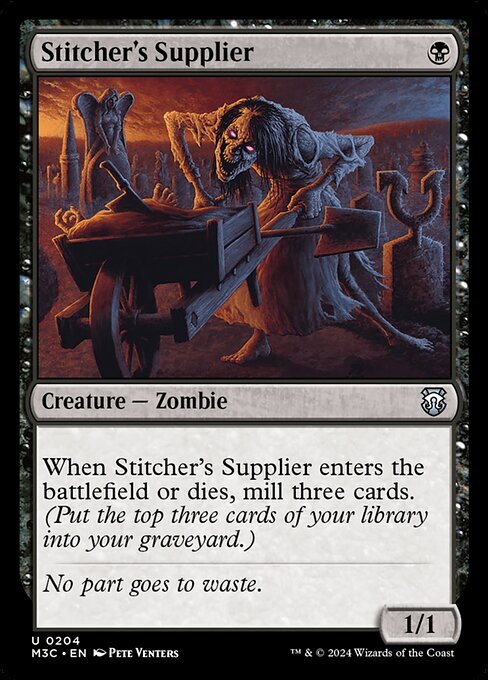
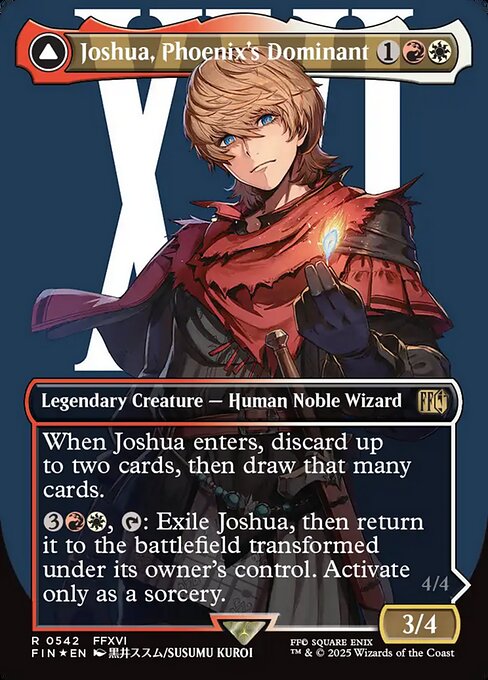
The usual Reanimator decks heavily rely on fueling our graveyard to make plays off of it. Decks built around this idea have to intentionally Self-mill to stock targets; Loot or discard reanimation targets; and/or Sacrifice creatures for value. That’s where the supporting cast comes in to help. Cards like Skull Prophet, Stitcher's Supplier, Joshua, Phoenix's Dominant, Wight of the Reliquary, Likeness Looter, The Gitrog Monster, Rona, Herald of Invasion, and Raffine, Scheming Seer all help keep our graveyard filled in various different ways.
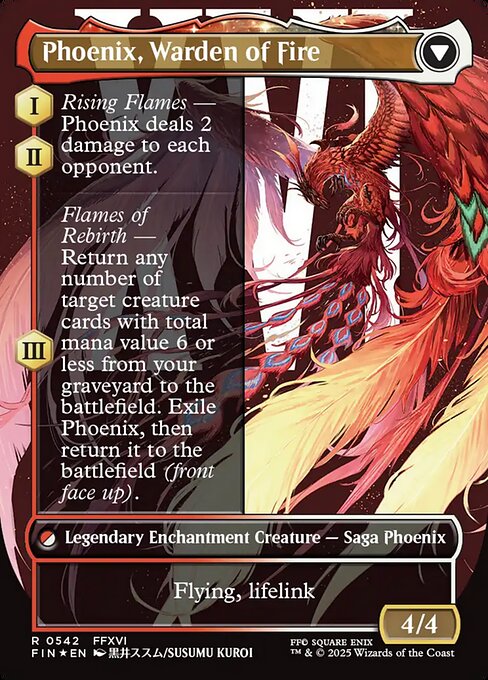
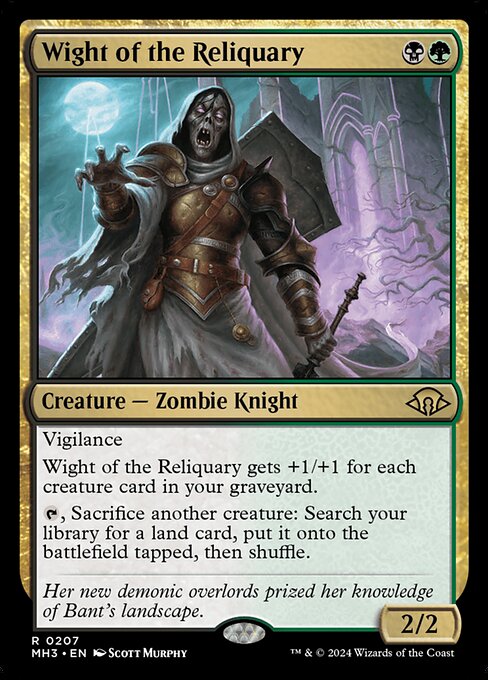
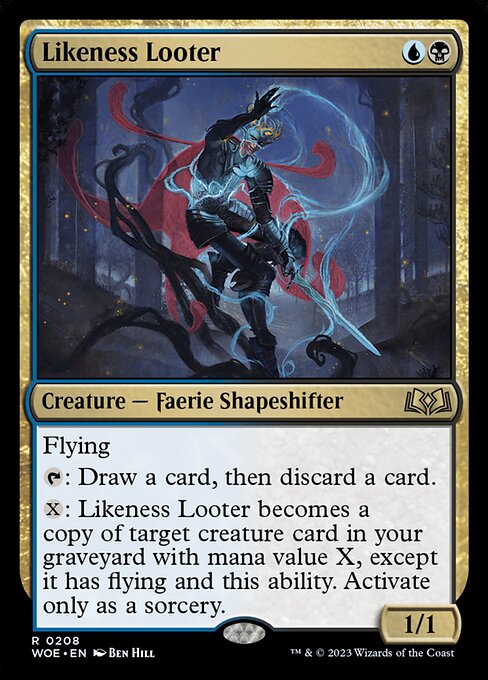
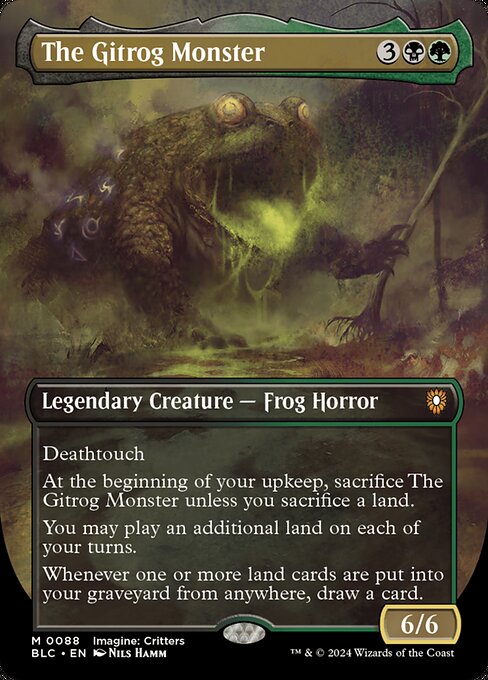
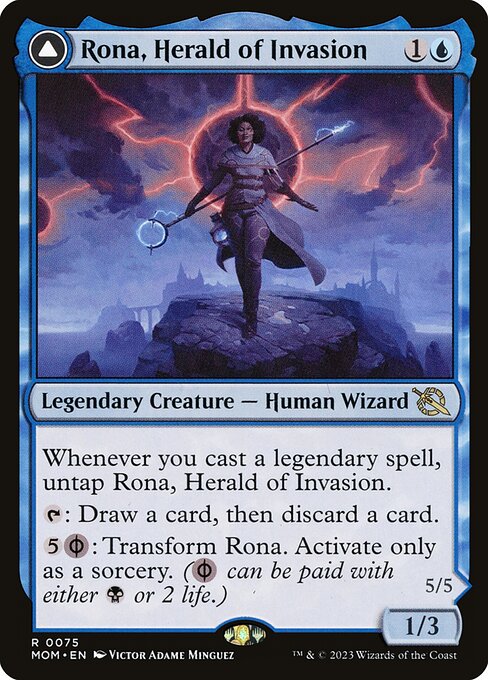
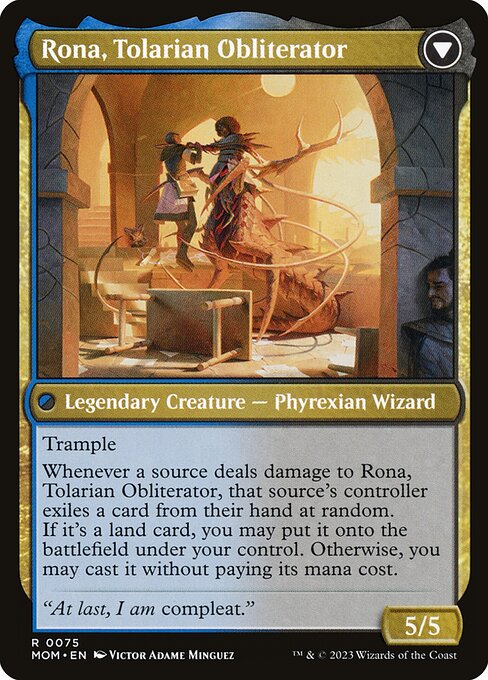
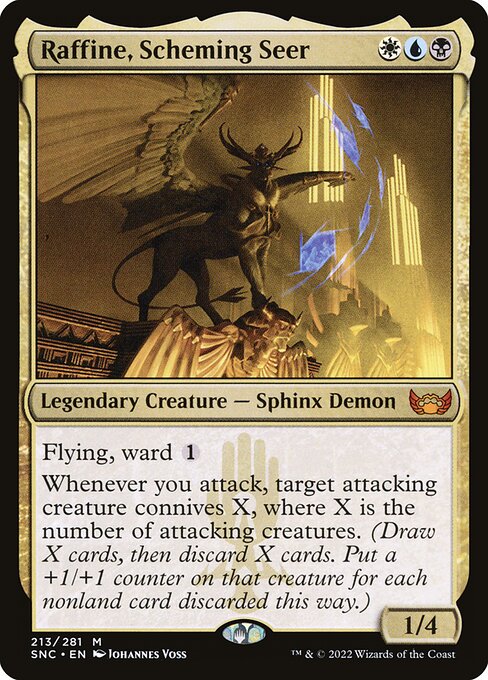
Without this supporting structure, reanimation becomes inconsistent. With it, the deck gains a steady pipeline of usable threats.
Reanimating Opponents’ Creatures
Another important aspect of reanimation in multiplayer Commander lies in that you can often target any graveyard. This means every creature that dies during the game becomes a potential option for you later.
If one opponent’s deck is full of huge threats and another opponent destroys them, a reanimation player can benefit from both sides. You didn’t spend mana casting the creature, and you didn’t even need to include it in your deck, yet you still get the payoff.
Because of this, reanimation becomes stronger in full multiplayer pods than in 1-on-1 games.
Protecting Your Graveyard Strategy
Since reanimation relies on the graveyard, opponents will often try to disrupt it.
Common anti-graveyard tactics include Exiling graveyards entirely; Removing key targets before they can be revived; or Countering reanimation spells.
Because of this, strong reanimation decks usually include ways to: Fill the graveyard quickly; Run multiple reanimation spells instead of relying on one; Force opponents to use their graveyard hate early.
Timing also becomes extremely important. If your entire strategy depends on one creature staying in the graveyard, experienced players will remove it immediately, so you have to play it smarter and only put such creature in the graveyard whenever you’re ready to pull the trigger to bring it back.
Reanimation Archetypes
There are several Commander archetypes built heavily around reanimation.
Classic Reanimator
These decks aim to put enormous creatures into the graveyard early and revive them as soon as possible. The goal is to land a game changing threat far earlier than normal casting would allow. These decks prioritize massive Enter The Battlefield creatures, fast graveyard setups, and cheap resurrection spells.
Value Recursion
Instead of focusing on huge monsters, some decks repeatedly reanimate smaller creatures with strong Enter The Battlefield effects. These decks grind out long-term advantage by reusing the same creatures multiple times and aim to repeatedly use creatures with Card draw triggers, Removal effects, Ramp abilities, or Token generation.
Aristocrats / Sacrifice Loops
Some strategies combine sacrifice outlets with reanimation so creatures can repeatedly enter and die for value. These decks often generate incremental advantage each time the cycle repeats. They will focus on ways to generate value when creatures enter, when they die, and when they come back.
Toolbox Reanimation
Instead of reviving the same creature repeatedly, toolbox decks revive the right creature at the right time.
Need removal? Reanimate removal creature.
Need ramp? Reanimate ramp creature.
Need a finisher? Reanimate a bomb.
These decks treat the graveyard as a modular answer system.
Why Reanimation Is So Hard to Stop
Most strategies depend on just one zone, Hand strategies rely on draw; Board strategies rely on creatures surviving; and Combo strategies rely on assembling pieces.
Reanimation uses multiple zones simultaneously:
- Library → fills graveyard
- Graveyard → feeds battlefield
- Battlefield → returns to graveyard
- Repeat
Because of this loop, destroying creatures rarely solves the problem permanently. To truly stop a reanimation deck, opponents must attack the graveyard itself, and many casual Commander decks are simply just not built to do that consistently.
Final Thoughts
Reanimation is one of Commander’s most flexible mechanics because it turns the natural flow of the game into fuel. Creatures dying, cards getting discarded, and boards being wiped are normal multiplayer events, but reanimation decks treat those events as setup instead of setbacks. The longer the game runs, the more resources accumulate in graveyards, and the more powerful resurrection becomes.
Whether used explosively to cheat massive threats into play or patiently to recycle value creatures turn after turn, reanimation fundamentally changes how a Commander deck measures advantage. When the graveyard stops being the end of a card’s life and starts becoming part of its casting cost, every removal spell at the table suddenly starts working for you.
In a format defined by long games, huge creatures, and constant interaction, few mechanics scale as naturally as reanimation. It does not fight the chaos of multiplayer Magic, it embraces it, converts it, and eventually overwhelms the table with the very resources everyone else thought were gone for good.