




In Commander, decks are very large. You have a 99 card main deck. You do lose if you can’t draw a card because there are no cards to draw. This is where the Mill archetype comes in. It’s a challenge in Commadner, has getting rid of 99 cards is no easy feat. In general, you’re not playing Mill because it’s easy, though. This article will not be looking at the Self Mill archetype, which relies more on milling yourself. Instead, it’ll focus exclusively on the traditional Mill archetype.
What is the Mill Archetype?
The Mill archetype refers to the style of deck that wants to put your opponents’ entire library into their graveyard. Milling is a game action where a player puts cards from the top of their library directly into their graveyard.
These decks tend to be less aggressive, often playing the long game since milling a Commander deck is no easy feat. It’s one of the hardest win conditions in EDH to achieve. This is why it’s such an enticing archetype in the grand scheme of Commander, it’s the toughness factor of succeeding.
What Color Are Mill Decks In?
The Mill archetype comes in a variety of flavors. Generally speaking, they tend to primarily always include Blue as their main color, with Black as the secondary color of the archetype. White and Black sometimes make an appearance, but much less frequently. The only color that Mill is absent from is Green (which is more common in Self Mill).
Mill Archetype Staples
As with every Commander archetype, Mill has plenty of useful staples in the deck. Sometimes, these are cards that directly mill, and others are cards that benefit from cards themselves being milled.
Creatures That Force Mill
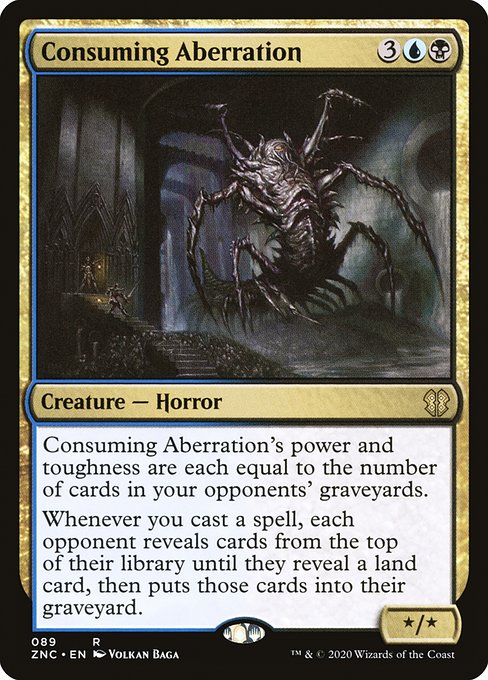
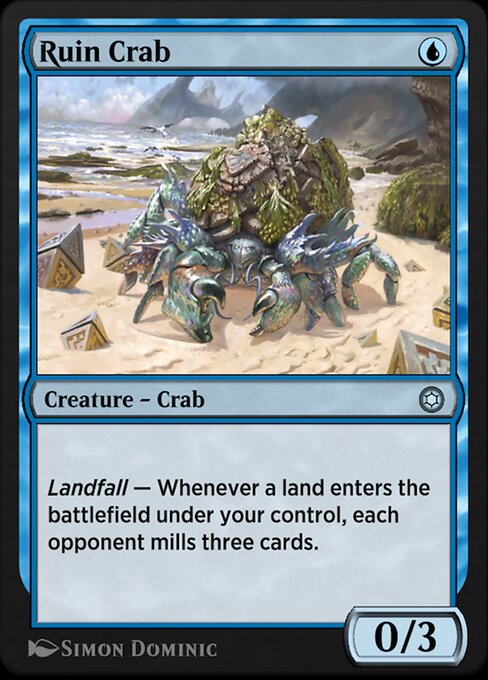
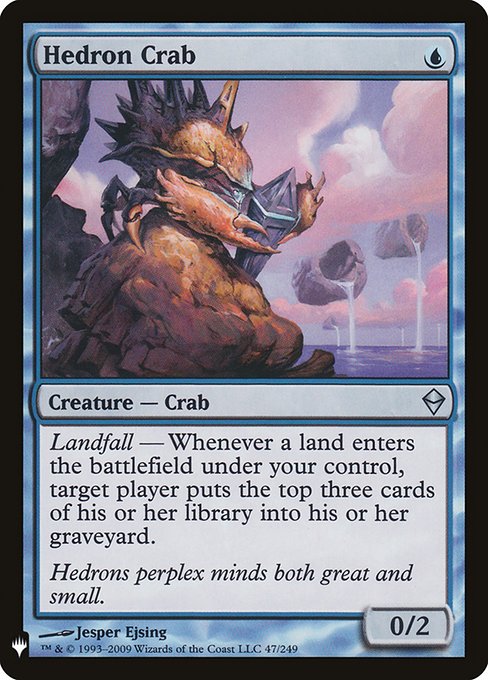
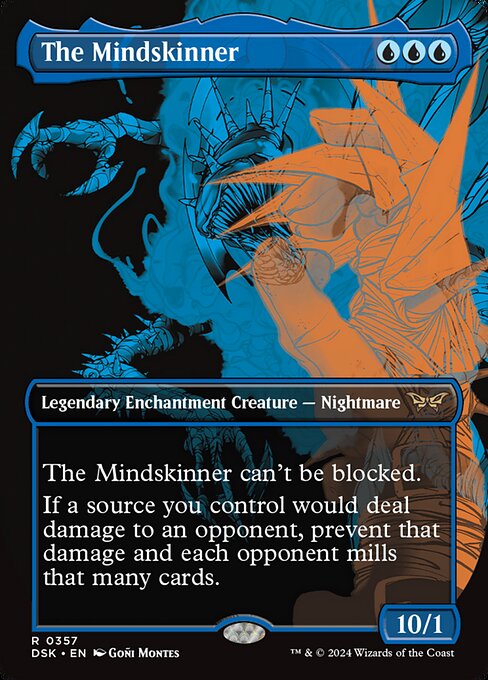
These are cards that simply mill your opponent for certain game actions happening. The cards in this section are only cards that appear on creature permanents. These help you to have a consistent way to mill your opponents, unlike spells, which are usually more “one and done.” Consuming Aberration is very strong, as it turns your opponents’ spells into forced mill. If they get really unlucky with not milling a land card, the trigger might cause a ton of cards to be milled before it stops. Both Ruin Crab and Hedron Crab are very similar. Ruin Crab is the better of the two since it makes each opponent mill instead of just one. The Mindskinner is a great support card, or Mill commander, converting its damage into mill instead while being unblockable itself.
Non-permanent Mill
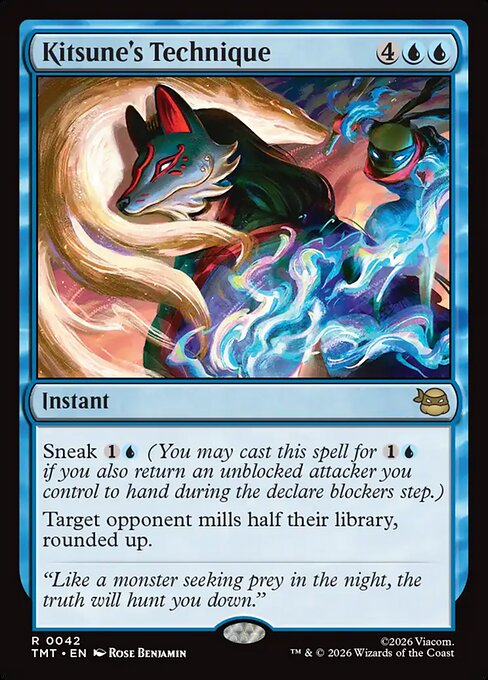
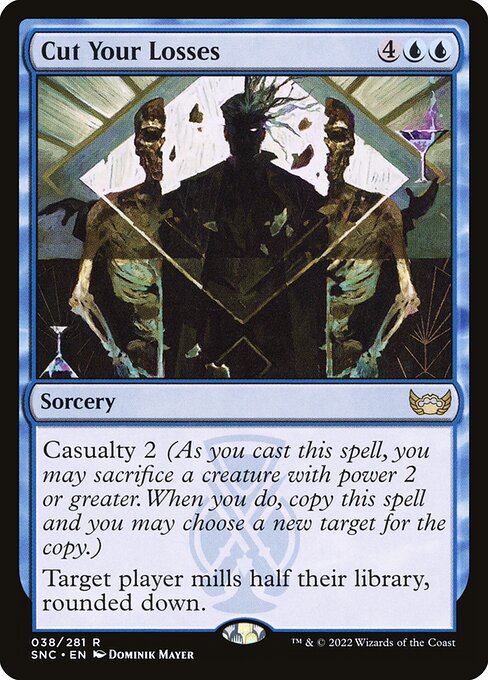
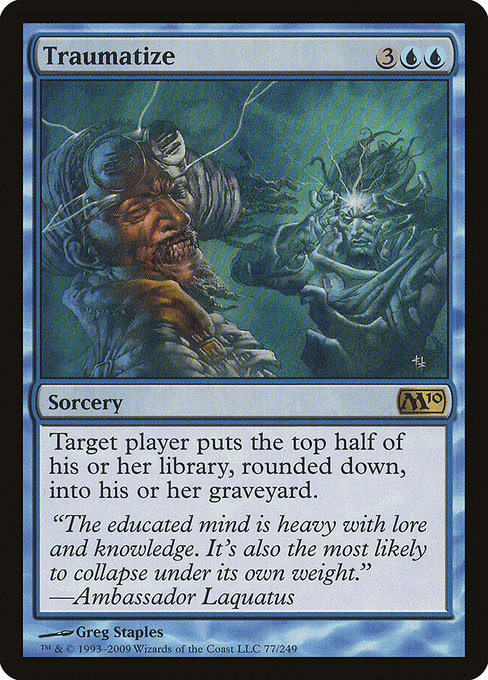
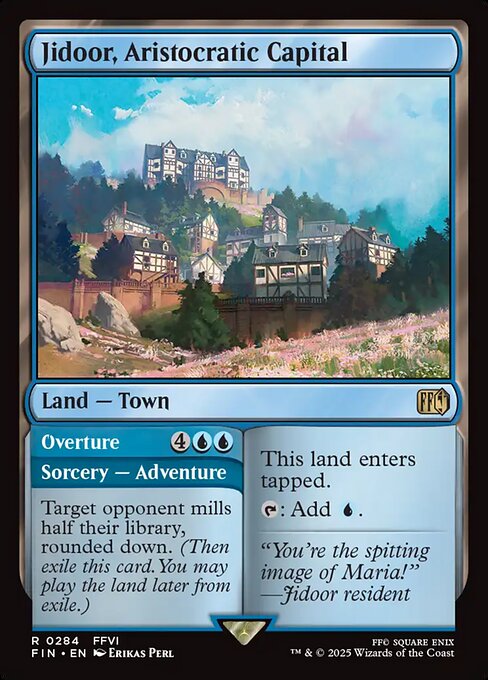
The staples here are non-permanent cards that force opponents to mill cards. These are all great, and usually the ways to make your opponents mill the most cards, as those found on permanents are usually more restricted. If a creature is unblocked, you can bounce it back to pay for Kitsune's Technique. Milling half of a library for just two mana is incredible, and the best version of this effect. Other cards with a similar effect include Cut Your Losses, Traumatize, and Jidoor, Aristocratic Capital.
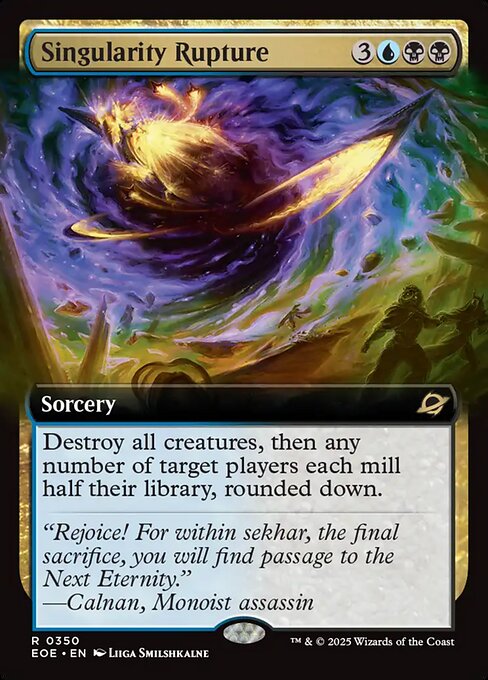
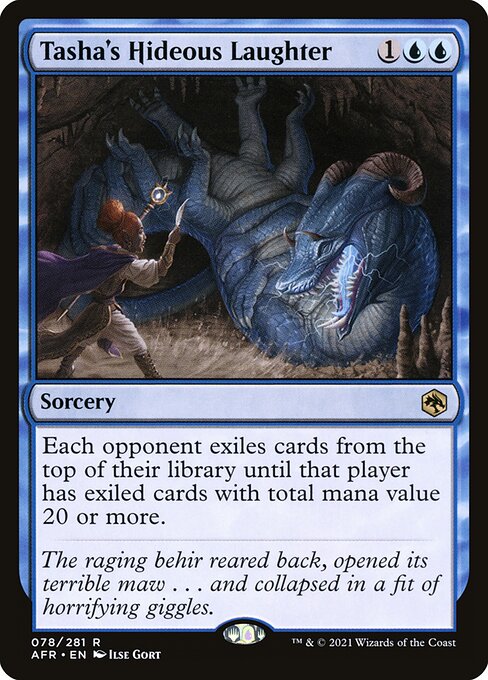
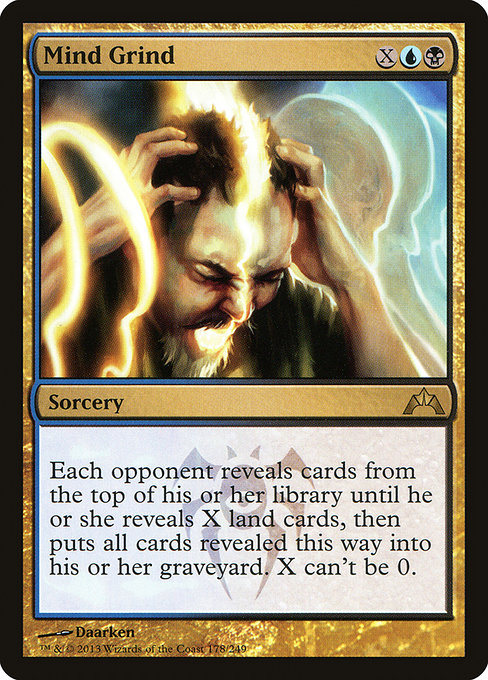
Singularity Rupture is a staple board wipe for mill decks, as you can choose any number of players to mill half their library as it resolves. Depending on your opponents’ decks, Tasha's Hideous Laughter has the potential to force a ton of spells to be exiled (which is functionally the same as milling in this case). If you have a lot of mana to dump into a spell, Mind Grind has the potential to force a ton of cards to be milled.
Extra Milling
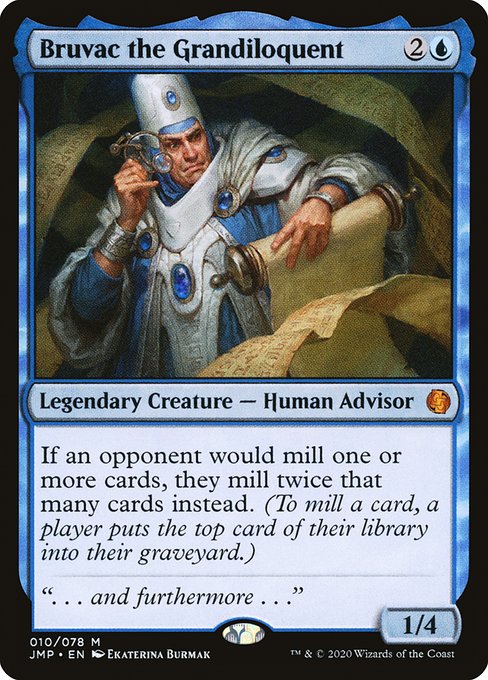
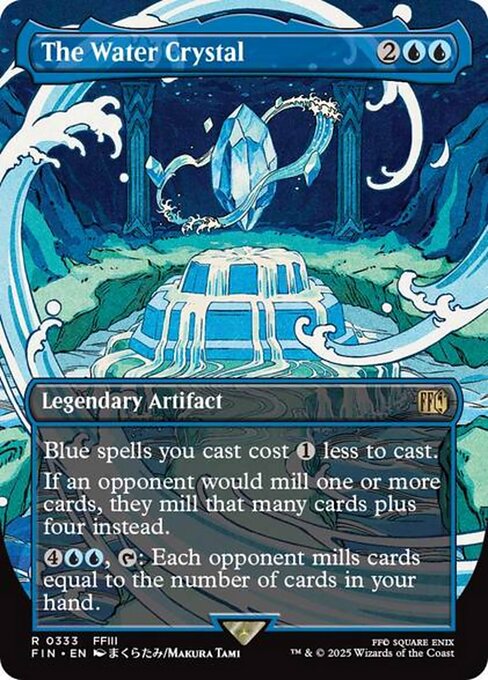
There are multiple permanents that cause opponents to mill extra cards whenever they mill. These all stack with one another, so the more of this effect you have on the battlefield, the better. The best of these is Bruvac the Grandiloquent. If you cast a spell that makes an opponent mill half their library, with Bruvac on the battlefield, that will make them mill their entire library instead. The Water Crystal doesn’t double mill, but it will force four extra cards to be milled while being a way to mill your opponents too.
The Enchantment Suite
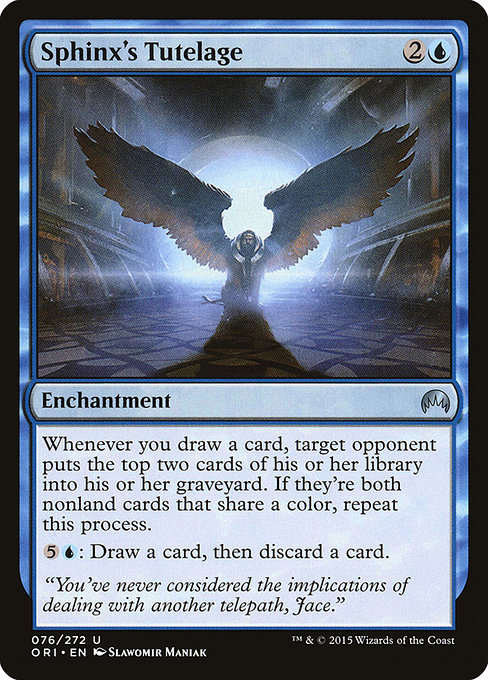
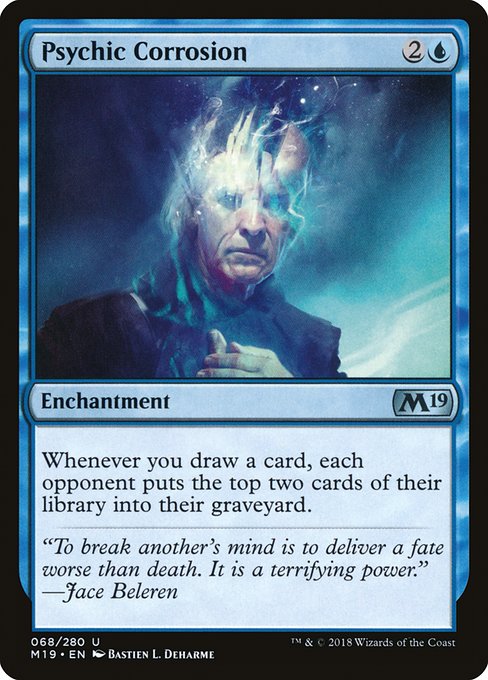
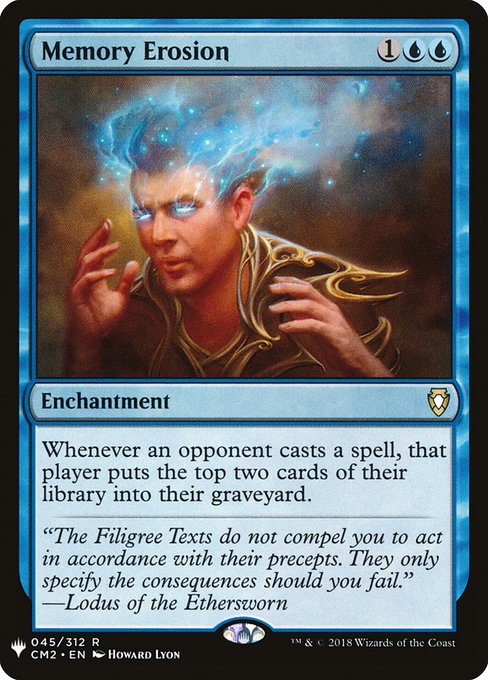
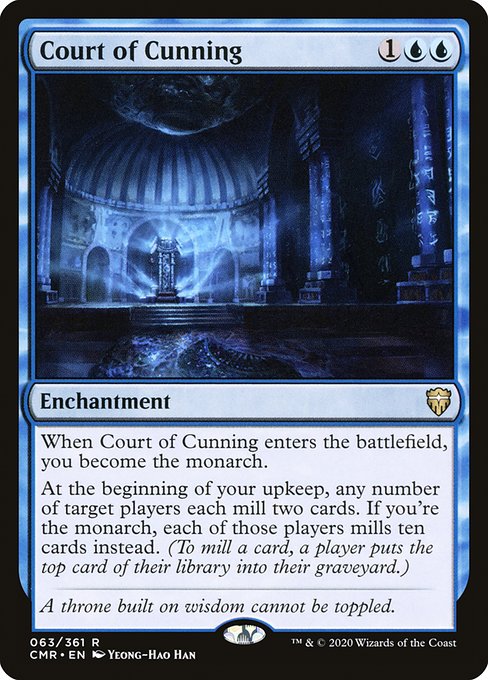
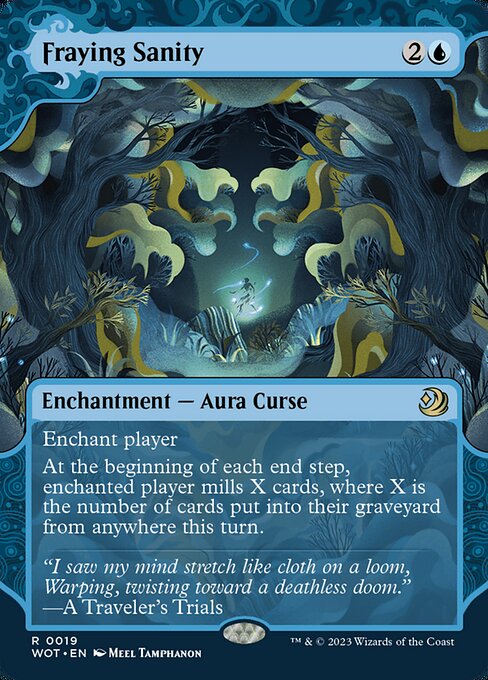
In the Mill archetype, there is a surprising amount of support in the enchantment department. Both Sphinx's Tutelage and Psychic Corrosion turn your card draw into mill. With Memory Erosion, all spells your opponents cast turn into two mills. If you can keep the monarch, Court of Cunning is amazing for forcing ten mills to all your opponents. You can really mill someone out quickly with Fraying Sanity, which essentially doubles all the mills they suffered (plus any cards that went into their graveyard count toward the number they have to mill).
General Game Play
The Mill archetype is one that tries to mill your opponents out as quickly as possible. The longer you wait to start milling, the harder it will be to actually win the game. A strength of Mill is that it can cut your opponents off from their key cards if you’re lucky enough. This can slow your opponents down, which is why you want to constantly get milling. It’s never worth saving your mill cards, as that just gives your opponents a greater chance at drawing what they need.
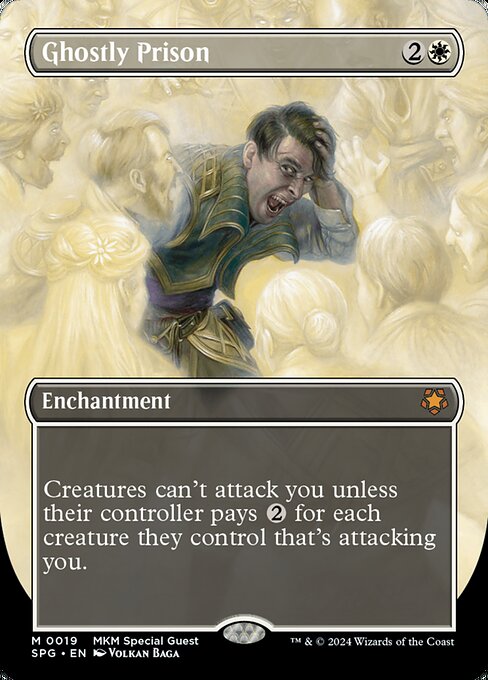
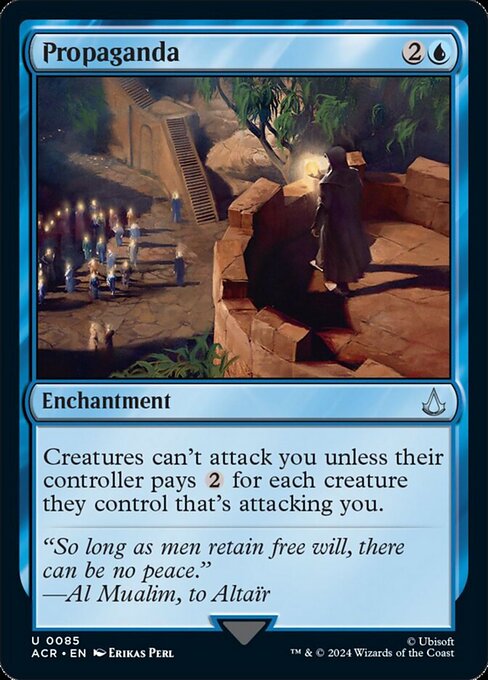
Mill decks aren’t very defensive. You can utilize cards such as Ghostly Prison and Propaganda in order to make it harder for your opponents to attack into you. In many cases, your creatures will be the weak link, so these enchantments are very good to bring into the game in most cases.
Ideally, you want to cast spells like Cut Your Losses and Kitsune's Technique as soon as you can. The longer the game goes on, the less effective these cards will be, as the number of cards they mill will only ever decrease. As mentioned before, unless your opponent is playing a graveyard deck, cutting them off of key cards early can break their entire game plan apart.
Your focus should only be on milling, never on life totals. In many cases, your creatures aren’t going to be very strong, and if you’re playing a Mill deck, combat should be the least of your worries. An opponent could have 1 life or 1,000 life, if they don’t have a card in their library to draw, they’re losing the game.
Mill Archetype Commanders
To help give you an idea of how the Mill archetype plays, three different Mill commanders will be discussed. The way these go about milling is different, showcasing the variety that is possible in the archetype.
Anowon, the Ruin Thief
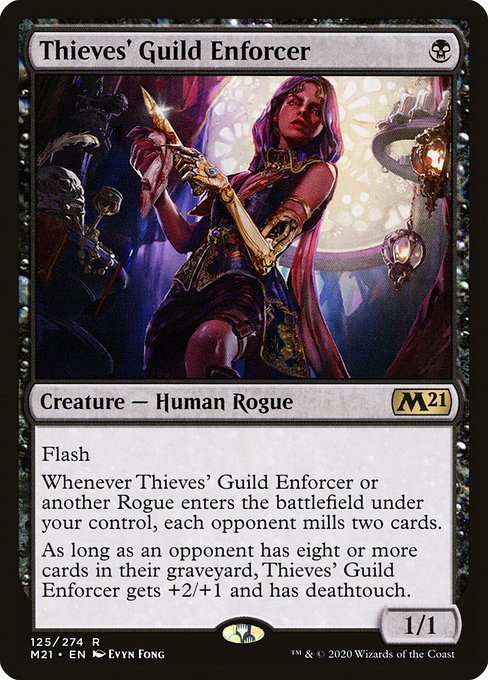
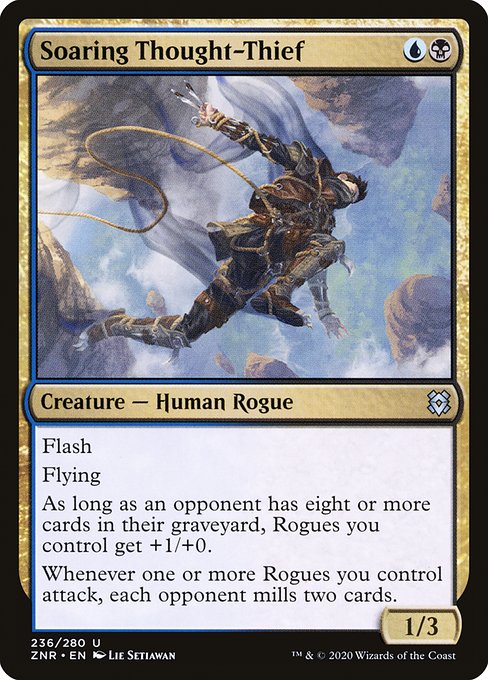
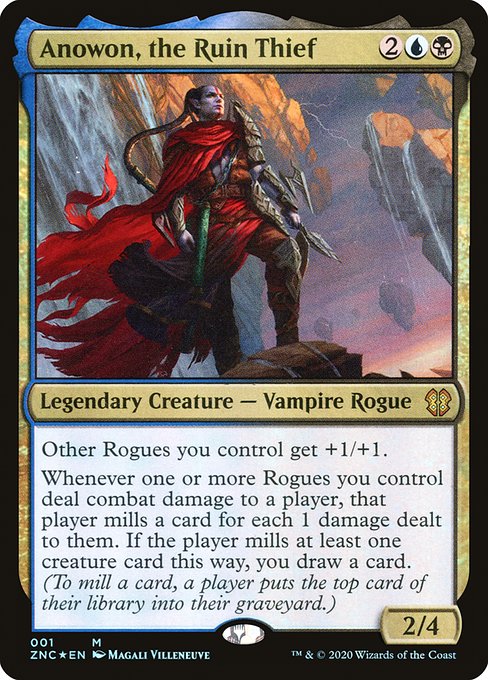
Anowon, the Ruin Thief is a hybrid deck of Rogue Tribal and Mill. The Rogue archetype heavily supports mill, with the commander making all your Rogues mill cards. Anowon, the Ruin Thief makes it so any Rogue dealing combat damage turns into that much mill. Various Rogues care about the number of cards in graveyards, such as Thieves' Guild Enforcer and Soaring Thought-Thief.
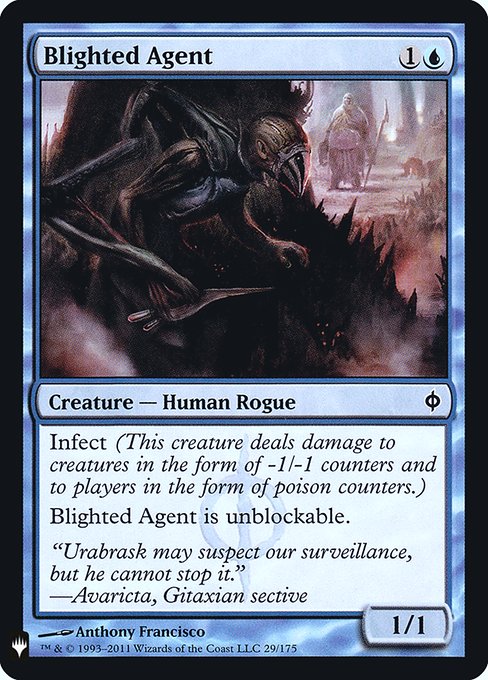
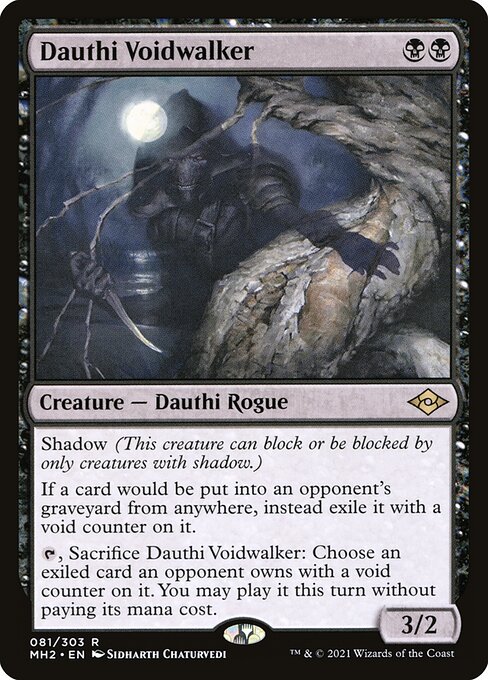
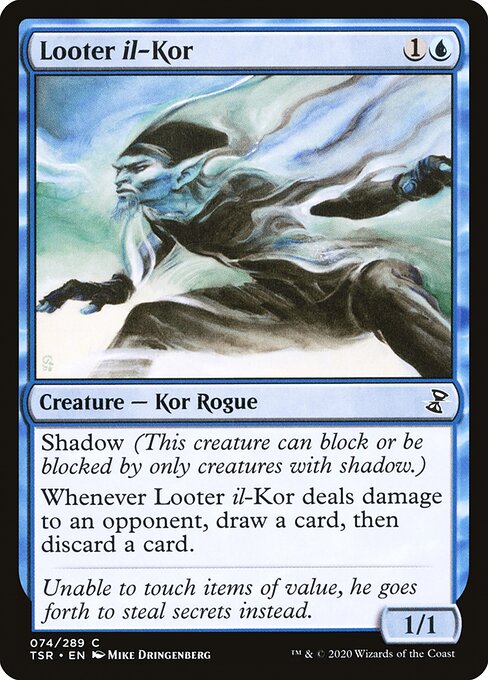
As you would probably expect, creatures that are unblockable are the ideal Rogues. This guarantees they’ll deal damage and that you’ll make your opponents mill out cards. Blighted Agent has low base stats, but with a few stat boosts, it becomes a massive threat as it only needs to deal ten damage to someone to take them out of the game. While mill is the win condition, it helps to deal with an opponent too set up. You can steal a creature with Dauthi Voidwalker while being unblockable by most creatures. To help dig through your deck, you also have Looter il-Kor to, as the name implies, loot when it deals damage.
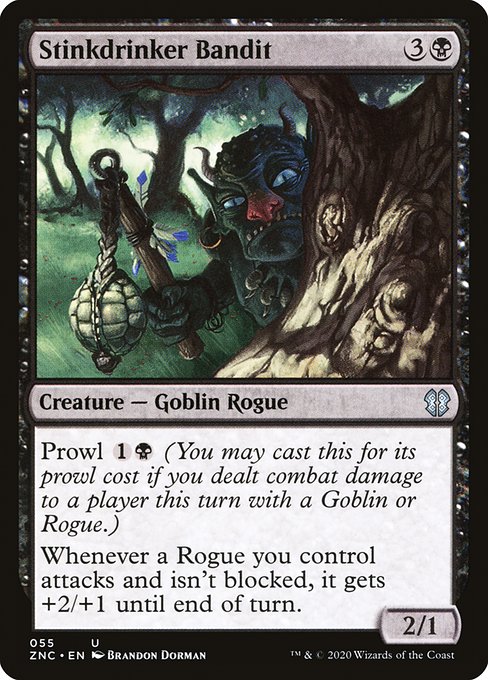
Since all your creatures are Rogues, you have access to various cards with prowl. In most cases, this discounts a high-mana creature. Stinkdrinker Bandit gives a stat boost to unblocked Rogues and Enigma Thief bounces a nonland permanent from all opponents. The best is Notorious Throng, which creates a ton of 1/1 flying Rogue tokens and lets you take an extra turn.
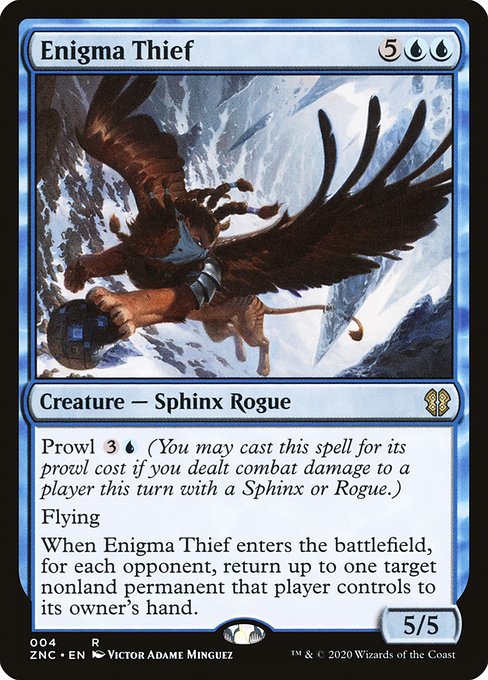
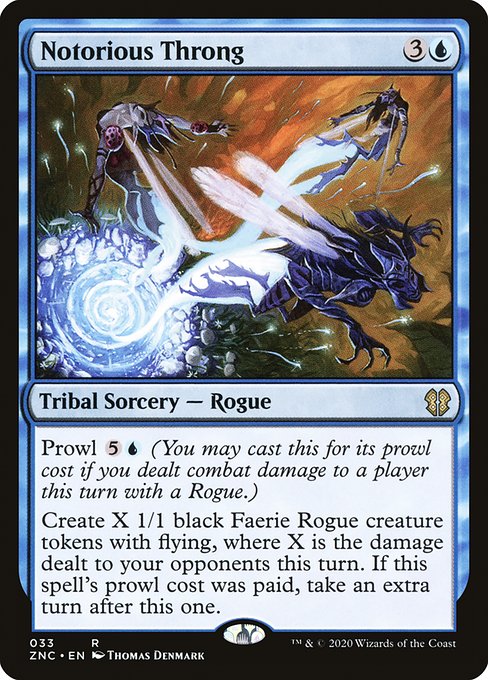
A sample decklist can be seen below. Since all your Rogues are mill enablers, creatures make up the majority of the deck. The rest consists of the usual Mill archetype support suite.
Commander
Creatures (40)
Instants (1)
Sorceries (10)
Artifacts (11)
Enchantments (6)
Lands (32)
100 Cards
$361.96
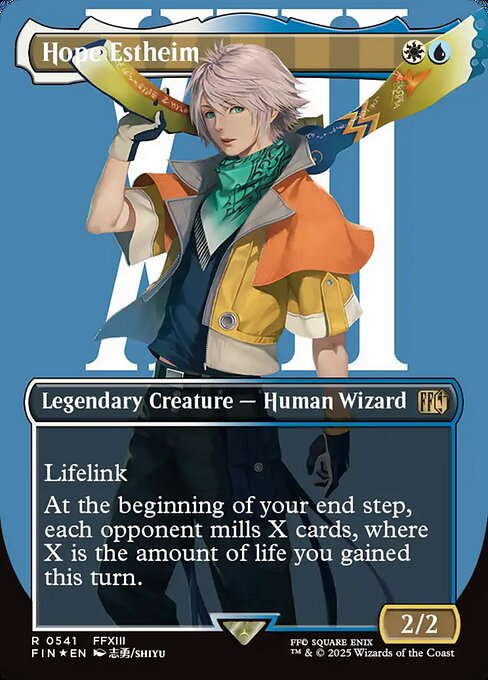
Hope Estheim
Mill and Lifegain aren’t the most popular archetypes in terms of people having fun playing against them. So, Hope Estheim leans into both! Your lifegain effects enable all your mills. Both of the Crystal cards you can play (The Water Crystal and The Wind Crystal) enable both sides of the strategy, forcing extra mill or doubling all your lifegain.
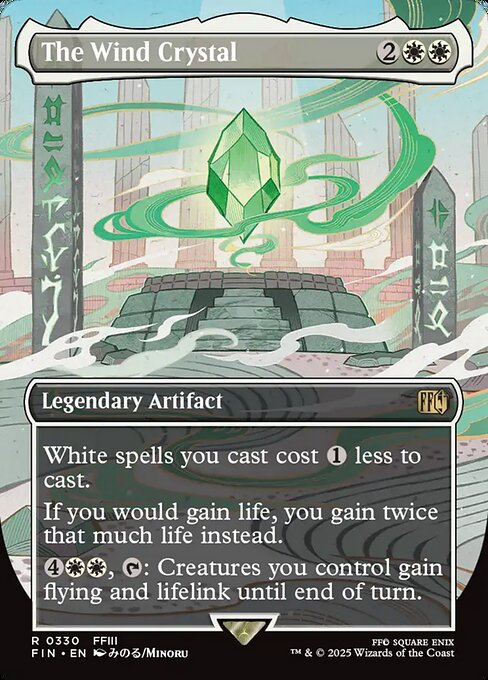
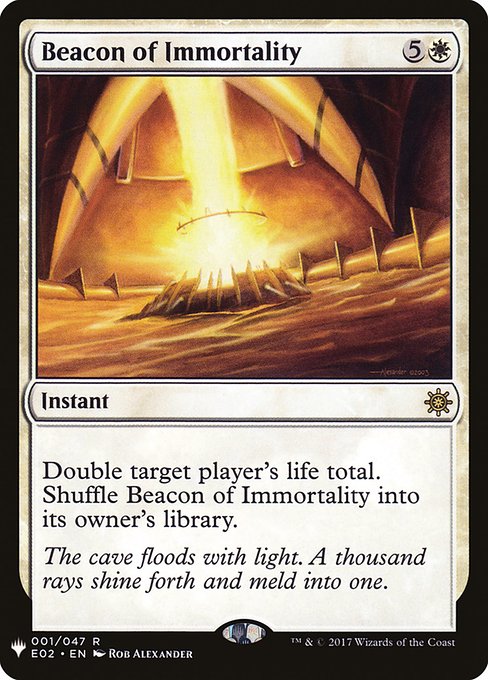
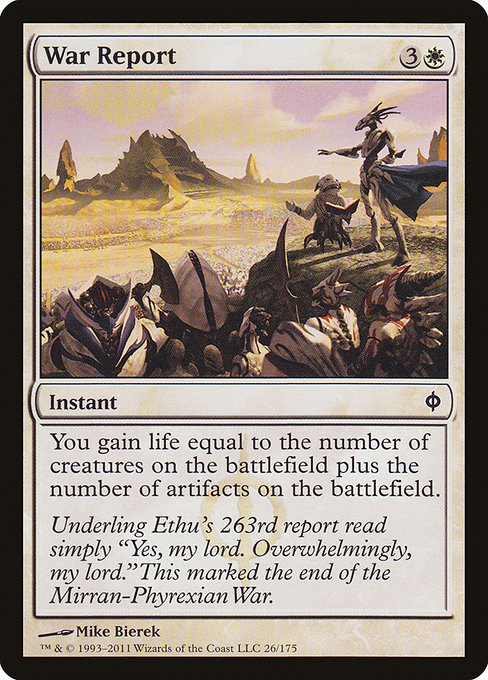
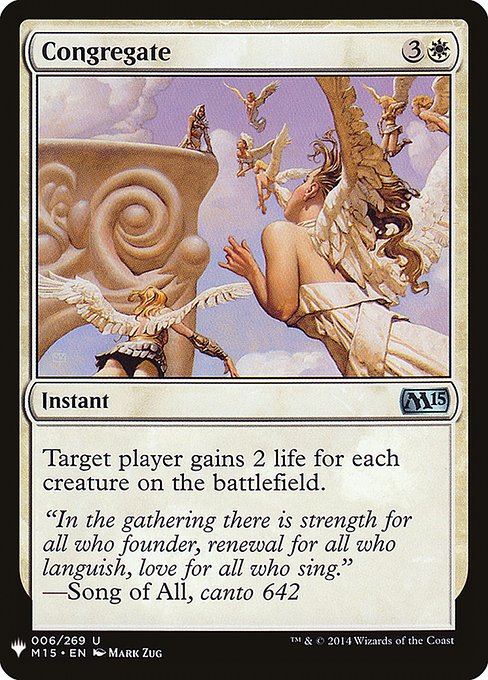
The deck wants multiple ways to gain a bunch of life in just one turn, as all that turns into milling. If you have a lot of life, Beacon of Immortality can provide a giant boost. If you manage to cast it early enough, the milling could be well over 20, if not 30 cards. When there are a lot of creatures on the battlefield, both War Report and Congregate are great ways to force out a lot of milling. All this lifegain helps to get around the natural downside of mill of having low defenses, since you can easily regain the life you lose.
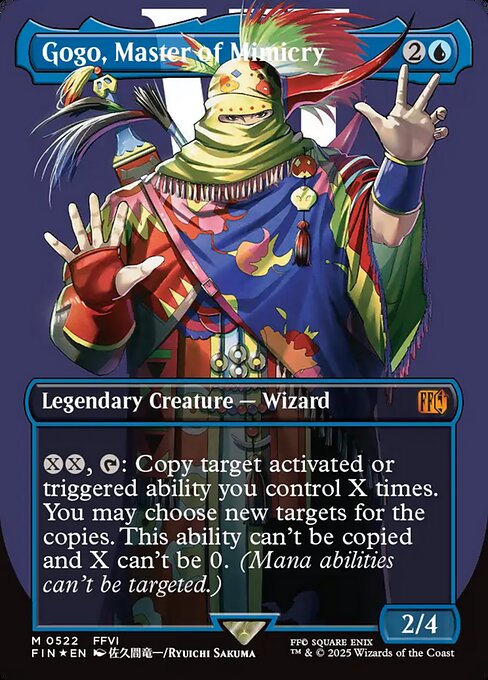
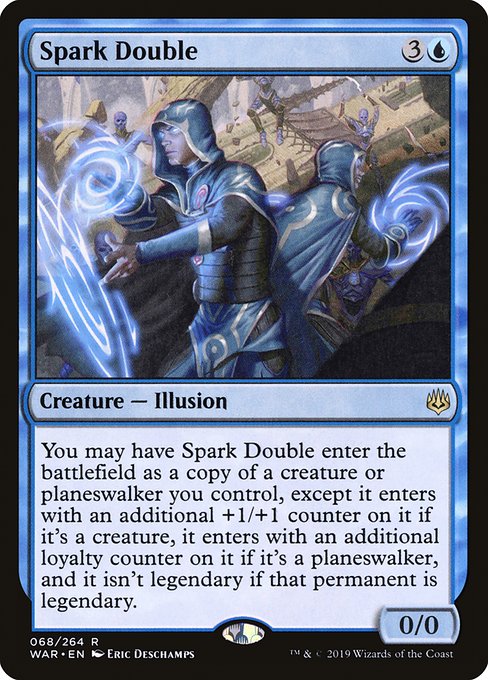
Your main win condition is your commander, so ways to make its effect trigger more than once is what makes that win condition achievable. The best way to do so is with Gogo, Master of Mimicry, as if you have enough mana to dump into its X cost, you can copy the effect a ton of times. Depending on the turn, this can make it so all opponents mill their entire libraries. You can utilize Spark Double to essentially have another copy of Hope Estheim so you have two triggers of that effect going on.
A sample decklist can be viewed below. Many of the cards enable lifegain, along with the usual suite of mill cards found in most Mill decks.
Commander
Creatures (26)
Instants (12)
Sorceries (7)
Artifacts (12)
Enchantments (9)
Lands (34)
100 Cards
$416.06
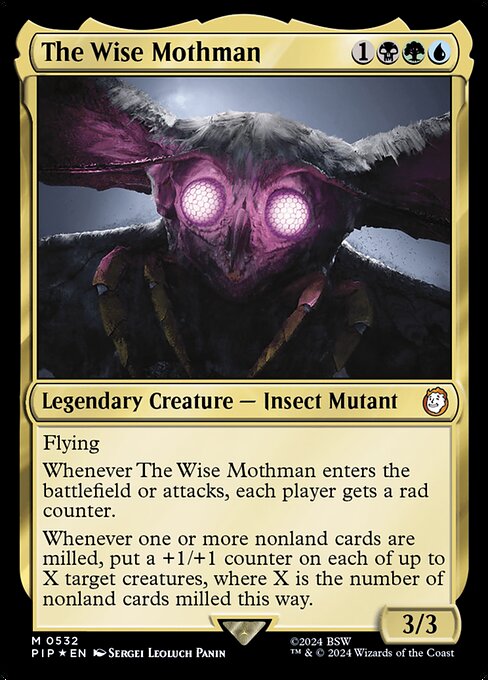
The Wise Mothman
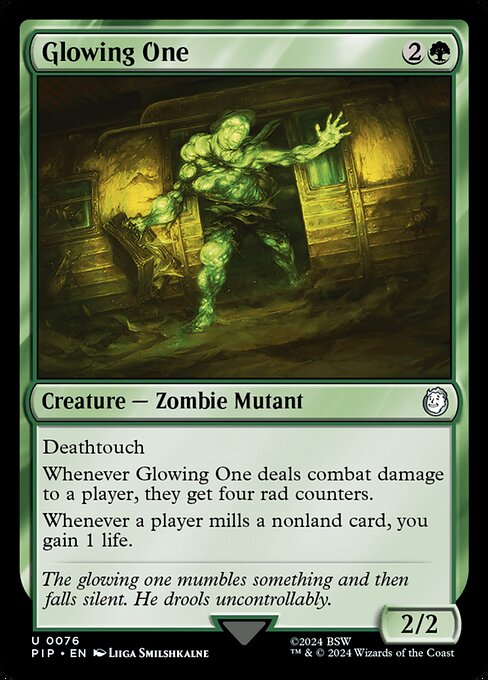
The face of the Mutant precon from Fallout, The Wise Mothman mixes mill with rad counters, which force opponents to mill. All the card mill turns into +1/+1 counters being spread to your creatures. This isn’t a traditional Mill deck that wants to get rid of your opponents’ libraries; rather, it uses mills to boost up your creatures to win through combat. You want other ways to spread rad counters outside of your commander, including Glowing One and Vexing Radgull. The more rad counters on everyone, the better, since that gives you more The Wise Mothman triggers.
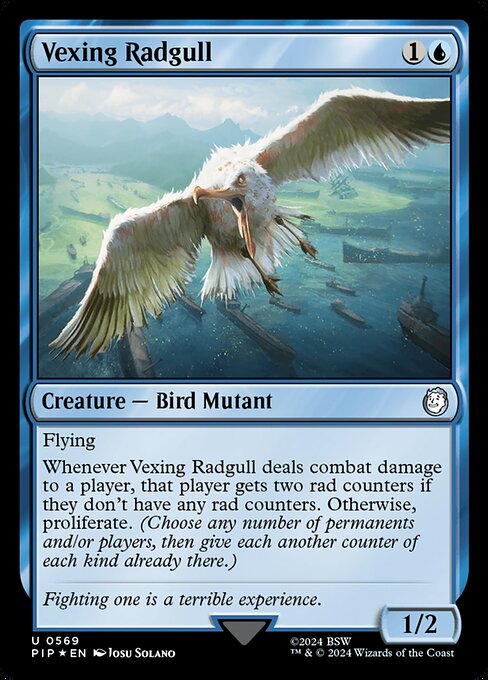
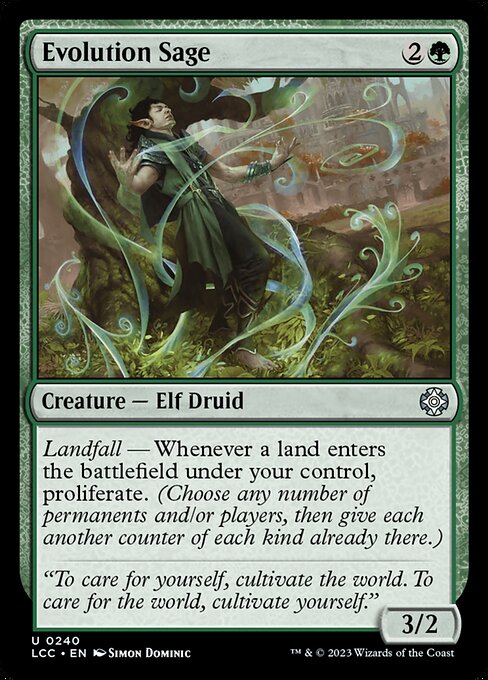
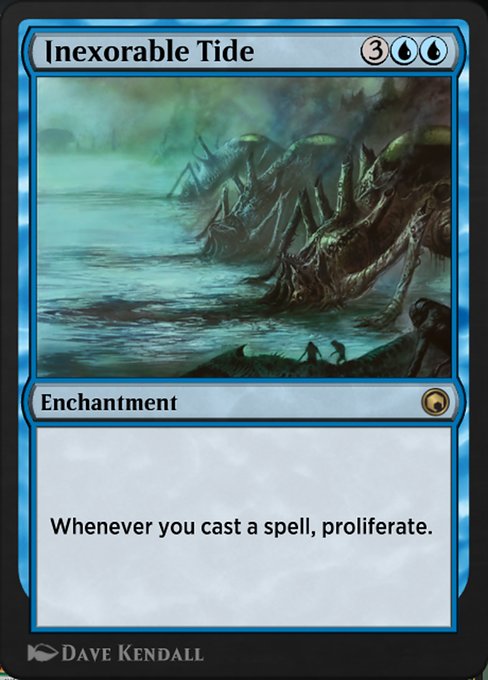
Proliferating not only gives you an extra +1/+1 counter on all creatures that have them, but also lets you add extra rad counters to everyone that has them. Expansion Algorithm is great, as if you have a lot of mana to dump into it, you can proliferate a ton of times to get a lot of extra counters. You’re always playing lands, so Evolution Sage turns those lands entering into proliferating. It takes a bit of mana to get onto the battlefield, but once you do, Inexorable Tide makes it so all your spells proliferate.

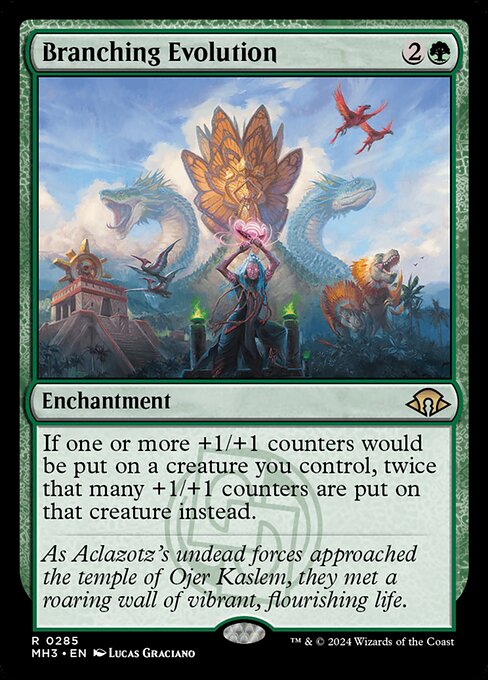
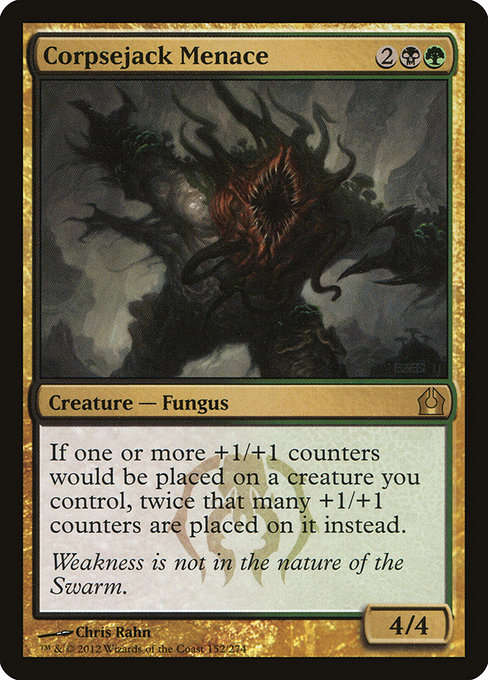
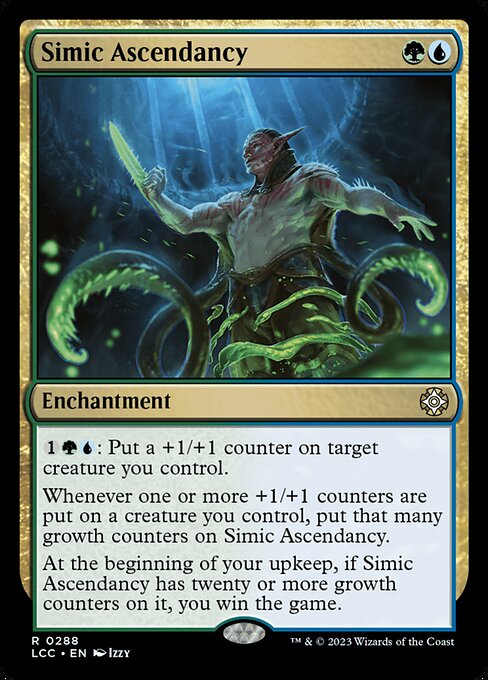
The deck has a sub-+1/+1 counter theme, so you want cards that support that archetype as well. Branching Evolution and Corpsejack Menace both double the number of +1/+1 counters that go on your creatures. Since you put +1/+1 counters on creatures so much, you can use Simic Ascendancy to win the game quickly if it doesn’t get removed.
A sample decklist can be viewed below. This is the most untraditional Mill deck in this article, but it’s one that is much more consistent than the traditional Mill deck. If you want to keep it more budget, you can simply buy the The Wise Mothman precon instead, which is good out of the box and great with just a few upgrades.
Commander
Planeswalkers (1)
Creatures (26)
Instants (5)
Sorceries (13)
Artifacts (12)
Enchantments (9)
Lands (34)
100 Cards
$408.72
In Conclusion
Mill decks are ones that people aren’t going to love to go against. After all, who likes seeing the cards they want to play become unplayable? Regardless, the goal of milling out three different players is not an easy one to accomplish. Even though there have been plenty of Mill support cards released over the years, that doesn’t mean it’s easy to do outside of a few combos.
Overall, Mill is a very fun archetype and plays the game in a very distinct way compared to most decks. If you like unorthodox ways to achieve victory, a Mill deck is for you.