




When you think about how to win a commander game, more often than not, the key moments come after playing massive creatures, overwhelming your opponents with many small creatures or casting a high mana value and damage spell.
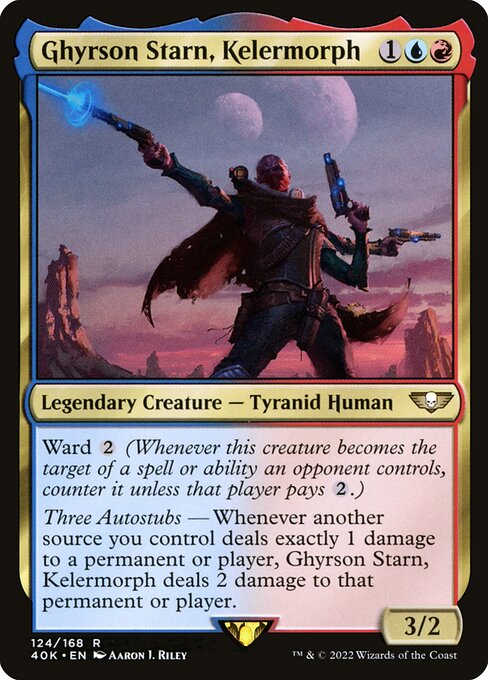
However, Ghyrson Starn, Kelermorph put another option on the table by turning simple 1-damage spells into more powerful tools to control the battlefield and bringing down your opponents with basic damage but more importantly, commander damage. By utilizing his triggered ability, this Izzet deck transforms minor “pings” into consistent 3-damage applications, effectively tripling the damage on opponents and clearing the path for a tactical victory.
Ghyrson Starn’s Premise
The deck functions as a high-synergy engine revolving entirely around its commander. Ghyrson’s triggered ability states that. Whenever a source you control deals exactly 1 damage to a permanent or player, Ghyrson deals an additional 2 damage to that same target.
This ability is foundational for several reasons:
First of all, It turns every 1-damage effect into the equivalent of a Lightning Bolt.
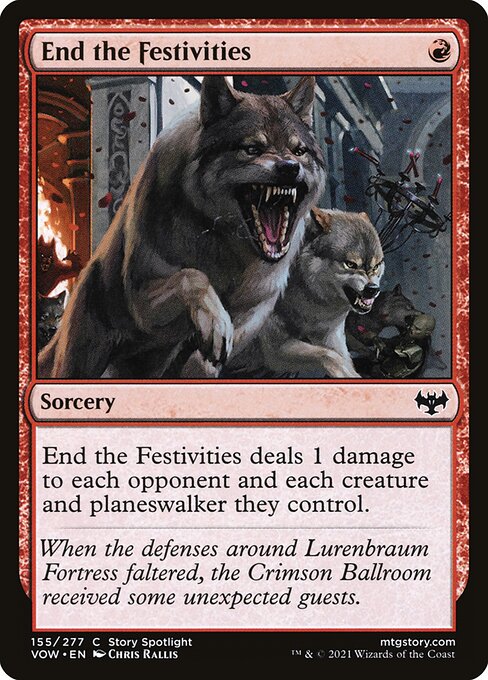
It can also turn any small AOE spells, like end the festivities that usually only tickle the board, into one-sided wipes that remove most utility creatures and tokens.
Because the additional 2 damage is dealt by Ghyrson himself, it inherits any keywords or abilities he possesses, such as Deathtouch or Lifelink, which are provided by specific equipment in the list.
Finally, as is Ghyrson who’s dealing the 2 extra points of damage, this will stack up commander damage against our opponents, meaning that all we need to do is deal 21 points of damage with Ghyrson to win the game.
The deck does not seek to cast the largest creatures; instead, it seeks to cast the most frequent instances of 1 damage.
Decklist
Creatures (21)
Instants (15)
Sorceries (16)
Artifacts (7)
Enchantments (7)
Lands (35)
101 Cards
$221.33
We’re looking at a Bracket 2 deck In Name Only, because with a simple upgrade that we will be mentioning at the end of the article it will easily become a Bracket 5 deck.
Core Gameplay
This deck strategy is divided into three distinct phases: Ramping up, setting the battlefield, and damage dealing.
Initially, we’re going to focus on mana development using artifacts like Arcane Signet, Izzet Signet, and Coldsteel Heart to ensure Ghyrson can be cast on curve.
Once the commander is present, we will be looking to settle the battlefield for our benefit, playing “pinger” creatures such as Thermo-Alchemist, Firebrand Archer, and Erebor Flamesmith.
Finally, once we have everything settled we’ll be casting low-cost spells to trigger these creatures, stacking Ghyrson’s 2-damage triggers to stack up commander damage into the opponents life totals and maintain an empty board.
Pinger Creatures.
This deck focuses heavily on creatures that more often than not, won’t be attacking, instead they will be sources of 1-damage point without entering into combat.
These are categorized by their trigger conditions.
Recurrent Damage Dealers
These creatures trigger whenever you cast a noncreature, instants or sorcery spells, providing a constant stream of 1-damage triggers that Ghyrson amplifies to 3-damage.
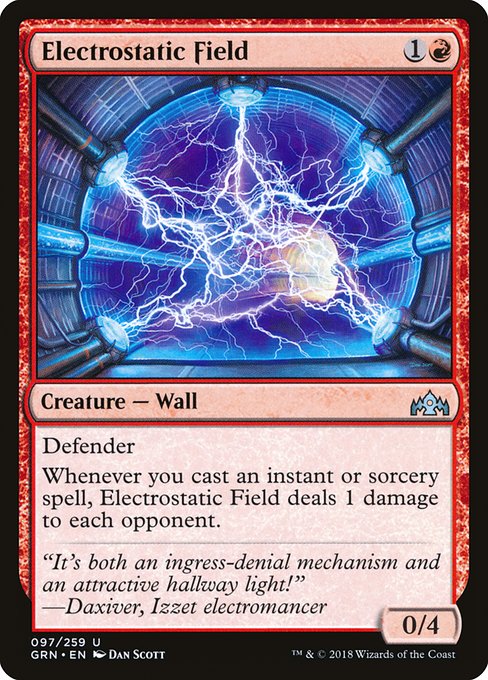
Electrostatic Field a 0/4 Defender creature that will be dealing 1 point of damage to each opponent whenever you cast an instant or sorcery. And this deck comes with a combined amount of 31 of those spells.
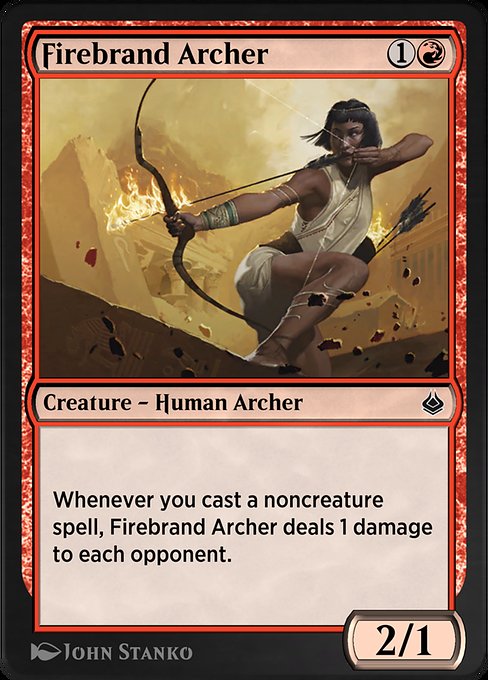
Firebrand Archer deals 1 damage to each opponent on every noncreature cast you make.
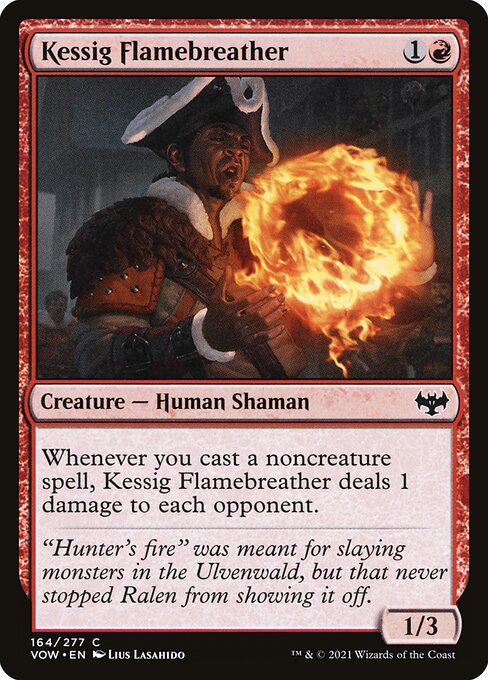
Kessig Flamebreather functions identically to the Archer, providing redundancy.
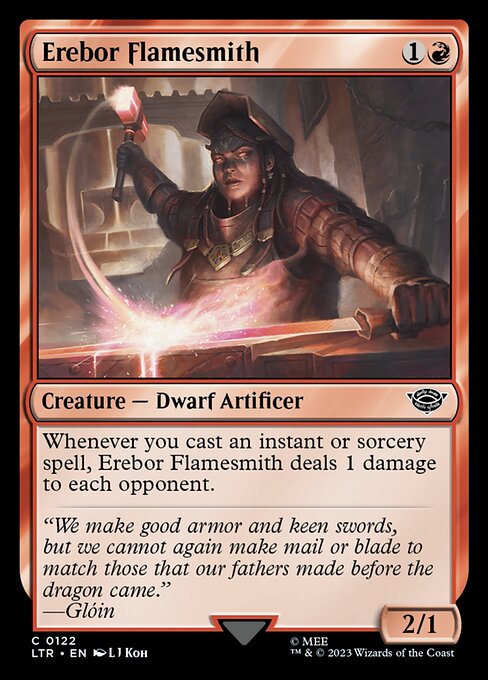
Erebor Flamesmith is functionally the same as Electrostatic Field. Which will guarantee more redundancy, while making damage by casting a simple cantrip.
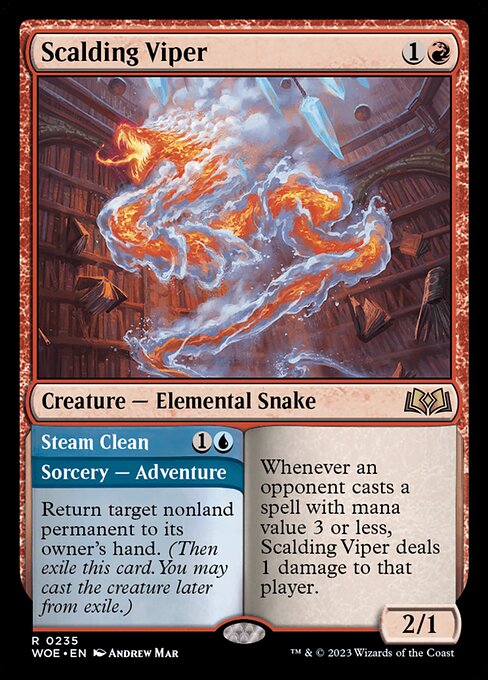
Scalding Viper while its primary role is a pinger on the battlefield, its adventure side provides utility, and its passive pings opponents for casting spells with mana value 3 or less making them to think twice before casting any big spell.
Active Damage Dealers
These creatures provide repeatable damage without requiring additional card investment, often untapping themselves through specific conditions.
Thermo-Alchemist and his lookalikes
When it comes to “active” damage dealers for this deck, your bread and butter will come in the form of Thermo-Alchemist.
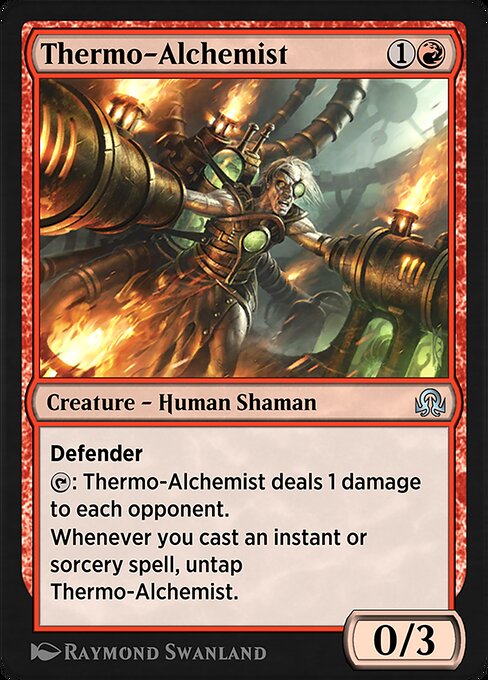
Thermo-Alchemist is a 0/3 for two mana with Defender that pings each opponent and untaps whenever you cast an instant or sorcery. Easily dealing at the very least 6 points of damage per turn if left unchecked.
Because of what we discussed previously, redundancy is a keystone for this deck, there’s also a fair share of creatures that functionally speaking are just Thermo-Alchemist but with a different coat of painting. Let’s look at some of them
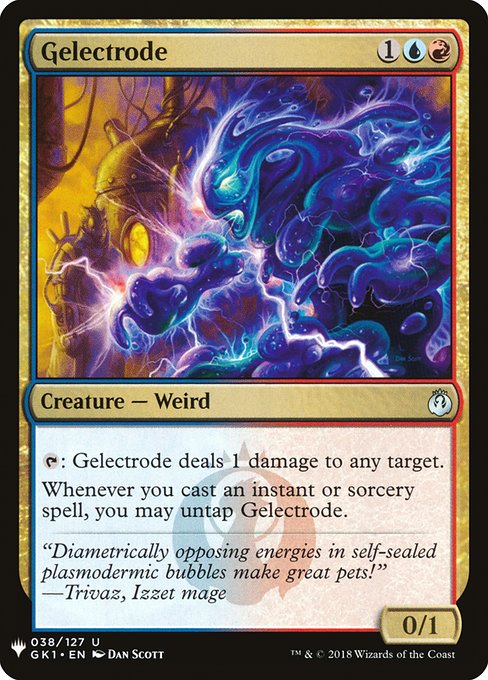
Gelectrode a 0/1 without defender for one extra mana is a straight downgrade in terms of stats, cost and static ability. But what really matters is that it functions exactly the same except his untapping ability is a “you may” which lets you decide if you’ll untap it or not.
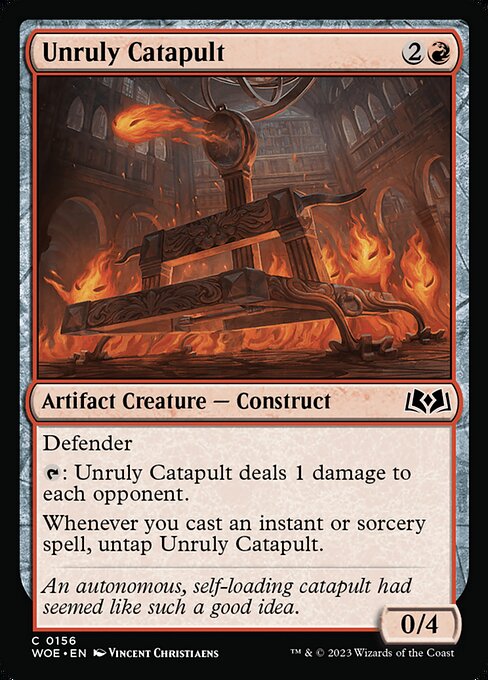
Unruly Catapult, similar to Thermo-Alchemist, provides a high-toughness blocker that untaps frequently to provide consistent triggers.
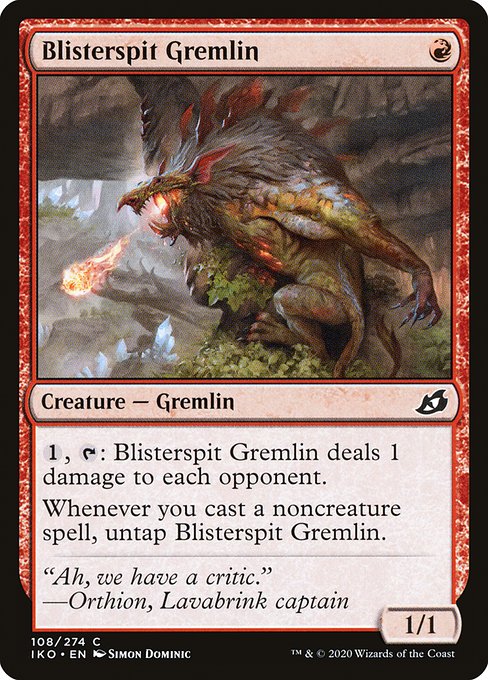
Blisterspit Gremlin is maybe the worst of this type of creature, is a 1/1 for one red mana, that will untap himself every time you cast a noncreature spell, his major drawback is that to deal his 1 point of damage, he ask for 1 mana to activate his ability. This could be handy for the late game where you’re producing enough mana, but in the early game, it would deal only one instance of damage per turn at best..
Pingers with extra steps
Finally, we have creatures that will deal 1 point of damage by tapping themself but that won’t untap until your next turn.
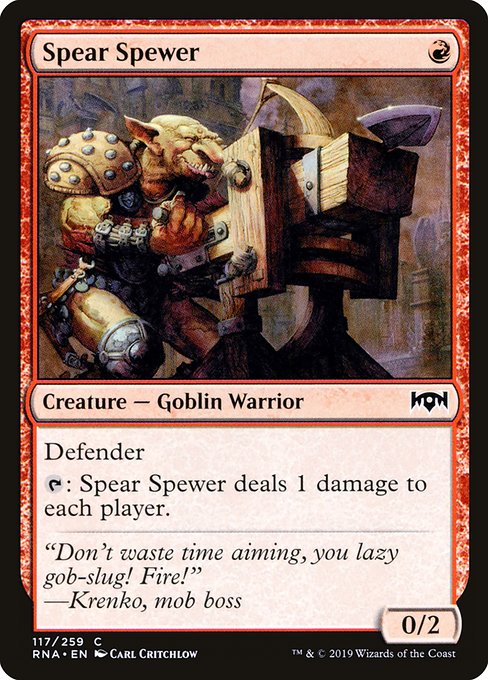
Spear Spewer, a symmetrical pinger that deals 1 damage to each player. With Ghyrson, this translates to 3 damage to all players. This one is not a direct copy of Thermo-Alchemist, specially because he doesn’t have an untap ability, also, you have to be careful with him, because he can make you lose the game to your own commander damage.
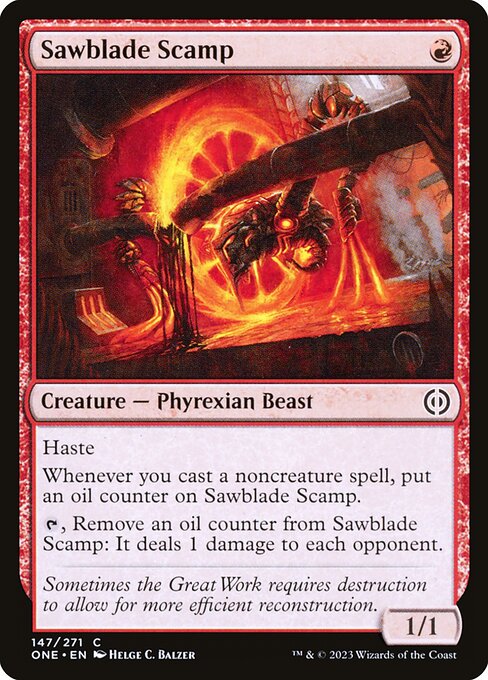
Sawblade Scamp is a 1/1 for one mana with haste, it’s drawback comes from that to deal the point of damage we’re looking for, it needs to remove an oil counter from itself, but don’t worry, it will be gaining those counters every time you cast a noncreature spell, so Sawblade Scamp will have surplus of oil to spend every turn.
Conditional and ETB Pingers
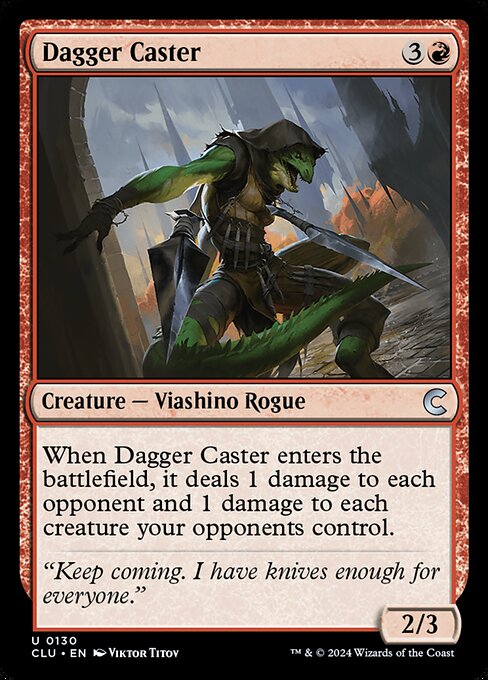
Dagger Caster a 2/3 for four mana that when enters deals 1 point to each opponent and each creature your opponents controls seems like a very underwhelming creature by himself, but when paired with Ghyrson, it becomes 3 points of damage, functionally making it a semi-boardwipe that more often than not will clear your opponents battlefield.
Mini boardwipes
One of the most powerful aspects of Ghyrson Starn is his capability of turning “weak” 1-damage instants and sorceries into devastating one-sided board wipes. These spells are essential for managing token decks and utility-heavy board states.
Instants
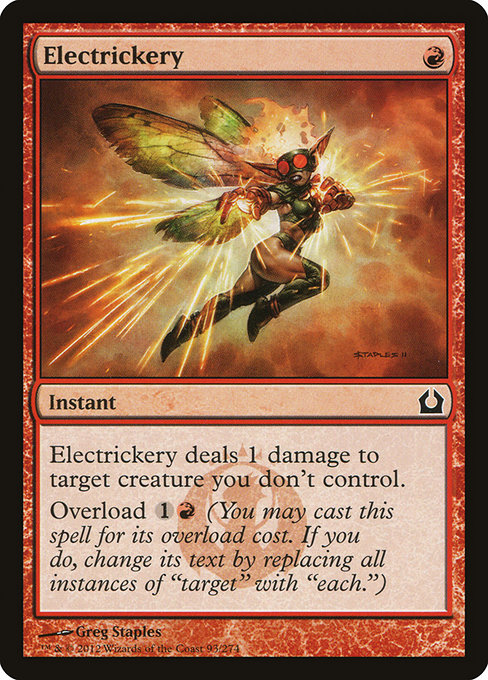
Electrickery an instant that by itself deals 1 point of damage to a creature you don’t control for one mana, a pretty efficient spell by itself, but is not a good removal spell, now, pairing it with Ghyrson and it will become a pseudo-Lightning bolt of sorts. Finally, cast it by its overload cost, and you’ll have a two mana AOE damage to every creature you don’t control, dealing them 3 points of damage.
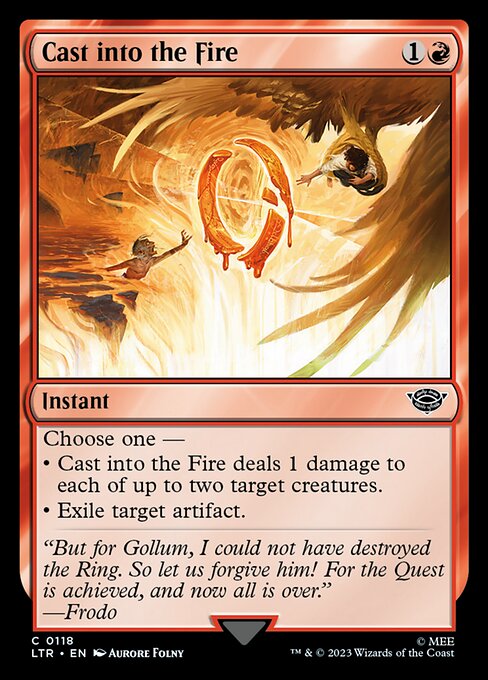
Cast into the Fire while not a full boardwipe, it will deal with at least two annoying creatures in the battlefield or exile an artifact.
Sorceries
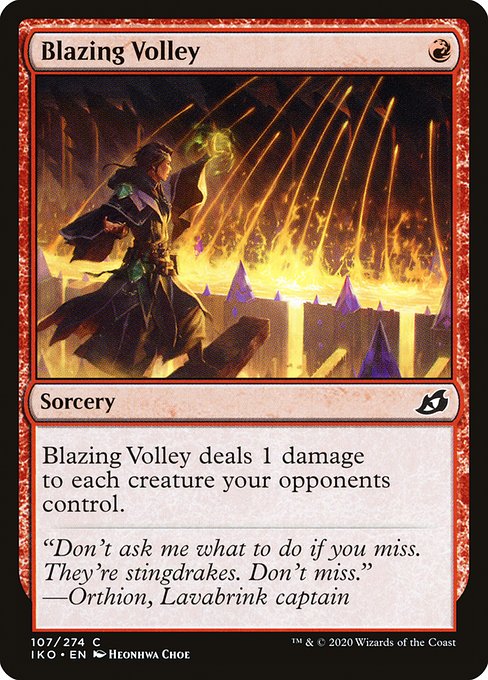
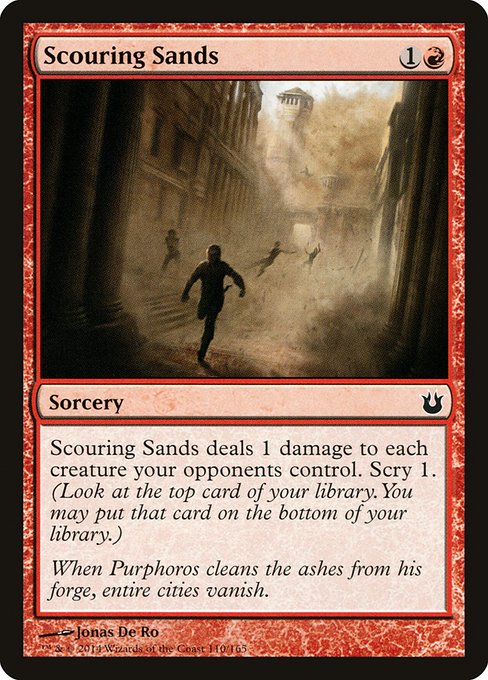
Blazing Volley a 1-mana sorcery that deals 1 damage to each creature your opponents control. Under Ghyrson’s gaze, this deals 3 damage to each, effectively clearing most early-to-mid-game boards.
End the Festivities, similar to Blazing Volley but also pings the opponents and their planeswalkers, creating a massive tempo boost in your favor.
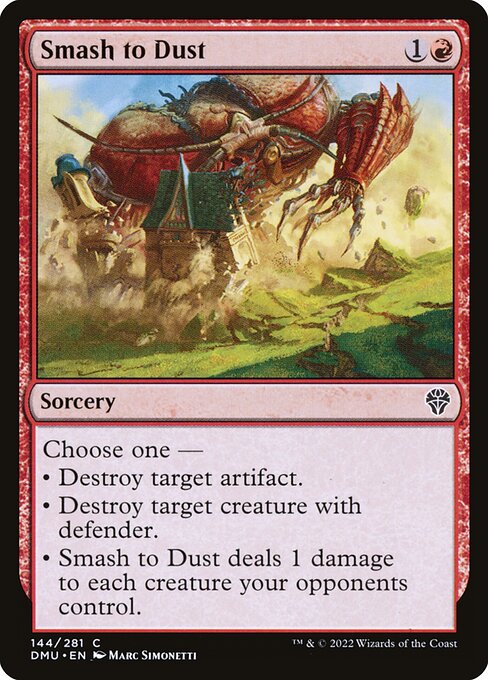
Smash to Dust a highly versatile tool that can destroy an artifact, destroy a creature with defender, or deal 1 damage (scaled to 3) to all creatures your opponents control.
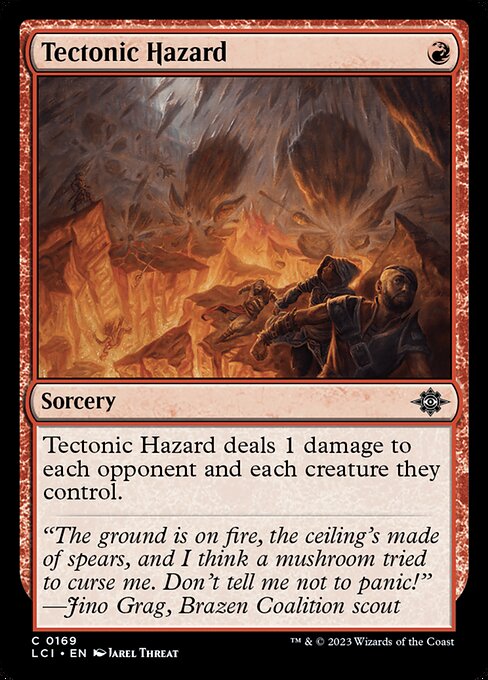
Tectonic Hazard for one mana this spell will deal 1 damage to each opponent and each creature they control, with Ghyrson on the field is a perfect tempo spell.
Scouring Sands is basically Blazing Volley that also lets you Scry 1, just for one extra mana.
Draw engine
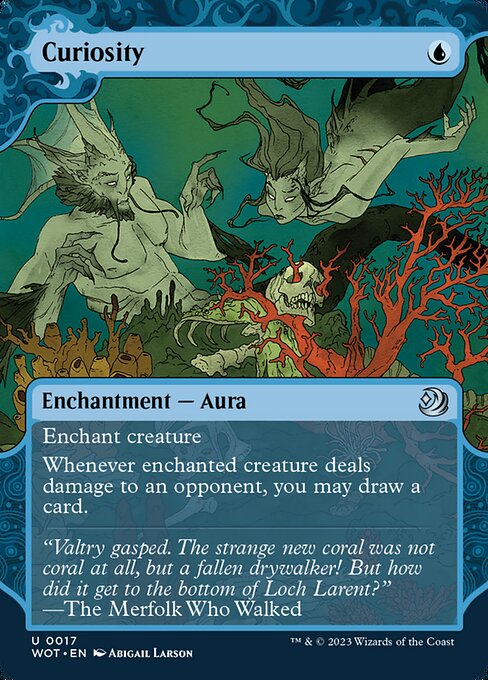
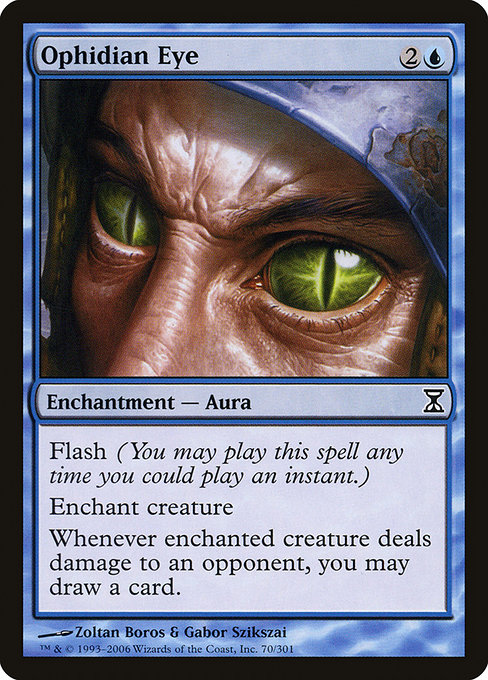
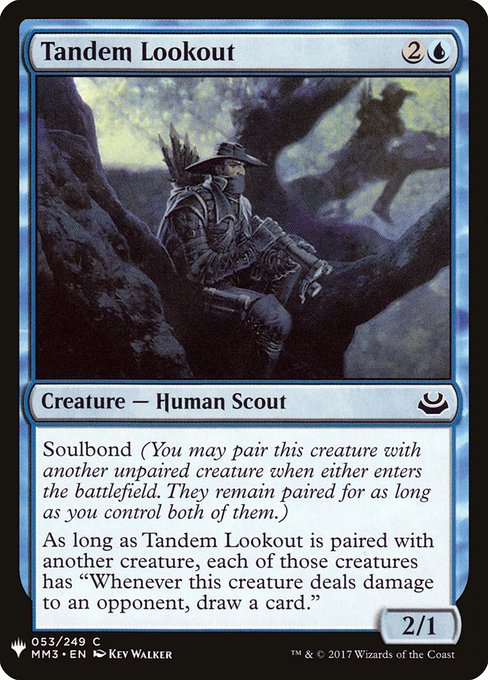
In a deck that pings so frequently, connecting damage to card draw is the most efficient way to maintain momentum. This deck counts with three cards that will allow you to draw a card every time one of your creatures deals damage to a player.
Curiosity and Ophidian Eye, these enchantments are placed on a pinger ,like Thermo-Alchemist, or on Ghyrson Starn himself. Because Ghyrson deals the additional 2 damage, securing you a new card in your hand every time the enchanted creature deals damage to an opponent. This will trigger multiple times a turn more often than not.
Tandem Lookout is basically a creature-based version of the cards previously mentioned that pairs with Ghyrson or a pinger to ensure your hand remains full of fuel to keep pinging your opponents.
Targeted Removals
When Ghyrson Starn is equipped with deathtouch, his triggered ability becomes an absolute removal machine. Since the additional 2 damage is dealt by Ghyrson, any creature he pings will die instantly, regardless of its toughness.
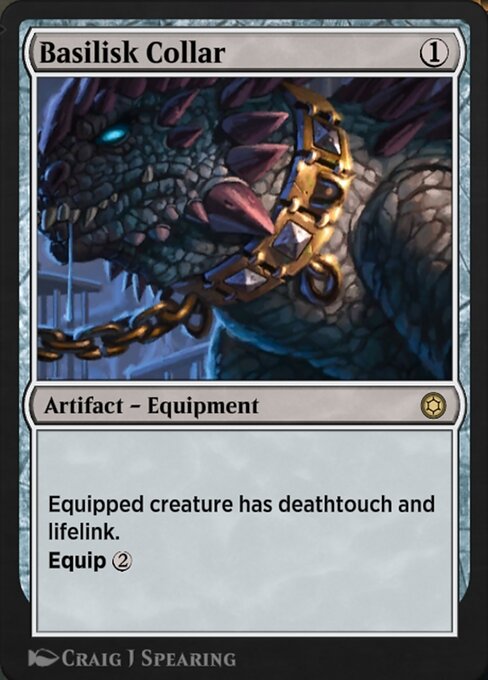
Basilisk Collar provides deathtouch and lifelink. This not only turns Ghyrson into a sniper but also stabilizes your life total as he deals damage.
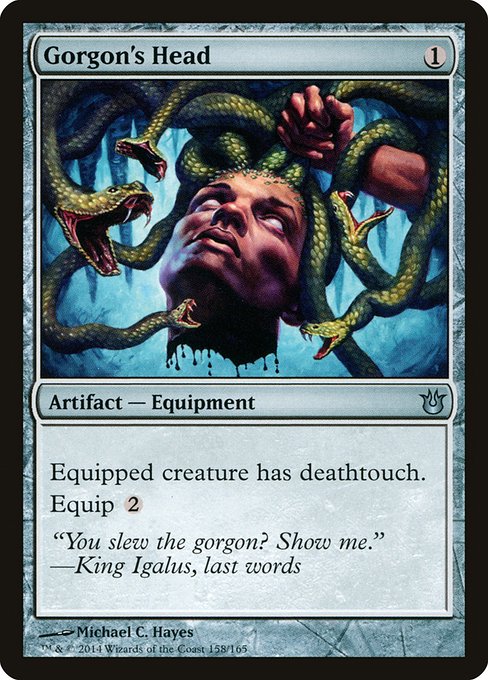
Gorgon's Head is just a secondary source of deathtouch to ensure that Ghyrson can maintain board dominance.
Taxing in Izzet? Yes, please
The deck utilizes permanents that punish opponents for simply playing the game, turning every action into a trigger for Ghyrson.
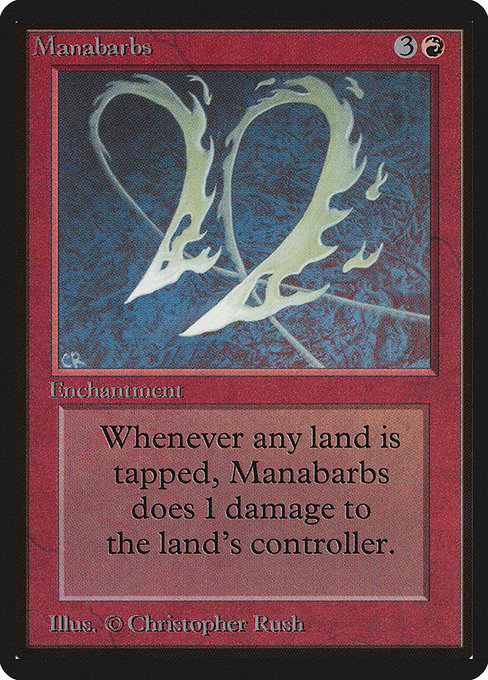
Manabarbs is a devastating enchantment in this list. Whenever a player taps a land for mana, Manabarbs deals 1 damage to them. Ghyrson sees this and adds 2 more damage. This effectively makes every land tap cost 3 life for opponents, keep in mind, while extremely punishing for your opponents, it will also deal damage to you, and this is a double-edge sword for you because you’ll also be at the mercy of Ghyrson’s commander damage.
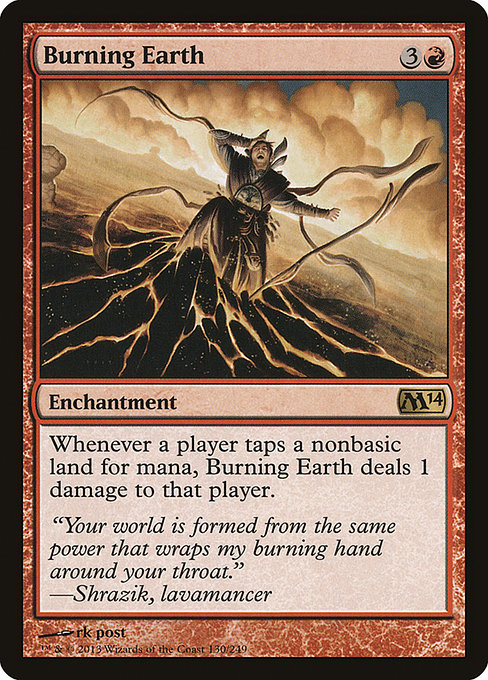
Burning Earth is a nonbasic land version of Manabarbs, punishing greedy mana bases.
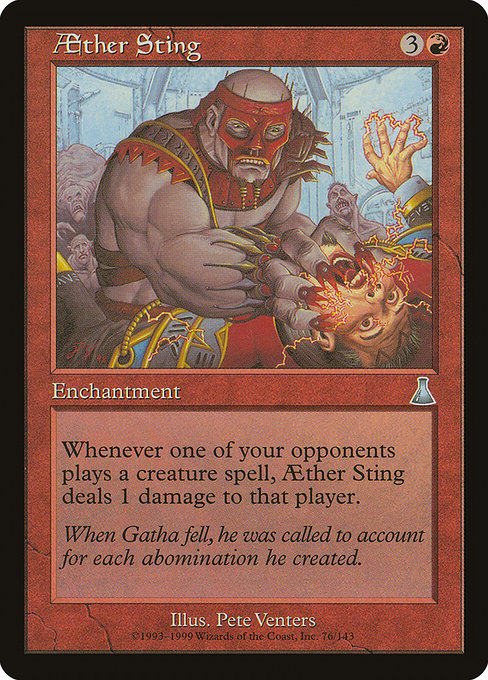
Aether Sting will be pinging constantly any opponent who uses a creature heavy deck dealing 1 damage to them every time they play a creature spell. Just remember that Ghyrson scales this to 3, making it very difficult for them to establish a presence on the battlefield.
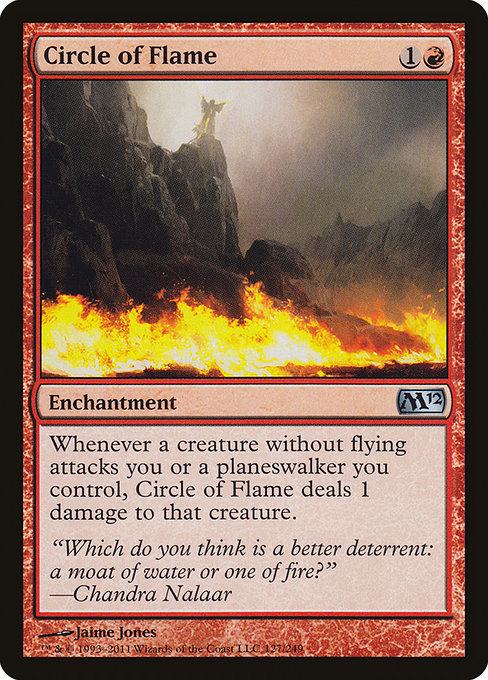
Circle of Flame makes it pretty much impossible to your opponents to deal damage to you if they’re not using flying creatures, because every time they try to attack you, Circle of Flame and Ghyrson will be snipping every creature attacking you dealing 3 damage to them.
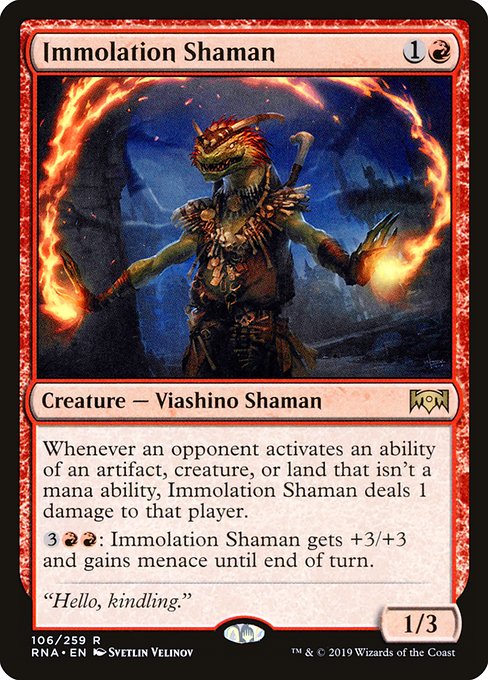
Immolation Shaman will make your opponents think twice before activating an ability that’s not a mana ability, because Immolation Shaman will deal 1 point of damage to that opponent who dares to do that.
Cantrips
To trigger the “on cast” pingers like Firebrand Archer, the deck runs a heavy suite of low-cost Blue cantrips. These provide deck thinning and ensure you’ll always have the next piece of the engine.
Sorceries
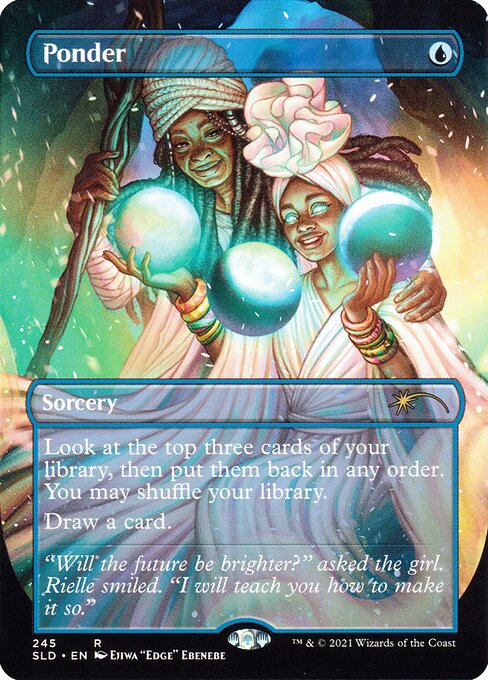
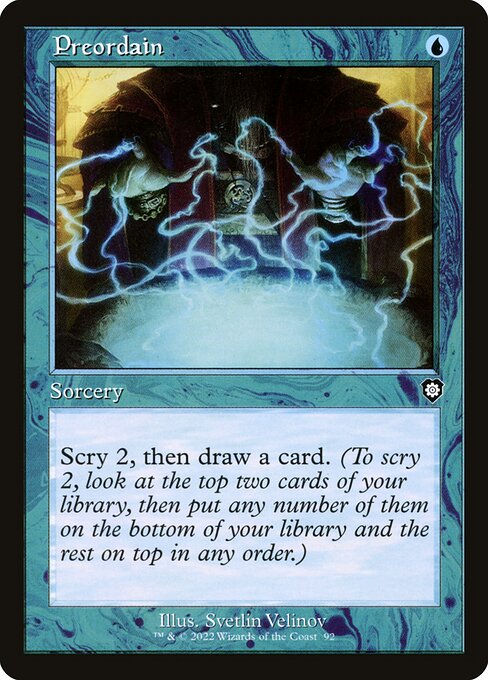
When it comes to choosing the right card for the moment, there’s no better option than Ponder and Preordain. Both of them will allow you to look at the top of your library and put them in the order you like before drawing the exact card you need after that.
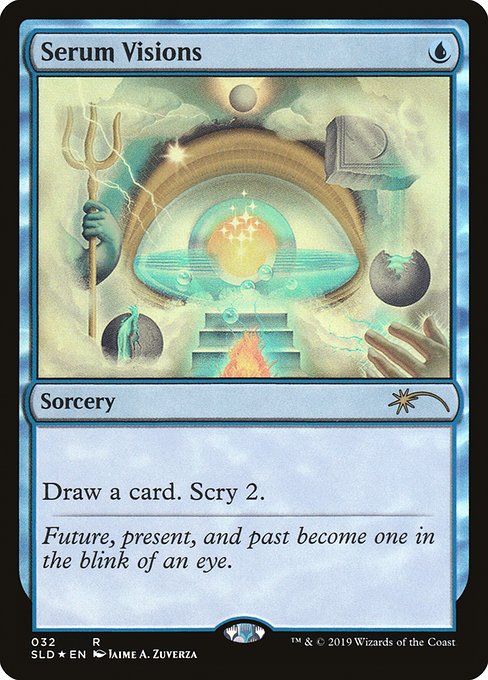
Serum Visions works almost the same, the only difference is that you draw a card and then scry 2, which makes you ordain the next cards you’ll be drawing.
Instants
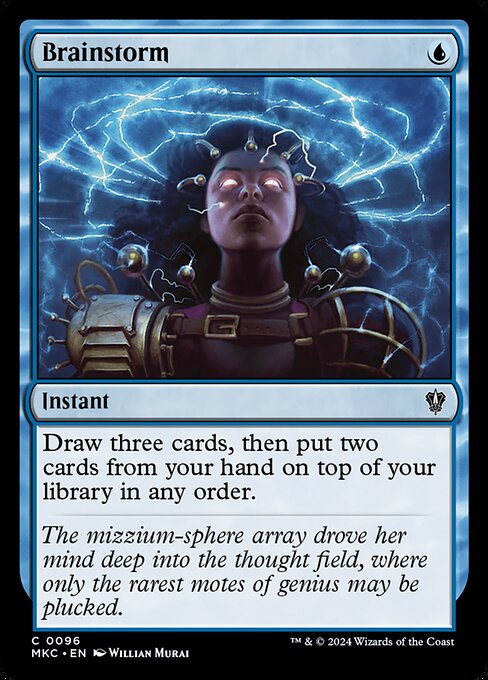
Now, on a more instant kind of way of drawing, we have Brainstorm, which by itself is a pretty powerful drawing spell, by allowing you to draw three cards and then returning two cards from your hand to the top of the library, is a good way to deal against cards like Thoughtseize by putting your most powerful spell in the library before they make you discard it.
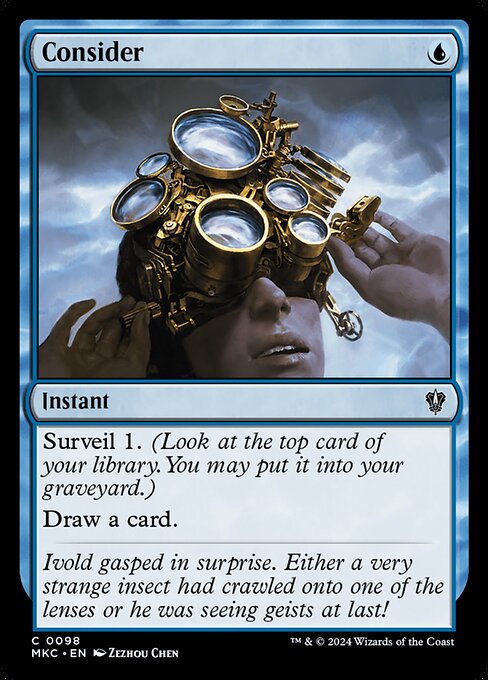
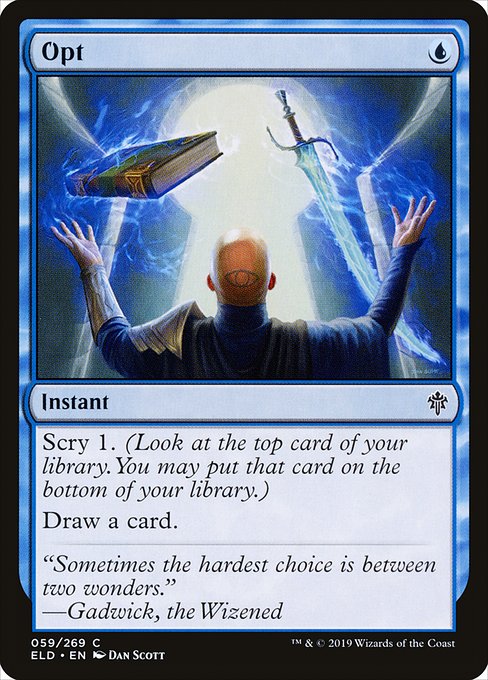
Consider and Opt, both of them will allow you to choose your top card and then draw it. All this for just one mana.
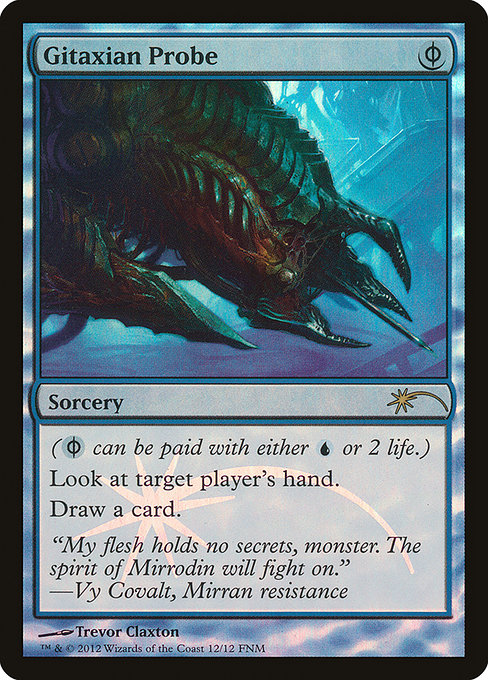
Want to draw a card for free? Then Gitaxian Probe is what you need, for only 2 life you’ll not only see the target player’s hand, but also draw a card after that.
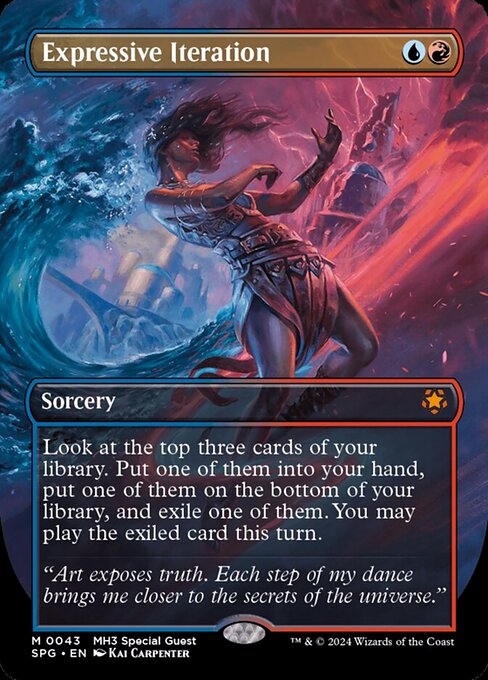
Expressive Iteration is in my opinion one of the most powerful draw spells in izzet, by making you see the top three cards of your library, and choosing the best one for your hand, at the cost of putting one card in the graveyard and exiling the other one, while allowing you to play the exiled card, effectively drawing you two cards for two mana.
Let’s be clear this deck revolves around slinging an absurd amount of spells, and is because of these that a card like Treasure Cruise will become a powerful drawing late game spell, its delve cost would almost certainly make it a draw three cards for one mana.
Finally Rush of Inspiration, although a pricy card in terms of mana, will more often than not be played as a land. But in the case you cast it, it will net you two cards at the cost of discarding one card at random from your hand.

Mana Infrastructure
Mana rocks.
Operating a deck with so many 1-mana and 2-mana spells requires a highly efficient mana base. The sources highlight the use of cost-reduction artifacts to allow for multiple spells per turn.
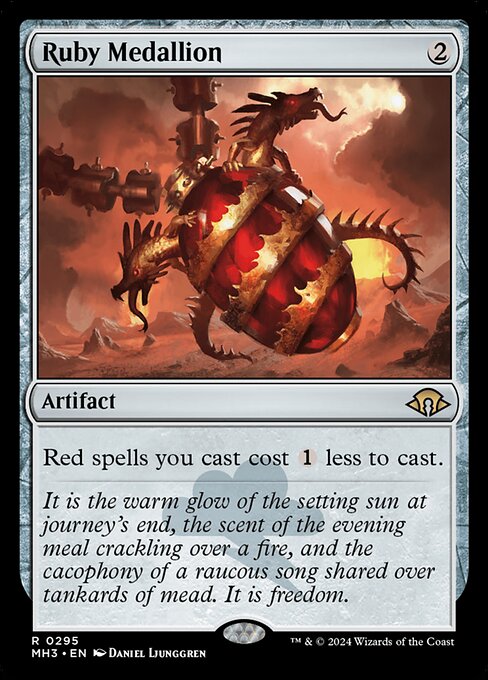
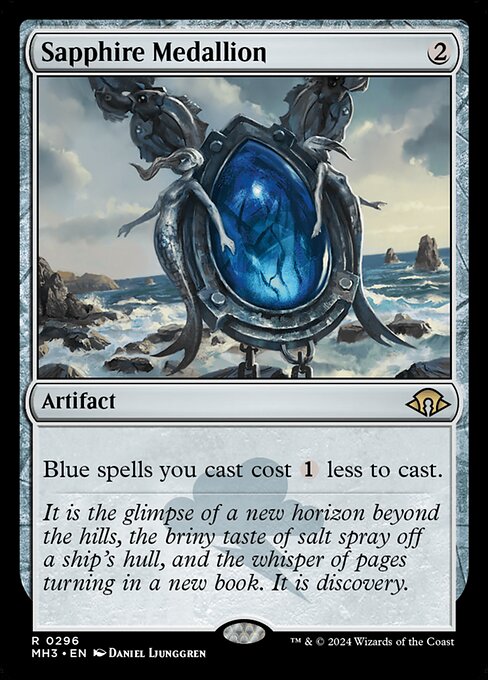
Ruby Medallion and Sapphire Medallion are critical for reducing the cost of Red and Blue spells, respectively. With both on the field, many of the deck’s cantrips and pingers will cost only a single colored mana.
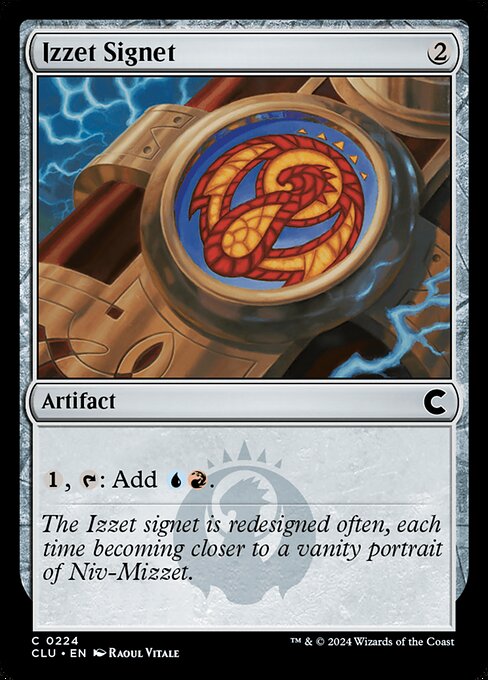
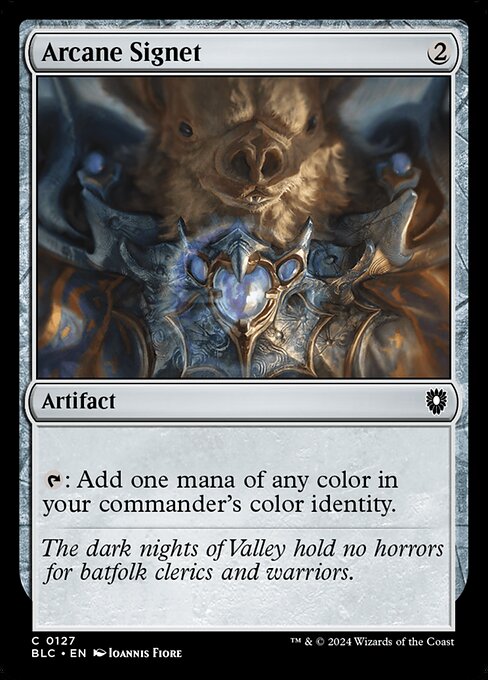
Izzet Signet and Arcane Signet Standard color-fixing rocks that ensure you can cast Ghyrson by turn three.
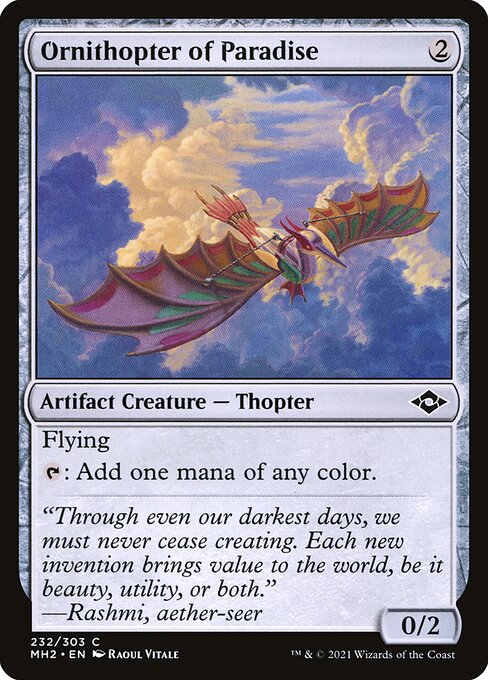
Ornithopter of Paradise a creature-based mana dork that provides any color and can serve as a blocker in emergencies.
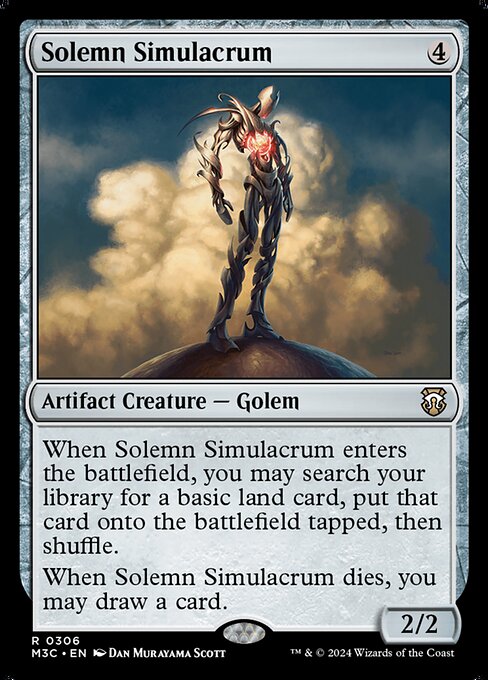
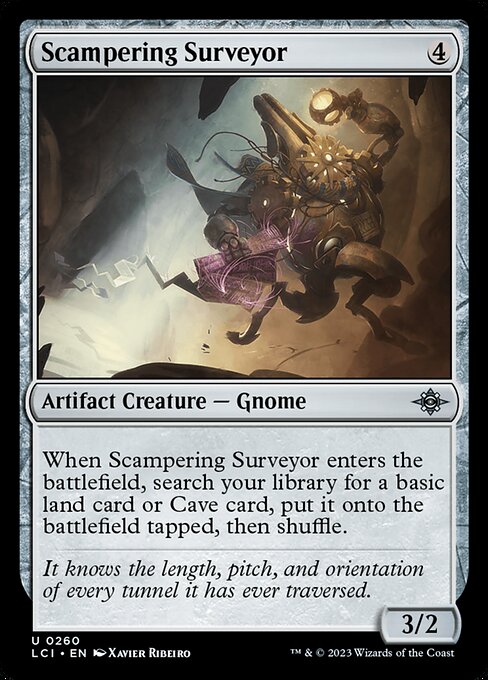
Finally, Solemn Simulacrum and Scampering Surveyor will provide you with land ramp and a card on death in the case of Simulacrum. Which for a deck without the conventional ramp spells, is a pretty impactful effect, even for four mana.
Mana Base
With approximately 35 (39 counting MDFC) lands, the mana base is designed to support the color-intensive needs of Izzet while providing its own damage triggers.
Utility and Pinging Lands
Targeted Damage Lands
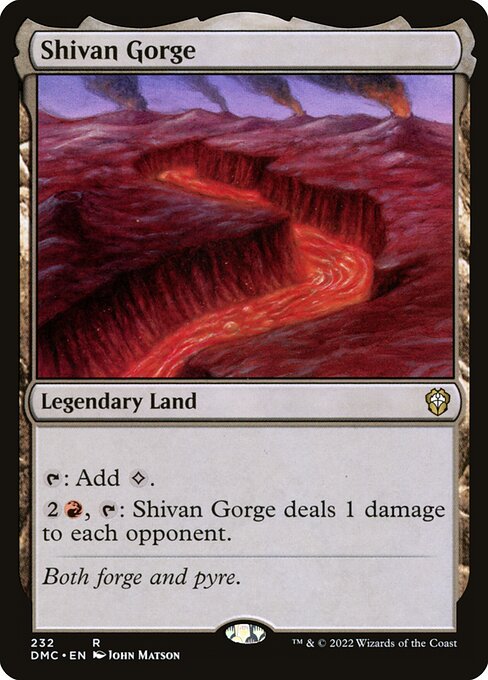
There’re some cards that could deal some damage on their own to your opponents, while they deal pretty low damage, this is one thing Ghyrson strives for. Cards like Shivan Gorge, a land that can be activated to deal 1 damage to each opponent. This is a repeatable source that triggers Ghyrson without using a spell slot, making it a critical late-game finisher.
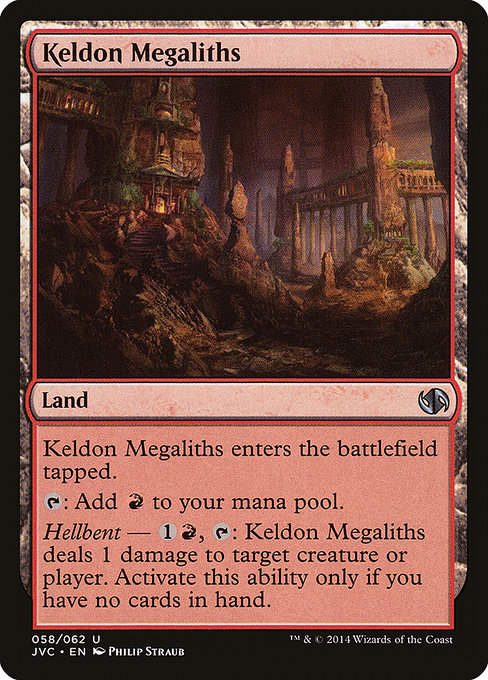
Keldon Megaliths also provides a 1-damage ping if you by any chance don’t have any card in your hand, which is frequent given the deck’s high velocity, and a good way to invest your mana when there’s no more spells to cast.
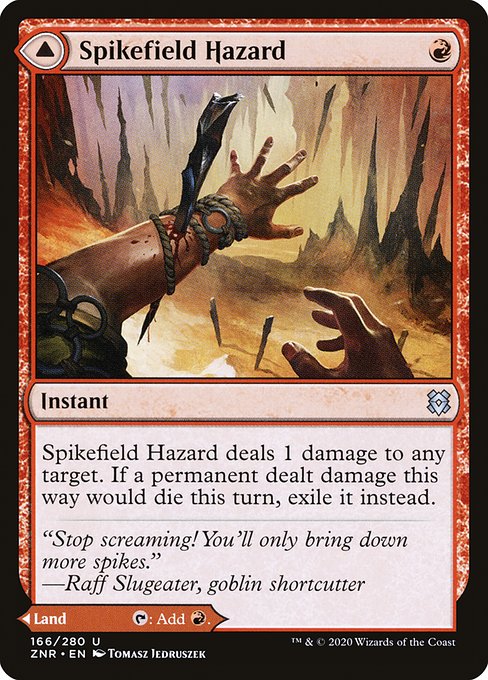
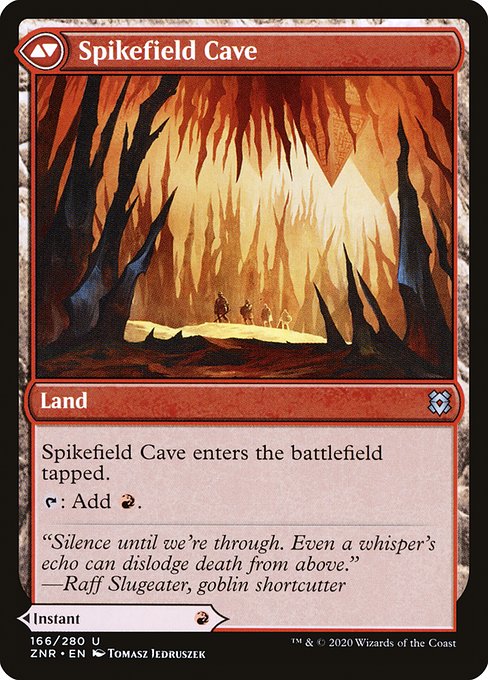
Lastly Spikefield Hazard An MDFC (Modal Double-Faced Card) that can be played as a land or used as a 1-damage spell to exile a creature.
Utility and Fixing
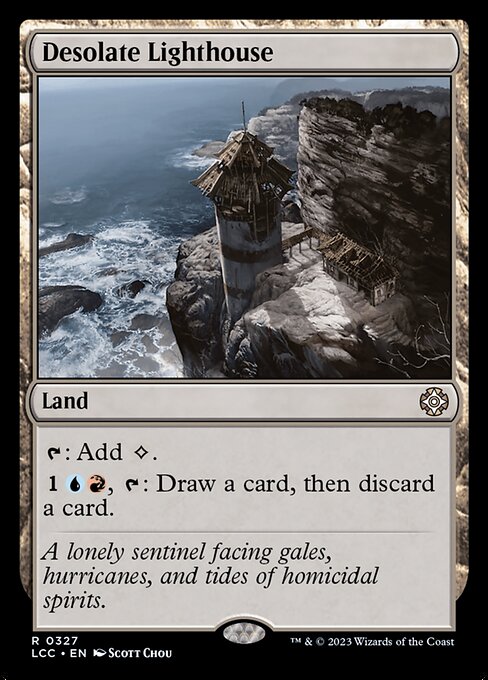
Not every land should be only for mana generation, they could also give you some advantages besides mana or damage as discussed above, lands like Desolate Lighthouse provide late-game looting to filter through excess lands into more spells.
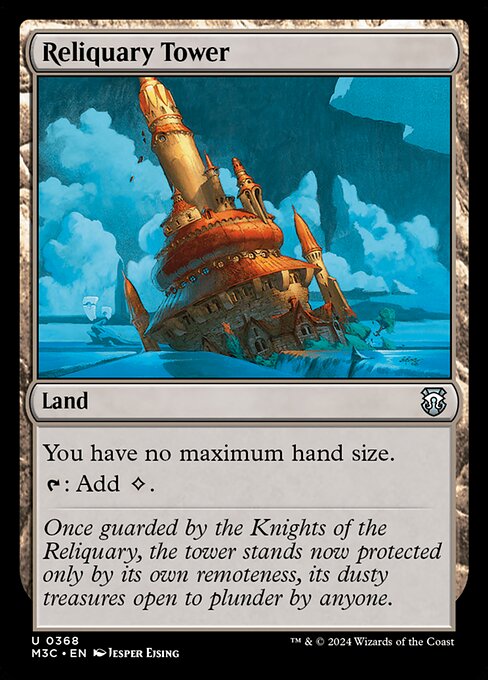
Let’s be real, in an ideal world you’ll end up your turns with more than 7 cards in hand if you connected every single card draw instance in this deck. Discarding to seven is a big deal on a deck that wants to cast as many spells as it could, this is where cards like Reliquary Tower works like a charm, by allowing you to have no maximum hand size.
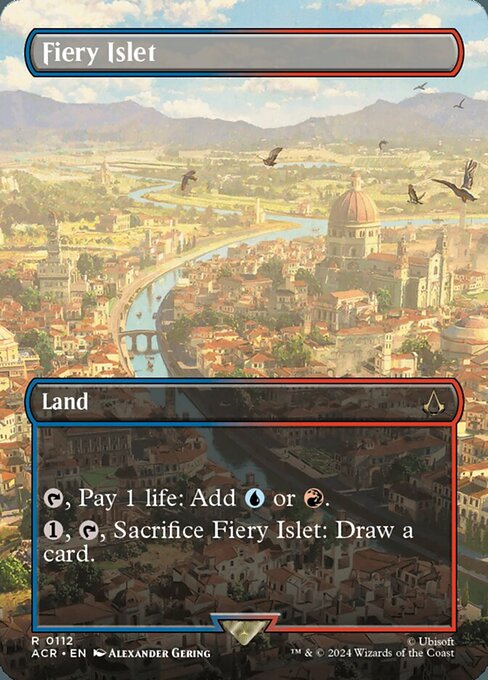
Fiery Islet is a good “canopy land” that can be sacrificed to draw a card for when you have an overflow of lands.
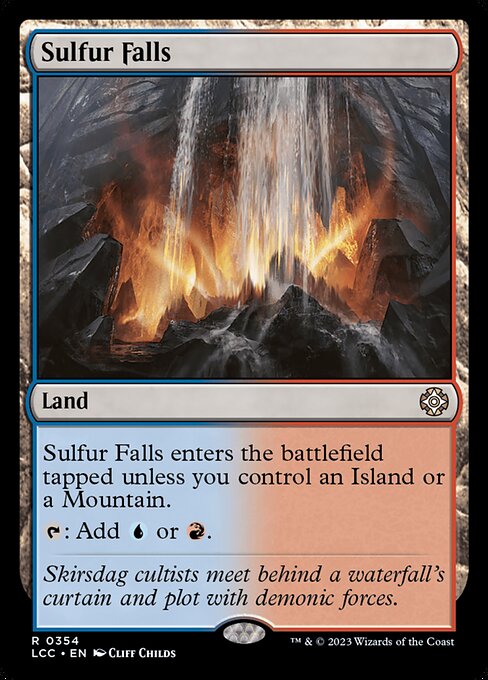
Sulfur Falls works like a charm in this deck because you’ll be running about 15 basic lands, which in turn guarantees that you’ll have an untapped dual mana source.
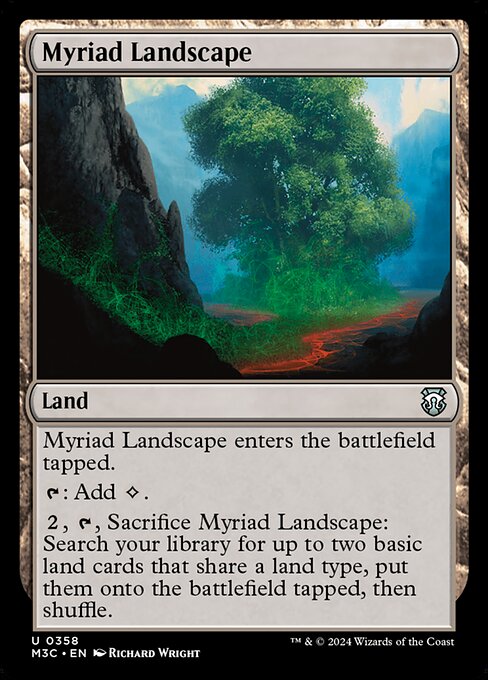
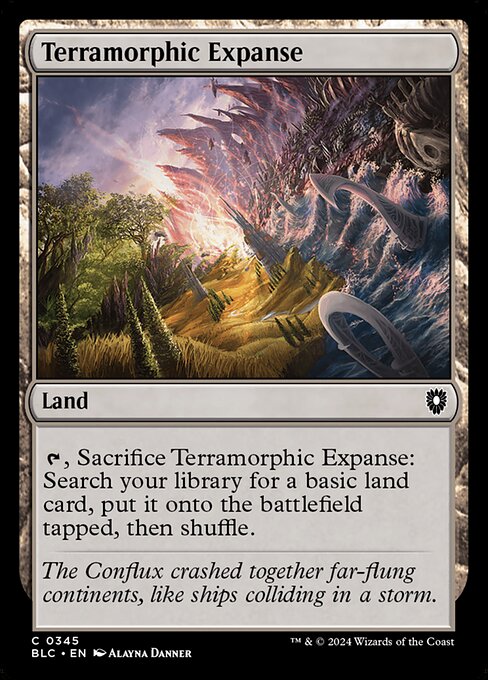
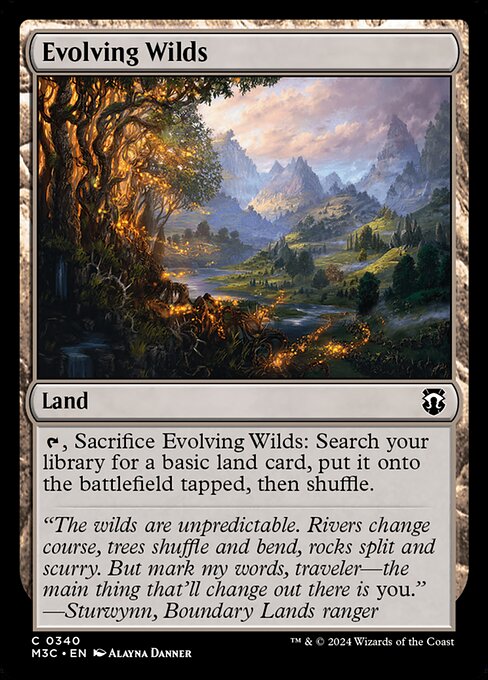
Myriad Landscape, Terramorphic Expanse and Evolving Wilds will be your basic fetching lands for deck thinning and color fixing.
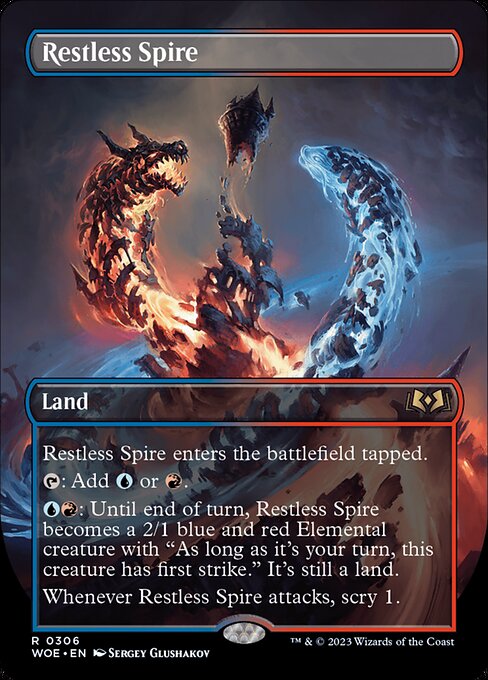
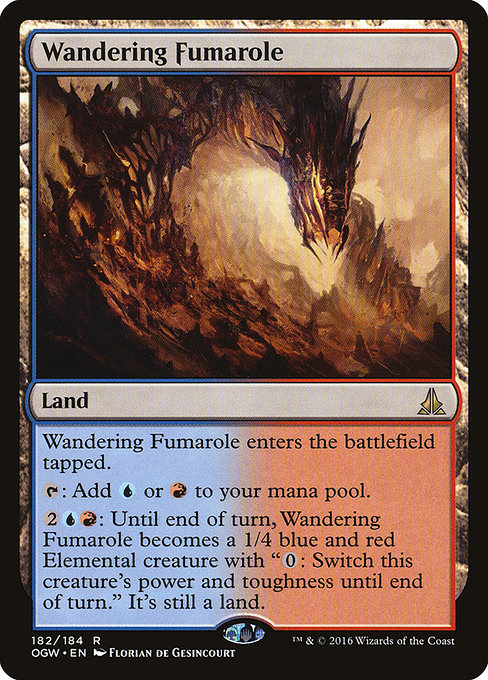
Lastly Restless Spire and Wandering Fumarole are some Creature lands that provide mana but can also become threats or blockers when the board is clear.
Closing Words
Ghyrson Starn, Kelermorph represents a fundamental shift in the Izzet “pinger” archetype, moving it from a niche strategy to a high-efficiency engine. Turning the most basic unit of damage into a great weapon, allowing for a level of consistency rarely seen in other decks.
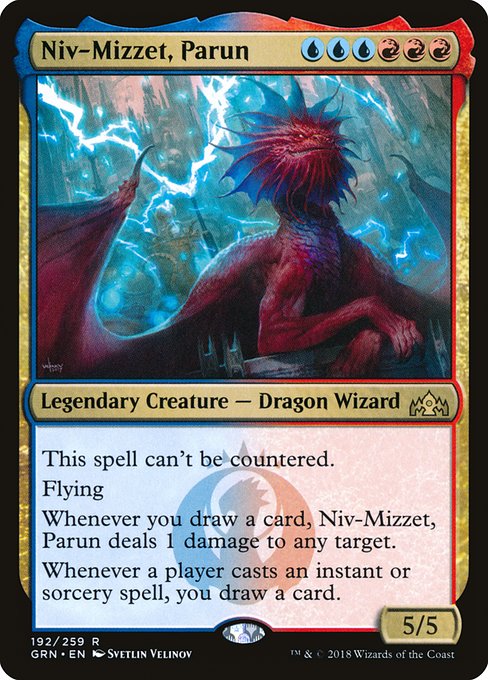
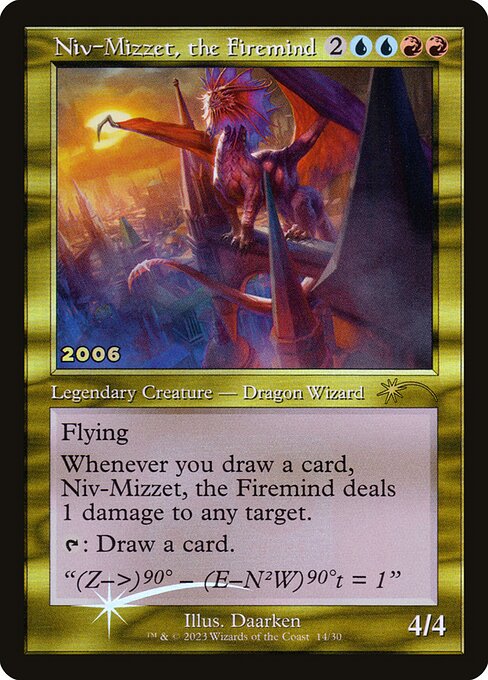
We’re looking at Ghyrson from a more casual perspective, but keep in mind that with some improvements, like Niv-Mizzet, Parun or Niv-Mizzet, The Firemind, we could be looking to a Bracket 5 cEDH deck.