




White, Red, and Black. Wrath, Will, and Ruthlessness — Mardu occupies a space of controlled aggression, tactical removal, and asymmetric advantage in Commander. Where Jeskai can look to cast big spells, Sultai to resource maximization, and Dimir to subtlety, Mardu combines White’s disciplined structure and access to exile effects, Red’s explosive tempo and direct impact, and Black’s ruthless efficiency and sacrifice synergies. The result is a color identity that thrives on seizing tempo, out-managing opponents, and punishing overextension.
At its heart, Mardu Commander does not win by slow attrition alone, it blends punishing removal, strategic aggression, and resource control to shape the state of the game on its own terms. This can take the shape of overwhelming boards, taxing opponents into submission, or exploiting the battlefield with calculated brutality.
Here’s how Mardu accomplishes those feats:
Supreme Removal and Board Control — Ruinous Ultimatum | Anguished Unmaking | Blasphemous Act | Crackling Doom
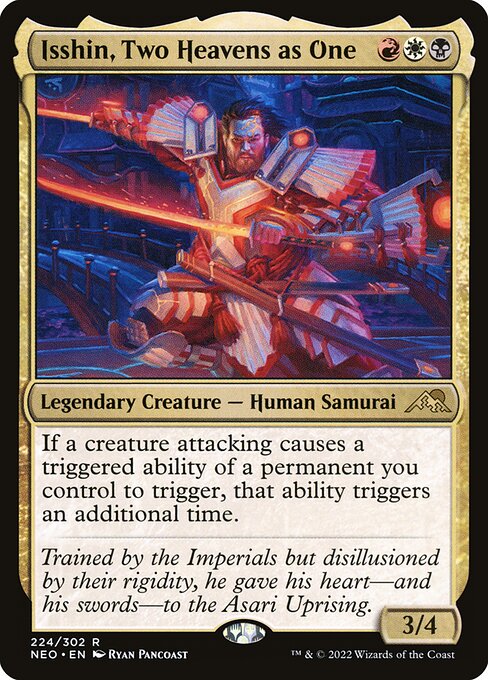
Aggressive Pressure and Damage Output — Boros Charm | Aurelia, the Warleader | Isshin, Two Heavens as One | Gisela, Blade of Goldnight
Resource Disruption & Taxation — Thalia, Guardian of Thraben | Smothering Tithe | Generous Gift | Esper Sentinel
Damage and Advantage from Death and Sacrifice — Blood Artist | Pitiless Plunderer | Mirkwood Bats | Morbid Opportunist
Token Generation —
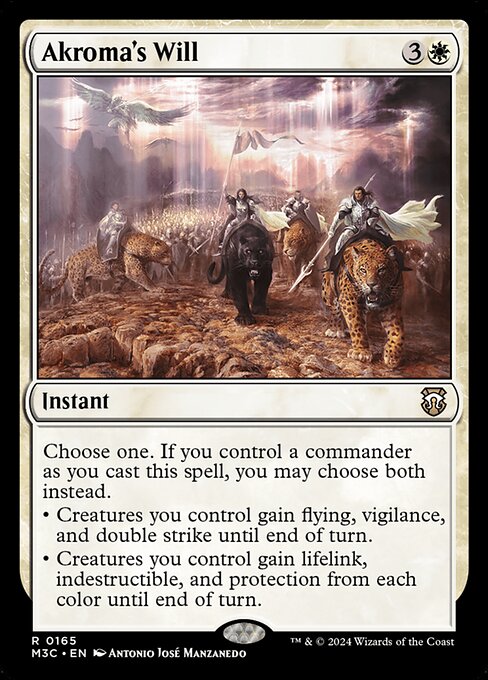
Protection — Teferi's Protection | Flawless Maneuver | Akroma's Will | Grand Abolisher
So let’s go and explore some ways to play with this color triad.
Archetype 1: Mardu Tokens
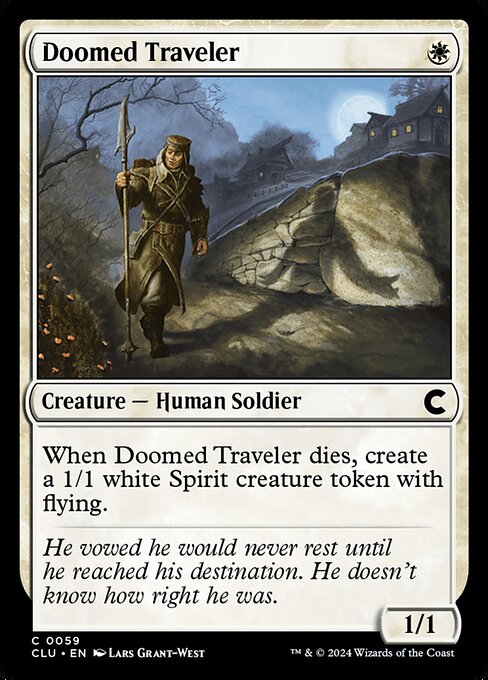
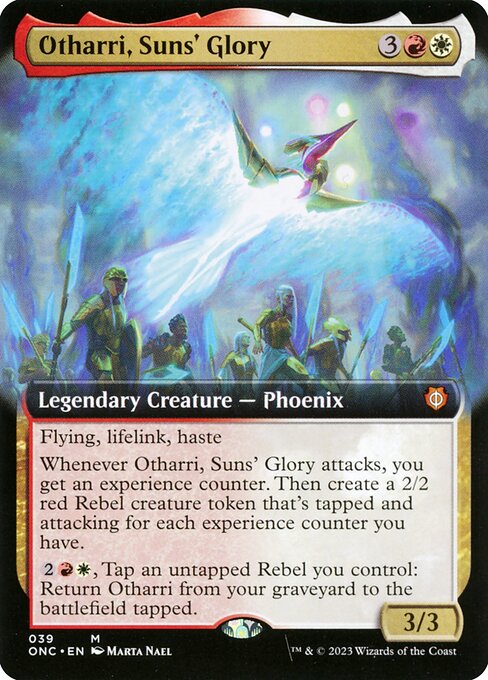
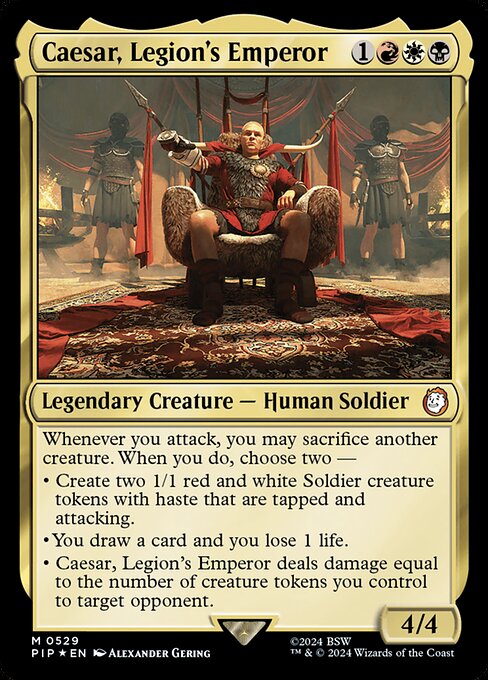
At first glance, this deck looks like it’s trying to do the usual Mardu thing: make a bunch of creatures and turn them sideways. But once you play a few turns with Caesar, Legion's Emperor as your Commander, it becomes clear that the real plan isn’t just flooding the board, it’s creating a constant stream of disposable bodies that always turn into value.
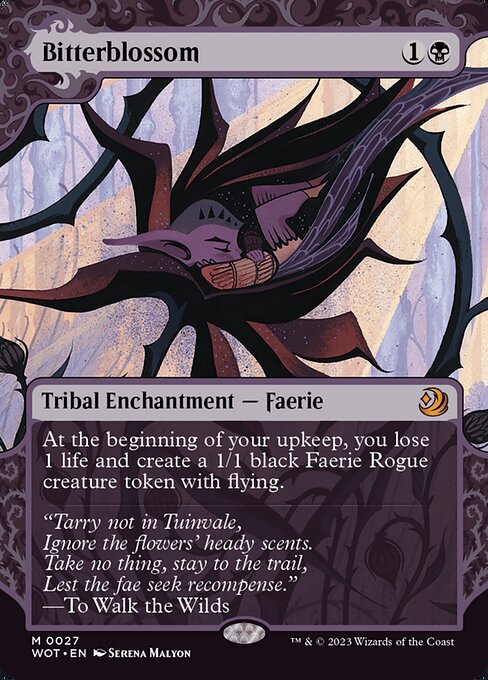
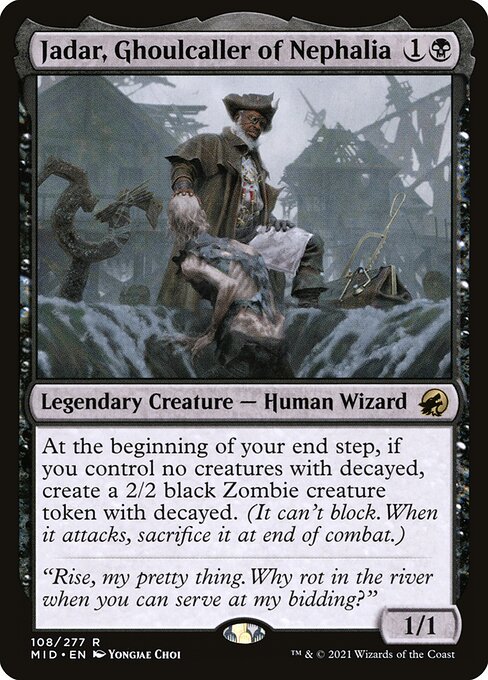
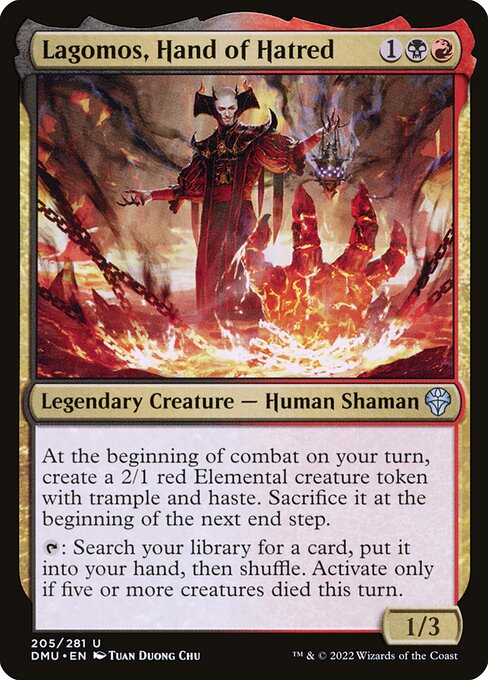
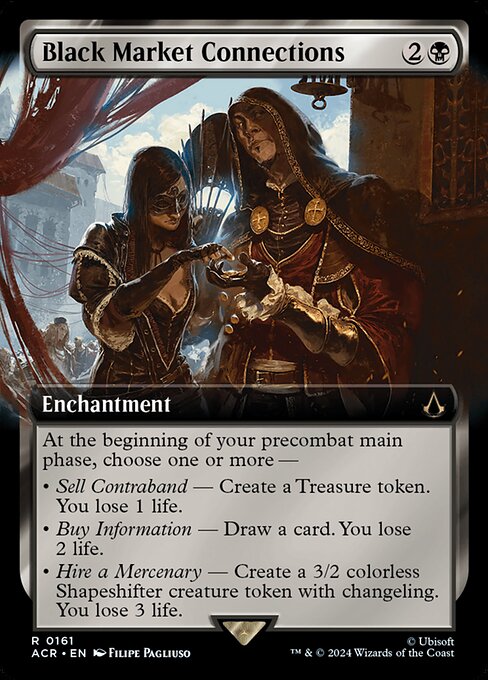
Cards like Bitterblossom, Jadar, Ghoulcaller of Nephalia, Lagomos, Hand of Hatred, and Black Market Connections mean you’re never really “out” of creatures even after a wipe. Tokens show up on your turn, on other players’ turns, and sometimes just simply show up.
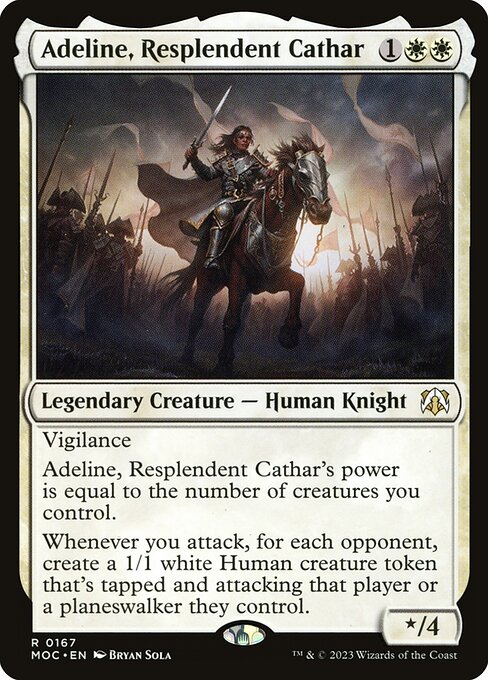
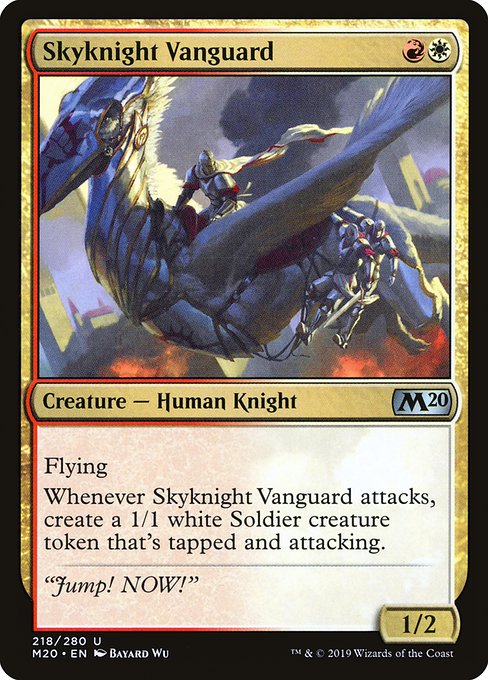
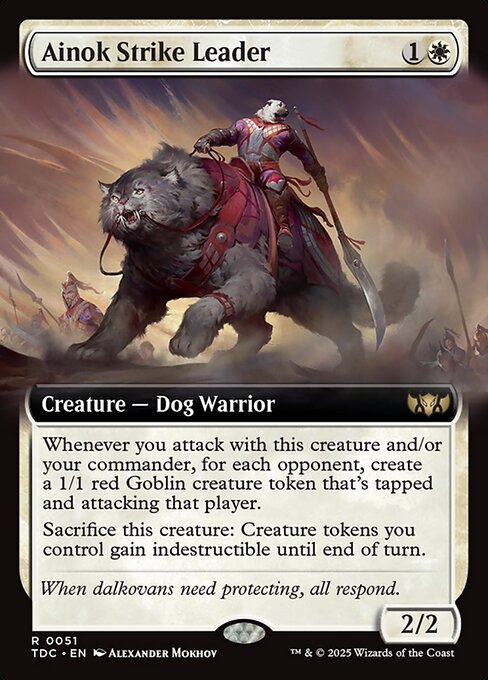
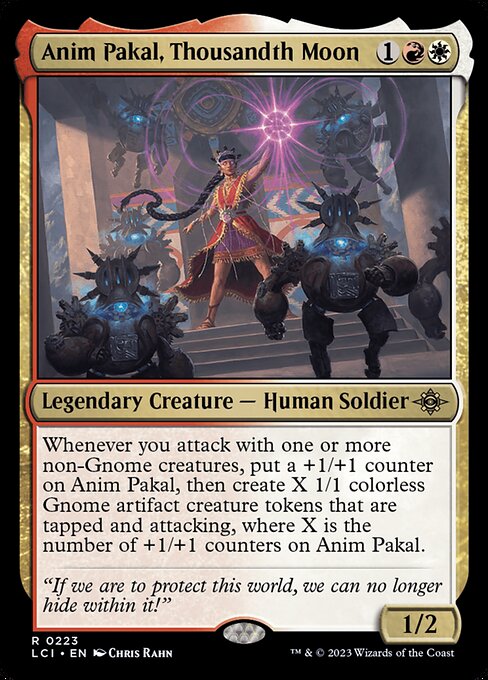
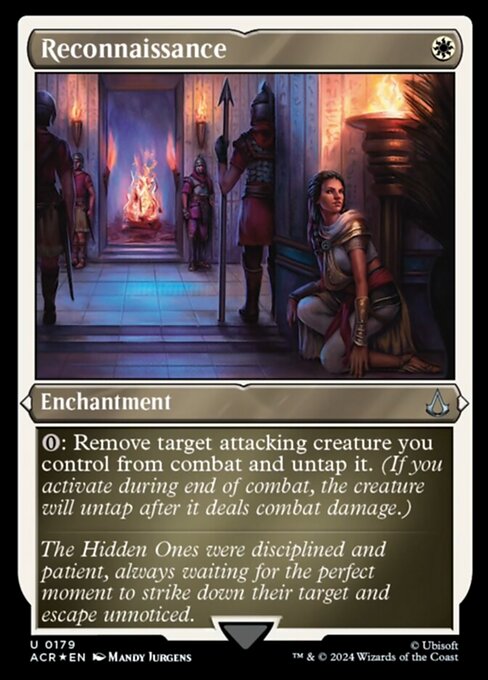
Combat is where the deck really starts to feel unfair. Attack triggers from Adeline, Resplendent Cathar, Skyknight Vanguard, Ainok Strike Leader, and Anim Pakal, Thousandth Moon make attacking profitable even when damage doesn’t always connect. You’re often swinging just to generate new tokens, not because you expect things to survive. With Reconnaissance and Dolmen Gate in play, attacking becomes almost free. You get the triggers, see how blocks line up, and then pull your creatures back if needed, or ignore combat damage entirely. Add Isshin, Two Heavens as One, and suddenly one attack step produces an absurd amount of value without committing anything meaningful to the board.

Where the deck really punishes opponents is in how it handles creature deaths. Once cards like Bastion of Remembrance,
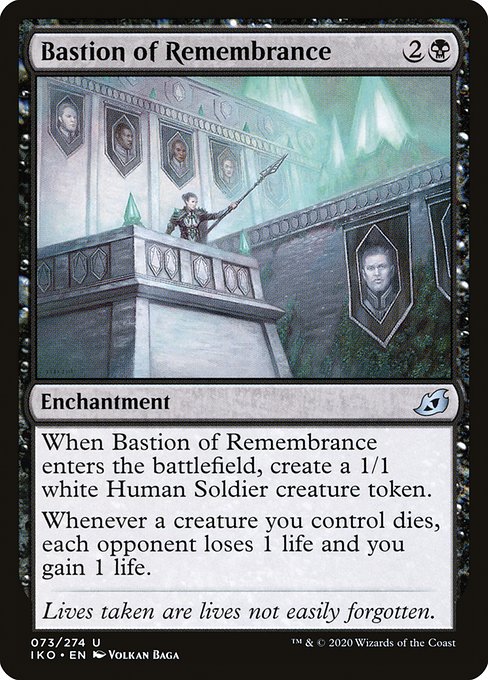
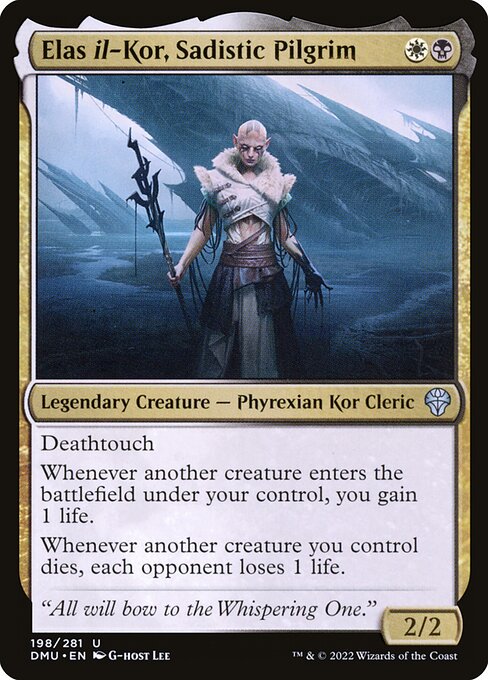
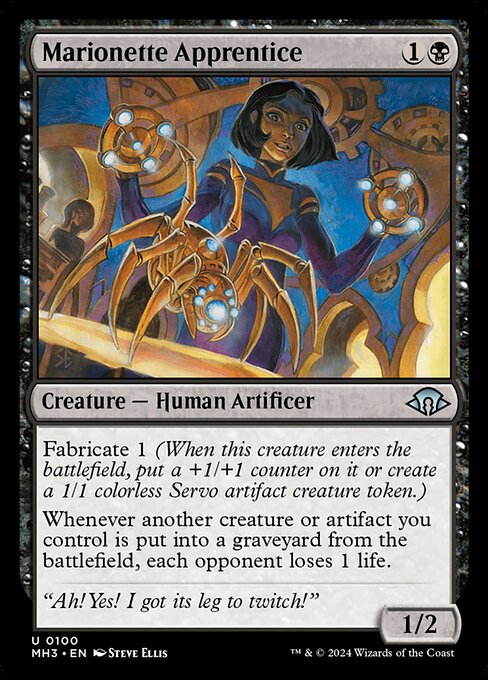
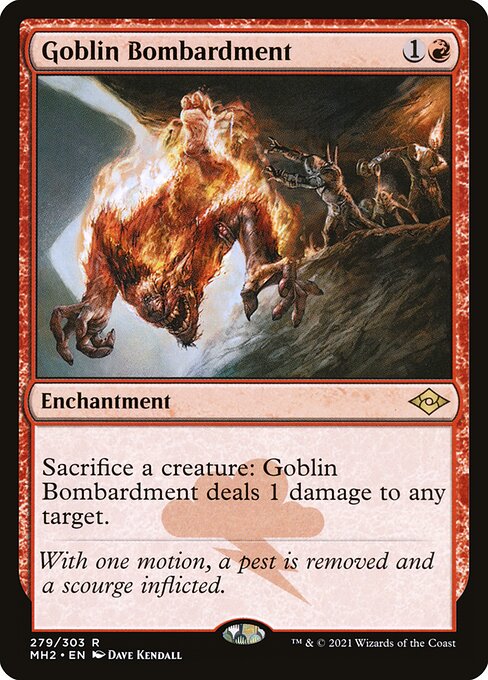
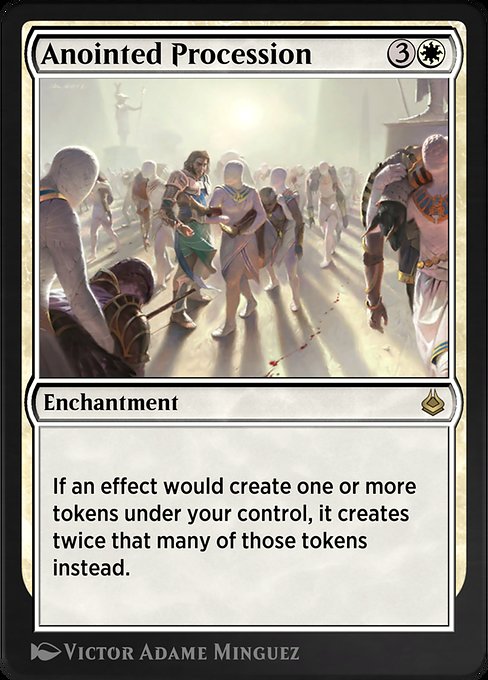
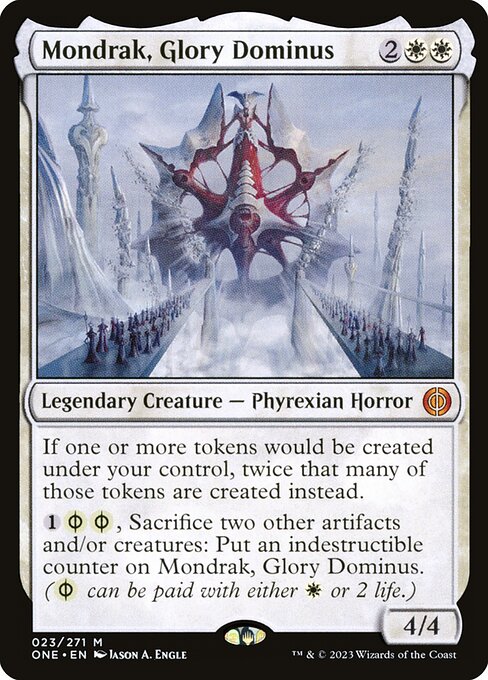
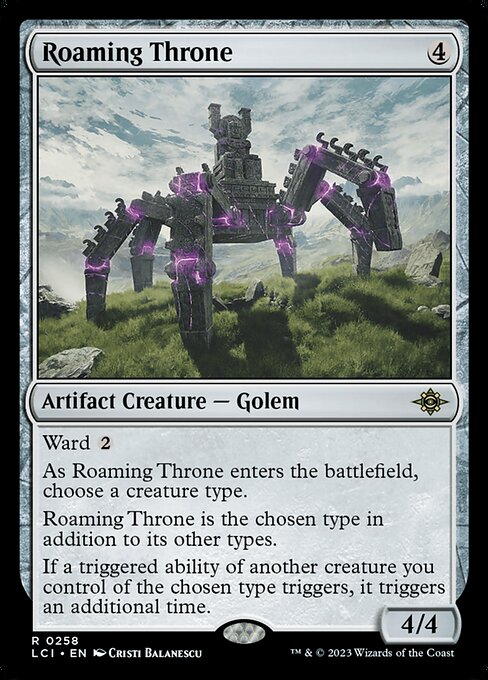
Token multipliers are where the deck shifts from annoying to overwhelming. Anointed Procession and Mondrak, Glory Dominus don’t just double your output, they turn modest boards into lethal ones out of nowhere. A couple of attack triggers suddenly become a full army, and sacrifice engines scale at the same pace. Roaming Throne further acts like another multiplier by doubling Caesar’s and any key creature abilities by naming “Human”, as most of our creatures share this subtype.
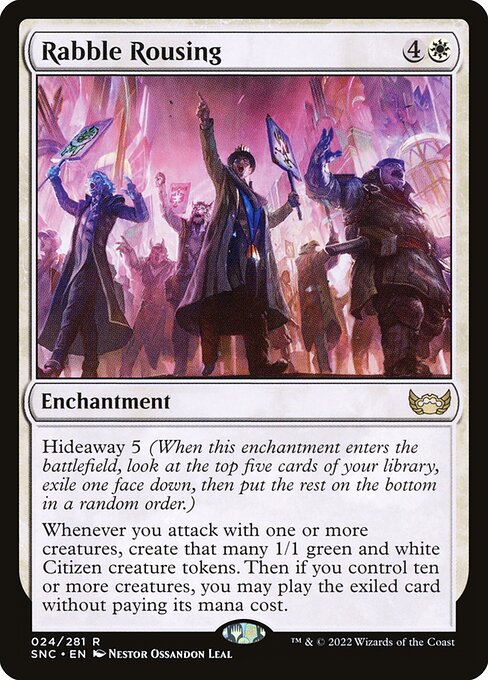
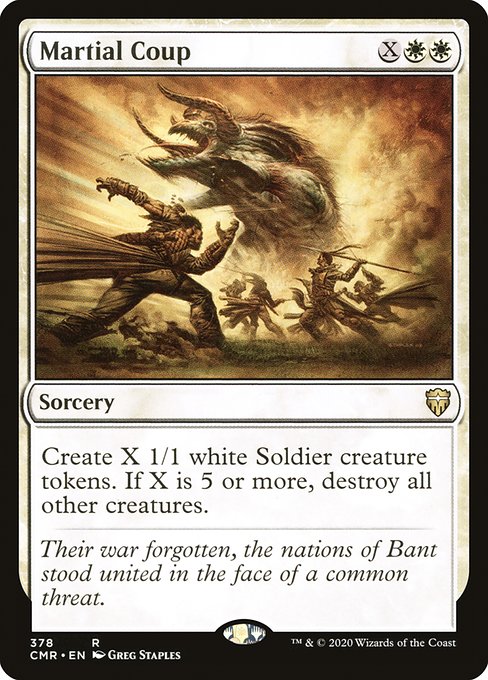
What’s especially dangerous is that the deck doesn’t rely on a single finishing blow. You might close a game through combat with anthem-style pressure from Warleader's Call or sheer numbers from Rabble Rousing, but just as often the win comes from life drain and attrition. Martial Coup is a great example, it can reset the board while leaving you with an army, and if your drain effects are already online, that reset often pushes opponents into lethal range instead of stabilizing them. Even flexible cards like Will of the Mardu and Windcrag Siege let you adapt your endgame based on whether you need pressure, protection, or reach.


By the time opponents realize they need to stop you, they’re usually stuck choosing between a rock and a hard place. If they remove your board, cards like Bastion of Remembrance and
This deck doesn’t win by surprise, it wins by momentum. Every turn adds another layer of pressure, another token, another trigger that makes interaction feel worse and worse for everyone else. It’s classic Mardu: assertive, punishing, and always forcing the table to react on your terms.
Creatures (26)
Instants (8)
Sorceries (1)
Artifacts (12)
Enchantments (16)
Lands (37)
100 Cards
$1120.93
Archetype 2: Monarch, Politics, and Controlled Chaos
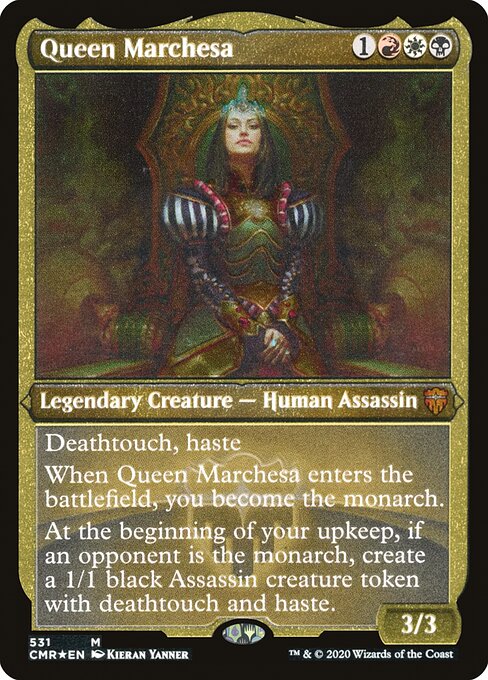
This version of Queen Marchesa isn’t trying to rush the game or lock it down completely. Instead, it sets out to reshape how combat happens while quietly profiting from the chaos. From the moment Marchesa hits the table and the Monarch enters the game, the deck starts playing a different Commander game than everyone else. Cards flow, incentives shift, and suddenly players are making attacks they wouldn’t normally consider, usually not at you.
The real strength of the deck is that it rarely looks threatening. You’re not building an army or assembling a combo; you’re handing out cards, nudging opponents into bad decisions, and sitting behind a wall of “don’t touch me” effects. Smuggler's Share, Mangara, the Diplomat, Master of Ceremonies, and Esper Sentinel keep your hand full while opponents fight over resources. Even when you lose the Monarch, it’s rarely for long, and often comes at a cost no one wants to pay twice.
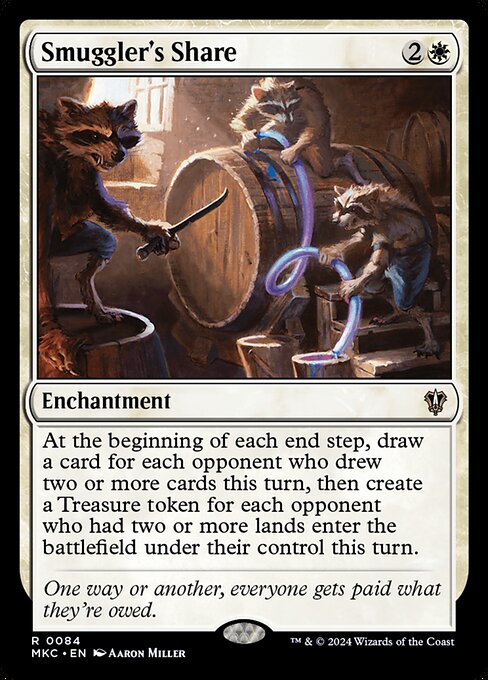
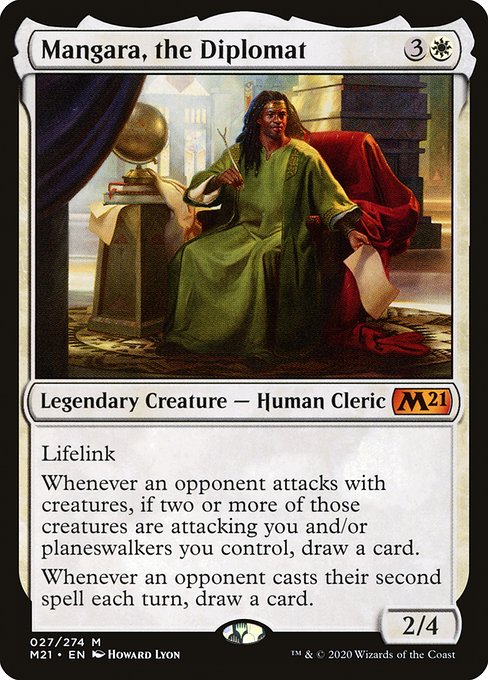
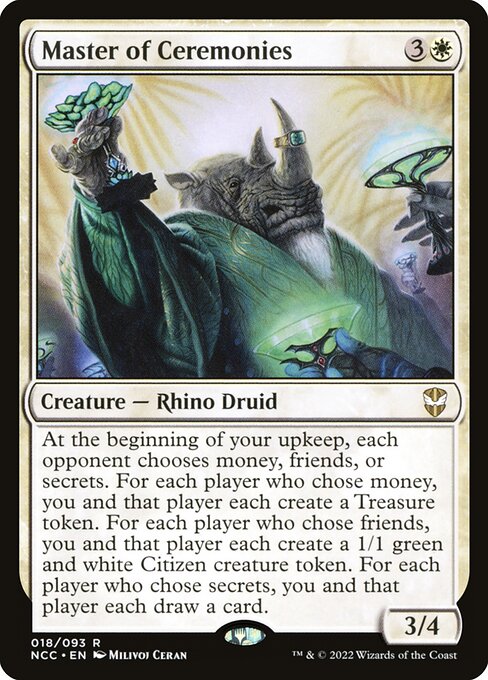
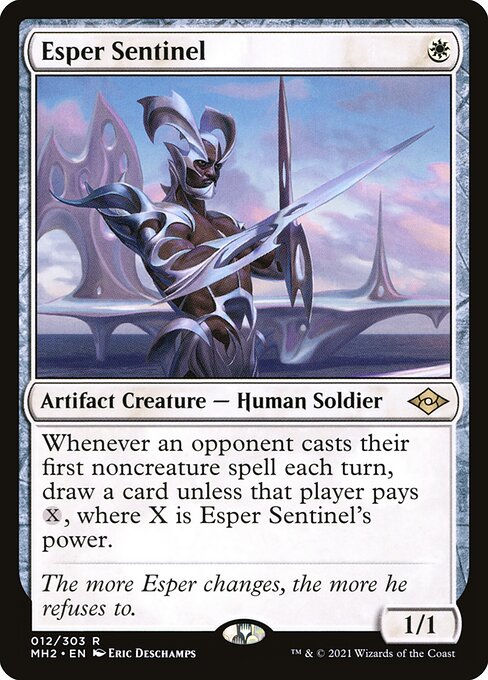
Combat manipulation is where this deck truly shines. Cards like Disrupt Decorum, Taunt from the Rampart, Geode Rager, and Kardur, Doomscourge take agency away from your opponents at the most critical moments. Attacks are no longer about optimal damage, they’re about survival. Once the table starts swinging wildly, defensive tools like Windborn Muse, Righteous Aura, and Michiko Konda, Truth Seeker make attacking you the least appealing option. You’re rarely untouchable, but you’re always an inconvenient target.
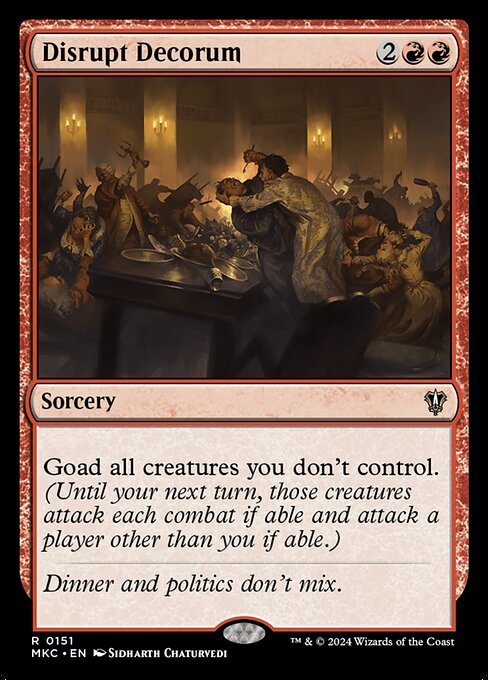
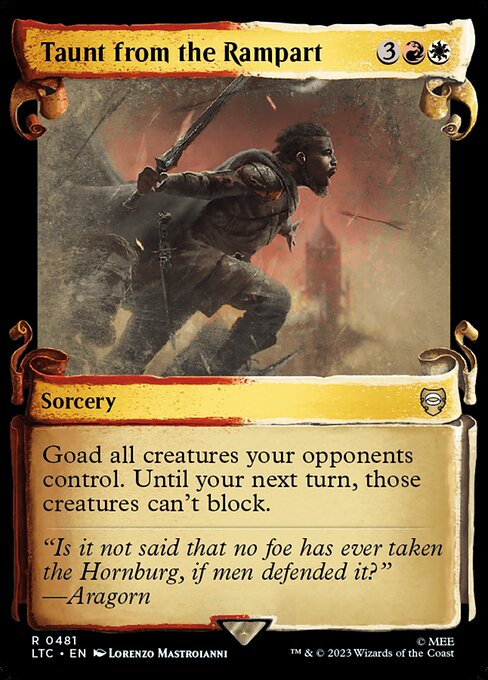
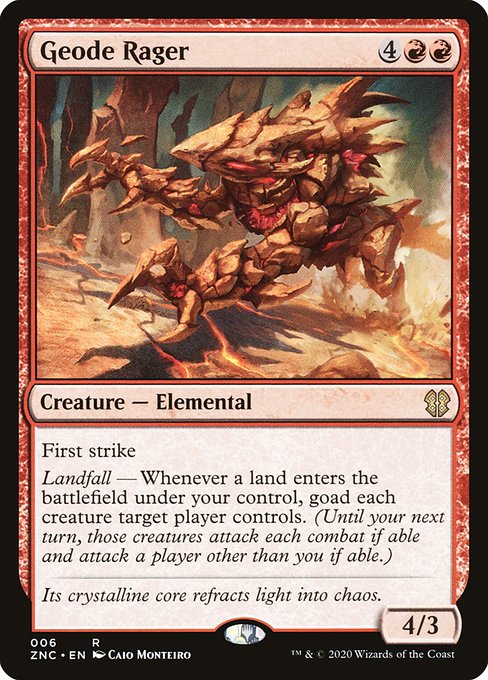
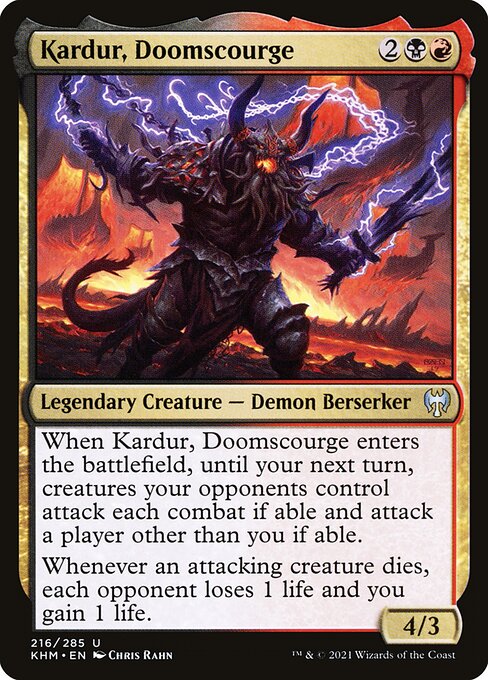
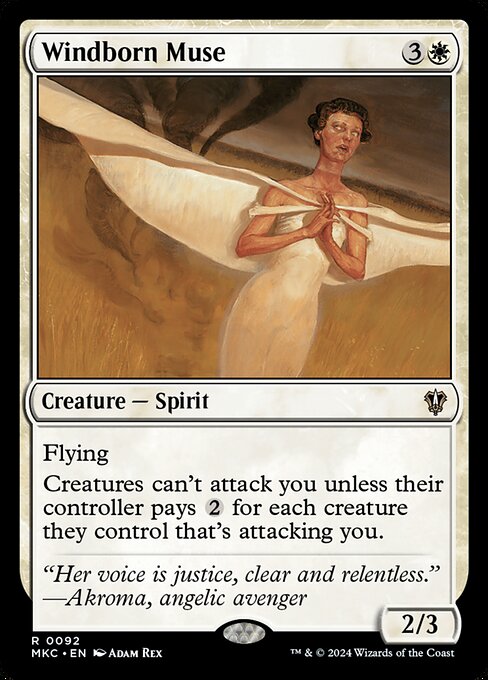
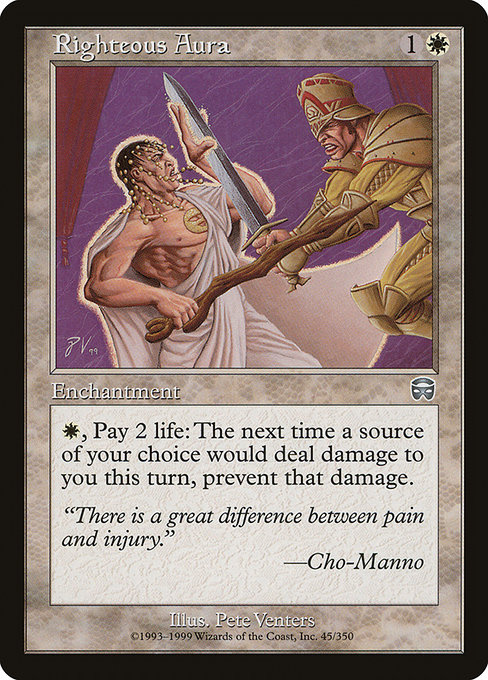
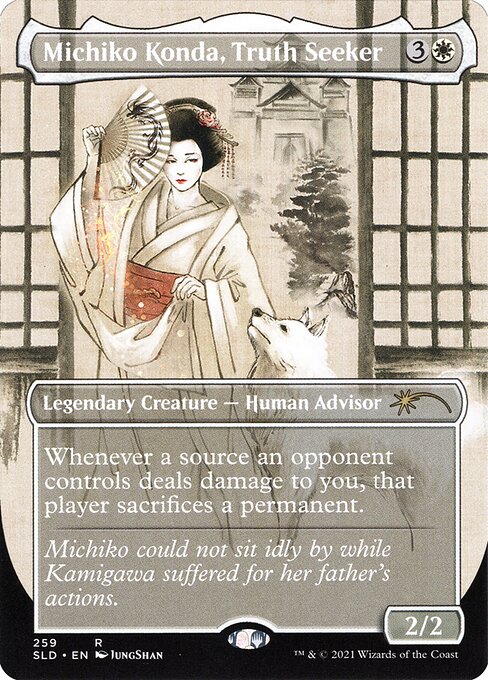
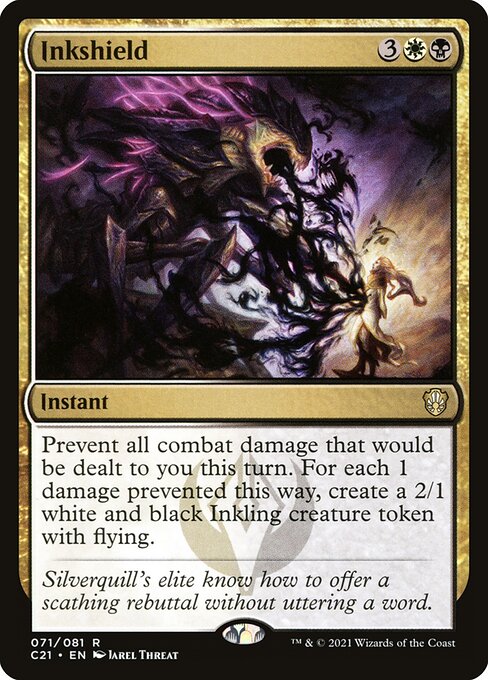
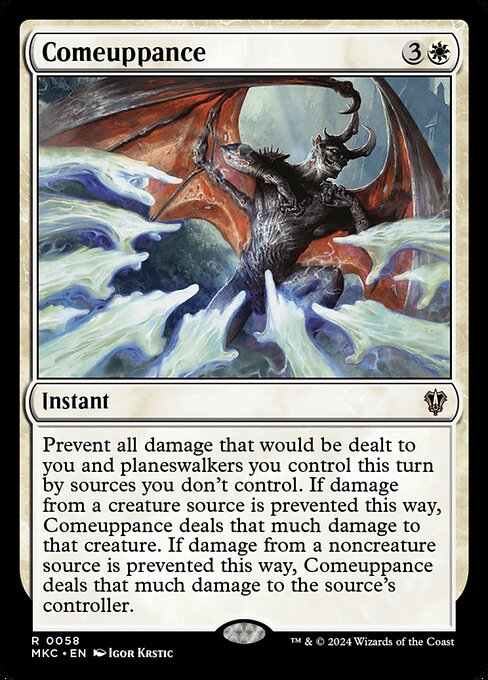
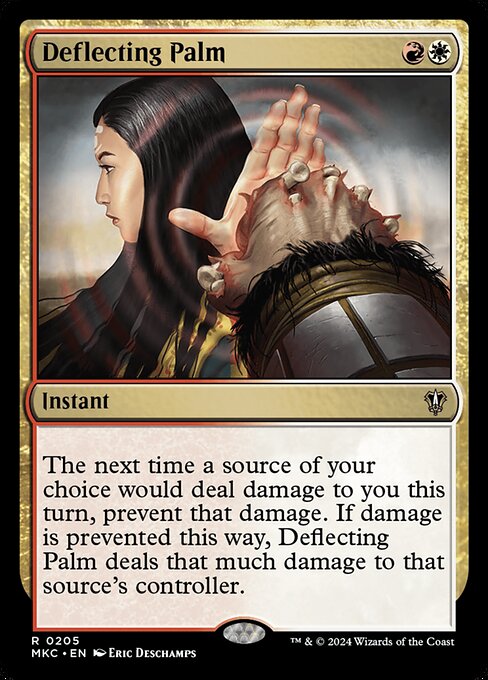
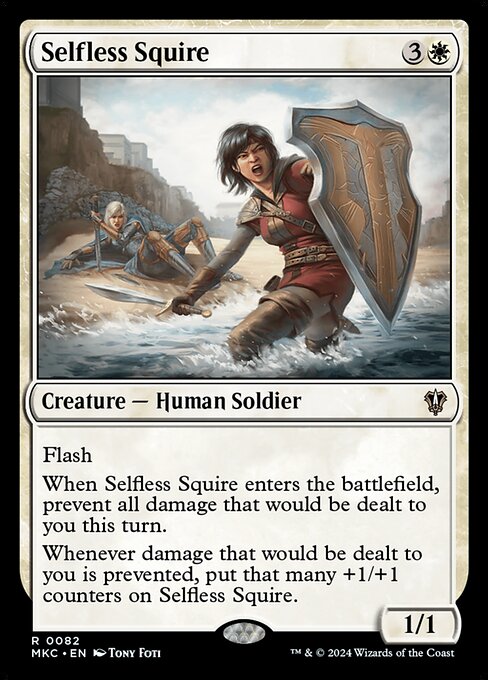
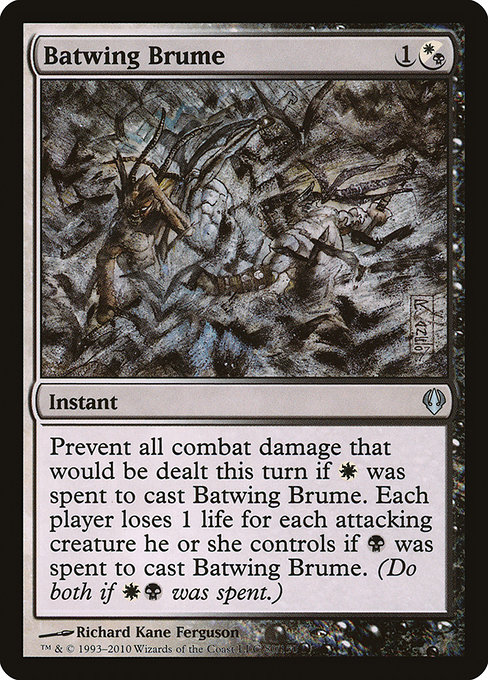
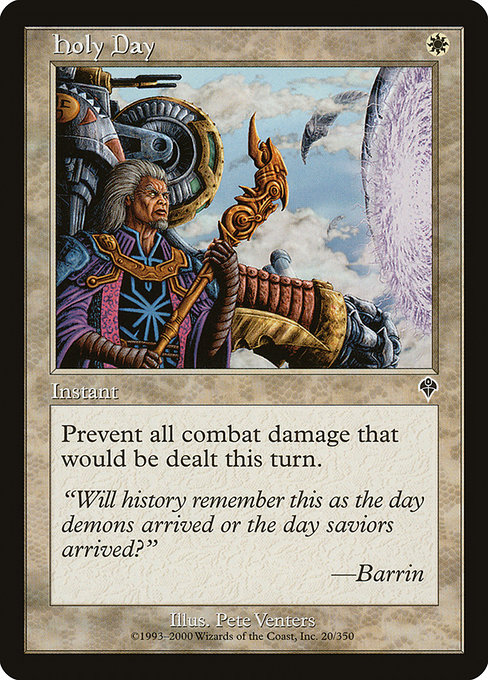
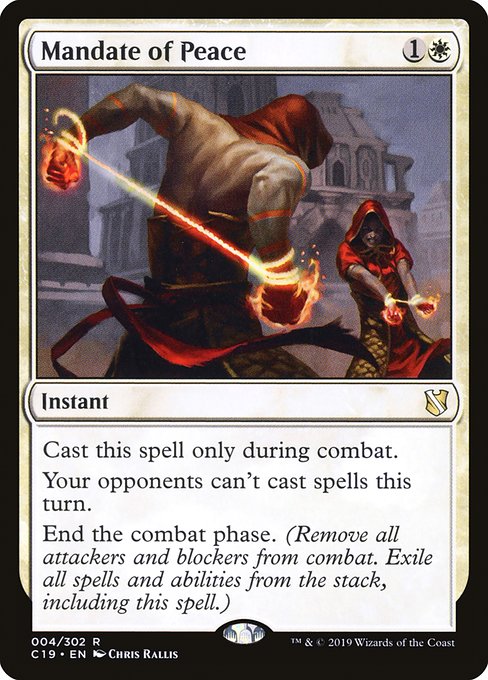
Now what really elevates the deck is how brutally it punishes aggression. Opponents quickly learn that attacking blindly is dangerous when yo’re holding cards like Inkshield, Comeuppance, Deflecting Palm, or Selfless Squire. Even smaller tricks like Batwing Brume, Holy Day, and Mandate of Peace can completely undo combat steps and swing momentum back in your favor. These aren’t just fog effects, they’re political weapons. One bad attack can knock a player out or hand you an overwhelming advantage.
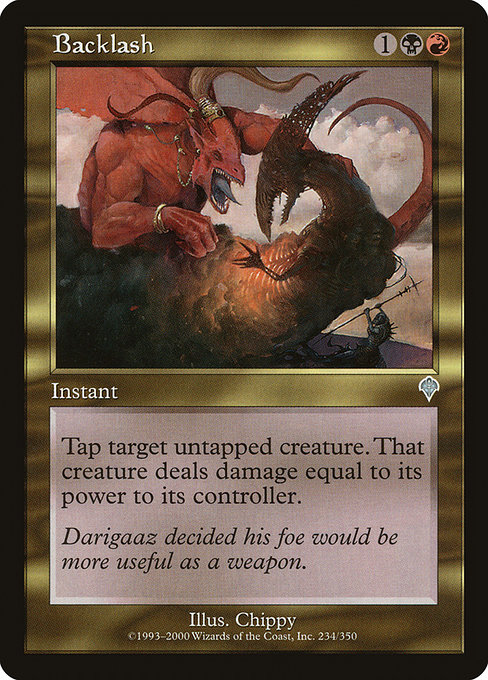
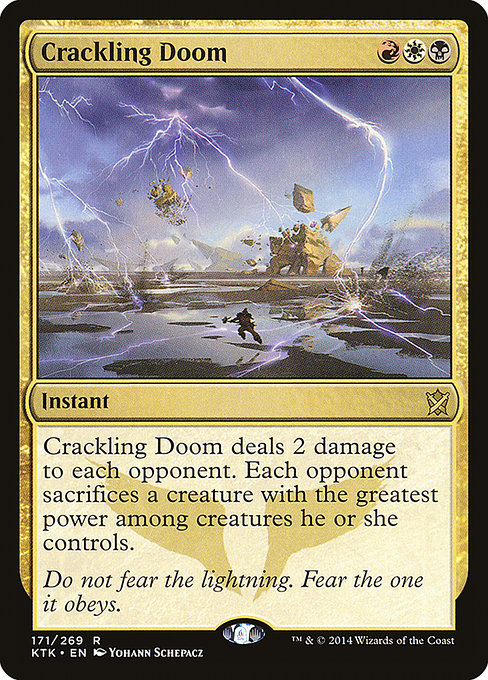
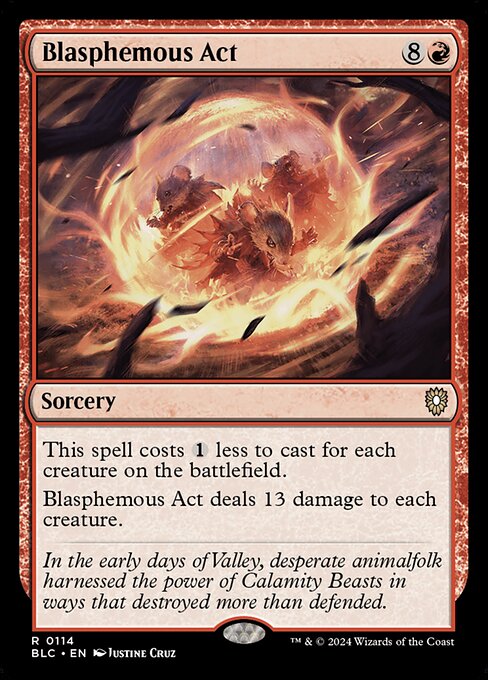
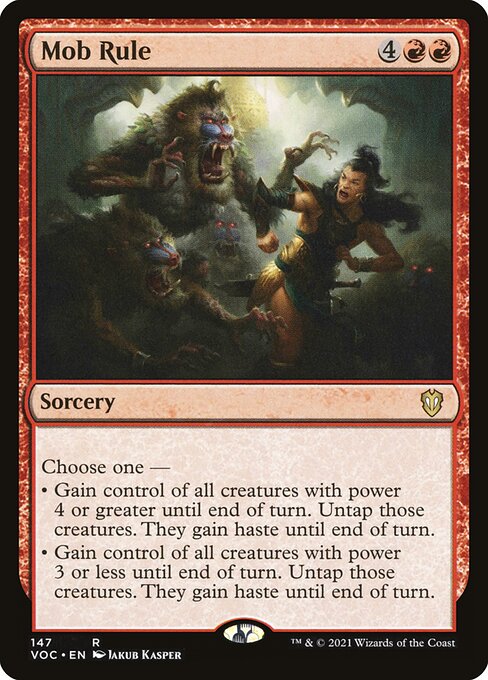
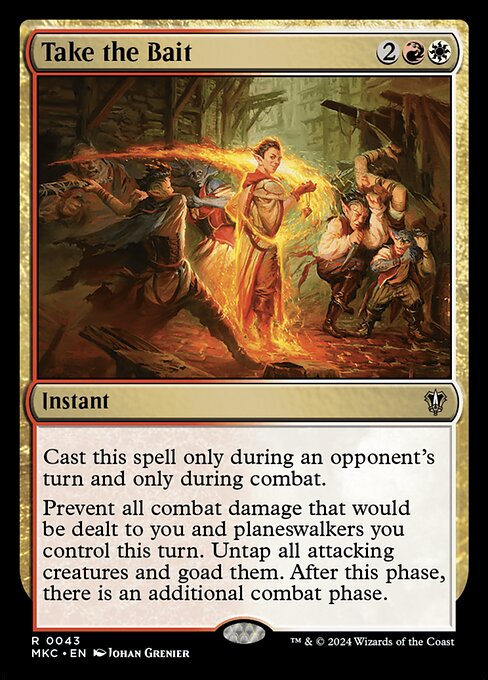
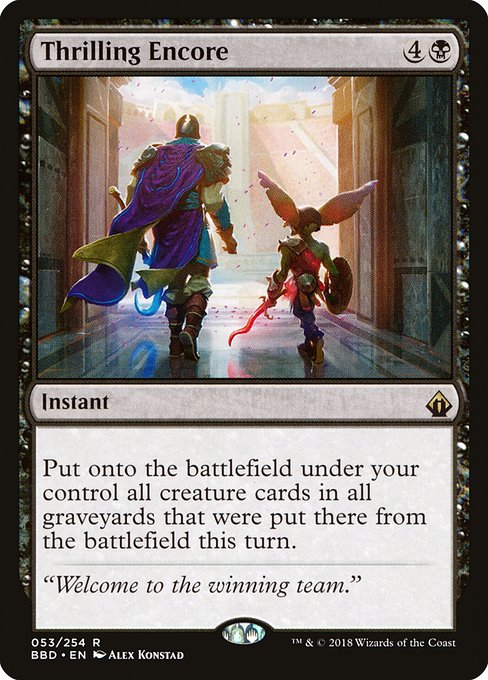
The deck also has a knack for turning opponents’ power against them. Backlash and Crackling Doom punish oversized threats, while Brash Taunter paired with Blasphemous Act can end games out of nowhere. Mob Rule and Take the Bait let you borrow boards just long enough to make sure someone else doesn’t get to keep them. Even Thrilling Encore becomes backbreaking when the table wipes itself trying to deal with a shared threat.
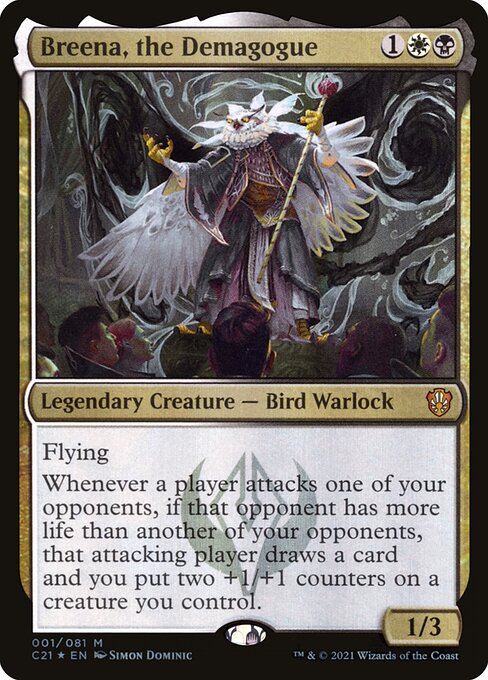
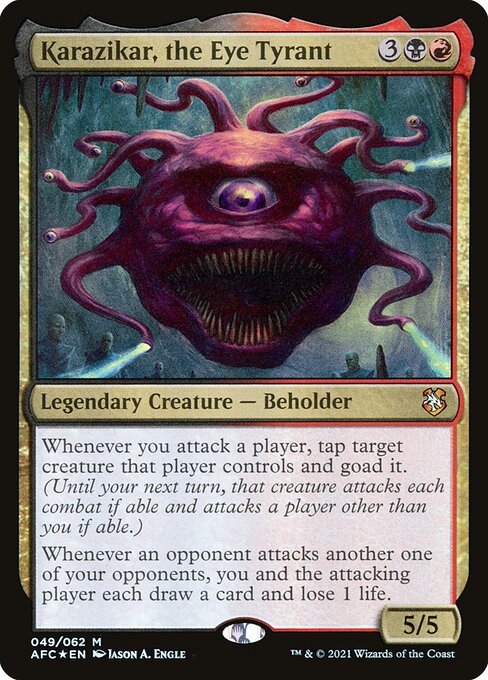
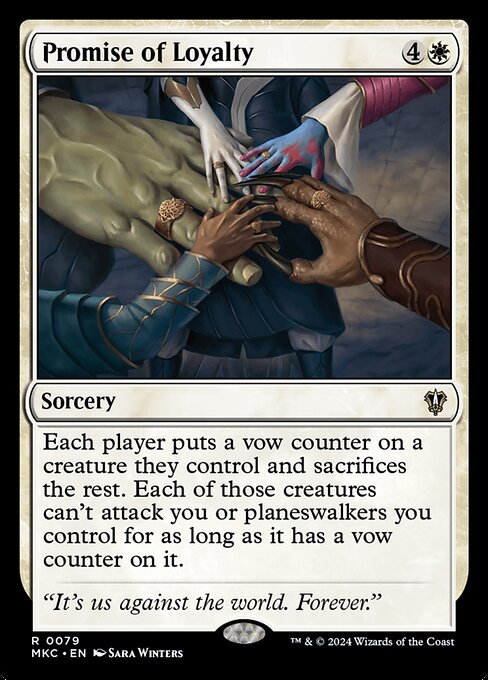
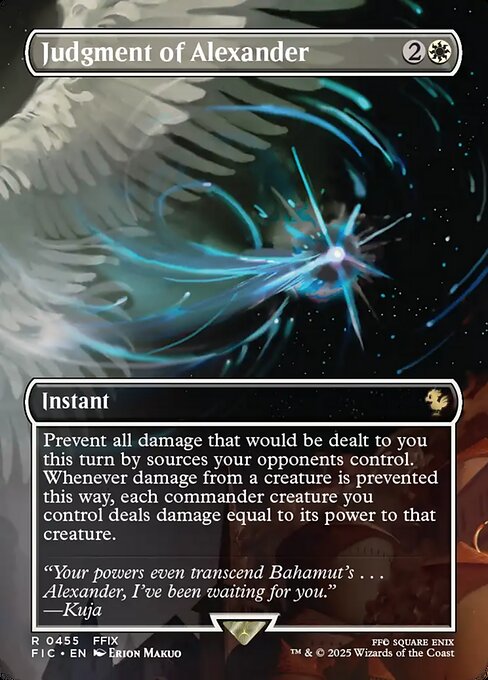
Marchesa’s monarch game plan naturally supports a political endgame. Cards like Breena, the Demagogue, and Karazikar, the Eye Tyrant reward opponents for attacking each other, not you. Meanwhile, Promise of Loyalty and Judgment of Alexander subtly reset the board in ways that preserve your advantage rather than resetting the game. You’re never the archenemy, but you’re the referee, you decide when violence is allowed and when it’s suddenly very expensive.
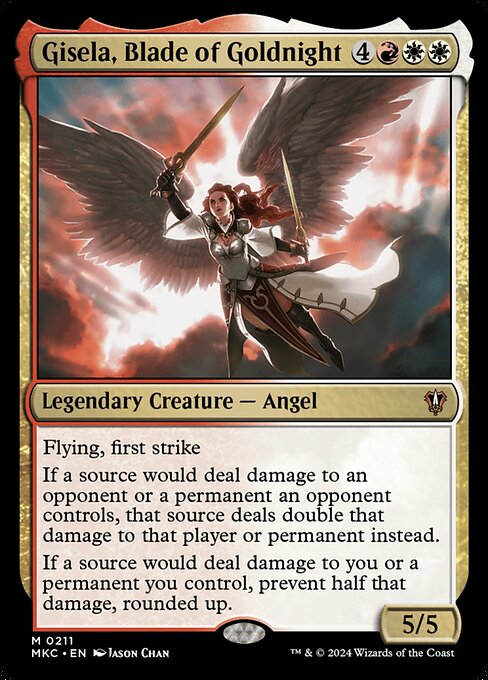
Closing out games often happens without much fanfare. Sometimes Gisela, Blade of Goldnight turns a chaotic combat step into lethal damage. Sometimes an overconfident swing walks straight into Inkshield and ends on the spot. Other times, the table simply exhausts itself while you sit comfortably ahead on cards, life, and positioning. The deck doesn’t need to race, it just needs the game to keep moving.
This is Queen Marchesa at her most elegant: drawing cards while everyone else bleeds, steering combat without ever commanding an army, and winning games by making sure your opponents’ best turns are also their worst mistakes.
Planeswalkers (1)
Creatures (20)
Instants (21)
Sorceries (7)
Artifacts (9)
Enchantments (5)
Lands (38)
101 Cards
$640.03
Archetype 3: Legends as Leverage
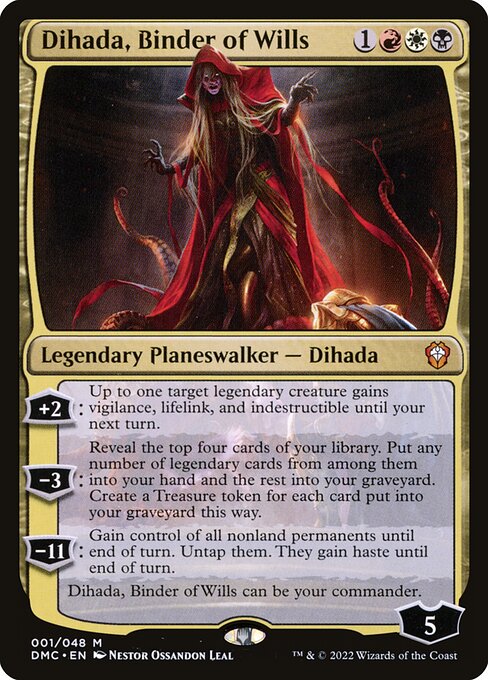
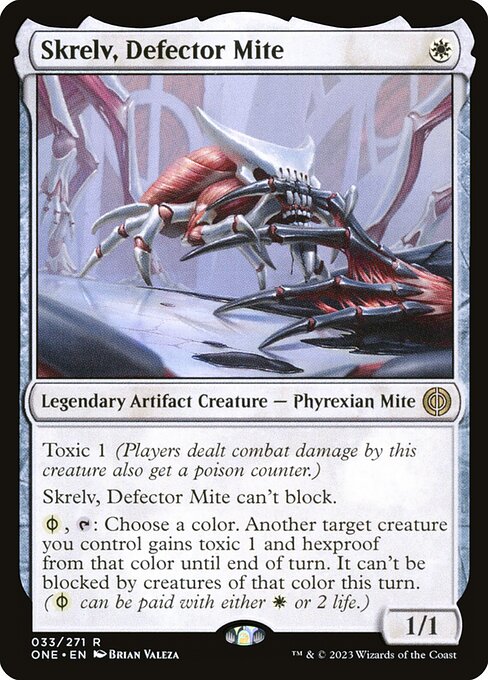
With Dihada, Binder of Wills at the helm, this list plays like a parade of mythic threats where every creature is doing at least two jobs at once. You’re not just casting legends because they’re strong on their own, you’re building a board state where each permanent reinforces the rest, similar to how a Jodah Legends deck plays. From the moment Dihada enters the battlefield, she starts acting like both a shield and a value engine, giving key legends lifelink and indestructible while stocking your graveyard and hand.
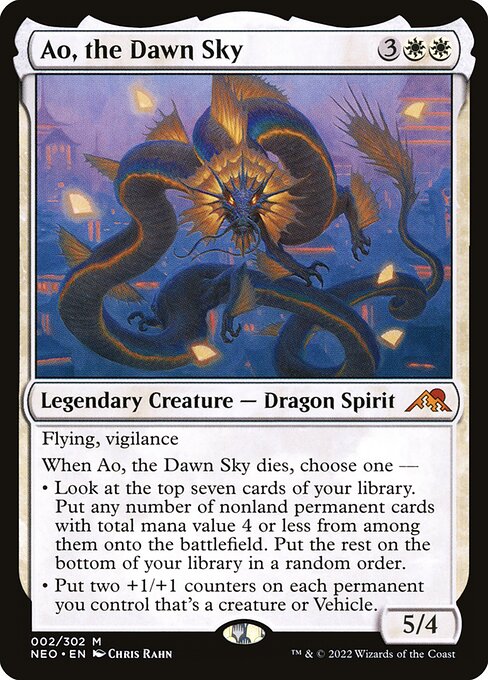
One of the deck’s biggest strengths is how hard it is to interact with profitably. Many of your best creatures either punish removal or come back stronger afterward. Ao, the Dawn Sky, Junji, the Midnight Sky, and Athreos, God of Passage all turn death into advantage, while Celestine, the Living Saint, Reanimate, and Primevals' Glorious Rebirth make the graveyard feel more like a second hand than a liability. Even a reset button like Living Death often favors you, since you’re carefully choosing what goes in the graveyard with Dihada’s minus 3 ability.
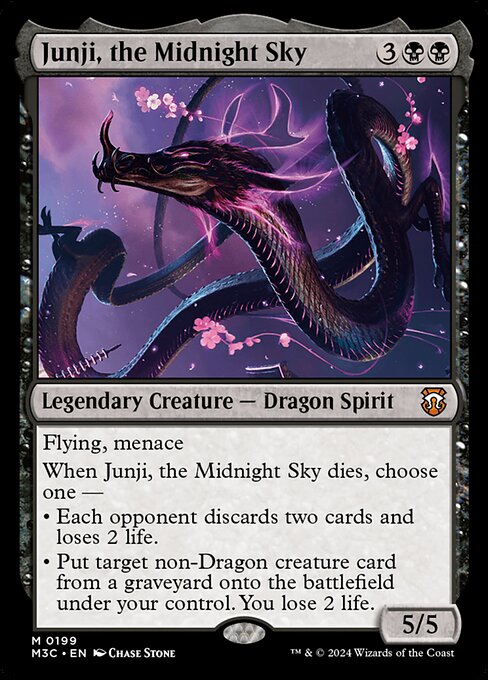
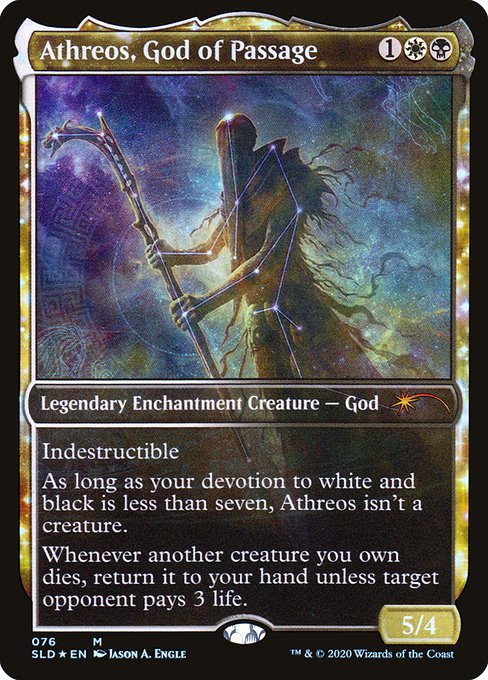

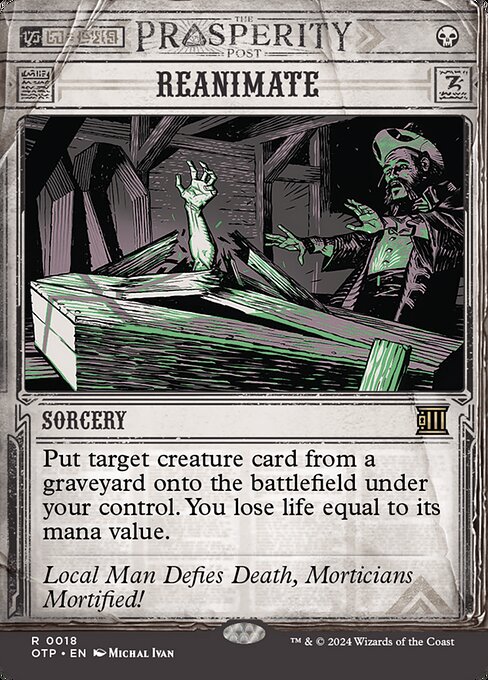
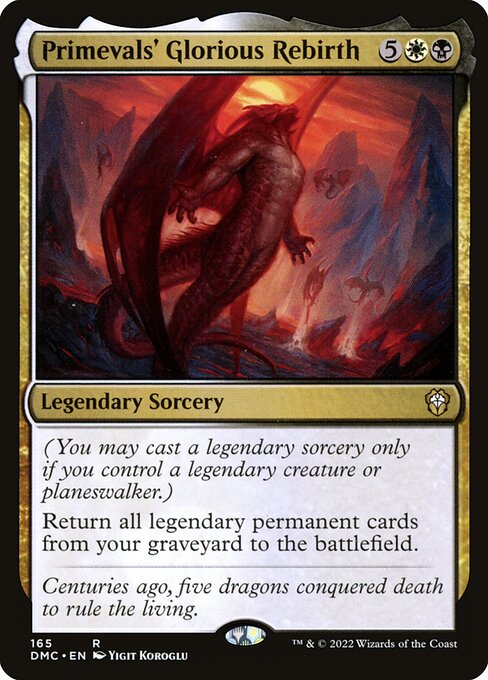

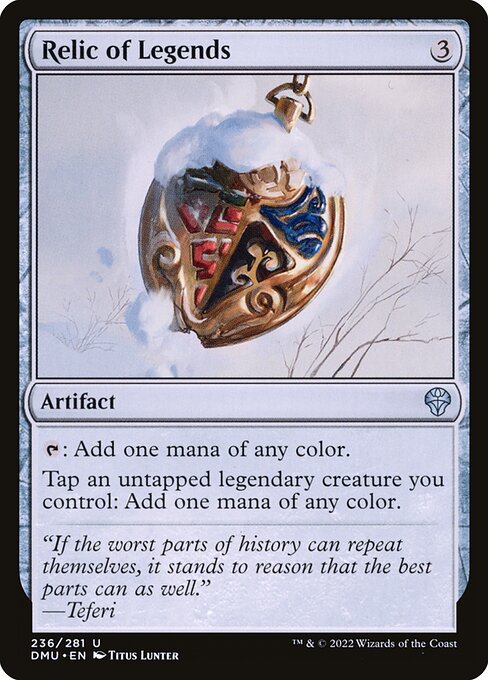
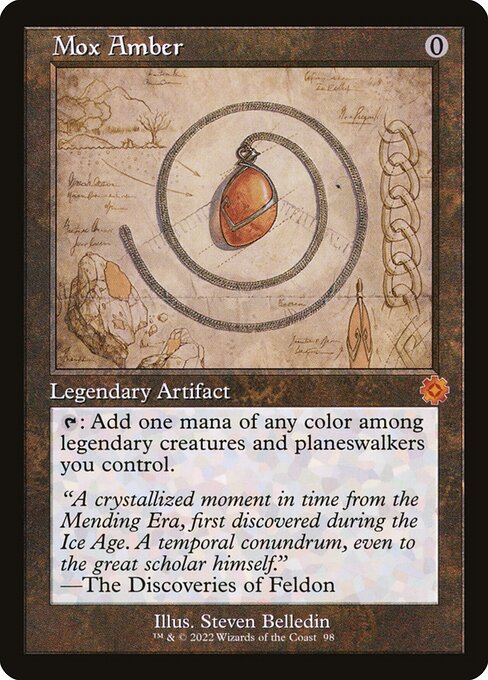
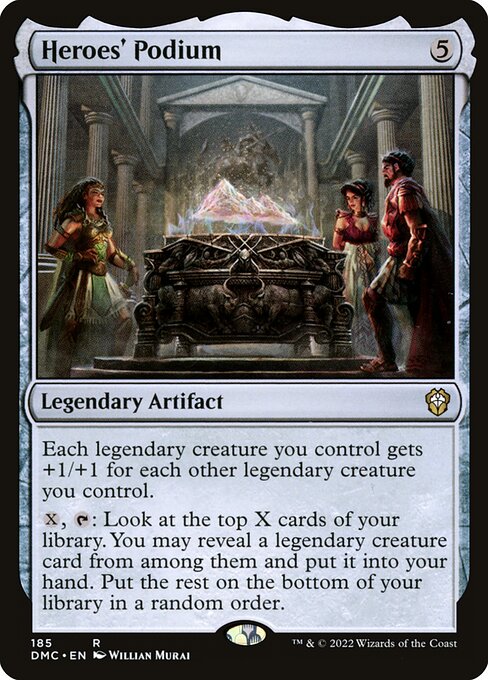
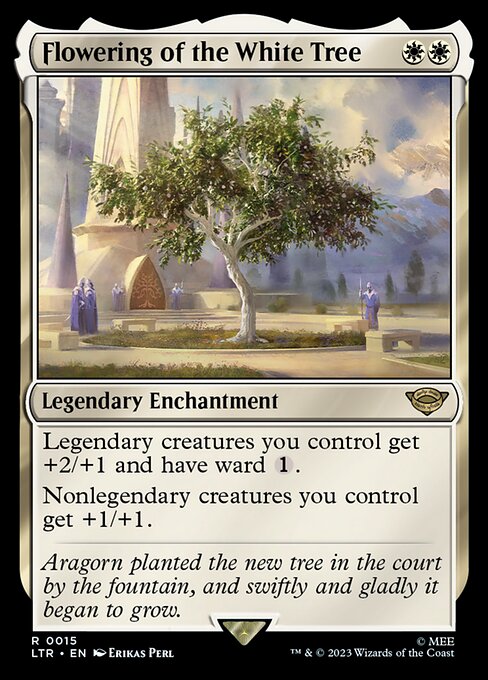
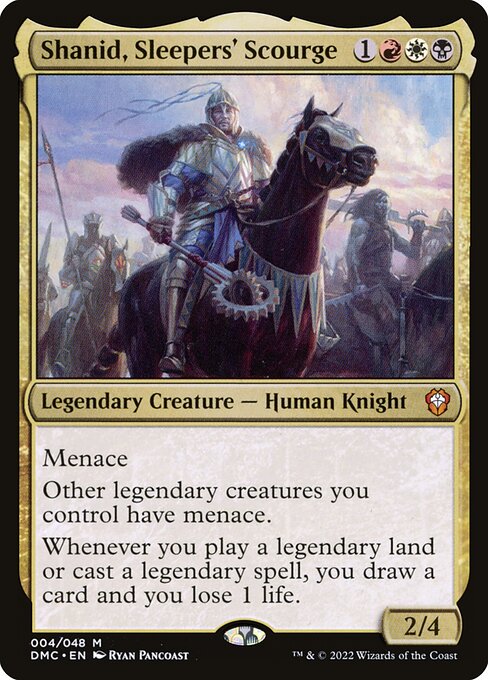
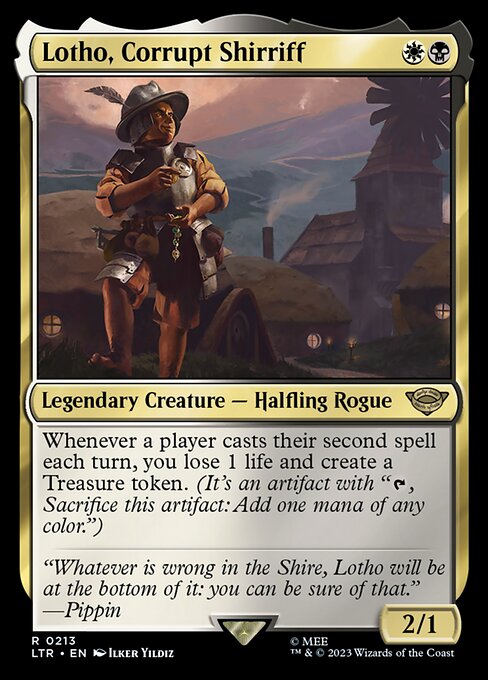
Legendary synergies snowball over the course of the game. Relic of Legends and Mox Amber turn your creatures into extra mana, while Heroes' Podium and Flowering of the White Tree grow your entire team. Cards like Shanid, Sleepers' Scourge and Lotho, Corrupt Shirriff reward you for simply doing what the deck already wants to do (casting legends and attacking) without forcing you into awkward lines.
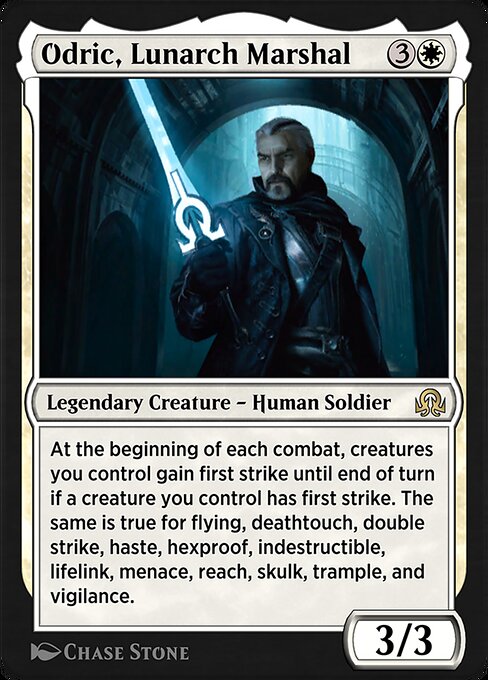
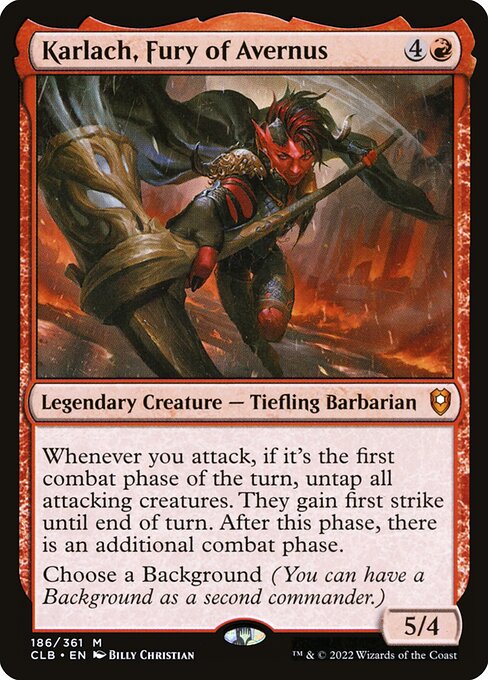
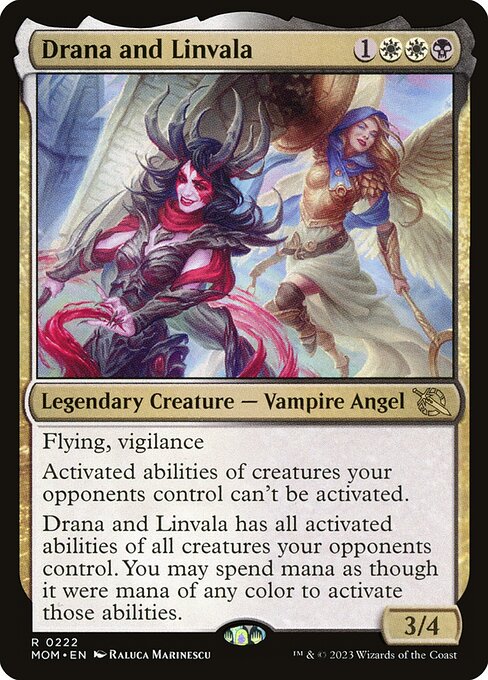
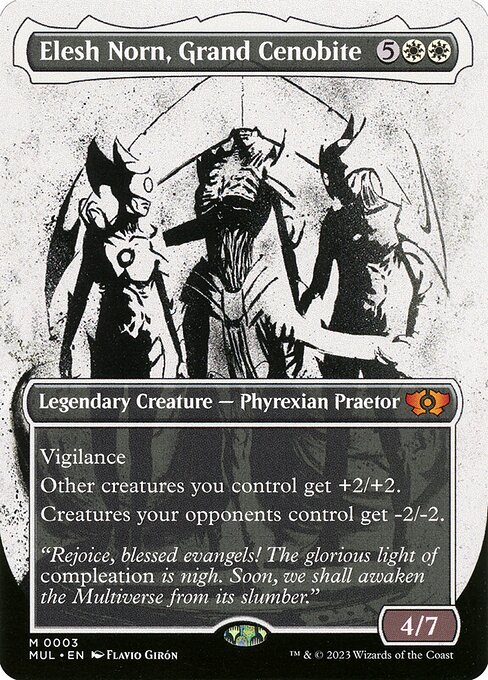
Combat is where the deck often shifts from simply solid to overwhelming. Odric, Lunarch Marshal turns your scattered keywords into a shared arsenal, Karlach, Fury of Avernus doubles your combat phase, Drana and Linvala supresses your enemies’ creatures, and Elesh Norn, Grand Cenobite buffs all your creatures while weakening or outright killing your opponents creatures.
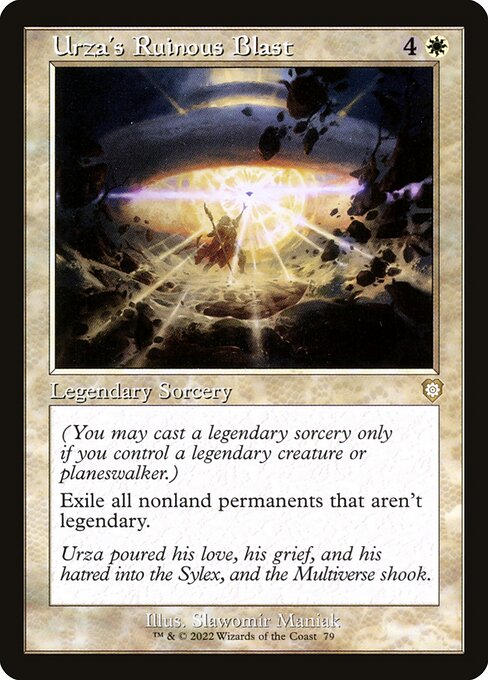
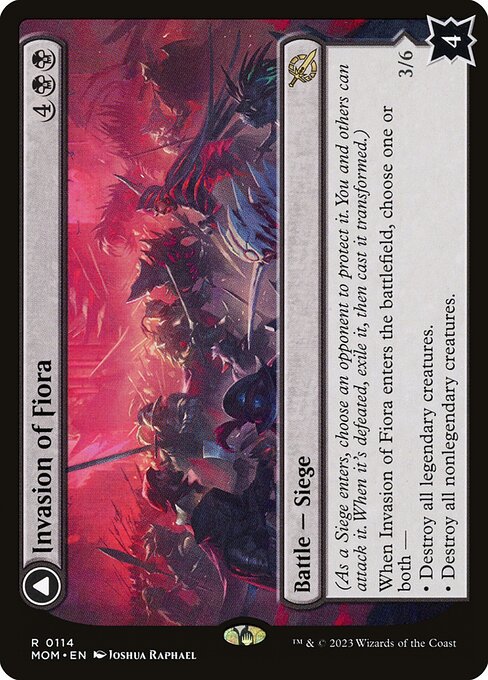
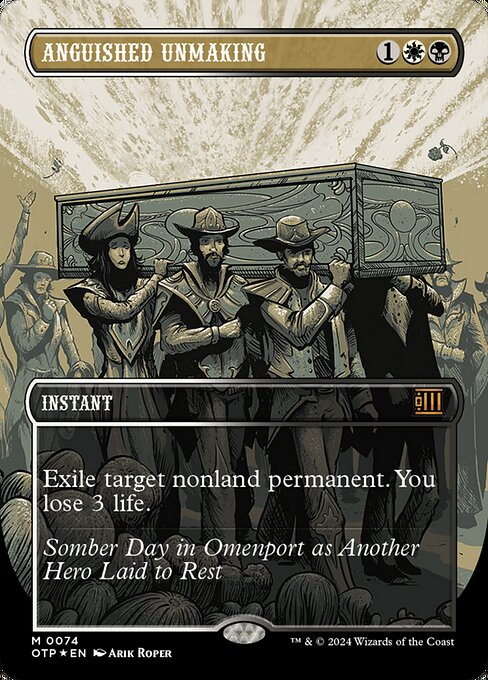
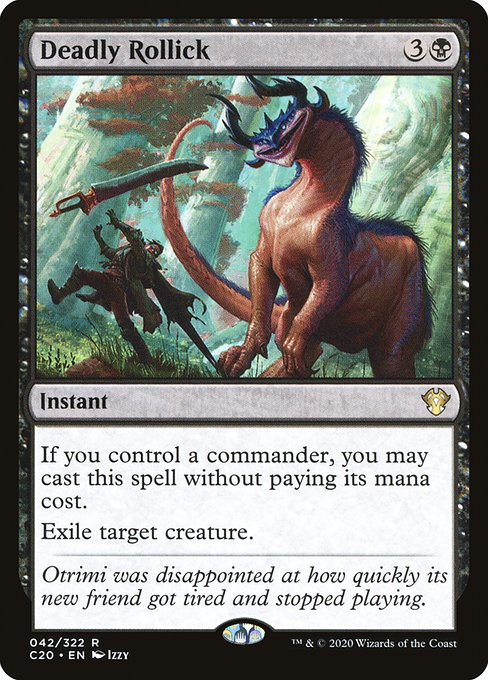
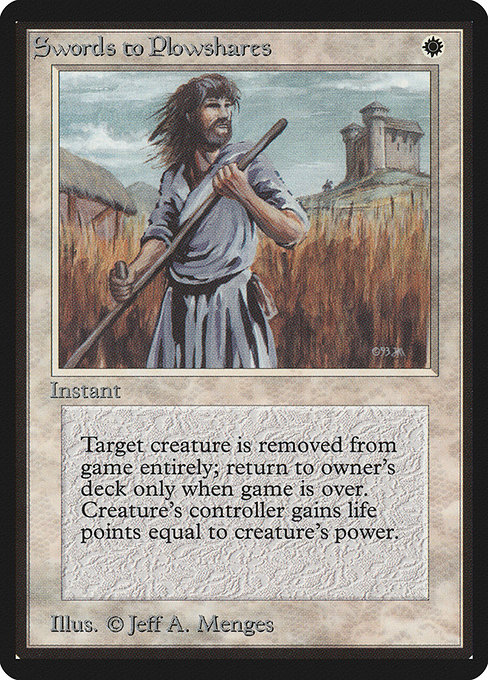
The deck also excels at asymmetric board control. Urza's Ruinous Blast and Invasion of Fiora feel tailor-made here, wiping away nonlegendary clutter while your board mostly survives intact. When interaction is needed on a smaller scale, cards like Anguished Unmaking, Deadly Rollick, and Swords to Plowshares handle problems clean and cheap.
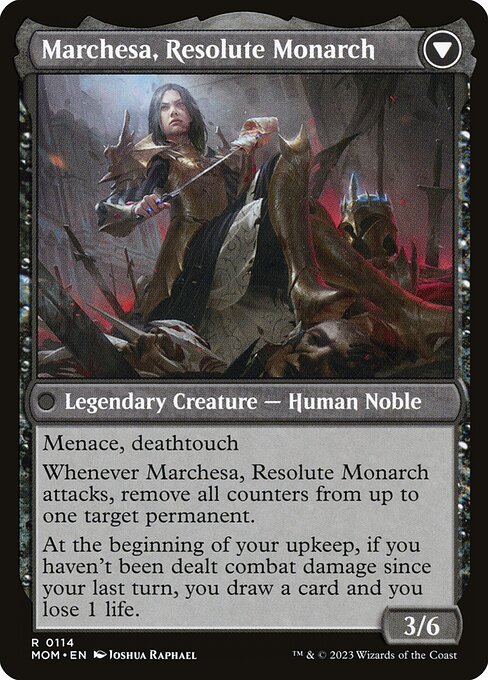
What makes this deck especially dangerous is that it doesn’t rely on a single “must-answer” threat. You can lose any of your Legends and still be ahead because the deck is dense with replacements that demand attention.
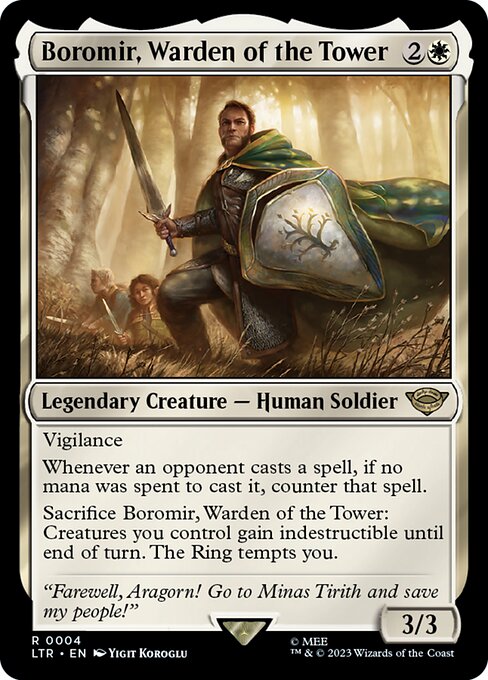
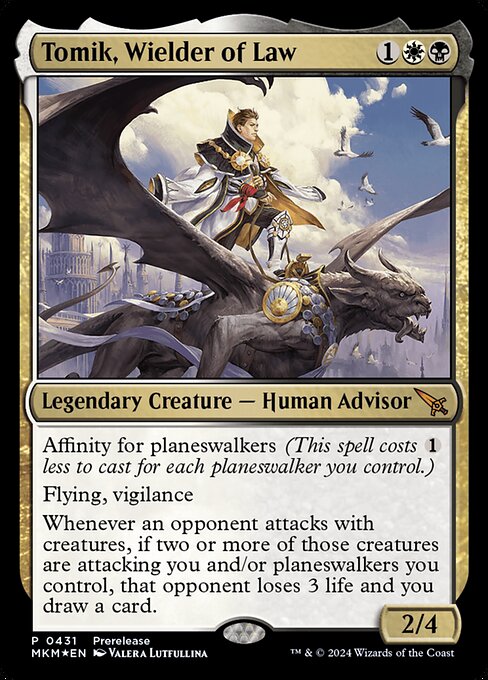
Even your utility Legends like Mangara, the Diplomat, Boromir, Warden of the Tower, and Tomik, Wielder of Law tax your opponents in one way or another just for trying to play normally.
By the late game, the deck often feels like it’s operating on a different axis. Mana is plentiful, your graveyard is full, and your board is filled with individually powerful threats that are difficult to remove. If you like the idea of playing cards that sum to something far greater, this is a deck you should definitely try.
Creatures (35)
Instants (10)
Sorceries (6)
Artifacts (10)
Enchantments (2)
Lands (31)
97 Cards
$1112.42
Archetype 4: Angels, Demons, and Dragons
This archetype is pure good stuff, it strips away subtlety and replaces it with pressure, spectacle, and raw battlefield presence. With Kaalia, Zenith Seeker at the helm, the deck is focused on deploying haymakers, forcing answers, and making every combat step feel dangerously close to being the last.
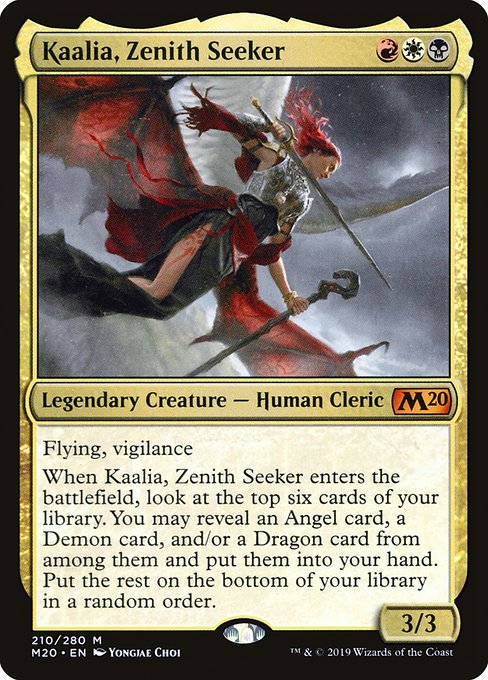
Kaalia’s ability reveals an Angel, Demon, and/or a Dragon every time she enters the field or attacks, she keeps your hand stocked with incredibly powerful threats. Angels are the main force of the deck, while Dragons give a variety of options, and the Demons included are usually engines to keep drawing or tutoring cards.
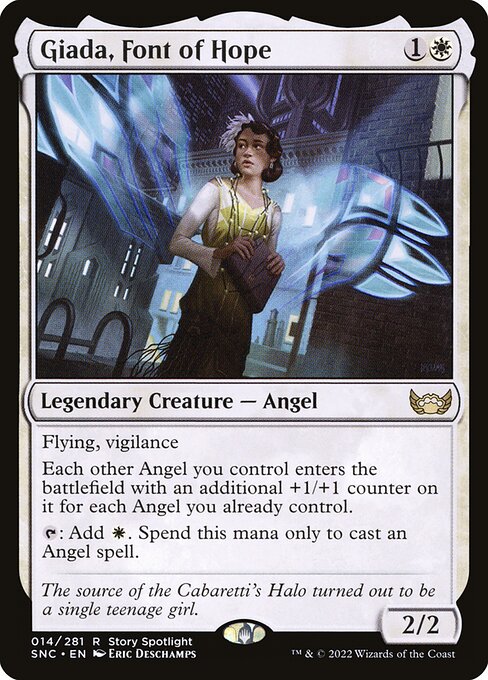
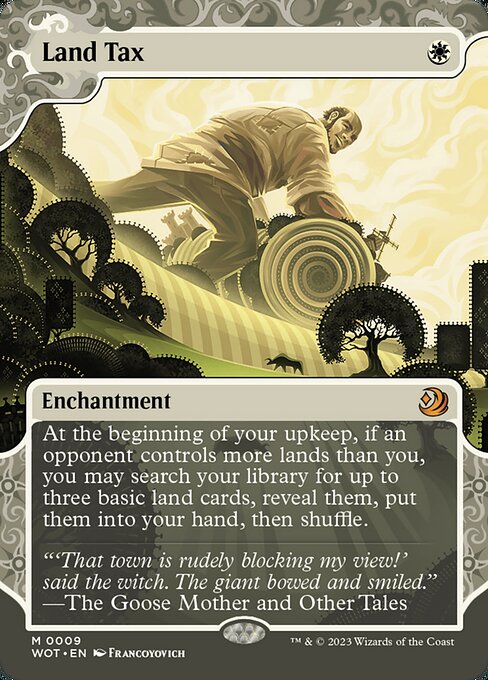
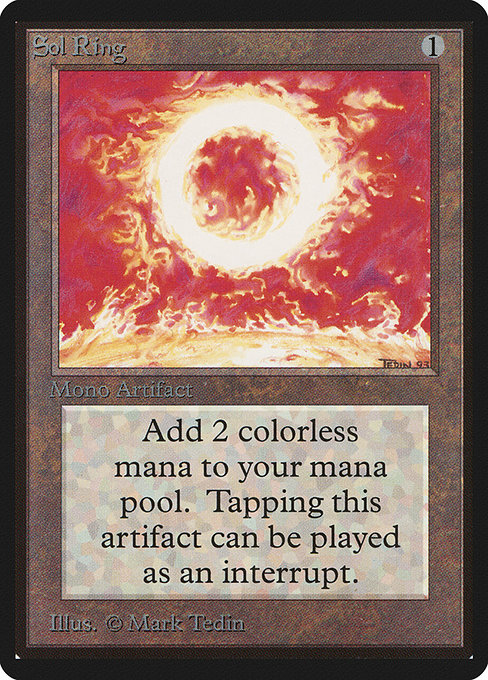
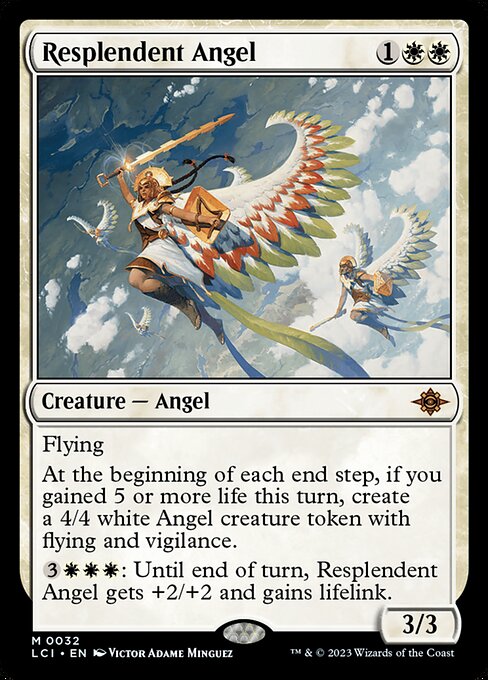
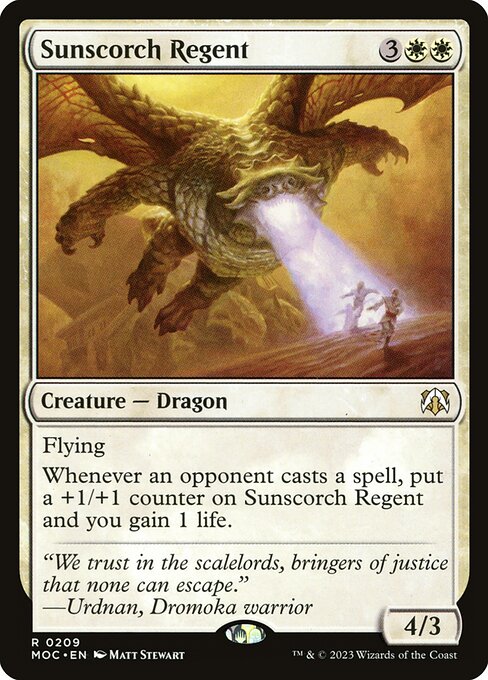
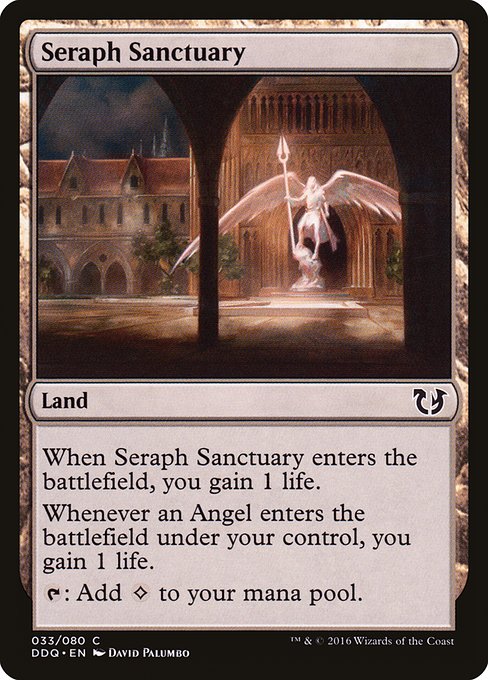
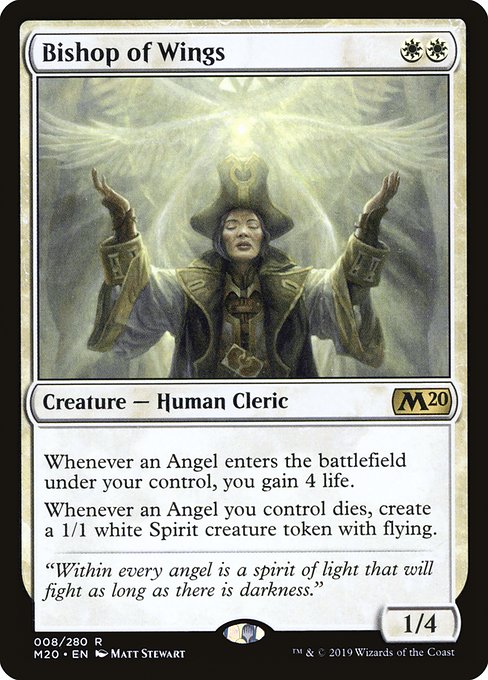
Your support pieces help play your big threats, Giada, Font of Hope accelerates Angels and grows them over time, Land Tax and Sol Ring ensure consistent mana, and life-gain payoffs like Resplendent Angel and Sunscorch Regent turn routine plays into must-answer threats. Add in Seraph Sanctuary and Bishop of Wings, and simply casting Angels pushes you further ahead.
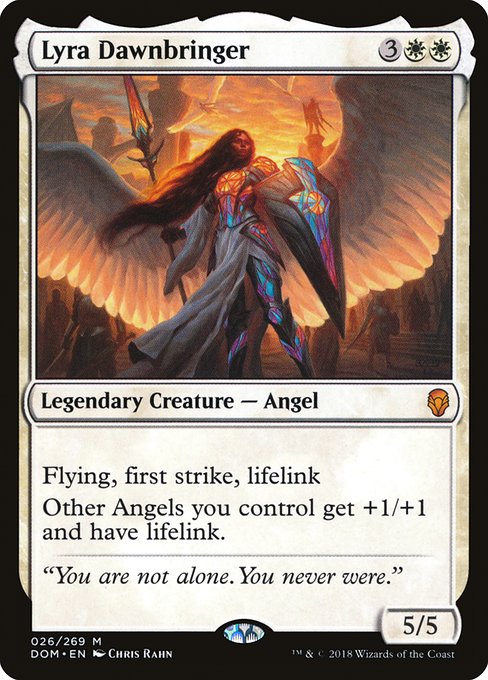
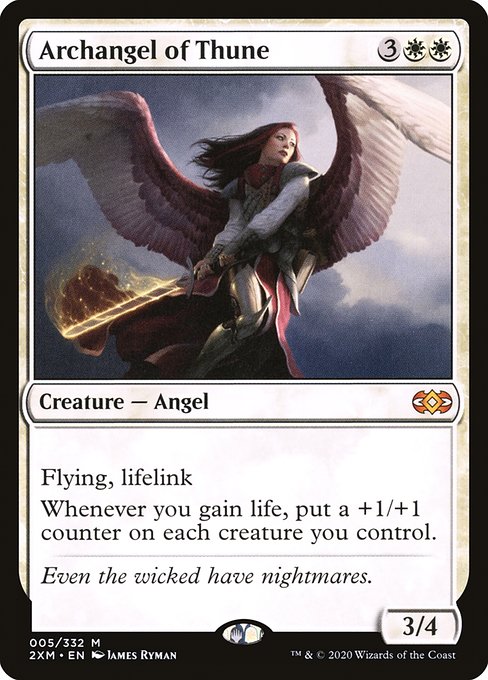
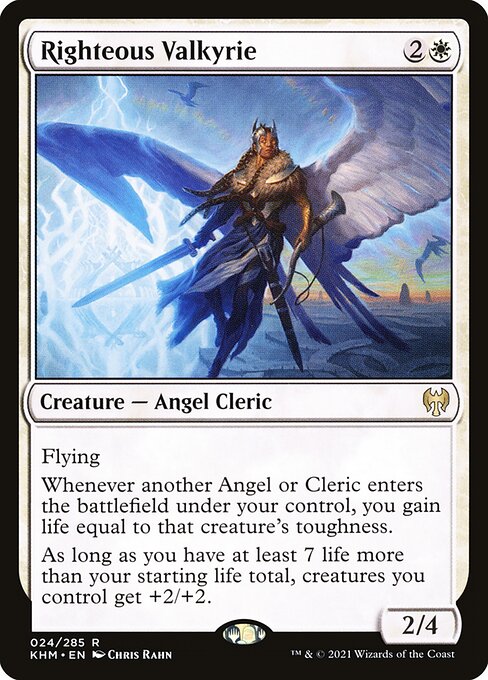
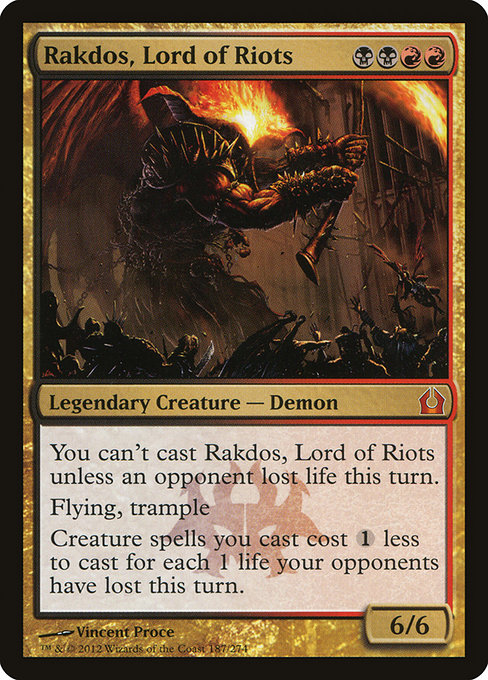
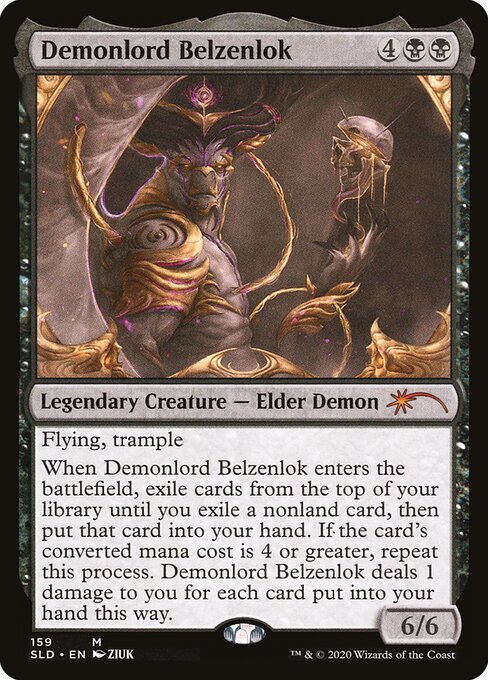
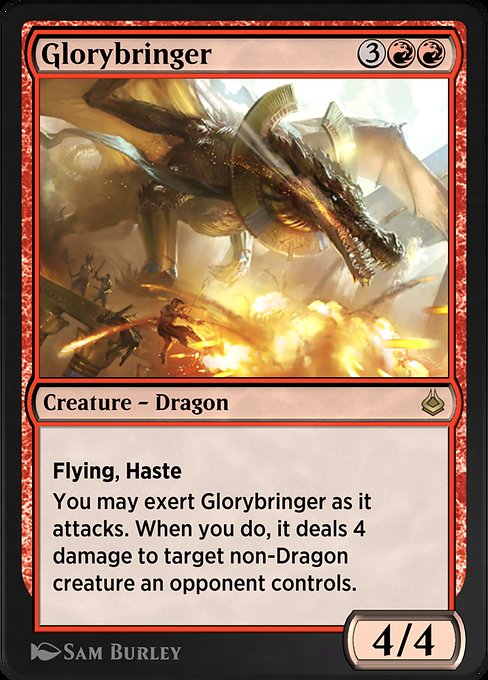
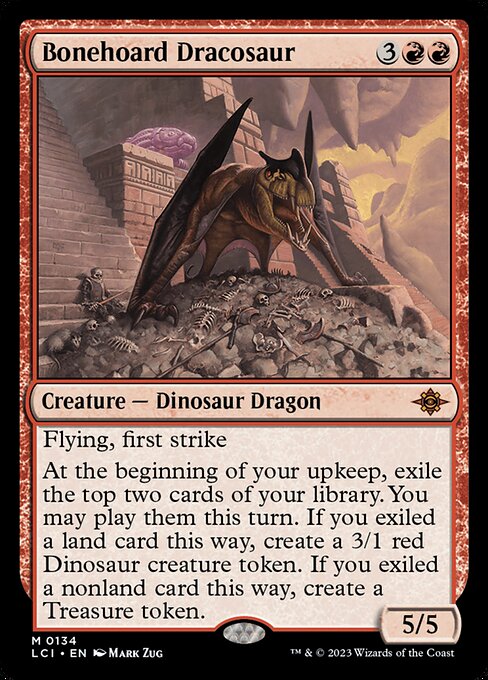
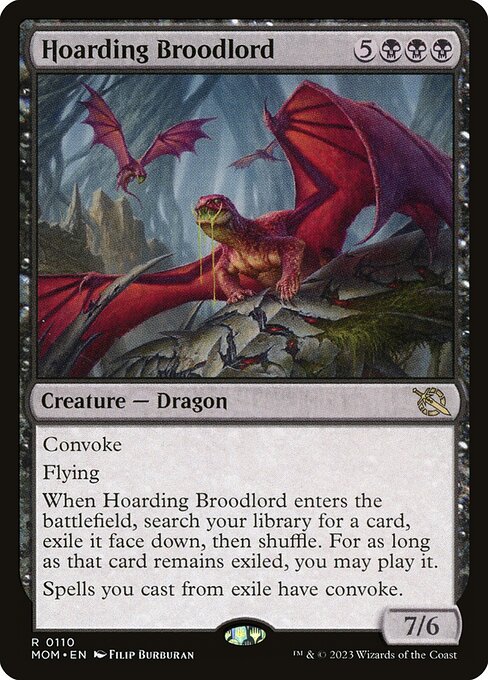
The creature suite is built to dominate combat and warp the table. Angels like Lyra Dawnbringer, Archangel of Thune, and Righteous Valkyrie help you turn life totals into a resource, quickly pushing you out of reach while scaling your board. Demons such as Rakdos, Lord of Riots and Demonlord Belzenlok reward aggression and card draw, while Dragons like Glorybringer, Bonehoard Dracosaur, and Hoarding Broodlord bring immediate impact the moment they land. When Gisela, Blade of Goldnight joins the field, damage math stops being fair altogether.
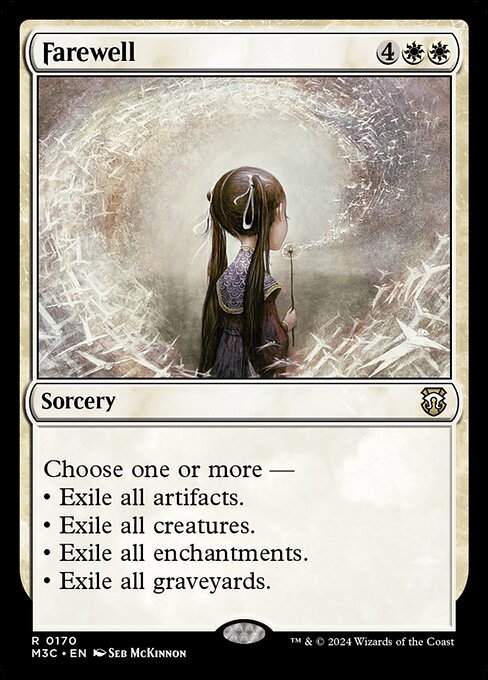
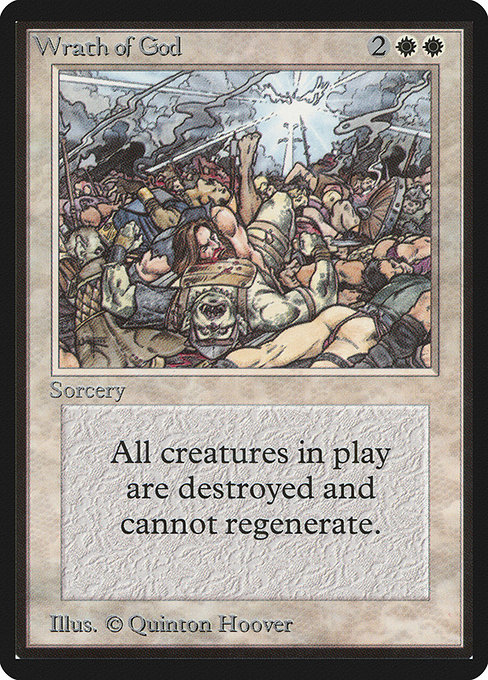
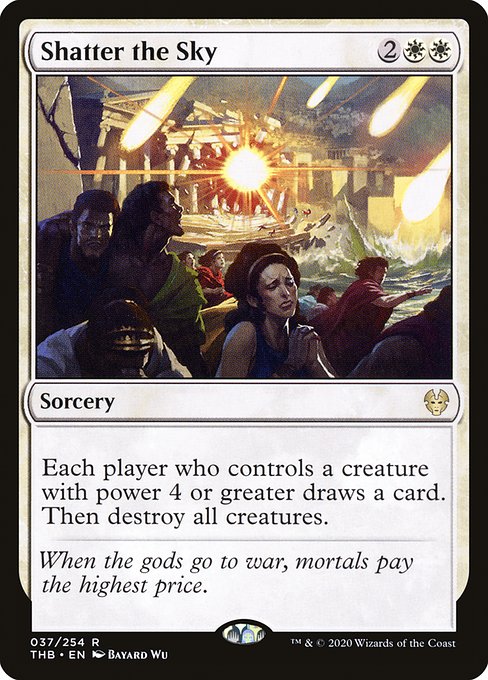
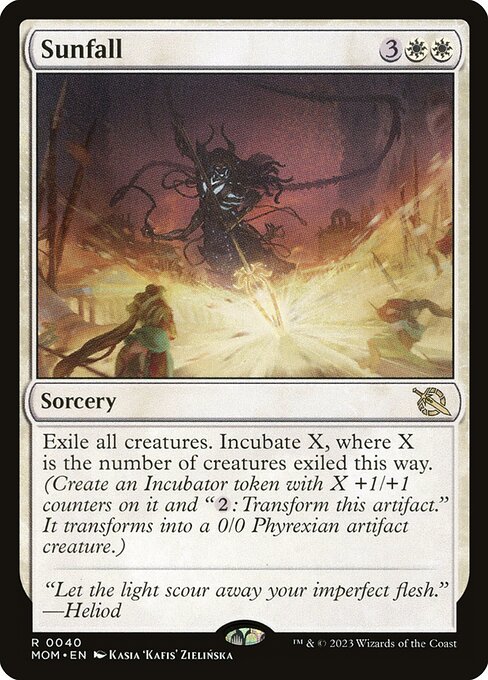
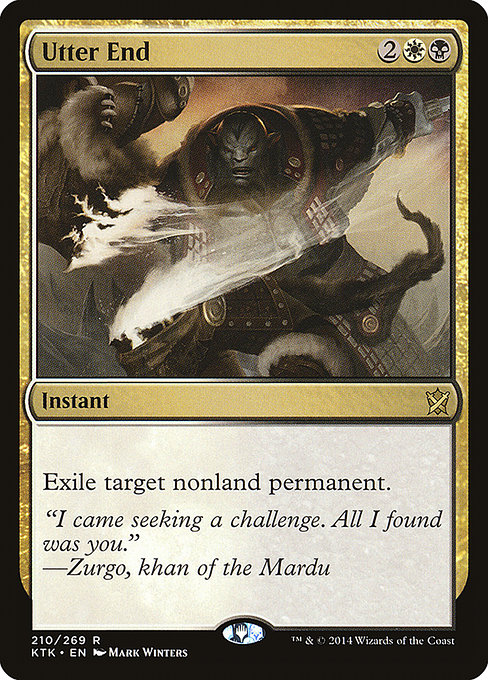
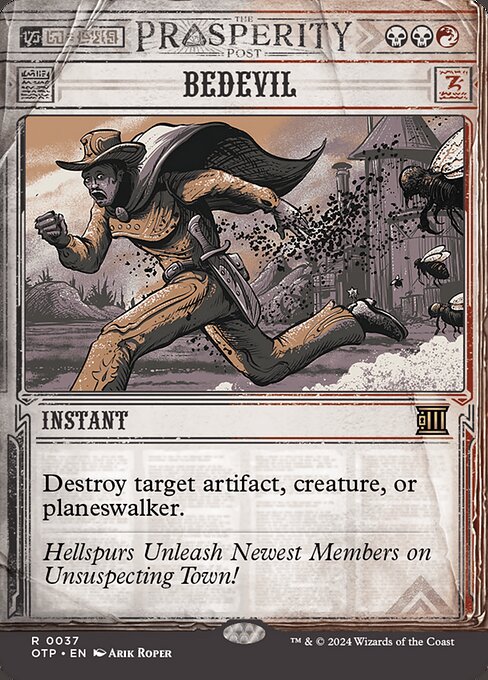
This deck is also far more interactive than it first appears. Sweepers like Farewell, Wrath of God, Shatter the Sky, and Sunfall reset stalled boards while your high-end threats quickly rebuild. Spot interaction such as Anguished Unmaking, Utter End, Crackling Doom, and Bedevil answers nearly anything that slips through.
On the defensive side, Angel heavily punishes overextensions and can flip a losing position into a winning one instantly.
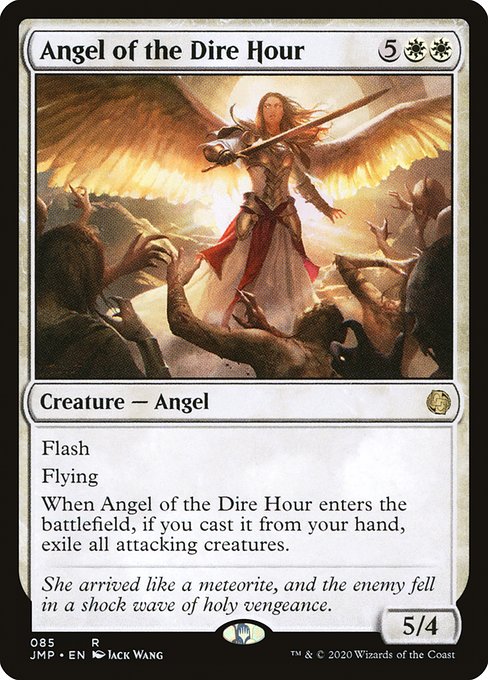
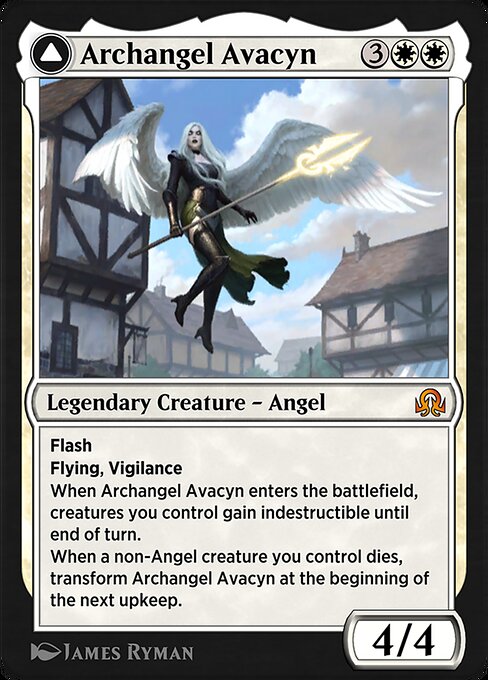
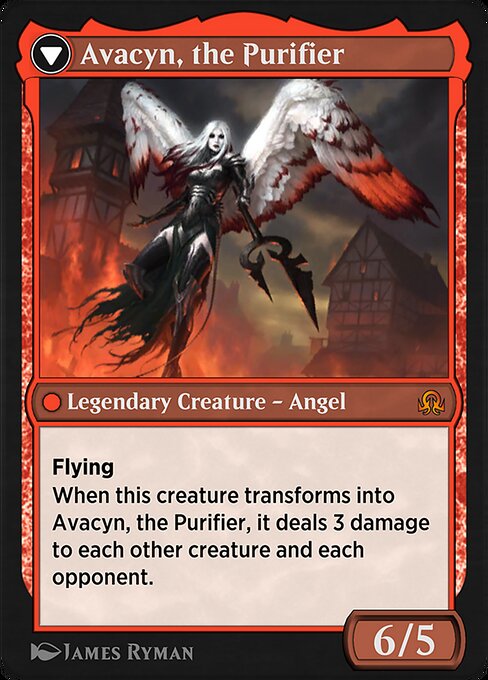
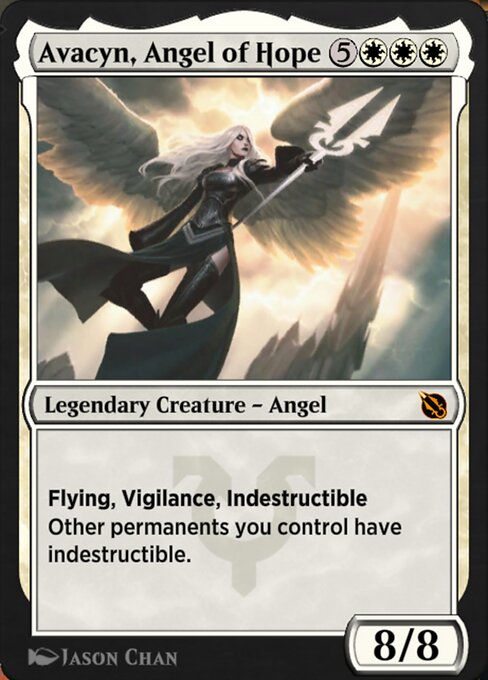
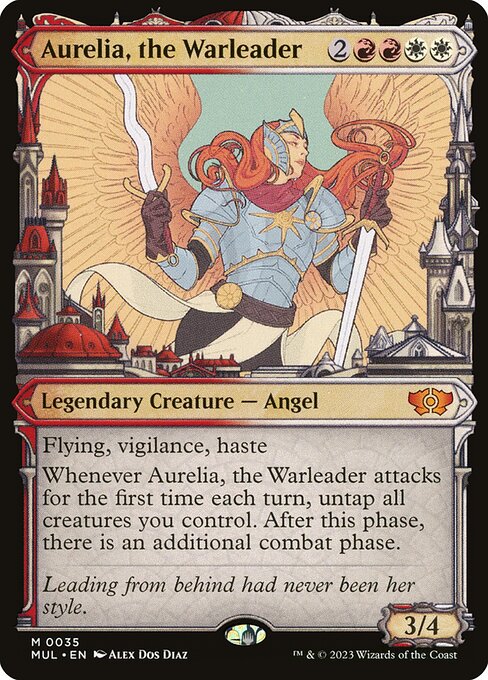
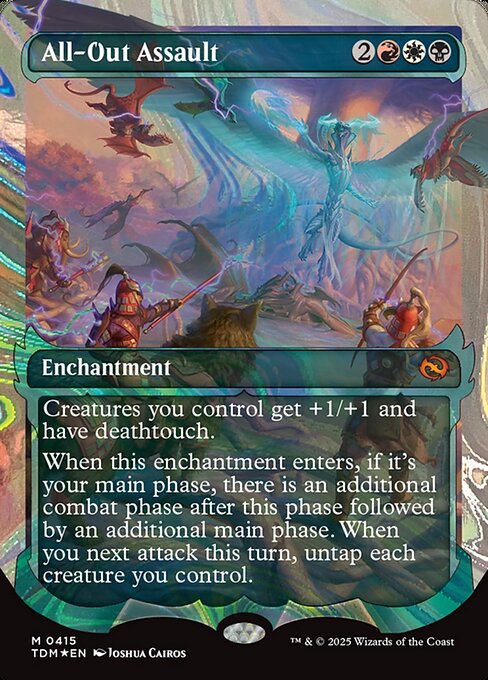
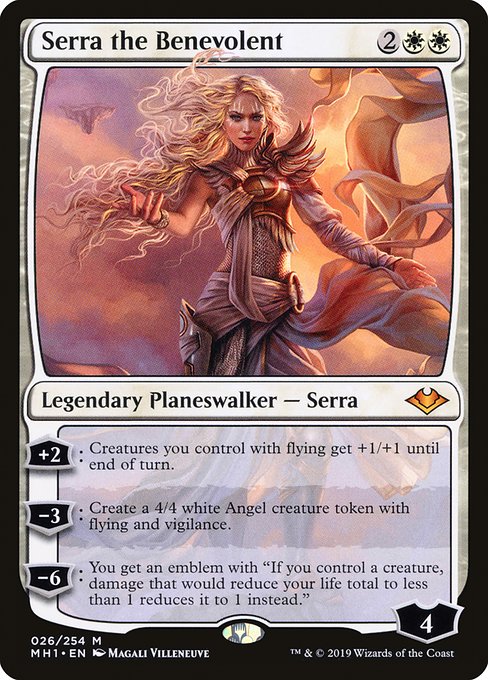
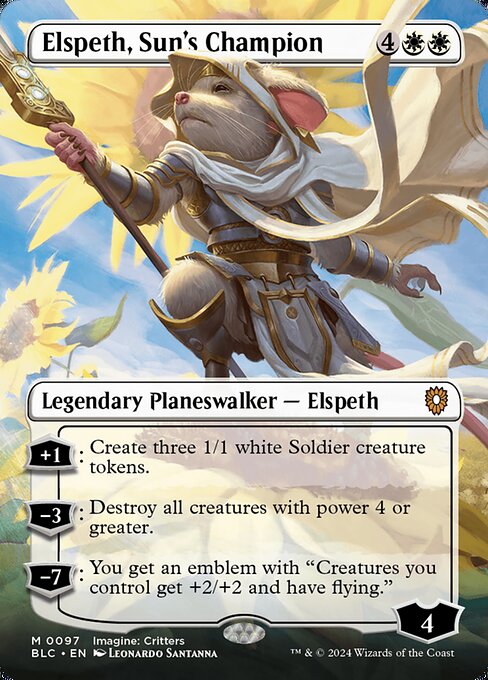
Where the archetype truly shines is in its ability to turn stabilization into domination. Archangel Avacyn and Avacyn, Angel of Hope make your board incredibly hard to dismantle, especially when paired with wraths that leave your creatures standing. Aurelia, the Warleader and All-Out Assault convert board presence into explosive turns, while Serra the Benevolent and Elspeth, Sun's Champion provide both protection and pressure from multiple angles.
At its core, this Kaalia build embodies what many players love about Mardu: decisive turns, powerful creatures, and a constant sense that the game can end in a single combat step. You’re asking one simple question every turn: “Can you deal with this?” and more often than not, the answer is no.
Closing Thoughts
Mardu is a blend of discipline and aggression, a color triad that punishes hesitation and rewards bold, precise plays. Whether you find joy in controlling the pace of a game, dealing punishing blows, or leveraging loss into advantage, Mardu offers tools that let you seize the board and dictate the terms of victory.
With these commanders, the spectrum of ways you can express that philosophy is wide, from token overwhelm to political gameplay, and heavy hitters that land hard. In every case, Mardu rewards players who see the battlefield as something to shape with intent rather than simply react to.