



Green, White and Blue. Growth, Balance, and Foresight — Bant is the color combination of cooperation guided by principle. Where other triads emphasize ambition, instinct, or dominance, Bant focuses on harmony between resources, players, and the battlefield itself. Green supplies growth and resilience, White enforces structure and parity, and Blue provides foresight and refinement. Together, they form a combination that excels at building stable advantages while maintaining control over how the game develops.
In Commander, Bant is not defined by explosive turns but by positioning. Bant decks tend to shape the pace of the game through efficient development, layered interaction, and engines that reward patience. Rather than racing to the finish line, Bant aims to ensure that when the game reaches its most complex stage, it is already the best-prepared player at the table.
This makes Bant particularly well-suited to multiplayer environments. It supports strategies that scale with time, politics, and board presence, allowing its pilots to pivot between defense and offense as the table evolves.
What Bant Does Best
Bant’s strengths come from how seamlessly its colors overlap, creating strategies that are resilient, flexible, and difficult to destabilize.
Efficient Resource Development — Cultivate | Kodama's Reach | Nature's Lore | Farseek
Green provides Bant with some of the most reliable ramp in Commander, allowing it to establish mana early without sacrificing card quality.
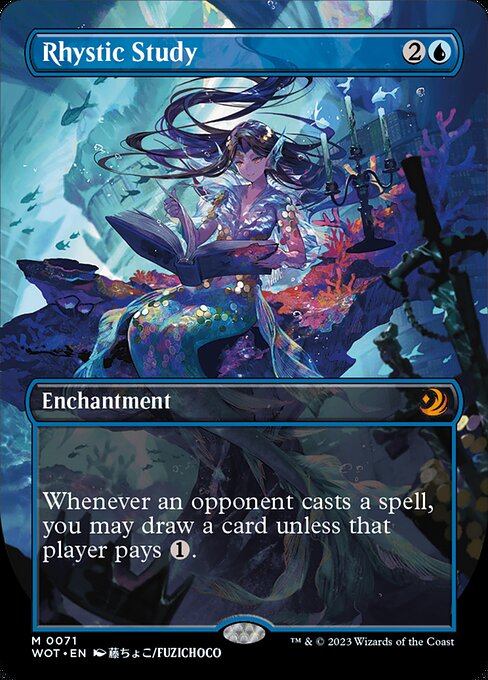
Sustained Card Advantage — Rhystic Study | Mystic Remora | Guardian Project | Beast Whisperer
Bant excels at drawing cards in ways that reward patience and board presence.
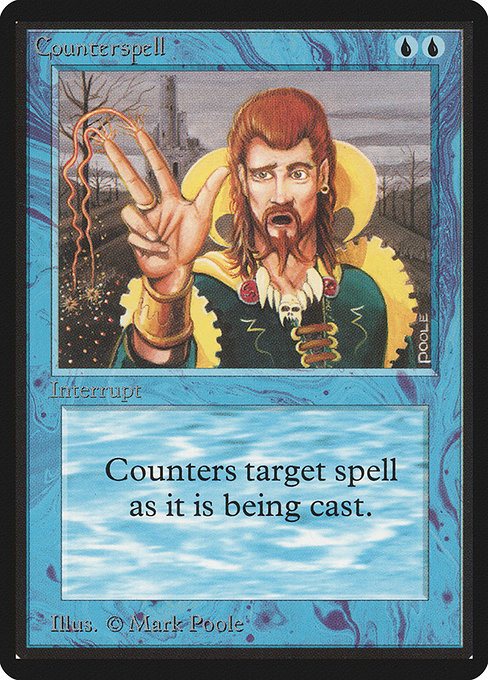
Defensive Interaction and Protection — Counterspell | Heroic Intervention | An Offer You Can't Refuse | Dovin's Veto
Rather than relying on heavy disruption, Bant favors preventative and protective interaction.
Creature-Centric Engines — Tatyova, Benthic Druid | Chulane, Teller of Tales | Brenard, Ginger Sculptor | Knight of Autumn
Bant is at its strongest when creatures do more than attack. From token production to utility creatures and static abilities.
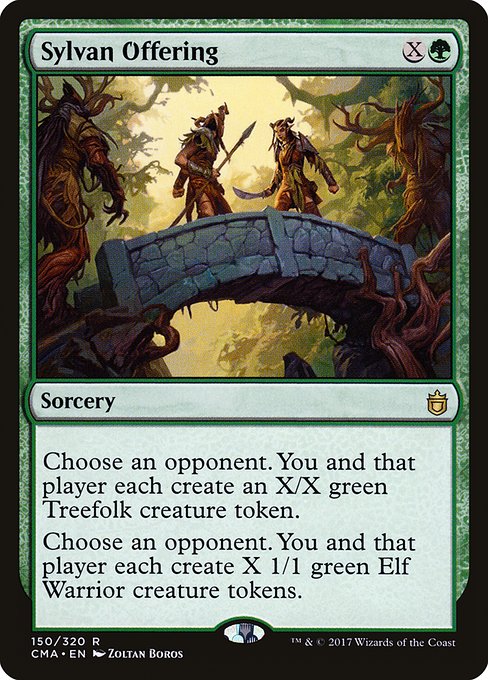
Political and Multiplayer Awareness — Phelddagrif | Secret Rendezvous | Sylvan Offering
Few triads are better equipped to navigate Commander’s social dynamics. White’s parity effects, Blue’s interaction, and Green’s non-threatening development allow Bant decks to influence the table without immediately drawing attention, making it a natural home for political and group-oriented strategies.
So let’s go ahead and explore 4 different archetypes within the Bant umbrella.
Archetype 1: Tokens
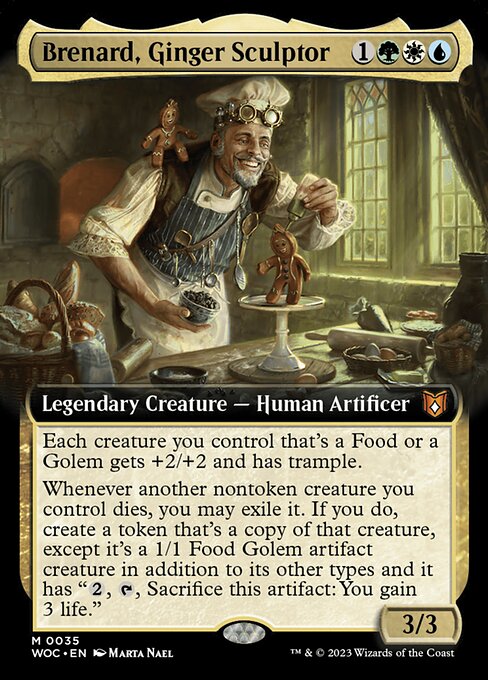
Brenard, Ginger Sculptor takes Bant tokens in a distinctly clever direction, turning the act of losing creatures into a resource rather than a setback. Instead of focusing purely on volume, this archetype leans into resilient board presence, where every nontoken creature threatens to come back as a Food Golem with its abilities intact. That subtle shift changes how opponents interact with you: sweepers and spot removal lose much of their power, and the Brenard player is rewarded for building a battlefield full of value creatures.
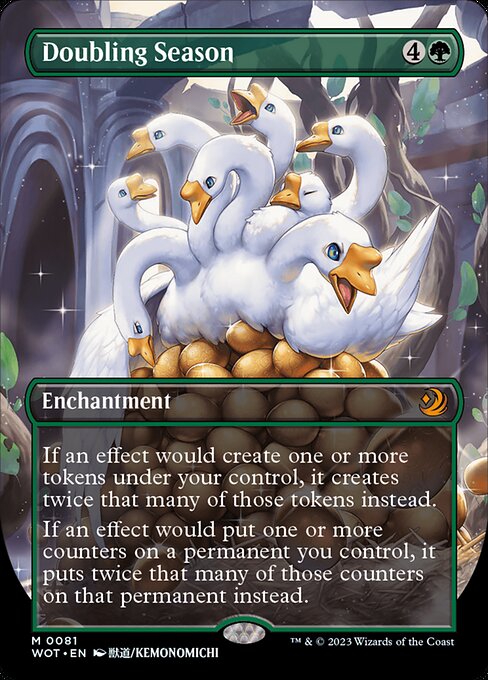
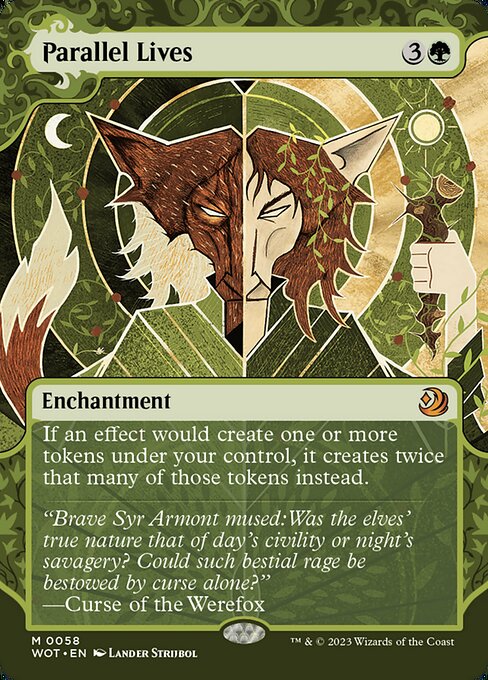
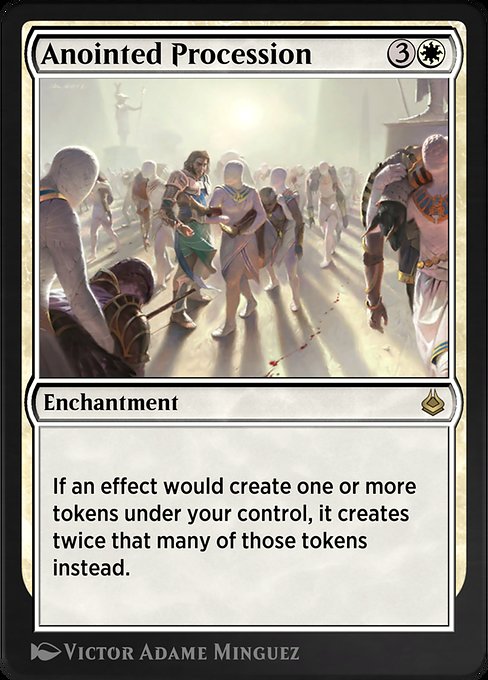
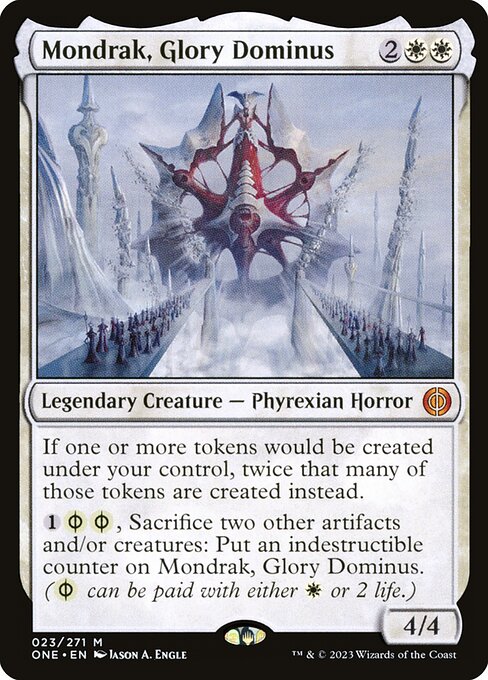
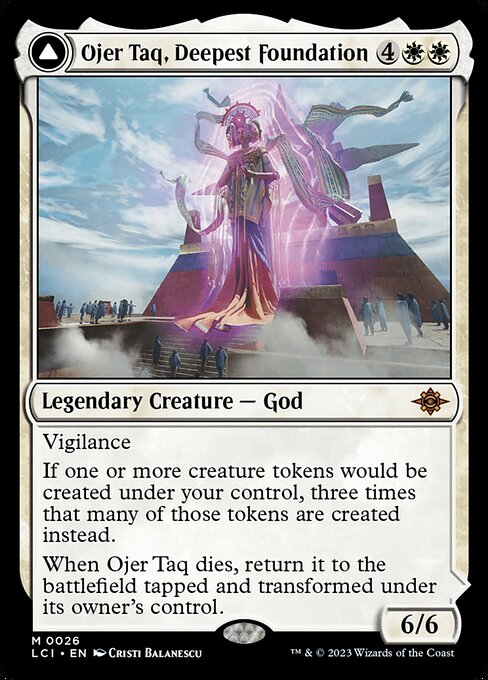
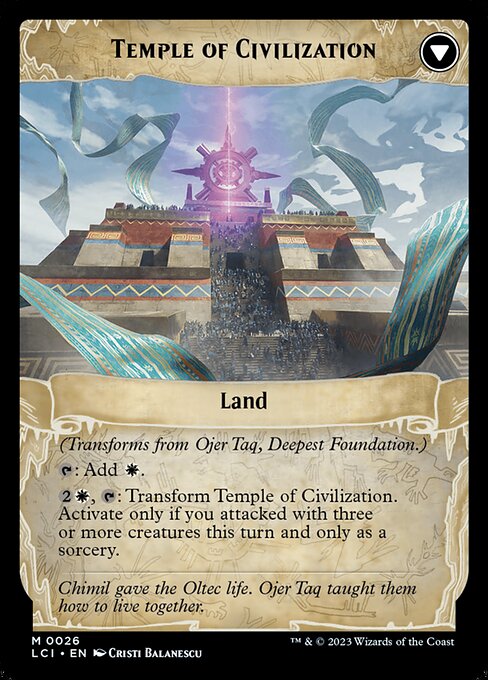
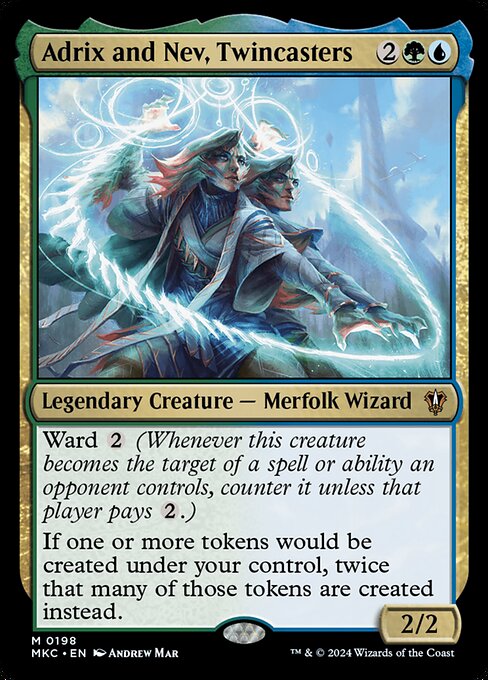
The deck doubles down on this replacement effect with an absurd amount of token amplification cards. Doubling Season, Parallel Lives, Anointed Procession, Mondrak, Glory Dominus, Ojer Taq, Deepest Foundation, and Adrix and Nev, Twincasters ensure that a single death can spiral into a full board.
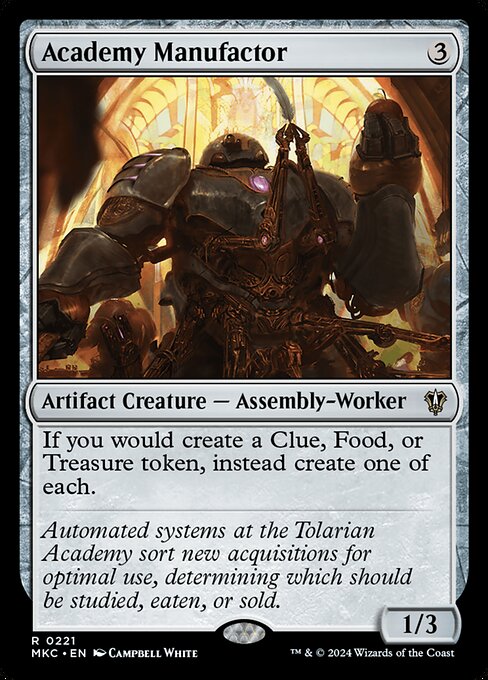
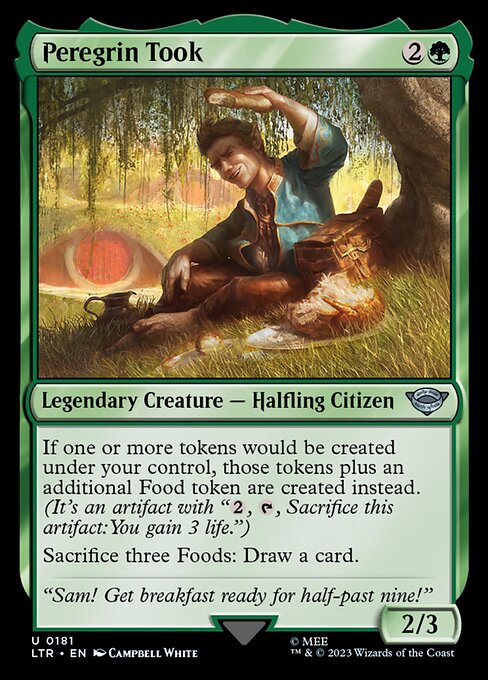
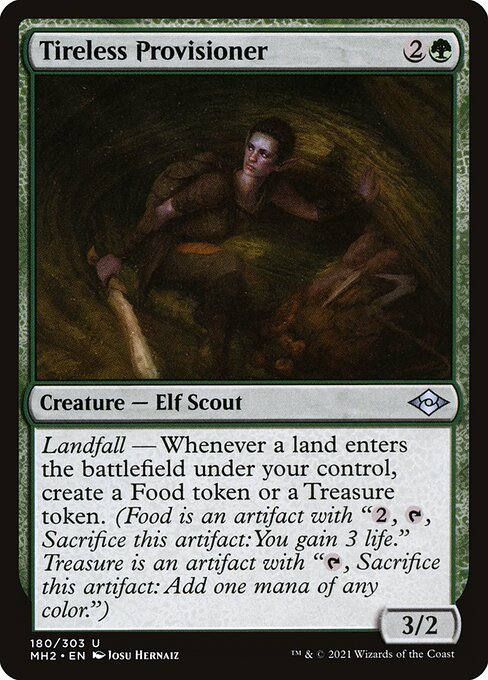
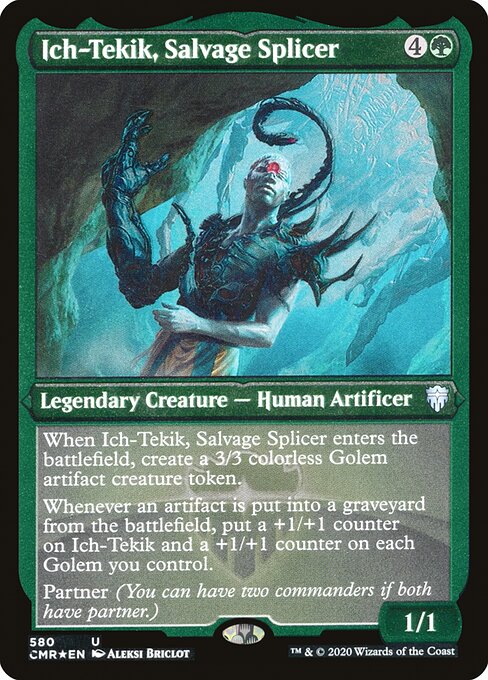
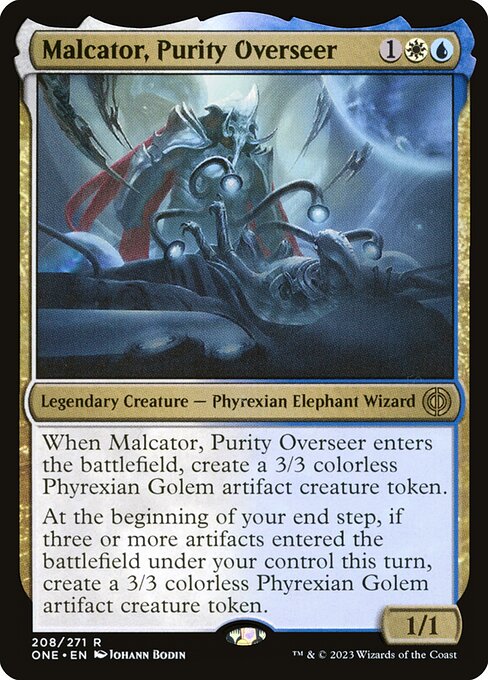
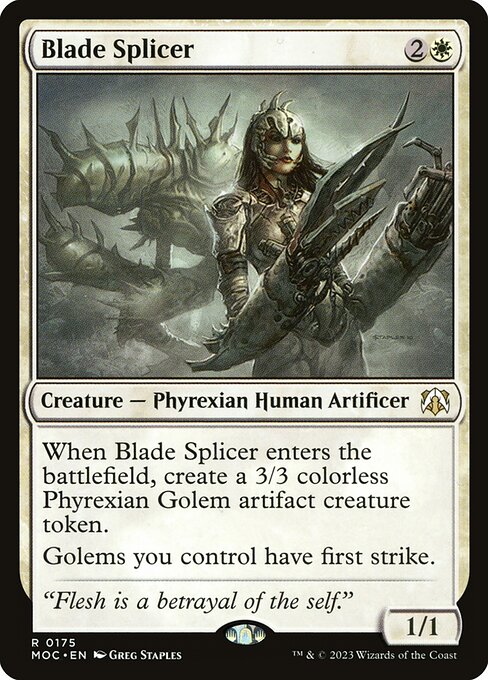
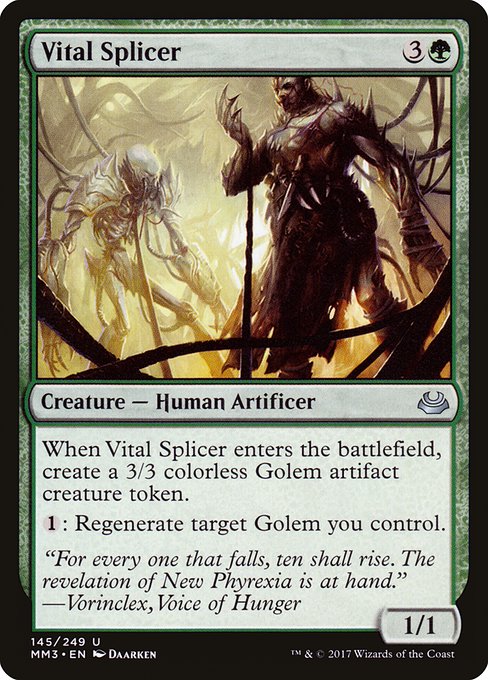
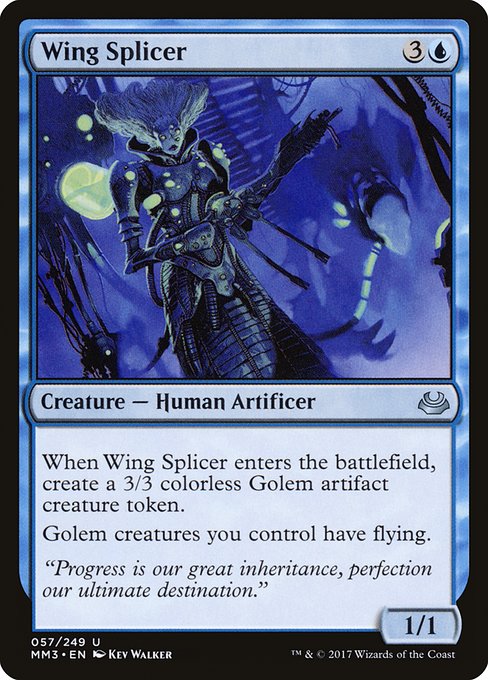
Cards like Academy Manufactor, Peregrin Took, and Tireless Provisioner turn Food creation into a multi-token engine, while Brenard’s Golems conveniently slot into artifact synergies alongside Ich-Tekik, Salvage Splicer, Malcator, Purity Overseer, and the full Splicer package that boost all Golems: Blade Splicer, Vital Splicer, and Wing Splicer. What starts as normal value quickly snowballs into overwhelming advantage.
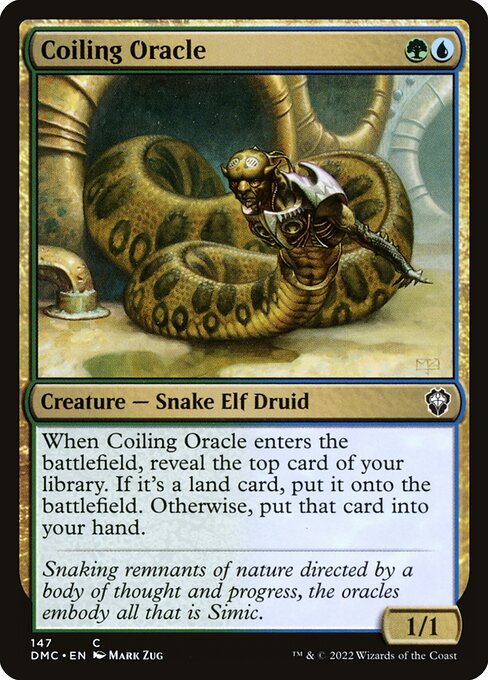
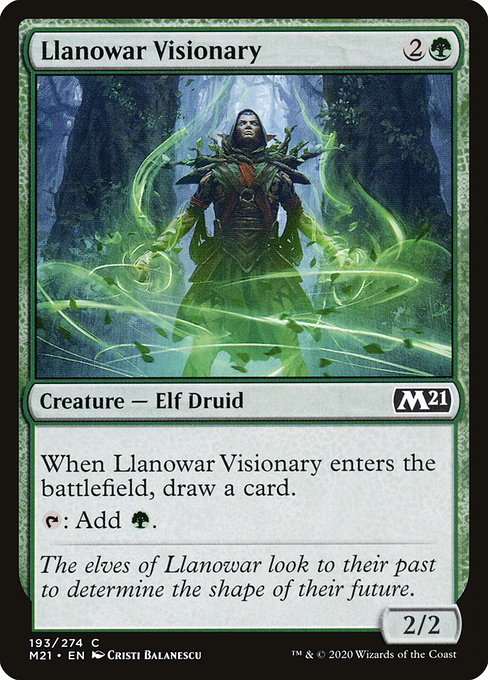
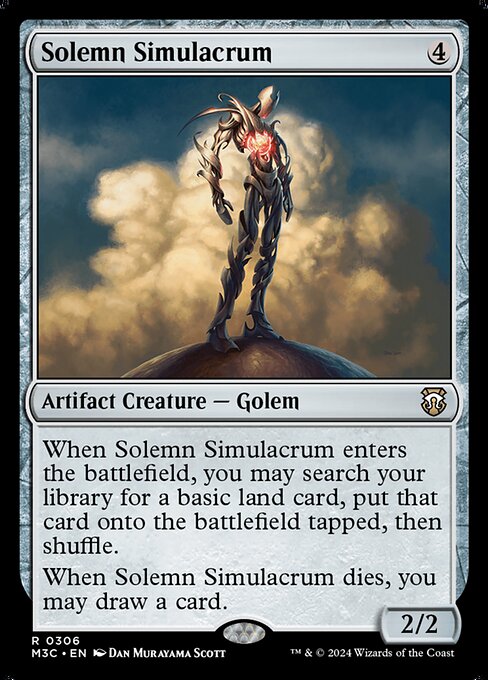
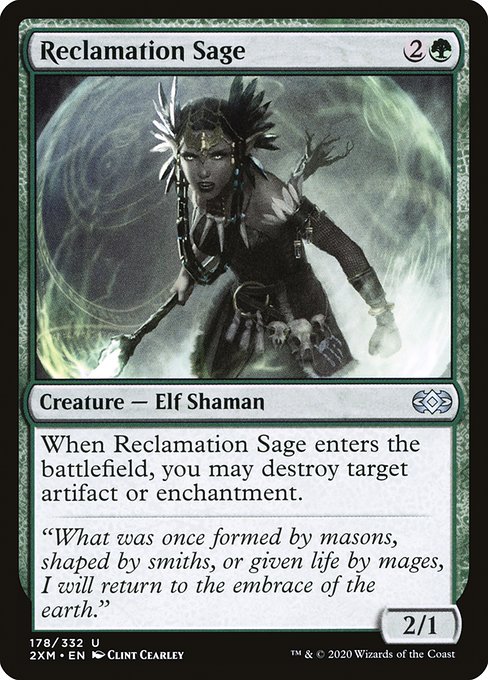
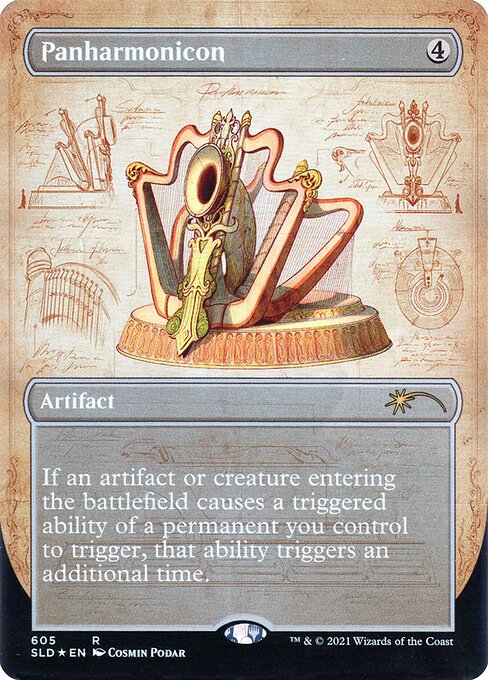
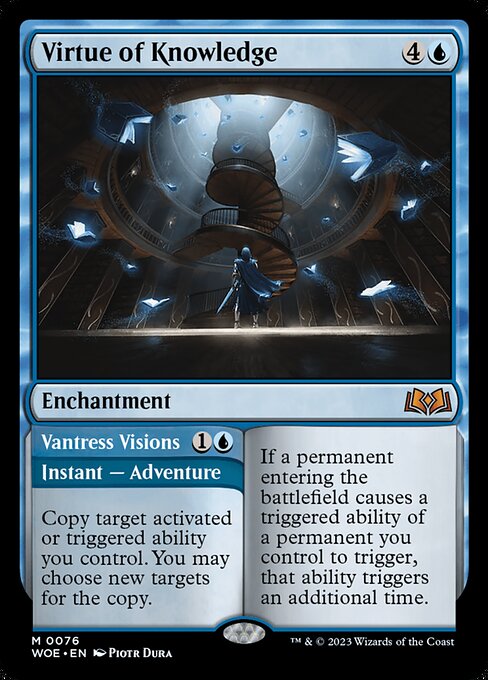
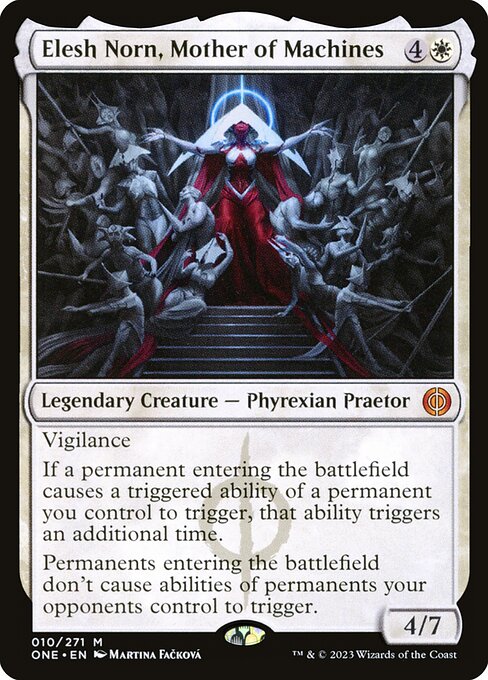
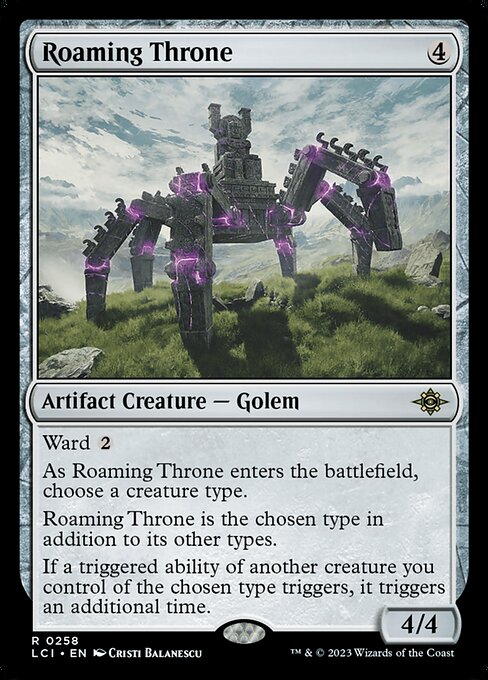
Bant’s creature-centric engines shine here. Coiling Oracle, Llanowar Visionary, Solemn Simulacrum, and Reclamation Sage are all happy to die, knowing they’ll return as tokenized versions of themselves. With Panharmonicon, Virtue of Knowledge, Elesh Norn, Mother of Machines, and Roaming Throne, those enter-the-battlefield triggers are pushed into absurd territory.
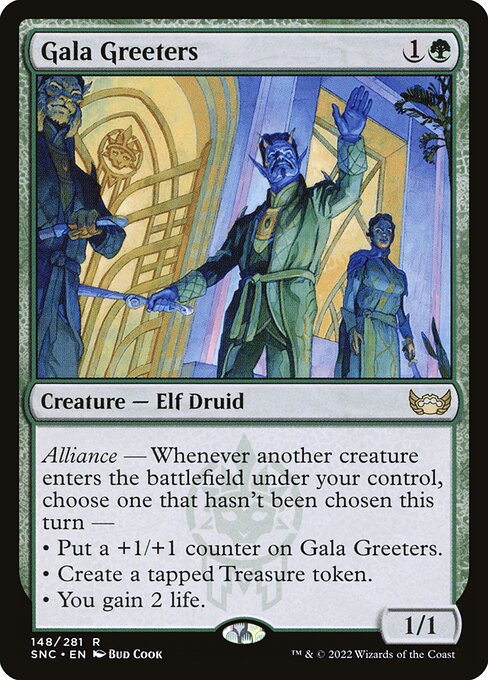
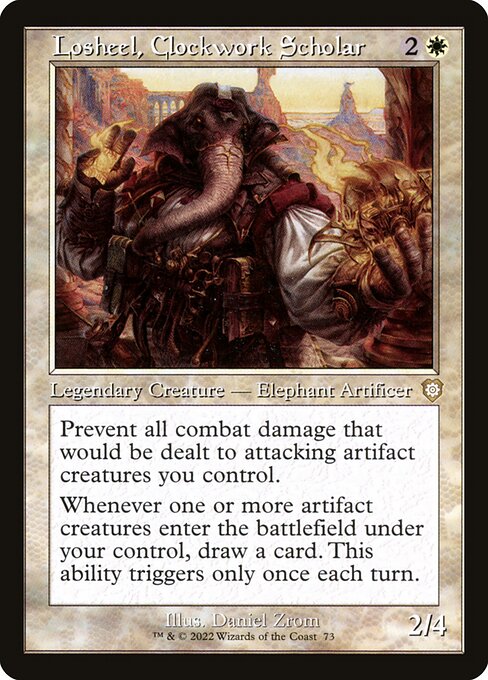
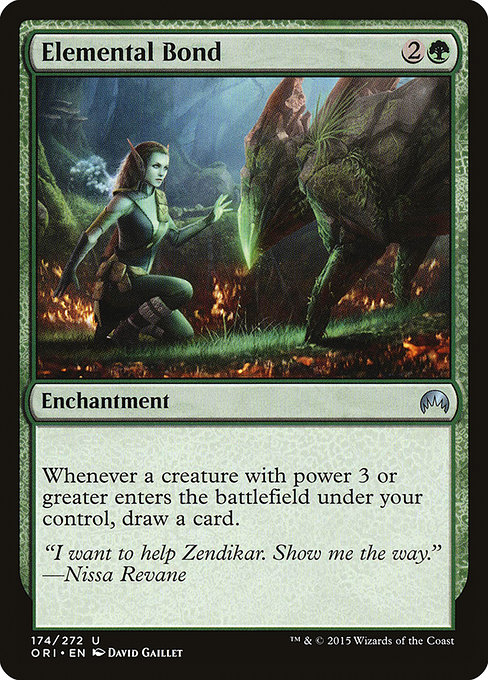
Even support pieces like Gala Greeters, Losheel, Clockwork Scholar, and Elemental Bond quietly convert board presence into cards, life, or mana, keeping the engine humming without needing to overextend.
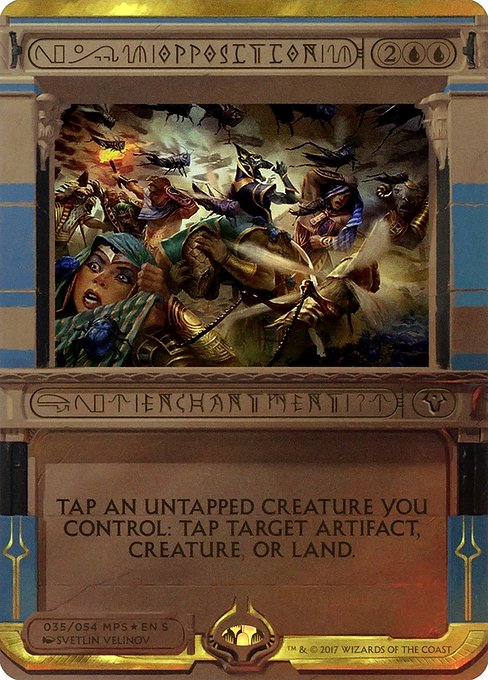
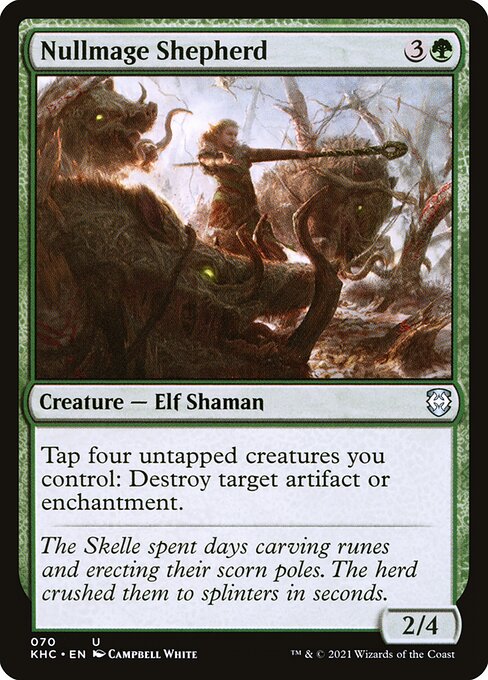
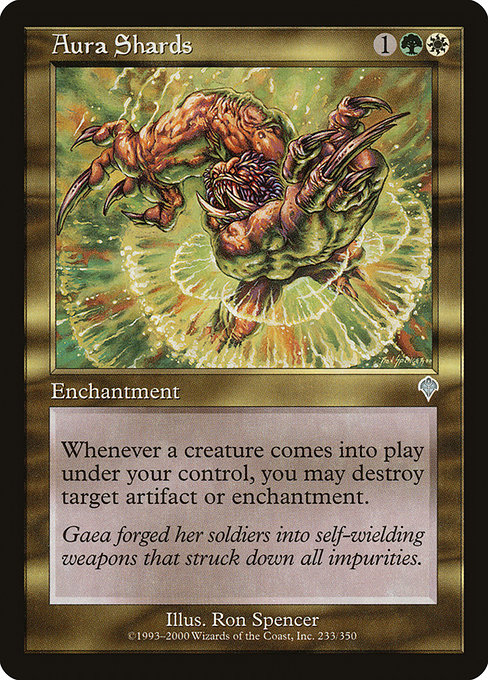
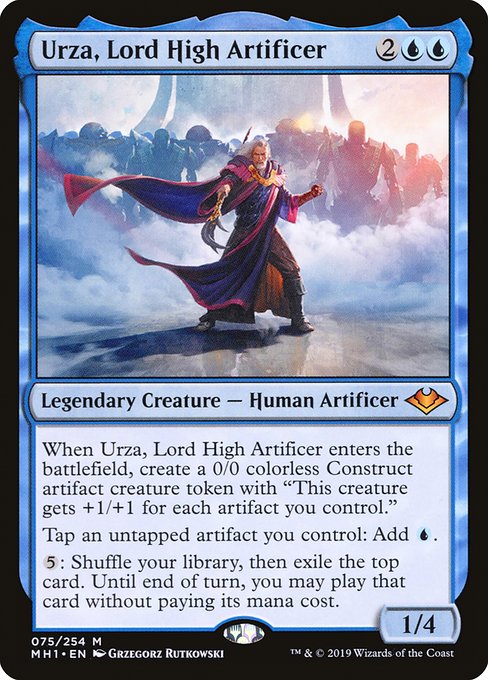
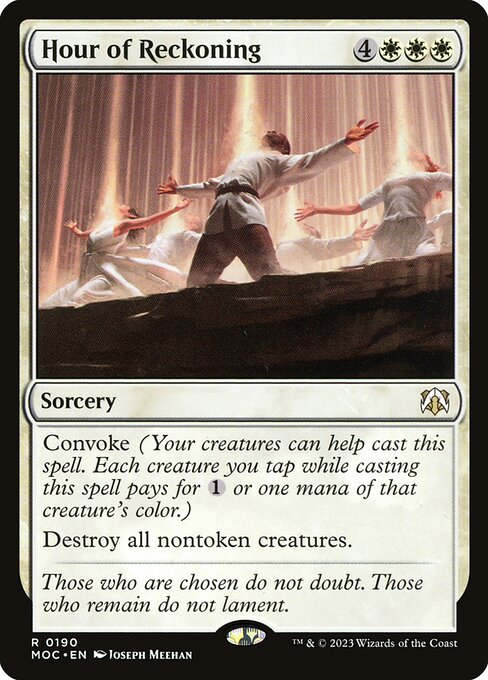
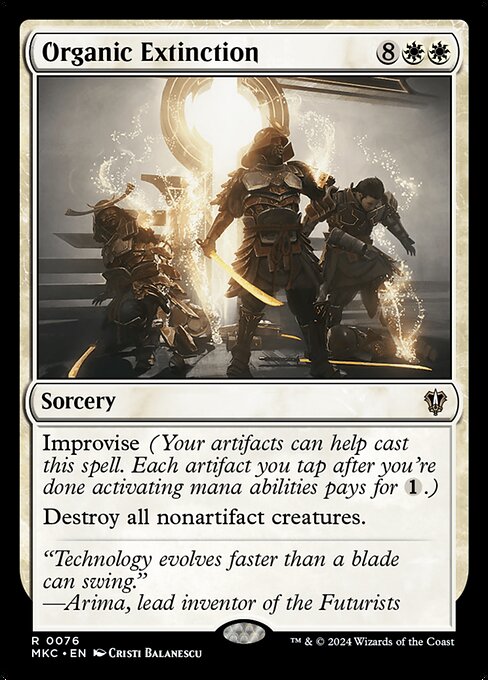
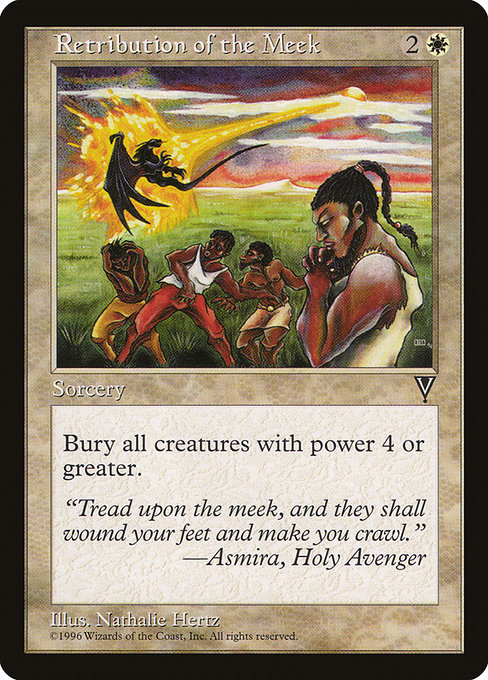
Where this deck truly excels is in control through presence. Effects like Opposition, Nullmage Shepherd, Aura Shards, and Urza, Lord High Artificer turn your army of tokens into interaction, while selective sweepers such as Hour of Reckoning, Organic Extinction, and Retribution of the Meek punish opponents far more than you.
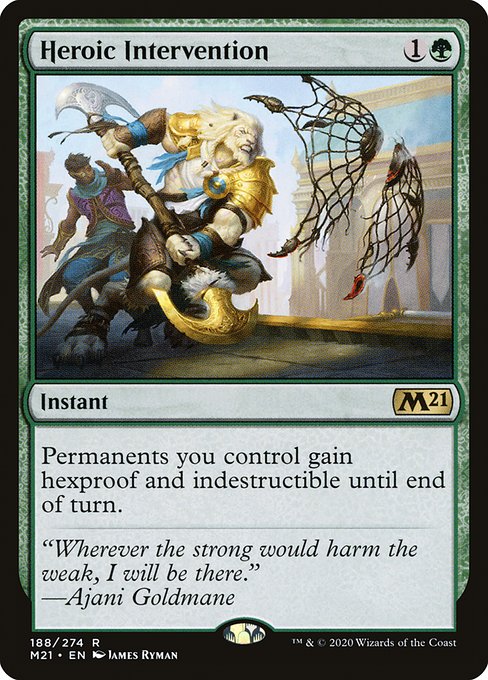
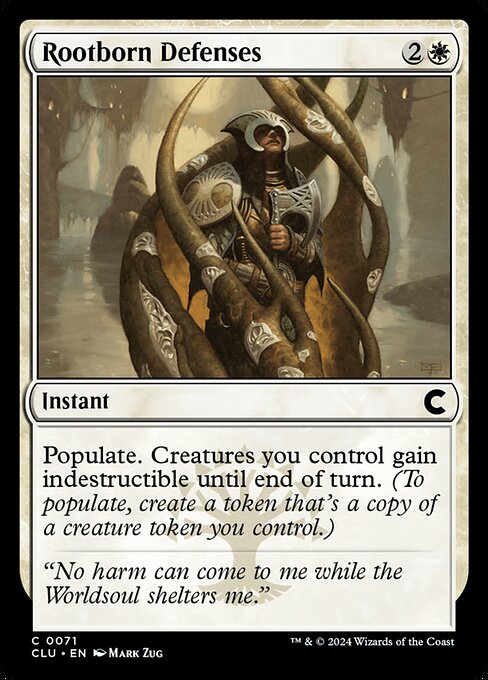
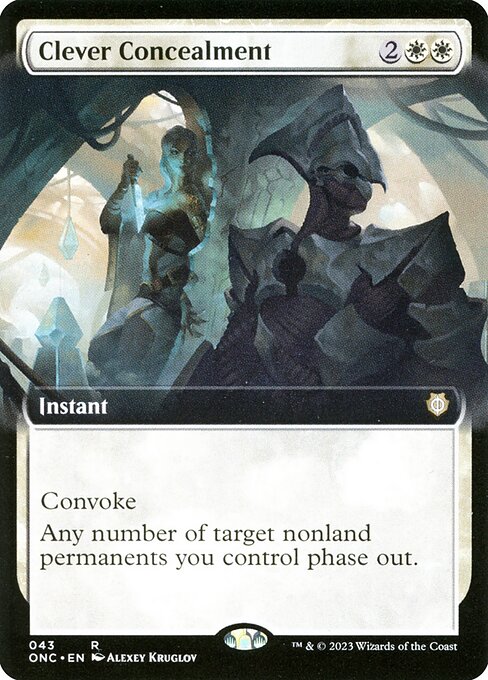
Protective tools like Heroic Intervention, Rootborn Defenses, and Clever Concealment further reinforce the sense that removing your board is both difficult and inefficient. In practice, Brenard tokens doesn’t overwhelm the table with speed—it wins by making every exchange favor you, until the battlefield itself simply belongs to you.
If overwhelming your opponents with a non-stop flow of Golem tokens that multiply each others power sounds found to you, check out the decklist!
Commander
Planeswalkers (1)
Creatures (37)
Instants (4)
Sorceries (5)
Artifacts (6)
Enchantments (9)
Lands (37)
99 Cards
$3031.31
Archetype 2: Group Hug
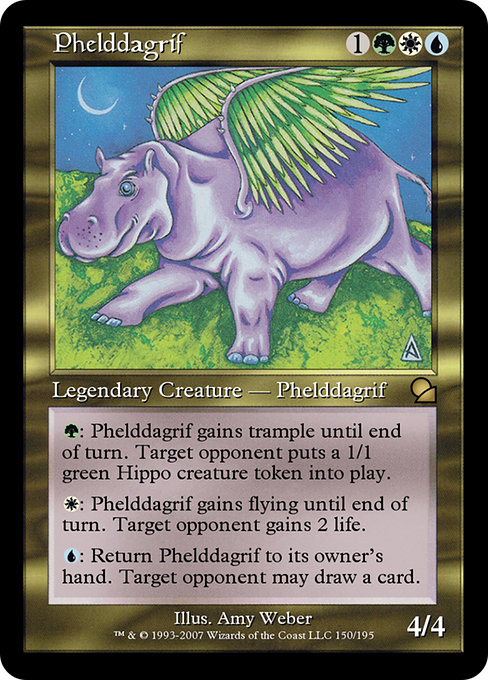
Phelddagrif represents Bant at its most socially aware, embracing generosity as both shield and sword. On the surface, this archetype looks like classic group hug: extra cards, extra mana, and table-wide acceleration meant to keep everyone happy. In practice, it’s a deck about selective generosity and information control, using gifts to shape alliances, redirect aggression, and quietly position itself as the last player anyone wants to attack. Phelddagrif’s activated abilities set the tone early, offering life, cards, or blockers at just the right moments to buy trust, or at least hesitation.
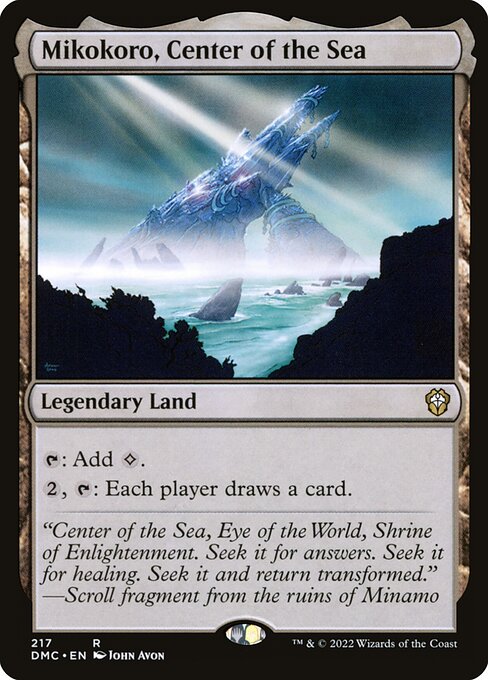
The deck leans heavily into symmetrical draw and resource-sharing effects. Dictate of Kruphix, Kami of the Crescent Moon, Rites of Flourishing, Ghirapur Orrery, and Mikokoro, Center of the Sea keep hands full and games moving.
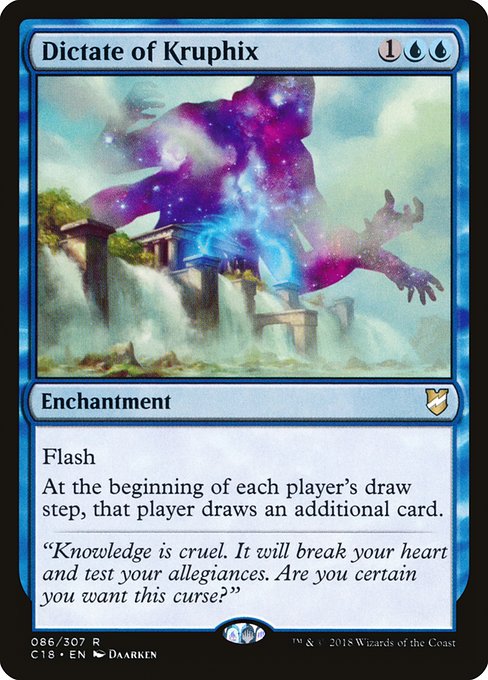
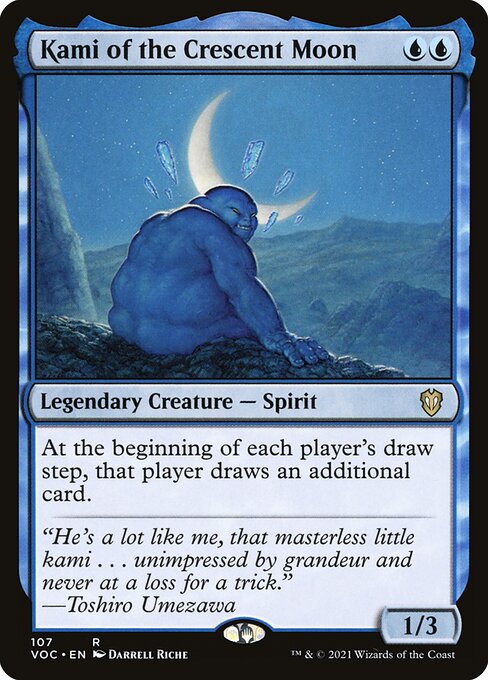
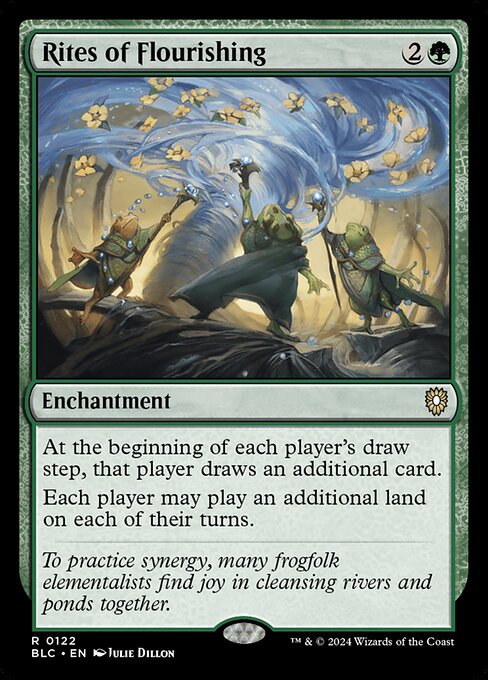
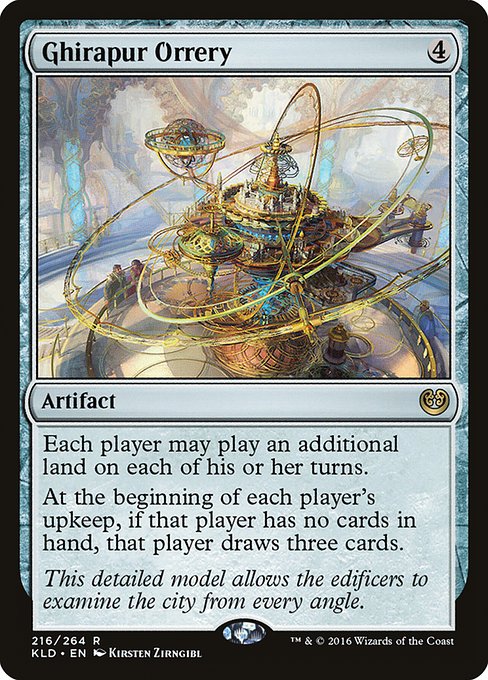
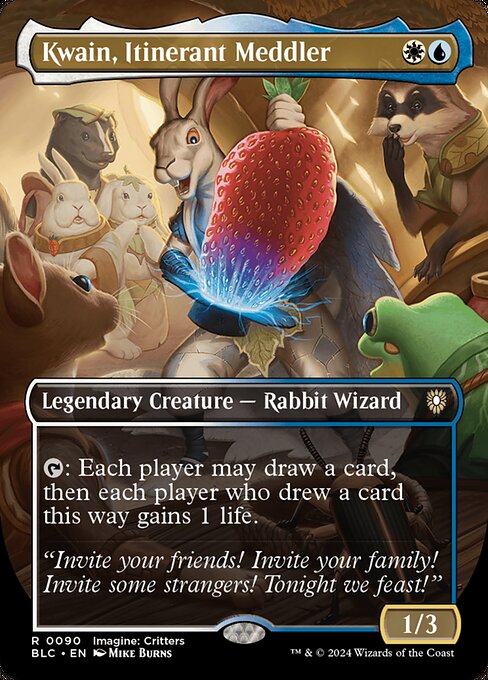
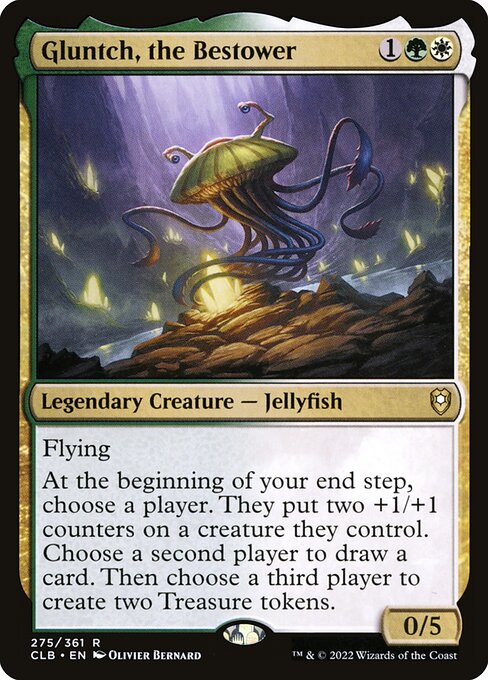
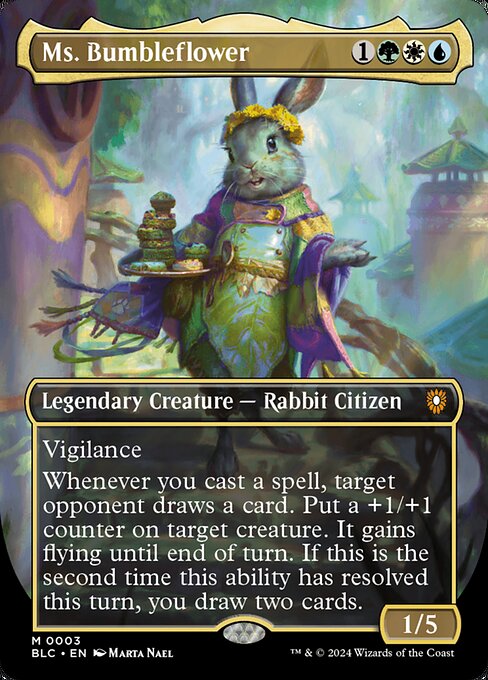
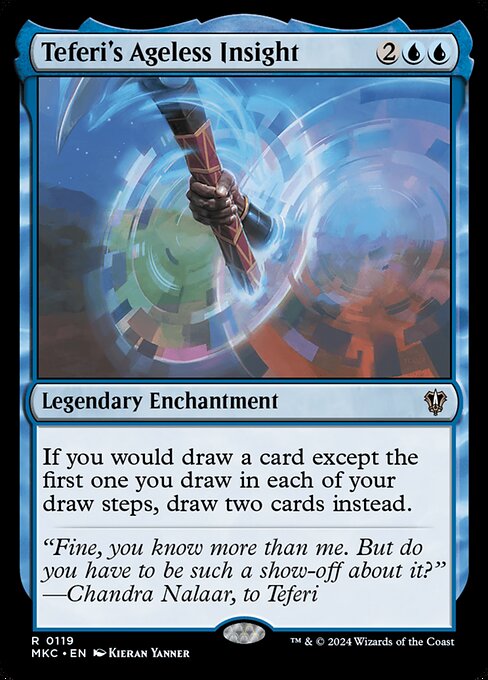
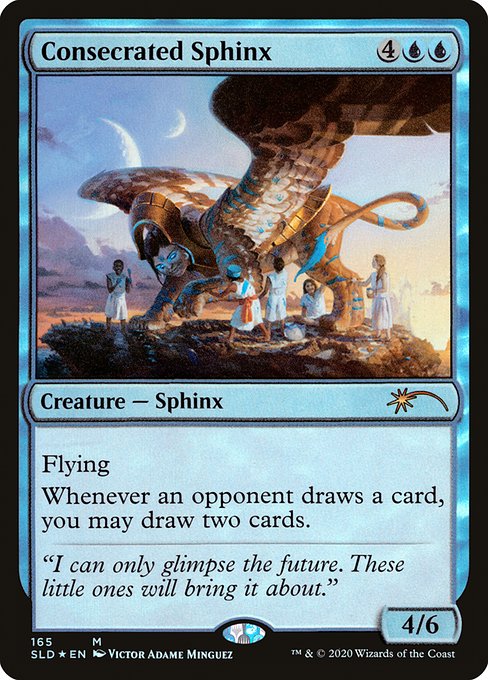
Cards like Kwain, Itinerant Meddler, Gluntch, the Bestower, Ms. Bumbleflower, and Sylvan Offering add a political layer, letting you decide who benefits and when. With Teferi's Ageless Insight, Consecrated Sphinx, and Rhystic Study, those “symmetrical” resources become asymmetrical in your favor, ensuring that generosity never comes at your own expense.
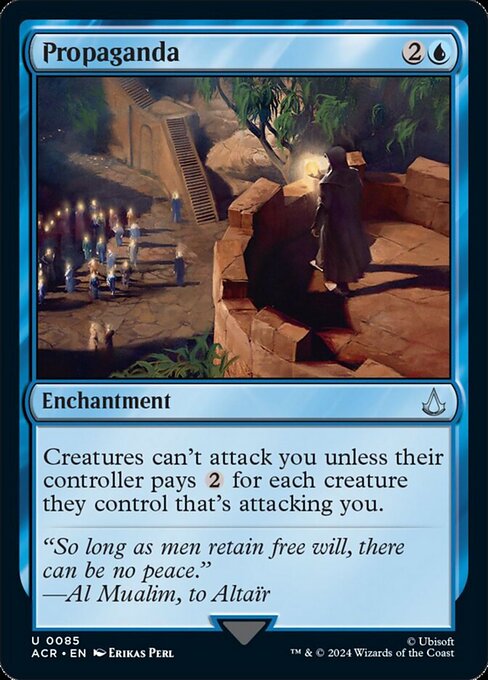
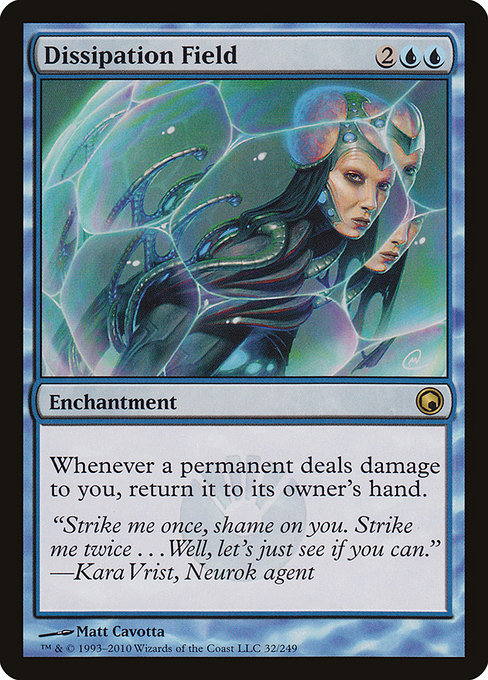
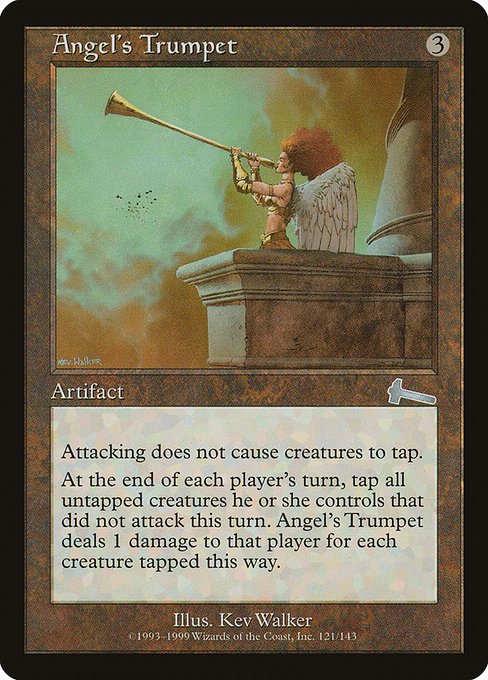
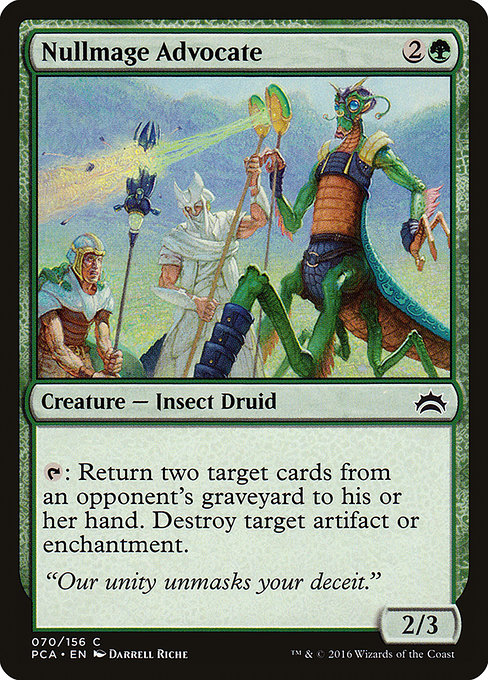
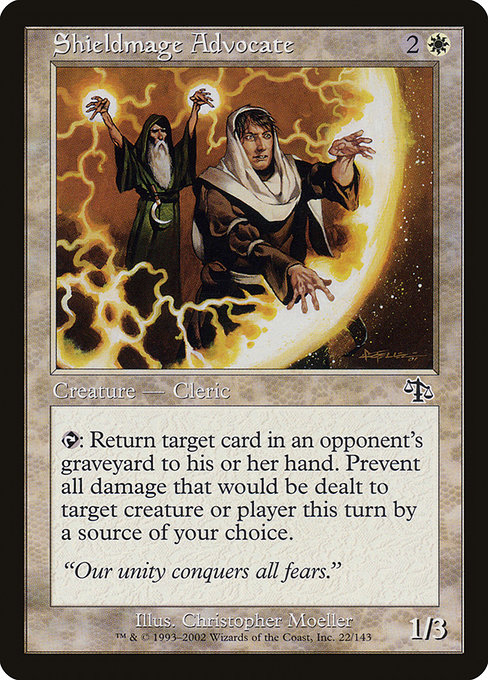
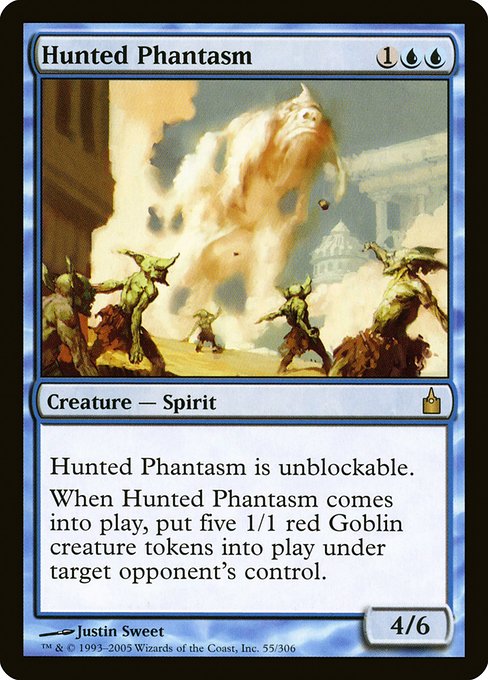
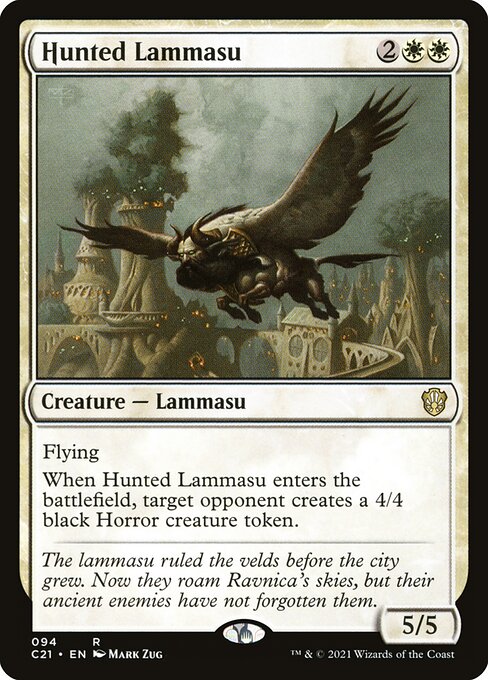
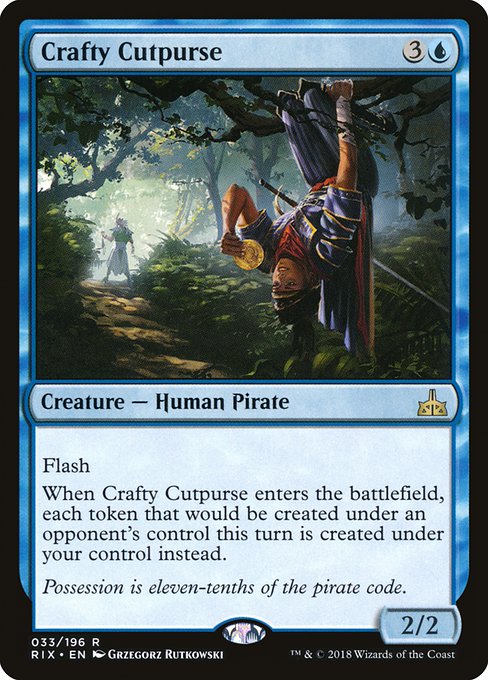
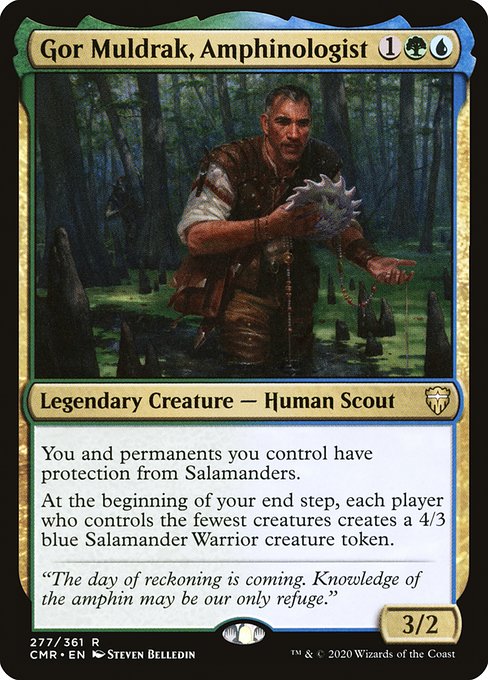
Where this archetype shines is in its ability to manipulate the board without appearing oppressive. Propaganda, Dissipation Field, and Angel's Trumpet subtly discourage attacks and punish reckless combat, while cards like Nullmage Advocate and Shieldmage Advocate let you solve problems in exchange for favors. “Hunted” creatures such as Hunted Phantasm and Hunted Lammasu, along with chaos-inducing pieces like Crafty Cutpurse and Gor Muldrak, Amphinologist, add bodies to the table in ways that rarely point back at you.
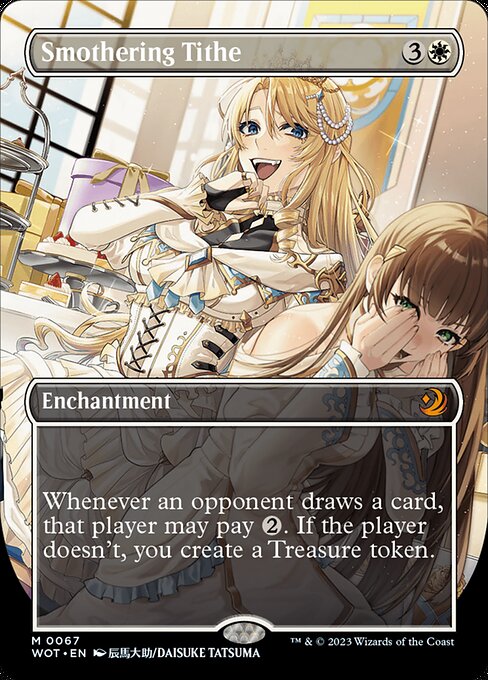
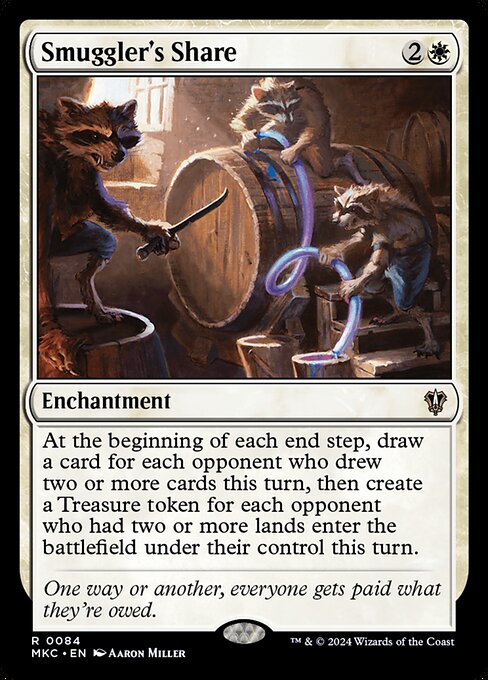
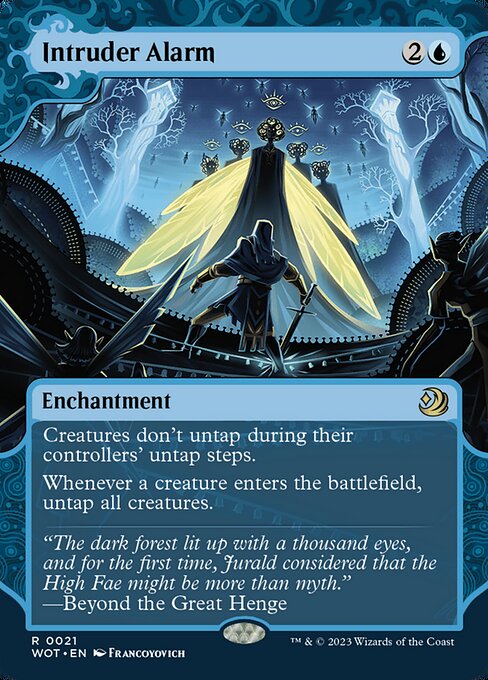
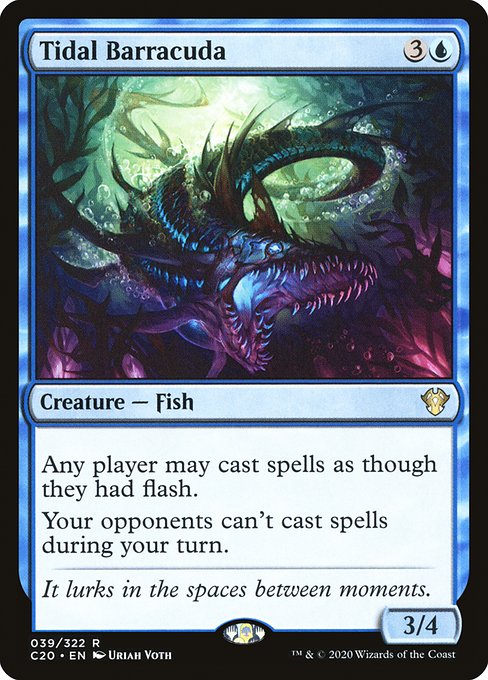
Despite the friendly exterior, the deck is packed with quiet control. Smothering Tithe and Smuggler's Share convert table-wide action into mana advantages, while Intruder Alarm and Drumbellower unlock explosive turns with mana dorks and Phelddagrif activations. Defensive cards like Privileged Position, Asceticism, Teferi's Protection, and Tidal Barracuda protect your position once people start realizing you are THE problem.
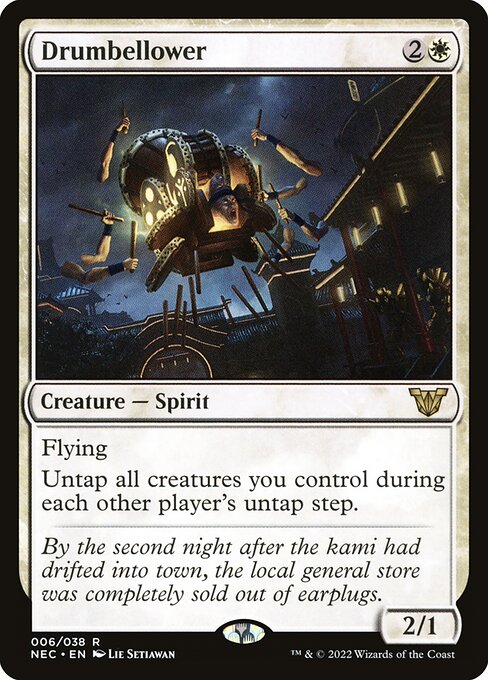
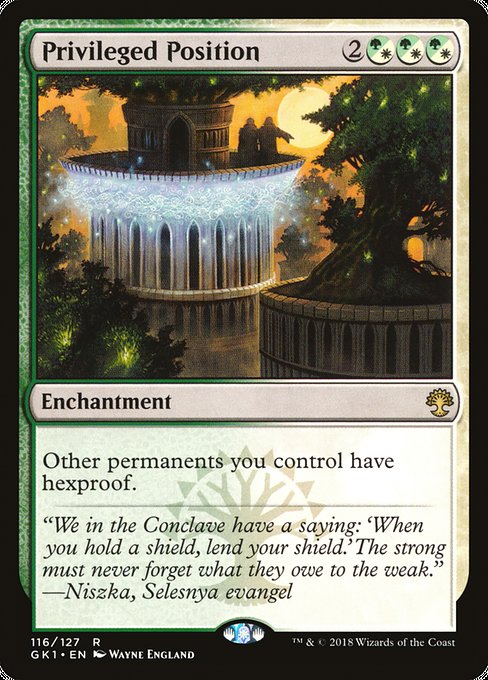
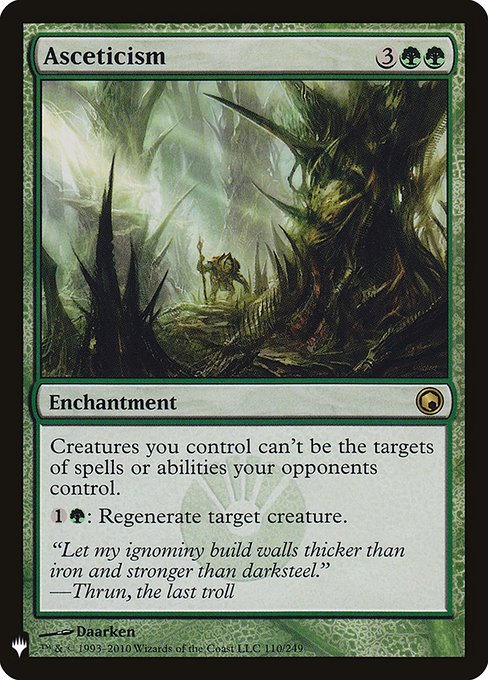
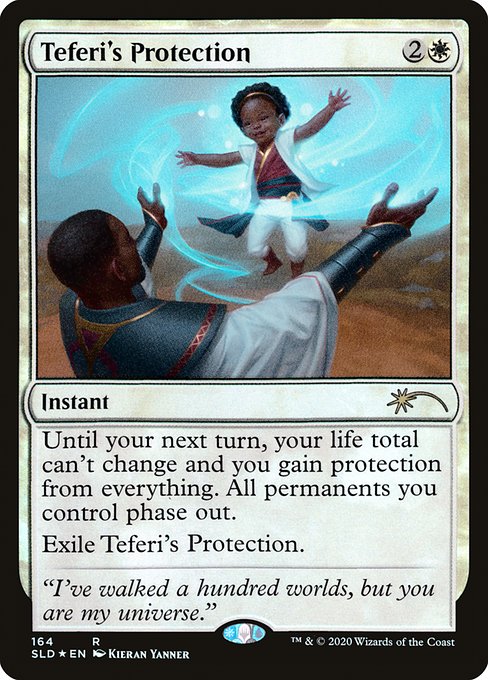
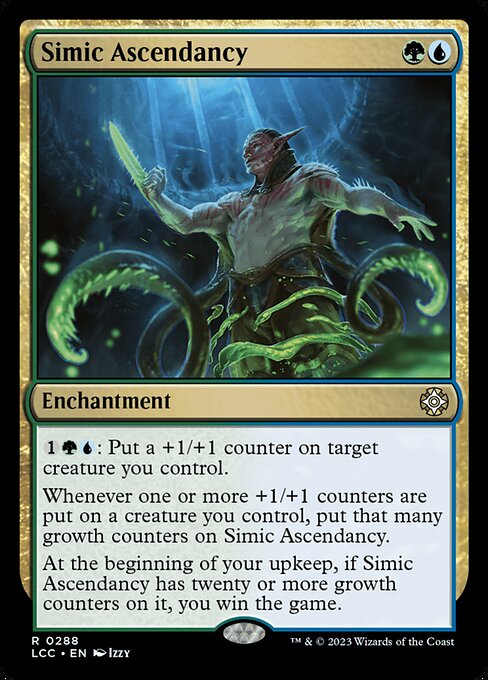
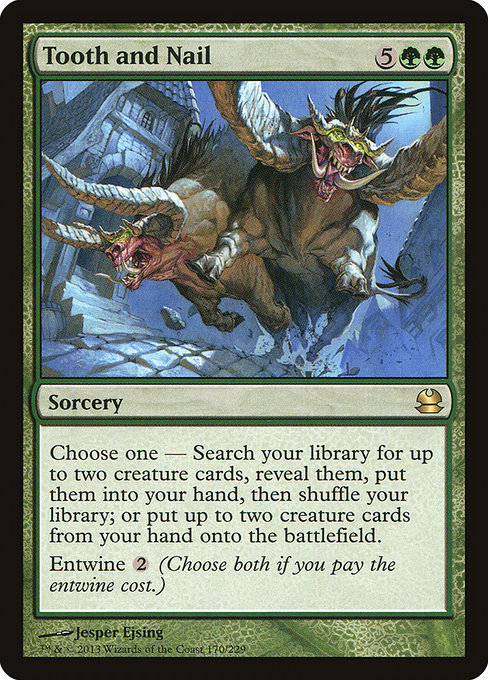
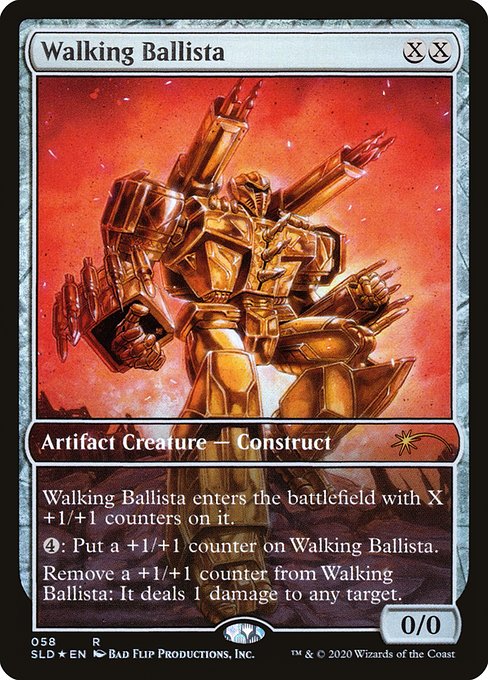
Closing the game is less about brute force and more about timing. Simic Ascendancy, Tooth and Nail, Walking Ballista, or a well-timed Fractured Identity on a key permanent can end things decisively, often after opponents have exhausted themselves fighting each other. Phelddagrif group hug thrives on perception: by the time the table stops smiling, you already have everything you need to win.
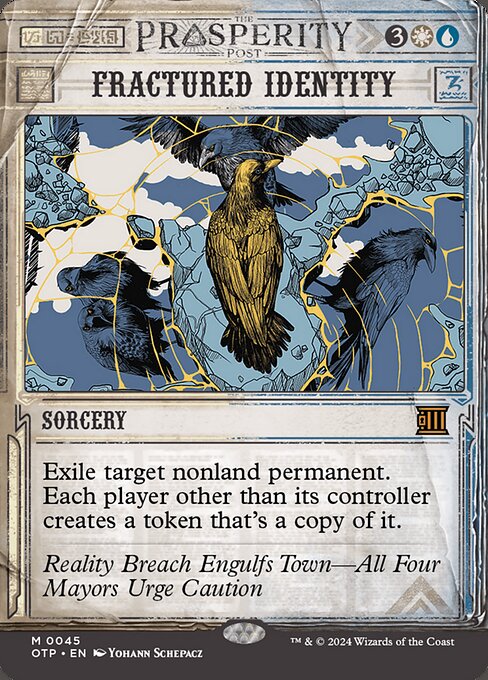
If appearing harmless and helpful while quietly reaching closer to victory and making everyone else at the table hate you sounds like your things, check out the deck:
Commander
Creatures (32)
Instants (9)
Sorceries (5)
Artifacts (10)
Enchantments (14)
Lands (30)
100 Cards
$2576.5
Archetype 3: Foretell
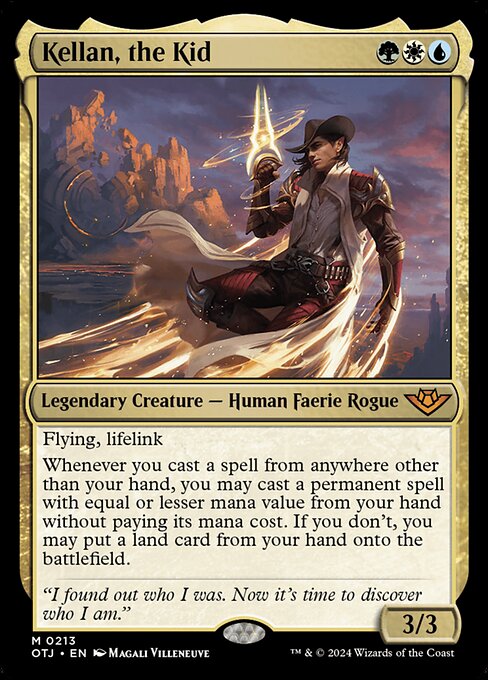
This archetype is all about casting spells from outside of your hand and getting rewarded for it, smoothing tempo and encouraging lines of play where mana efficiency and timing matter more than raw speed. Kellan, the Kid this is a deck built around patience, preparation, and explosive sequencing. The result is a deck that feels calm on the surface, but constantly threatens to untap into something overwhelming.
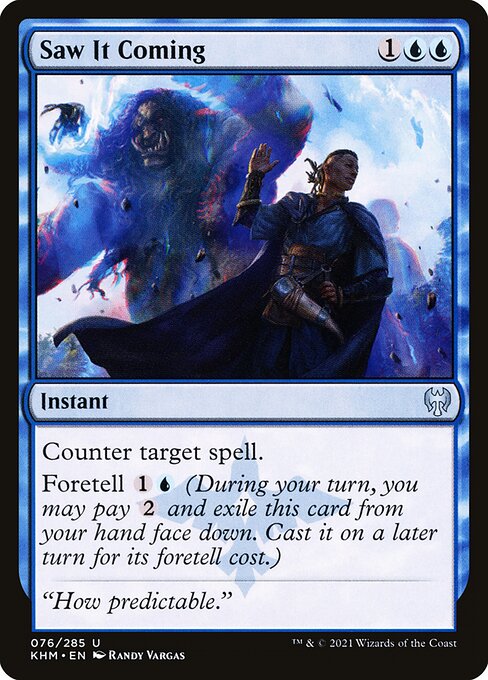
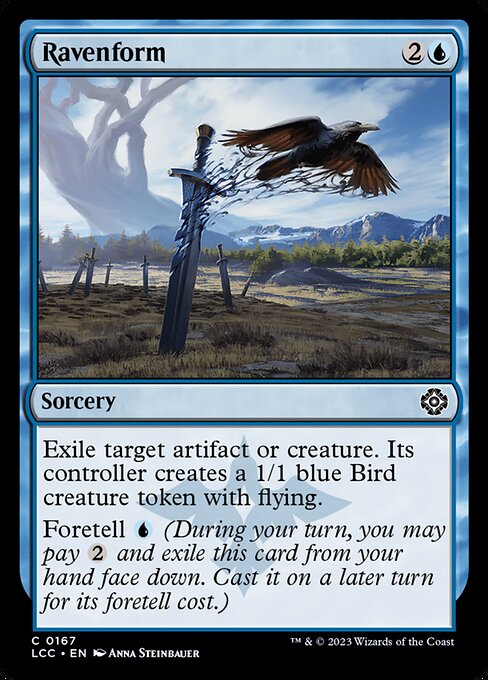
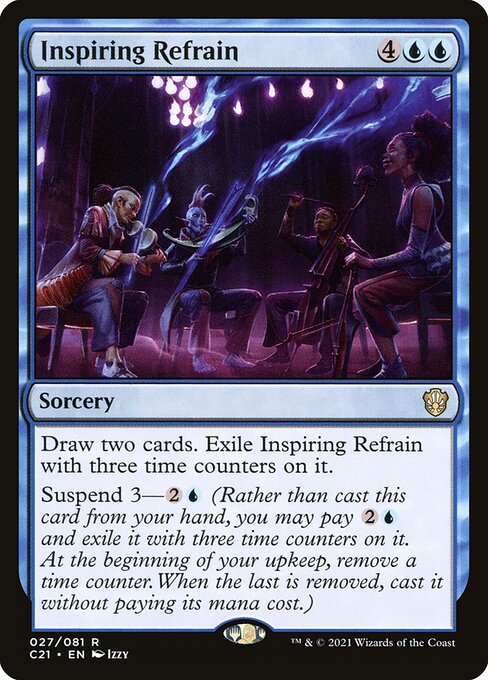
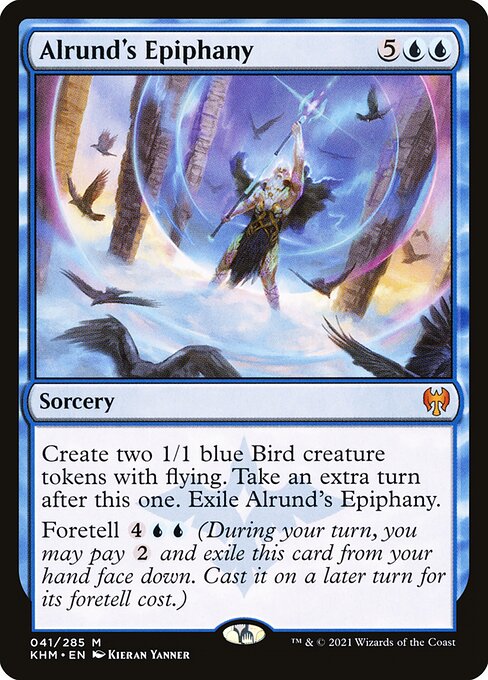
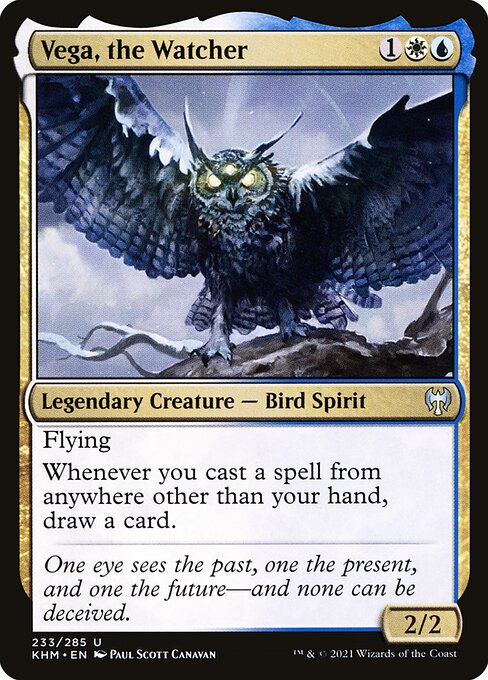
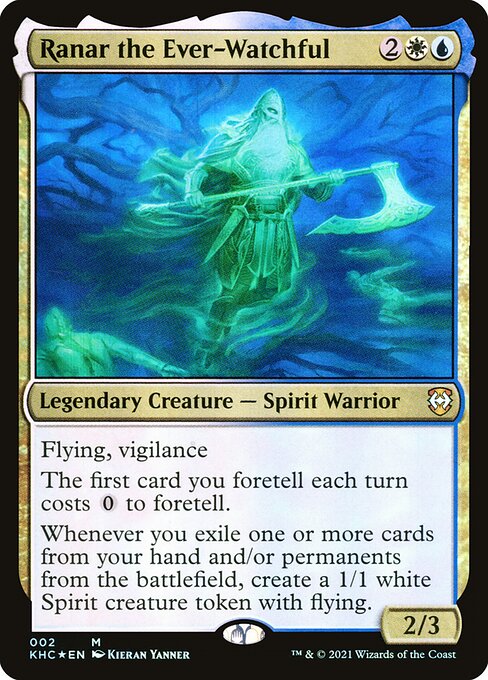
Foretell and exile-based casting form the spine of the deck. Cards like Saw It Coming, Ravenform, Inspiring Refrain, and Alrund's Epiphany let you spread costs across turns while keeping interaction available. Creatures such as Vega, the Watcher, Ranar the Ever-Watchful, Ethereal Valkyrie, and Fblthp, Lost on the Range convert those off-hand casts into cards, tokens, or mana advantages. With Kellan in play, foretelling becomes a way to bank resources while disguising your true intentions.
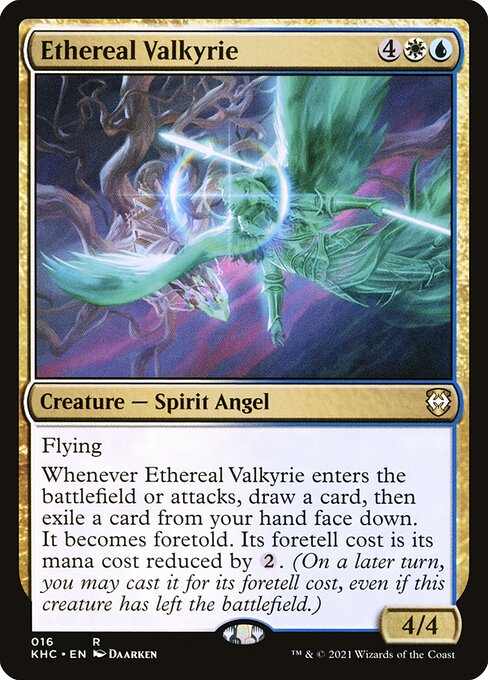
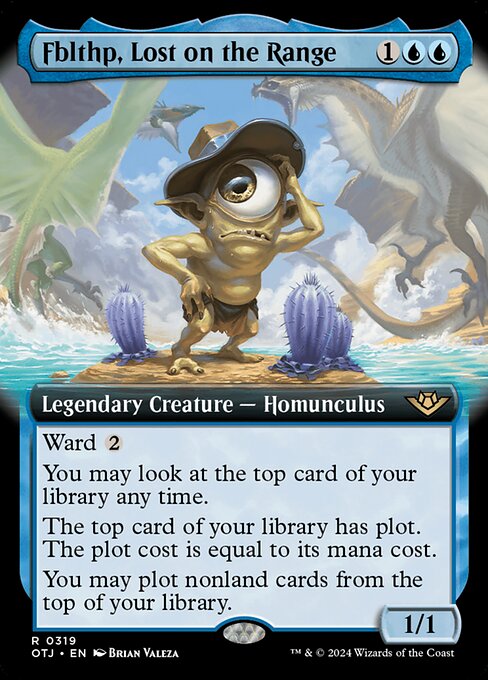
The deck broadens beyond foretell into playing from anywhere other than your hand. One with the Multiverse, The Reality Chip, Mind's Dilation, and Chimil, the Inner Sun give consistent access to cards beyond the hand, while Rashmi, Eternities Crafter, Imoti, Celebrant of Bounty, and Taigam, Master Opportunist turn spellcasting into cascades of value.
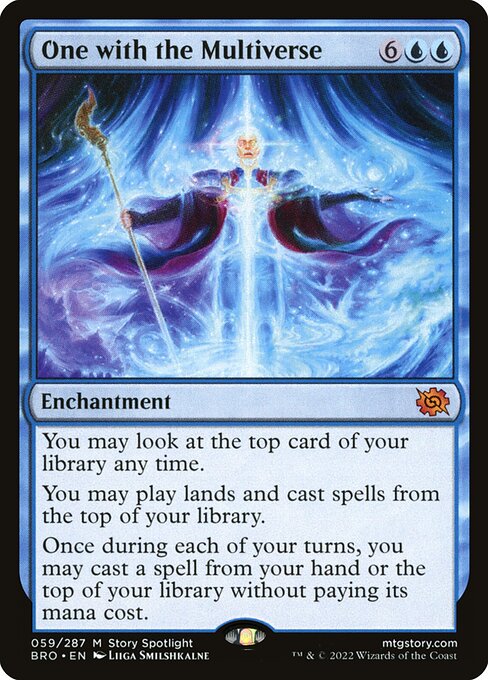
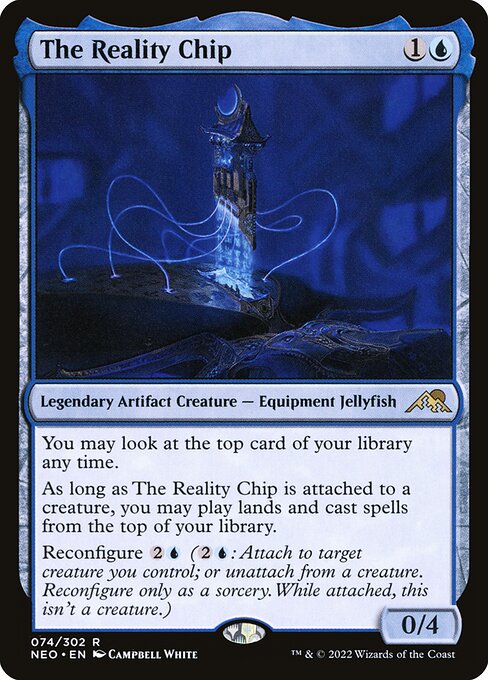
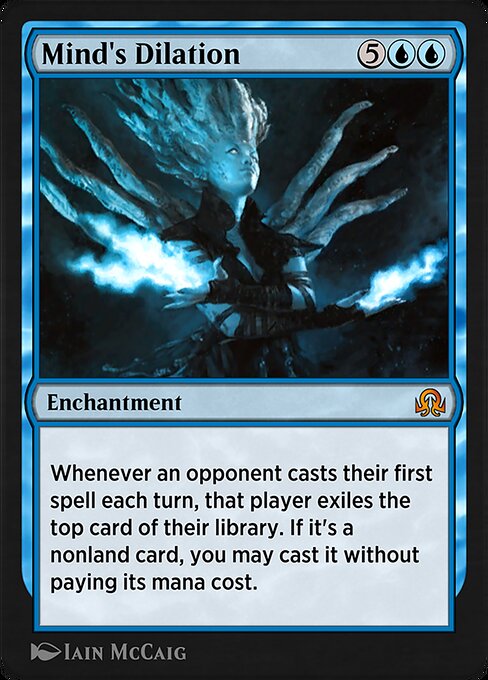
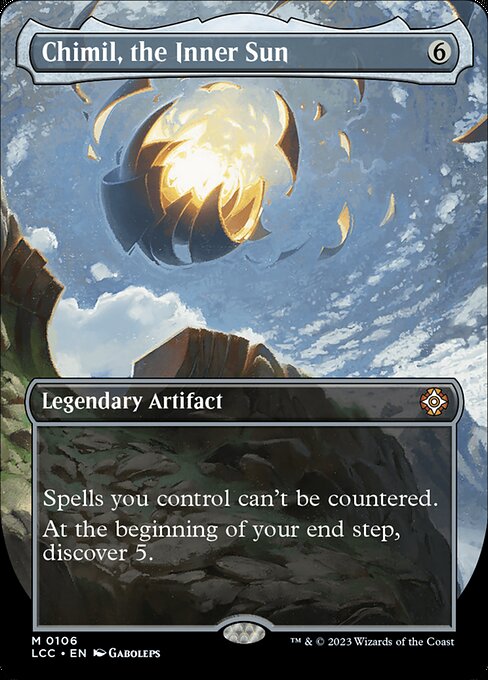
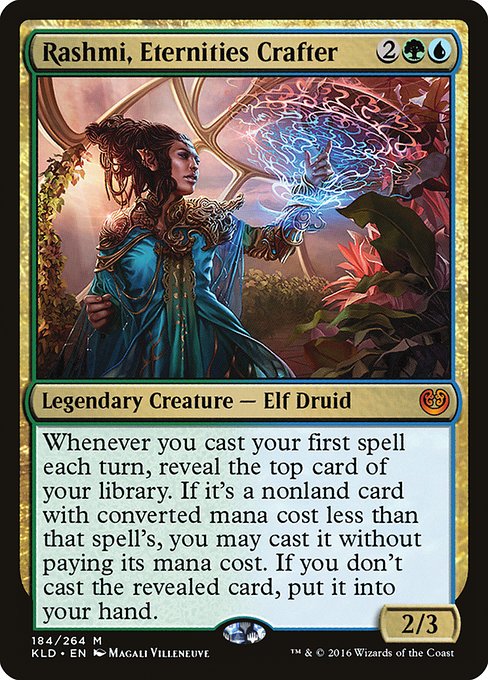
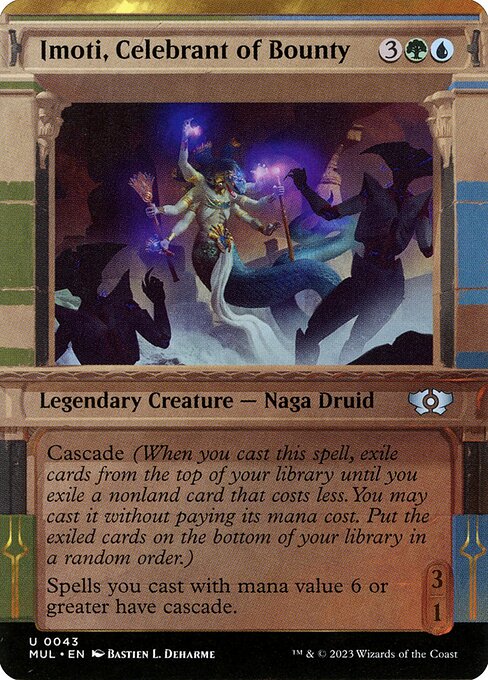
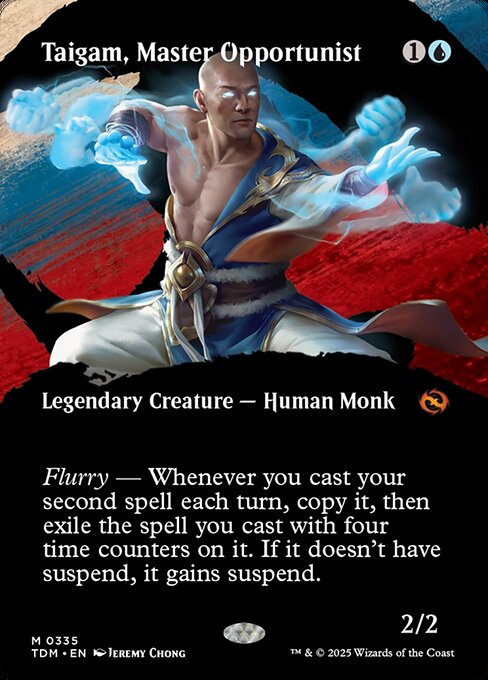
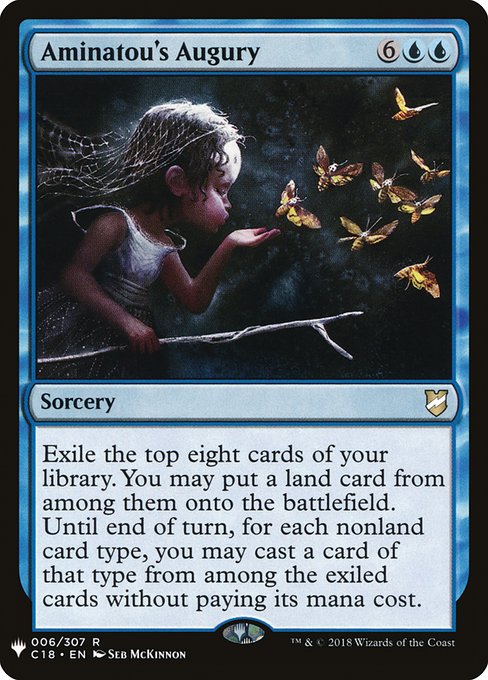
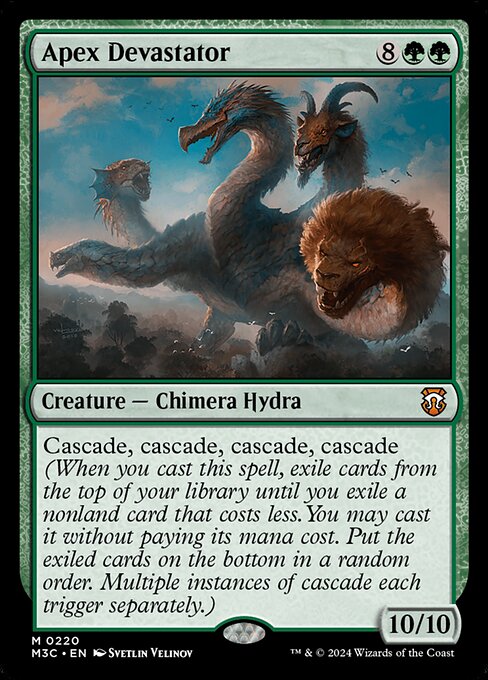
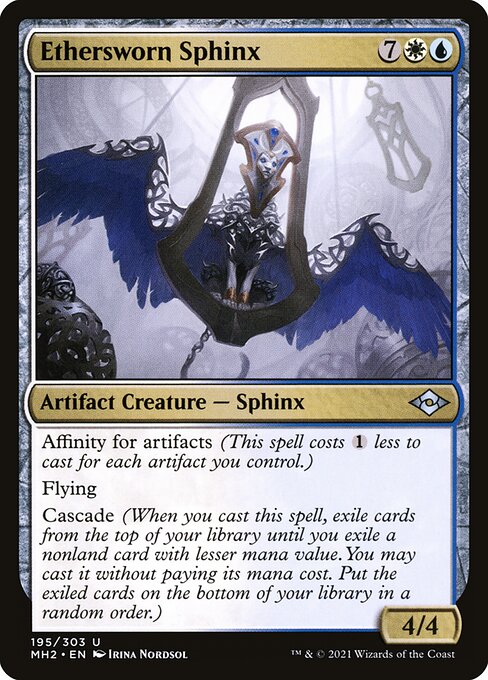
Large, splashy hits like Aminatou's Augury, Apex Devastator, and Ethersworn Sphinx reward careful setup, often chaining multiple spells together in a single turn cycle.
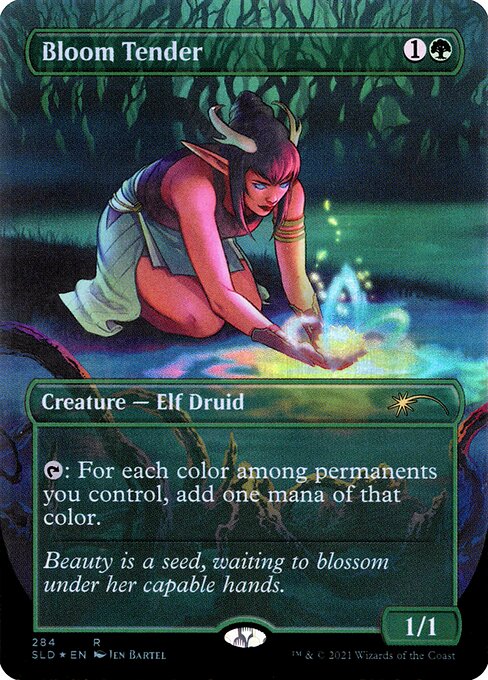
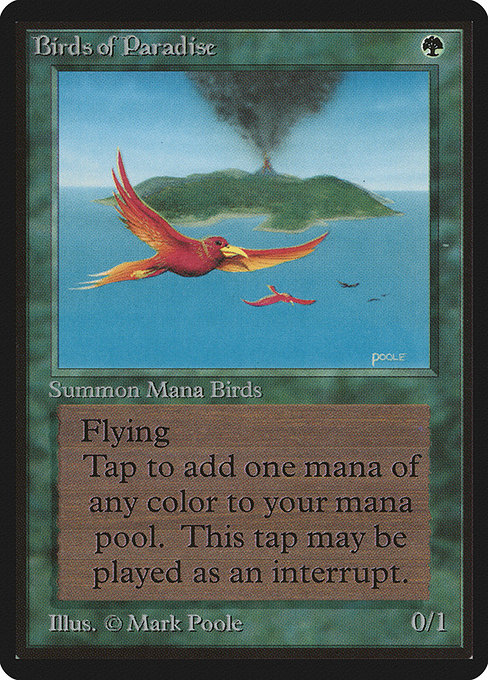
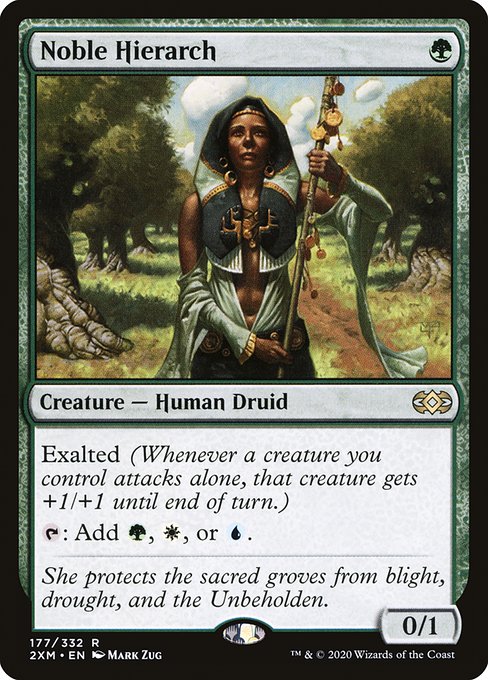
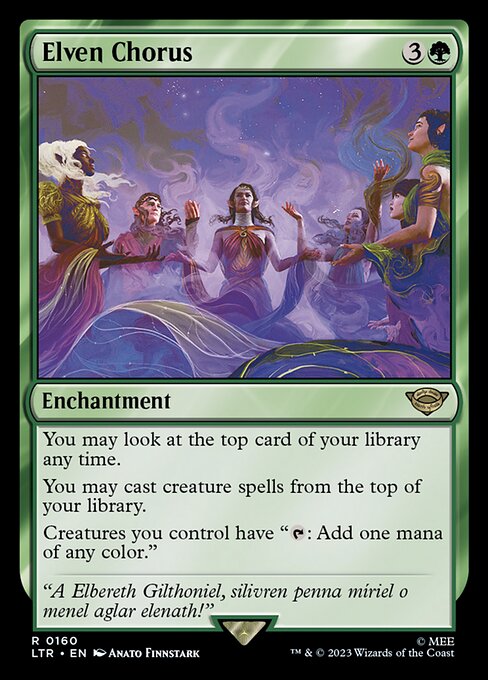
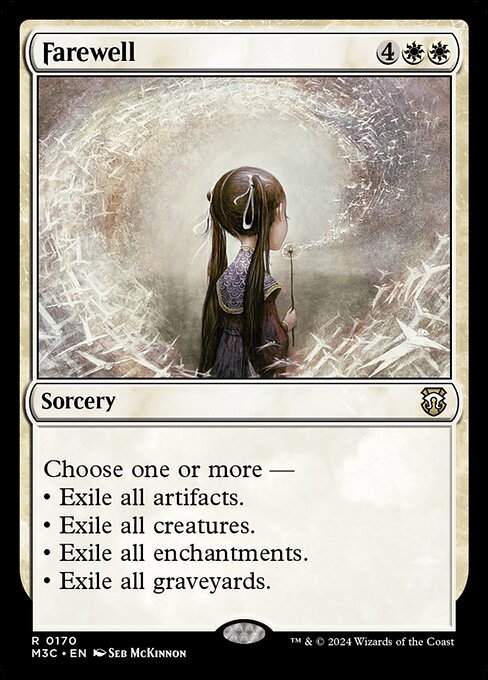
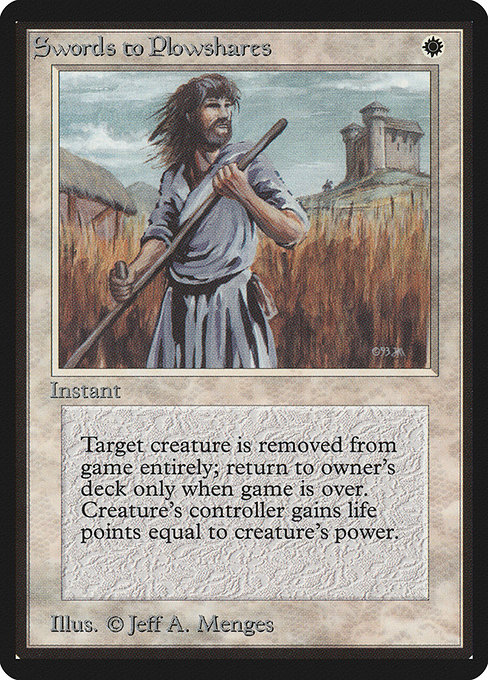
Bant’s natural stability keeps the engine running. Mana acceleration from cards like Bloom Tender, Birds of Paradise, Noble Hierarch, and Elven Chorus, are key to ensure you can afford to foretell early without falling behind. Defensive tools like Heroic Intervention, Farewell, Swords to Plowshares, and Counterspell protect your position while you wait for the right moment to strike. When the deck finally pivots from preparation to execution, it does so decisively, unloading a series of discounted, free, or chained spells that turn the state of the table upside down.
Foretelling exemplifies Bant at its most methodical, proving that planning ahead can be just as powerful as acting first, if that sounds like your cup of tea, check the deck here:
Commander
Creatures (33)
Instants (9)
Sorceries (9)
Artifacts (7)
Enchantments (4)
Lands (38)
100 Cards
$2907.92
Archetype 4: Toughness Matters
With Arcades, the Strategist at the helm, this archetype brings Bant’s defensive instincts to the forefront, turning toughness into a weapon. Unlike traditional creature strategies that prioritize raw power, this archetype leverages high-toughness creatures to control the battlefield while drawing cards and enabling combat tricks. Every oversized defender more than just a wall, they’re all a potential threat, and the deck rewards planning and positioning to maximize the value of each creature.
In this deck, even unassuming walls like Steel Wall, Consulate Skygate, Fortified Rampart and
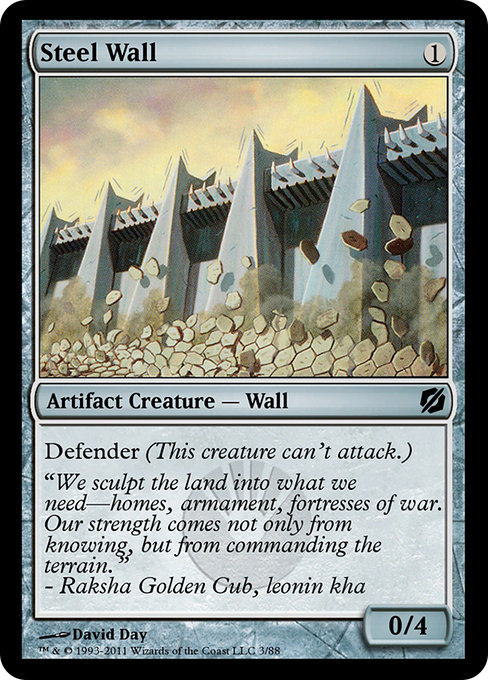
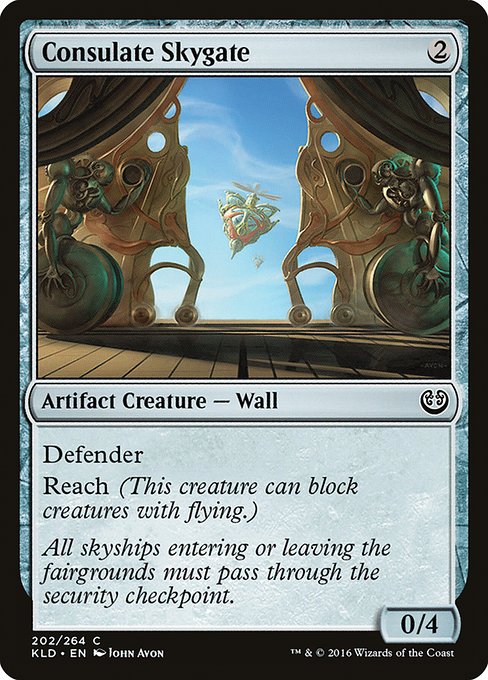
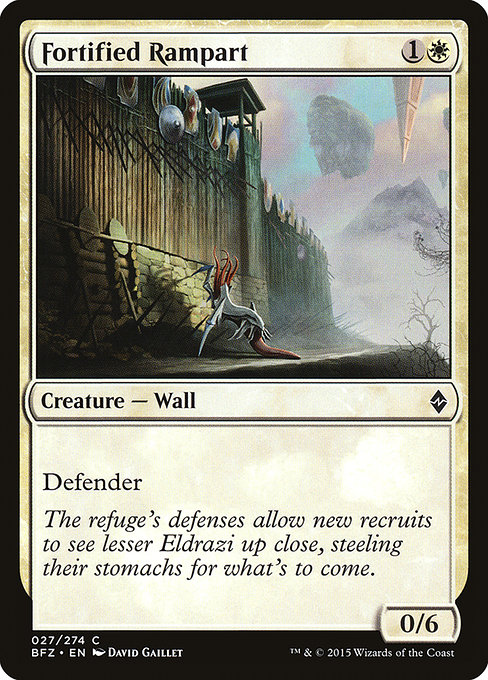
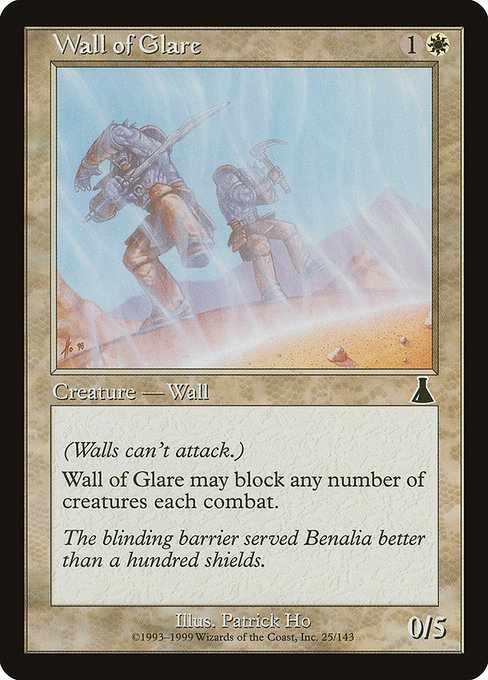
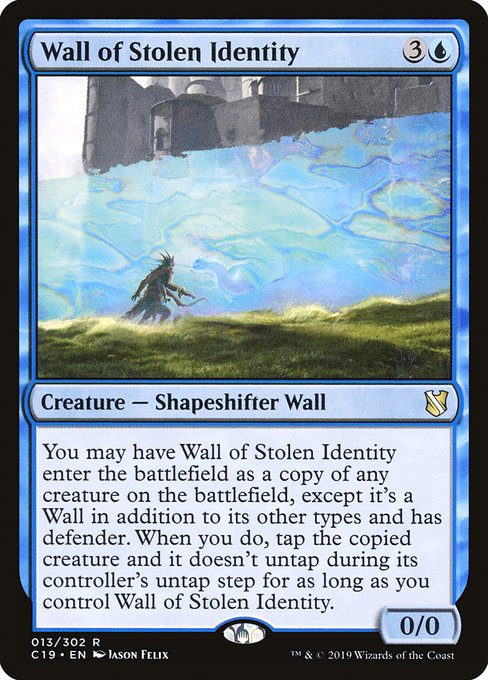
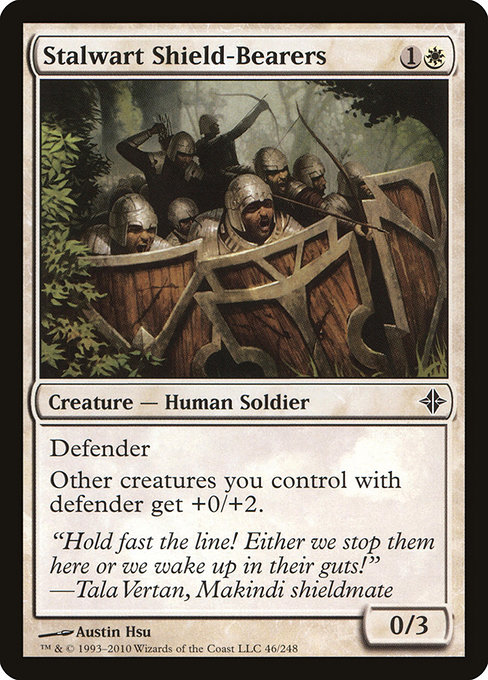
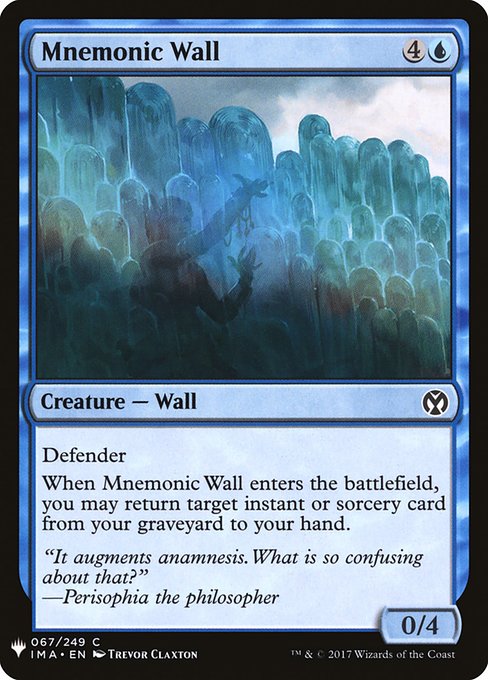
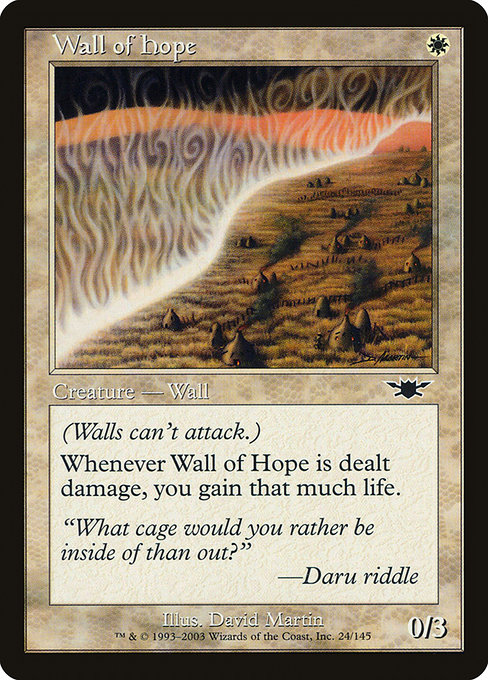
Other defenders support our gameplay: Crystal Barricade gives us Hexproof; Axebane Guardian gives us mana for each Defender on our field; Wall of Glare can block any number of creatures; Wall of Stolen Identity copies and taps a creature for as long as it remains in play; Stalwart Shield-Bearers buffs all of our defenders; Mnemonic Wall returns an instant or sorcery card to our hand; and Wall of Hope gives us life anytime it takes damage.

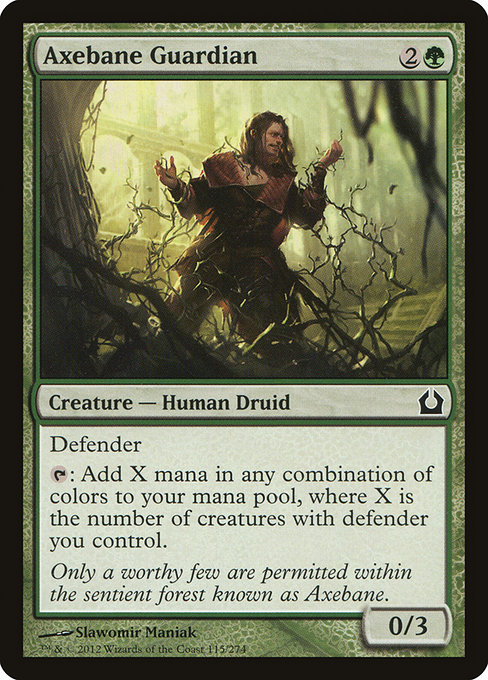
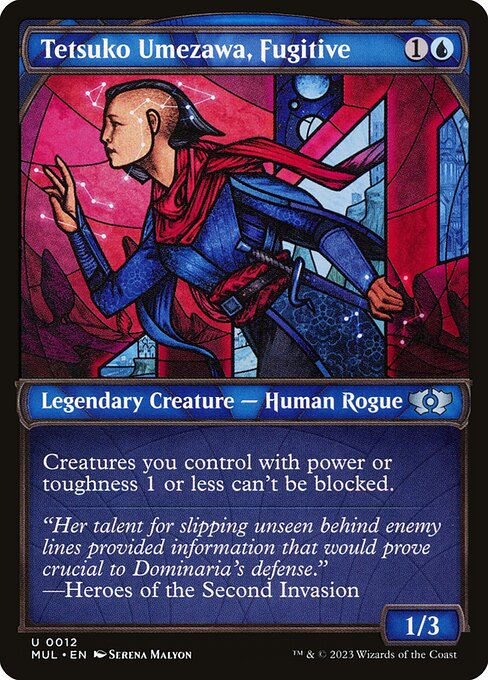
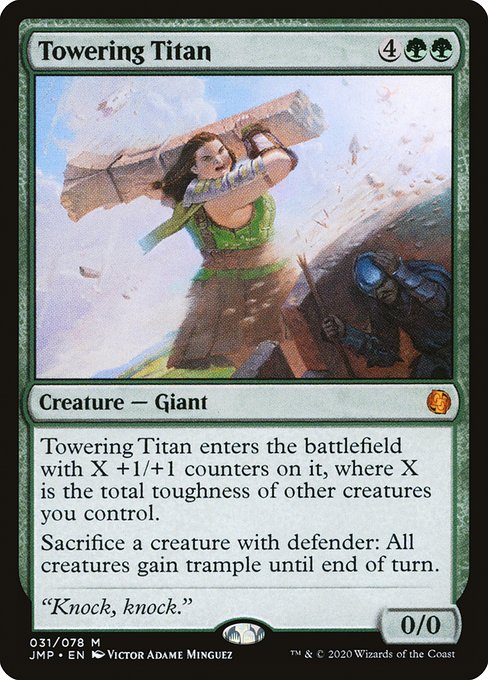
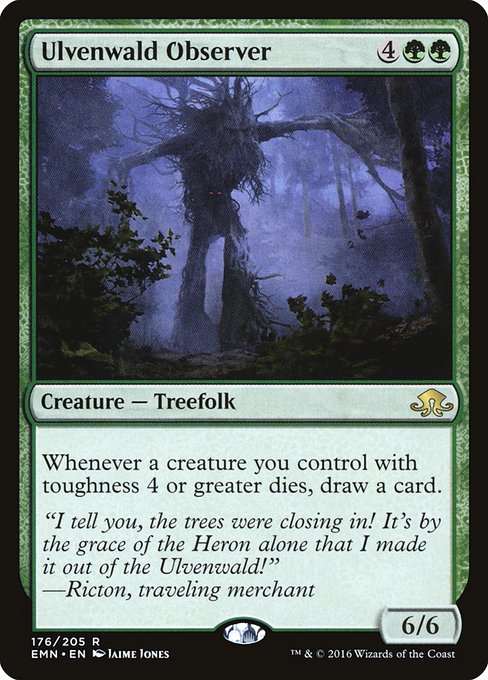
Tetsuko Umezawa, Fugitive exploits our creatures’ low power by making them unblockable; Towering Titan takes advantage of all our toughness; Ulvenwald Observer turns most dead defenders into card draw; and
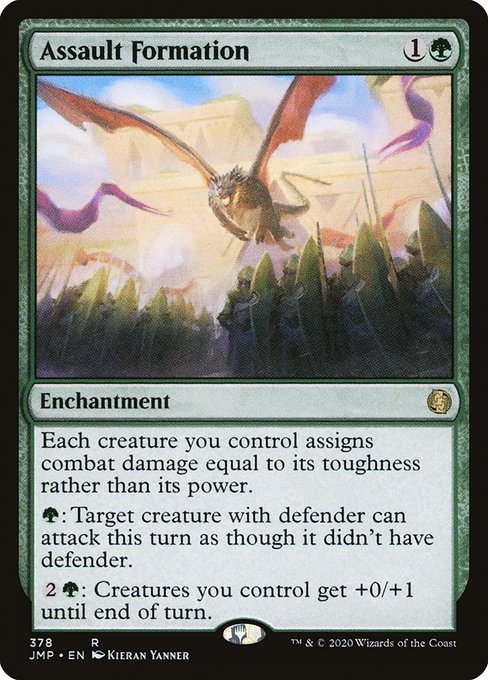
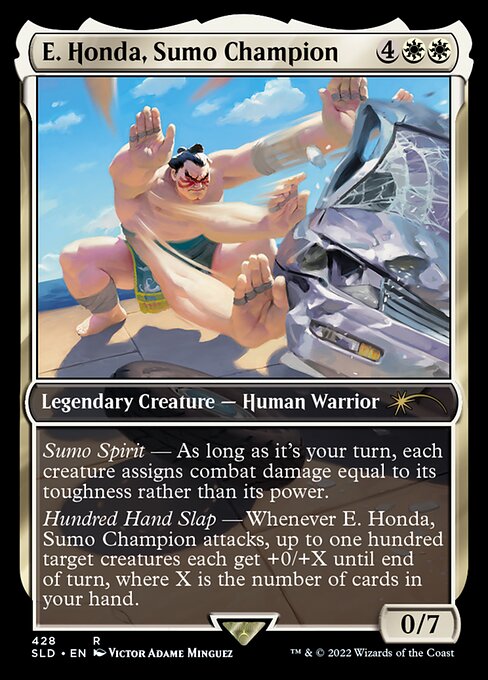
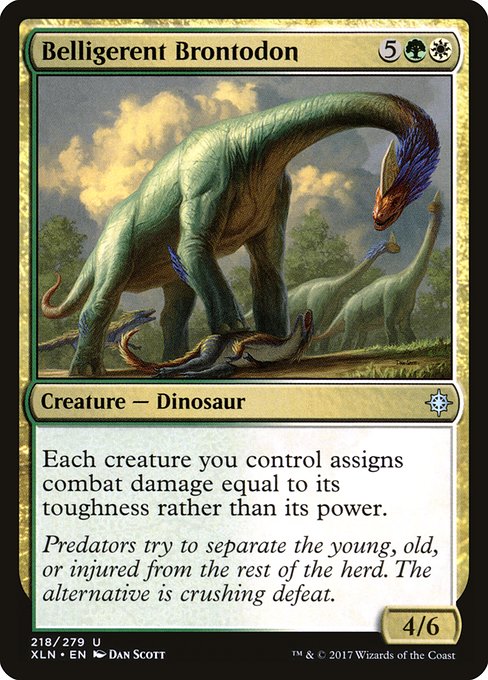
The deck stacks synergistic effects that make walls and other high-toughness creatures matter. Assault Formation, and
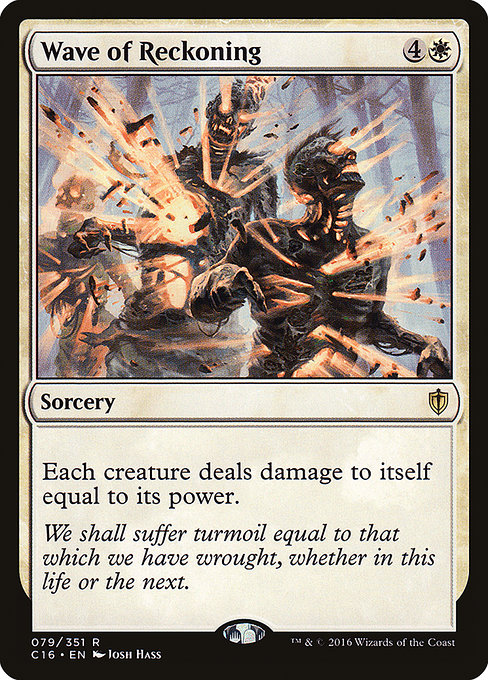
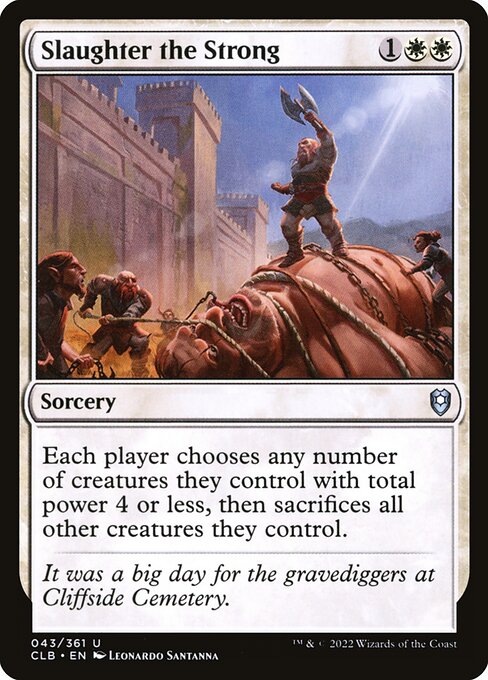
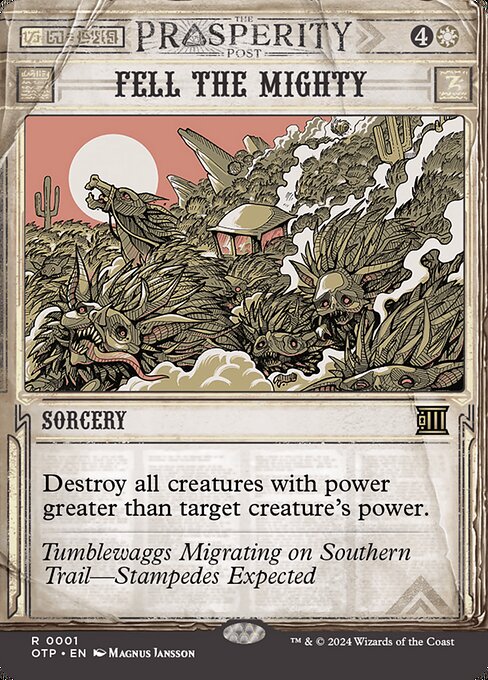
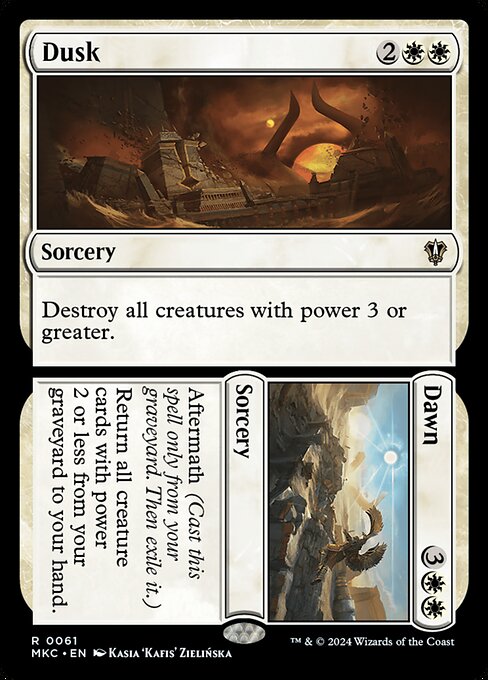
Thanks to how the deck is built we can abuse board wipes that would normally be symmetrical: Wave of Reckoning, Slaughter the Strong, Fell the Mighty and Dusk // Dawn all become one sided wipes, usually clearing the path for a finishing blow.
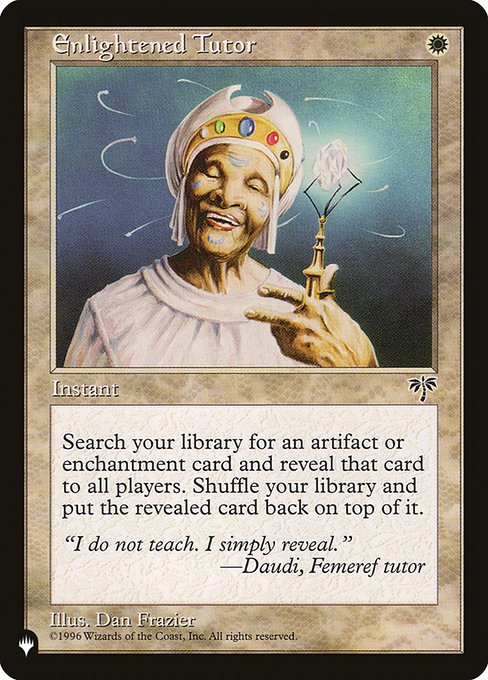
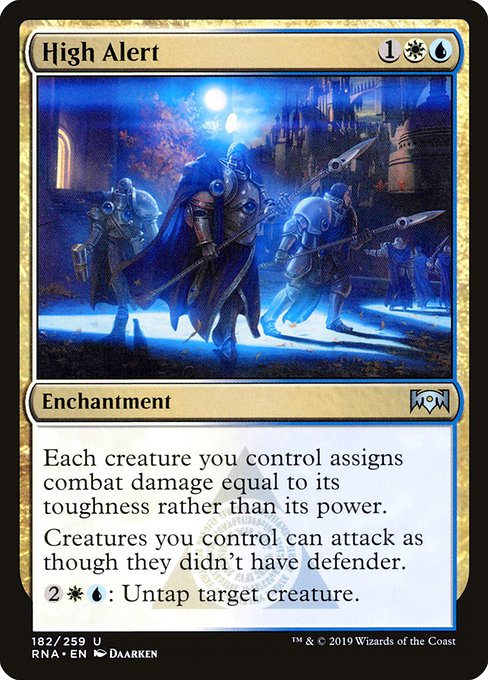
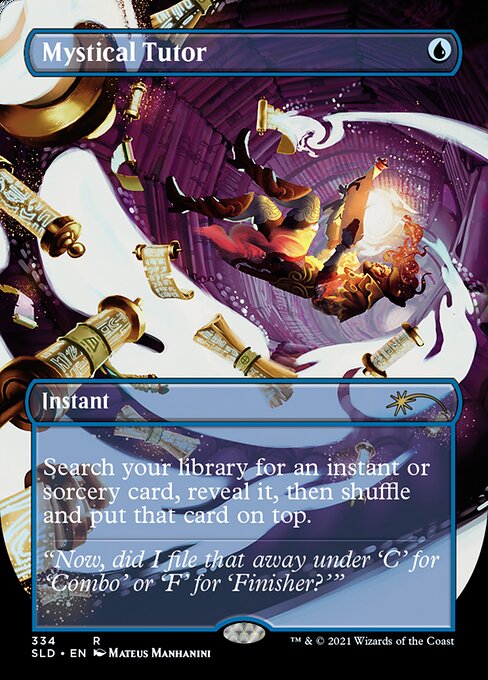
Enlightened Tutor is usually used to search for either High Alert or Assault Formation because they’re key components to the deck, however it’s flexible enough to give us options. Mystical Tutor can search for any instant or sorcery we might need when the time is right.
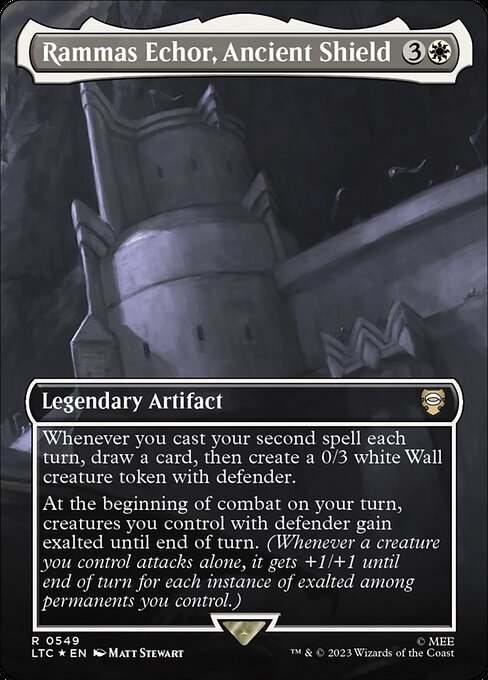
Rammas Echor, Ancient Shield rewards us by drawing cards and creating more Walls simply by playing the game, while also giving us the ability to give Exalted to our defenders.
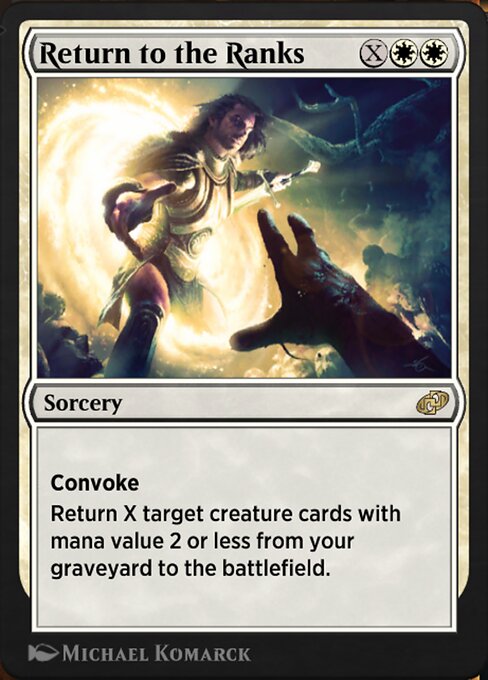
Finally we have Return to the Ranks which normally already is a powerful spell, however on this particular deck it allows us to bring back most of our creatures at any given point.
If turning unassuming defenders into an insane machine with powerful finishers sounds like fun, feel free to check out the decklist here:
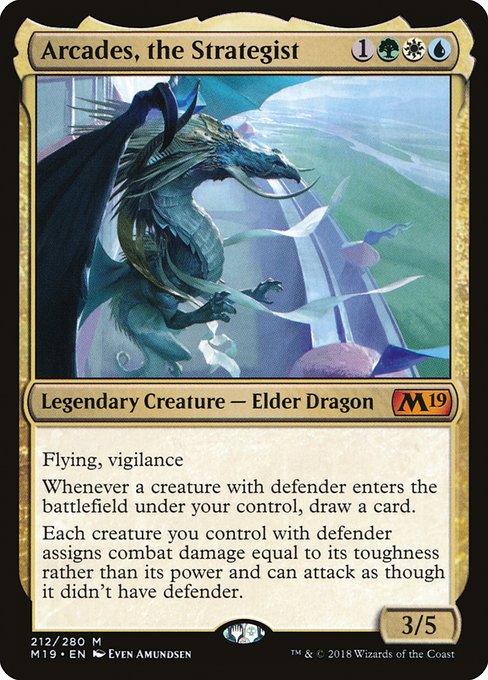
Commander
Creatures (46)
Instants (5)
Sorceries (9)
Enchantments (5)
Lands (33)
100 Cards
$2414.46
Closing Thoughts
Bant in Commander is defined by balance rather than excess. Its strategies rarely hinge on a single card or moment, instead relying on layered advantages that accumulate over the course of the game. Whether through tokens, diplomacy, unconventional combat, or delayed spellcasting, Bant rewards thoughtful play and strong table awareness.
For players who enjoy shaping the game as much as winning it, Bant offers one of Commander’s most versatile and satisfying triads, a color combination that proves power does not always need to be loud to be effective.