






Grixis is arguably the best color combination in all of cEDH. Black, Blue, and Red have access to all the best combo tools and enablers. There are a ton of different options, many of which are partner commanders. Instead of generic ones, Inalla, Archmage Ritualist is a deck that more often than not is never casting your commander. Instead, you’re making use of its eminence ability to get access to easy combos straight out of the command zone. This guide will go over the card choices, show off combos, and explain how to navigate through a cEDH game with Inalla, Archmage Ritualist at the helm.
Why Inalla?
Inalla, Archmage Ritualist has some fierce competition in the metagame. It’s competing with powerful partner pairings in Turbo Naus lists, which is the most common Grixis build. So, why play Inalla?
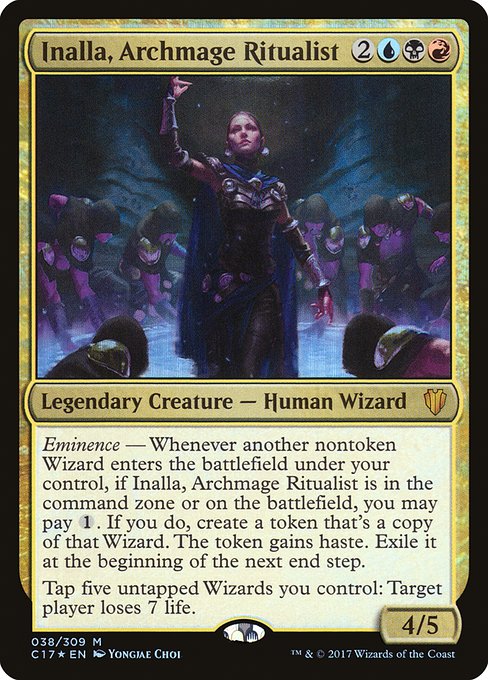
Well, for starters, it enables some powerful plays from copying Wizards. There are multiple powerful Wizards to make a copy of, and it is a key part of an easy-to-do combo. The best part? You never need to cast your commander. In fact, its activated ability is pretty bad, especially in cEDH. The odds of you even having five Wizards to tap are low. Instead, you get to abuse eminence, one of the most broken mechanics in the entire game.
If you like the idea of playing a more traditional Wizard Tribal deck, we have an entire article discussing Wizards, along with plenty of sample decklists (including a more casual Inalla list if you’re interested in a lower power version of it).
The Tutor Suite
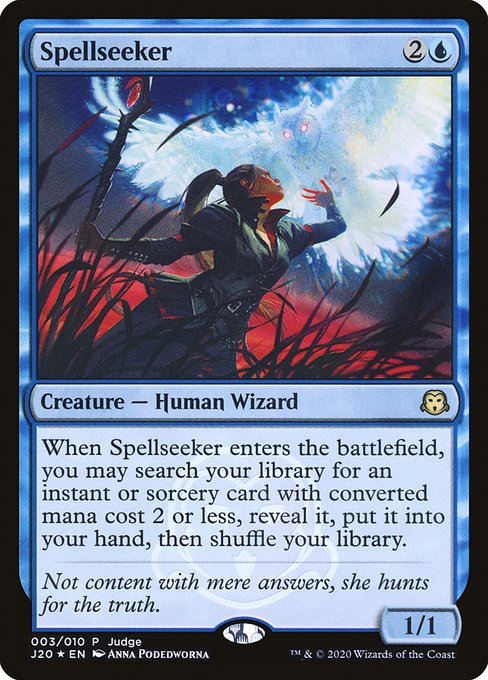
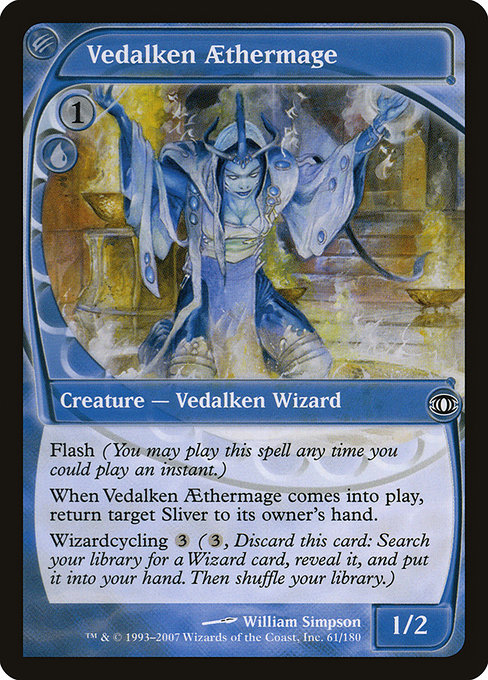
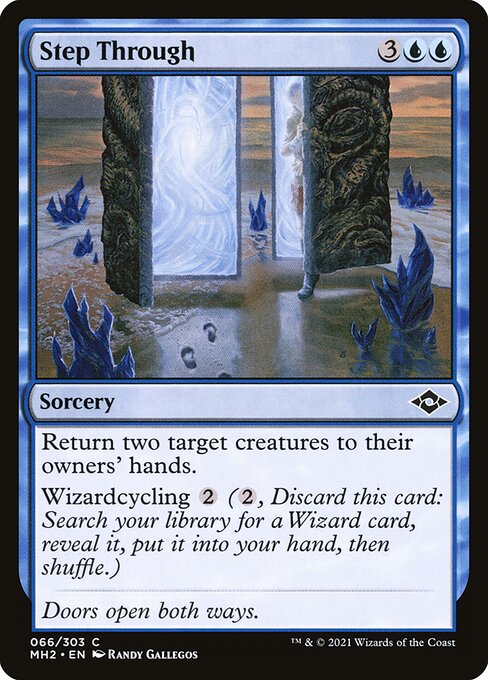
In cEDH, tutors are the best kind of card you can run. Consistency is key, especially in a format where you can win as early as turn one. In cEDH Inalla, the most important card is Spellseeker. This is a Wizard, and being able to copy it enables an infinite combo loop early on in the game. On top of that, Vedalken Aethermage and Step Through can cycle themselves for a Wizard, usually Spellseeker.
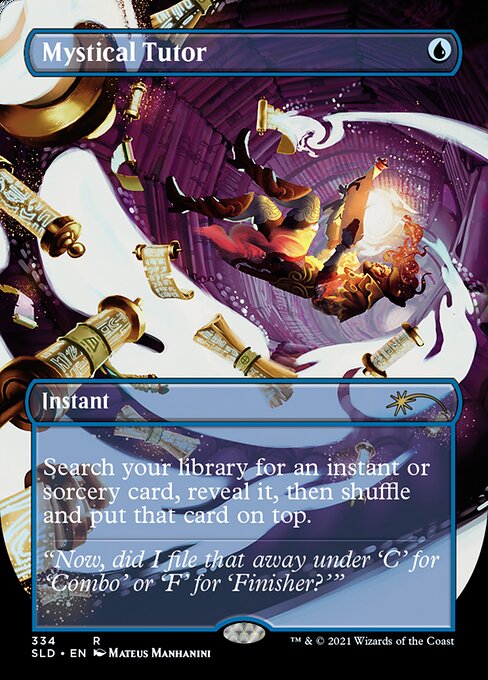
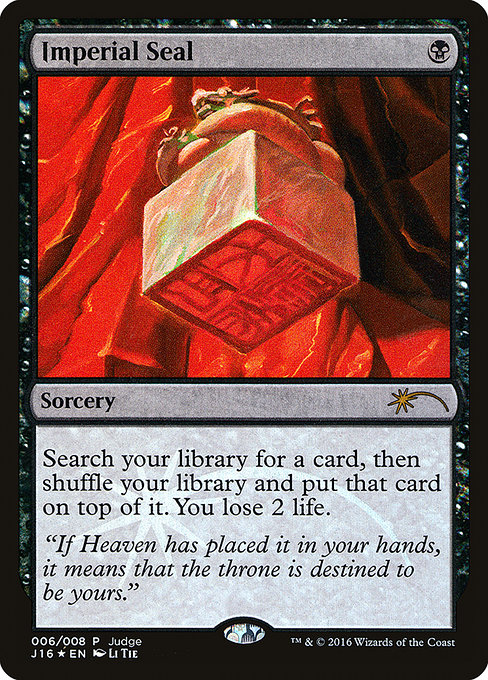
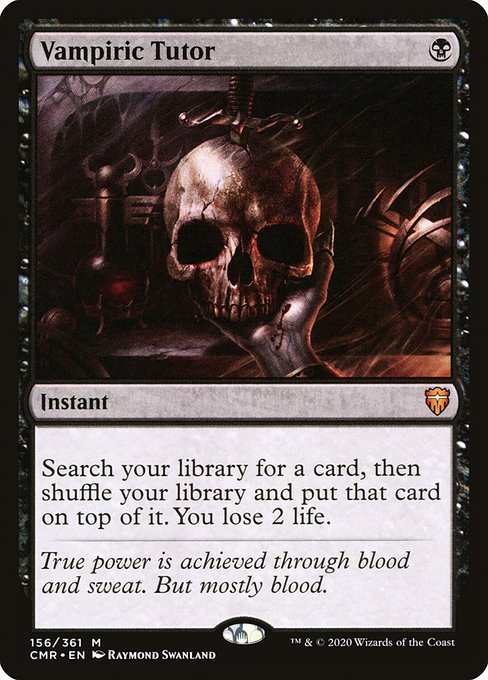
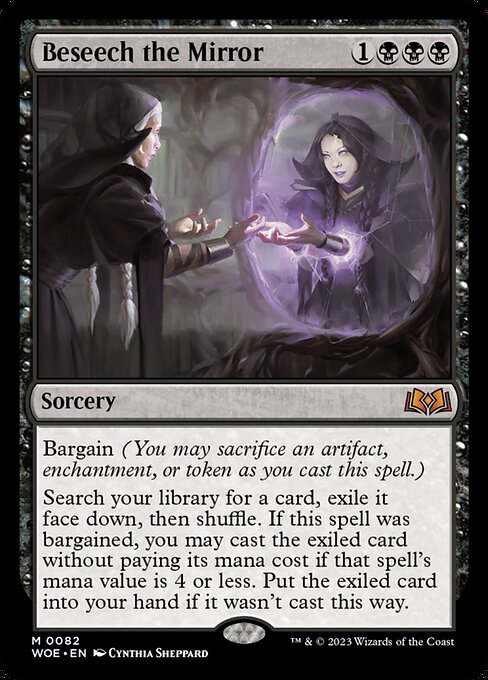
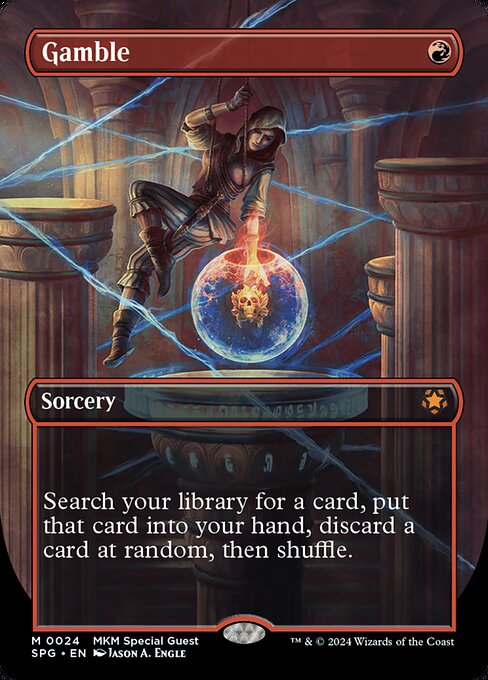
In addition to these, you also have the generic tutor suite of Mystical Tutor, Demonic Tutor, Imperial Seal, Mystical Tutor, and Vampiric Tutor. You can spend some more mana with Beseech the Mirror, and leave it up to luck with Gamble. Even if you lose a key card with Gamble, the deck has a lot of recursion, so this isn’t a big deal.

Reanimation and Graveyard Setup
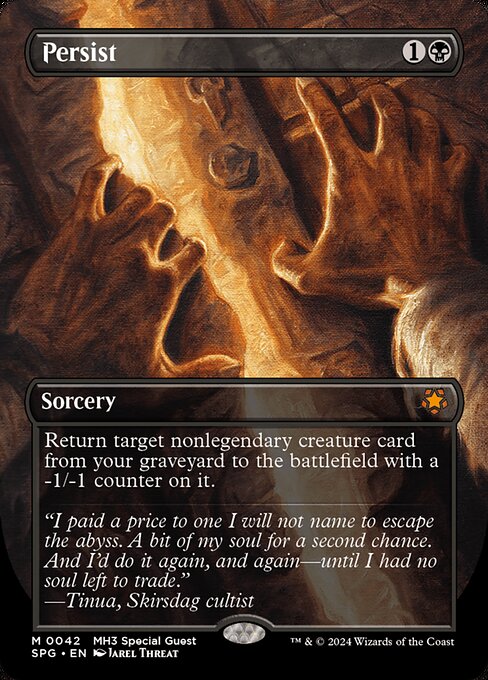
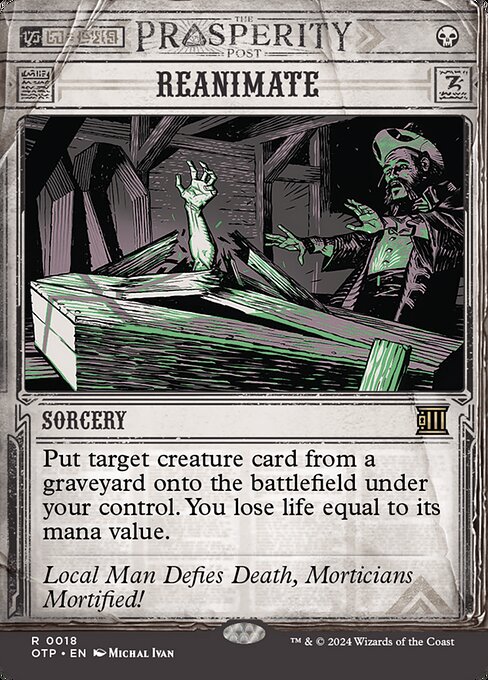
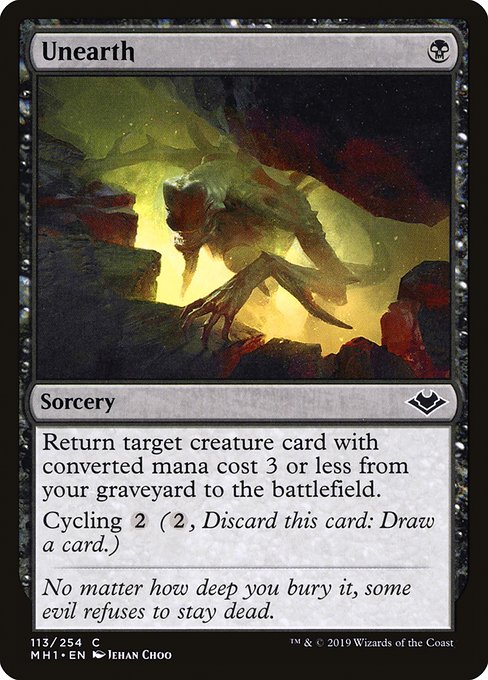
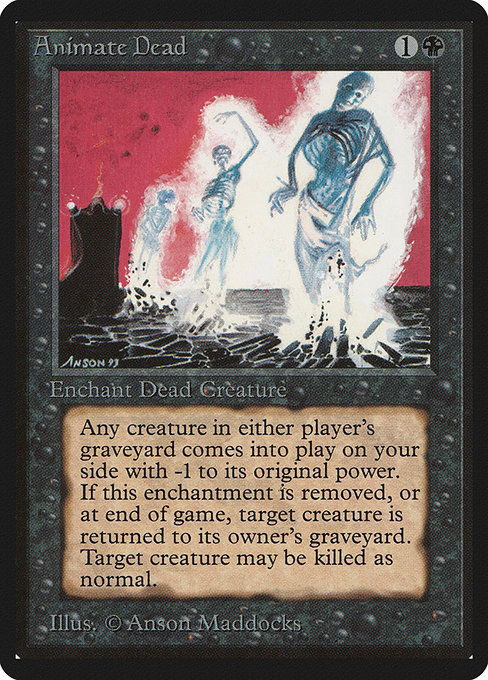
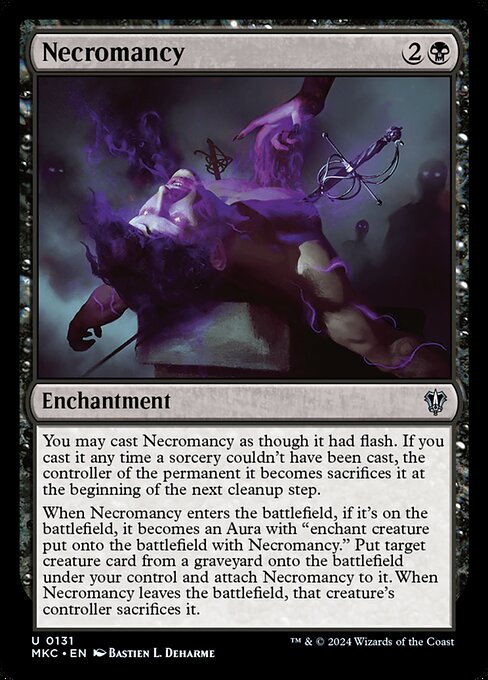
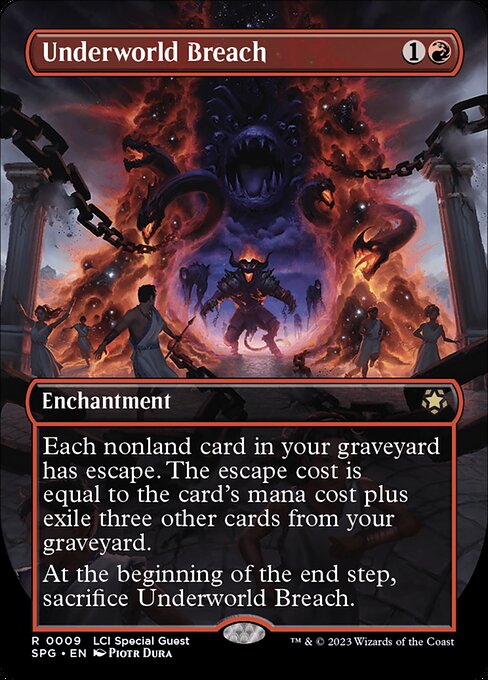
Spellseeker is the heart and soul of the deck. So, you always want ways to bring it back to the graveyard. Abusing the graveyard is also a big part of the main combo of the deck (which we’ll get into later). You have Persist, Reanimate, Unearth, Animate Dead, and Necromancy as ways to reanimate creatures from the graveyard. In a pinch, you can use Underworld Breach as well.
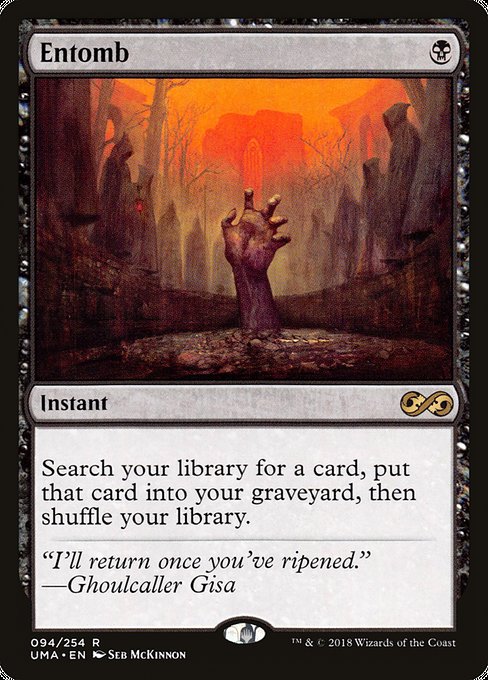
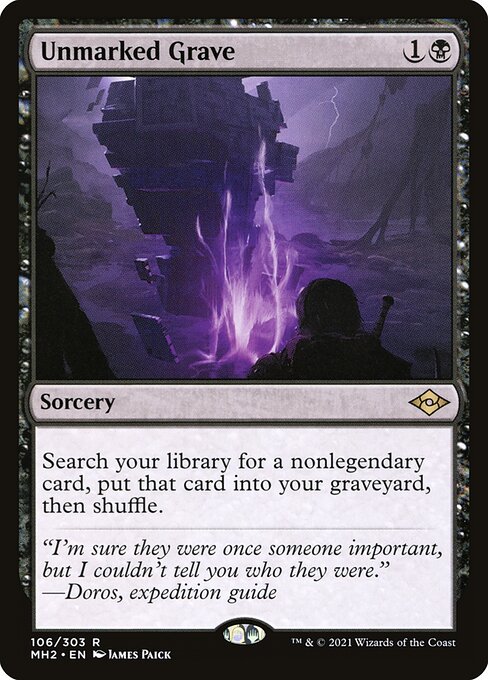
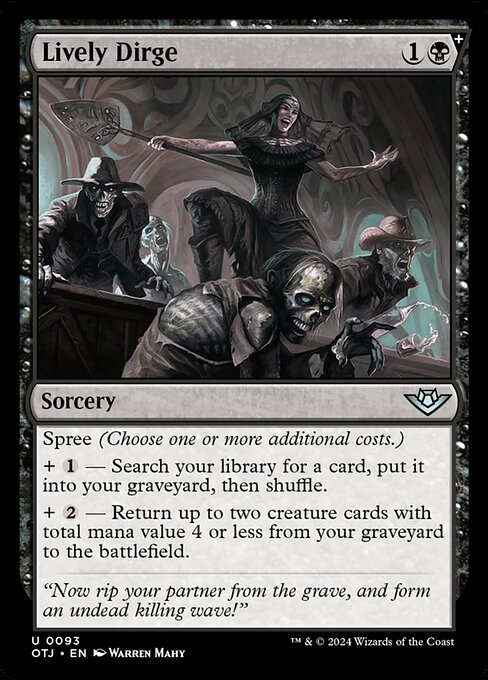
For setting up the graveyard, you have various ways to do this too. Entomb can do it at instant speed. You also have Unmarked Grave to dump any nonlegendary into the graveyard. Lively Dirge can both put a creature into the graveyard while also reanimating a creature as well.
If you like constantly bringing cards back from the graveyard, you’ll love a Reanimator deck. And you can check out our complete archetype guide for Reanimator here.
Sacrifice
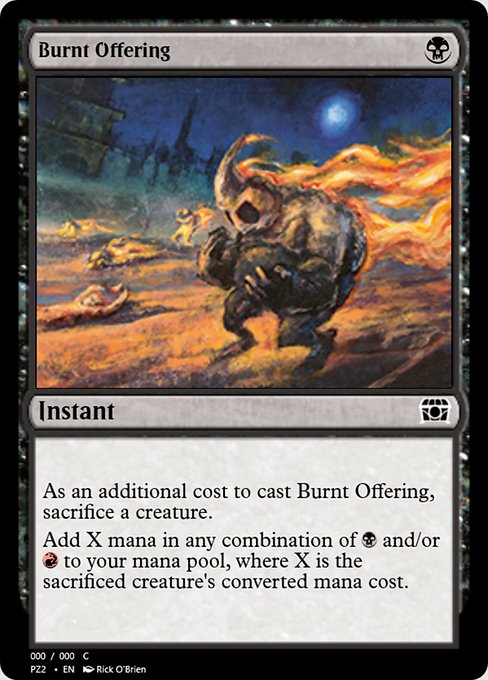
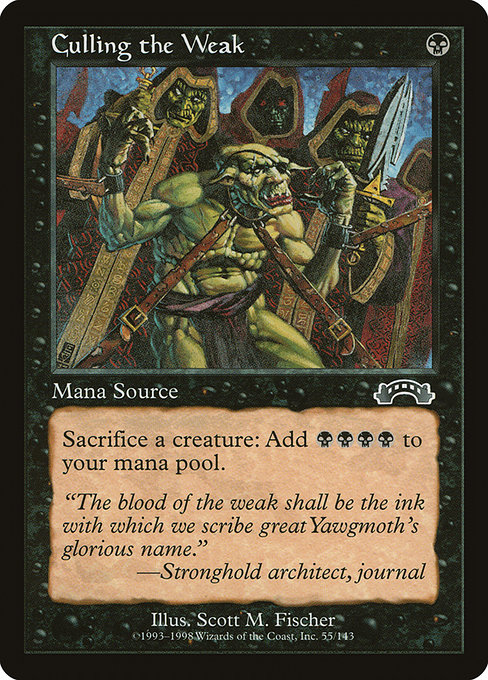
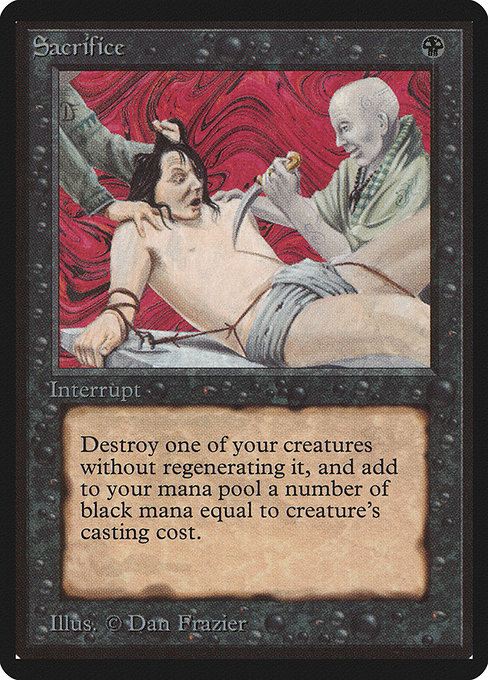
A key aspect of the deck is using cards that sacrifice a creature to make mana. This is a part of many different combo lines, and Inalla, Archmage Ritualist can keep making sacrifice fodder with its effect since it triggers when a creature enters, not when it attacks. These cards include Burnt Offering, Culling the Weak, and Sacrifice.
Interaction
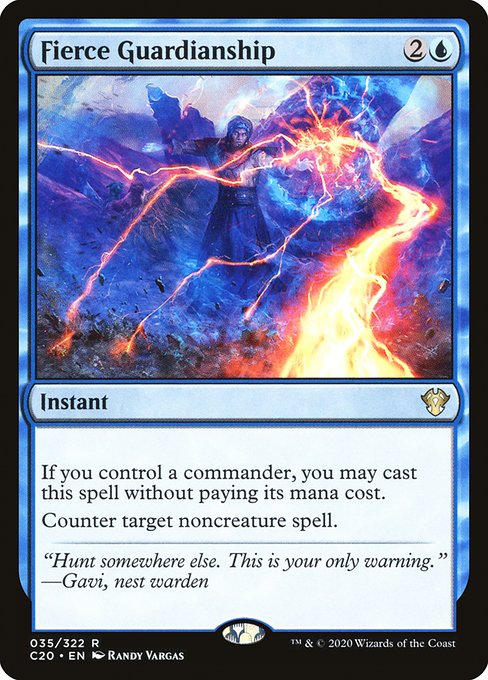
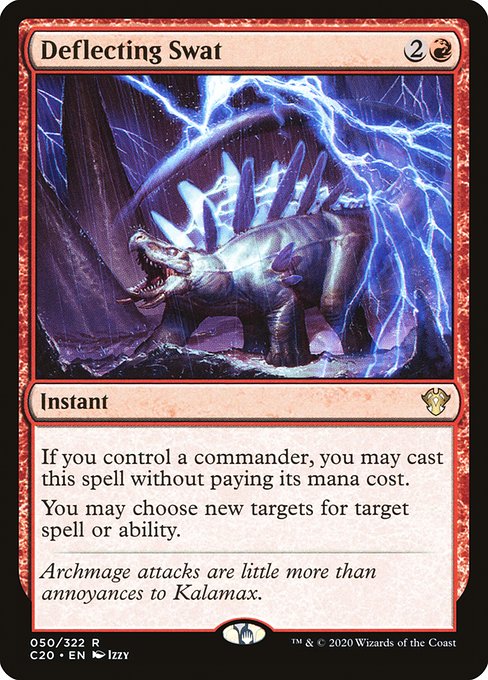
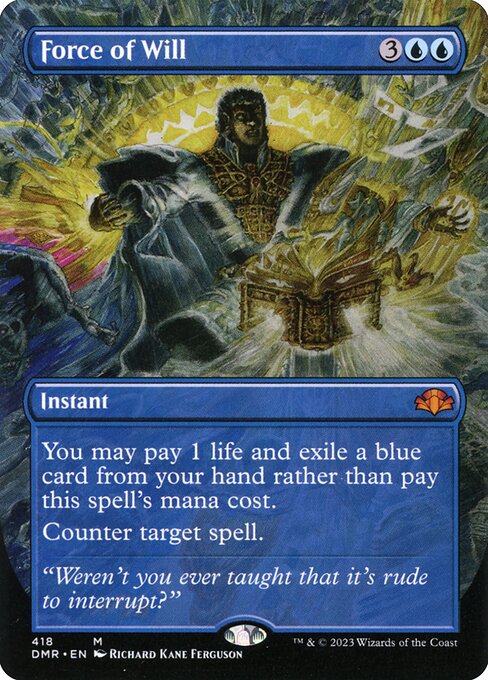
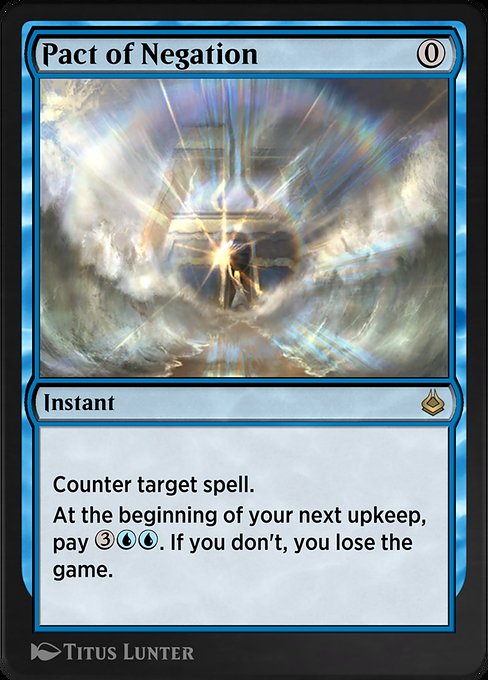
When you’re in Blue, you have access to all the best counterspells. One downside is that you can’t actually run cards that require your commander to be good, such as Fierce Guardianship or Deflecting Swat, since you never actually cast them. In fact, the only free counterspells in the deck are Force of Will and Pact of Negation.
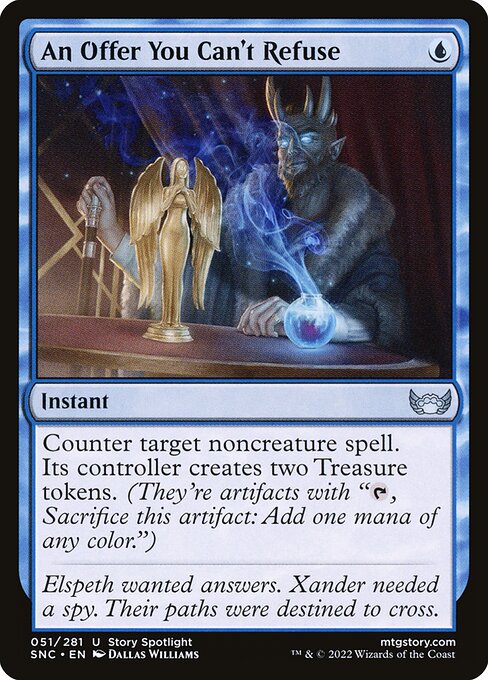
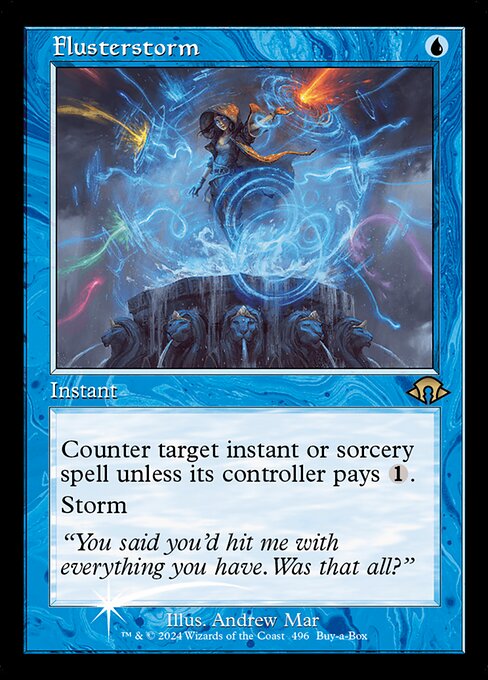
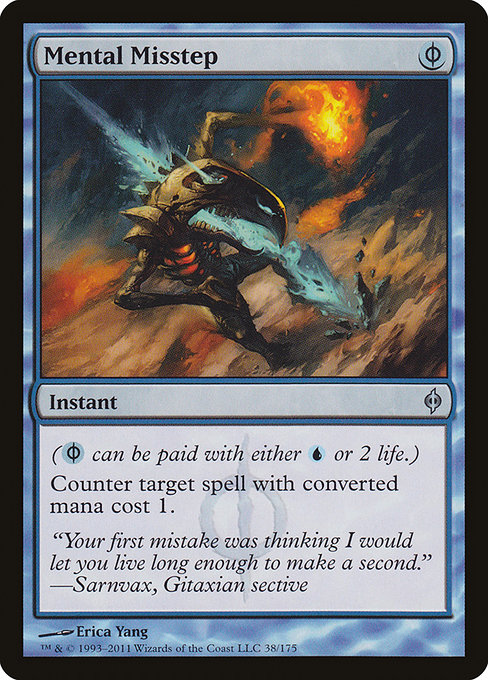
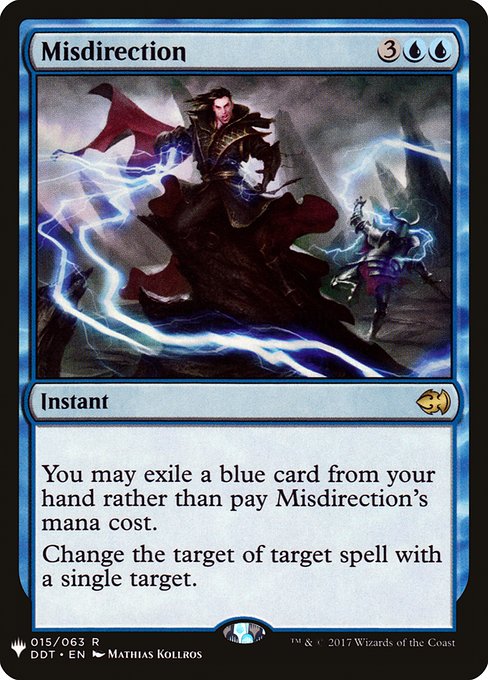
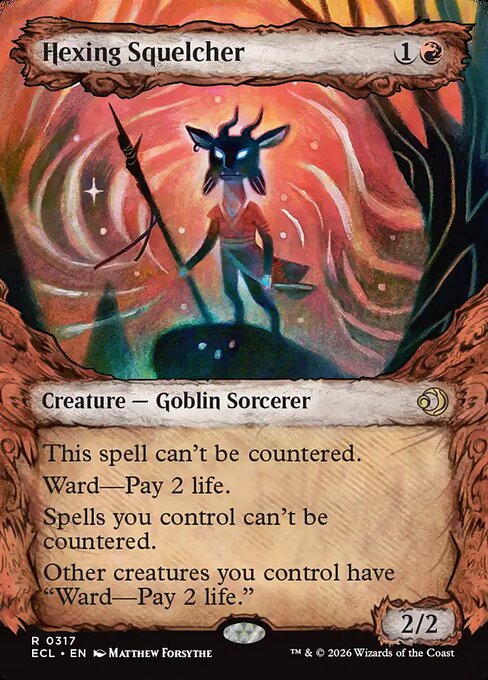
For other counterspell options, you have An Offer You Can't Refuse, Flusterstorm, and Mental Misstep. Not quite a counterspell, but you can redirect a spell target to another with Misdirection. In many cases, you want to save your counterspells for your combos, as otherwise you’ll be prone to getting interrupted unless you managed to get Hexing Squelcher onto the battlefield first.
cEDH Inalla Combos
Spellseeker Line 1: Spellseeker in Hand
This first line requires Spellseeker in hand, Scholar of the Ages in your library, Finale of Promise either in your hand or in the library, and available.
| 1: Cast Spellseeker. Both its effect and Inalla, Archmage Ritualist go on the stack. Stack it so Spellseeker resolves first. |
| 2: Search for Culling the Weak. Holding priority, cast it before Inalla’s effect resolves. You should now be at . |
| 3: Let Inalla resolve, creating a Spellseeker token with one black mana. With this new Spellseeker, search for Unearth. |
| 4: With Unearth, cast it targeting the Spellseeker in the graveyard. This will leave you with . |
| 5: Stack the effects so Spellseeker resolves before Inalla. With Spellseeker, search for Burnt Offering. Holding priority, use this on the card and sacrifice Spellseeker, creating . |
| 6: Pay for Inalla with a black mana, creating a Spellseeker copy. Then, search for Finale of Promise with the copy. |
| 7: With your remaining mana, cast Finale of Promise with X=1, choosing Culling the Weak and Unearth |
| 8: Use Culling the Weak on the Spellseeker token, and Unearth on the Spellseeker in the graveyard. |
| 9: It does not matter how you stack Spellseeker or Inalla, simply get Entomb and Reanimate with the triggers. |
| 10: With Entomb, put Scholar of the Ages into the graveyard, then reanimate it with Reanimate. |
| 11: Stack it so Scholar of Ages resolves before Inalla. With Scholar, return Entomb and Burnt Offering to your hand. Cast Burnt Offering on Scholar of Ages, creating seven black mana. |
| 12: Still holding priority, cast Entomb and put Shallow Grave into your graveyard. |
| 13: Pay Inalla, creating a Scholar of Ages token and returning Burnt Offering and Shallow Grave to your hand. |
| 14: Cast Shallow Grave, returning |
| 15: Return Burnt Offering and Shallow Grave to your hand. With the copy from Inalla, you can return any other instant or sorcery you want to your hand. Since you only need to sacrifice the original Scholar of Ages now, you’ll have an infinite number of Scholar of Ages tokens with haste thanks to your commander. |
Spellseeker Line 2: Entomb and Reanimate
This second variant of the main combo requires you to have Entomb and Reanimate in your hand. Scholar of the Ages has to be in the graveyard, and Dark Ritual has to be in the hand or library. You also need to play the combo.
| 1: Cast Entomb, putting Spellseeker into the graveyard. |
| 2: Cast Reanimate, returning Spellseeker to the battlefield. |
| 3: Stack it so Spellseeker resolves before Inalla. With it, tutor for Culling the Weak. Holding priority, sacrifice Spellseeker. |
| 4: Pay for Inalla, searching for Unearth. |
| 5: With Unearth, bring Spellseeker back to the battlefield. |
| 6: Stack it so Spellseeker resolves before Inalla. With it, tutor for Burnt Offering, then before you resolve Inalla, use Burnt Offering to make . |
| 7: Pay for Inalla with one mana, then, with the token copy, search for Finale of Promise. |
| 8: Cast Finale with X=1, choosing Unearth and Entomb. |
| 9. With Entomb, put Scholar of the Ages into the graveyard. With Unearth, return Spellseeker to the battlefield. |
| 10: It does not matter the stacking order, with both Spellseeker search for Dark Ritual and Shallow Grave. |
| 11: Use Dark Ritual, then cast Shallow Grave to return Scholar of the Ages to the battlefield. With it, return Burnt Offering and Shallow Grave to your hand. |
| 12: Use Burnt Offering on Scholar of the Ages, generating seven black mana. With your Inalla trigger, return Burnt Offering and Shallow Grave to hand. |
| 13: Use Shallow Grave to revive Scholar of the Ages, and repeat the loop, always returning Burnt Offering and Shallow Grave. |
| 14: Since you don’t have to sacrifice your tokens from this point, you will have an infinite number of Wizard tokens on top of infinite mana. |
Instant-Speed Win
If you have Entomb and Shallow Grave in your hand, and available, you can win the game at instant speed. You just need Scholar of the Ages not to be in your hand, and Thassa's Oracle in your graveyard or library.
| 1: Cast Entomb, putting Scholar of the Ages into the graveyard. Then, cast Shallow Grave to return it to the graveyard. |
| 2: Stack it so Scholar resolves before Inalla, Archmage Ritualist. Return both Entomb and Shallow Grave to your hand. |
| 3: Holding priority, cast Entomb and put Burnt Offering into the graveyard. |
| 4: Resolve Inalla, creating a Scholar copy and putting Entomb and Burnt Offering into your hand. |
| 5: Cast Burnt Offering on Scholar of the Ages, making seven black mana. Then, cast Shallow Grave to bring it back. |
| 6: Return Burnt Offering and Shallow Grave to your hand with Scholar. |
| 7: Repeat steps 5 and 6, which will raise your devotion count with each Scholar token you make with Inalla. Make it so your devotion to Blue is more than the cards in your library. Once you’ve reached this point, move on to the next step. |
| 8: Cast Entomb, putting Thassa's Oracle into the graveyard. |
| 9: Cast Shallow Grave to revive Thassa’s Oracle, which will win the game with its win condition. |
The Mancer Line
Spellseeker isn’t the only way the deck can win. You can also win with Bloodline Necromancer and
| 1: Cast Ruthless Technomancer, stacking it so Inalla, Archmage Ritualist resolves first. |
| 2: With the Technomancer token, sacrifice the original Technomancer to create two Treasure tokens. |
| 3: Cast Bloodline Necromancer, stacking effects so Necromancer resolves before Inalla and return Technomancer to the battlefield. |
| 4: Stack effects so Technomancer’s effect resolves before Inalla’s Technomancer trigger. With it, sacrifice Necromancer to Technomancer, creating three Treasure tokens. |
| 5: Then, pay for Technomancer’s Analla trigger, sacrificing the original Technomancer to create two Treasures. |
| 6: Now, pay for Necromancer’s Inalla trigger from step 3, returning the original Necromancer to the battlefield. |
| 7: Repeat steps 4-6 to create an infinite amount of both creatures with haste, as well as three Treasure tokens each time. |
Ol’ Reliable
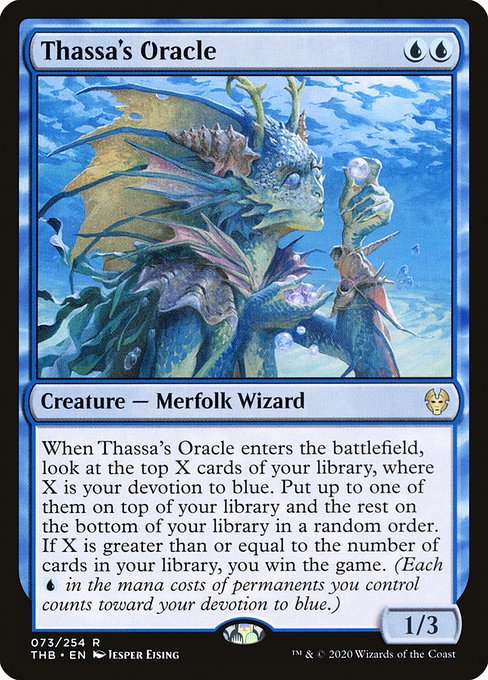
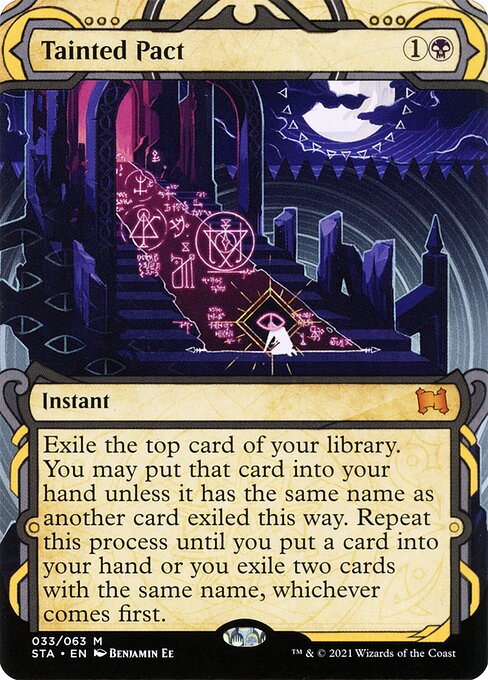
When all else fails, you always have Thassa's Oracle. Why jump through so many hoops for a combo when you can just cast Demonic Consultation or Tainted Pact to empty out your library by naming a card you don’t own, then play Thassa's Oracle and win the game. It’s as good as it ever was, and can easily steal games out of nowhere.
Final Thoughts
Inalla, Archmage Ritualist is a very unique card within the cEDH meta. While many Grixis decks take advantage of having cheap commanders, Inalla doesn’t actually care about ever casting your commander. In fact, if you ever actually cast Inalla, something in your game has gone very, very wrong. The deck takes advantage of the many powerful utility cards that Grixis has access to, while being able to combo from the command zone. Inalla rewards finding your openings and massive amounts of recursion to never quite be out of the game. It is an incredibly fast deck, capable of winning as early as turn one with the right openings. It’s quite consistent and resilient, making it an excellent choice.
The main downside of the deck is that it’s not particularly great into Stax-heavy metagames. Many of the deck’s combos require a lot of spells to be cast. So, Rule of Law and similar effects can harm you, as can graveyard hate such as
To help make you more aware of graveyard hate, check out our article about the best graveyard hate strategies, so you know what to expect to play around them.
Despite the cons of the deck, it is still a very strong contender and offers a different route to victory than others. Not many cEDH decks take advantage of cards with eminence, making Inalla a unique one in that regard. If you like careful thinking with high payoffs, Inalla is the deck for you.