






In Commander, there are a ton of legal lands in the format (well over a thousand, with more constantly getting added). Whether they’re basic lands, simple dual lands, or utility lands, they are all useful for different reasons. Even lands without a mana ability have uses. This Land Guide will go over all the most played lands and the best ways to utilize them. Lands are in every Commander deck, so it’s important to know everything they can do.
Lands With Types
The first thing to note is lands with basic land types. All Islands are Islands, but just because a land can tap for Blue doesn’t make it an Island (see Airship Engine Room. It taps for Blue, but is not considered an Island. If a land has a type, it is explicitly on the typeline (as seen on Steam Vents. They have a Red-Blue color identity, but if it doesn’t have the land type on the typeline, then it’s not considered to be that kind of land.
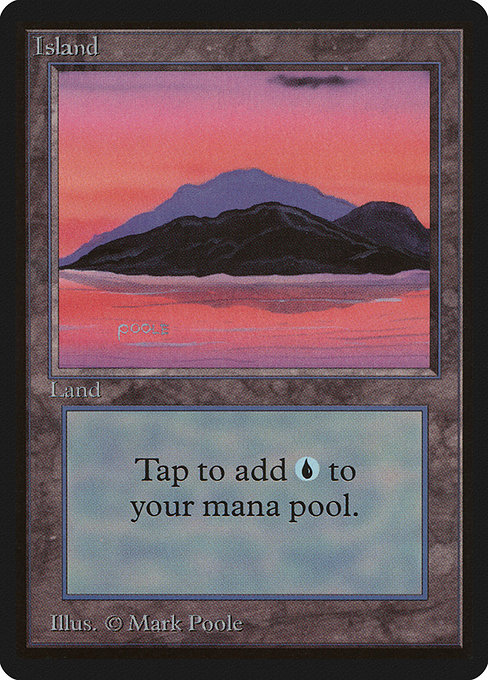
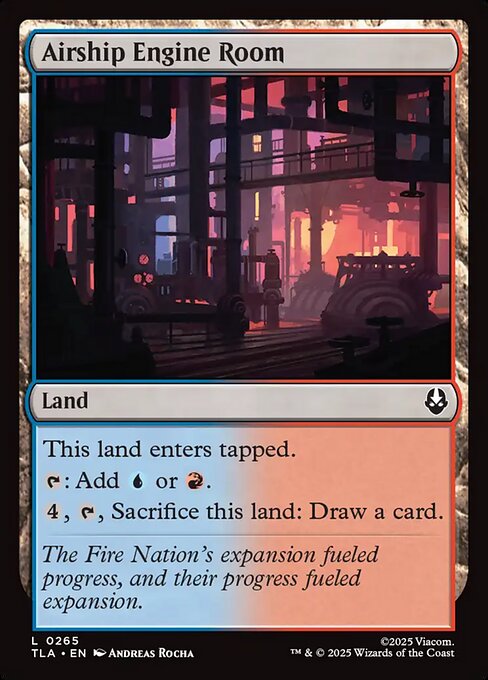
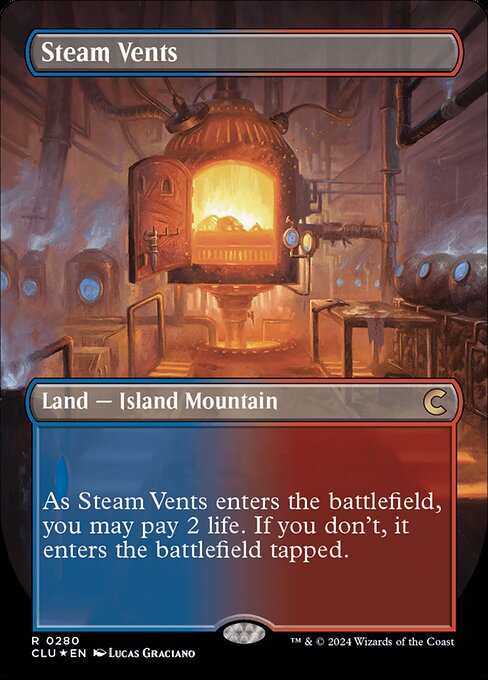
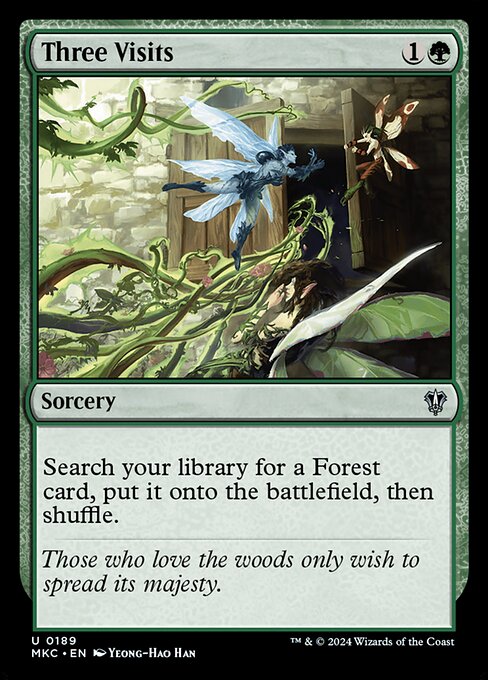
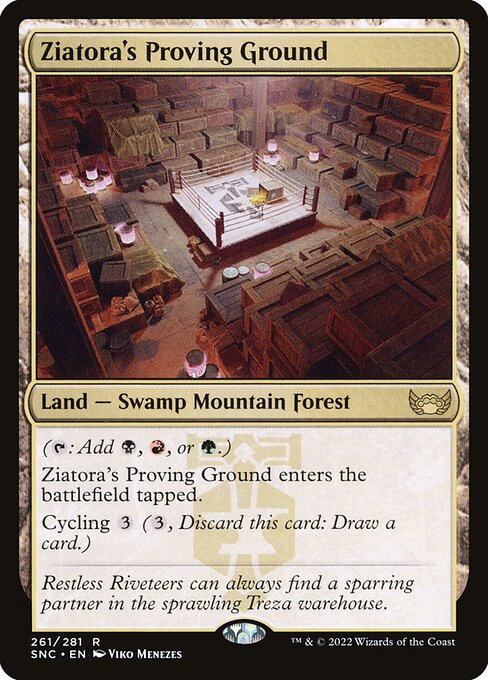
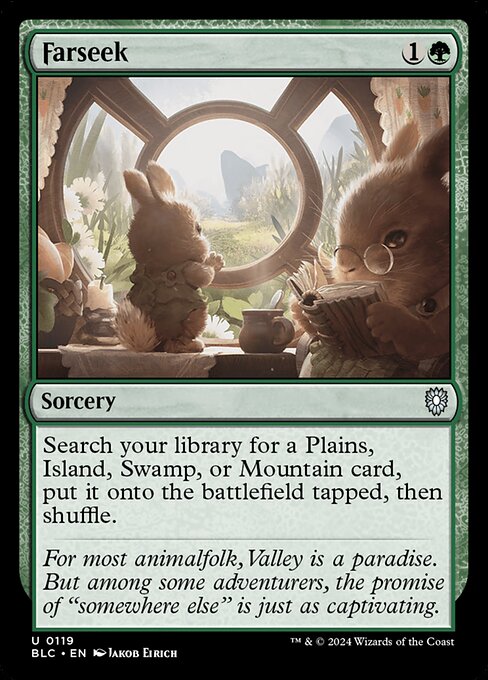
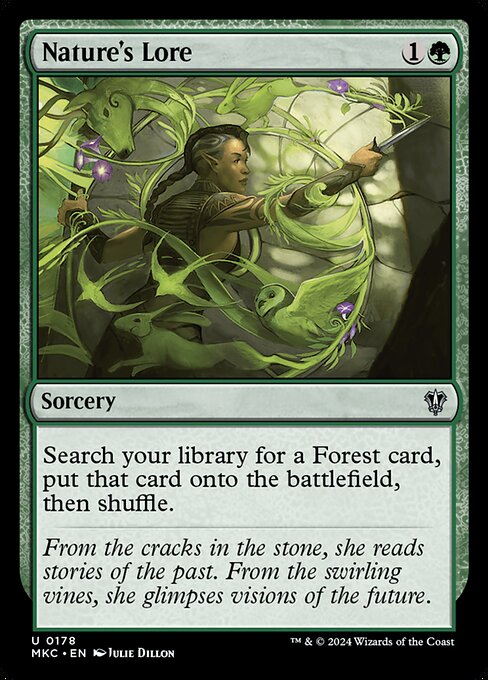
So why does this matter? For cards that tutor for land types. For example, Three Visits can tutor for a Forest and put it on the battlefield. It doesn’t say basic Forest, meaning it can tutor for a card such as Ziatora's Proving Ground. This is why ramp cards like Three Visits, Farseek, and Nature's Lore are so good. They can tutor for dual lands and triomes with land types to help you get all your colors online. The more colors your Commander deck has, the better these are, as you can pick and choose what dual land/triome you want to play the spells in your hand.
Nonbasic Land Types
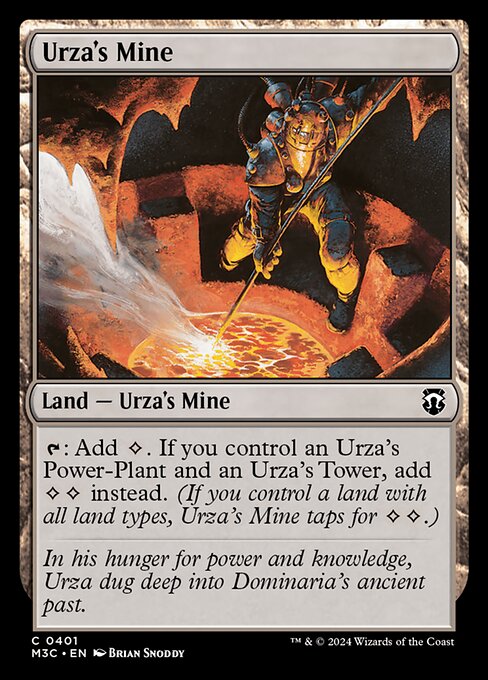
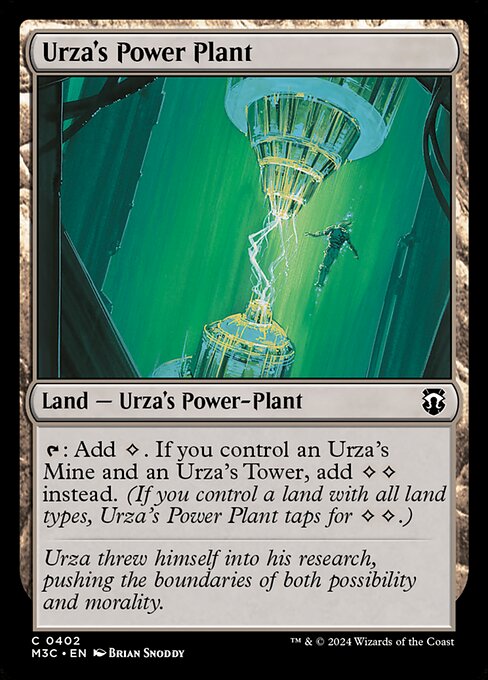
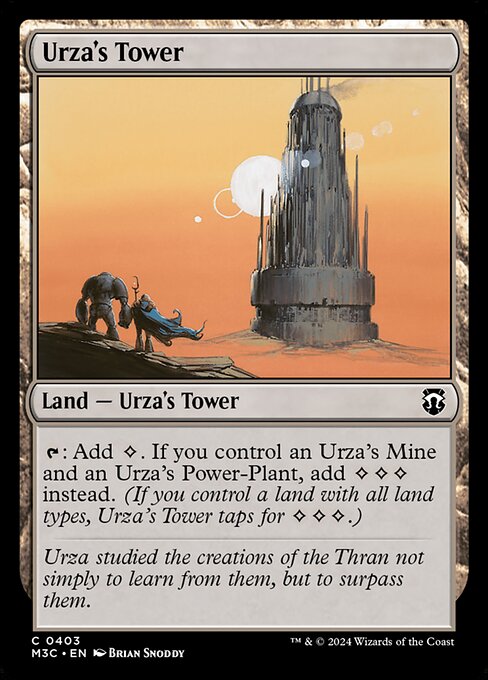
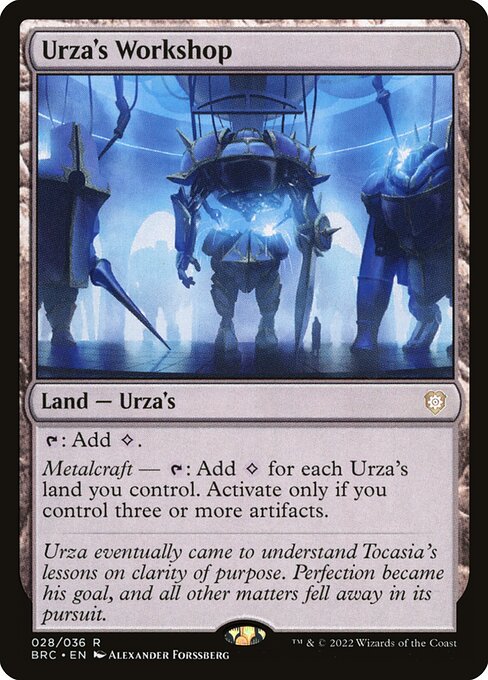
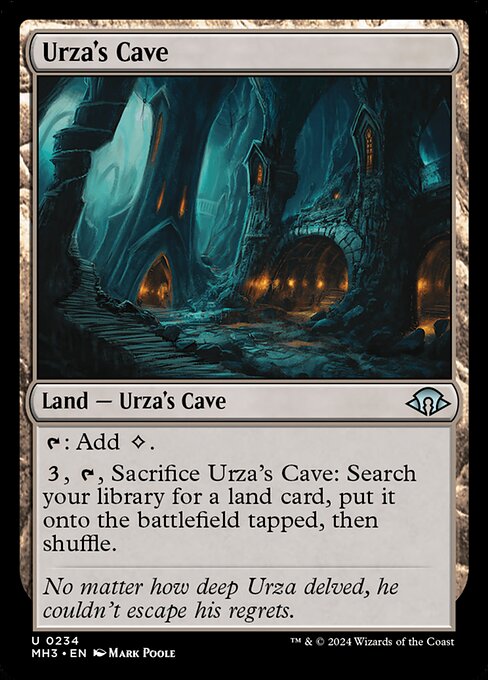
In addition to lands with basic land types, there are also cards with various unique card types. Usually, they involve a payoff for playing these cards. The most common are Urza lands, found on Urza's Mine, Urza's Power Plant, and Urza's Tower. These are common in colorless decks, as being able to make a ton of mana for having three specific lands on the battlefield is great. You have another payoff in Urza's Workshop to make a ton of excess mana. Urza's Cave even lets you tutor for any lands, including any missing Urza land card.
And if you like the idea of playing a Colorless deck, we have a full deckbuilding guide for Colorless decks you can view.
The other most well-known nonbasic land type is Gates. The original cycle is dual lands that enter tapped (Boros Guildgate. Another land cycle came in Baldur’s Gate that tap for a specific color, but let you pick another color they can tap for (Citadel Gate). There are some one-off Gate lands too, such as The Black Gate, Thran Portal, and Talon Gates of Madara (the last of which is a cEDH staple to combo with).
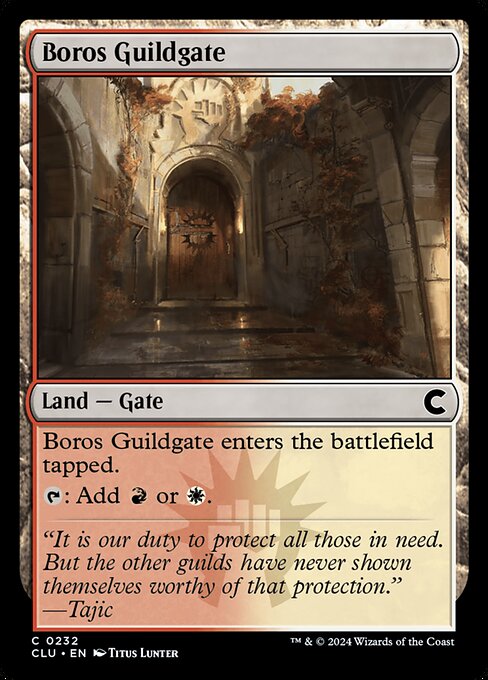
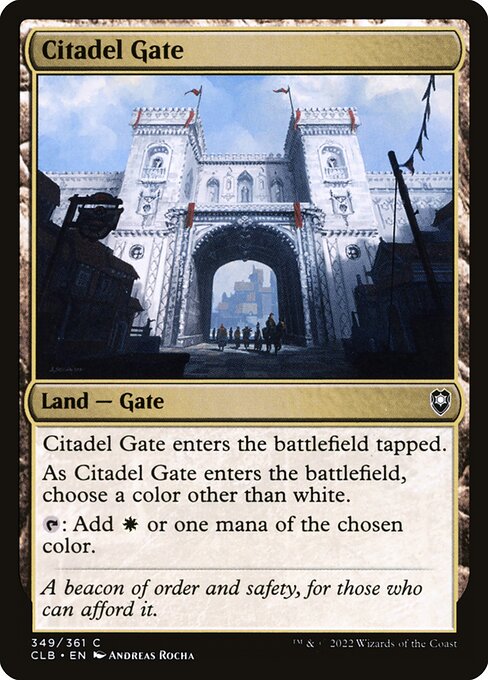
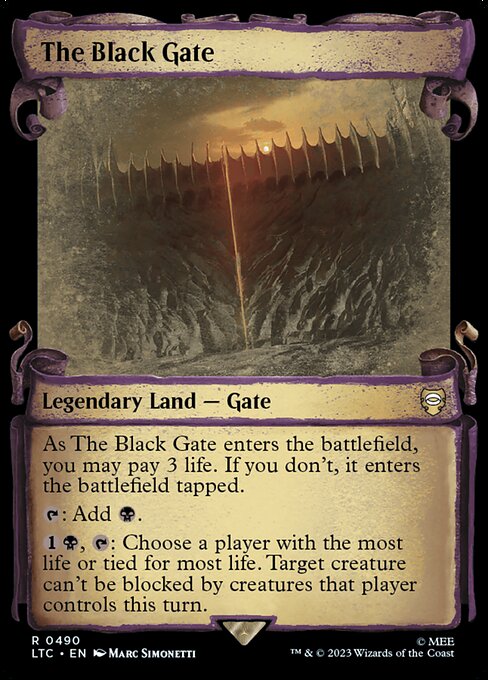
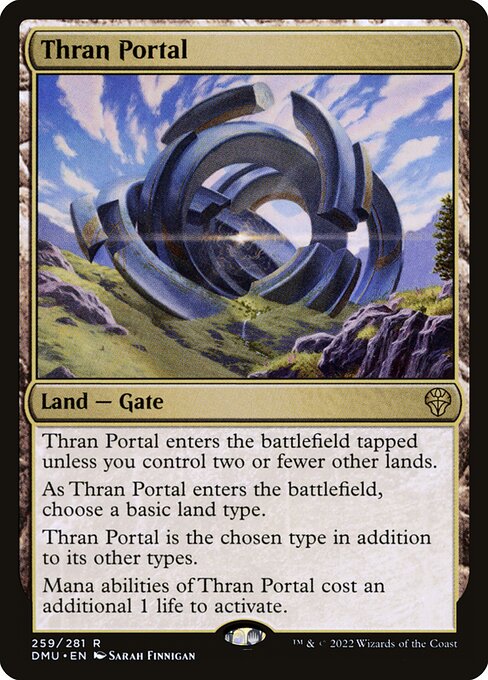
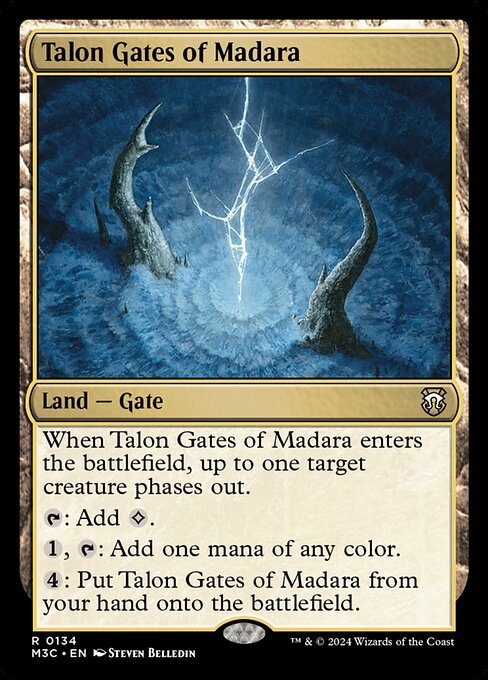
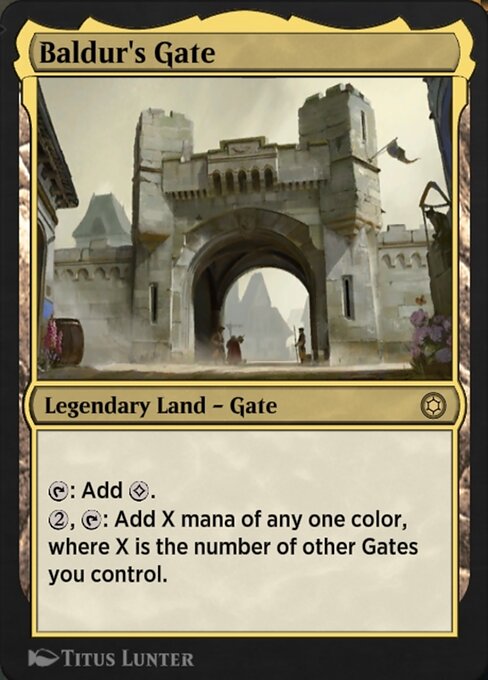
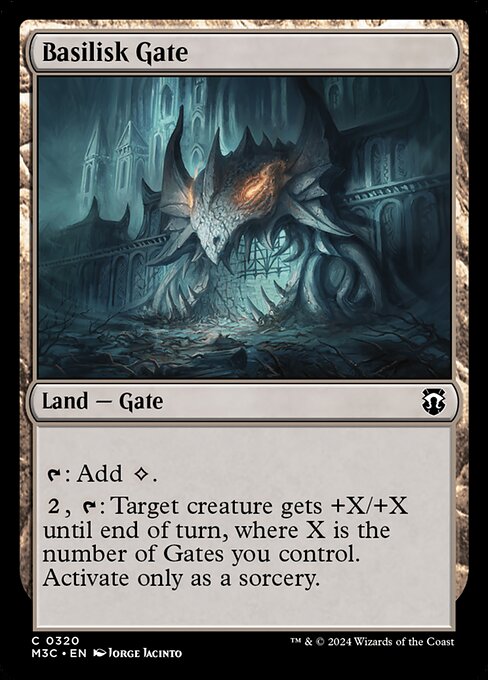
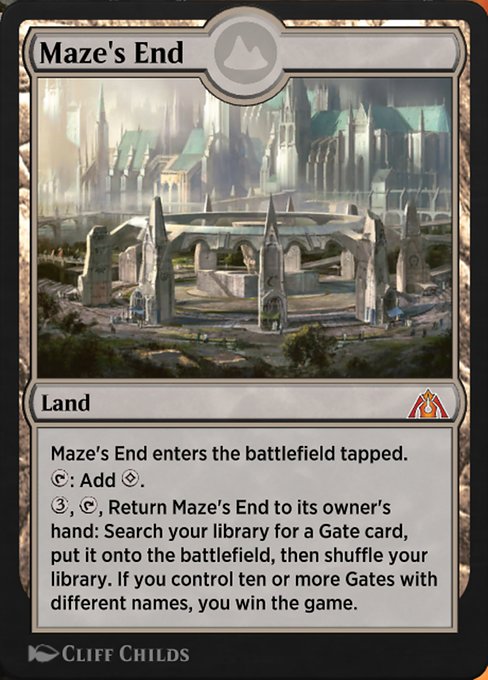
Why play Gates? To play with Gate payoffs, of course! Baldur's Gate has the potential to add a ton of mana of one color once you have a battlefield full of Gates. You can turn any creature into a problem with Basilisk Gate (great for Voltron Gate builds). The most common reason to play Gates, however, isn’t a Gate at all. Instead, it is Maze's End. It tutors for Gates, and once you get ten Gates, you win the game. With how many land tutors there are, you can get there quickly.
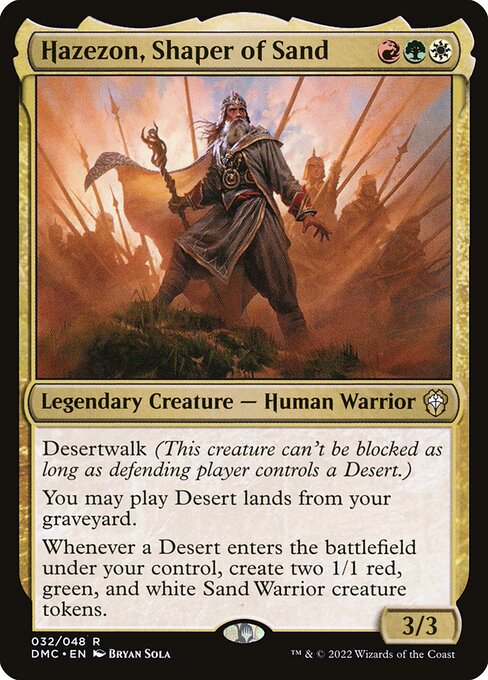
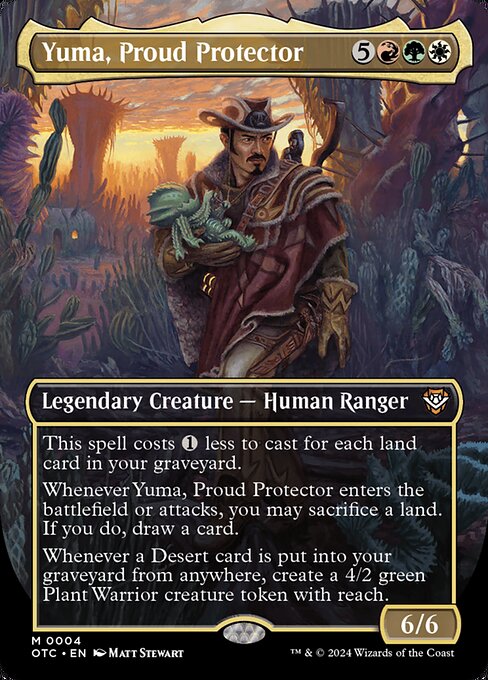
There are other land types, including Caves, Lairs, Spheres, and more. But generally, these aren’t worth playing. They’re just weak utility lands. Deserts are another notable land type, but realistically, unless you’re playing either Hazezon, Shaper of Sand or Yuma, Proud Protector, they’re not worth playing either.
Innistrad Utility Lands
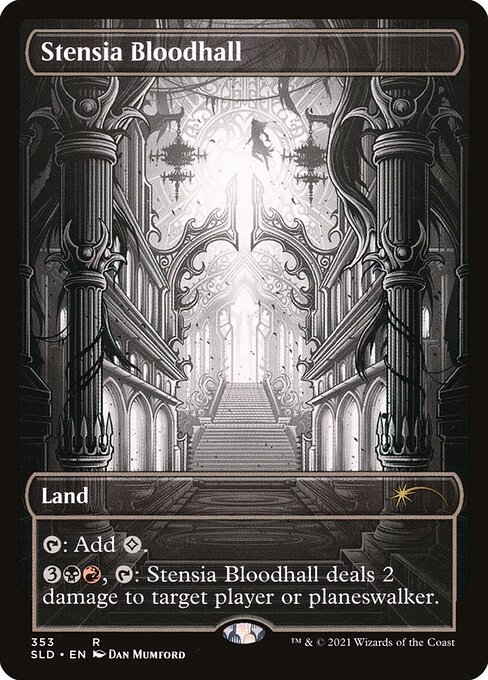
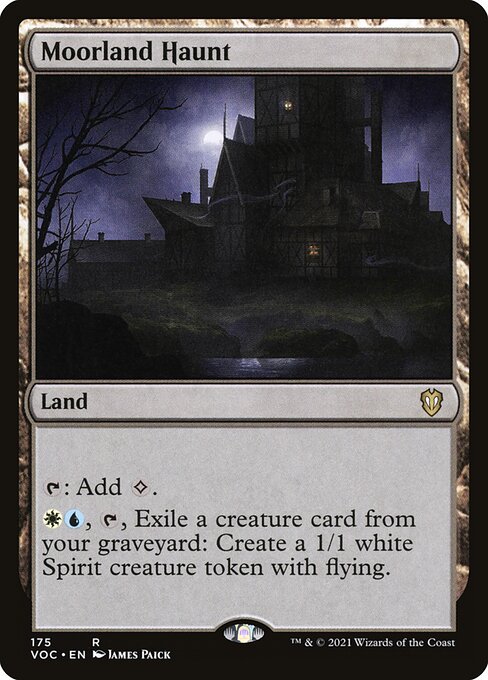
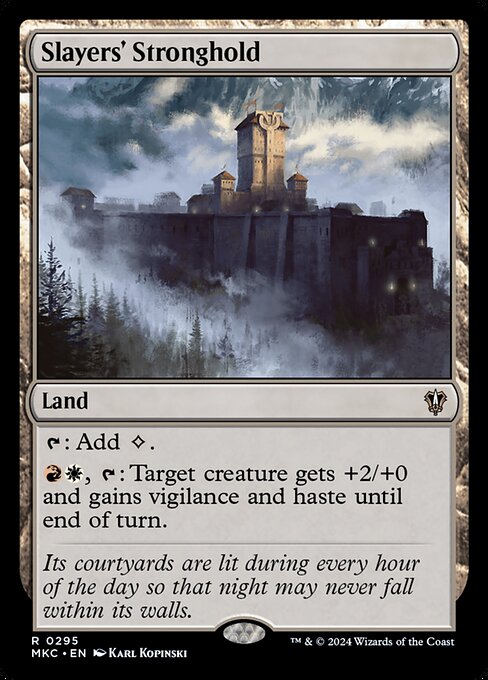
This cycle is a unique one in that half of the lands are based on a specific creature type, while the other ones are more generic. And they each have varying uses and have very different power levels. To start, the one that isn’t worth running almost ever is Stensia Bloodhall, as its activation cost is far too high for very little reward. Moorland Haunt isn’t amazing, but it is graveyard hate that creates tokens, which at least gives you a blocker. Similarly, Slayers' Stronghold isn’t commonly played either. While the effect is fine, there are simply better haste enablers that don’t require an activation cost.
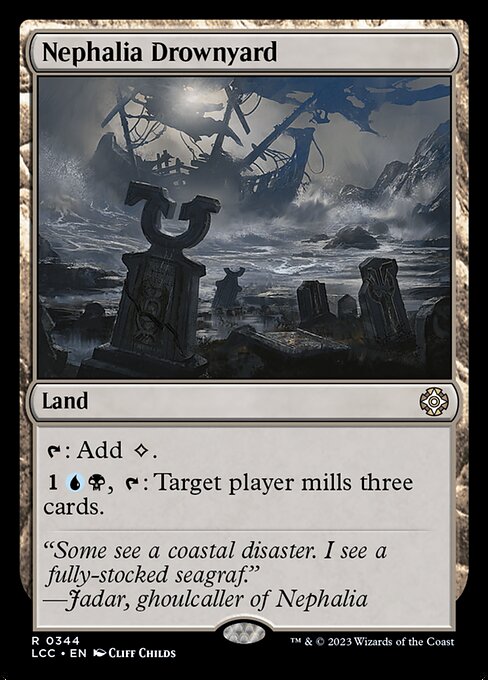
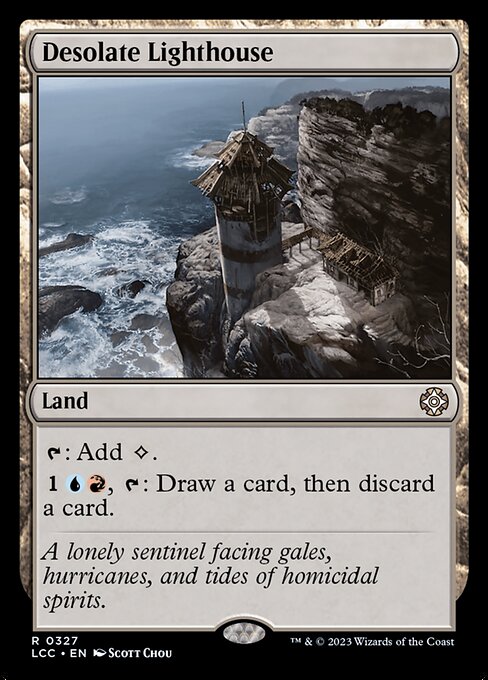
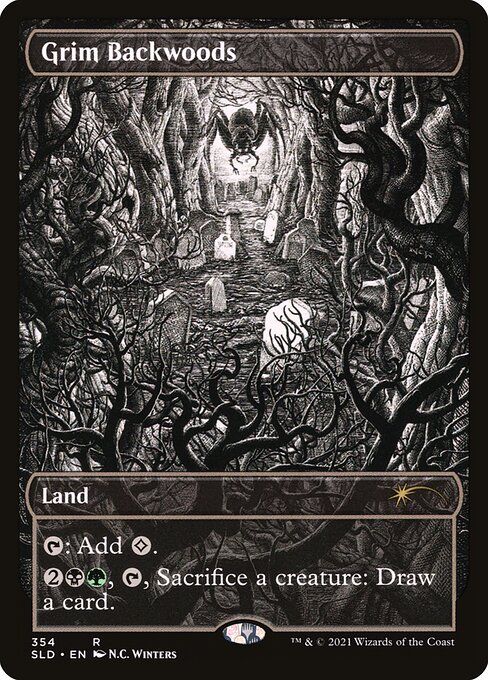
A tier below all those are Nephalia Drownyard, Desolate Lighthouse, Kessig Wolf Run, and Grim Backwoods. For Nephalia Drownyard, it’s very niche in its uses and is really only useful in Mill decks that care about forcing opponents to mill. You really only ever use the effect in the end step before your turn, as three cards being milled isn’t that amazing when the price of admission is three mana. You use Desolate Lighthouse the same way. In niche situations, you want to activate it to get a card into the graveyard to reanimate, but otherwise, it’s just looting at the end step to get your better cards.
And if you like Reanimator decks, you can check out our guide on the archetype over here.
Best of the Cycle
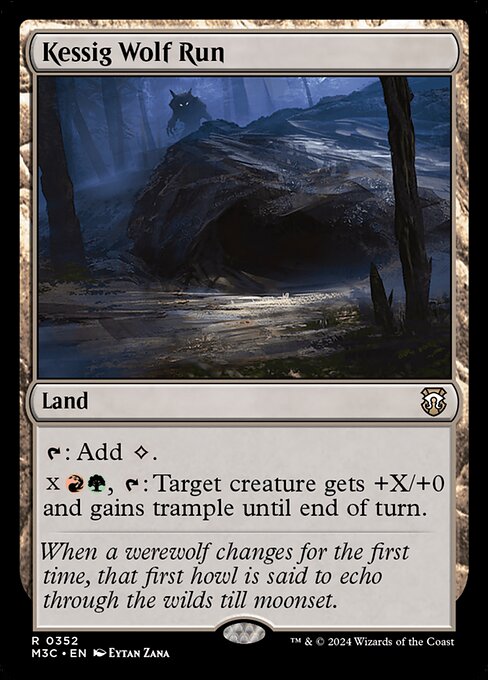
The most useful in this set of three is Kessig Wolf Run. You don’t have to pay X for anything, and trample is a very good ability to give. If you have a creature with a high statline, giving it trample at instant speed is very useful. You can even use it as a combat trick if you have mana to dump into X to suddenly turn a weak blocker into a creature that can trade with a big one. Grim Backwoods is just a way to sacrifice a creature, but the mana cost is a bit high to be overly relevent in most decks.
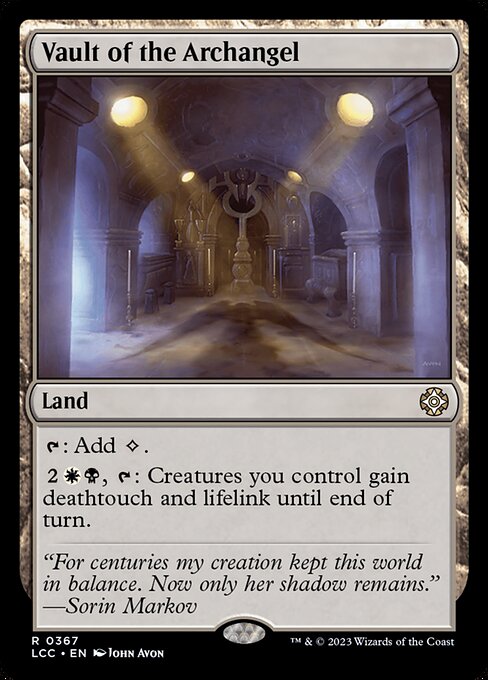
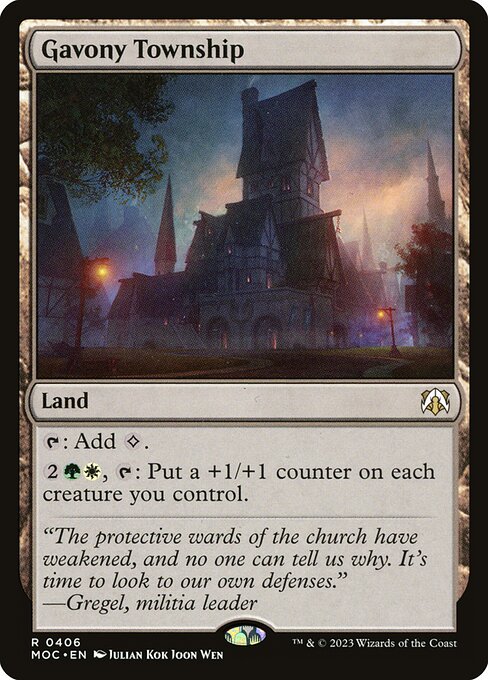
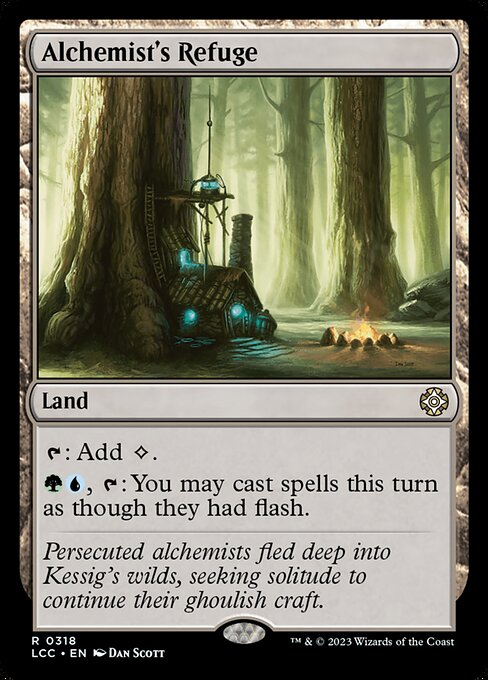
Both Vault of the Archangel and Gavony Township are very good because they affect all your creatures, not just one. And getting a +1/+1 counter on everything or giving them useful keywords for not too much mana investment is great. Both can be used at instant speed as well, letting you use these abilities reactively. The last is Alchemist's Refuge, which lets you cast any spell as if it had flash. This is incredible, and lets you cheat out a lot of cards during times you’d otherwise be unable to, and does even see cEDH play.
Castle Lands
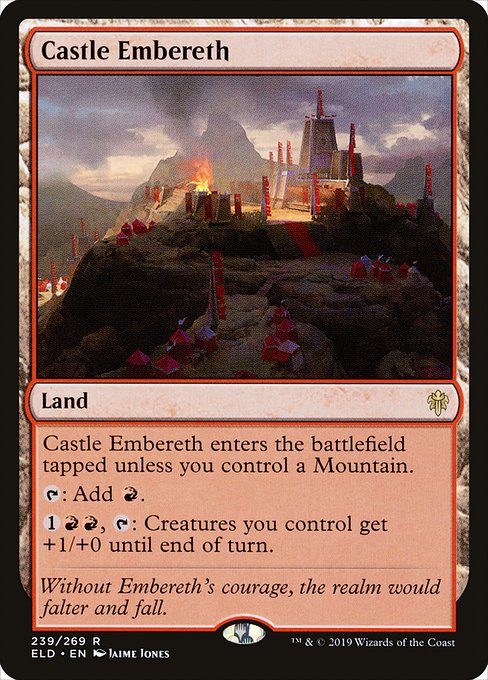
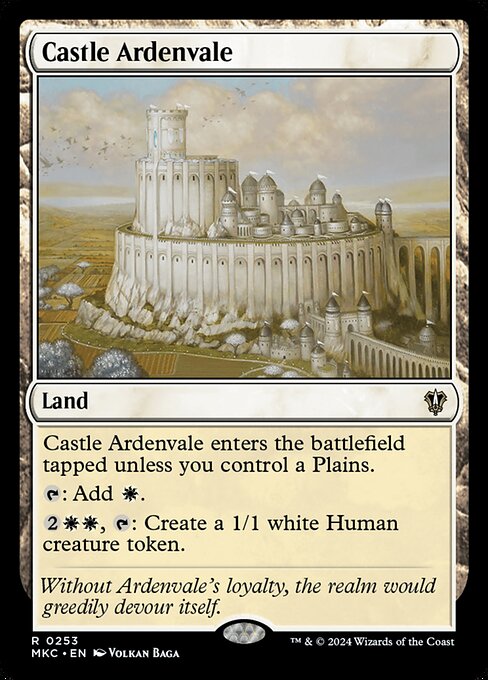
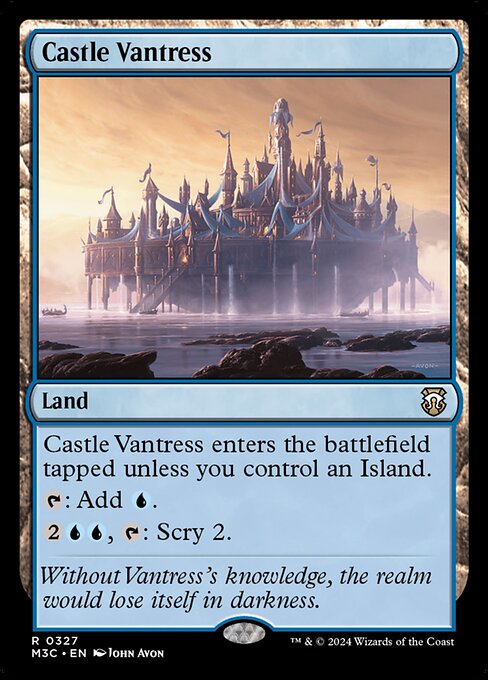
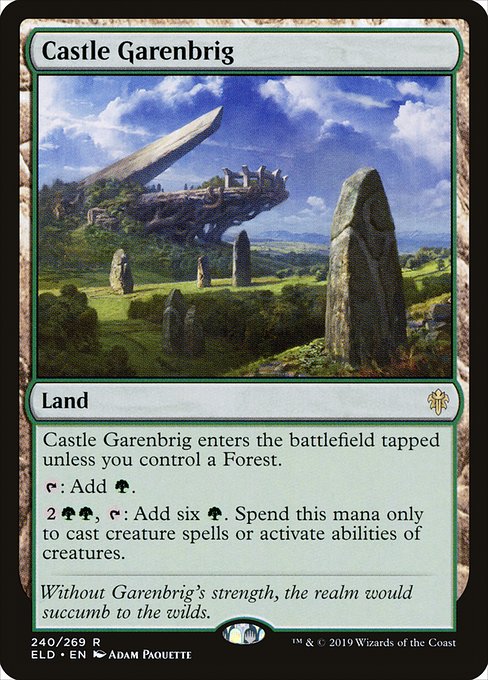
These lands come from Throne of Eldraine, and all enter tapped unless you control a specific land type. They can all tap for a specific color, and all have an activated ability. And as with most land cycles, some are better than others. The weakest by far is Castle Embereth, as a +1/+0 stat boost for three mana is awful conversion, and that mana is better spent elsewhere. Castle Ardenvale isn’t amazing in Commander either, but has some uses in Token decks or Mono-White decks where it’ll nearly always enter untapped. Not amazing, but Castle Vantress is useful at the end step to control what you’re drawing.
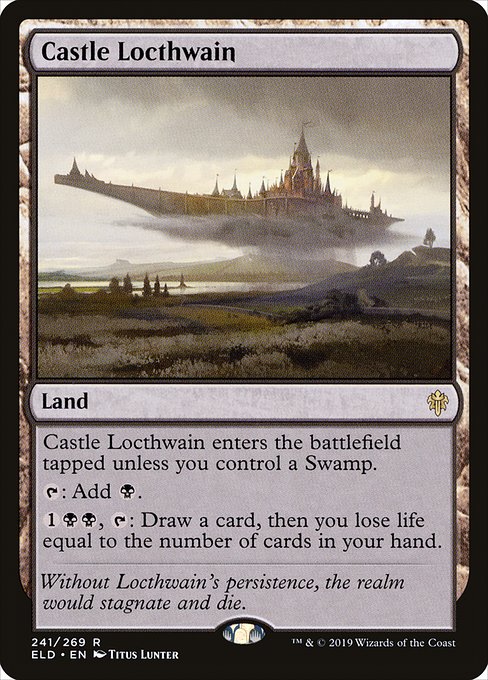
The best two in this cycle are Castle Locthwain and Castle Garenbrig. It’s not flashy, but Castle Locthwain is a consistent card draw engine that doesn’t need a ton of mana investment, and the life loss isn’t too bad. The best by far is Castle Garenbrig. For four mana, you jump ahead in mana by getting an extra mana for free. It can only be used for creatures or creature abilities, but you’re playing it in creature decks, so the bonus mana is useful for making the most of your mana curve.
Sacrifice Lands
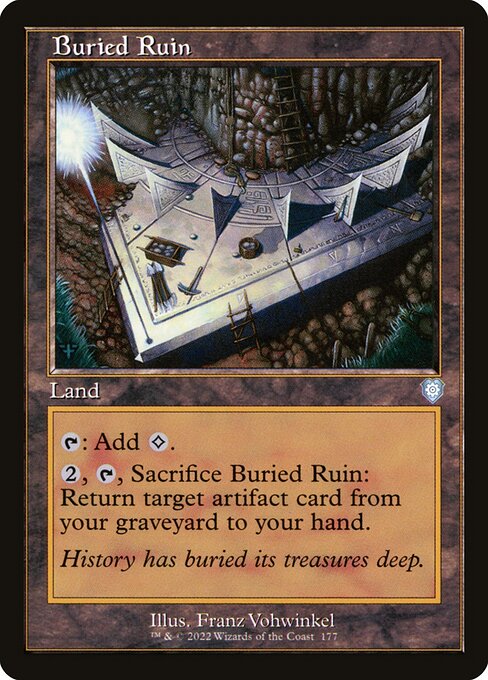
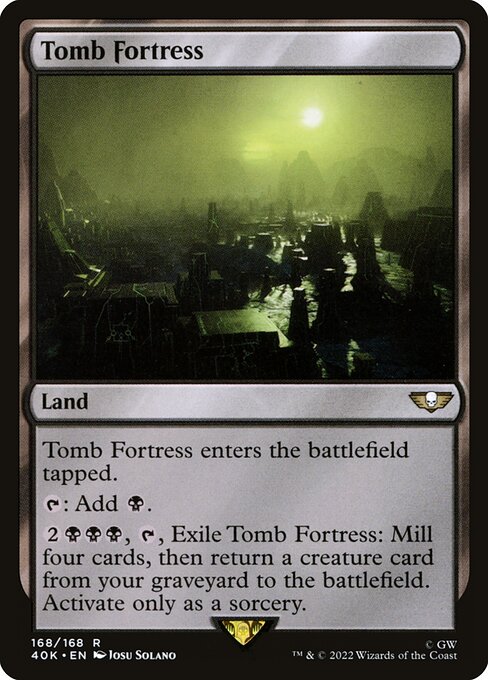
Some lands have activated abilities that require you to sacrifice it in order to use its ability. Having to get rid of a land is not great, as you’re losing an available mana source. However, these effects are usually worth it, and some have better uses than others. You have a few recursion options. Buried Ruin gets you an artifact back from the graveyard, great for artifact decks that have something that’s prime to get removed frequently. If you’re playing Reanimator, Tomb Fortress is a bit costly at five mana, but is a reanimation effect on a land which is useful in a pinch.
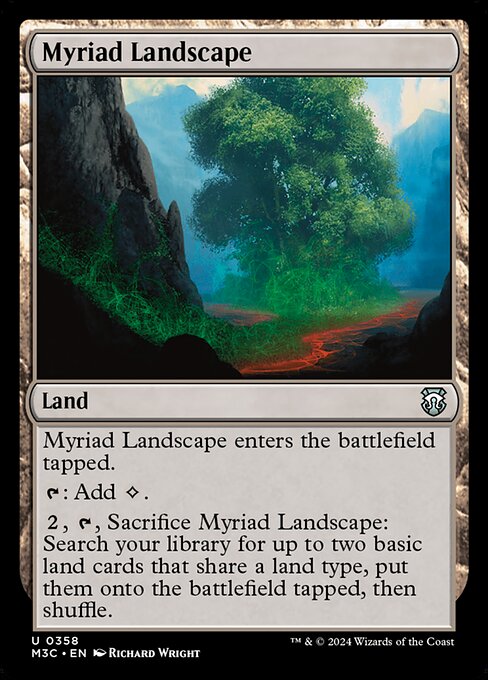
In Mono-Colored decks, you often want to come equipped with Myriad Landscape. The one exception is with Mono-Green, as you have access to better ramp cards. But in all other colors, you can get two lands out of your library to get a bit ahead of your mana curve. To dump mana, you can utilize Treasure Vault for some Treasures, which does occasionally pop up in cEDH lists.
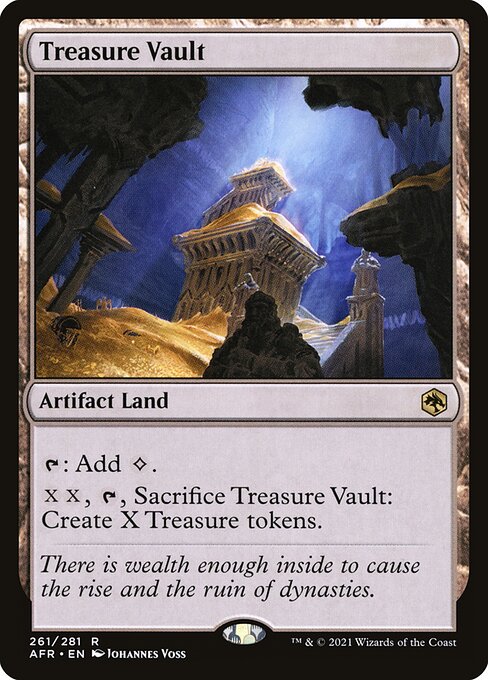
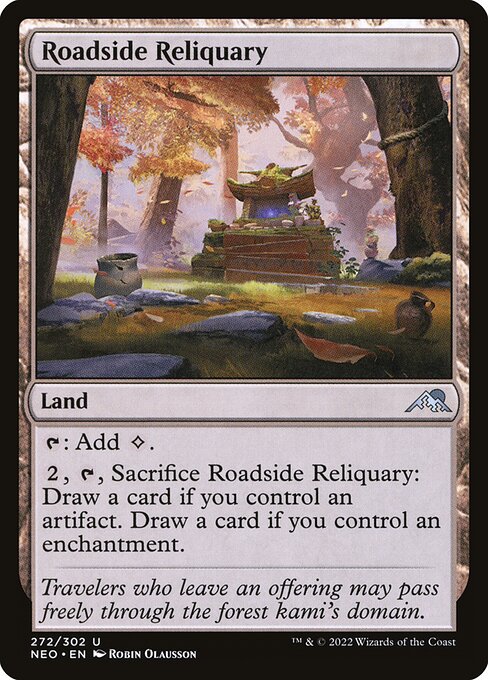
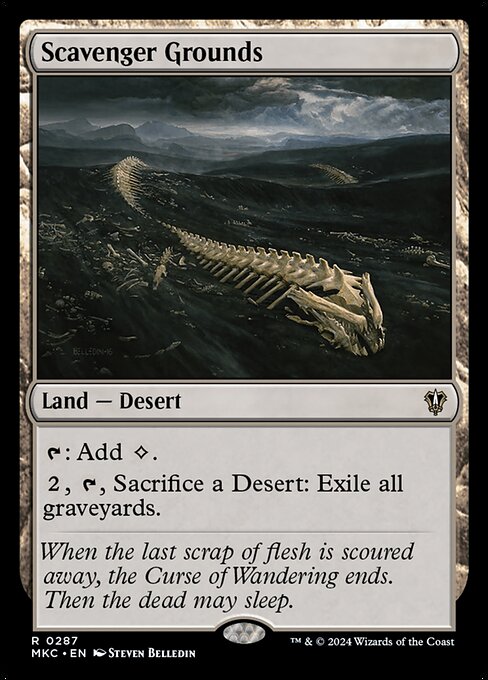
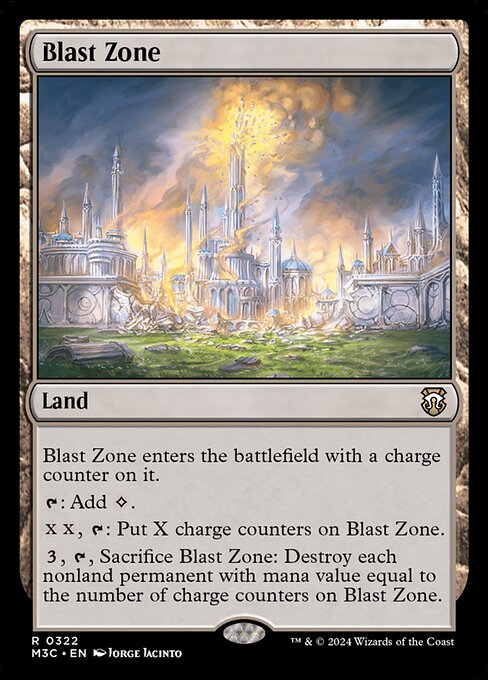
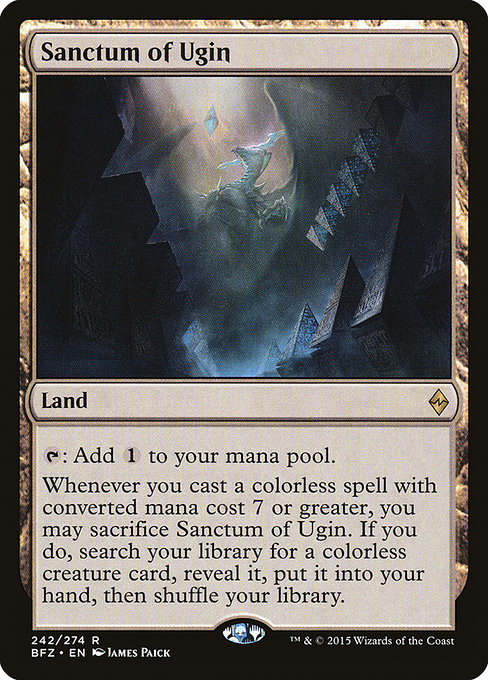
For some card advantage, Roadside Reliquary is great. Nearly every Commander deck has at least a few artifacts and enchantments, so often you’ll draw two cards with it. Scavenger Grounds is useful for exiling graveyards. Since it’s a Desert, it can sacrifice itself, but if you have others, you sacrifice those instead. The best of the removal lands is Blast Zone, which is a cEDH staple. You can easily destroy a ton of nonland permanents with very little investment. It’s best used with one or two counters, as these are the most common mana values. Sanctum of Ugin is only played in Eldrazi decks mostly, and is a situational but solid tutor. But often, you don’t want to get rid of a land in a deck that requires a ton of mana.
Best Utility Lands
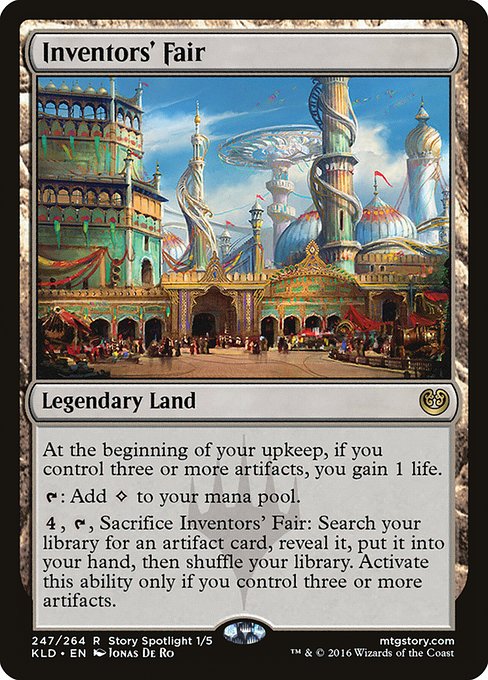
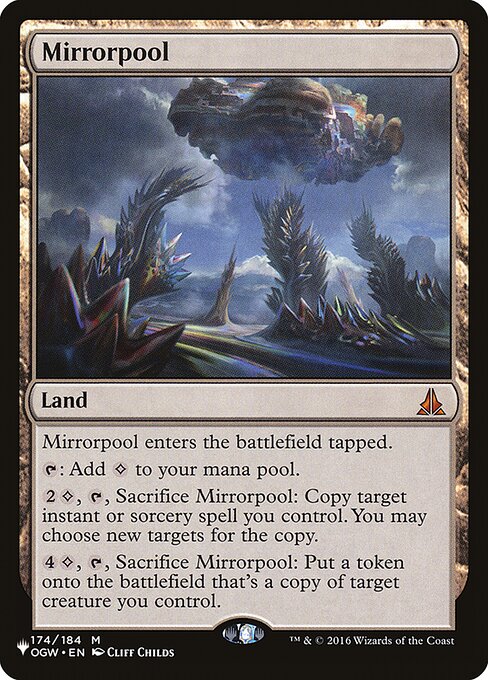
In artifact decks, sometimes, you just need a specific artifact to answer a specific gamestate. This is why Inventors' Fair is such a good card. The passive lifegain is nice, but the ability to tutor is what makes it so good. If you need ramp, artifact-based removal, a utility artifact, or anything, Inventors' Fair has you covered. Mirrorpool can create a copy of a creature, or copy an instant or sorcery. Both of these effects are great, and even if you lose the land, getting a second copy of a powerful effect is more than worth the trade-off.
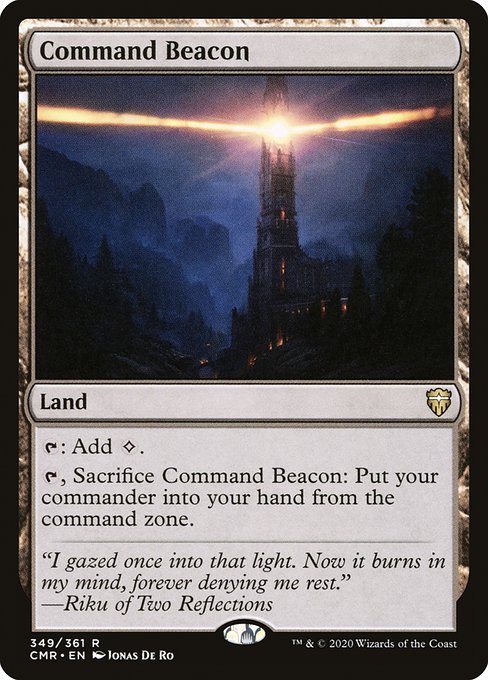
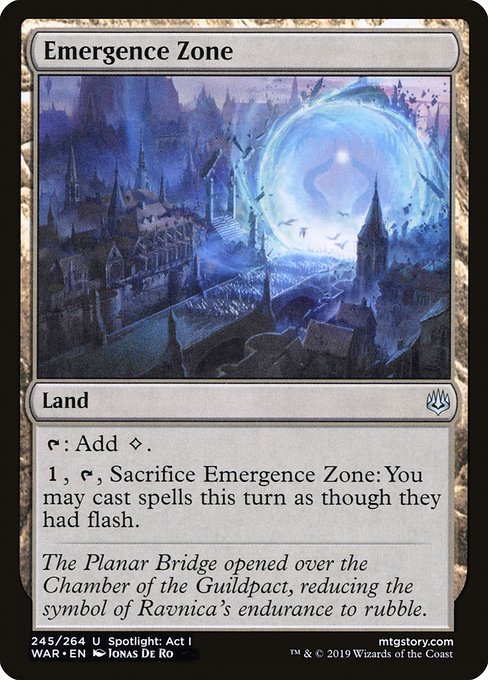
In decks that care about your commander, odds are, your commander will be removed a lot and make the commander tax high. Luckily, Command Beacon can put your commander directly into your hand. This is more a late-game card, and is meant to be used when your commander tax is too high to pay. You still have to cast the commander, but for its printed cost. One of the best utility lands full-stop is Emergence Zone. For just one mana, you can give all spells flash, letting you potentially win the game on an opponent’s turn. It’s a very common card at cEDH tables as a way to snatch victory out of nowhere. Not only that, you can cast any kind of spell, creature, sorcery, you name it.
The Miscellaneous Lands
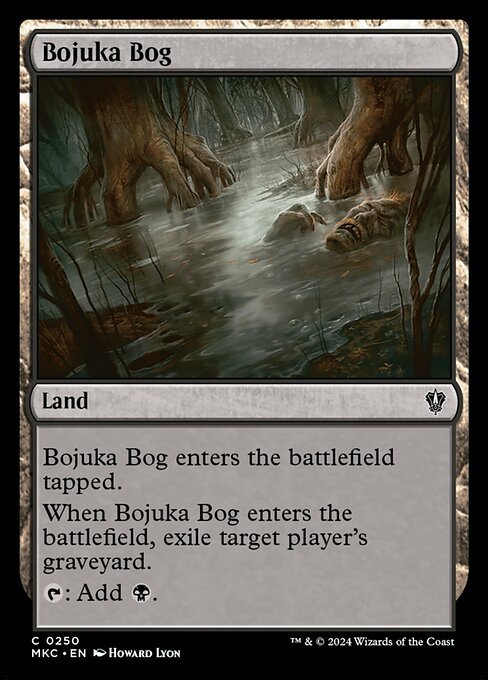
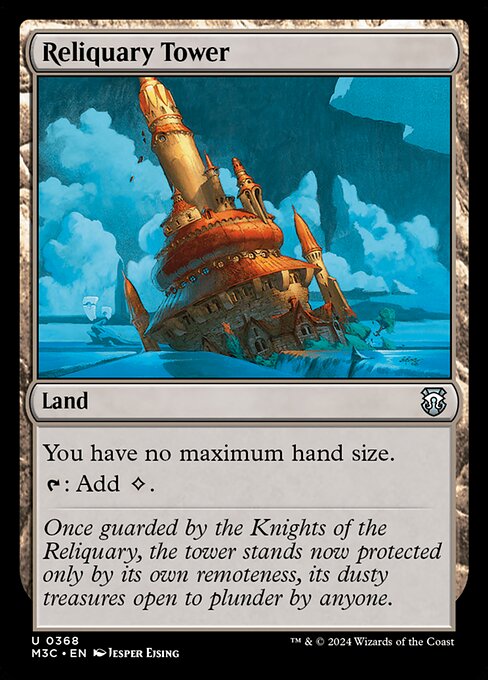
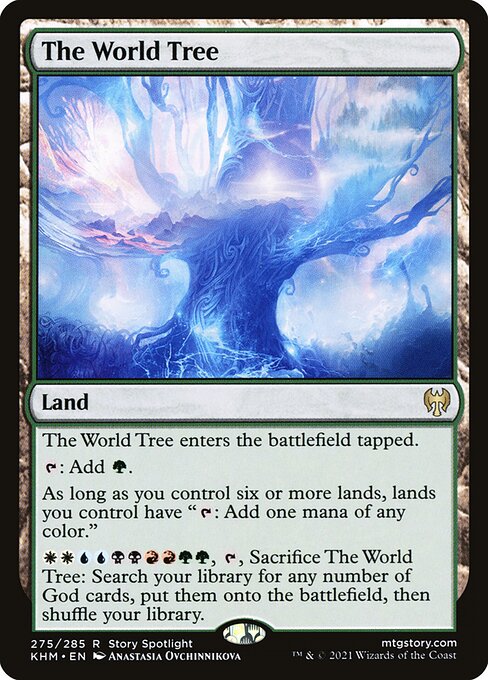
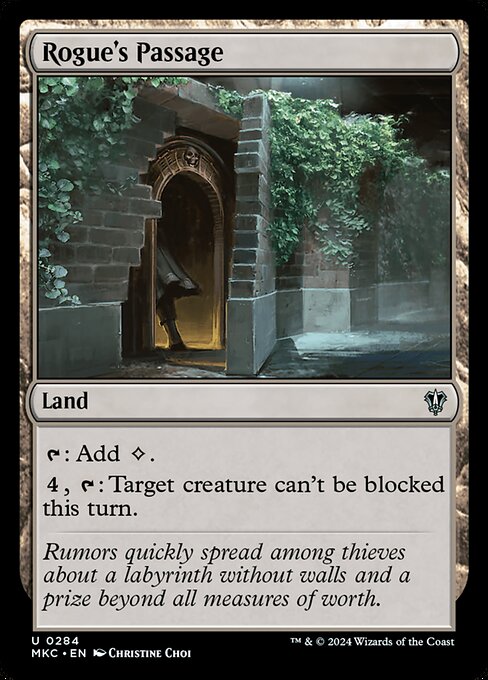
These last lands don’t quite fit into a category, but are still very good cards to know about. Bojuka Bog is niche, but against any deck that relies on the graveyard, it can be a blowout. If you’re playing a deck that draws a lot of cards, make sure to come with a Reliquary Tower so you don’t have to worry about your hand size limit. In Five-Color decks, The World Tree is a staple. You almost never use the activated ability (unless you’re explicitly playing a God deck). Instead, you’re playing it because once you have six lands, all your lands can make mana of any color. In Voltron decks, Rogue's Passage is a staple since you can guarantee your commander will connect for damage.
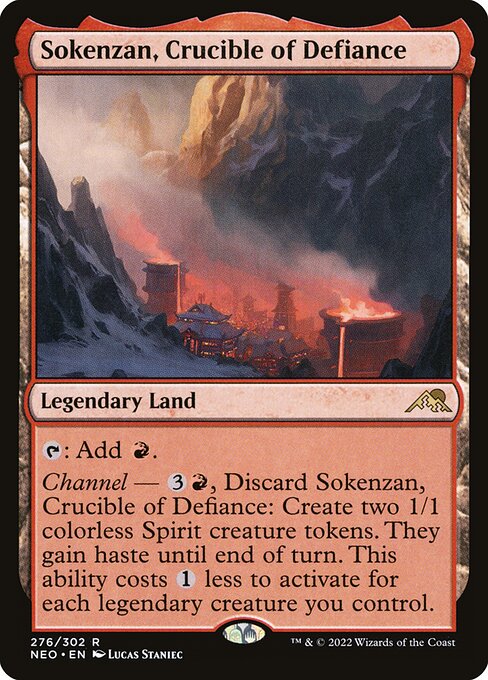
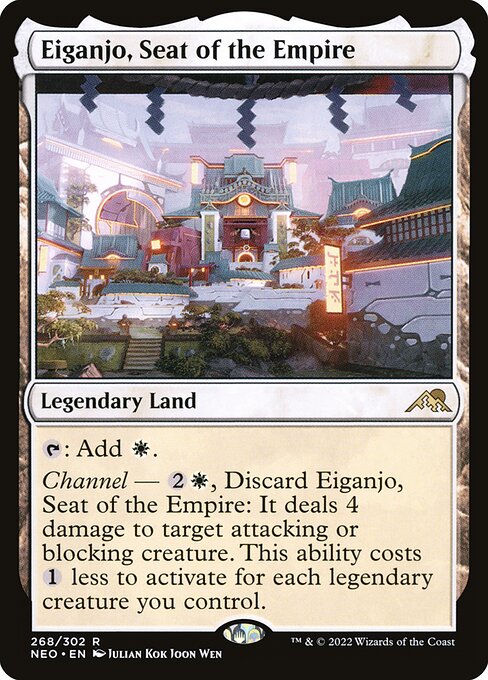
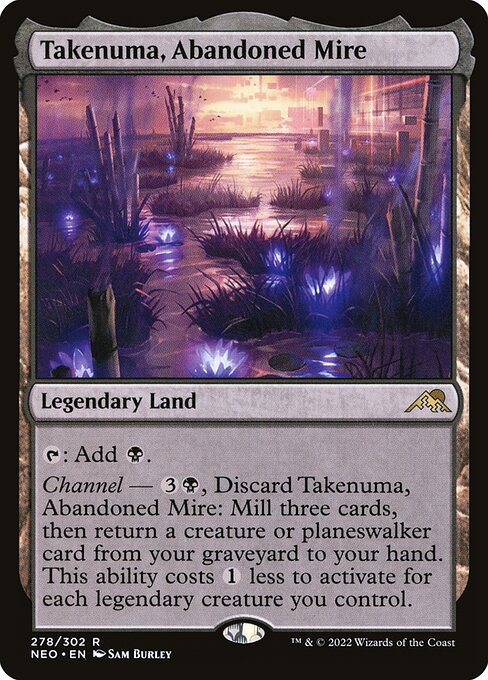
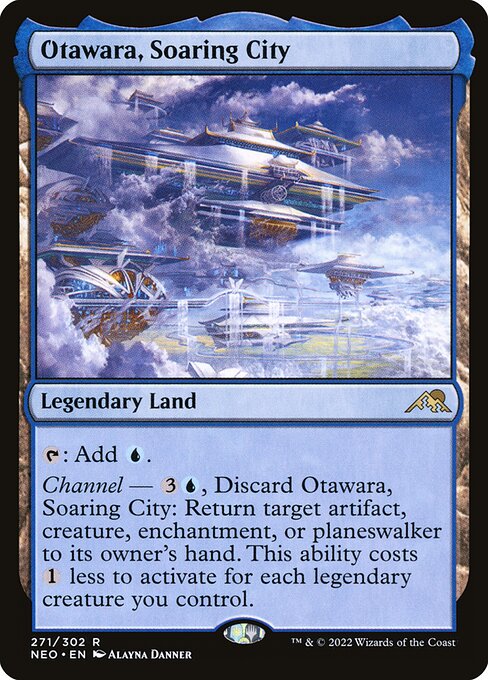
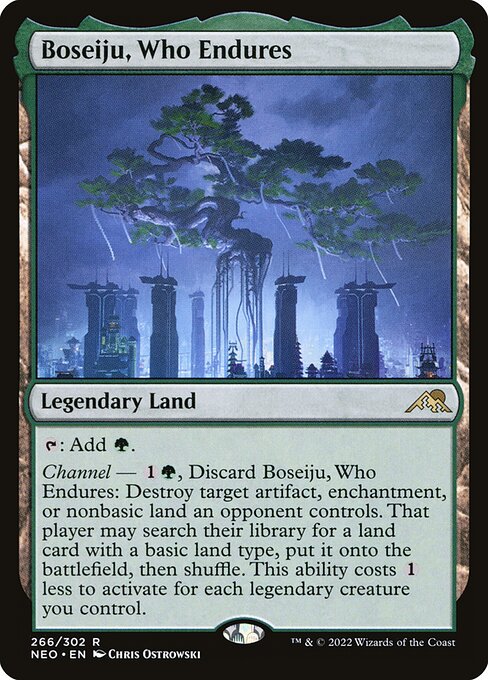
Channel lands are very good. These are all mono-colored and can be used as a land or as an effect in the hand. The weakest is Sokenzan, Crucible of Defiance as all it does is make two 1/1 tokens. Just above that is Eiganjo, Seat of the Empire as it’s only a decent combat removal trick. A tier above those is Takenuma, Abandoned Mire, which can return a creature or planeswalker back to your hand, very useful if you’re playing permanents that are removal magnets. Otawara, Soaring City can return a variety of permanents, which can cut an opponent off of a combo, of if they’re playing a Token deck, get rid of the token entirely. The most played one is Boseiju, Who Endures, which destroys an artifact, enchantment, or nonbasic land, and usually only costs one mana to actually do so.
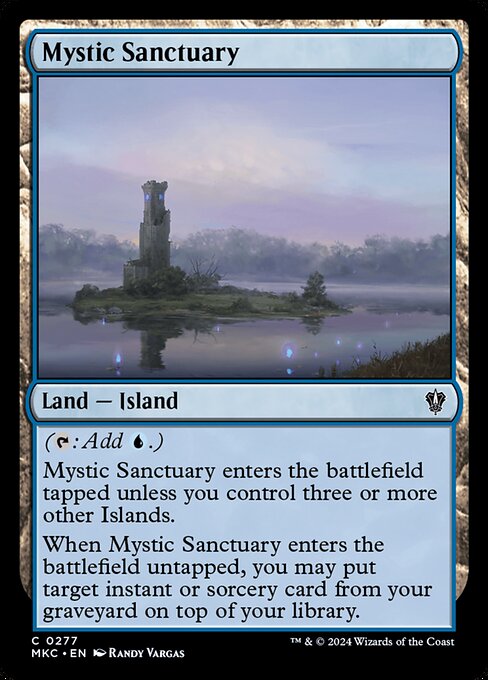
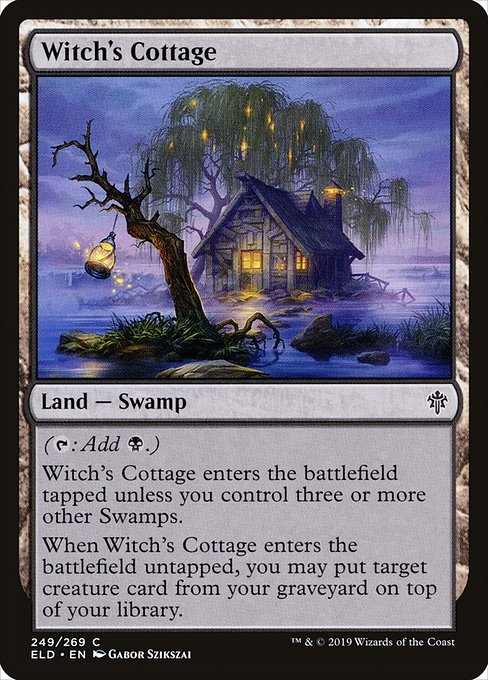
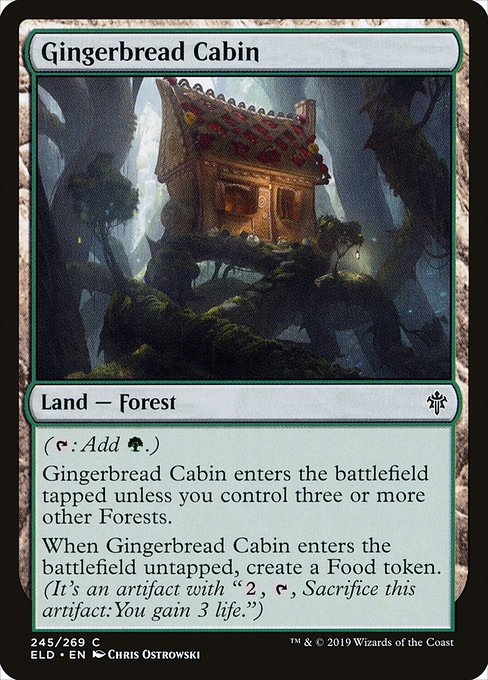
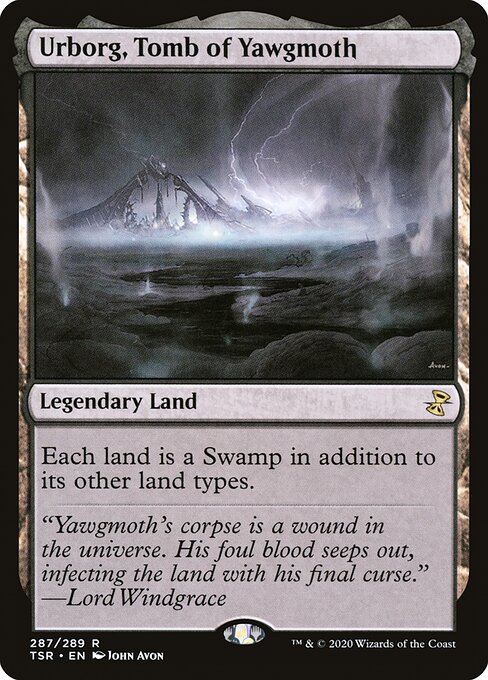
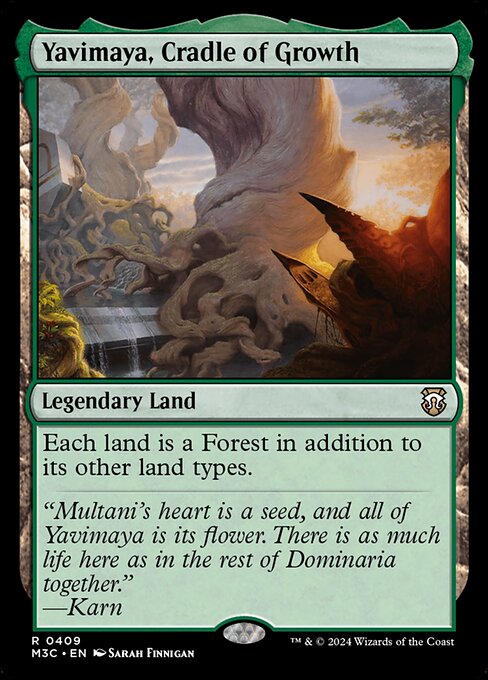
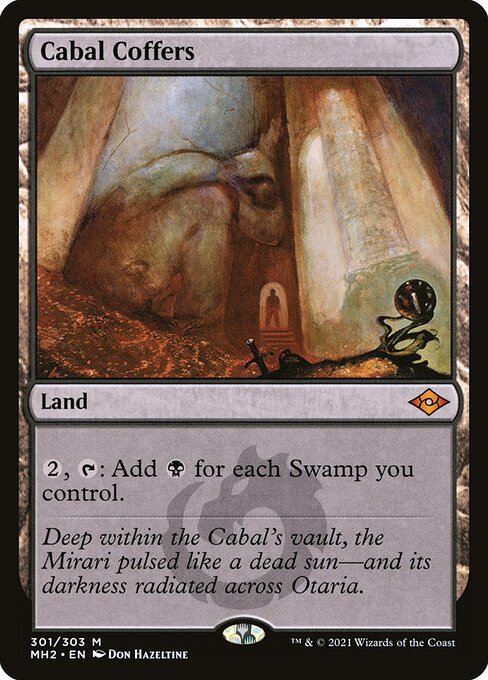
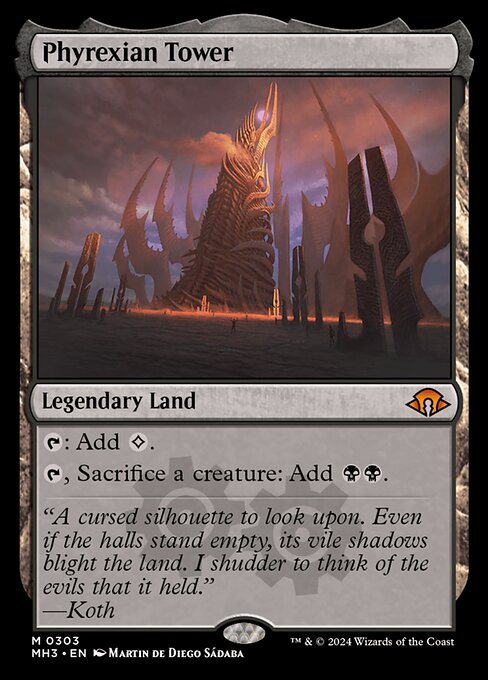
Though a part of a cycle, only Mystic Sanctuary and Witch's Cottage are worth playing. Both give you a form of graveyard recursion if they enter untapped. Gingerbread Cabin is decent, but only in decks that carea bout either artifacts or Food tokens. Both Urborg, Tomb of Yawgmoth and Yavimaya, Cradle of Growth are great fixing tools, or can be used to enable landwalk if you’re playing cards with that. The former can be paired with Cabal Coffers to really make a ton of Black mana. If you’re playing an Aristocrat/Sacrifice deck, Phyrexian Tower is another staple to generate extra mana.
In Conclusion
Lands are the most important card type in the entire game. Without them, you aren’t able to actually cast anything. No matter what your power level is, who your commander is, or what variant of Commander you’re playing, you’re playing lands. In this Land Guide, we discussed all the most important land cards and ones that you should at the very least be aware of.
Certain cards weren’t discussed, such as specific dual lands that don’t have a type as there simply isn’t much to say about a card like Sulfur Falls. Others are rather self-explanatory, like Evendo, Waking Haven which is “play a bunch of creatures, make a ton of mana.”